A good coffee gift does not have to be another bag of beans or a piece of equipment that might not fit someone's setup. For the person who genuinely loves coffee, a book can be a more lasting present: something to read over a morning cup, consult while dialing in an espresso machine, or return to whenever curiosity strikes. The right choice depends on what the recipient enjoys most about coffee.
Some coffee drinkers want to understand where their beans come from. Others are interested in the practical details of brewing, the craft of roasting, or the history of the cafes that have shaped everyday life. A serious home barista may appreciate technical explanations, while someone who simply enjoys a good cappuccino might prefer recipes and accessible guidance. This collection brings those interests together, with ten coffee books selected for different levels of knowledge and enthusiasm.
For the Curious Coffee Drinker: Start with the Essentials
These first three books make particularly approachable gifts. They are suitable for people who enjoy coffee but have not necessarily studied its production or preparation. They also make useful starting points for anyone who wants to move beyond buying whichever beans happen to be on the supermarket shelf.
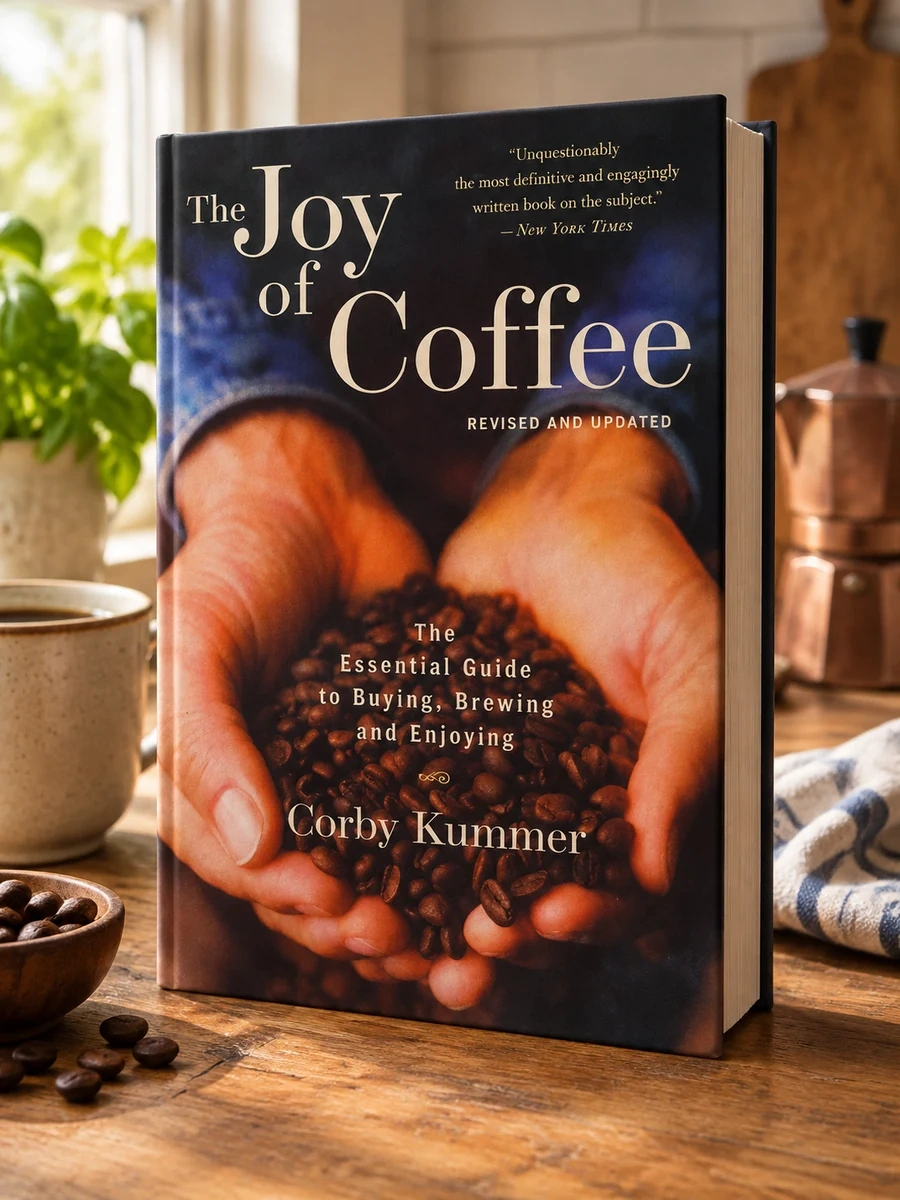
1. The Joy of Coffee: The Essential Guide to Buying, Brewing, and Enjoying - Revised and Updated — Corby Kummer
For an everyday coffee drinker who wants to become more informed without turning coffee into an intimidating hobby, this is an excellent starting point. Its scope is appealingly practical: buying, brewing, and enjoying coffee. That combination makes it a sensible gift for someone beginning to pay attention to beans and preparation, rather than someone already looking for highly specialized espresso theory.
The appeal is its broad perspective. Instead of concentrating on one machine or brewing method, it addresses the wider experience of choosing and making coffee. Give it to a curious friend, a recent graduate setting up a first kitchen, or someone who has started exploring independent coffee shops and wants to understand more about what goes into a good cup.
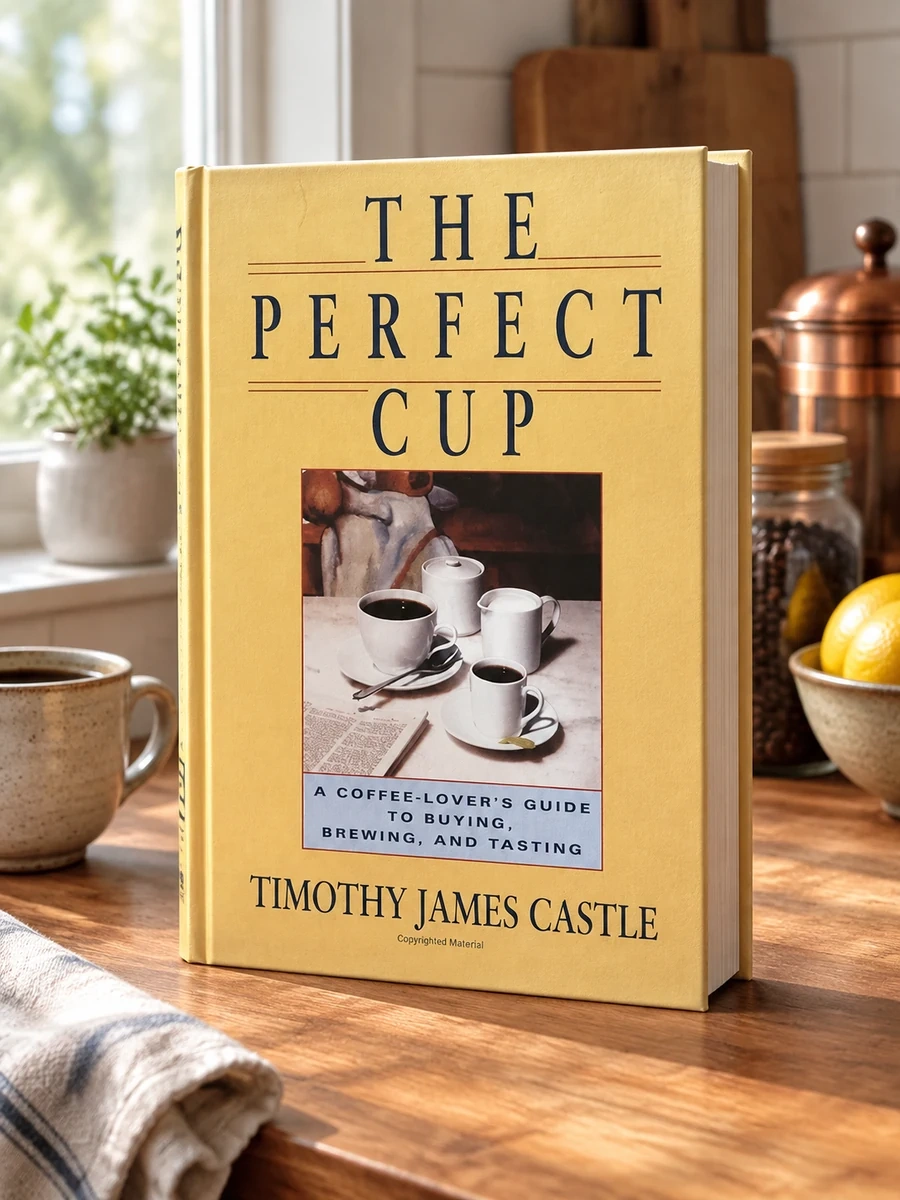
2. The Perfect Cup: A Coffee Lover's Guide to Buying, Brewing, and Tasting — Timothy J. Castle
This title is especially well matched to someone who enjoys comparing coffees and wants to develop a more deliberate approach to drinking them. Buying, brewing, and tasting provide three useful points of entry, taking the reader from selecting coffee to preparing and evaluating the finished drink. It is a good option for the person who has begun noticing differences between coffees but would like a more organized understanding of those differences.
It also makes a thoughtful companion gift alongside a selection of whole-bean coffees from different producers. The emphasis on tasting gives the recipient a reason to pay attention to what is in the cup, while the broader subject matter keeps the book relevant beyond a single brewing technique. It is approachable enough for an enthusiast who is still learning, without being limited to absolute beginners.
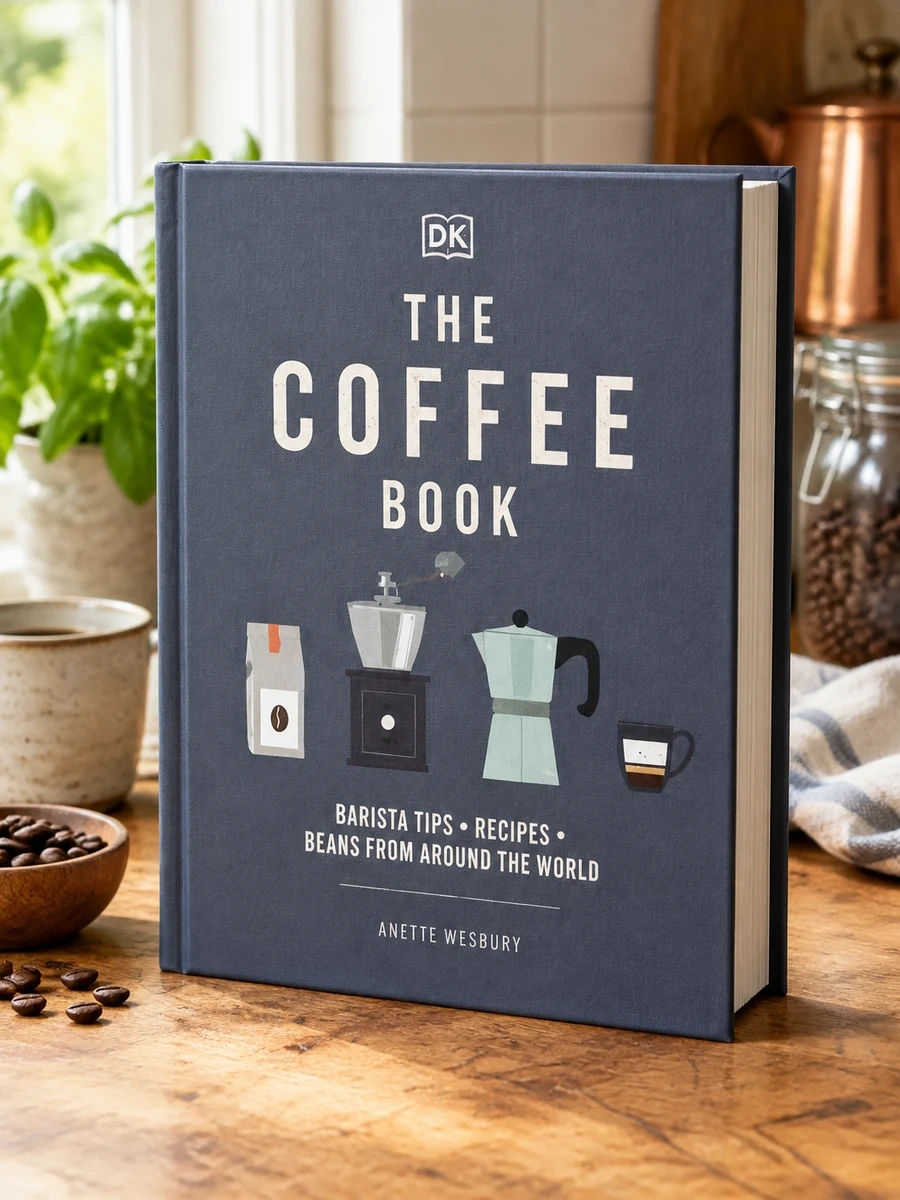
3. The Coffee Book: Barista Tips * Recipes * Beans from Around the World — Anette Moldvaer
For someone whose interests are already spreading beyond their usual morning brew, this book offers a particularly appealing combination of subjects. Its coverage brings together barista tips, recipes, and beans from around the world. That makes it a versatile choice for a recipient who enjoys both the practical and exploratory sides of coffee, rather than concentrating exclusively on equipment or technical preparation.
The international bean angle also gives the book a useful role in introducing the idea that coffee is not a single uniform product. Different origins and beans are part of a much wider subject, and the combination of that perspective with recipes and barista guidance makes this an attractive all-round gift. It is a strong choice when you know someone loves coffee but are not entirely sure which specialized aspect interests them most.
For the Hands-On Enthusiast: Brewing and Roasting
Once someone starts experimenting with coffee at home, the questions become more specific. Why does one preparation produce a different cup from another? What happens during roasting? How much control does the home enthusiast really have over the finished result? These books are well suited to readers who enjoy learning through practical experimentation.
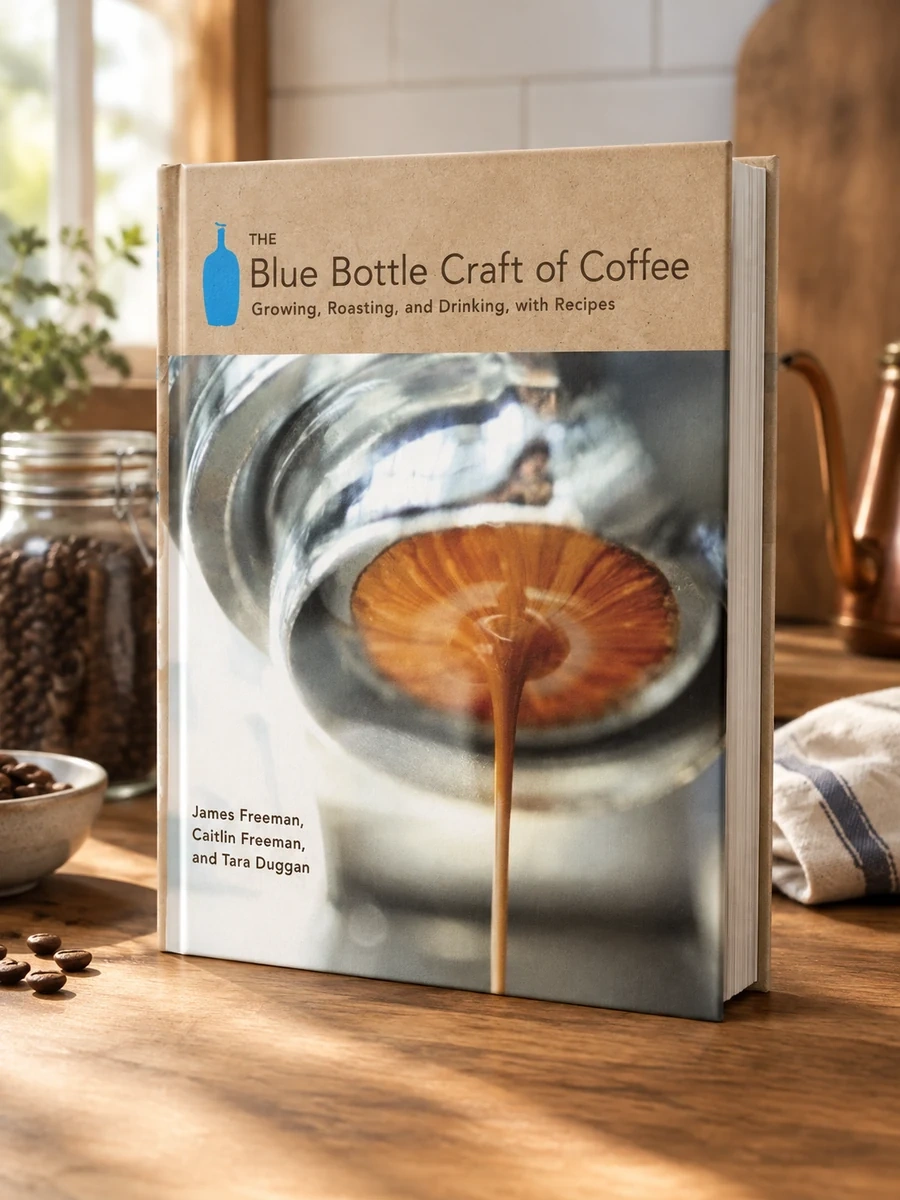
4. The Blue Bottle Craft of Coffee: Growing, Roasting, and Drinking, with Recipes — James Freeman
This is an appealing gift for someone who wants to understand coffee as a craft rather than simply as a convenient daily beverage. Its subject matter spans growing, roasting, and drinking, with recipes included. That breadth is useful because it connects the finished cup with the stages that precede it. A reader interested in how coffee develops from an agricultural product into something prepared and enjoyed at home will find the scope particularly relevant.
It is also a natural choice for someone attracted to the thoughtful, hands-on side of specialty coffee. The combination of production and preparation makes it broader than a recipe collection, while its coffee-centered focus keeps it accessible as a gift. Consider it for the enthusiast who enjoys visiting specialty cafes, experimenting with beans, and learning about the work behind a carefully prepared cup.
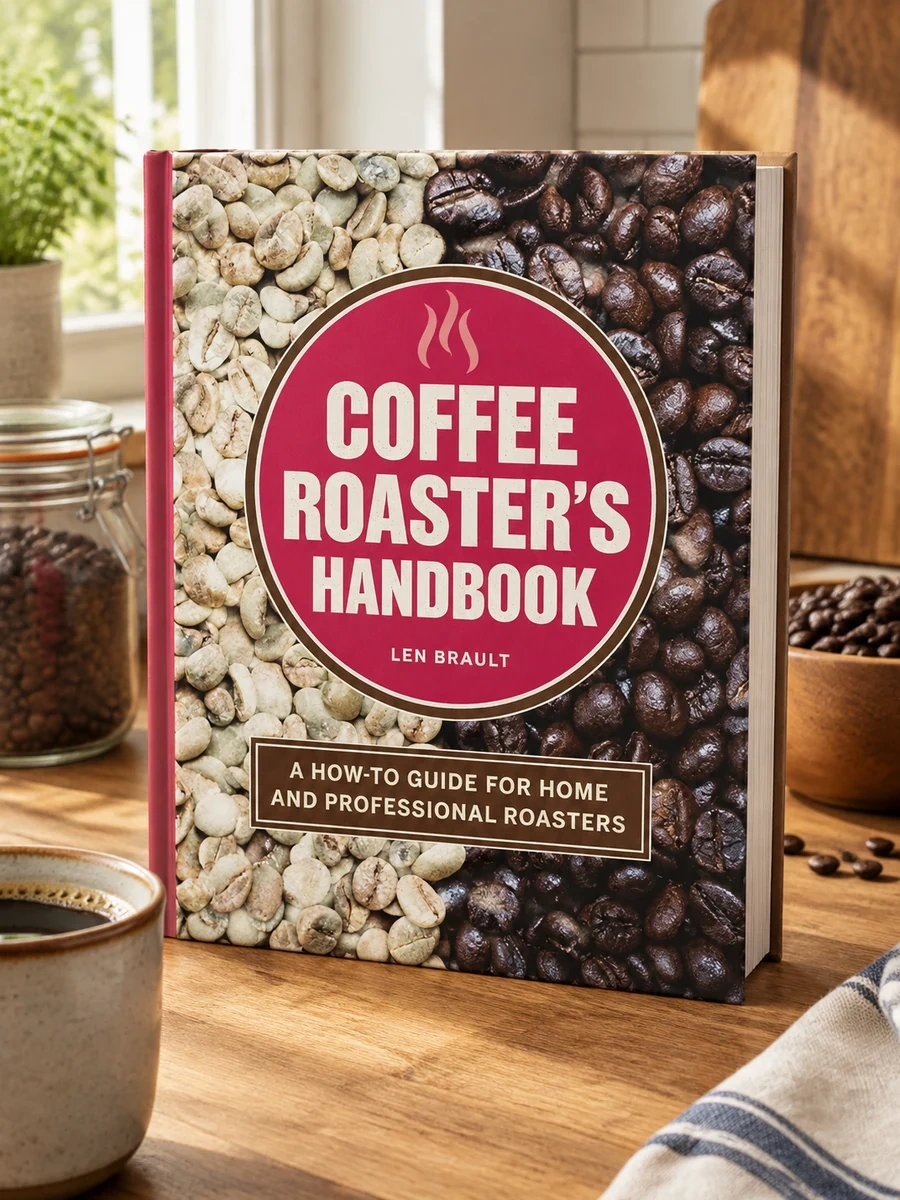
5. Coffee Roaster's Handbook: A How-To Guide for Home and Professional Roasters — Len Brault
Roasting is a particularly rewarding subject for coffee enthusiasts who want to understand what happens before brewing even begins. This handbook is explicitly directed toward home and professional roasters, making it a more specialized choice than a general coffee guide. It is the book to consider for someone who has developed an interest in roasting their own beans or wants to understand the technical side of transforming green coffee into roasted coffee.
Unlike a casual introduction to coffee appreciation, this is intended for readers seeking practical and technical knowledge. That distinction matters when choosing a gift: someone who only wants recipes for flavored lattes may not need a roasting handbook, but a hands-on enthusiast who enjoys equipment, experimentation, and process will appreciate its more focused subject. It is also a relatively accessible entry into a specialized corner of coffee literature.
For the Espresso and Home Barista Crowd
Espresso has its own vocabulary, equipment, and technical demands. It can be fascinating for an enthusiast and frustrating for someone trying to understand why a shot tastes different from one morning to the next. The following books serve two different needs: one focuses on making espresso-based drinks, while the other approaches espresso through the science of quality.
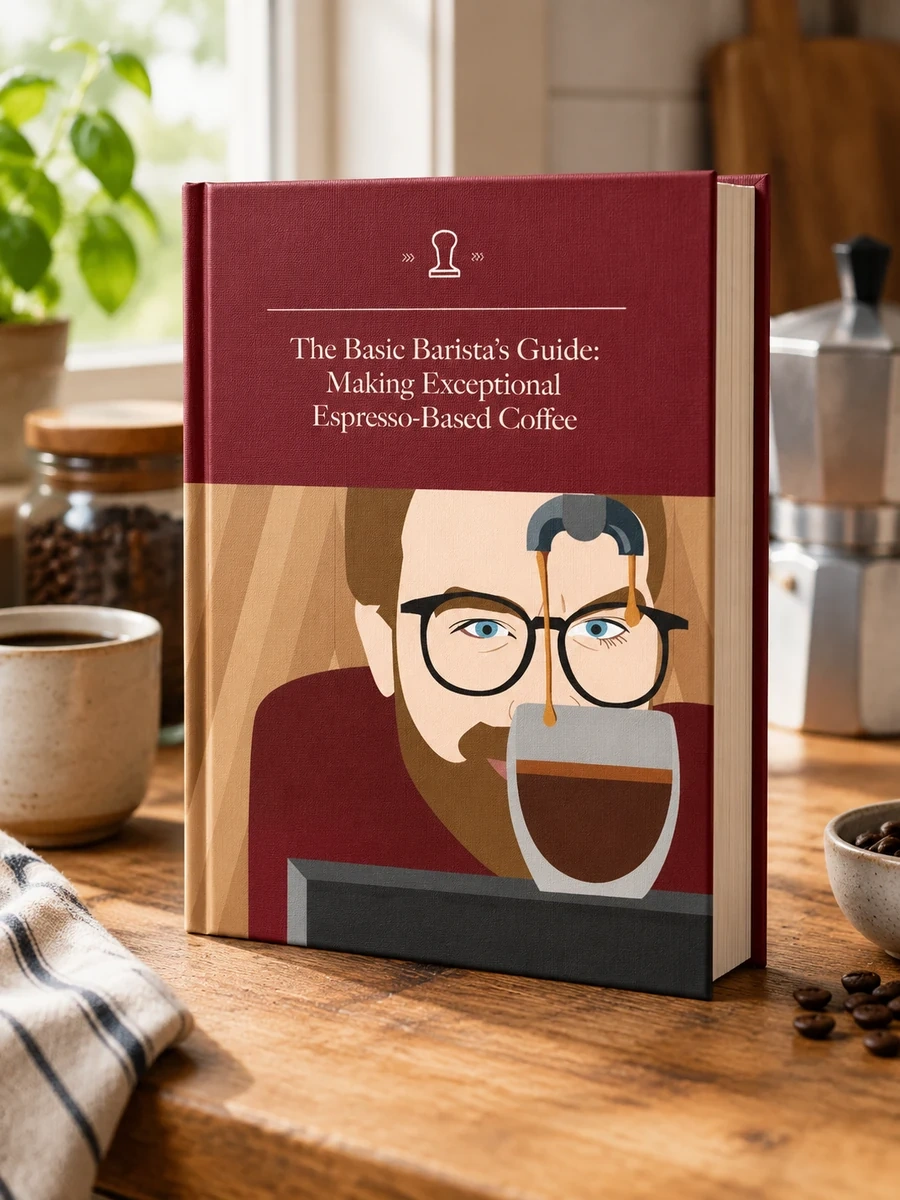
6. The Basic Barista's Guide: Making Exceptional Espresso-Based Coffee (Hard Cover) — M. Neli
For an aspiring home barista, this is one of the most directly relevant gifts in the collection. Its focus is exceptional espresso-based coffee, making it a natural match for someone interested in learning to prepare drinks associated with the cafe counter. It is more targeted than a general coffee appreciation book, and that specificity makes it particularly useful when the recipient already owns, or is planning to acquire, an espresso machine.
The word basic in the title also provides a helpful indication of its intended entry point. This is a sensible choice for someone developing confidence with espresso rather than a professional seeking an advanced technical reference. It is a good gift for a new home barista who wants a coffee book that relates directly to the drinks they are trying to make.
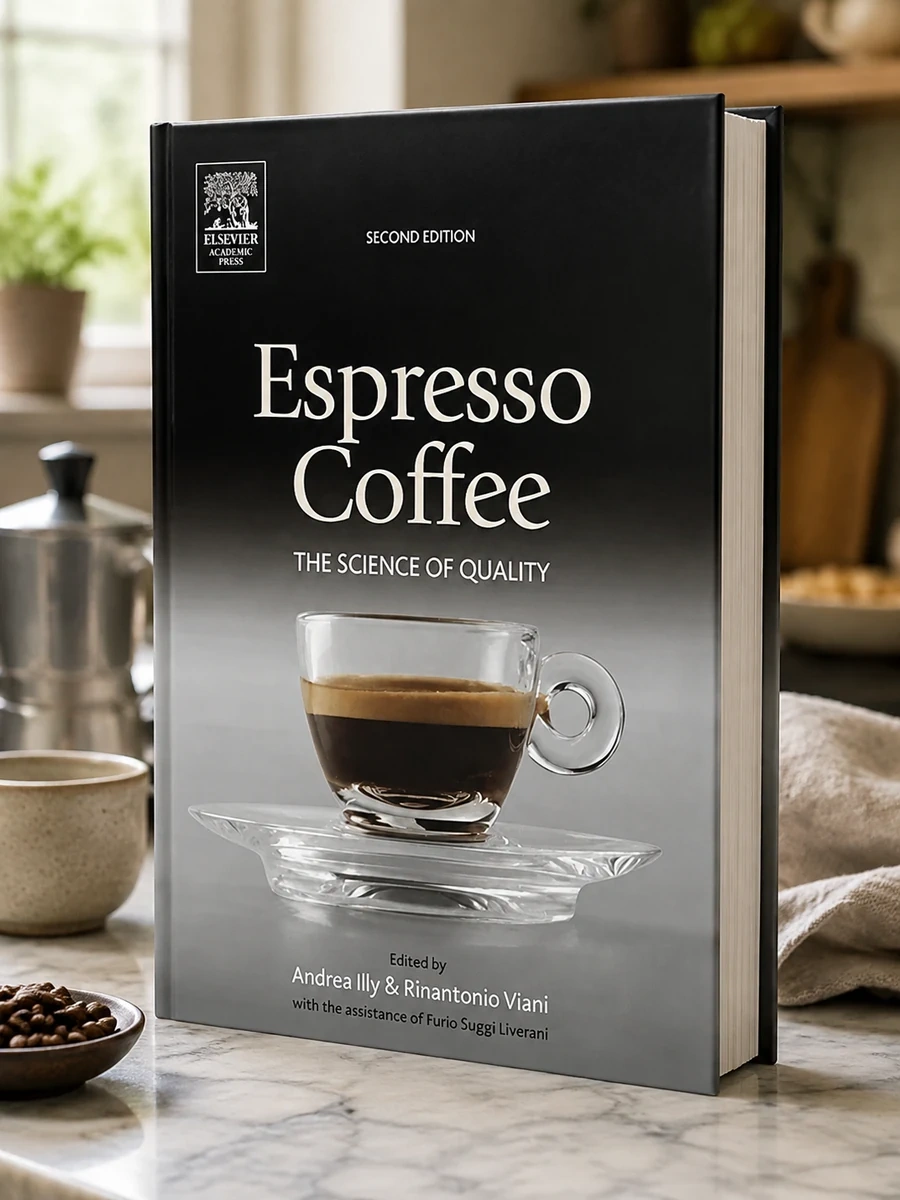
7. Espresso Coffee: The Science of Quality (Revised) — Andrea Illy
Some coffee enthusiasts eventually want more than instructions. They want to understand why coffee behaves as it does, and why the quality of an espresso depends on a range of interconnected factors. This book takes that more analytical approach, with espresso quality and its scientific foundations at the center. It is a substantially more specialized selection than a beginner's guide to making espresso-based drinks.
That makes it an especially interesting gift for the technically minded recipient: the person who enjoys comparing extraction results, learning about the variables involved in preparation, and approaching coffee with an experimental mindset. It is not the most casual introduction in this collection, and that is precisely its appeal. For an experienced home barista or a reader with a professional interest in espresso, it offers a more serious alternative to recipe-led books.
For Coffee Culture, Origins, and History Lovers
Not everyone wants to spend their evenings adjusting a grinder or learning another brewing method. Coffee is also an agricultural commodity, a regional tradition, a social institution, and a major part of urban life. These final three recommendations are particularly suitable for people who enjoy food writing and cultural history as much as the drink itself.
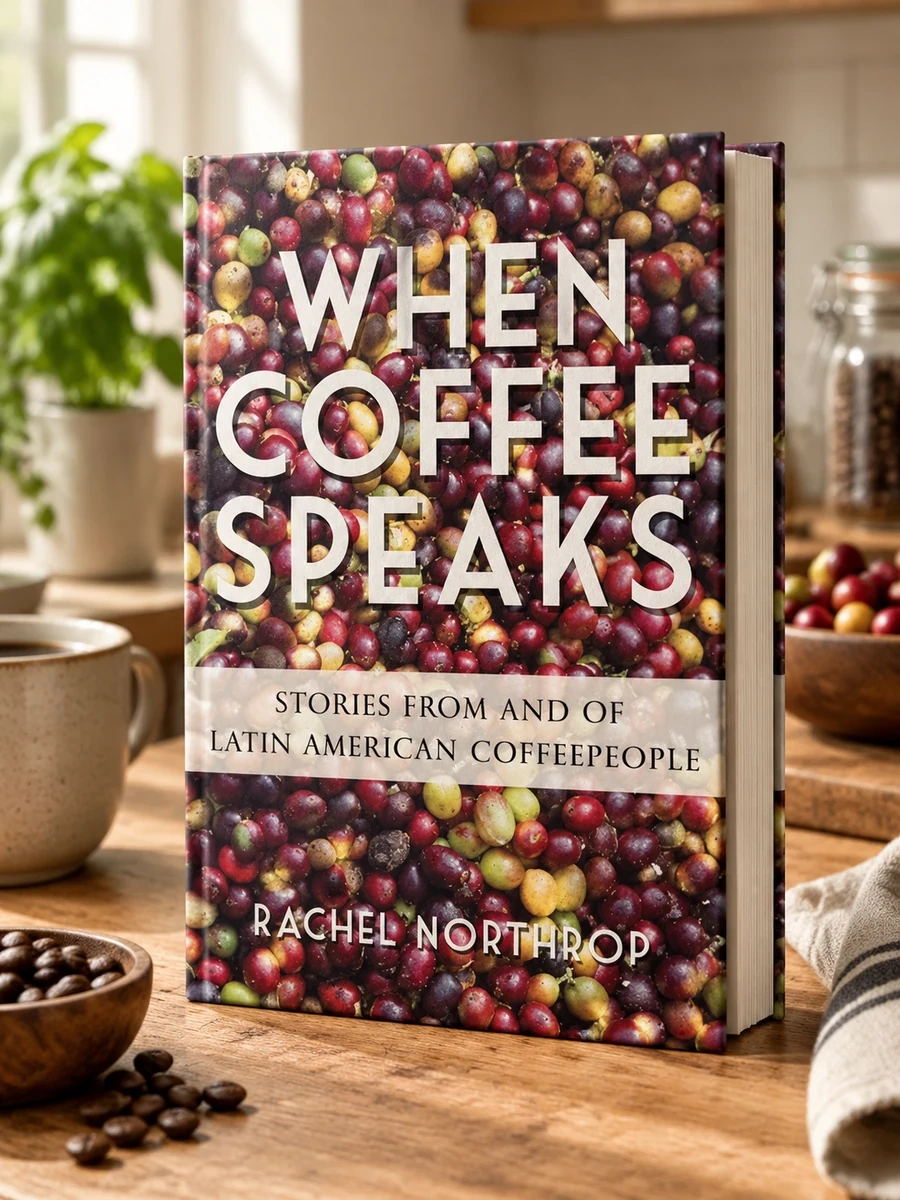
8. When Coffee Speaks: Stories from and of Latin American Coffeepeople — Rachel Northrop
This is a thoughtful choice for a recipient interested in the people and communities behind coffee. Rather than concentrating solely on brewing or the equipment found in cafes, the book's stated focus is on stories from and of Latin American coffeepeople. That perspective makes it particularly relevant to readers who want their interest in coffee to extend beyond the finished beverage and toward the people connected with its production.
It is also a strong choice for someone who enjoys food writing with a human and cultural dimension. Coffee is often discussed in terms of flavor, preparation, and price, but the people involved in growing and working with it are an essential part of the wider subject. This book brings that human perspective into a coffee-centered reading list and makes a distinctive gift for someone interested in Latin American food and drink traditions.
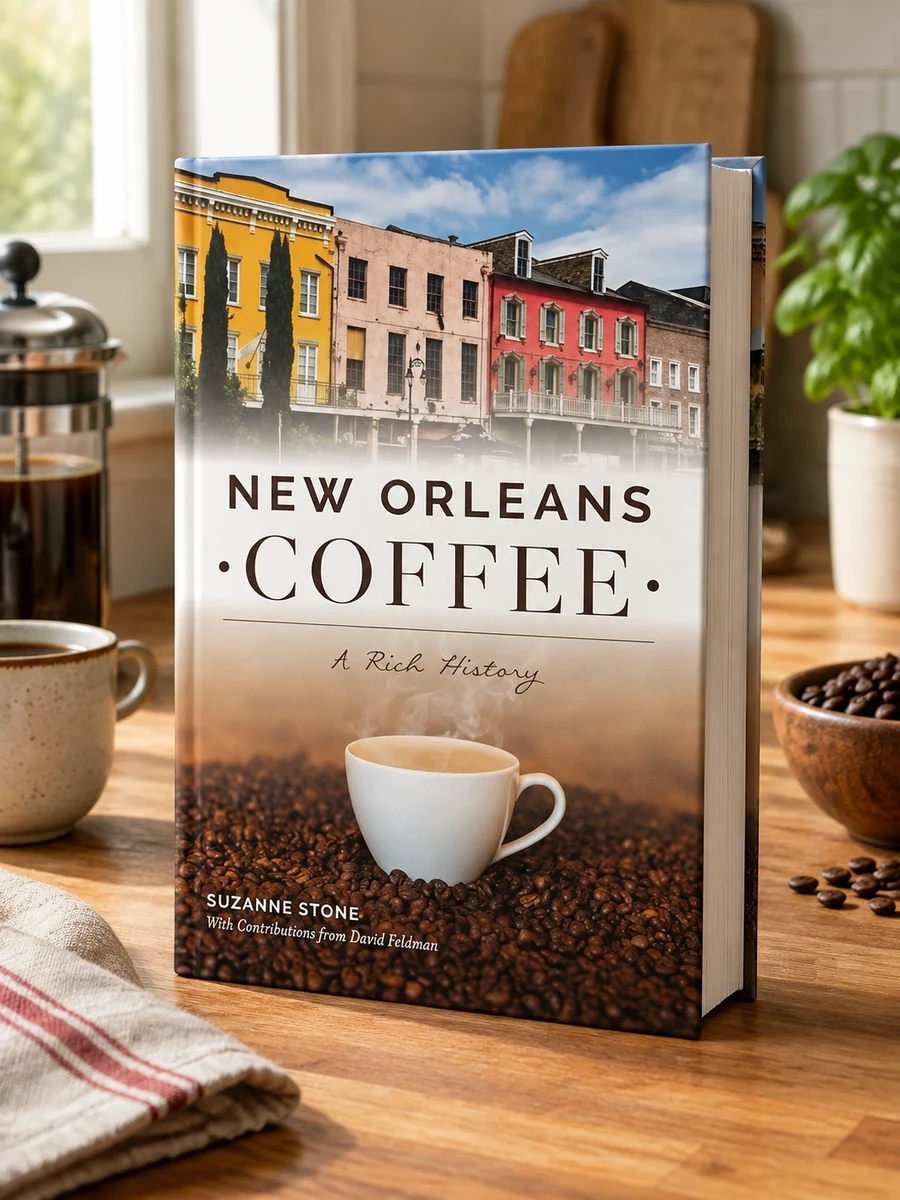
9. New Orleans Coffee: A Rich History — Suzanne Stone
Regional coffee history makes a particularly interesting gift because it connects a familiar beverage with the character of a particular place. This book focuses on New Orleans and its coffee history, making it a natural selection for anyone fascinated by the relationship between food, drink, and regional identity. It is especially appropriate for readers with an interest in Louisiana culture or the history of American foodways.
It also works well for the coffee lover who already has enough brewing advice. Another guide to making a better cup may be useful, but a regional history offers something different: a way to think about how coffee becomes part of a city's identity and everyday life. Pair it with coffee from a New Orleans roaster for a gift with a clear sense of place.
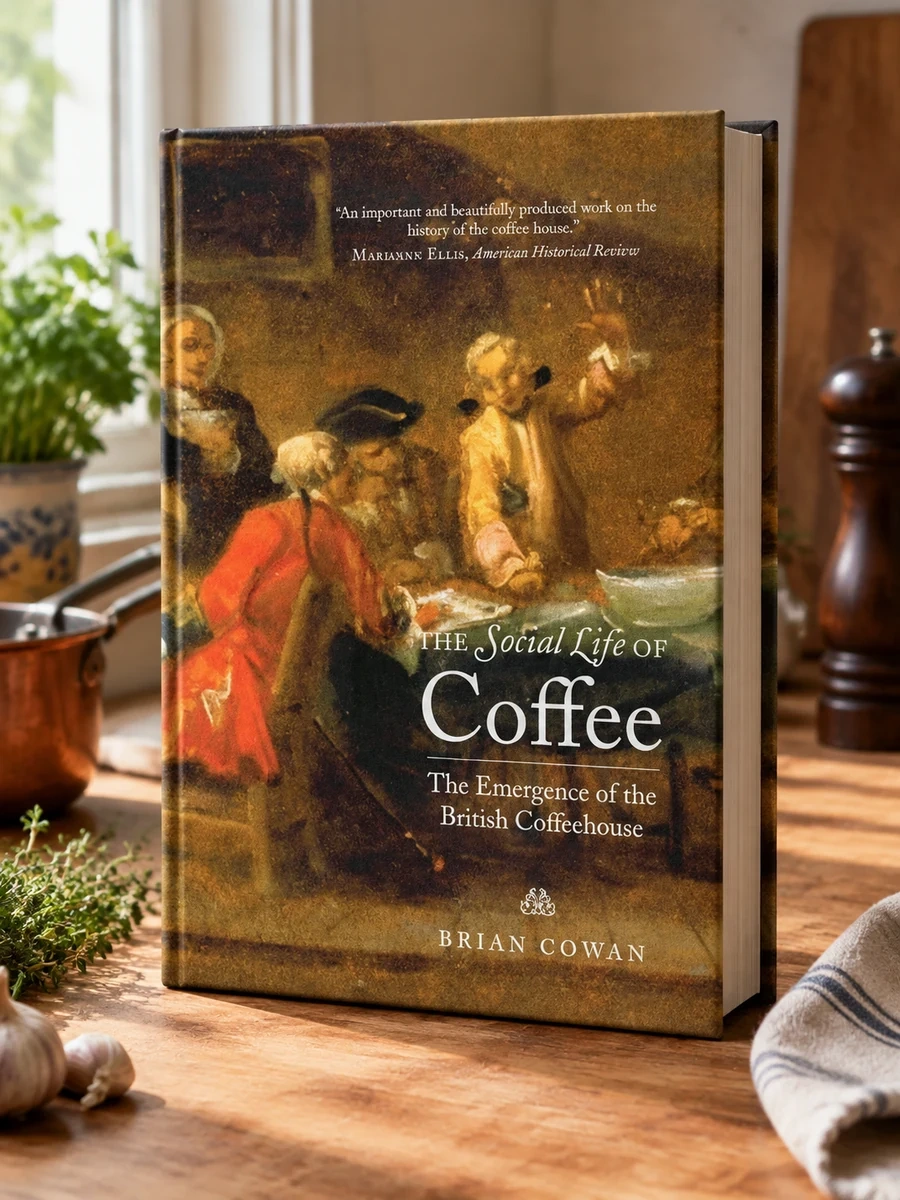
10. The Social Life of Coffee: The Emergence of the British Coffeehouse — Brian Cowan
For the history-minded reader, this is arguably the most distinctive title in the collection. Its focus is the emergence of the British coffeehouse, placing coffee within a wider account of social life and historical change. The subject is particularly appealing to someone who sees cafes as more than places to purchase a drink. Coffeehouses have a cultural and social history of their own, and this book approaches that history directly.
Its appeal extends beyond dedicated coffee enthusiasts to readers of social history, urban history, and the history of everyday life. It is a more specialized historical selection than a practical coffee guide, so it is best given to someone who genuinely enjoys contextual reading. For that person, it offers a fresh perspective on a familiar institution and makes an excellent literary gift.
How to Choose the Right Coffee Book as a Gift
The easiest way to choose is to think about what the recipient actually does with coffee. Someone who enjoys trying new beans and visiting cafes may appreciate a broad introduction, while someone who spends weekends experimenting with grinders and espresso equipment will probably prefer a more technical title. Matching the book to an existing interest is usually more successful than choosing the most complicated-sounding option.
- For the everyday drinker: Choose The Joy of Coffee or The Perfect Cup. Both offer broad subject coverage without requiring an established specialist interest.
- For the adventurous coffee enthusiast: The Coffee Book and The Blue Bottle Craft of Coffee are good choices for someone interested in several aspects of coffee.
- For the hands-on experimenter: Choose Coffee Roaster's Handbook if roasting is the attraction, or The Basic Barista's Guide if espresso-based drinks are the priority.
- For the technically minded barista: Espresso Coffee: The Science of Quality is the more specialized choice for someone interested in the science behind espresso.
- For the food and cultural history reader: Choose When Coffee Speaks, New Orleans Coffee, or The Social Life of Coffee, depending on whether their interests lean toward production communities, regional history, or historical coffeehouse culture.
There is also a simple way to make a coffee book feel more personal: pair it with something related to its subject. A brewing guide works nicely with a bag of interesting beans, an espresso book with a set of espresso cups, and a history book with coffee from the region or tradition it explores. You do not need to assemble an elaborate gift basket; one thoughtful addition is enough.
Finally, consider the recipient's reading habits. A person who likes dipping into a book for a few minutes at breakfast may prefer a broad, accessible guide. Someone who enjoys studying a subject in detail may be delighted by a technical handbook or historical work. The best coffee book is not necessarily the most comprehensive one. It is the one that gives the recipient another reason to enjoy something they already love, whether that means making a better espresso, understanding a roasting process, or discovering the history behind their favorite coffeehouse.