Choosing among healthy cookbooks can feel harder than choosing a recipe for dinner. A large health-focused shelf includes books for specific diets, family routines, ingredient changes, and different cooking philosophies. The right starting point depends less on finding one universal choice and more on understanding what you want your meals to accomplish.
At Eatbook Family, we view cookbooks as kitchen companions. Some are designed for households that need practical meals, some focus on nutrition goals, and others help cooks build new habits around ingredients. The books below are organized by the reasons people often look for healthier ways to cook, from simple family dinners to focused dietary approaches.
Healthy cookbooks for everyday family meals
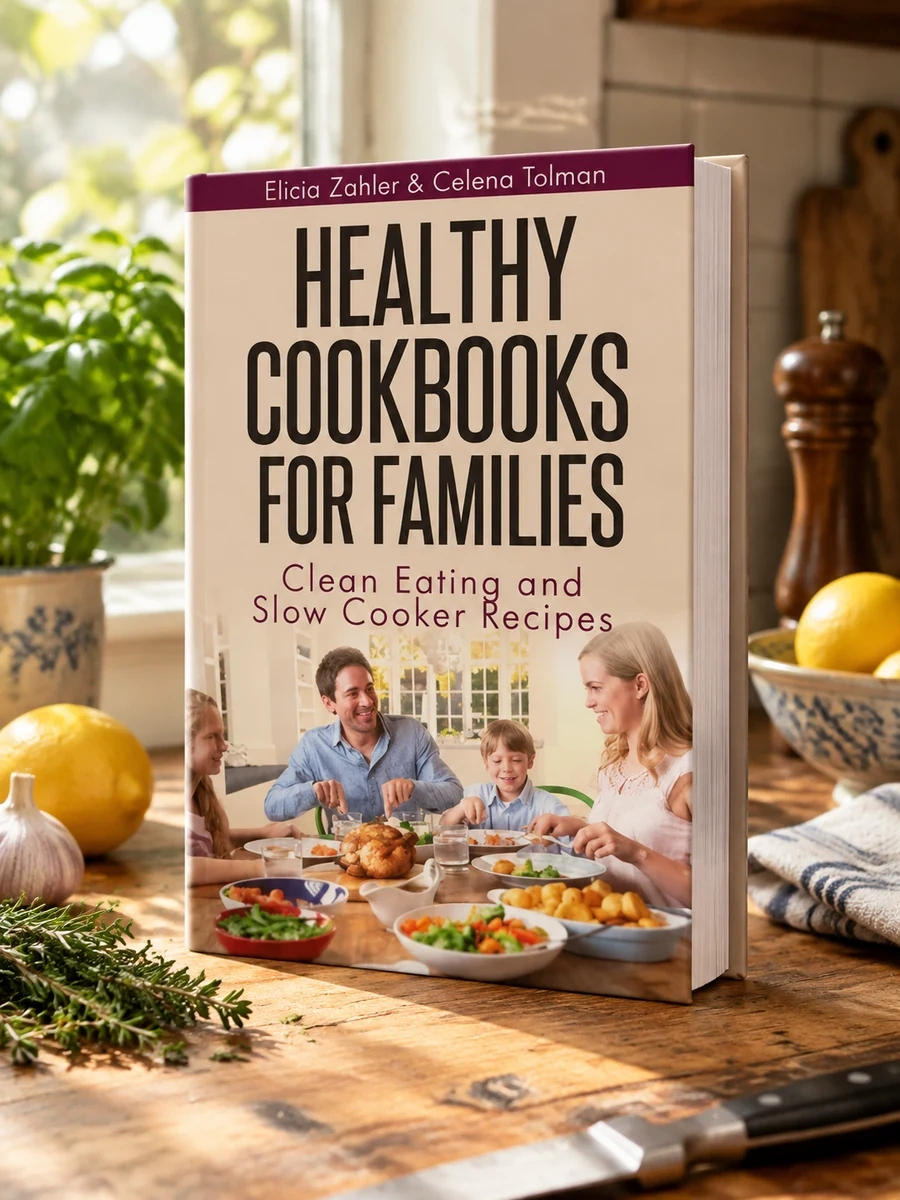
1. Healthy Cookbooks for Families: Clean Eating and Slow Cooker Recipes — Elicia Zahler
This cookbook is a practical starting point for households that want healthier meals without making every dinner feel complicated. Its focus on clean eating and slow cooker recipes makes it suitable for cooks who appreciate simple preparation and dependable meal ideas. Families looking for ways to organize their weekly cooking routine may find this type of format especially useful because slow cooker meals can fit around busy schedules. It is a straightforward option for adding more planned meals to a regular rotation.
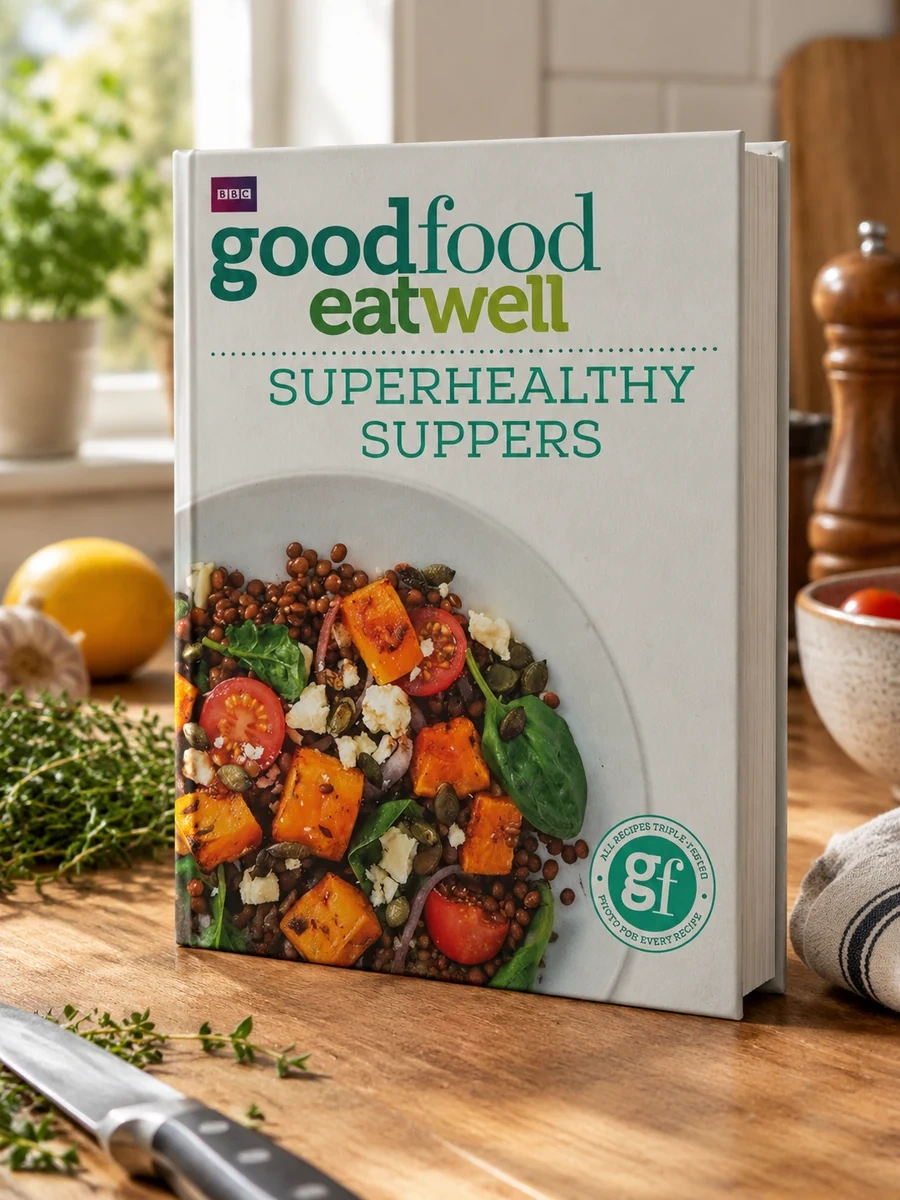
2. Superhealthy Suppers — Good Food Magazine
This title fits cooks who want dinner inspiration with a health-conscious approach. The supper-focused format centers attention on evening meals, making it useful for people who struggle most with creating satisfying dinners after a long day. Rather than focusing on one strict eating style, it represents a broader approach to healthier home cooking. It can work well for households that want more variety while keeping the main meal of the day balanced and practical.
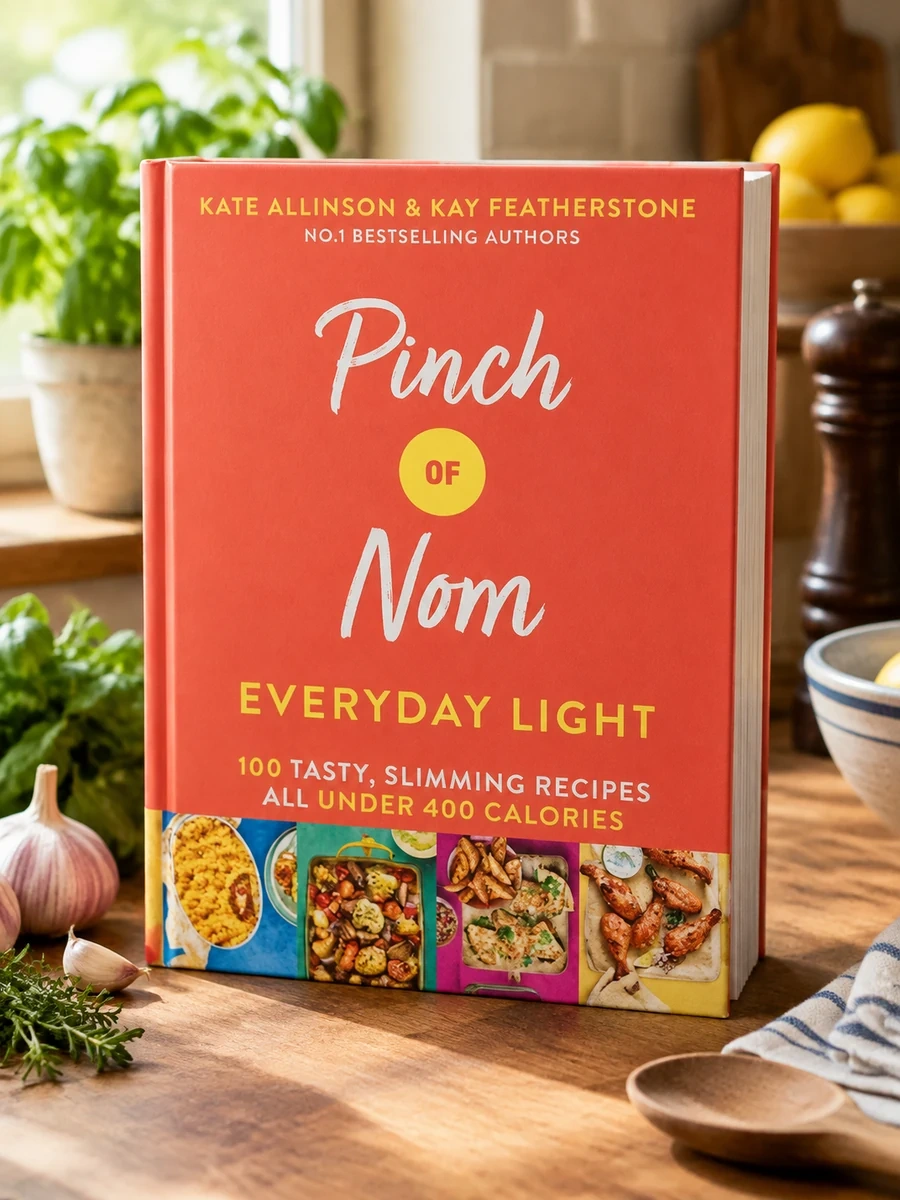
3. Pinch of Nom Everyday Light: 100 Tasty, Slimming Recipes All Under 400 Calories — Kay Allinson
This cookbook is aimed at cooks who appreciate clear calorie-conscious recipes and lighter versions of familiar meals. The under-400-calorie structure gives meal planners an easy way to compare recipes and consider portions. It is a useful choice for people who want to pay attention to calorie levels while still preparing approachable dishes. The focus on everyday recipes makes it a helpful addition for kitchens that want lighter meals without abandoning familiar cooking patterns.
Healthy cookbooks for nutrition-focused goals
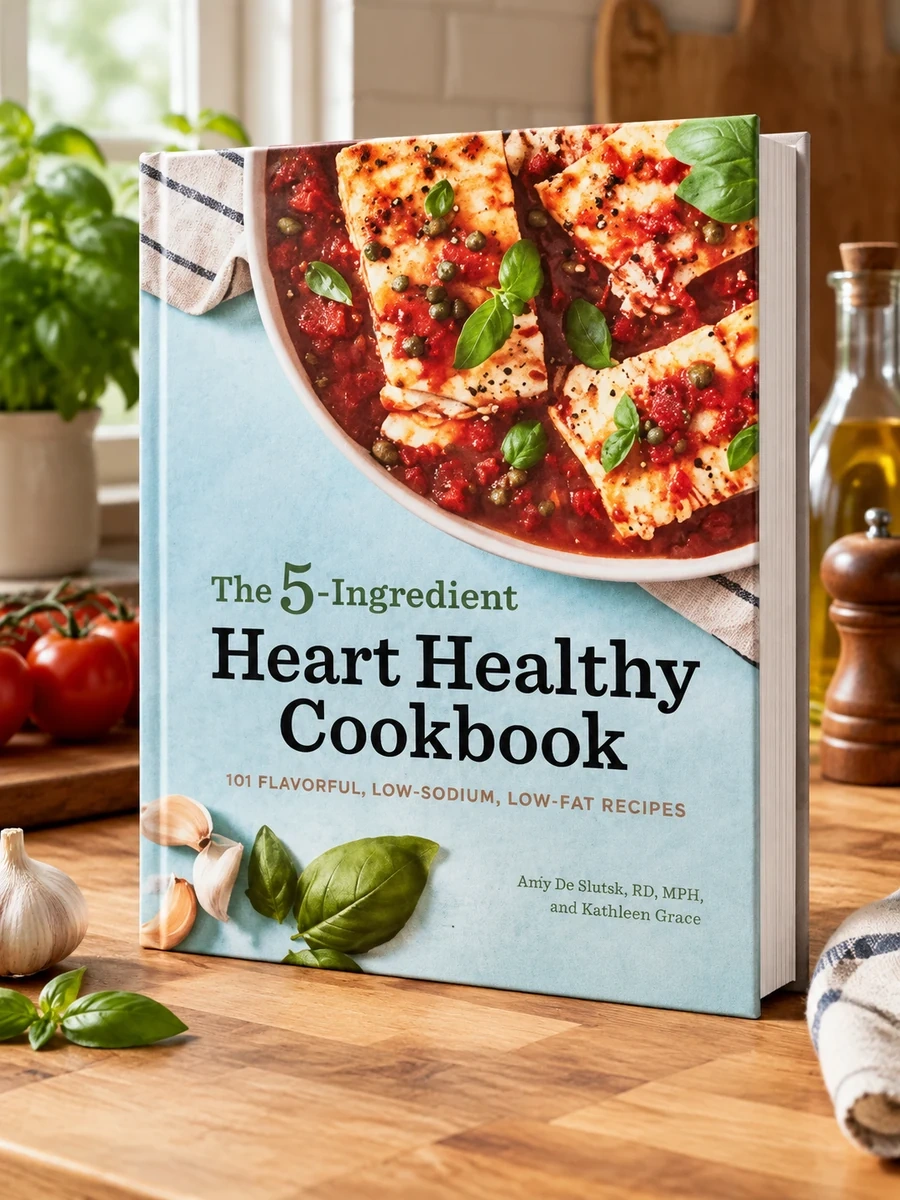
4. The 5-Ingredient Heart Healthy Cookbook: 101 Flavorful Low-Sodium, Low-Fat Recipes — Andy de Santis
This cookbook takes a focused approach to heart-conscious meal planning. The combination of five-ingredient recipes with low-sodium and low-fat themes may appeal to cooks who prefer simple ingredient lists and clear nutritional direction. A shorter ingredient list can also make meal preparation feel more manageable. This book belongs in kitchens where the goal is to create flavorful meals while paying closer attention to specific nutrition choices.
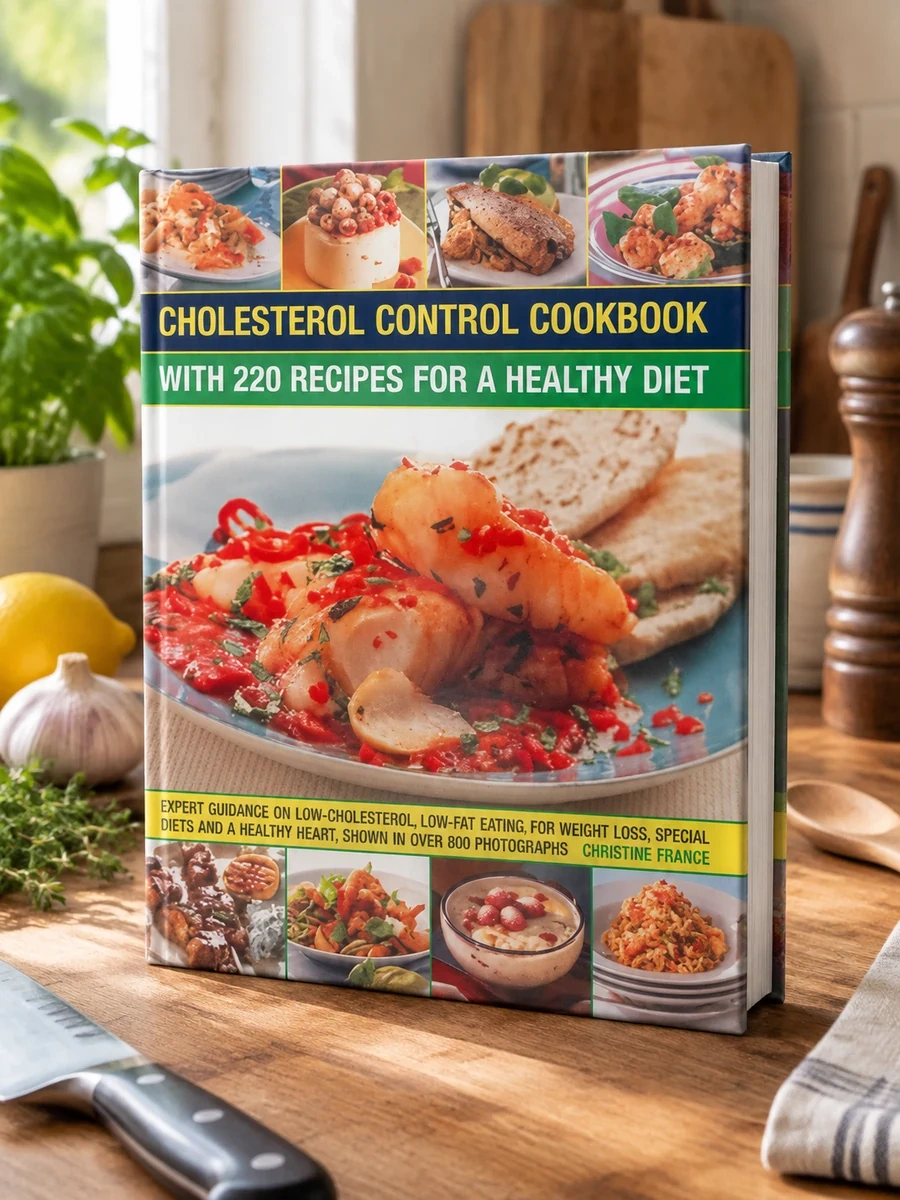
5. Cholesterol Control Cookbook: With 220 Recipes for a Healthy Diet — Christine France
For shoppers looking for healthy cookbooks connected to cholesterol-conscious eating, this title offers a dedicated collection of recipes. Its purpose is more specific than a general family cookbook, making it a better match for people who want meal ideas aligned with a particular health goal. The large recipe collection gives cooks more options when planning meals around cholesterol control and healthier daily choices.
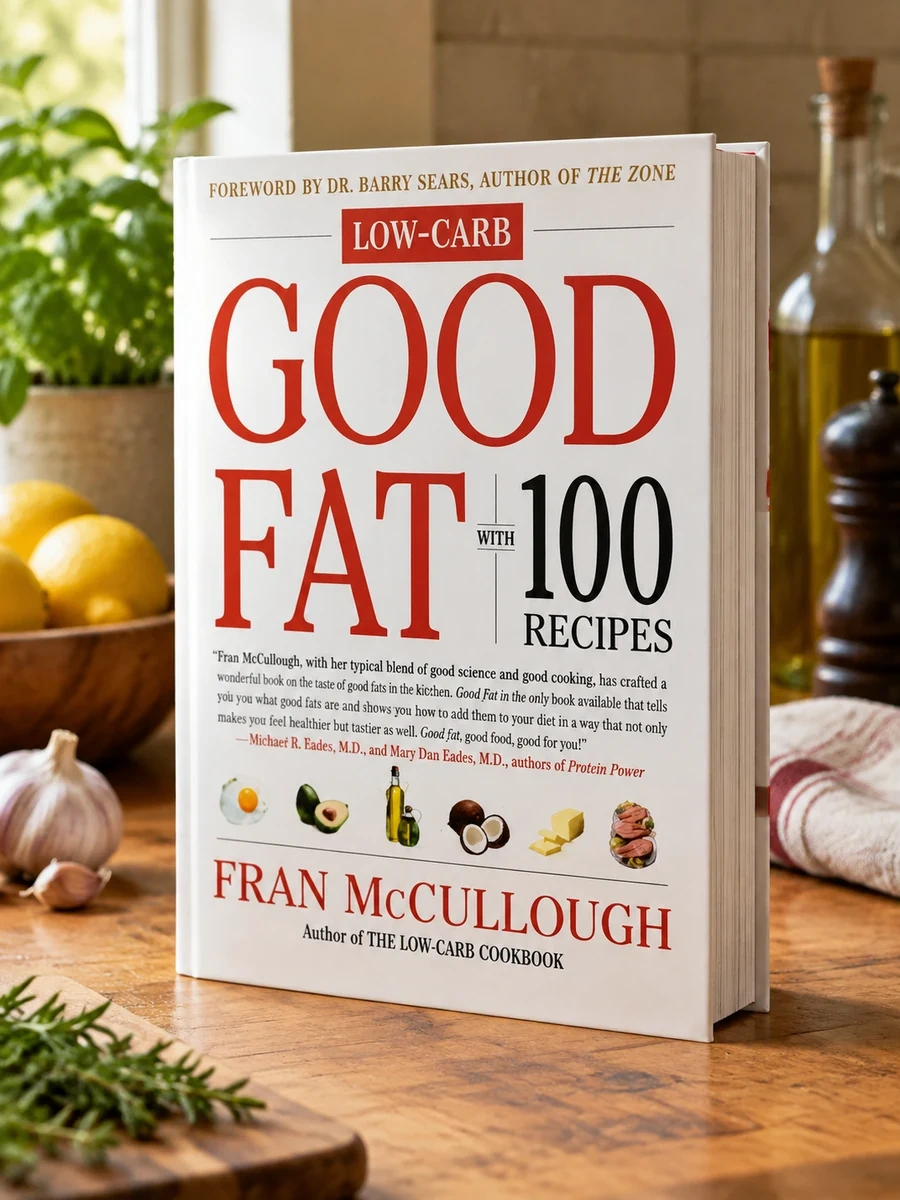
6. Good Fat: Low-Carb: With 100 Recipes — Fran McCullough
This cookbook approaches healthy cooking through a low-carbohydrate perspective. It is suited to cooks interested in recipes that follow low-carb principles and explore the role of fats in meal planning. Instead of offering a general collection of healthy dishes, it follows a particular nutritional framework. People who prefer a defined approach to their cooking may appreciate having recipes gathered around one clear style of eating.
Healthy cookbooks for ingredient changes and special diets
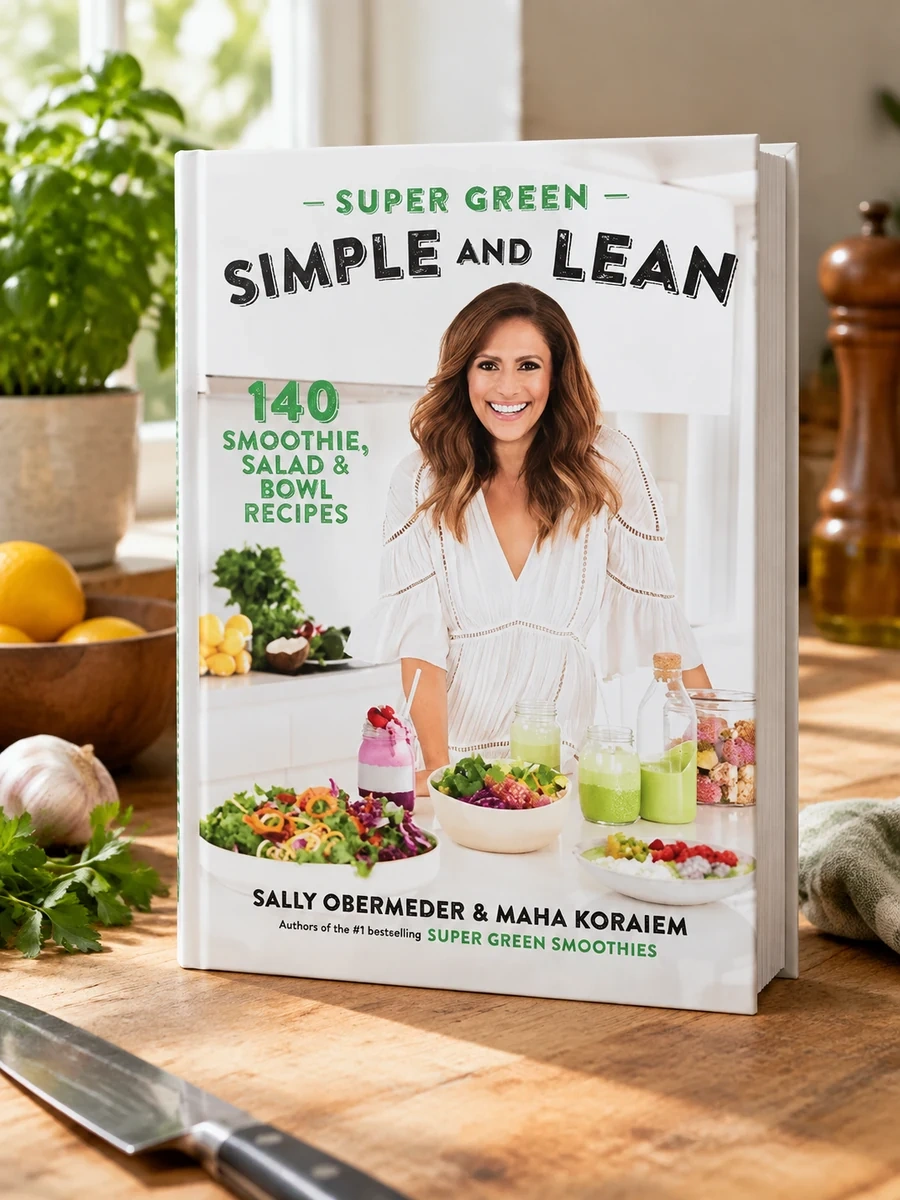
7. Super Green Simple and Lean: 140 Smoothies, Salad & Bowl Recipes — Sally Obermeder
This cookbook focuses on smoothies, salads, and bowls, making it appealing for cooks who want to include more fresh ingredients in their routines. The collection format provides ideas for lighter meals and simple combinations built around vegetables and other whole foods. It can be especially useful for people who enjoy flexible meal options that can be adapted to different preferences throughout the week.
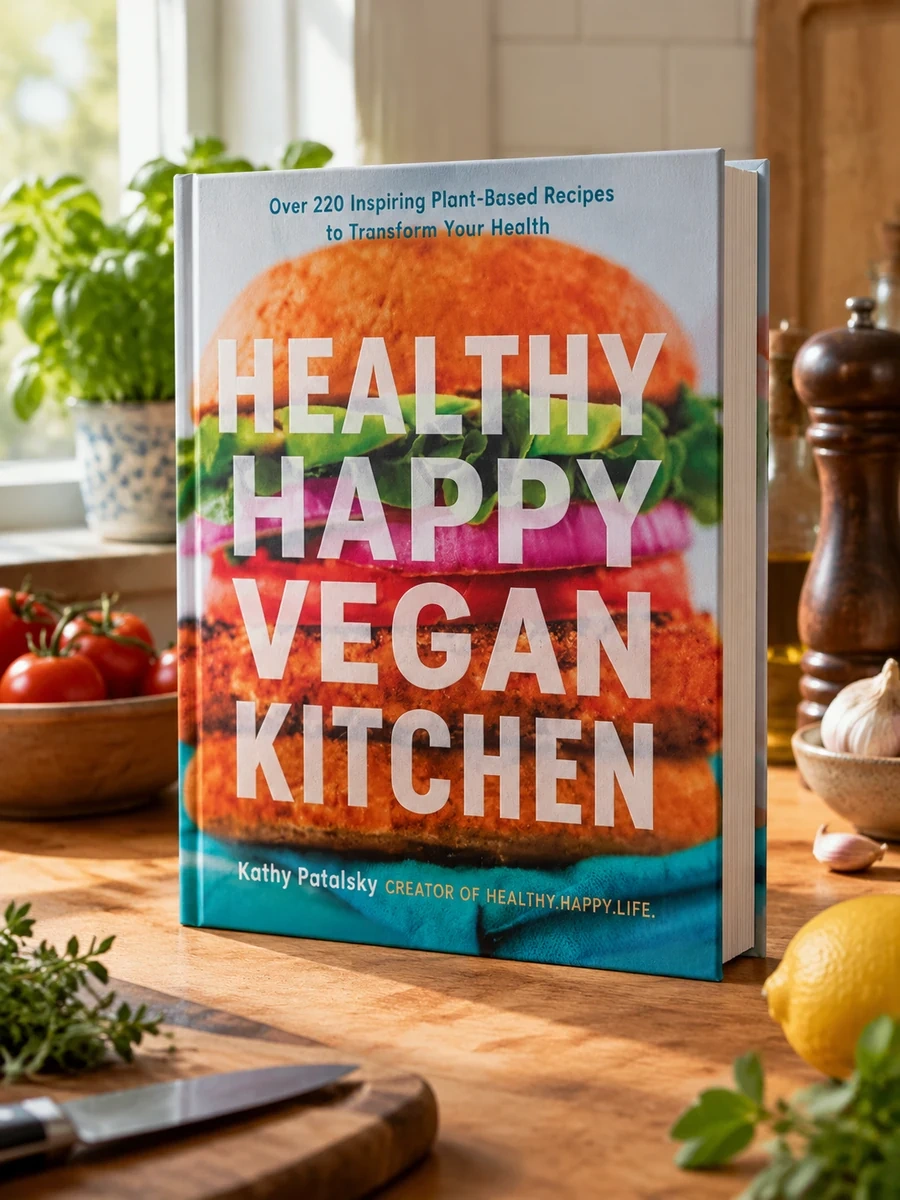
8. Healthy Happy Vegan Kitchen: Over 220 Inspiring Plant-Based Recipes to Transform Your Health — Kathy Patalsky
This book is designed for people interested in plant-based cooking as a regular part of their kitchen routine. With over 220 recipes listed in the title, it offers a broad selection for those exploring vegan meals. It can help cooks think about different ways to prepare meals around plant-based ingredients. This makes it a useful pick for households seeking more variety in meat-free cooking.
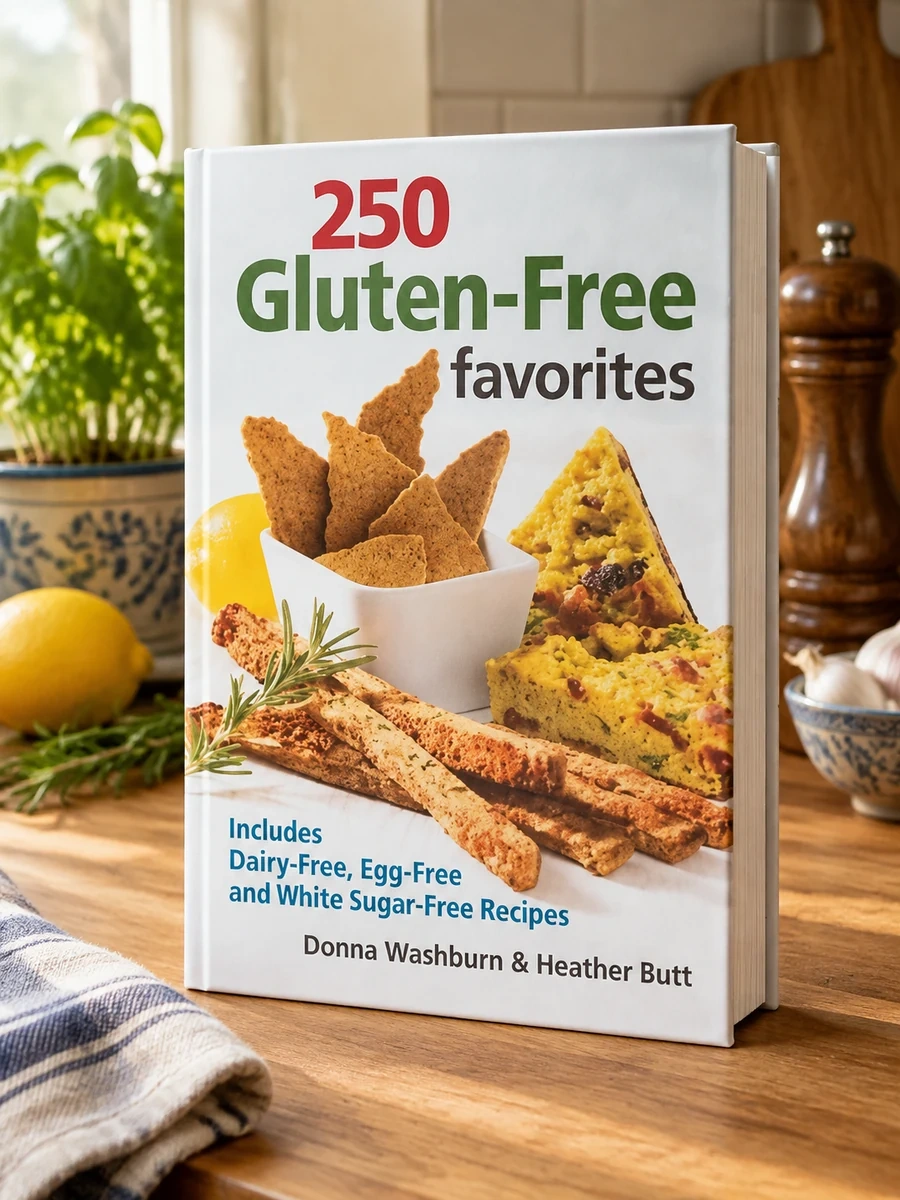
9. 250 Gluten-Free Favorites: Includes Dairy-Free, Egg-Free and White Sugar-Free Recipes — Donna Washburn
This cookbook is designed for cooks managing multiple ingredient restrictions or seeking alternatives to common ingredients. The title highlights gluten-free recipes along with dairy-free, egg-free, and white sugar-free options. It can be helpful for households where different food preferences or restrictions need to be considered during meal planning. The wide range of recipes makes it a flexible resource for building a more adaptable kitchen.
How to choose the right healthy cookbook for your kitchen
The best place to start is with your daily routine, not a set of rules. If your biggest challenge is preparing dinner after a busy day, a family-focused cookbook or a collection built around simple meals may be the most useful choice. If you are changing your eating habits for a specific reason, a focused title about low-carb cooking, heart-conscious meals, gluten-free recipes, or plant-based food may provide clearer guidance.
Think about how much change you want to make. Some cooks enjoy completely changing their ingredients and techniques, while others only need a few healthier recipes to add to their existing meals. A cookbook that fits your habits is more likely to be used regularly than one that requires a complete kitchen transformation.
Recipe style matters as well. Smoothies and bowls create different habits from slow cooker meals, calorie-conscious dinners, or ingredient-specific recipes. Consider the foods you already enjoy and the amount of time you normally spend cooking. Healthy meals become easier to maintain when the recipes match your schedule, skills, and preferences.
Dietary needs can also guide your decision. Gluten-free cookbooks may be useful for people avoiding certain ingredients, while plant-based books can provide new ideas for vegetable-centered meals. Heart-focused and low-carb cookbooks offer a more targeted direction for cooks who want recipes built around particular nutrition goals.
A strong healthy cookbook should make everyday decisions simpler. The best choice is the one you will return to when planning meals, shopping for ingredients, and preparing food for yourself or your family. From practical dinners to specialized eating approaches, the right cookbook can become a reliable part of your kitchen routine.