Italian cooking has a particular appeal when the weather turns cooler. Autumn brings the opportunity to cook with seasonal vegetables, prepare comforting pasta dishes, spend an afternoon making something by hand, and invite friends around a table for a generous meal. As the holiday season approaches, those same habits become useful for everything from relaxed family dinners to more ambitious entertaining.
But choosing an Italian cookbook is not as straightforward as picking the one with the most familiar recipes. Some books are concerned with regional identity and culinary tradition; others emphasize accessible everyday meals, vegetable-forward cooking, or the details of pasta and its sauces. A book that inspires an experienced cook may be unnecessarily demanding for someone who simply wants dependable dinners. The best choice depends on what you want to cook and how much time you want to spend doing it.
For this guide, we have organized 10 Italian cookbooks by cooking style and experience level rather than treating them as interchangeable collections of recipes. The selection includes established culinary perspectives, approachable starting points, dedicated pasta references, and books that make vegetables and shared food central to the table. Use it to find a practical addition to your own kitchen or a thoughtful gift for someone who loves Italian food.
For cooks who want to understand Italian traditions
If your interest in Italian food goes beyond familiar restaurant dishes, begin with books that give attention to culinary identity, ingredients, and the character of Italian cooking. These choices suit curious cooks who enjoy learning why a particular approach to food matters, not just following a list of instructions.
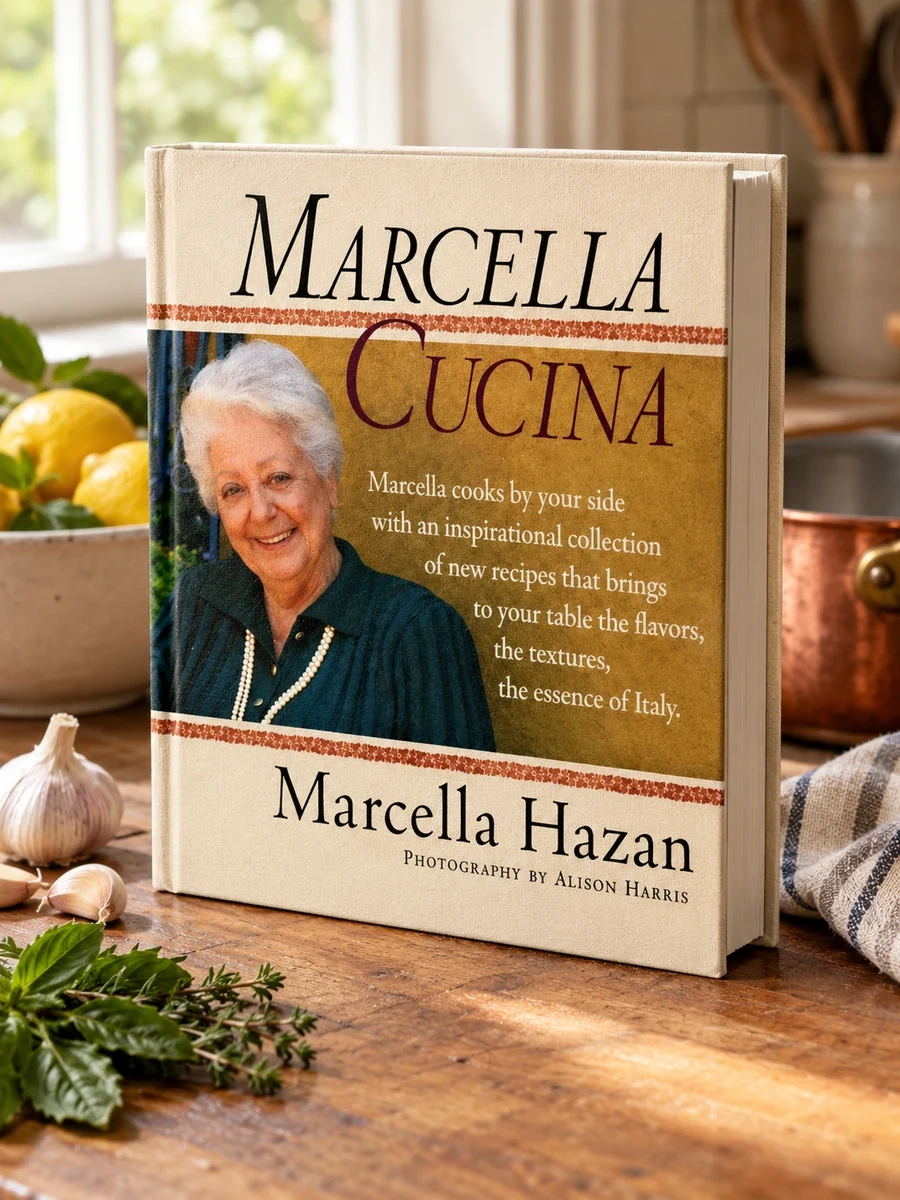
1. Marcella Cucina — Marcella Hazan
Marcella Hazan is an important name in the English-language understanding of Italian home cooking, making this an appealing choice for anyone who wants a substantial book from an established culinary authority. Marcella Cucina belongs on the shelf of cooks interested in the principles and traditions behind Italian dishes rather than a collection designed solely around speed or novelty. It is particularly suitable for someone ready to spend time developing a more considered approach to Italian food.
For autumn and holiday cooking, its appeal is as a source of culinary perspective: a book to consult when you want to approach a meal with greater attention to tradition. It makes a thoughtful gift for a serious home cook or someone building a lasting cookbook collection.
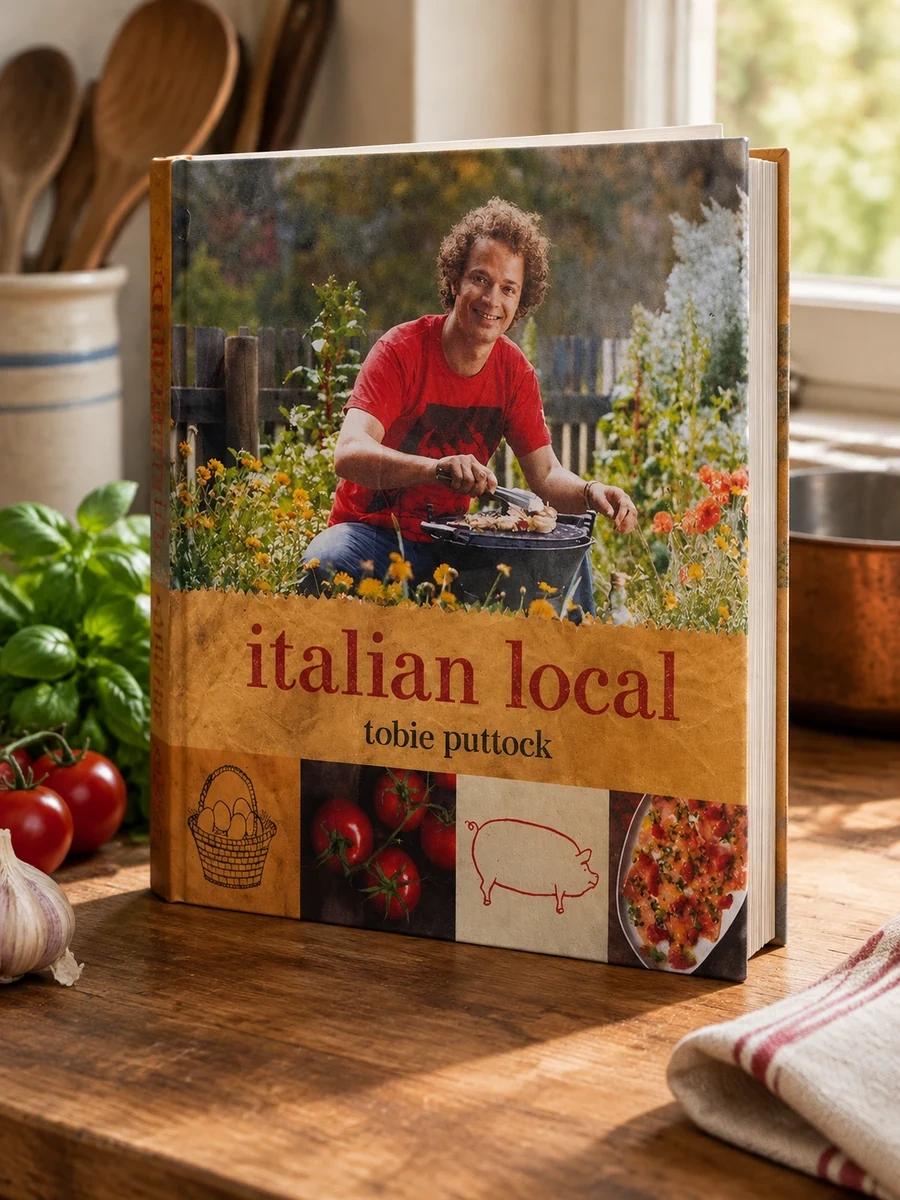
2. Italian Local — Tobie Puttock
The word local matters when choosing a book about Italian food. Italian cooking is not a single uniform style, and an interest in regional differences can make an otherwise familiar cuisine much more rewarding. Tobie Puttock's Italian Local is a natural option for cooks who want a regional perspective and an alternative to books that concentrate on a narrow set of internationally familiar Italian dishes.
This is a good direction for someone who enjoys discovering the connections between food, place, and tradition. It also makes sense as a companion to a more practical everyday cookbook: one can help broaden your understanding of Italian cooking while the other supplies a more immediate repertoire for regular meals.
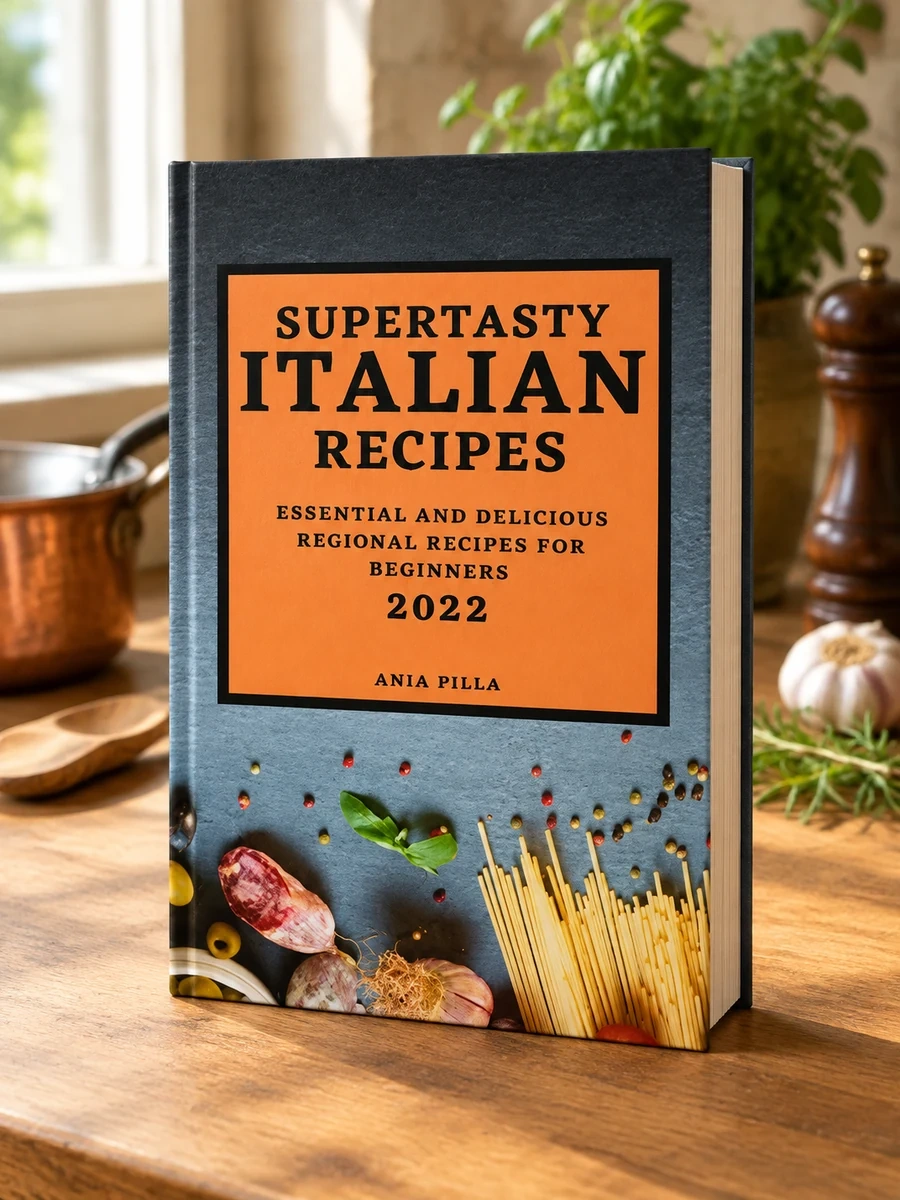
3. Supertasty Italian Recipes 2022: Essential and Delicious Regional Recipes for Beginners — Ania Pilla
Not every reader wants to begin Italian cooking with a demanding reference book. Ania Pilla's Supertasty Italian Recipes 2022 explicitly combines regional recipes with a beginner-oriented approach, making its intended audience unusually clear. It is a sensible starting point for someone who wants exposure to different Italian food traditions without assuming extensive prior experience.
The regional emphasis gives the book a useful purpose beyond simply collecting familiar dishes. For a new cook, it offers a way to begin exploring the breadth of Italian food; for a more experienced cook, it provides another route into recipes and traditions that might not already feature in the weekly rotation. It is especially appropriate as a first Italian cookbook for a curious beginner.
For dependable meals and relaxed Italian cooking
There is a difference between admiring a cookbook and actually using it. A book that earns its place in the kitchen should fit into ordinary life, not just provide inspiration for an occasional elaborate dinner. If your priority is cooking Italian food more regularly, look for approachable collections and books that help establish a flexible repertoire.
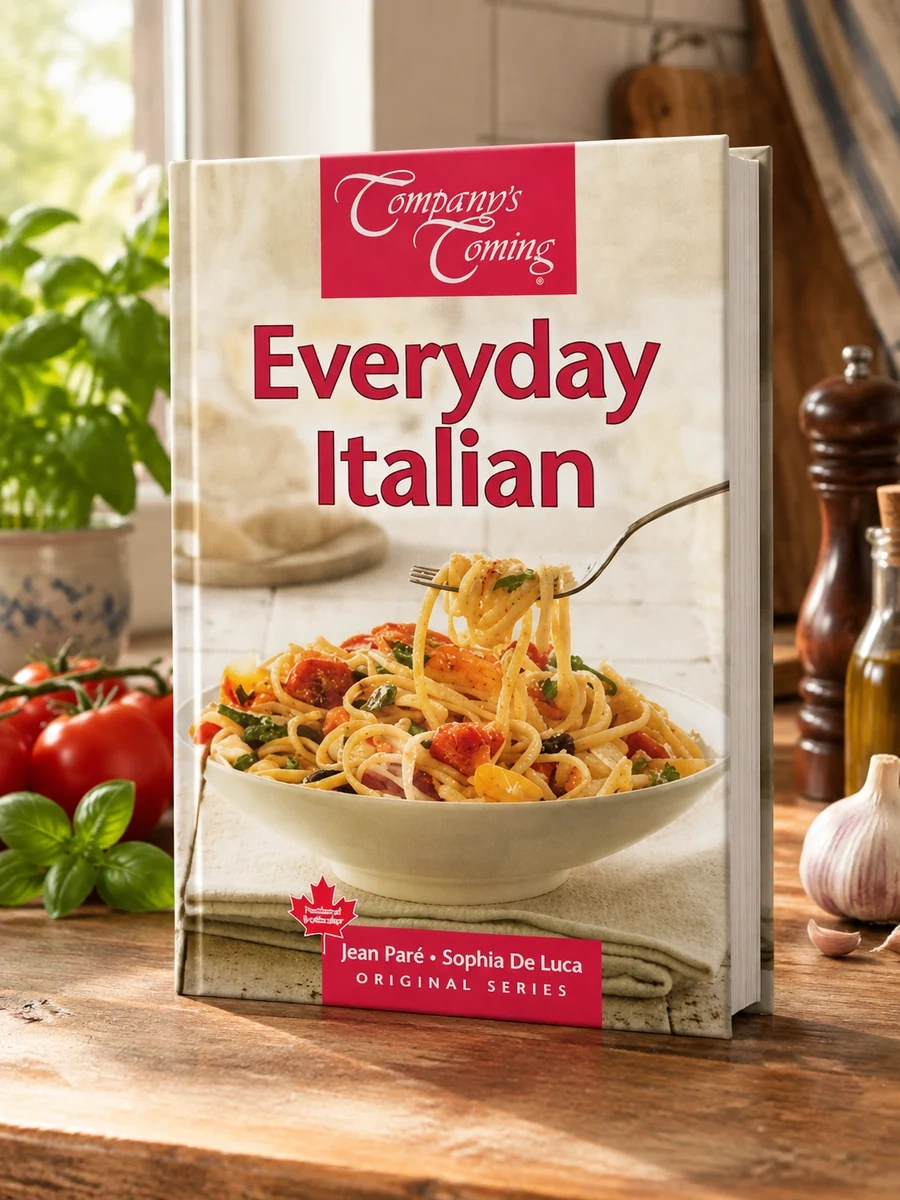
4. Everyday Italian — Jean Pare
The appeal of Everyday Italian is apparent in its emphasis on everyday cooking. For a reader who wants Italian food to become part of the regular household routine, this is a more natural direction than starting with an advanced technique-focused volume. It is worth considering for cooks who prioritize practical use and want a book associated with ordinary meals rather than special occasions alone.
When choosing an everyday cookbook, think about the meals you actually prepare. A useful volume should complement your existing habits and encourage you to cook more often, rather than make every dinner feel like a project. This book is best considered by someone looking for a straightforward addition to an Italian-focused kitchen library.
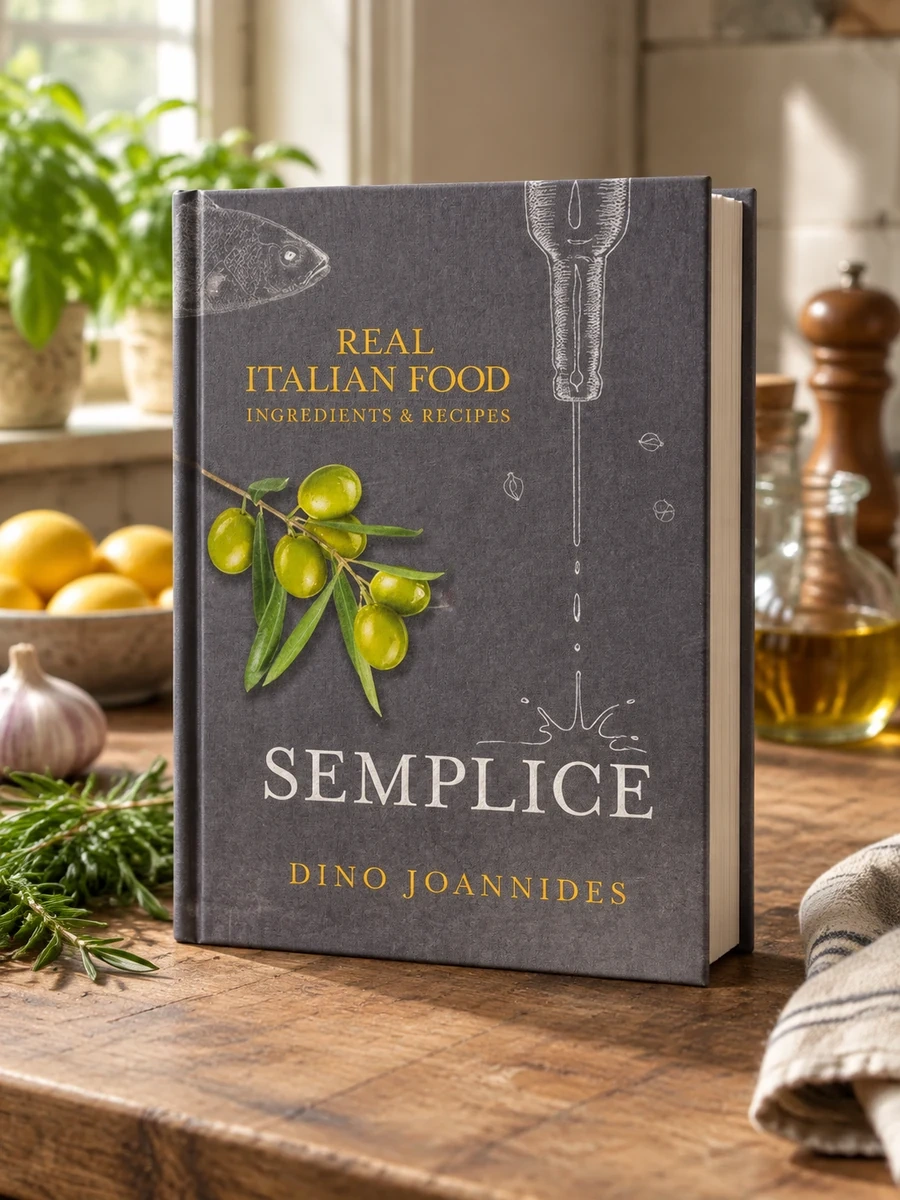
5. Semplice: Real Italian Food: Ingredients and Recipes — Dino Joannides
The title of Dino Joannides's Semplice puts ingredients and recipes alongside the promise of real Italian food. That combination makes it an interesting option for cooks who want to pay attention to the foundations of a dish rather than think only in terms of finished plates. Its ingredient-centered framing is particularly relevant when shopping for autumn meals, when seasonal produce and the quality of basic components can influence what you cook.
This is a good choice for the cook who enjoys learning through ingredients and wants a book that connects them with recipes. It also has gifting potential for someone who already owns a few general Italian cookbooks but wants another perspective on the food itself. If your interest is in developing a more thoughtful approach to selecting and using ingredients, this title deserves consideration.
For vegetable lovers and pasta enthusiasts
Two subjects deserve particular attention in any Italian cookbook collection: vegetables and pasta. Vegetables can be the foundation of a satisfying meal rather than a supporting side dish, while pasta rewards cooks who are willing to learn about shapes, sauces, and preparation. These books are more focused than general-purpose collections, which makes them especially useful when you know what you want to improve.
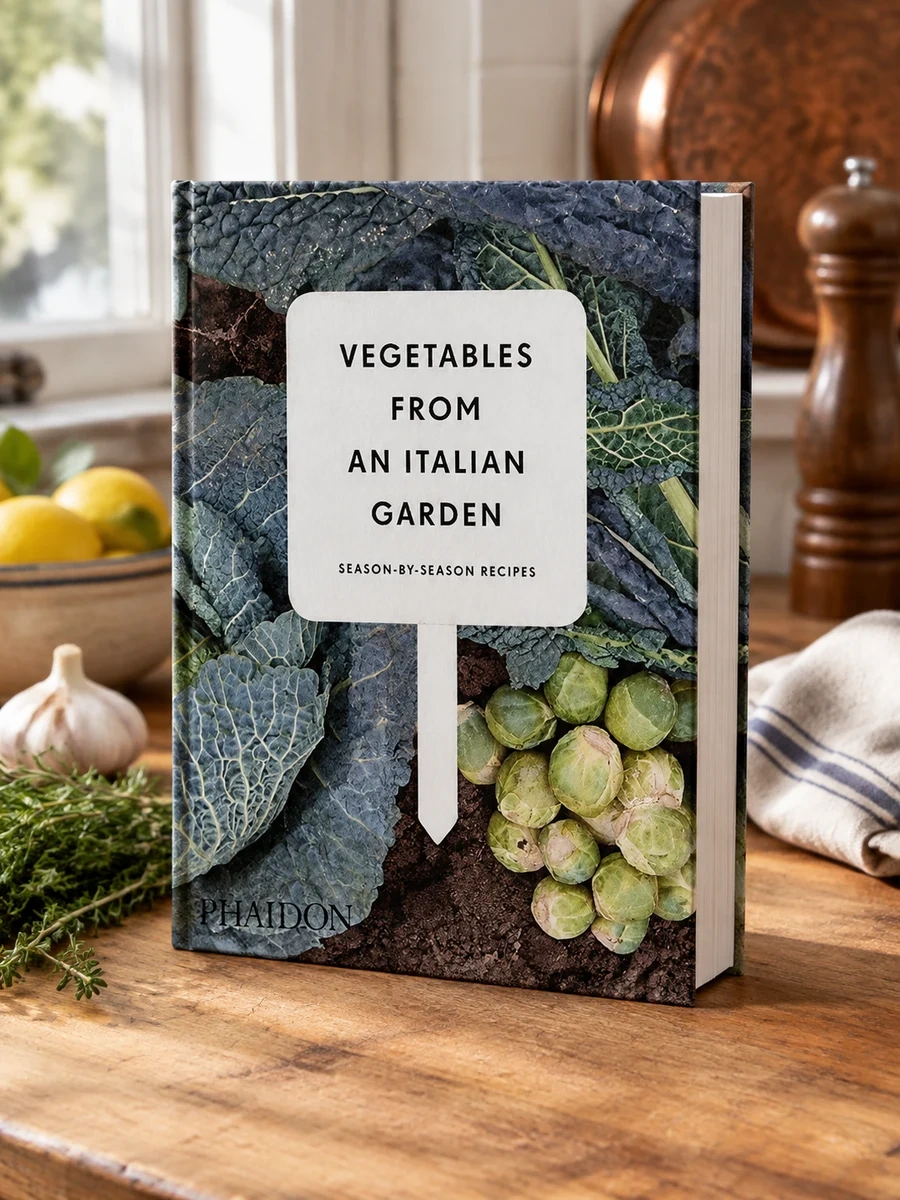
6. Vegetables from an Italian Garden: Season-By-Season Recipes — Steven Joyce
For anyone who plans meals around the produce available at different times of year, Steven Joyce's Vegetables from an Italian Garden is one of the most relevant titles in this selection. Its season-by-season organization gives it a clear purpose: connecting Italian vegetable cooking with the changing produce calendar. That makes it particularly appealing in autumn, when cooks often want to move beyond summer salads and explore more substantial vegetable dishes.
This book is also a useful choice for vegetarian households and omnivores who want to make vegetables a more prominent part of their meals. Rather than treating vegetable recipes as a small supplementary section in a general cookbook, it gives the subject its own dedicated attention. Consider it for someone who shops seasonally, enjoys cooking from produce, or wants to broaden the vegetable dishes served at family gatherings.
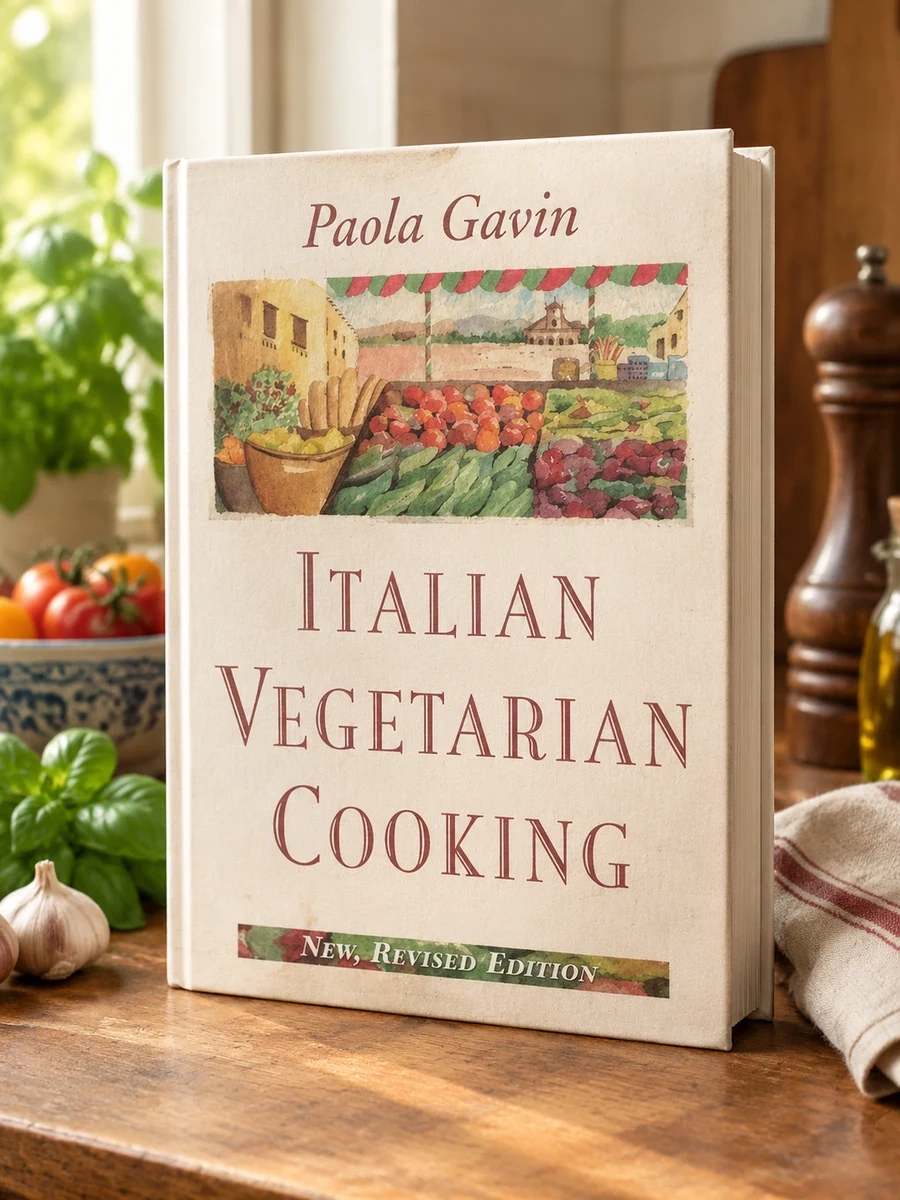
7. Italian Vegetarian Cooking, New, Revised — Paola Gavin
Italian vegetarian cooking has a distinct appeal for anyone looking for satisfying meals without making meat the center of the plate. Paola Gavin's Italian Vegetarian Cooking, New, Revised addresses that interest directly. Its clear subject makes it an especially practical choice for vegetarian cooks who want an Italian-focused collection instead of having to adapt meat-centered recipes from a general cookbook.
It also has value for households with mixed preferences. A substantial vegetable-based repertoire can make it easier to prepare meals that everyone can enjoy, particularly during the holidays when guests may have different dietary habits. This is a sensible purchase for a vegetarian home cook or for anyone who wants to expand the number of Italian dishes they can serve without relying on meat.
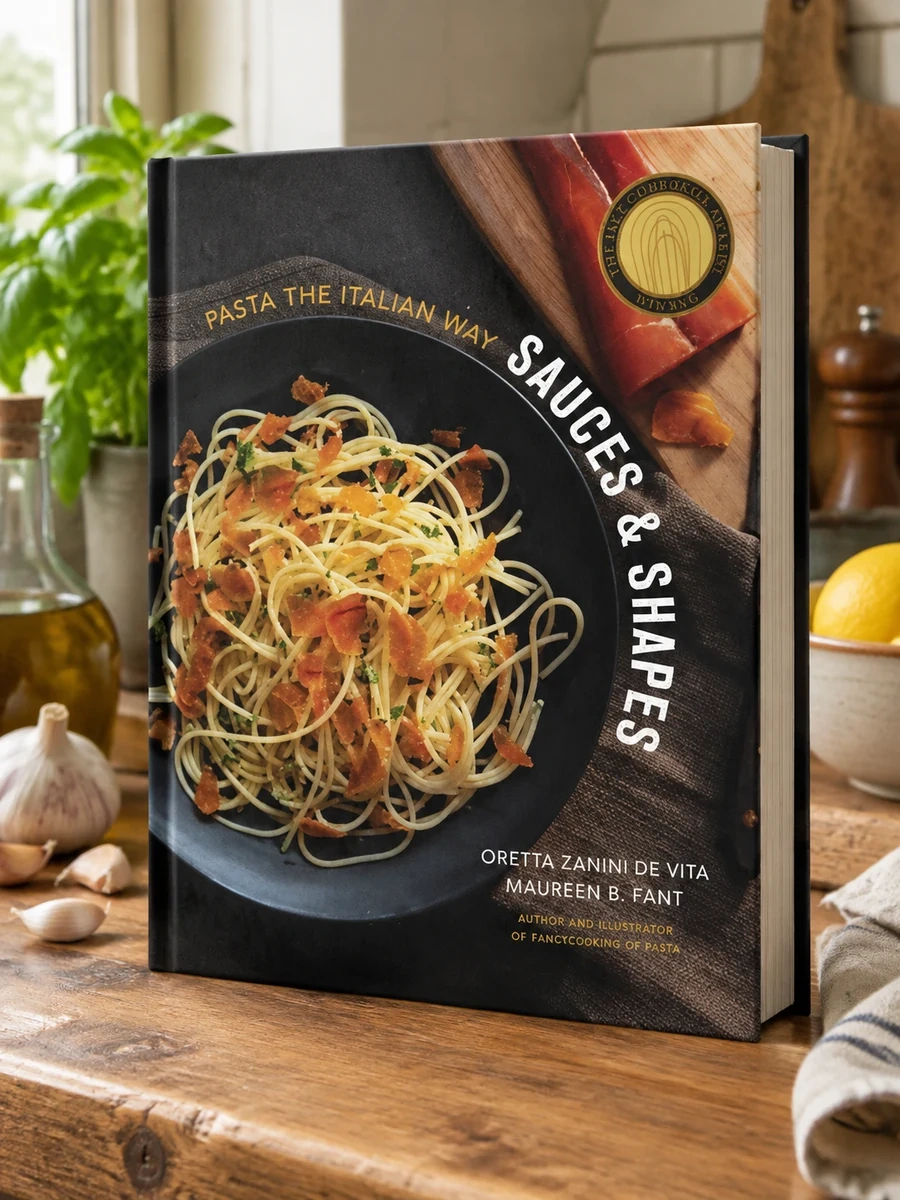
8. Sauces & Shapes: Pasta the Italian Way — Oretta Zanini De Vita
For a cook who wants to understand pasta rather than simply collect more pasta recipes, Oretta Zanini De Vita's Sauces & Shapes: Pasta the Italian Way is a particularly focused choice. The relationship between pasta shapes and sauces is central to its subject, giving readers a more specific way to think about one of Italy's most recognizable culinary traditions. It is a natural next step for someone who already makes pasta regularly and wants to become more knowledgeable about how different forms and preparations work together.
This is also a good book for a cook who enjoys the craft side of the kitchen. Learning about pasta is not only about producing a finished dish; it is about understanding the choices that shape the experience of eating it. For an Italian-food enthusiast, this title offers a more specialized alternative to a broad introductory cookbook.
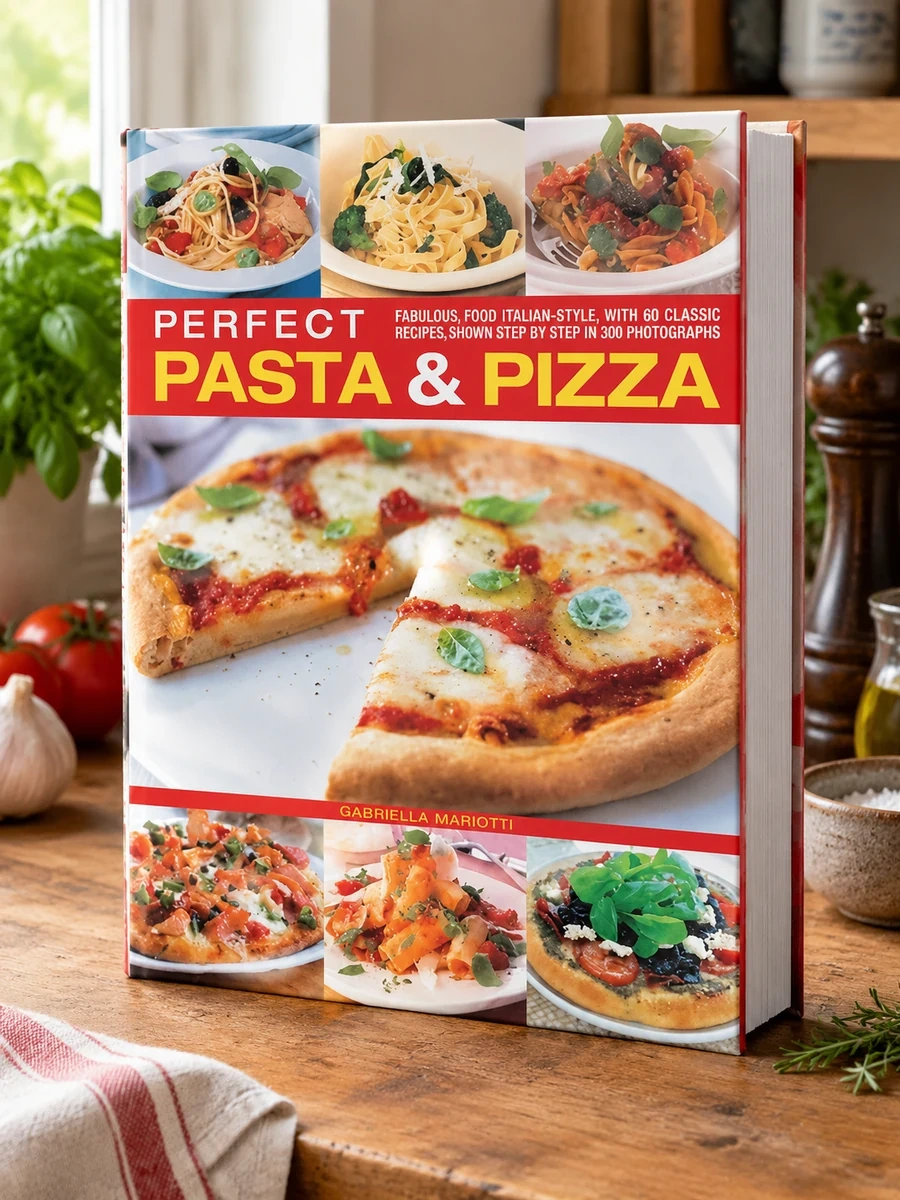
9. Perfect Pasta & Pizza: Fabulous Food Italian-Style, with 60 Classic Recipes Shown Step by Step in 300 Photographs — Gabriella Mariotti
Gabriella Mariotti's Perfect Pasta & Pizza takes a visual, step-by-step approach, with 60 classic recipes presented alongside 300 photographs. That photographic emphasis is useful for cooks who like to see how a preparation develops instead of relying exclusively on written descriptions. Its combination of pasta and pizza also makes it a practical subject-specific choice for households that regularly return to these familiar Italian favorites.
This is one of the more approachable options for a cook who appreciates visual guidance. It may be particularly useful as a gift for someone learning to prepare pasta and pizza at home, or for a family that wants to make these dishes a regular part of its cooking routine. It is less of a broad regional reference and more of a focused resource for two popular categories of Italian food.
For sharing food and entertaining guests
Italian meals often lend themselves naturally to sharing. A collection of smaller dishes can make a relaxed gathering feel generous without requiring one complicated centerpiece. During the autumn and holiday season, that flexibility is especially welcome: hosts can serve a selection of foods, allow guests to help themselves, and spend less time managing a formal meal.
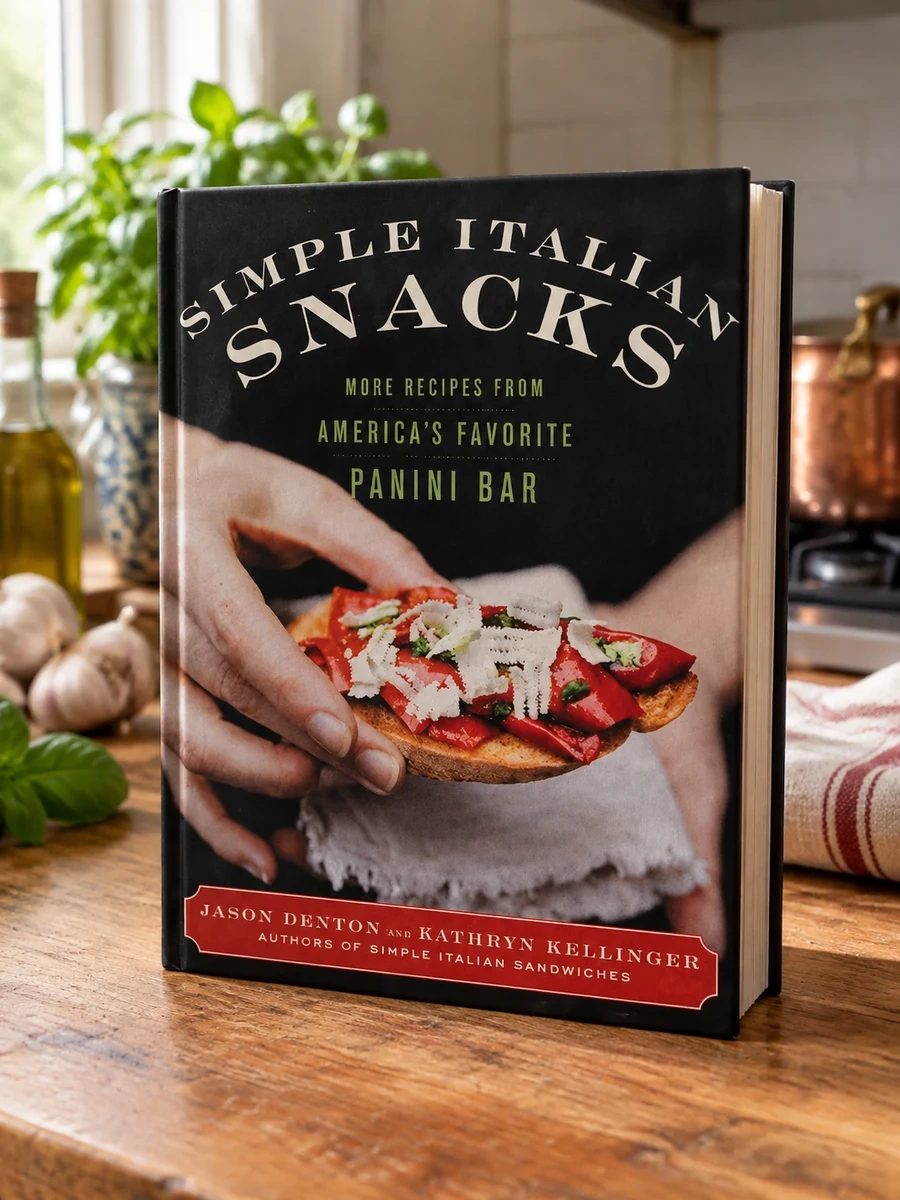
10. Simple Italian Snacks: More Recipes from America's Favorite Panini Bar — Jason Denton
Jason Denton's Simple Italian Snacks is the most directly entertaining-oriented choice in this collection. Its focus on Italian snacks and the panini-bar tradition makes it a useful alternative to a cookbook built around complete dinners. For casual autumn gatherings, holiday appetizers, or informal meals where guests can eat at their own pace, smaller preparations can be just as important as the main course.
This title is worth considering for anyone who enjoys hosting but does not want every gathering to involve a complicated menu. It is also a natural gift for someone interested in panini and informal Italian food. Think of it as a complementary cookbook: it can help round out a collection that already includes a more comprehensive resource for everyday cooking or regional dishes.
How to choose the right Italian cookbook
Before choosing a title, be honest about how you cook. The most impressive cookbook is not necessarily the most useful one for your kitchen. A book that matches your experience, available time, and interests is more likely to become something you return to throughout the year.
- If you are new to Italian cooking: Start with Supertasty Italian Recipes 2022 or Perfect Pasta & Pizza. The former has an explicitly beginner-oriented regional focus, while the latter offers visual, step-by-step guidance for pasta and pizza.
- If you want a broader understanding of Italian food: Consider Marcella Cucina or Italian Local. These are the choices to investigate when tradition and regional identity matter more to you than a narrowly defined cooking subject.
- If you cook vegetarian meals: Choose between Italian Vegetarian Cooking and Vegetables from an Italian Garden. The first is explicitly vegetarian; the second emphasizes seasonal vegetable cooking.
- If pasta is your main interest: Sauces & Shapes is the more specialized choice for understanding pasta forms and sauces. Choose Perfect Pasta & Pizza if visual instruction and a combination of two familiar dishes appeal more.
- If you want to entertain: Simple Italian Snacks is a focused option for informal sharing and casual food. Pair it with a broader Italian cookbook if you also need inspiration for a complete meal.
- If you are buying a gift: Think about what the recipient already owns. An established Italian-food enthusiast may appreciate a more focused subject such as pasta or seasonal vegetables, while a beginner is likely to benefit more from a clearly accessible introduction.
There is also a practical question of commitment. Some cooks enjoy spending a weekend afternoon exploring a specialized subject; others want a book that can be opened after work and used to plan dinner. Neither approach is better. The right cookbook is the one whose recipes and subject matter fit the way its owner actually wants to spend time in the kitchen.
For autumn and holiday cooking, a small collection of complementary books can be more useful than several volumes that all cover the same ground. A regional title can broaden your understanding of Italian food, a vegetable cookbook can make seasonal shopping more interesting, a pasta reference can build technical confidence, and a snacks collection can help with entertaining. Start with the book that solves your most immediate cooking need, then add another when your interests develop. That is how an Italian cookbook collection becomes a working part of the kitchen rather than decoration on a shelf.