When the weather turns cold, soup stops being an occasional starter and becomes one of the most useful things to know how to cook well. A pot of soup can make an economical dinner, use up vegetables that might otherwise go to waste, stretch a roast into another meal, or provide something warming to come home to after a long day. But not every soup cookbook serves the same purpose. Some concentrate on substantial soups and stews that can stand alone as dinner, while others offer a broader introduction to soup-making or explore a particular culinary tradition.
That distinction matters when choosing a book. Someone hoping to master thick, filling chowders needs something different from a cook who wants to understand the appeal of Japanese ramen or build a repertoire of everyday vegetable soups. We have selected seven books from our catalog that approach soup and its surrounding traditions from different directions. There are practical seasonal choices, broader collections, and a little culinary history, making this a useful shortlist for your own kitchen and for early holiday gift planning.
For hearty autumn and winter soups that make a meal
If your idea of a satisfying cold-weather supper involves a generous bowl, a substantial serving, and perhaps some good bread alongside, start with books that put soups and stews at the center of the table. These are the most natural places to begin when you want soup to do the work of a complete meal rather than simply precede one.
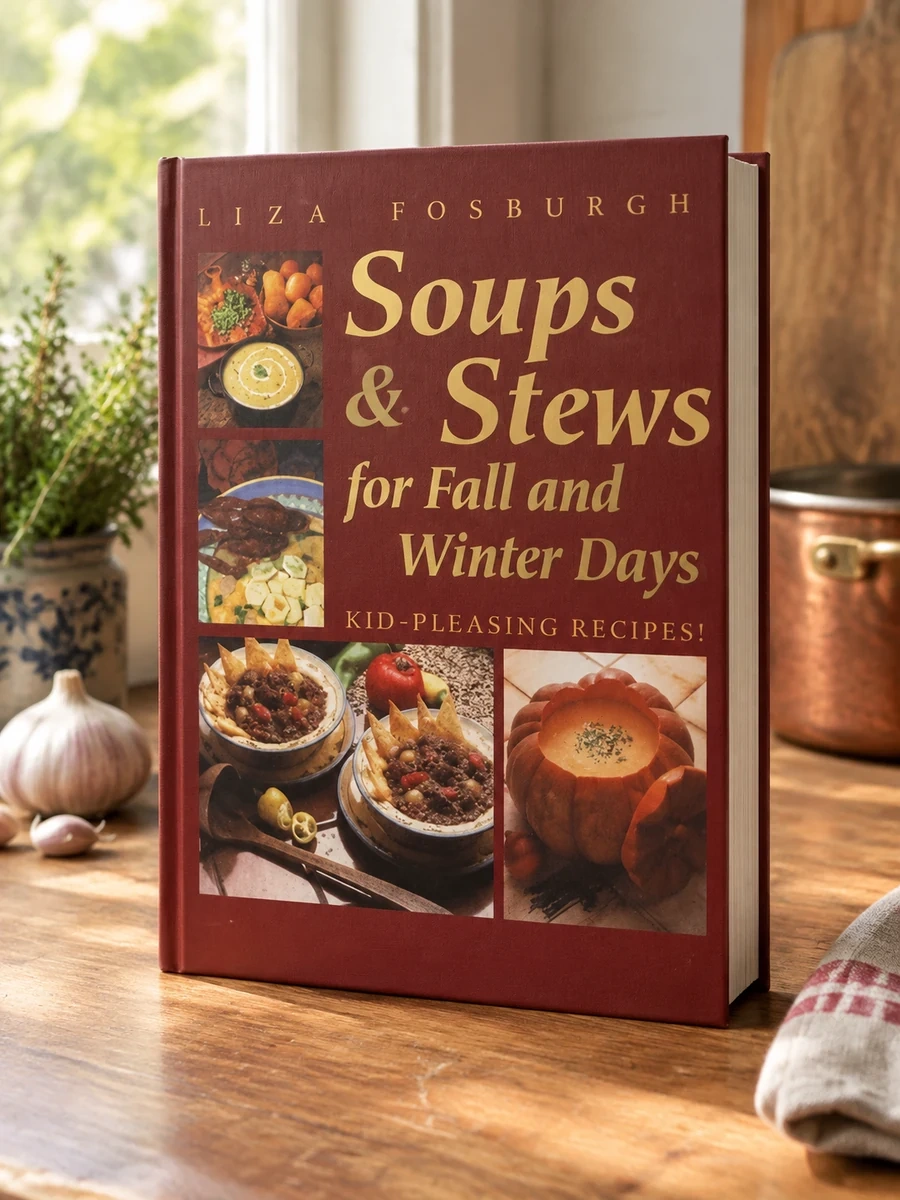
1. Soups and Stews: For Fall and Winter Days — Liza Fosburgh
This is the most directly seasonal choice in the collection. Its title makes its purpose clear: soups and stews for the part of the year when a warming pot of food becomes especially appealing. It is the natural starting point for someone who wants a book centered on cold-weather cooking rather than a general collection in which soup happens to appear among many other dishes.
There is also a useful distinction between soup and stew when planning meals. A lighter soup may work as a first course or lunch, while a substantial stew is more likely to become the centerpiece of dinner. A book devoted to both gives the subject room to cover different appetites and occasions. Consider this one for a home cook who wants a seasonal companion on the kitchen shelf, or as a straightforward gift for someone who looks forward to autumn cooking.
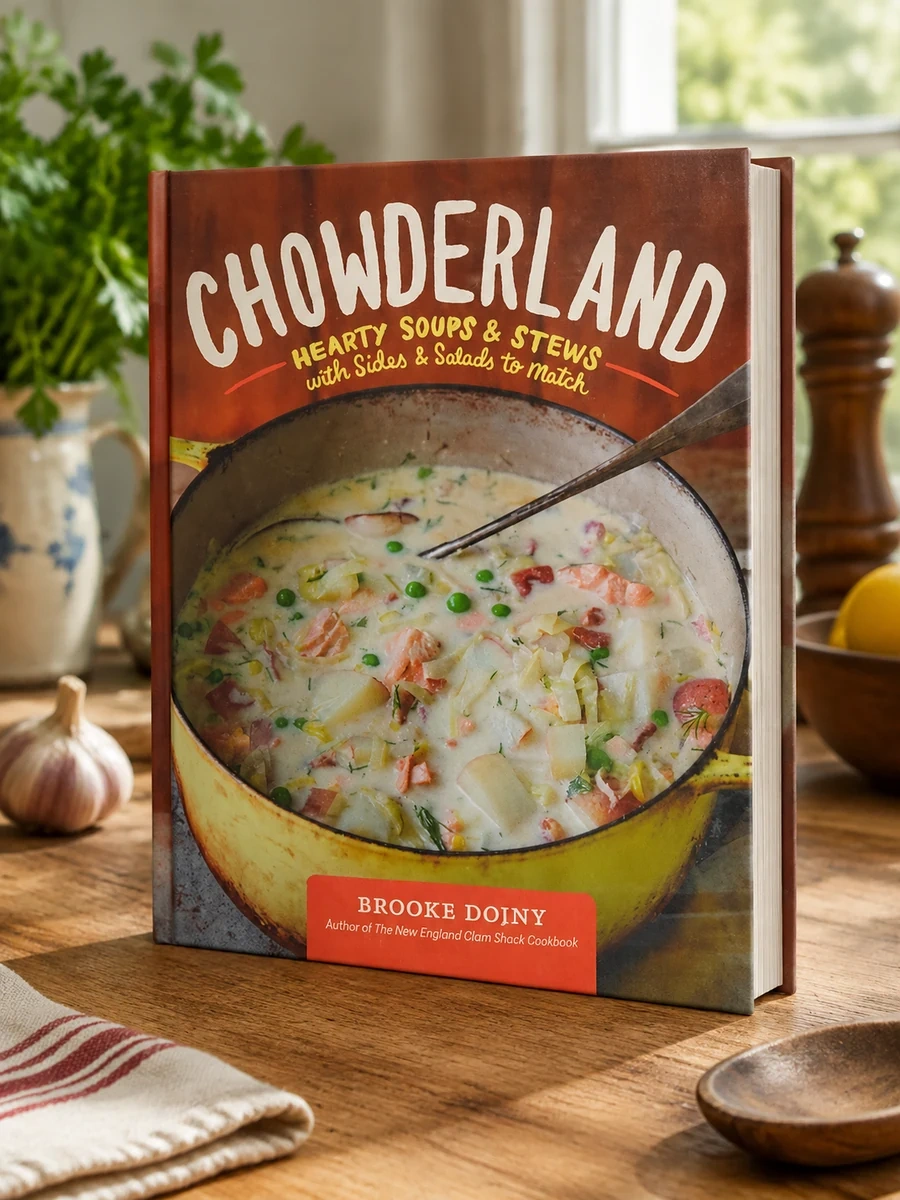
2. Chowderland: Hearty Soups & Stews with Sides & Salads to Match — Brooke Dojny
For cooks who like their soup substantial, Chowderland is an especially appealing option. Its focus on hearty soups and stews, with matching sides and salads, makes it stand apart from books concerned with soup alone. The combination suggests a more complete approach to meal planning: the main bowl is important, but so is what goes alongside it.
Chowder is a particularly satisfying cold-weather category because it tends toward generous, filling servings. It also gives cooks a reason to think about texture, richness, and the balance between a substantial main dish and something fresh on the side. This book makes a good gift for someone who regularly cooks for family or friends and wants more ideas for turning a pot of soup into a proper meal. It is also a strong choice for anyone who gravitates toward the heartier end of the soup spectrum.
For everyday soup-making and a broader repertoire
Not everyone wants to specialize in one style. Sometimes the best soup cookbook is simply the one that encourages you to make soup more often. A broader collection can be useful when you want to move between different kinds of bowls, experiment with ingredients already in the refrigerator, and build confidence through repetition. These next two books are worth considering for that purpose.
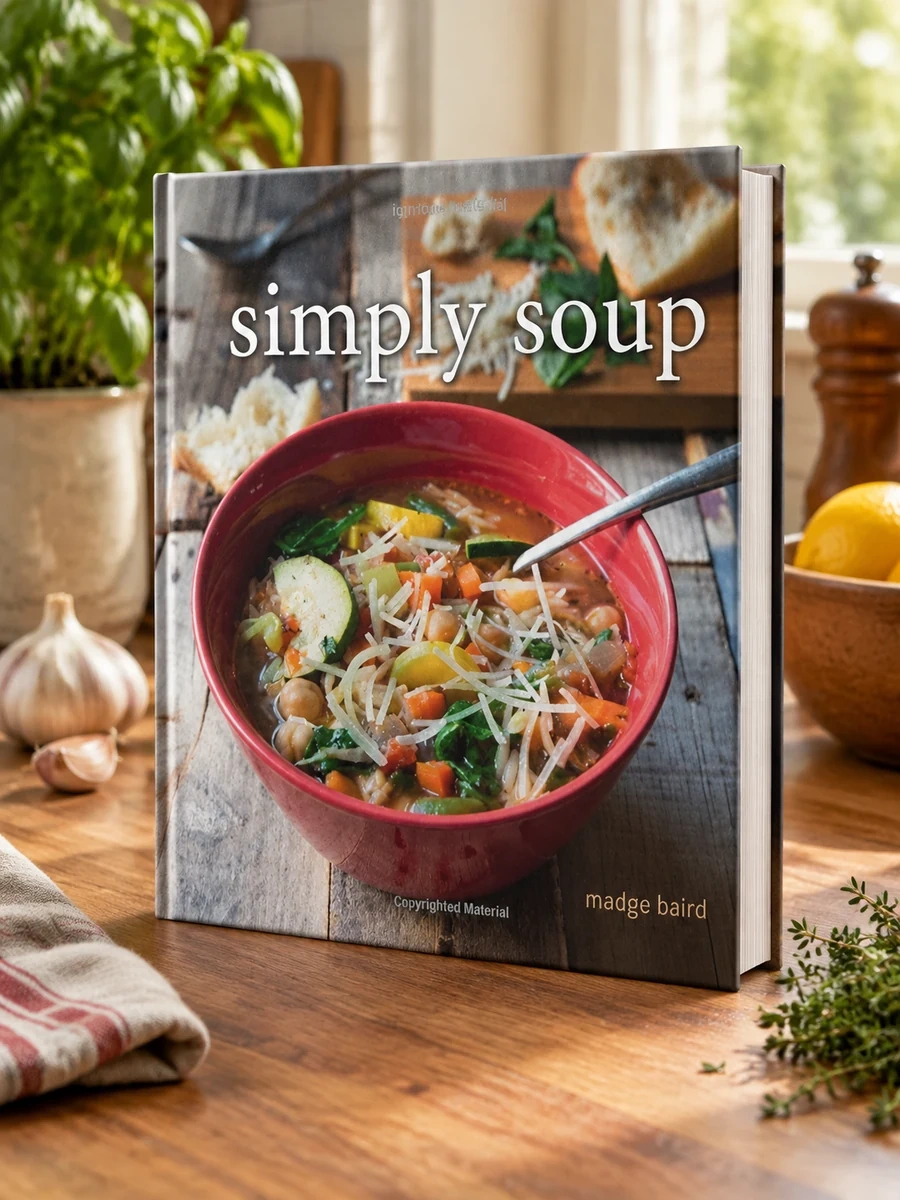
3. Simply Soup — Madge Baird
The appeal of Simply Soup is its direct, uncomplicated identity. It is a dedicated soup title rather than a general cookbook, making it a sensible candidate for someone who wants to keep the subject in focus. For a cook who is beginning to build a collection of soup recipes, that clarity is useful: the book has a defined place on the shelf and a clear reason to be reached for.
Think of this as the general-purpose option in our shortlist, rather than a book selected for one particular regional tradition or soup style. It is appropriate for someone whose interests range across the category and who wants a book devoted to the everyday pleasure of making soup. It also makes a less specialized gift than a chowder-focused title, which can be an advantage when you are not entirely sure what kinds of soup the recipient enjoys.
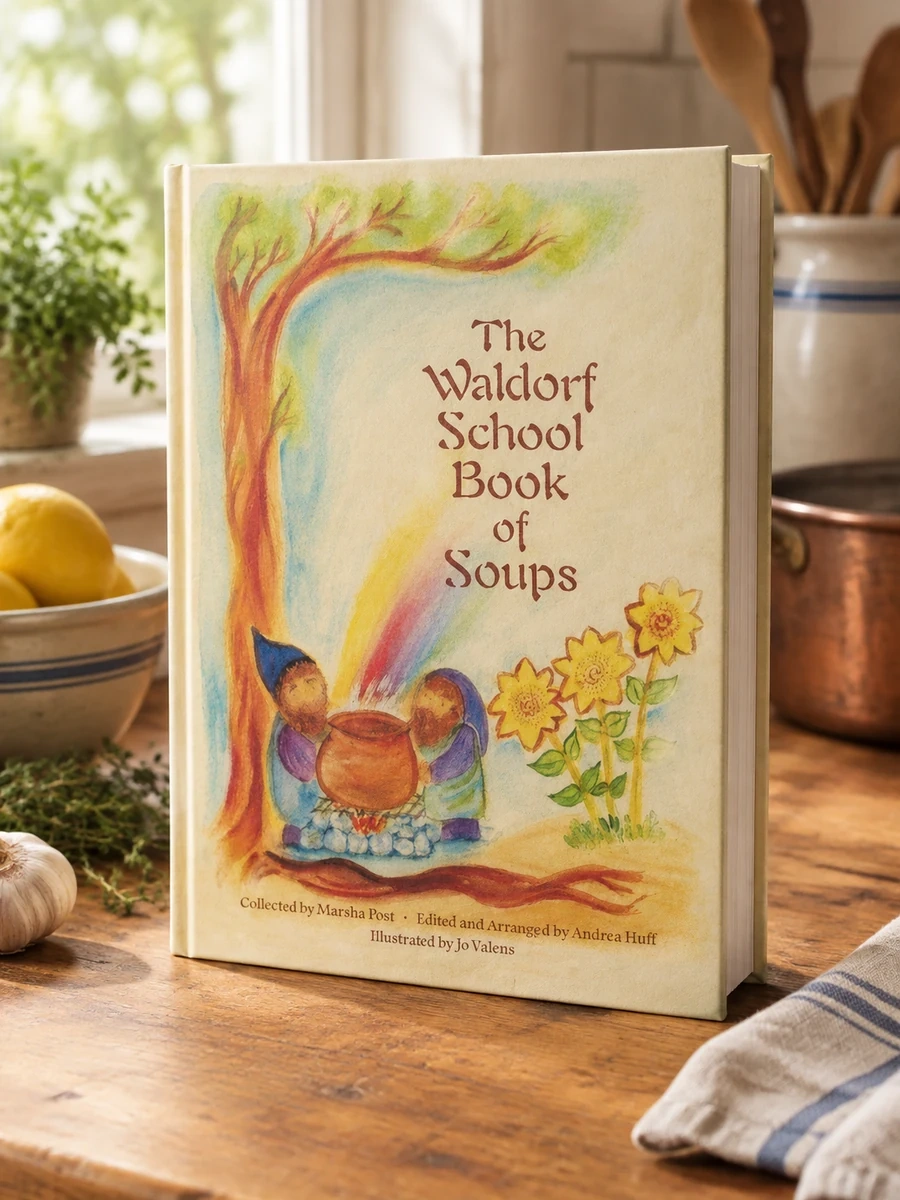
4. The Waldorf School Book of Soups — Marsha Post
A collection with a school identity brings a different perspective to the soup shelf. The Waldorf School Book of Soups is a dedicated soup cookbook, and its title makes it particularly interesting for cooks who appreciate a book with a clear community and culinary identity behind it. It is a distinctive alternative to a generic soup collection.
It may appeal especially to households where soup is part of regular family cooking. There is something practical about keeping a dedicated soup book within reach during the colder months: it gives the cook a place to turn when planning a batch for several people, preparing a warming lunch, or looking for an alternative to the usual weeknight dinner. The school association also gives it a slightly different gifting character from a conventional seasonal cookbook.
For global inspiration and plant-based cooking
Soup is not one culinary tradition with a handful of variations. Around the world, cooks have developed distinctive approaches to broths, noodles, legumes, vegetables, spices, and long-simmered dishes. A cook interested in expanding beyond familiar American-style soups may benefit from exploring the traditions surrounding a particular dish. Meanwhile, vegetarian cooks may want to approach soup through a broader plant-based repertoire, even when a dedicated vegetarian soup title is not available.
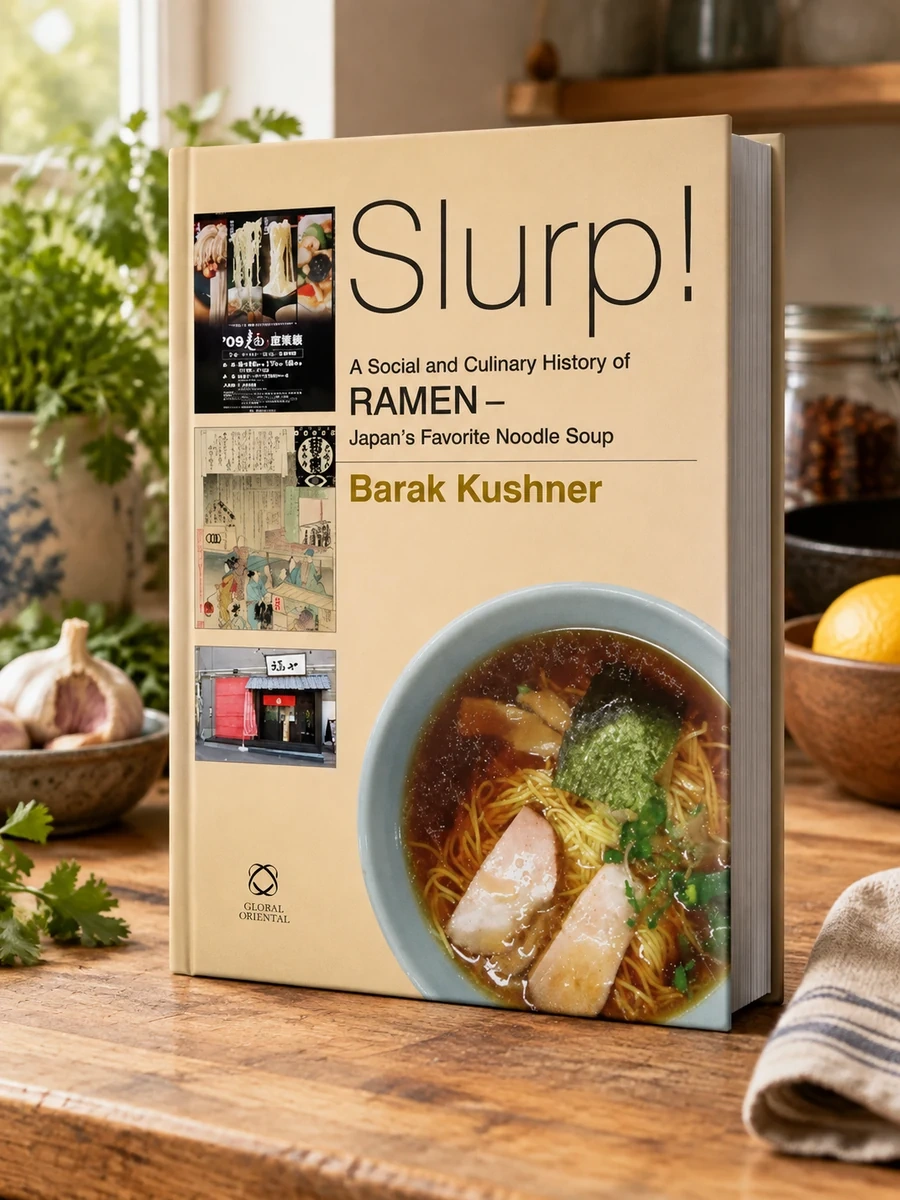
5. Slurp! A Social and Culinary History of Ramen - Japan's Favorite Noodle Soup — Barak Kushner
For a reader fascinated by noodle soup, Slurp! offers something different from a conventional recipe collection. It is a social and culinary history of ramen, Japan's celebrated noodle soup, rather than a straightforward practical soup cookbook. That distinction is important, but it is also precisely what makes the book interesting.
Ramen is a useful reminder that a bowl of soup can represent far more than a combination of liquid, vegetables, and protein. It can carry a history, a regional identity, and a distinctive food culture. This book suits readers who enjoy understanding the background of what they eat and want to explore the cultural significance of a familiar international dish. It is a particularly thoughtful holiday gift for someone who loves Japanese food, noodle shops, or food history. Pair it with a practical soup cookbook if the recipient also enjoys spending time at the stove.
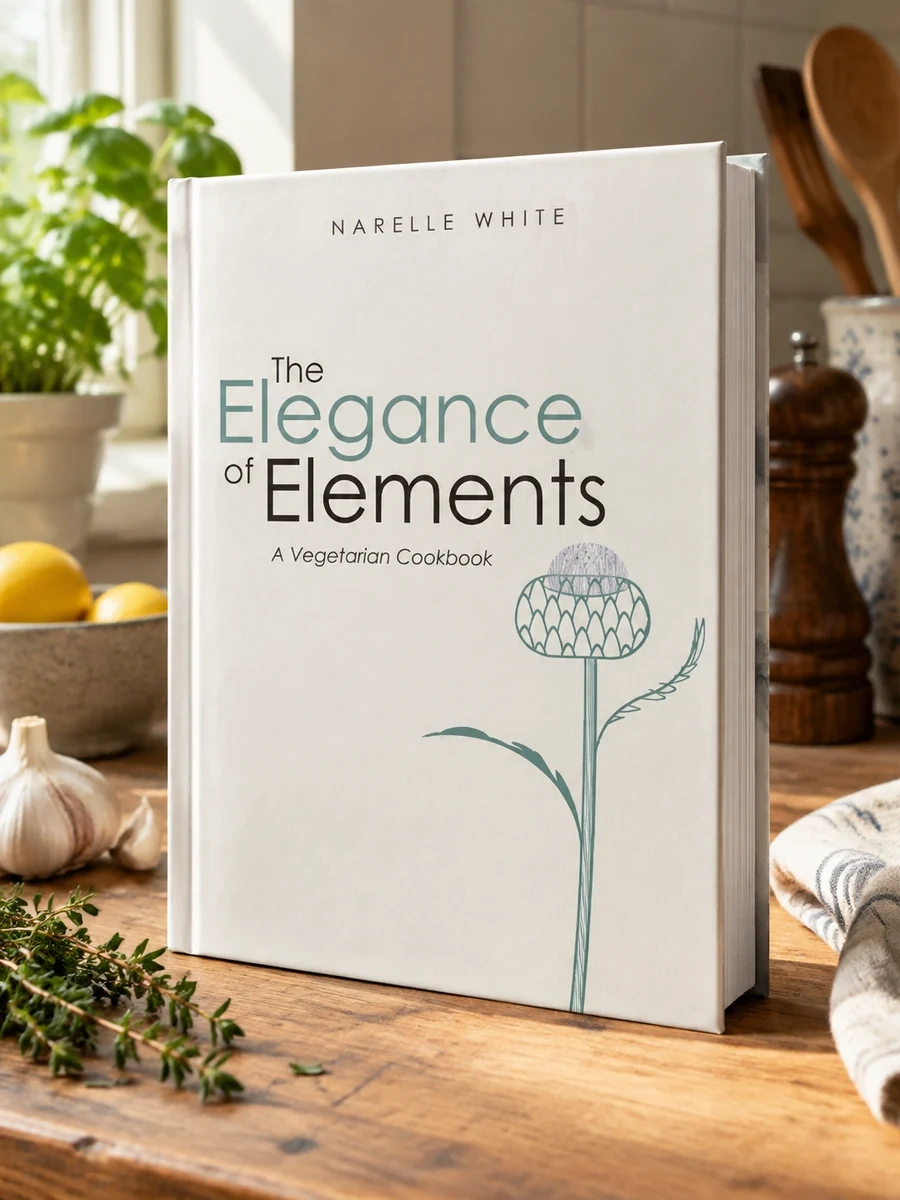
6. The Elegance of Elements: A Vegetarian Cookbook — Narelle White
Vegetarian cooks have good reason to look beyond books explicitly labeled as soup cookbooks. A vegetable-centered approach to cooking can provide inspiration for building meals around produce, and The Elegance of Elements is a vegetarian cookbook that broadens this part of our shortlist beyond meat-based seasonal soups and stews. Its value here is as an adjacent resource for cooks interested in vegetarian food, not as a book we would describe as a dedicated soup collection.
That qualification matters. A vegetarian soup repertoire benefits from thinking carefully about the ingredients that give a bowl substance and character, including vegetables, grains, legumes, and flavorful seasonings. A broader vegetarian cookbook can complement a dedicated soup title, although anyone specifically seeking a comprehensive collection of vegetarian soups should look for a book with that stated focus. This is a better choice for someone interested in vegetarian cooking generally than for a reader who wants nothing but soup recipes.
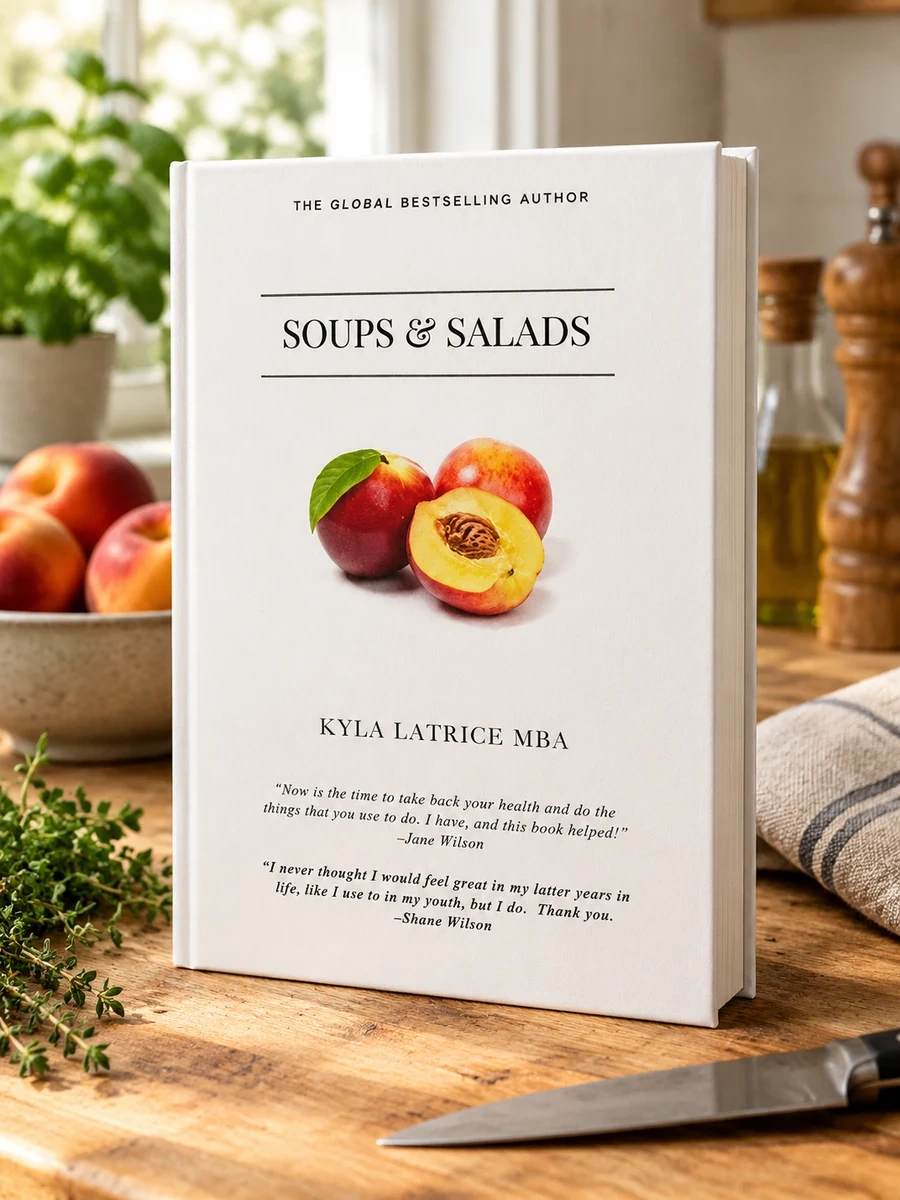
7. Soups & Salads — Kyla Latrice Tennin
Not every bowl of soup needs to be a heavy winter supper. Soups & Salads brings two complementary categories together, making it an interesting option for cooks who prefer a lighter or more balanced approach to everyday meals. The pairing also makes practical sense: soup and salad can work together for lunch, a lighter dinner, or a meal that changes with the produce available.
Its combined subject gives it a different role from the books devoted exclusively to soups and stews. If you already have a collection of substantial winter recipes, a soup-and-salad title can help broaden the occasions on which you cook these dishes. It is also worth considering as a gift for someone who enjoys putting together complete meals rather than concentrating on a single course.
How to choose the right soup cookbook
The best soup cookbook is the one that matches the way you actually want to cook. Before choosing, consider what you want to get out of the book. A cook who wants dependable cold-weather dinners should start with Soups and Stews: For Fall and Winter Days or Chowderland. The former has an explicitly seasonal focus, while the latter connects hearty soups and stews with accompanying sides and salads.
If you want a dedicated book without committing to one particular soup style, Simply Soup and The Waldorf School Book of Soups are the more natural starting points. They keep the subject firmly centered on soup. The choice between them may come down to the appeal of their respective identities and the kind of cookbook you would most enjoy keeping close at hand.
For a reader whose interests extend beyond familiar American soup traditions, Slurp! is the distinctive choice. It offers cultural and historical context around ramen, rather than serving as a general recipe manual. It is a particularly good gift for someone who reads cookbooks as food literature as well as using them in the kitchen.
Vegetarian households should pay attention to the distinction between a vegetarian cookbook and a vegetarian soup cookbook. The Elegance of Elements belongs in the former category. It can complement a dedicated soup title, but it should not be mistaken for a specialist soup collection. Meanwhile, Soups & Salads offers a broader meal-planning angle for cooks who want lighter combinations.
There are a few practical considerations worth keeping in mind, too:
- Think about serving size and occasion. Are you looking for quick lunches, substantial family dinners, or food to serve to guests? Books focused on hearty soups and stews are especially relevant for dinner planning.
- Consider the recipient's cooking habits. A dedicated soup collection is a safer gift for someone who makes soup regularly. A food-history title is more appropriate for someone who enjoys reading about culinary traditions.
- Look for the style you want to master. Chowder, everyday soup, noodle soup, and vegetable-centered cooking are different interests. A more specialized book can be more useful than a broad collection if it matches the recipient's enthusiasm.
- Consider what is already on the shelf. Someone with several general cookbooks may appreciate a focused title. A cook who already owns a soup collection may get more from a complementary book about a particular culinary tradition or a broader approach to vegetarian meals.
There is also a seasonal advantage to choosing a soup cookbook before the holidays. Autumn is a good time to establish a regular soup-making routine, test new recipes, and identify the books that will be used repeatedly through winter. For gifts, a focused cookbook feels more considered when it reflects the recipient's actual interests: hearty stews for the practical home cook, ramen history for the curious food enthusiast, or a vegetarian companion for someone who prefers to cook around vegetables.
Our strongest starting recommendation for a dedicated cold-weather soup shelf is Soups and Stews: For Fall and Winter Days. For a more substantial, meal-oriented approach, choose Chowderland. And if you are buying for someone whose interests stretch beyond recipes into the stories behind food, Slurp! is the most distinctive title in this collection. The right book should make you want to put a pot on the stove, not simply admire another cookbook on the shelf.