Finding a good vegetarian cookbook is about more than collecting recipes without meat. It is about finding books that make vegetables, grains, legumes, herbs, and other everyday ingredients genuinely exciting to cook with. Some cooks want quick dinners after work. Others need affordable meals that stretch across a week, family-friendly dishes that satisfy different appetites, or inspiration for making seasonal produce the centerpiece of the table.
The challenge is that vegetarian cookbooks cover a remarkably broad range of cooking styles. A book devoted to simple ingredient lists serves a different purpose from one exploring Mediterranean traditions or creative vegetable preparations. Vegan cooking adds another consideration, since some vegetarian households still use dairy and eggs while others prefer entirely plant-based recipes.
We selected 10 vegetarian cookbooks from our catalog with different cooking needs in mind. Rather than treating every book as interchangeable, this guide looks at what each title offers, the kind of cook likely to appreciate it, and how to choose a collection that will earn its place on your kitchen shelf.
For easier weeknight cooking and less kitchen cleanup
When vegetarian cooking becomes part of an everyday routine, convenience matters. A useful weeknight cookbook should help you get a satisfying meal on the table without requiring an elaborate shopping trip, a complicated technique, or a mountain of dishes. These three books approach that challenge from different directions.
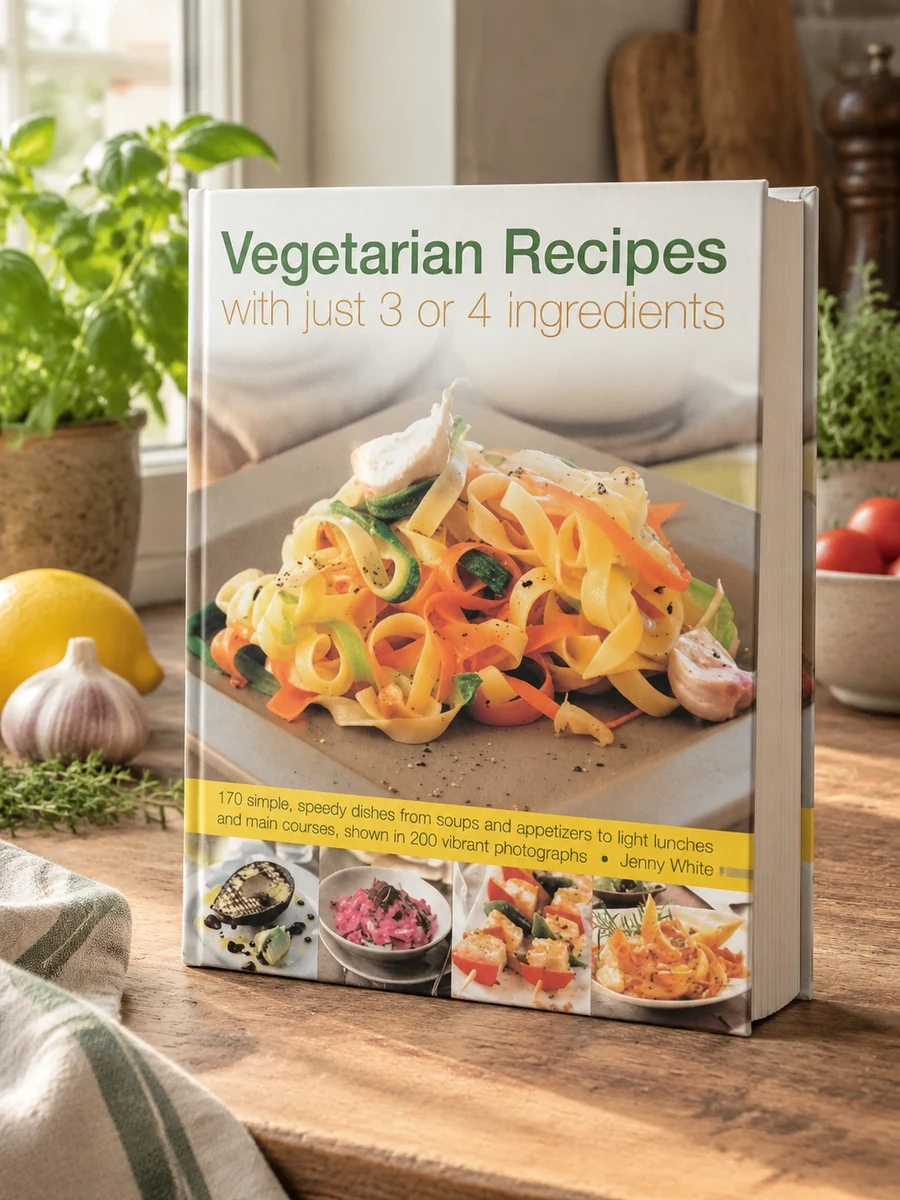
1. Vegetarian Recipes with Just 3 or 4 Ingredients — Jenny White
Few things make home cooking feel more manageable than a short ingredient list. Jenny White's book puts simplicity front and center, making it an appealing choice for cooks who want vegetarian meals without a long list of specialty purchases. The three-or-four-ingredient approach is particularly useful when you have limited pantry supplies, prefer straightforward preparation, or simply do not want dinner to become an afternoon project.
This is a sensible starting point for someone building confidence with meat-free cooking. It also makes a practical companion for experienced cooks who want to simplify their routine. The appeal is not culinary complexity; it is the possibility of making everyday cooking more accessible.
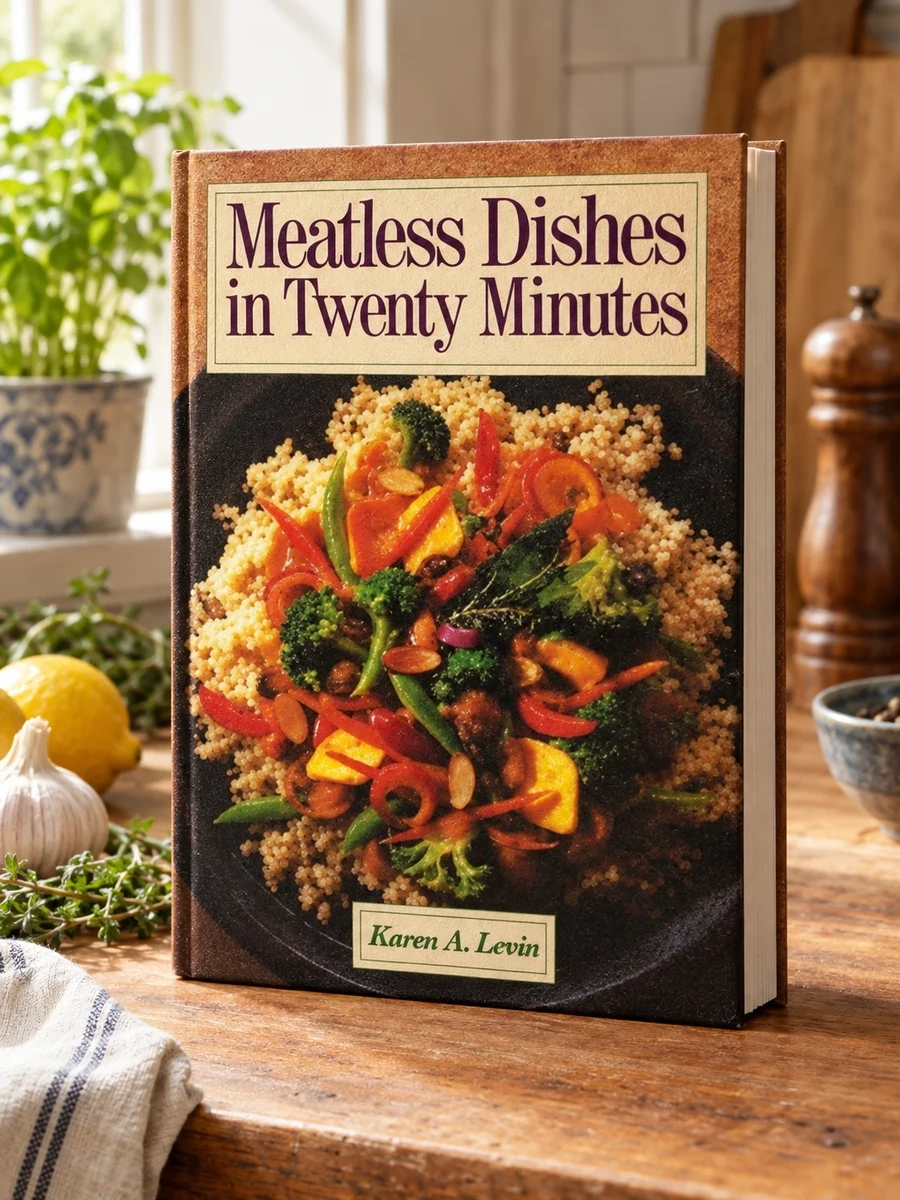
2. Meatless Dishes in Twenty Minutes — Karen A. Levin
Time is one of the biggest obstacles to cooking at home consistently. Karen A. Levin's title makes its priority clear: meatless dishes designed around a twenty-minute cooking window. That focus makes this book particularly relevant to busy households, working professionals, and anyone who wants to reduce reliance on convenience food without spending the entire evening in the kitchen.
It is worth considering if you already have basic kitchen confidence but need a more efficient approach to everyday meals. The emphasis on speed also makes it a natural partner for a well-stocked pantry and a small collection of reliable vegetables. If your main question is what you can make quickly without meat, this is one of the most directly relevant titles in the selection.
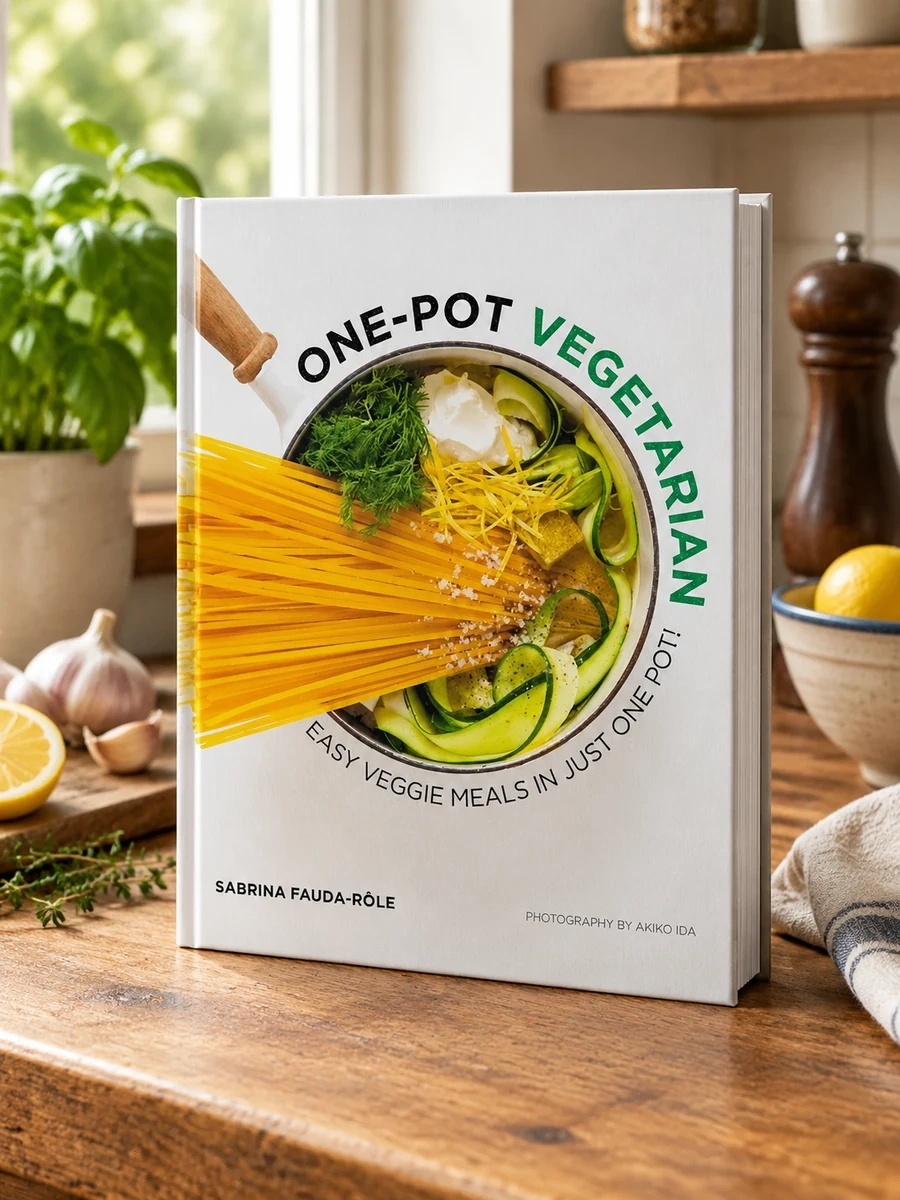
3. One Pot Vegetarian: Easy Veggie Meals in Just One Pot! — Sabrina Fauda-Role
There is a particular pleasure in finishing dinner and discovering that cleanup is almost finished, too. Sabrina Fauda-Role's cookbook centers on one-pot vegetarian meals, making it a natural choice for people who value convenience and fewer dishes. Instead of organizing dinner around several separate pans, the book's premise puts one-pot preparation at the center of the cooking experience.
That makes it especially suitable for smaller kitchens, cooks who dislike complicated cleanup, and households that prefer uncomplicated meal preparation. It is also a useful option when you want a dedicated collection rather than having to adapt conventional recipes to fit a one-pot routine.
For flexible everyday meals, budgets, and family tables
Not every vegetarian household has the same priorities. Some are watching grocery spending, others need meals that appeal to children, and many simply want a collection of recipes that works for both ordinary evenings and more relaxed weekend cooking. These three books address different parts of that everyday challenge.
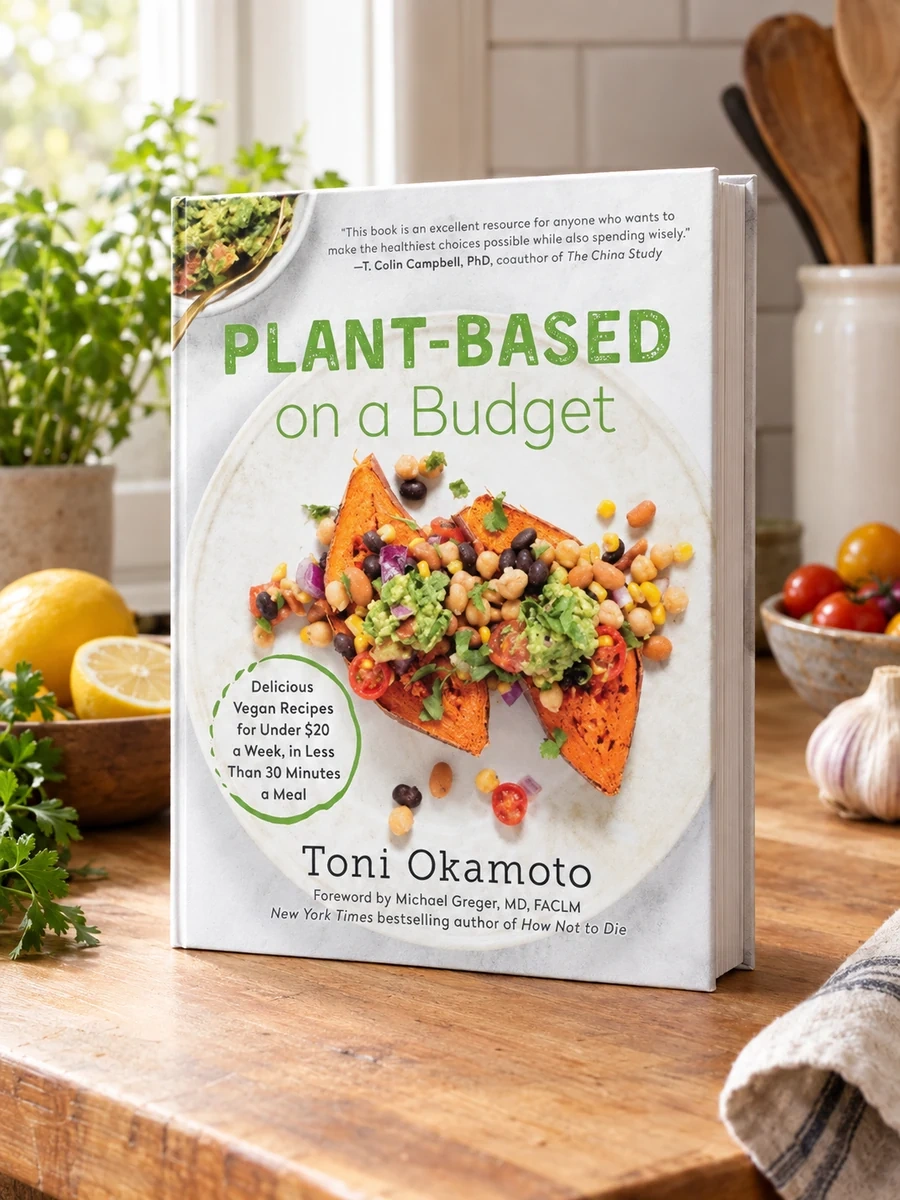
4. Plant-Based on a Budget: Delicious Vegan Recipes for Under $30 a Week, in Less Than 30 Minutes a Meal — Toni Okamoto
Cooking vegetarian food regularly can be affordable, but it helps to approach grocery shopping with a plan. Toni Okamoto's book explicitly combines budget-conscious plant-based cooking with a focus on meals that take less than thirty minutes. That pairing gives it a particularly clear purpose: helping cooks manage both food costs and preparation time.
Although the book focuses on vegan recipes rather than the broader vegetarian category, it belongs on the shortlist for anyone interested in expanding their plant-based cooking. Vegan recipes can also be useful to vegetarian households looking for meals that do not depend on dairy or eggs. This is the strongest match in our selection for cooks whose first priorities are affordability and everyday practicality.
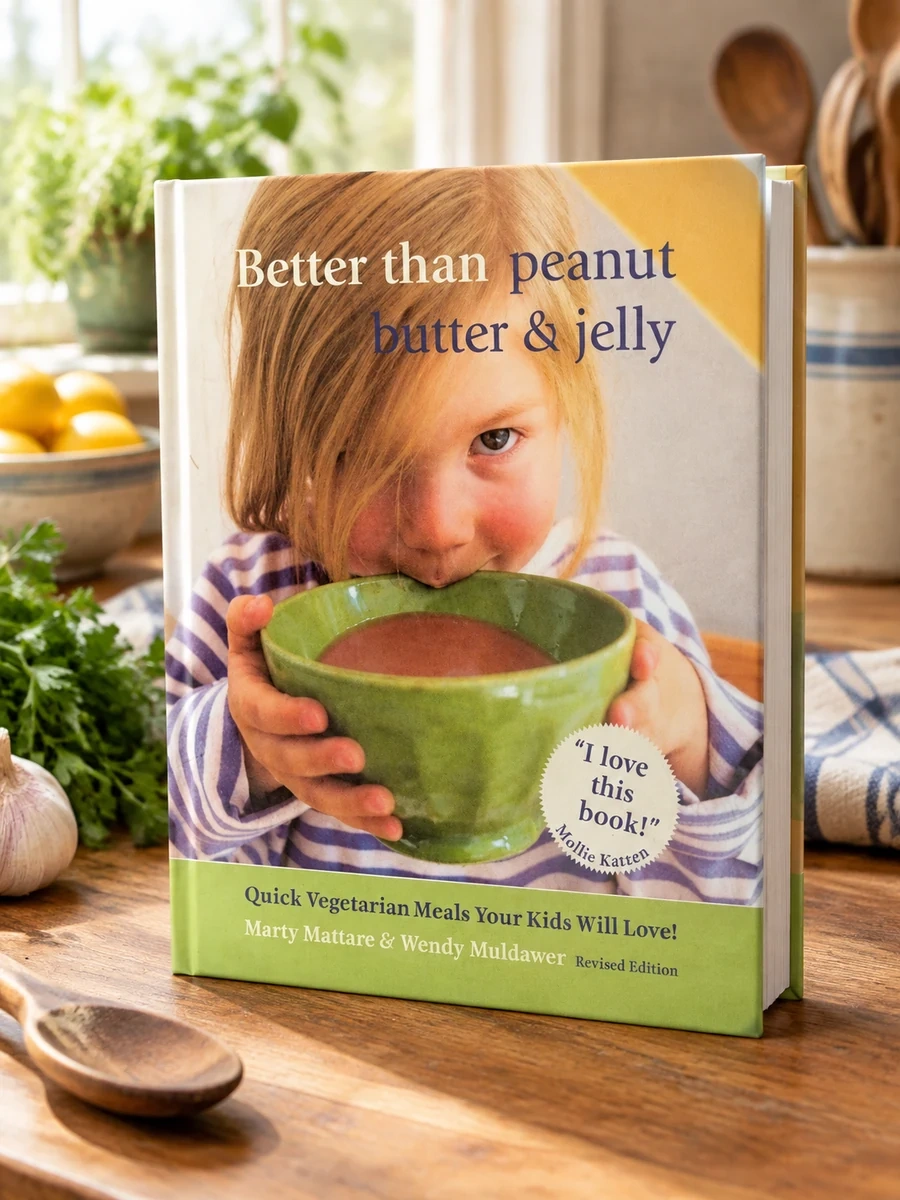
5. Better Than Peanut Butter & Jelly: Quick Vegetarian Meals Your Kids Will Love! (Revised) — Marty Mattare
Cooking for children introduces a different set of considerations. A meal needs to be approachable, practical for a busy household, and appealing to people whose tastes may be less adventurous than those of the cook. Marty Mattare's title speaks directly to that audience, focusing on quick vegetarian meals intended for children.
Parents and caregivers looking to make meat-free eating part of the family routine will find the book's emphasis particularly relevant. Rather than treating vegetarian cooking as a separate adult menu, its premise centers on meals children can enjoy. It is a good candidate for households that want more variety than the usual rotation of sandwiches, pasta, and familiar convenience foods.
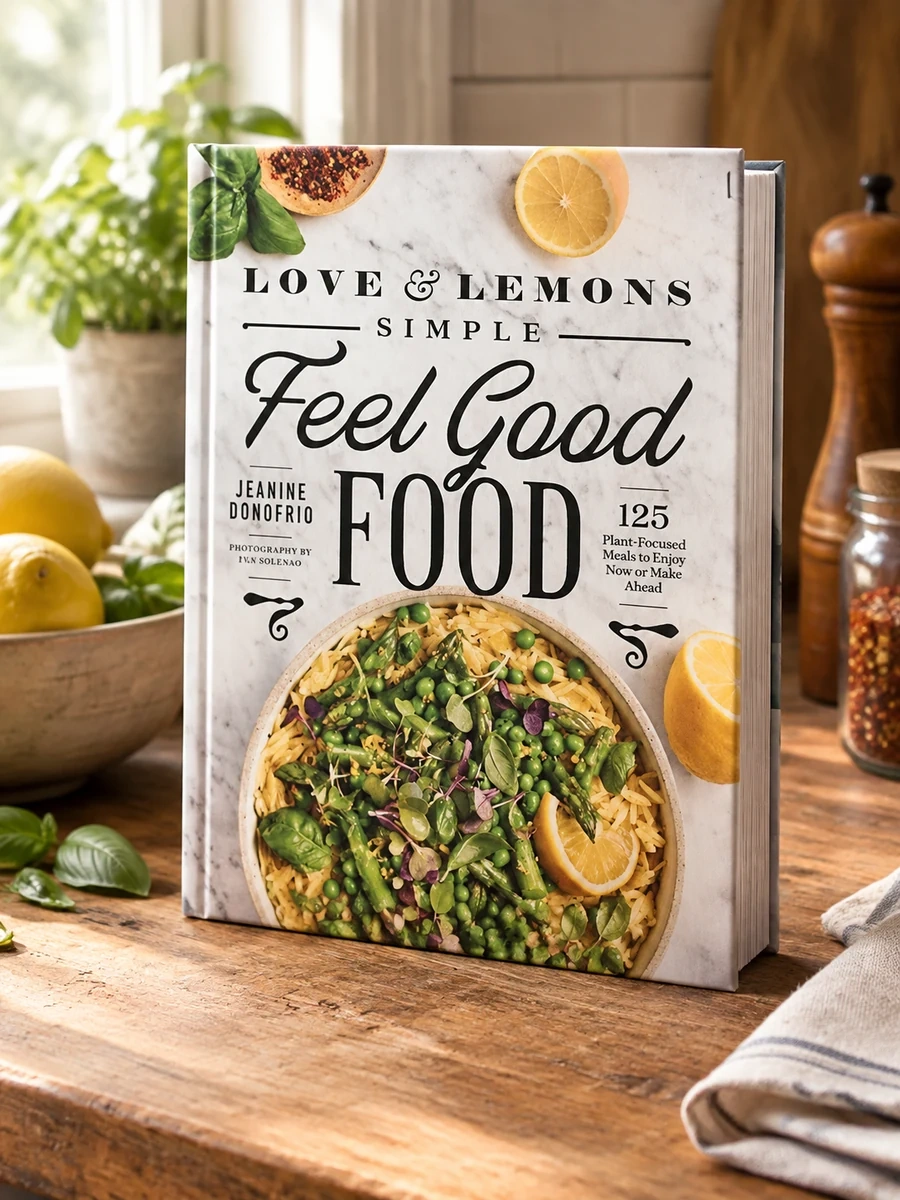
6. Love and Lemons Simple Feel Good Food: 125 Plant-Focused Meals to Enjoy Now or Make Ahead: A Cookbook — Jeanine Donofrio
Some cookbooks are most useful when they offer flexibility beyond the immediate dinner question. Jeanine Donofrio's book presents 125 plant-focused meals, with an emphasis on food to enjoy immediately or prepare ahead. That combination makes it appealing to cooks who like to plan some meals in advance while leaving room for spontaneous cooking.
The plant-focused approach also gives it a broader appeal than a collection organized exclusively around meat substitutes. It is worth considering if you want a vegetarian-friendly cooking resource that keeps vegetables central and accommodates different approaches to meal preparation. For households balancing busy weekdays with more leisurely cooking, the make-ahead element is an especially useful distinction.
For Mediterranean inspiration and more adventurous vegetable cooking
One of the best ways to keep vegetarian meals interesting is to look beyond a narrow collection of familiar dishes. Regional cooking traditions offer different ways to combine vegetables, grains, herbs, legumes, and pantry staples. Other books encourage a closer look at individual ingredients and how much of them can be used. These four titles bring that broader perspective to a vegetarian bookshelf.
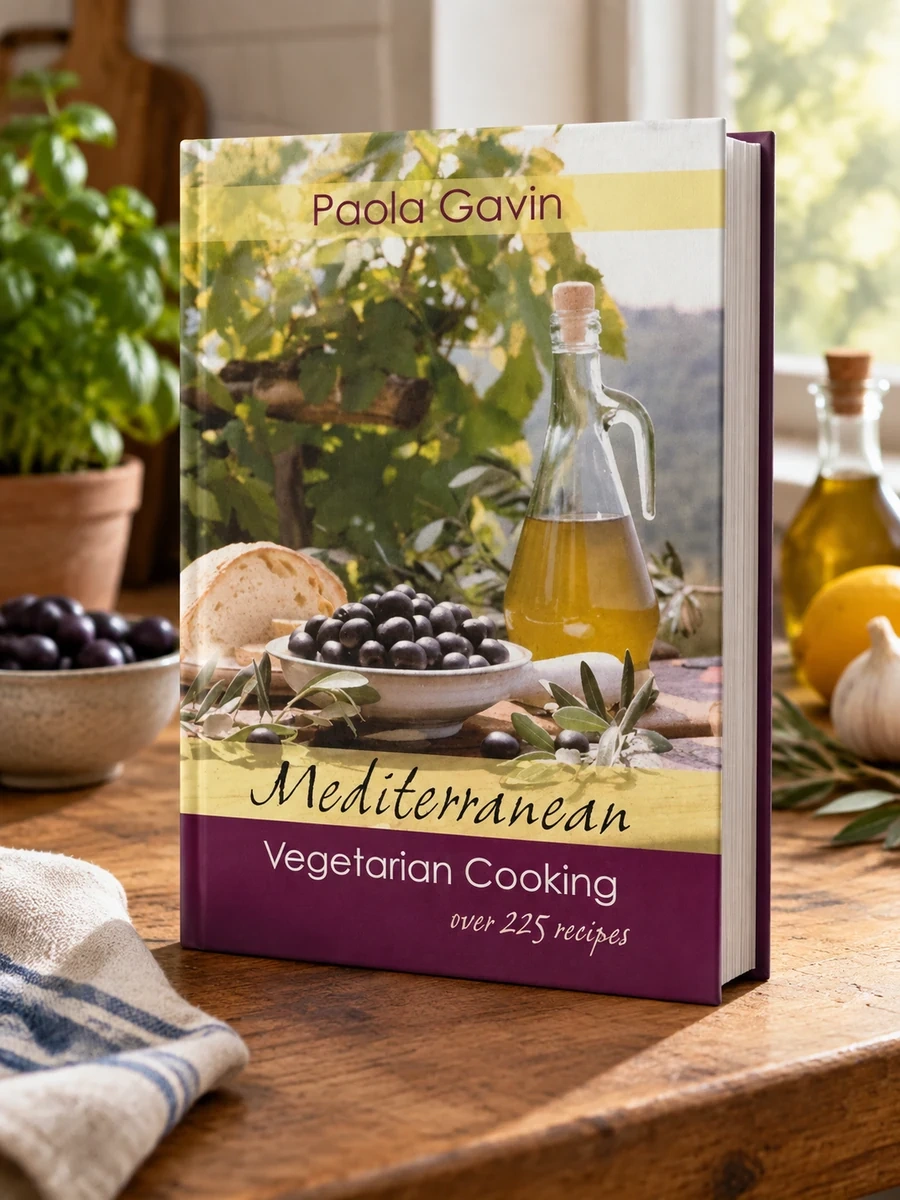
7. Mediterranean Vegetarian Cooking — Paola Gavin
Mediterranean cooking offers an especially appealing framework for vegetable-centered meals. Paola Gavin's book is a natural choice for readers interested in exploring vegetarian food through that regional tradition. Its subject makes it relevant to cooks who want to move beyond generic meat-free substitutions and consider vegetarian cooking through a recognizable culinary style.
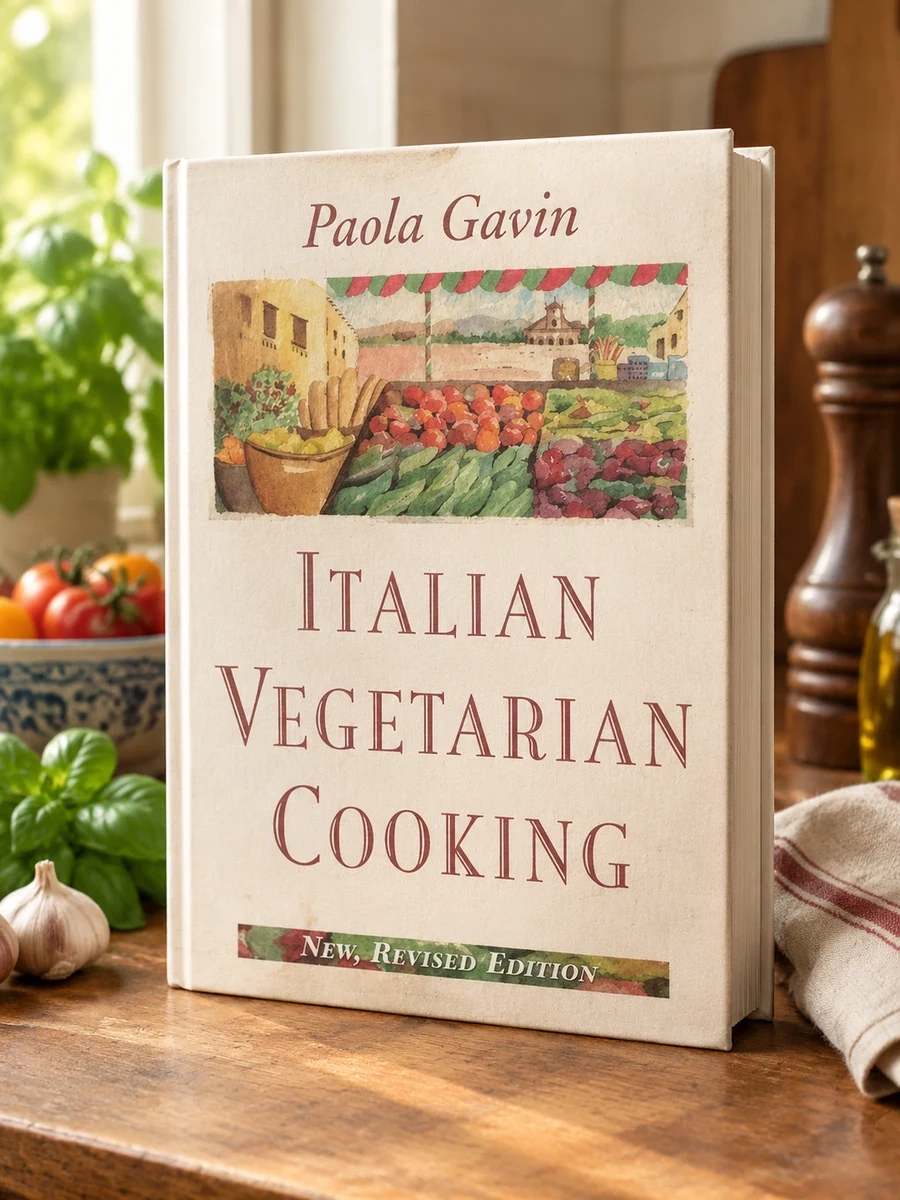
This is a good direction if your kitchen already makes frequent use of vegetables, herbs, grains, and other Mediterranean-inspired ingredients. It also offers a useful thematic focus for someone building a collection around regional food traditions. Readers who enjoy the Mediterranean approach may also want to explore the author's Italian Vegetarian Cooking, New, Revised, which narrows the focus to Italian meat-free cooking.
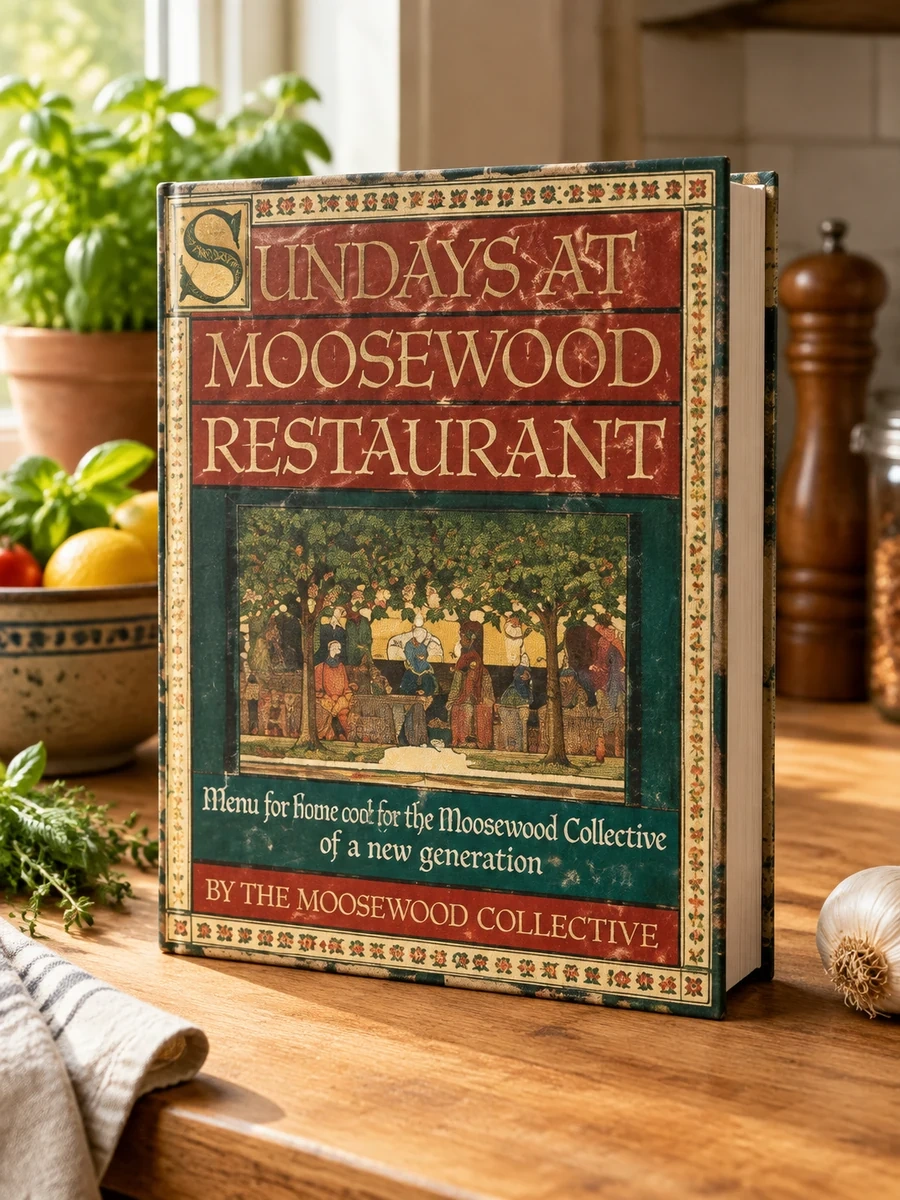
8. Sundays at Moosewood Restaurant — Moosewood Collective
The Moosewood name has a recognizable place in American vegetarian cooking, making this title an interesting choice for readers who appreciate restaurant-inspired vegetarian food and established meatless cooking traditions. The collective's name also gives the book a different character from titles focused narrowly on speed, budgeting, or a single cooking technique.
It is a particularly suitable choice for someone who wants to explore vegetarian cooking as a broader culinary practice rather than simply replace meat in familiar recipes. If you enjoy collecting cookbooks with a strong identity and a connection to vegetarian food culture, this title deserves consideration. It is also a good counterpoint to the more narrowly practical books in this selection.
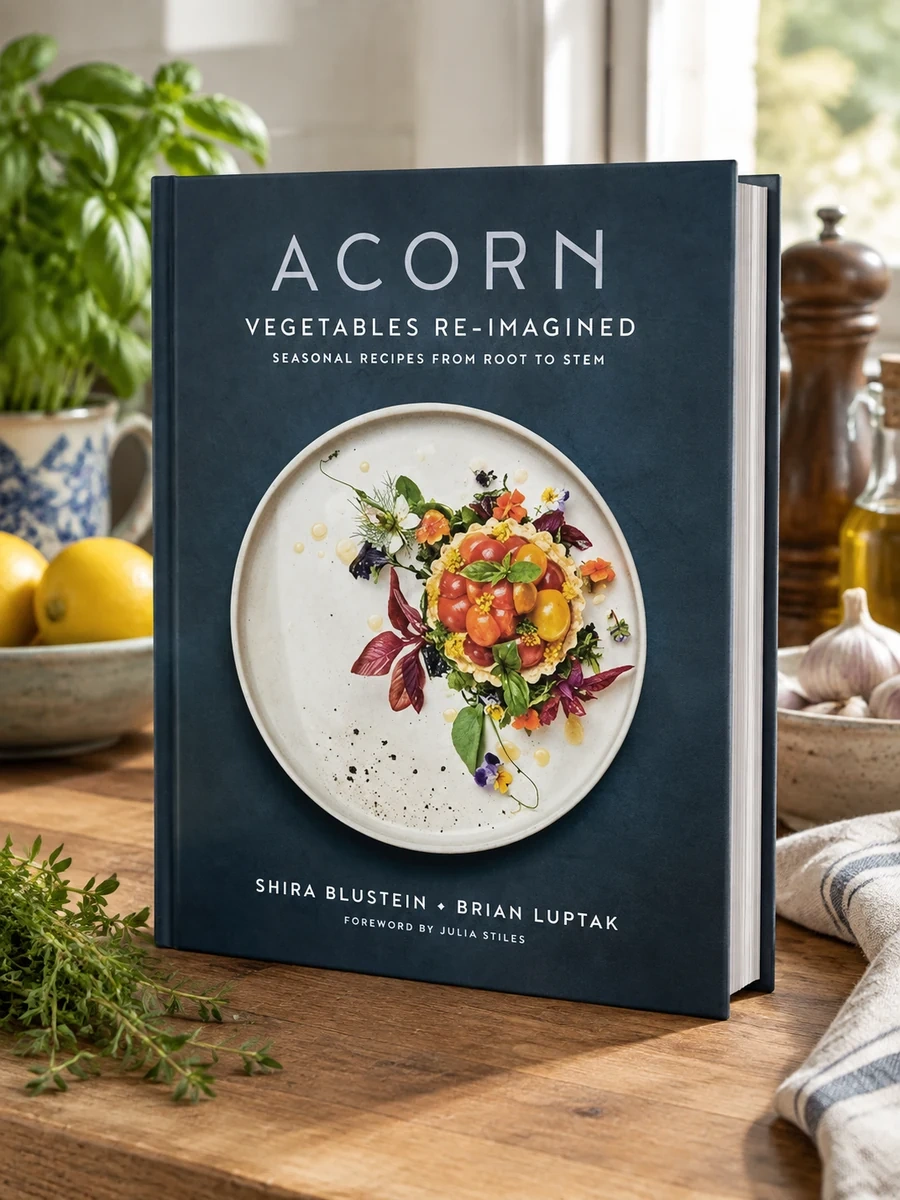
9. Acorn: Vegetables Re-Imagined: Seasonal Recipes from Root to Stem — Shira Blustein
Vegetables deserve more attention than simply being treated as the side dish. Shira Blustein's book takes a particularly interesting approach through seasonal recipes and root-to-stem cooking. That description points toward a way of thinking about ingredients that values the vegetable as a whole and encourages cooks to pay attention to seasonality and how different parts of produce can be used.
This book is a strong option for curious home cooks who visit farmers markets, enjoy experimenting with seasonal ingredients, or want to become more resourceful in the kitchen. Its root-to-stem emphasis also connects naturally with efforts to reduce kitchen waste. Compared with the quick-meal books, it is better suited to cooks who enjoy thinking more creatively about the ingredients they bring home.
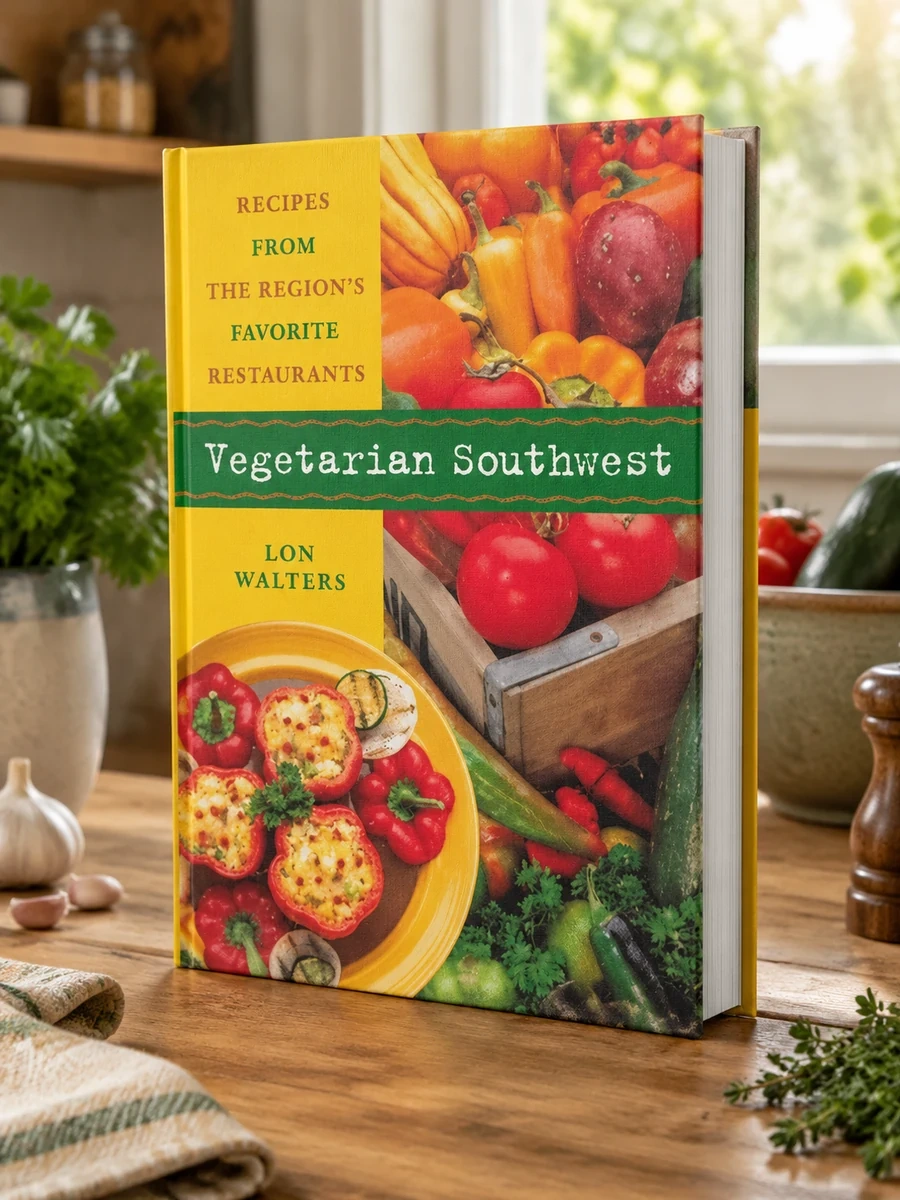
10. Vegetarian Southwest — Lon Walters
Vegetarian cooking does not need to follow a single international template. Lon Walters' book brings the Southwest into the conversation, offering a regional focus for readers interested in meat-free food through a distinctly American culinary lens. That makes it an appealing addition for anyone who enjoys regional cooking and wants more variety in the flavors and traditions represented on their shelf.
It is especially relevant if your idea of a satisfying vegetarian meal extends beyond salads and simple vegetable sides. A regional cookbook can also be a useful way to explore a particular food culture rather than approach every dish as an isolated recipe. For cooks who want their vegetarian collection to represent different culinary traditions, this is a worthwhile direction.
How to choose the right vegetarian cookbook
The most useful vegetarian cookbook is not necessarily the one with the largest recipe count or the broadest promise. It is the one that matches the way you actually cook. Before choosing, consider the following questions.
- How much time do you have? If speed is your biggest concern, start with Meatless Dishes in Twenty Minutes. If minimizing cleanup matters more, consider One Pot Vegetarian.
- What is your grocery budget? For cost-conscious cooking, Plant-Based on a Budget directly addresses affordability. If you simply want fewer ingredients to purchase and manage, Jenny White's Vegetarian Recipes with Just 3 or 4 Ingredients is another sensible starting point.
- Are you cooking for a household? Families with children may prefer Better Than Peanut Butter & Jelly. For more flexible meal preparation, Jeanine Donofrio's Love and Lemons Simple Feel Good Food is worth considering.
- Do you prefer a particular culinary tradition? Choose Mediterranean Vegetarian Cooking for a Mediterranean focus, Sundays at Moosewood Restaurant for a broader vegetarian cooking tradition, or Vegetarian Southwest for regional inspiration.
- Do you want to cook more creatively with vegetables? Acorn is the standout choice for seasonal, root-to-stem thinking.
One final distinction matters: vegetarian and vegan are not interchangeable terms. Vegetarian cooking can include dairy products and eggs, while vegan cooking excludes all animal-derived ingredients. If you follow a strict vegan diet, check the individual book's recipe approach rather than assuming every title in a vegetarian collection will meet your requirements. The same care applies to food allergies and other dietary restrictions.
For a first vegetarian cookbook, we would favor a book that removes a real obstacle in your kitchen. That might mean fewer ingredients, faster preparation, lower grocery costs, or more appealing family meals. Once you have a dependable everyday resource, a second book with a regional or seasonal focus can help broaden your cooking. The goal is not to own the most vegetarian cookbooks, but to build a small, useful collection that makes you want to cook vegetables again tomorrow.