There is a particular pleasure in finding a cookbook that earns a permanent place on the kitchen counter. It is the book you reach for when family is coming over, when dinner needs to be satisfying without becoming an elaborate project, or when a familiar ingredient inspires you to try something different. Food to Love by Edward Hayden appeals to that kind of home cook: someone who values dependable recipes, the pleasures of sharing food, and the practical organization that makes cooking for other people less stressful.
But what should you read next when you have enjoyed that combination of approachable cooking and culinary inspiration? The answer depends on which part of the experience mattered most. Perhaps you want more dependable family dishes. Maybe seasonal ingredients and regional traditions are what keep you turning pages. Or perhaps you are ready to explore another country's cooking while keeping the spirit of generous, achievable home meals.
We have selected ten cookbooks from our collection that offer different ways to continue that reading and cooking experience. Some are particularly suitable for everyday meals, while others reward a slower approach and a curiosity about regional food. Rather than treating them as interchangeable alternatives, this guide explains what each one brings to the kitchen and why it might be the right next addition to your shelf.
For the comfort of family cooking and dependable recipes
If the appeal of Food to Love lies in its connection to everyday meals and the pleasure of feeding people, start with cookbooks that put home cooking and familiar food traditions first. These choices offer different perspectives on the family table, from established regional traditions to practical international cooking.
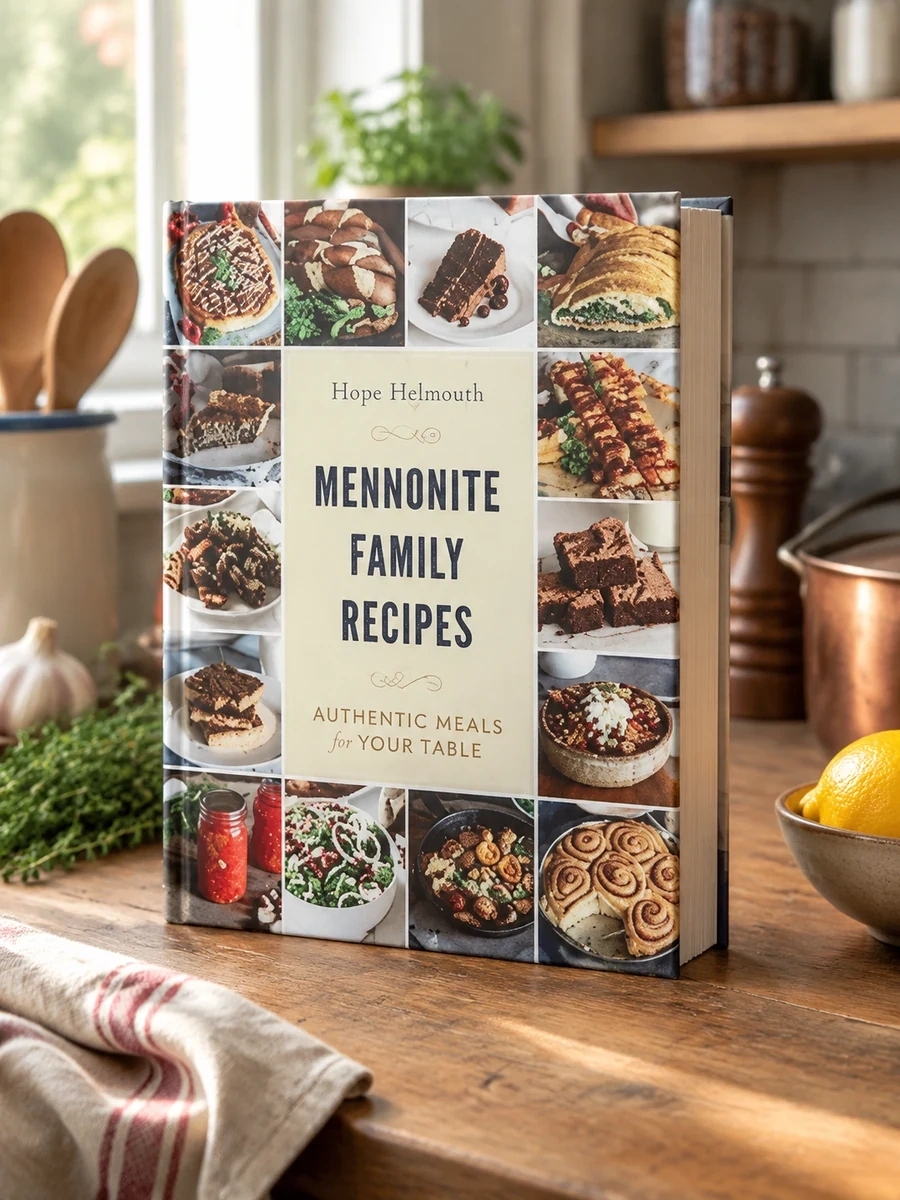
1. Mennonite Family Recipes — Hope Helmuth
For someone who enjoys a cookbook with a strong sense of family and culinary heritage, Hope Helmuth's Mennonite Family Recipes is a natural next choice. Its appeal begins with the tradition behind the recipes: food as something prepared, shared, and passed between generations. That makes it an especially appealing companion for readers who see cooking as part of family life rather than simply a way to get dinner on the table.
This is a good direction if you want to explore another established home-cooking tradition after reading an Irish-focused cookbook. Its strongest attraction is the opportunity to discover a different culinary culture through family recipes. Choose it when the personal and communal side of cooking matters as much as the finished dish.
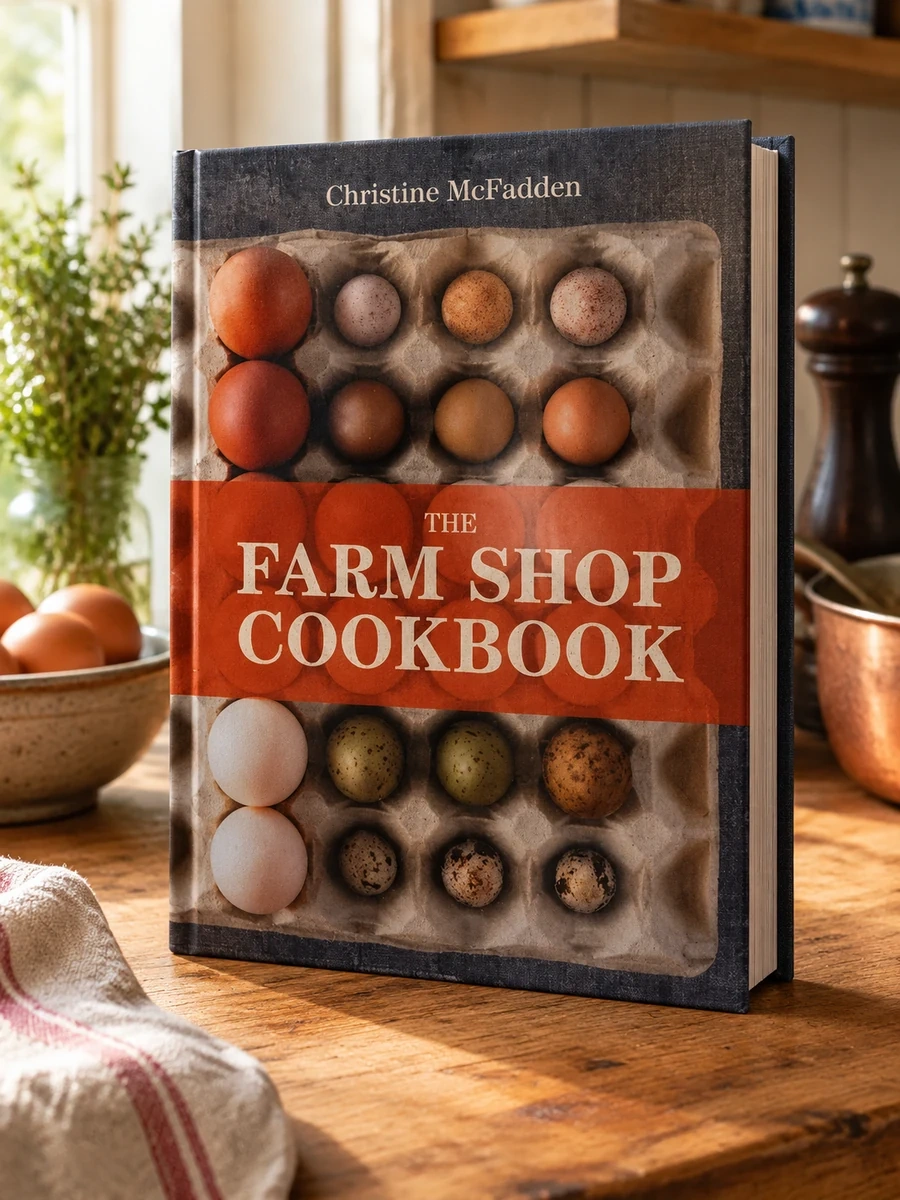
2. The Farm Shop Cookbook — Christine McFadden
Sometimes the most useful next cookbook is one that changes how you approach ingredients. The Farm Shop Cookbook is a promising choice for home cooks drawn to the connection between food, shopping, and the produce available throughout the year. Its farm-shop focus makes it a sensible direction for anyone who enjoys choosing ingredients first and planning meals around what looks appealing.
It is particularly worth considering if seasonal inspiration is what you want more of after Food to Love. Rather than choosing another book simply because it belongs to a familiar national cuisine, you can use this one as an invitation to pay closer attention to ingredients and their possibilities. It suits cooks who enjoy making the most of what is available and want their everyday kitchen routine to feel a little more connected to the seasons.
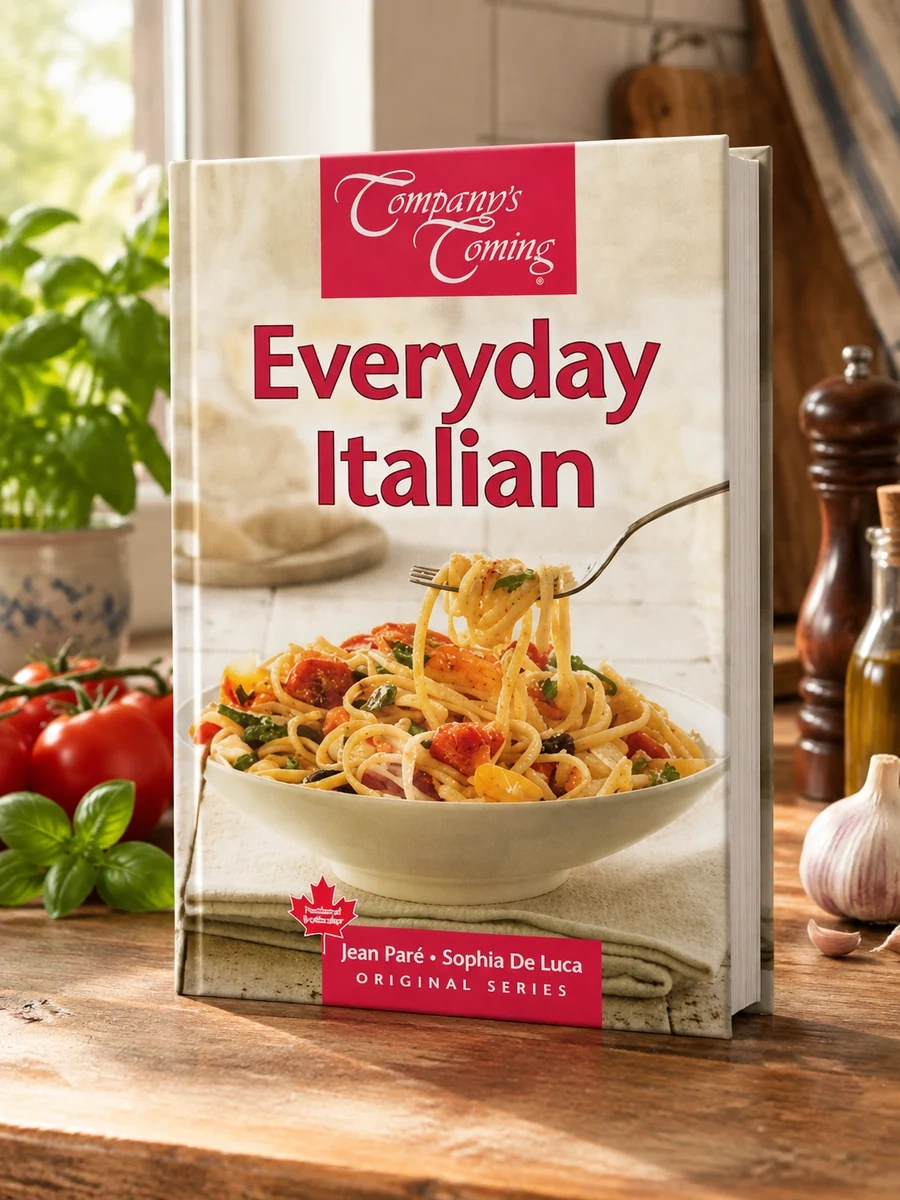
3. Everyday Italian — Jean Pare
For readers who want another approachable direction for regular home meals, Everyday Italian is an appealing option. Its title makes its central promise clear: Italian cooking approached through the needs of everyday life. It is a good choice when you want to move from one regional cooking tradition to another without making every meal feel like a special occasion.
Italian food has a strong place in home kitchens because its culinary traditions offer plenty of inspiration for meals shared with family and friends. This book is a useful pick for someone interested in adding a different national cooking perspective to an existing collection. Choose it for the everyday Italian theme rather than expecting a specialist historical study or an advanced culinary textbook.
For seasonal ingredients and the pleasure of regional cooking
One of the best reasons to keep exploring cookbooks is that a change of culinary tradition can make familiar ingredients feel new again. If you enjoyed the regional identity of Food to Love, the following books offer different ways to understand the relationship between local ingredients, food culture, and the changing seasons.
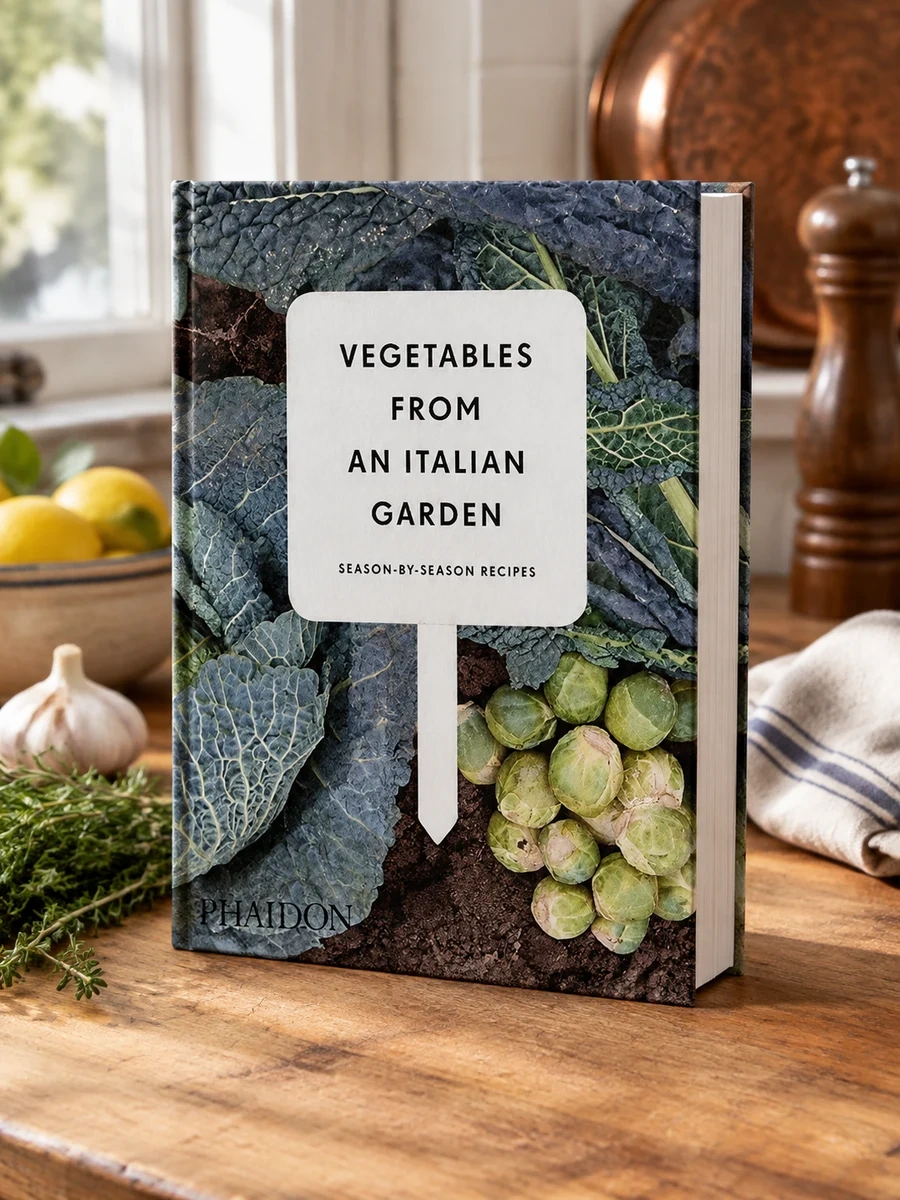
4. Vegetables from an Italian Garden: Season-By-Season Recipes — Steven Joyce
This is one of the clearest choices for readers who want seasonal cooking to become a more deliberate part of their routine. Vegetables from an Italian Garden is organized around season-by-season recipes, giving the book a practical point of distinction. Instead of treating vegetables as interchangeable ingredients available at any time, it places the calendar at the center of the cooking experience.
That approach is particularly useful for cooks who enjoy shopping according to what is in season and want fresh inspiration for vegetable-based meals. It also makes a thoughtful change of pace from a general family cookbook: the focus here is more specific, with vegetables and their seasonal availability providing the organizing principle. If you want a cookbook that can inspire you to plan meals around the produce on hand, this is an excellent candidate.
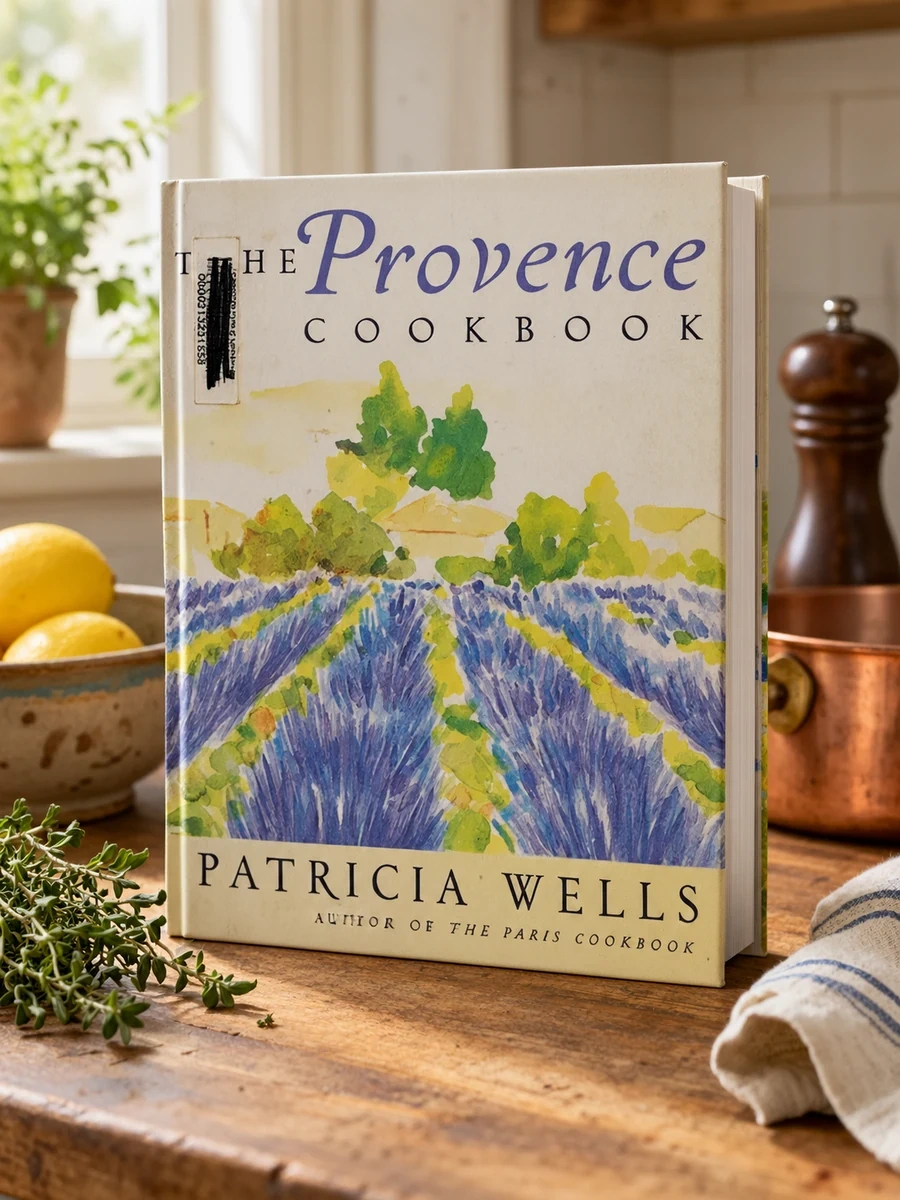
5. The Provence Cookbook — Patricia Wells
For a more focused regional experience, Patricia Wells's The Provence Cookbook offers a destination worth exploring. Provence has a distinct culinary identity, and a dedicated cookbook gives readers the opportunity to approach its food traditions as a connected whole rather than as a collection of unrelated recipes. The book's James Beard Award-winning distinction also makes it a notable addition for anyone interested in established regional cookbooks.
This is a particularly good recommendation if you appreciated the sense of place behind Food to Love. It offers a different regional lens while keeping the subject firmly within the world of cooking. Consider it when you want a cookbook that can inspire a themed meal, encourage exploration of a particular food culture, and provide a change from your usual dinner repertoire.
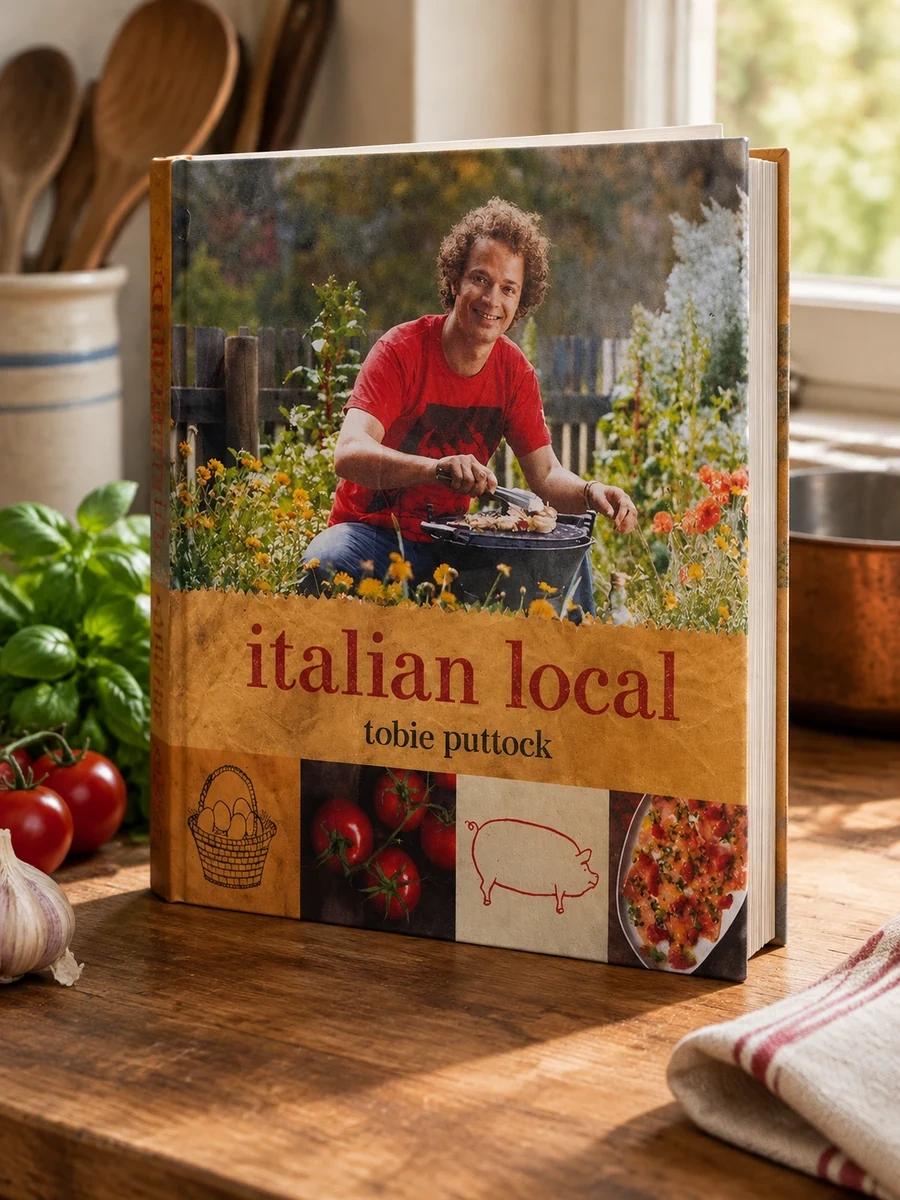
6. Italian Local — Tobie Puttock
Italian Local is another strong choice for someone who wants to explore regional food through a practical cookbook rather than a general introduction to international cuisine. Its local perspective gives it a distinct identity within the Italian cooking category. That is an important difference when building a cookbook collection: a book with a specific sense of place can offer a more focused experience than a broad collection of familiar national dishes.
Readers who enjoyed the regional character of Hayden's Irish recipes may appreciate the opportunity to discover Italian food from another angle. This is a good book to choose when you want to expand your cooking interests without abandoning the pleasure of traditional food. It also makes a useful companion to Everyday Italian: one offers an everyday Italian direction, while the other brings a local perspective to the same broad culinary tradition.
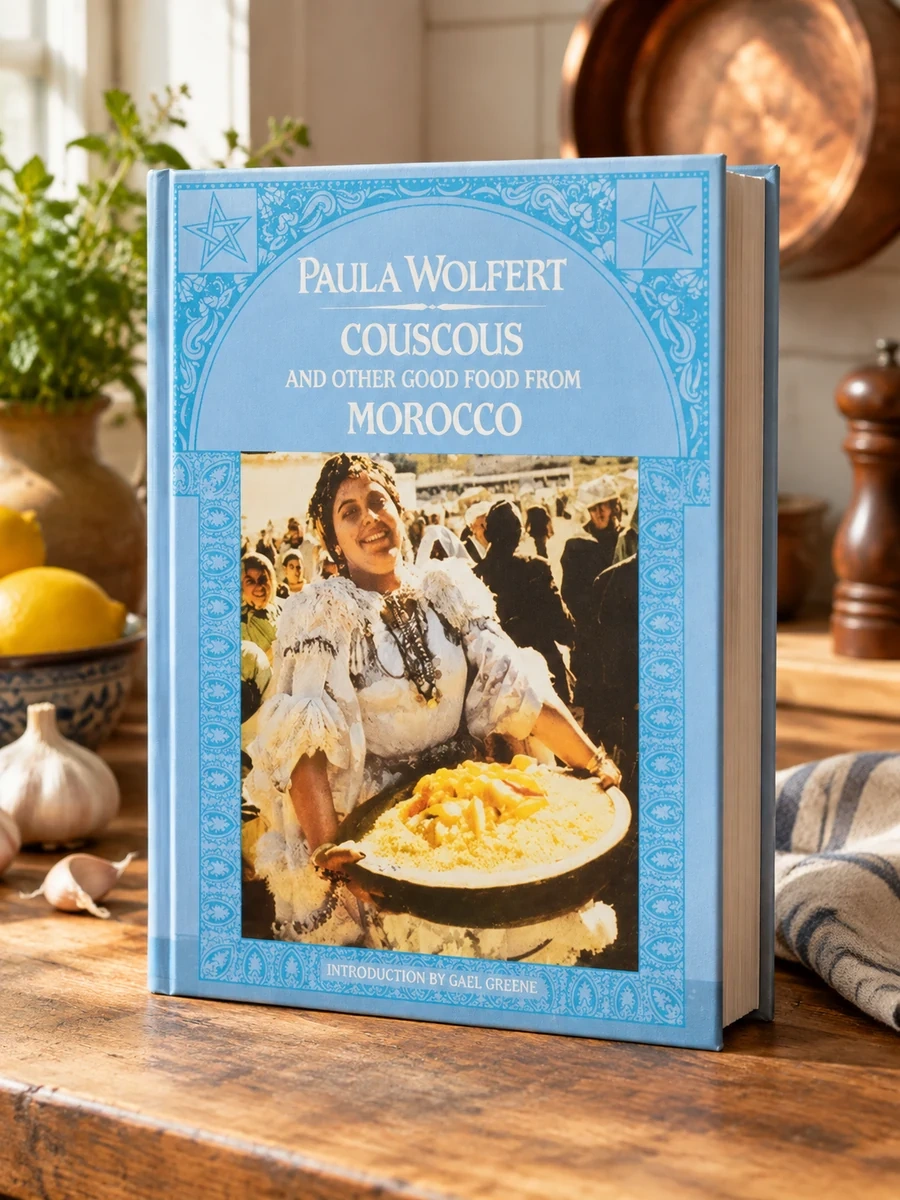
7. Couscous and Other Good Food from Morocco — Paula Wolfert
For a reader ready to spend more time with a regional culinary tradition, Paula Wolfert's Couscous and Other Good Food from Morocco is a particularly rewarding choice. Its appeal lies in the depth of its engagement with Moroccan food, including the patient preparation of intricate couscous and the layering involved in delicate bisteeyas. These are not simply recipes to skim before deciding what to cook tonight; they invite attention to technique and culinary tradition.
This book is especially suitable if you want to move beyond straightforward weeknight cooking and learn more about the methods behind a cuisine. It represents a different kind of reading experience from Food to Love, but it retains the connection between food and cultural identity. Pick it when curiosity about ingredients, preparation, and the traditions surrounding a meal is becoming as important as convenience.
For cooks ready to broaden their everyday repertoire
Perhaps your favorite part of Food to Love was not a particular cuisine but the encouragement to cook something enjoyable at home. If so, these final three recommendations offer different ways to expand your repertoire. They range from simple French bistro cooking to straightforward home cooking and a substantial collection of Mexican family recipes.
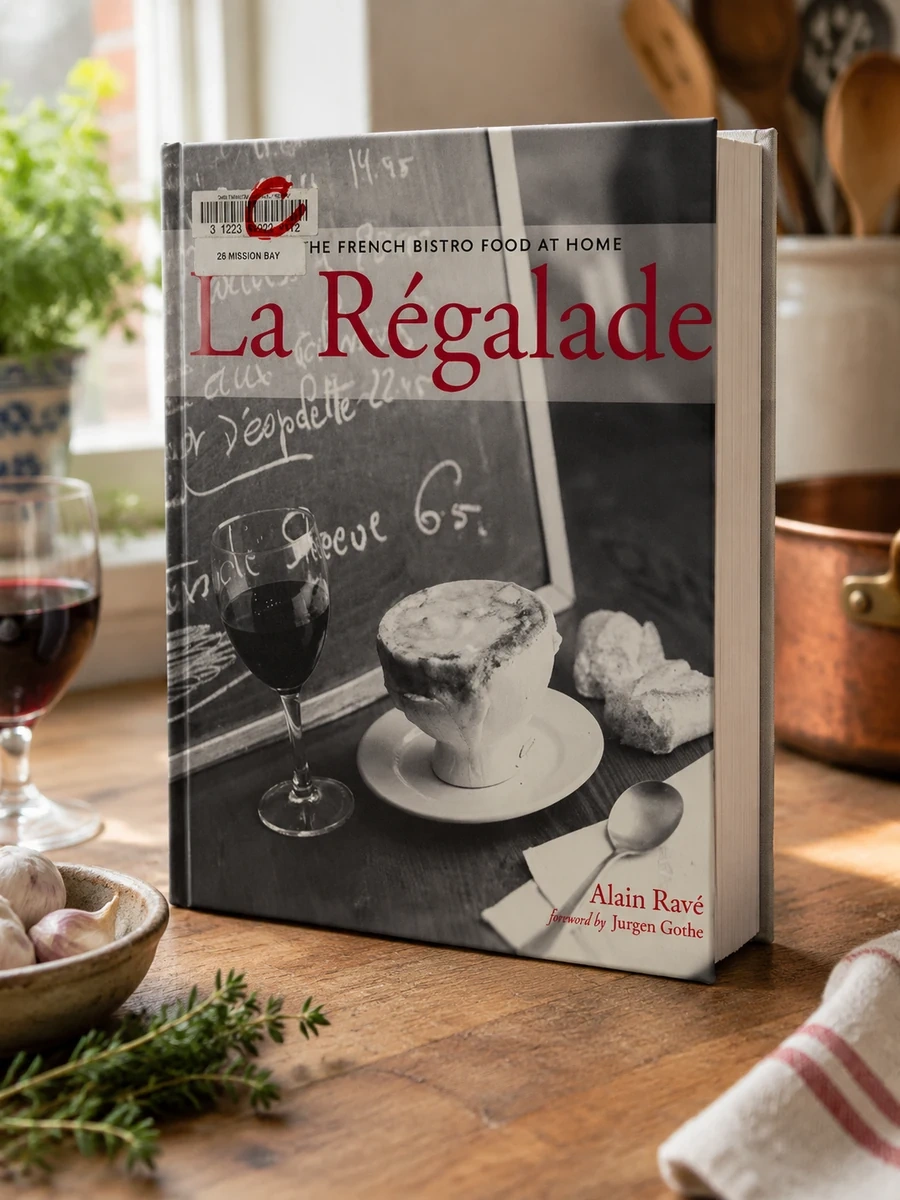
8. La Regalade: Simple French Bistro Food at Home — Alain Raye
French cooking can sometimes seem intimidating to home cooks, particularly when associated with elaborate restaurant techniques. The appeal of La Regalade: Simple French Bistro Food at Home is its explicit focus on bringing bistro-style food into the home kitchen. That makes it a useful recommendation for readers who want to explore French food without losing sight of the practical realities of cooking at home.
The bistro approach also offers a pleasant alternative to the family-oriented regional cooking of Food to Love. It is a way to give ordinary meals a different culinary character while remaining interested in food that can be prepared and enjoyed at home. Choose this one if French cuisine appeals to you but you prefer the idea of accessible bistro cooking to a demanding technical course.
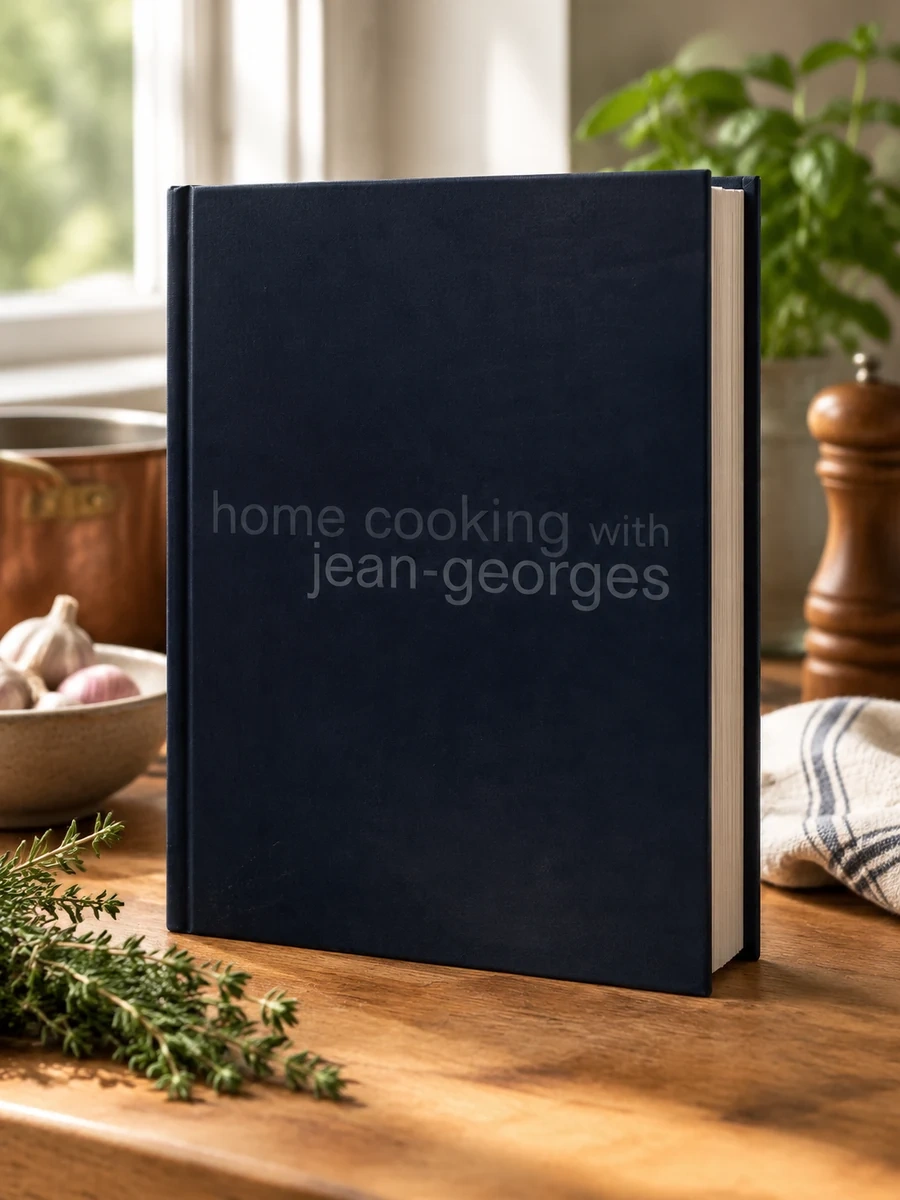
9. Home Cooking with Jean-Georges: My Favorite Simple Recipes — Jean-Georges Vongerichten
There is a particular appeal in a cookbook that brings the subject back to simple home cooking. Jean-Georges Vongerichten's Home Cooking with Jean-Georges is built around the idea of favorite simple recipes, making it an appealing next read for cooks who want inspiration without necessarily committing to a specialist culinary project.
It is a good choice for someone who values a balance between culinary ambition and everyday practicality. The book's home-cooking focus makes it relevant to readers who enjoyed the accessible spirit of Food to Love, while its author offers a different culinary perspective. If you are looking for a book that keeps the emphasis on recipes for the home kitchen, rather than on a single regional tradition, this deserves a place on your shortlist.
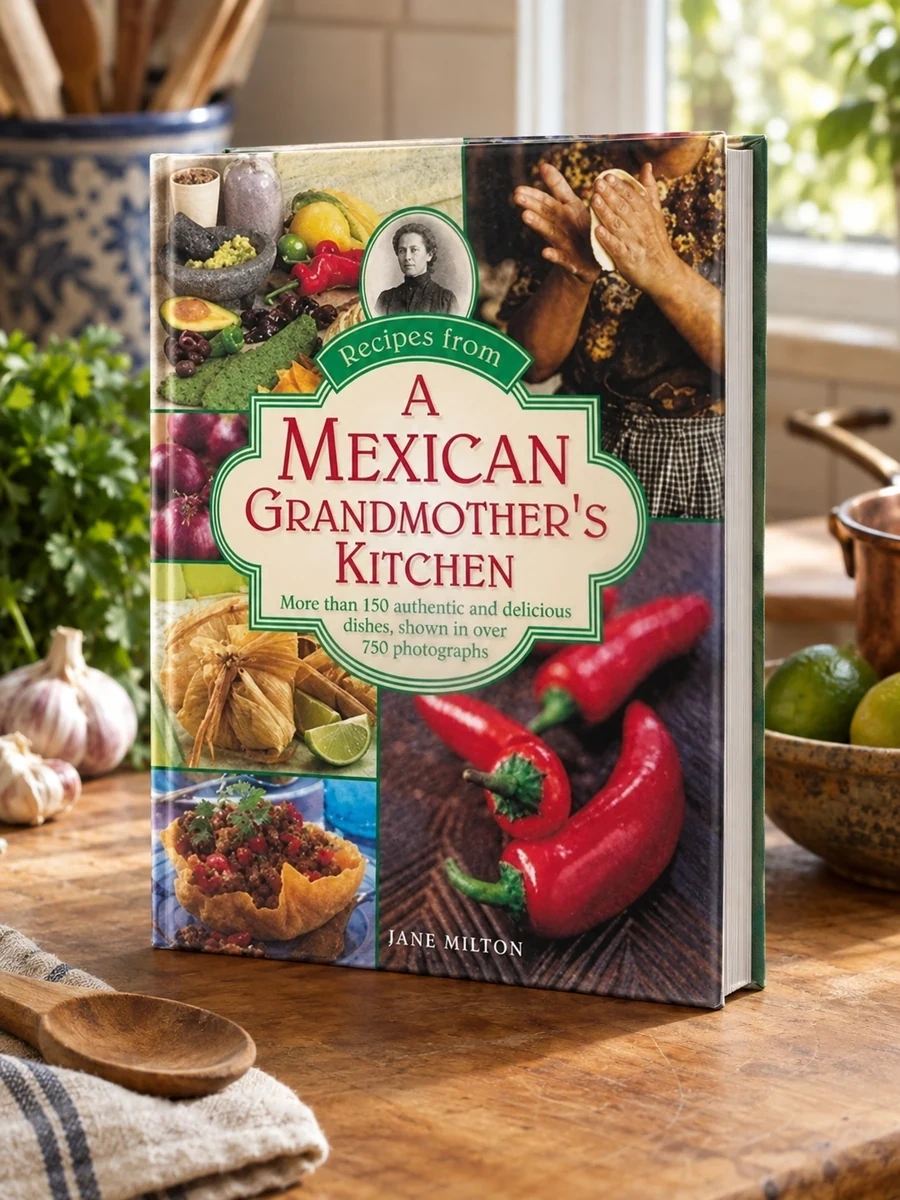
10. Recipes from a Mexican Grandmother's Kitchen — Jane Milton
For readers who enjoy the warmth and continuity of family cooking, Jane Milton's Recipes from a Mexican Grandmother's Kitchen is a fitting final recommendation. The book offers more than 150 authentic dishes and illustrates them with over 750 photographs. That substantial visual element makes it especially attractive to cooks who appreciate being able to see the food as they explore a recipe collection.
The family-centered premise also gives it a natural connection to the appeal of Food to Love. It takes readers into a different culinary tradition while retaining the idea that recipes are part of a household's food culture. Choose it if you want a visually engaging cookbook with a strong family identity and a broad collection of Mexican dishes to explore. It is also a particularly appealing option if photographs are an important part of how you choose and use cookbooks.
How to choose your next cookbook after Food to Love
The best next read is not necessarily the book most similar to the one you have just finished. It is the one that preserves what you enjoyed while giving you something new to learn or cook. Before choosing, think about which part of Food to Love made the strongest impression.
- If family meals are your priority: Start with Mennonite Family Recipes or Recipes from a Mexican Grandmother's Kitchen. Both offer a family-centered way to explore cooking traditions.
- If you want more seasonal inspiration: Choose The Farm Shop Cookbook or Vegetables from an Italian Garden. These are the most direct matches for cooks interested in ingredients and the seasons.
- If regional identity matters most: Consider The Provence Cookbook, Italian Local, or Couscous and Other Good Food from Morocco. Each gives you a distinct regional direction, with Wolfert's book offering the most demanding exploration of traditional preparation.
- If you want approachable international cooking: Look at Everyday Italian or La Regalade. Both have an everyday home-cooking orientation within a recognizable culinary tradition.
- If you want to broaden your repertoire: Home Cooking with Jean-Georges is a sensible choice when simple recipes and home-kitchen practicality matter more than specializing in one regional cuisine.
It is also worth thinking about how you actually use cookbooks. Some people want a book they can consult quickly while preparing dinner. Others enjoy reading about a cuisine, understanding its traditions, and gradually working through more involved recipes. A seasonal collection can help organize your cooking over the year, while a family cookbook may be the one you return to whenever you are feeding a group.
For the closest continuation of the everyday, family-focused spirit of Food to Love, begin with Mennonite Family Recipes or Everyday Italian. If you want to make a more noticeable change while keeping the pleasure of regional food, choose The Provence Cookbook. And if you are ready for a more involved culinary exploration, Paula Wolfert's Moroccan cookbook offers a substantial new direction.
Ultimately, a good cookbook collection should reflect the way you like to eat, cook, and share food. The most satisfying next choice will be the one that makes you curious about your next meal and gives you a reason to return to the kitchen.