12,300+ cookbooks Ships from the US · 30-day returns
👤 My Account
🍷 Drinks

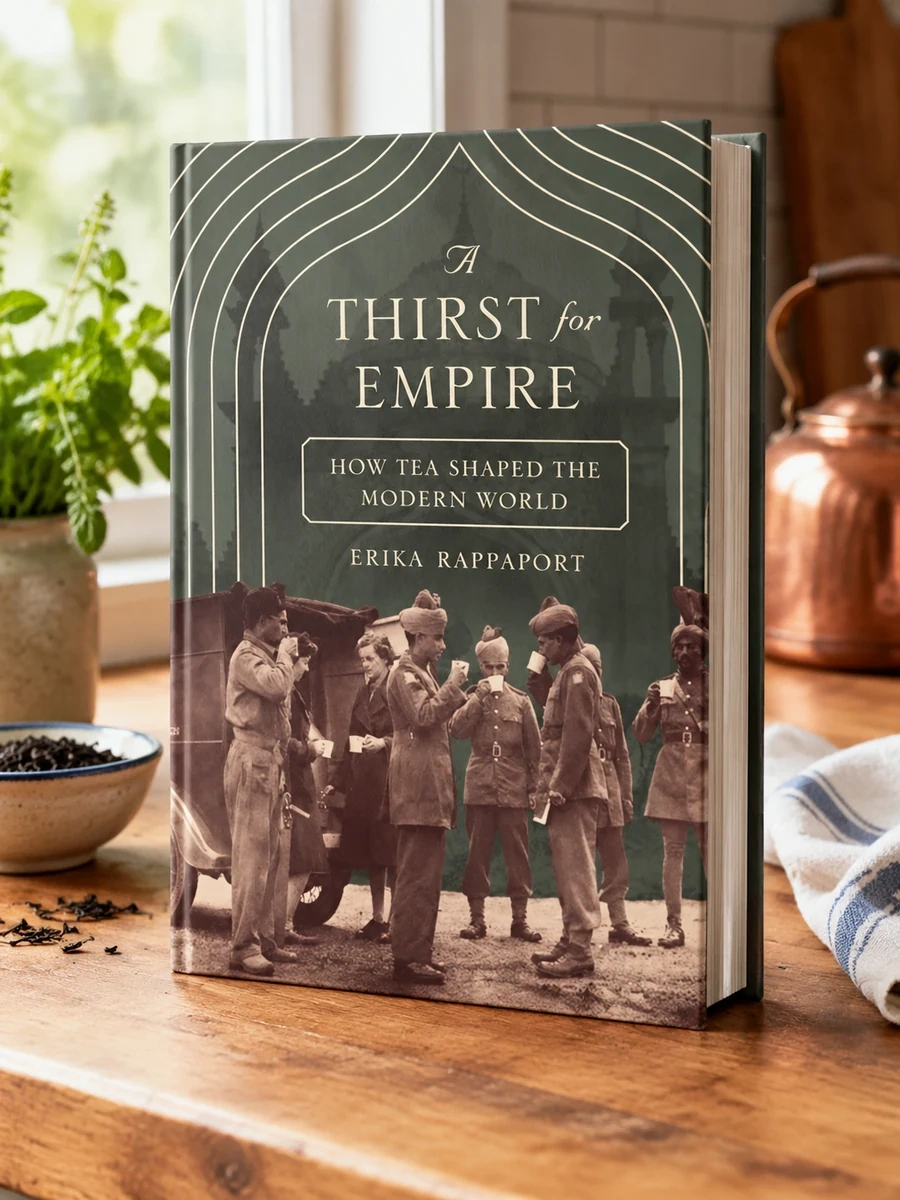
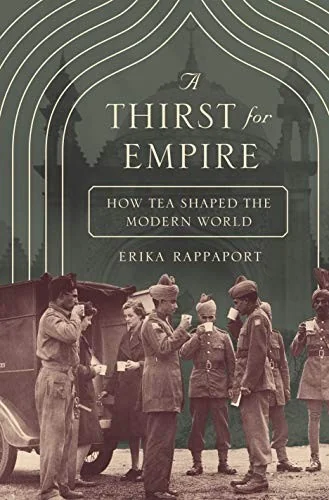
A Thirst for Empire: How Tea Shaped the Modern World

✍️ Rappaport, Erika
Reader Score
4.4
(1 review)
$29.95
In stock — ready to ship Ships in 1–2 business days
📚 WHAT THE BOOK IS ABOUT

A history of how tea trade fueled colonization and created modern consumerism.

Rappaport argues that tea was not merely a beverage but a driver of imperial expansion. She shows how the British Empire leveraged tea profits for political power. The book details the transformation of Chinese traditions into global commodities. It explains how plantation economies in Africa and Asia emerged from this demand. The narrative focuses on the merchants, planters, and retailers who built this system. Their actions established advertising and lobbying as standard business practices. This structure remains vital for understanding current international economic dynamics.

Key Themes
imperial tea trade colonial labor systems global consumer society
Literary Context

The book covers the period from the seventeenth to the twentieth centuries. It focuses on the British Empire's role in Europe, Asia, North America, and Africa. The text analyzes how these regions interacted through the tea industry.


Difficulty
●●● Challenging
Recommended For Fans Of
The Tea: A History · Sugar: A Bitter Truth · Empire of Cotton
🍷
Drinks
🏛 Princeton University Press 📅 2019 📔 Paperback ISBN: 9780691192703
📚 This Book in Collections

📝 Description: A Thirst for Empire: How Tea Shaped the Modern World

Erika Rappaport examines how the global tea industry reshaped economies and social structures between the seventeenth and twentieth centuries. She traces the overlap of British imperial power and tea trade networks across Europe, Asia, North America, and Africa. The text reveals how profits from this commodity funded wars and colonization while altering land use and labor systems. Rappaport highlights the economic, political, and cultural forces that allowed Britain to dominate production and consumption without total control. The author explores how Europeans adopted and altered Chinese tea culture to create mass demand in Britain and other markets. This shift established a plantation-based economy in South Asia and Africa. Merchants and planters used imperial resources for advertising and lobbying, creating a commercial model that influences the international economy today. The book details these historical shifts through an analysis of market practices and social hierarchies. This work suits readers interested in the intersection of trade history and colonialism. It may not appeal to those seeking immediate brewing guides or simple recipes. Rappaport provides a rigorous look at how imperial resources shaped modern consumer society. The narrative connects historical tea cultivation to contemporary global habits and economic structures.

💎 Expert review

“
🍳
Eatbook Family editorial team
Cookbook desk
This is not a cookbook or brewing guide. It is a dense academic examination of market practices and social hierarchies. Those seeking simple recipes or immediate utility will find it dry and irrelevant. However, for readers fascinated by how merchants and planters established advertising as standard practice, it offers essential context. The tone is scholarly rather than narrative-driven. It demands patience but rewards with insights into the commercial models influencing the global economy today. It is a vital text for understanding the political weight of everyday consumption.
✓ EDITOR'S REVIEW

📖 Why choose it

📖

Why this book is worth reading

Readers interested in the intersection of trade history and colonialism will find significant value here. Rappaport reveals how tea profits funded wars and altered labor systems, offering a rigorous look at imperial resources shaping consumer society. It suits those seeking to understand current international economic dynamics through historical lens. The narrative connects cultivation to contemporary habits, providing depth beyond mere beverage appreciation for scholars and serious historians.

⭐ Reader reviews

The starting rating comes from the team Eatbook Family —
⭐ eatbookfamily.com editorial review Editorial rating 4.5/5
★★★★★
Readers interested in the intersection of culinary history and global politics will find this volume essential. It suits those who view beverages as cultural artifacts rather than mere refreshments. Ideal for scholars and generalists seeking to understand how a single commodity reshaped…

Reader rating

4.4
Based on 1 reviews
5
0
4
1
3
0
2
0
1
0
E
Eatbook Family editorial team

This is not a cookbook or brewing guide. It is a dense academic examination of market practices and social hierarchies. Those seeking simple recipes or immediate utility will find it dry and irrelevant. However, for readers fascinated by how merchants and planters established advertising as standard practice, it offers essential context. The tone is scholarly rather than narrative-driven. It demands patience but rewards with insights into the commercial models influencing the global economy today. It is a vital text for understanding the political weight of everyday consumption.

❓ Frequently asked questions

No. The text focuses exclusively on the historical, economic, and political impact of the tea trade, not culinary preparation methods.
568 pages, paperback.
Published in 2019 by Princeton University Press.
Orders ship from a US warehouse. The shipping cost is shown before you pay, and returns are accepted within 30 days.

📖 Who should read this

Readers interested in the intersection of culinary history and global politics will find this volume essential. It suits those who view beverages as cultural artifacts rather than mere refreshments. Ideal for scholars and generalists seeking to understand how a single commodity reshaped international relations and economic systems across centuries.

📜 Historical context

This work stands apart from standard beverage guides by focusing on imperial expansion rather than brewing techniques. It contextualizes tea within the broader narrative of colonialism and consumerism. The text examines how merchants and planters established modern advertising practices, linking historical trade dynamics to contemporary economic structures without offering culinary instruction.

🏛 Books from this publisher Princeton University Press

All books from this publisher →
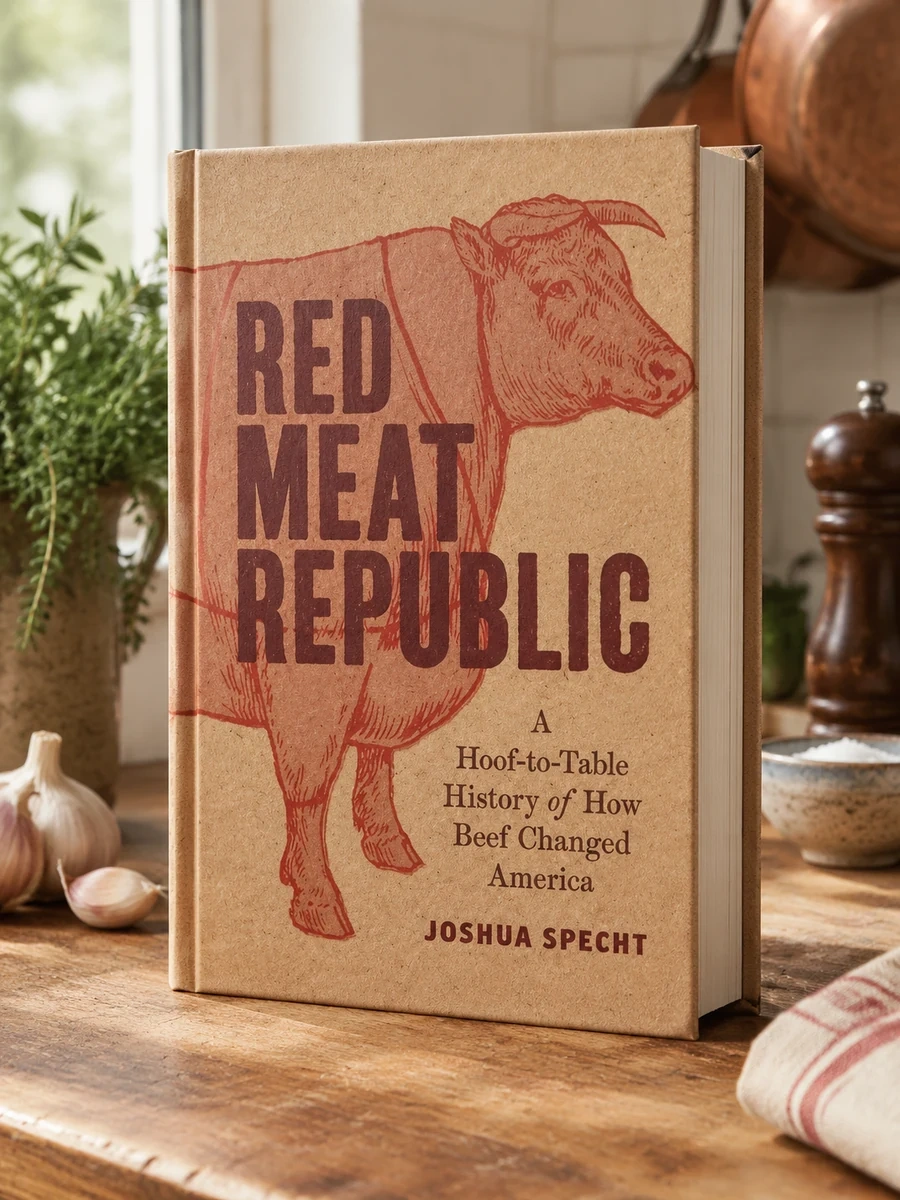
Red Meat Republic: A Hoof-To-Table History of How Beef Changed America
★★★★★
★★★★★
4.5
Specht, Joshua
Red Meat Republic: A Hoof-To-Table History of How Beef Changed America
$27.95
78

You might also like

See more →

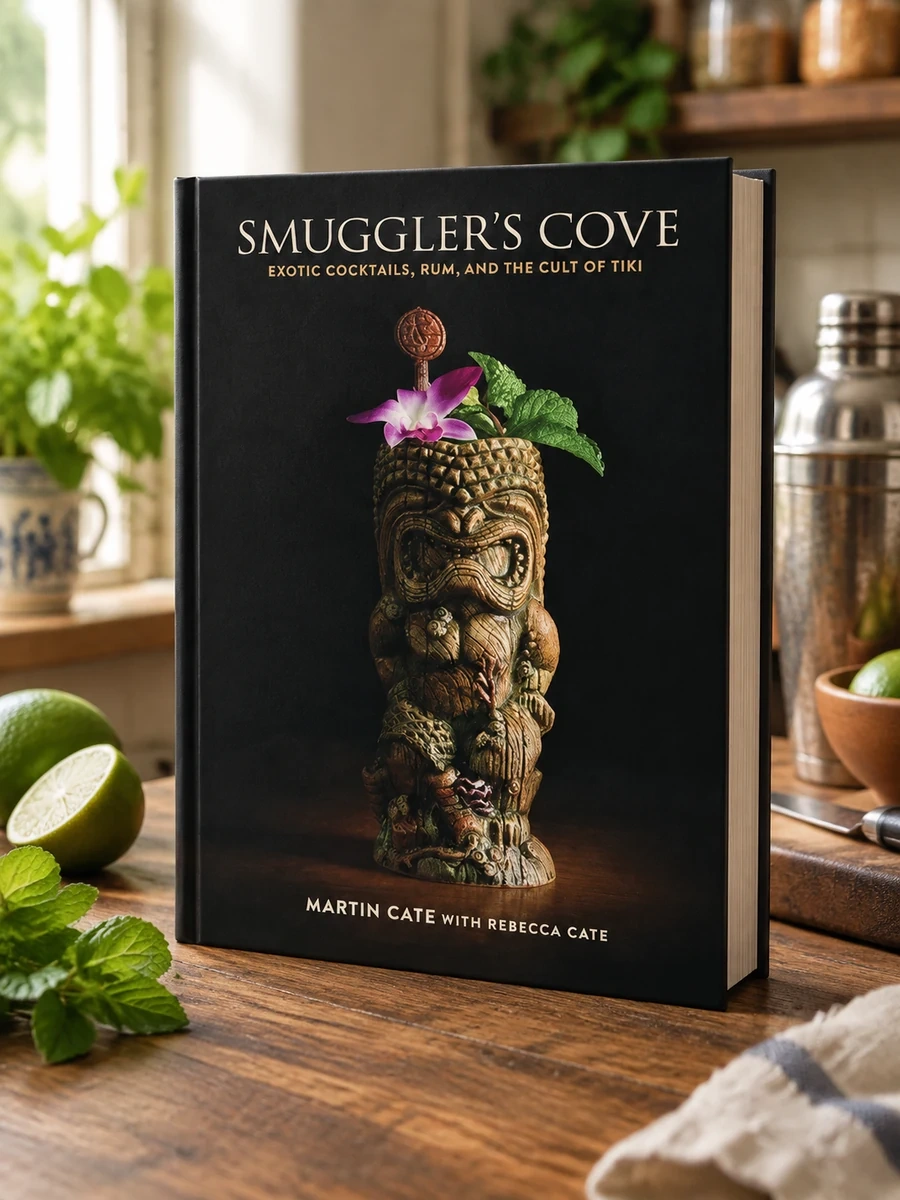
Smuggler's Cove: Exotic Cocktails, Rum, and the Cult of Tiki
★★★★★
★★★★★
4.8
1
Cate, Martin
Smuggler's Cove: Exotic Cocktails, Rum, and the Cult of Tiki
$32.99
92
Where to Drink Beer
★★★★★
★★★★★
4.8
Jarnit-Bjergso, Jeppe
Where to Drink Beer
$29.95
91
Parker's Wine Bargains
★★★★★
★★★★★
4.8
Parker, Robert M
Parker's Wine Bargains
$29.99
91
Bourbon and Bullets: True Stories of Whiskey, War, and Military Service
★★★★★
★★★★★
4.8
Tramazzo, John C
Bourbon and Bullets: True Stories of Whiskey, War, and Military Service
$26.95
91
South Tyneside Pubs
★★★★★
★★★★★
4.8
Burnett, Eileen
South Tyneside Pubs
$24.95
91
Beer at My Table: Recipes, Beer Styles & Food Pairings
★★★★★
★★★★★
4.8
Wilson, Tonia
Beer at My Table: Recipes, Beer Styles & Food Pairings
$34.95
91
Alcohol: A History
★★★★★
★★★★★
4.8
Phillips, Rod
Alcohol: A History
$37.50
91
Ladies Who Drink: A Stylishly Spirited Guide to Mixed Drinks and Small Bites
★★★★★
★★★★★
4.8
Keenan Higgins, Anne
Ladies Who Drink: A Stylishly Spirited Guide to Mixed Drinks and Small Bites
$20.00
91
Had a Glass 2016: Top 100 Wines Under $20
★★★★★
★★★★★
4.8
Nevison, James
Had a Glass 2016: Top 100 Wines Under $20
$19.95
91
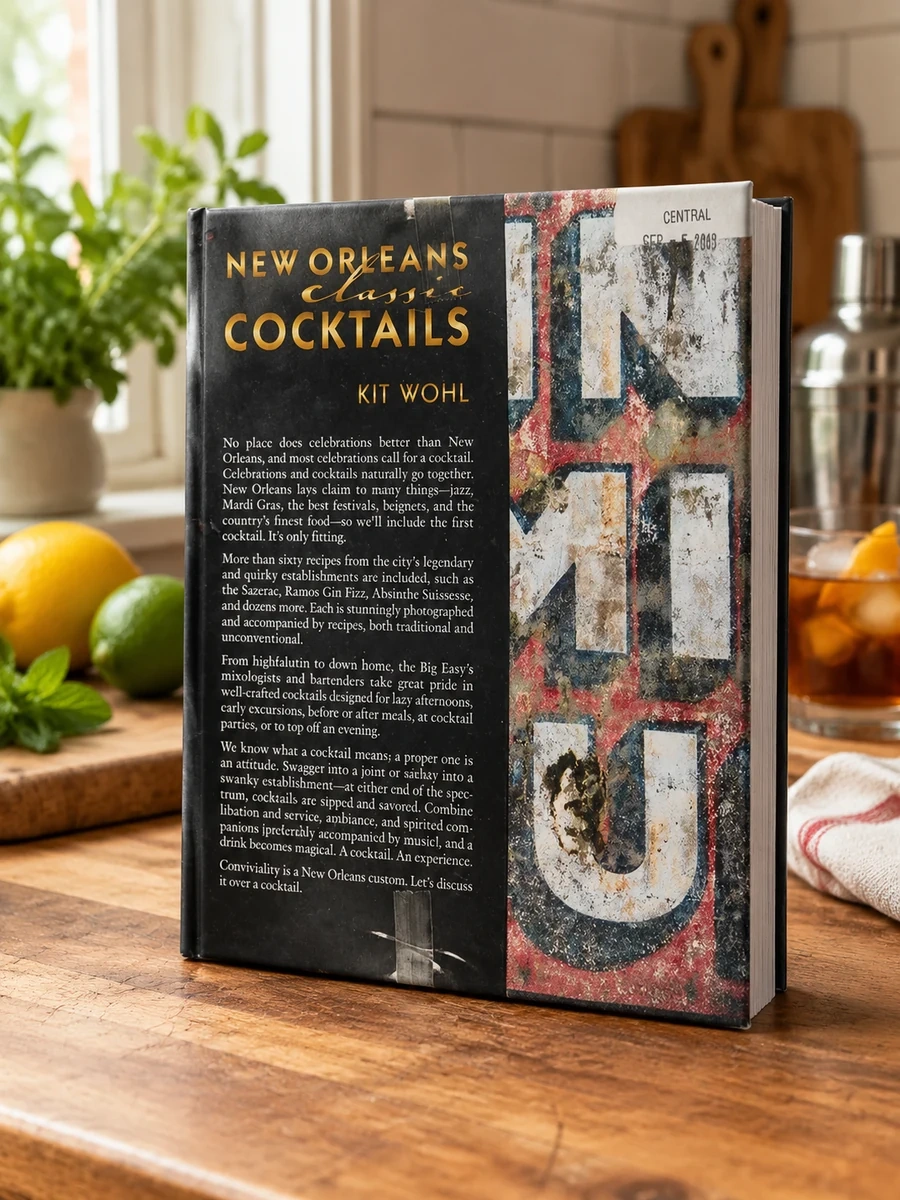
New Orleans Classic Cocktails
★★★★★
★★★★★
4.8
Wohl, Kit
New Orleans Classic Cocktails
$19.95
91

Have a question about this item?

Ask about the edition, condition, delivery or anything else — we reply by email or phone, usually within a day.

Home Genres
Cart
Wishlist