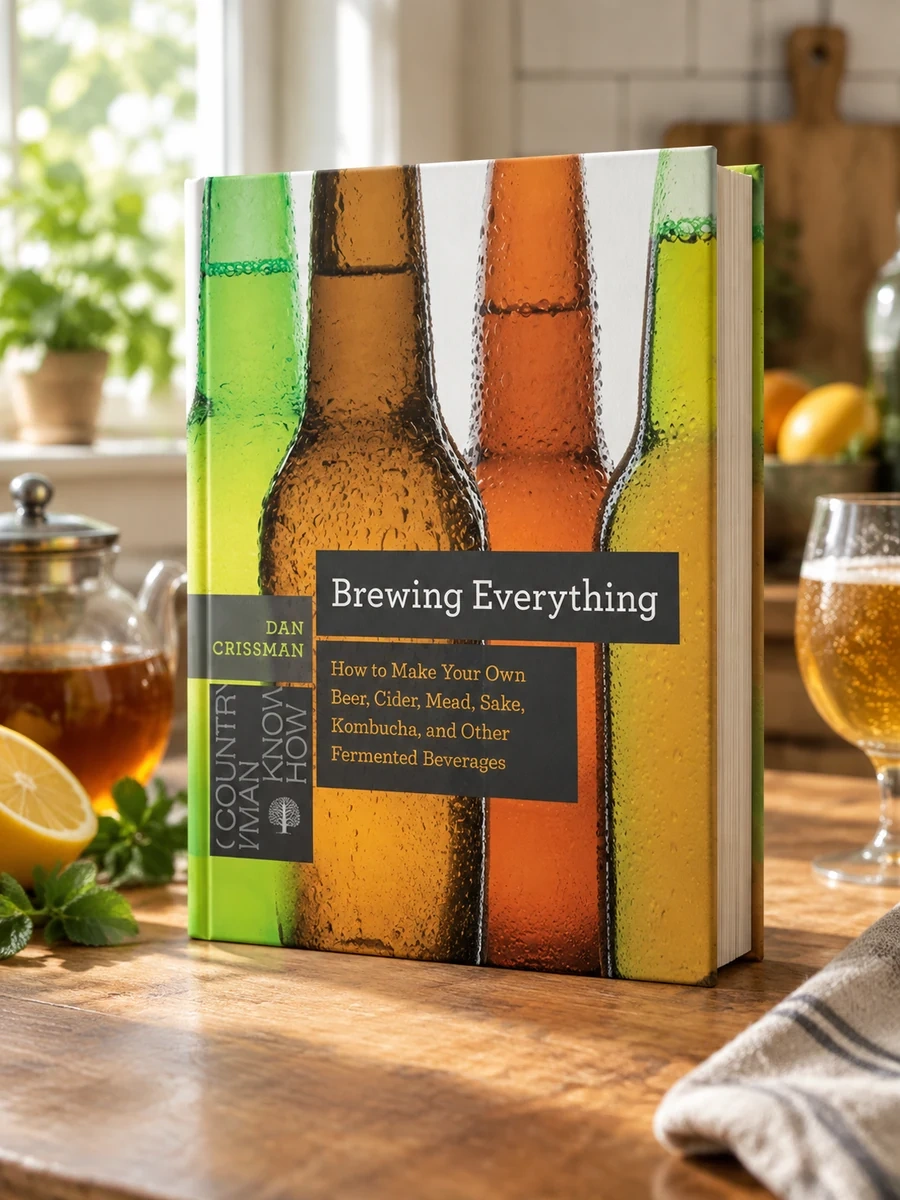
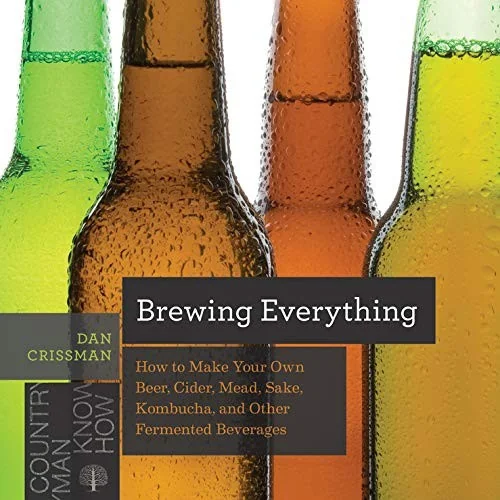
Brewing Everything: How to Make Your Own Beer, Cider, Mead, Sake, Kombucha, and Other Fermented Beverages
✍️ Crissman, DanA practical guide to fermenting beer, cider, mead, sake, and kombucha at home.
This volume distinguishes itself by pairing novice-friendly shortcuts with advanced techniques for every beverage type. Crissman integrates interviews from industry professionals like brewmasters and startup founders. The structure encourages readers to start simple before tackling harder methods. Color photography supports the textual instructions throughout. The book covers general food science alongside specific alcoholic categories like beer and wine. It avoids niche exclusivity by addressing multiple traditions. The author’s home-tested recipes provide a reliable foundation for experimentation.
Published in 2018 by Countryman Press, this work sits within the broader categories of cooking methods and food science. It addresses general alcoholic beverages alongside specific types like beer and wine. The content reflects a practical approach to home brewing traditions available in the United States market.


📝 Description: Brewing Everything: How to Make Your Own Beer, Cider, Mead, Sake, Kombucha, and Other Fermented Beverages
💎 Expert review
📖 Why choose it
Why this book is worth reading
Readers seeking a versatile introduction to the world of fermented beverages will find this book invaluable for its inclusive scope. It caters to both novices needing accessible shortcuts and experienced brewers looking for advanced technical insights. The integration of expert interviews lends credibility to Crissman’s home-tested recipes, making complex processes like mead or sake production feel approachable. Those interested in the underlying food science principles alongside practical application will appreciate the balanced structure that guides users from basic methods to more challenging projects without overwhelming them.
⭐ Reader reviews
Reader rating
While comprehensive, this guide may overwhelm readers seeking depth in a single category, as its breadth dilutes specific expertise. It is ideal for generalists curious about beer, cider, mead, and kombucha simultaneously. The inclusion of color photography aids understanding, but the text’s reliance on broad applicability might disappoint purists wanting detailed, niche-specific troubleshooting. It serves as an excellent starting point for exploration rather than a definitive manual for any single craft. Those committed to one beverage type should look elsewhere for specialized technical depth.