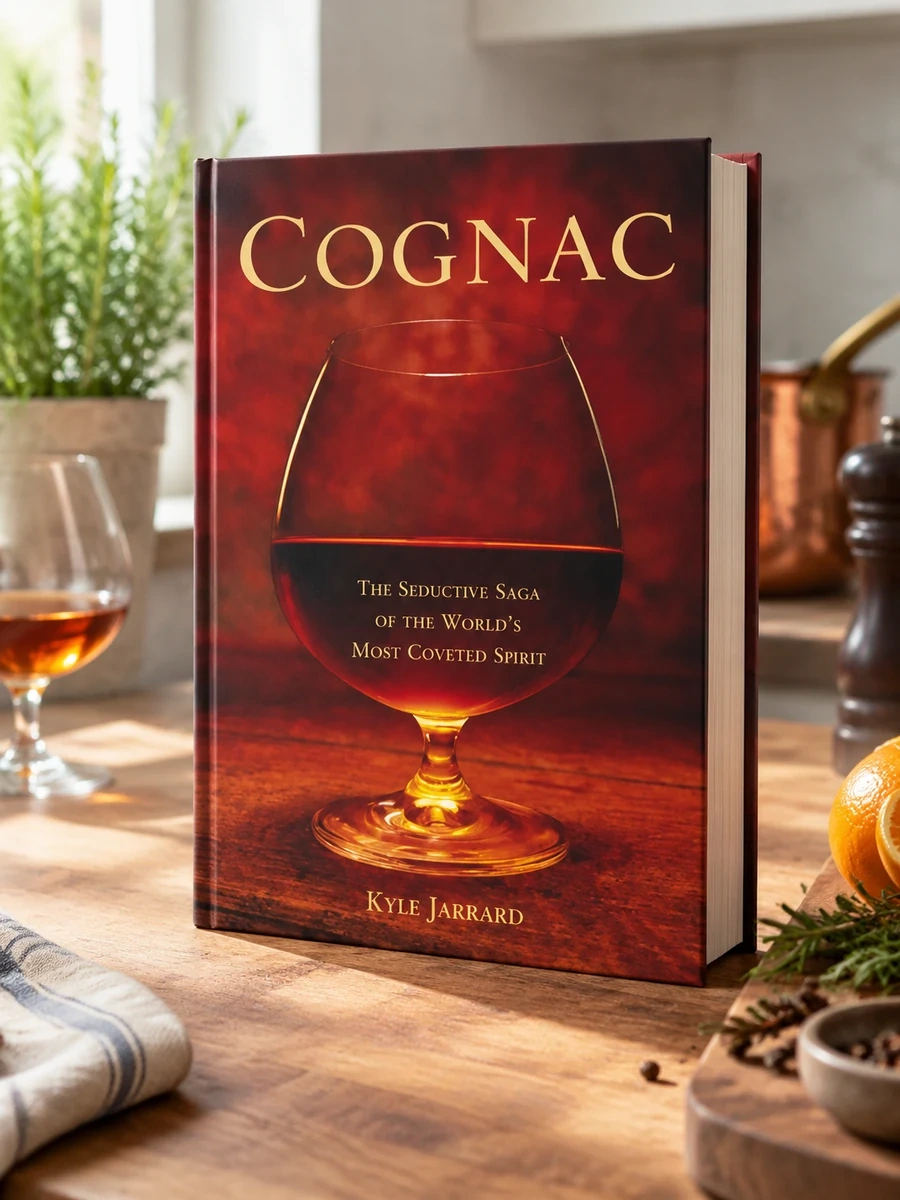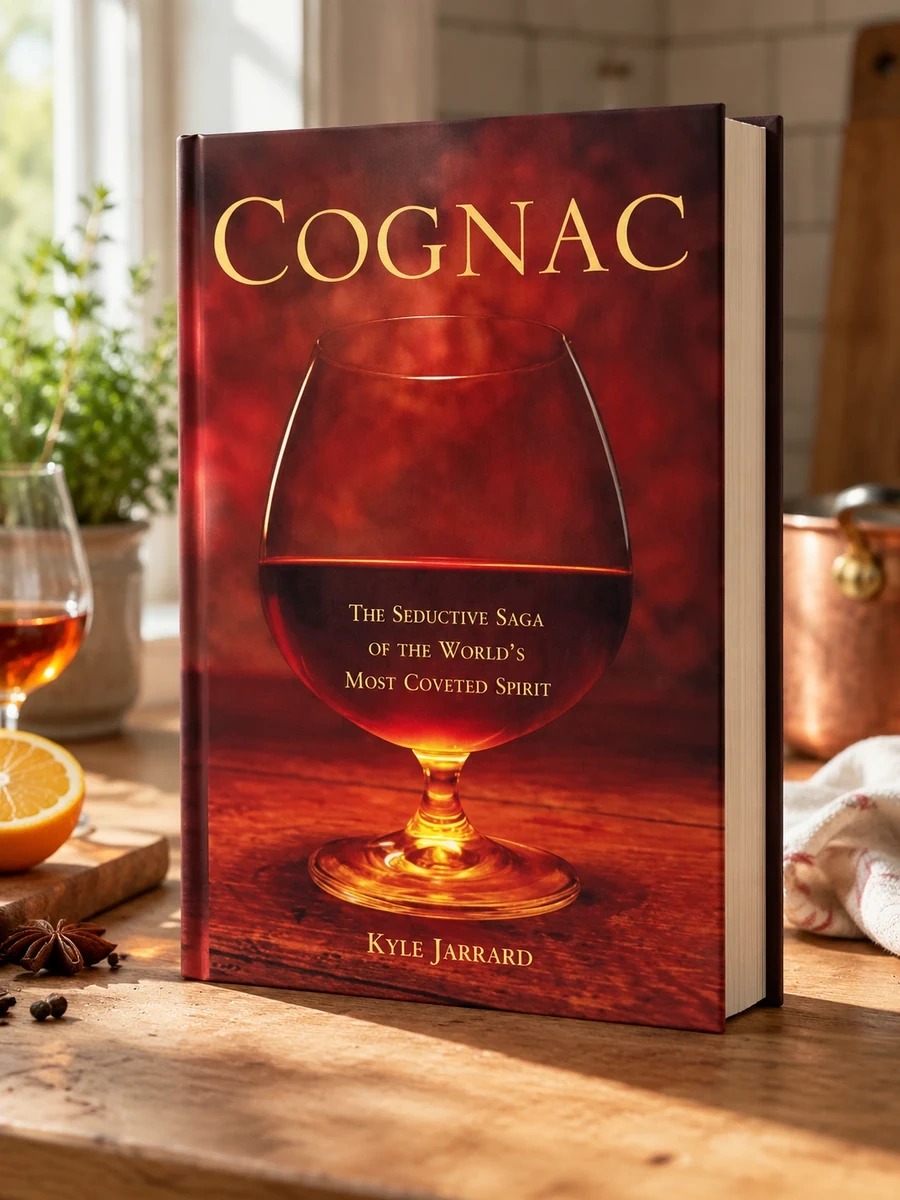
Cognac: The Seductive Saga of the World's Most Coveted Spirit
✍️ Jarrard, KyleA scholarly history of cognac tracing its origins from the 1500s to modern times.
Jarrard’s work focuses on the specific cultural and industrial development of cognac rather than general spirits. He analyzes the resilience of distillers during crises like the German occupation and vineyard die-offs. The narrative highlights major houses including Hennessy and Martell. This approach appeals to readers interested in Western European history and food writing. It does not suit casual drinkers looking for cocktail recipes or tasting notes alone.
Published in 2005 by Trade Paper Press, this book sits at the intersection of cooking history and Western European general history. It addresses subjects relevant to alcoholic beverages and their cultural significance in the region during the specified periods.


📝 Description: Cognac: The Seductive Saga of the World's Most Coveted Spirit
💎 Expert review
📖 Why choose it
Why this book is worth reading
Readers seeking a rigorous examination of cognac’s industrial and cultural development will find this text invaluable. Jarrard provides a scholarly record that traces the spirit from the 1500s to modern times, highlighting the resilience of distillers during crises like vineyard die-offs and occupation. It is ideal for cognac enthusiasts, collectors, and historians who value precision over entertainment. The book offers a detailed look at legendary brands like Hennessy and Martell without relying on marketing hype. Those interested in the intersection of culinary history and Western European culture will appreciate this factual reporting. It serves as a serious resource for those who wish to understand the tangible history behind the drink, making it a thoughtful gift for dedicated aficionados rather than casual drinkers.
⭐ Reader reviews
Reader rating
This scholarly history focuses intently on the specific cultural and industrial development of cognac, analyzing the resilience of distillers through significant historical hurdles. While the narrative highlights major houses like Hennessy and Martell with admirable scholarship, it avoids sensationalism in favor of factual reporting. The text is dense with historical context, making it an ideal resource for collectors and historians who value precision. However, it does not suit casual drinkers looking for cocktail recipes or tasting notes alone. Readers seeking general alcoholic beverage guides or broad historical overviews may find the scope too narrow. The work relies on deep research rather than entertainment, positioning itself as a serious academic contribution to food writing.
❓ Frequently asked questions
📖 Who should read this
Readers seeking an in-depth exploration of Western European history and the industrial evolution of spirits will find this text essential. It suits those interested in the cultural narratives behind major houses like Hennessy and Martell rather than casual drinkers wanting quick cocktail recipes or simple tasting notes.