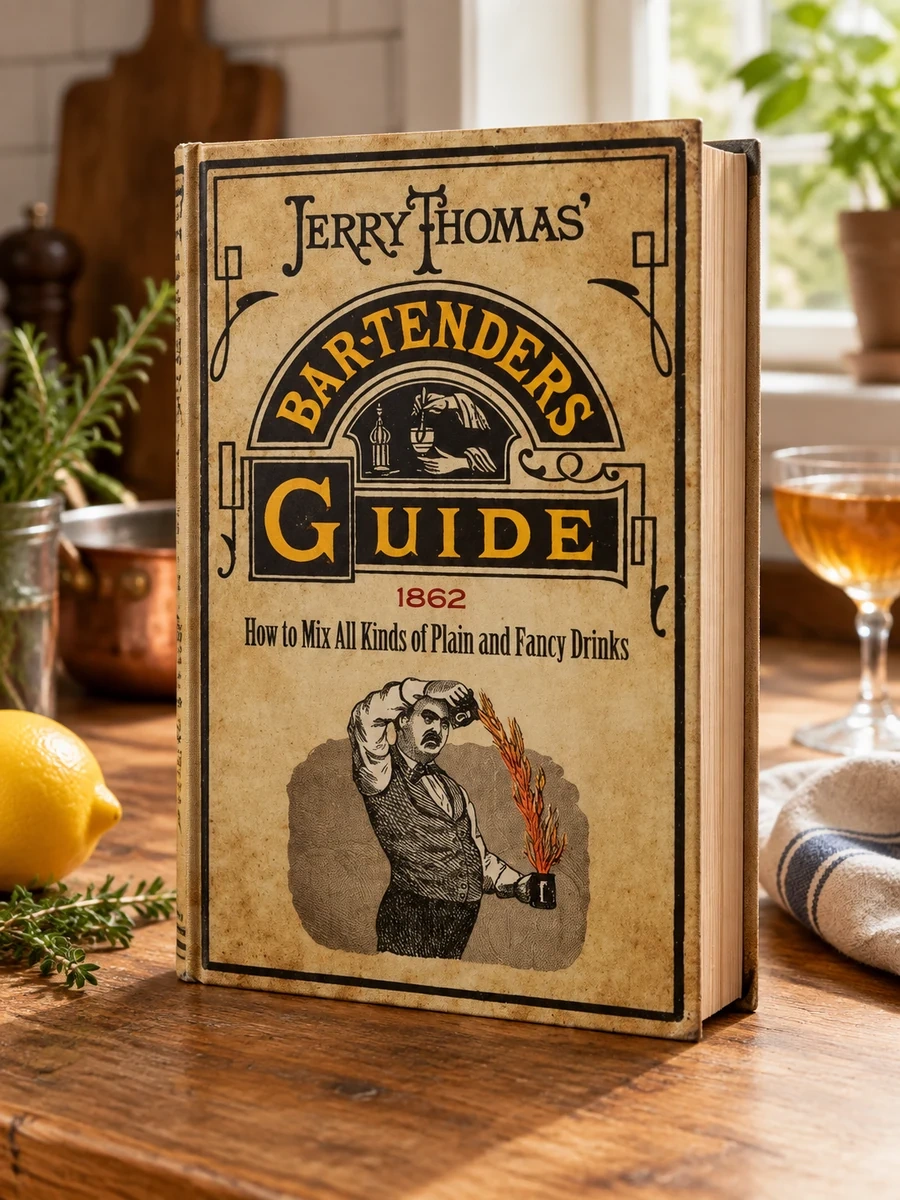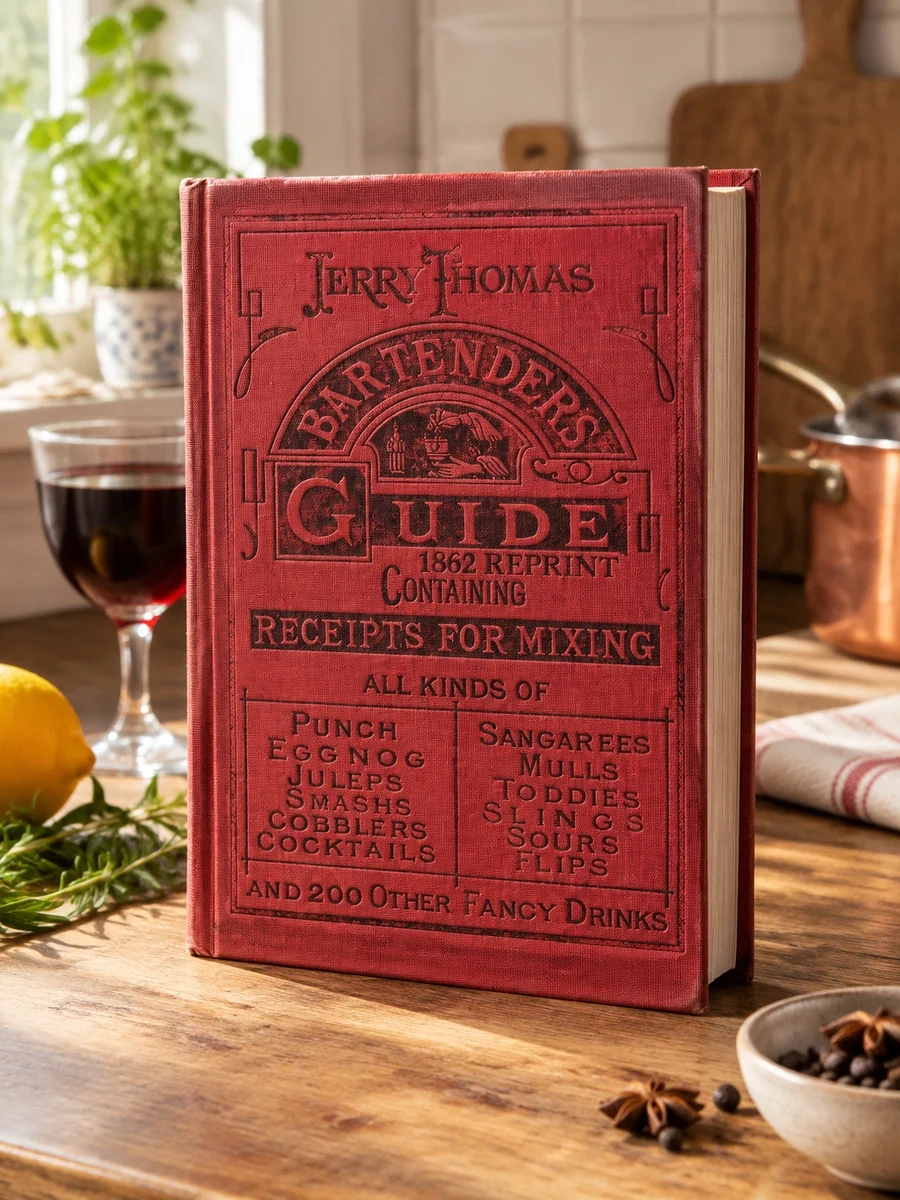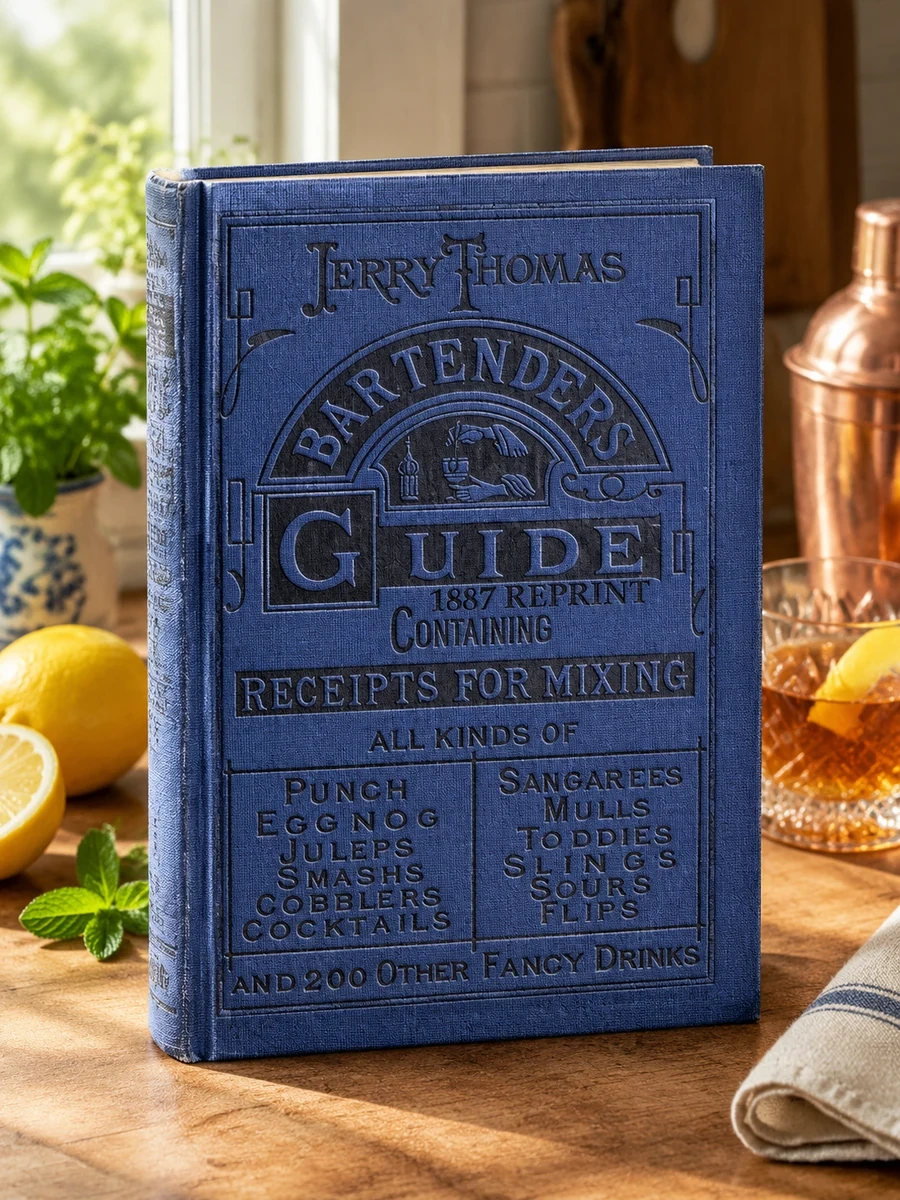
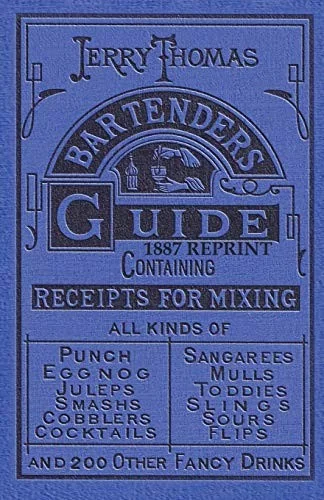
Jerry Thomas Bartenders Guide 1887 Reprint
✍️ Thomas, JerryAn unabridged 1887 reprint of the first recognized cocktail book by Jerry Thomas.
Ross Bolton provides a new introduction to this reproduction of the seminal 1887 work. The text preserves the original content without alteration, maintaining its historical integrity. It documents early American bartending practices and drink formulations from that era. The book includes recipes for iconic drinks that defined the period. It offers insight into the professional standards of bartenders during the late nineteenth century. This edition makes the original material accessible to modern readers interested in culinary history.
This book represents a pivotal moment in American food culture, marking the emergence of cocktail literature in the late nineteenth century. It reflects the social habits and professional standards of bartenders during the 1880s.


📝 Description: Jerry Thomas Bartenders Guide 1887 Reprint
💎 Expert review
📖 Why choose it
Why this book is worth reading
Readers fascinated by the genealogy of American drinking habits will find this reprint invaluable as a direct window into late nineteenth-century bartending culture. It offers historical integrity for those studying culinary history, preserving original formulations and professional standards without alteration. Collectors of food writing gain insight into the foundational texts that shaped modern mixology. While it provides specific instructions for creating period-appropriate cocktails, its value lies in its role as a historical document rather than a contemporary guide. Those seeking to understand the roots of iconic drinks like the Daisy will appreciate this unabridged reproduction.
⭐ Reader reviews
Reader rating
This edition is a specialized historical artifact rather than a practical modern manual. It appeals strictly to collectors and scholars interested in the development of American alcoholic beverage preparation. The text preserves original content, making it essential for understanding late nineteenth-century professional standards. However, those seeking contemporary mixology techniques or current recipe trends will find the material irrelevant and outdated. The paperback format aids handling but does not change the dense historical nature of the content. It is a niche resource for enthusiasts of food writing history rather than general readers looking for immediate bartending utility.
❓ Frequently asked questions
📖 Who should read this
This reprint suits cocktail historians and bartenders seeking authentic late nineteenth century techniques. It appeals to collectors of vintage American mixology who value original formulations. Readers interested in the professional standards of that era will find this paperback edition a valuable resource for understanding historical drink culture.