
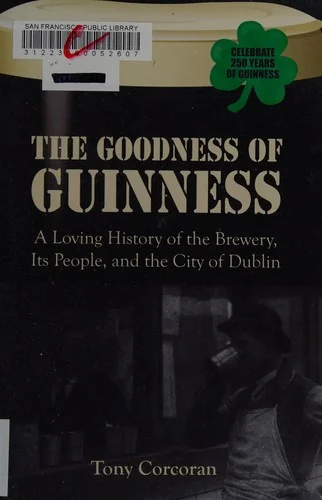
The Goodness of Guinness: A Loving History of the Brewery, Its People, and the City of Dublin
✍️ Corcoran, TonyA personal history of the Guinness brewery and its impact on Dublin.
Corcoran offers a unique insider view by leveraging his direct family connections to the brewing dynasty. He does not merely list corporate dates but instead focuses on the human element of the enterprise. The book reveals how the firm shaped daily life in Dublin through its employment practices and charitable actions. Readers will find specific details about the housing and health benefits provided to staff, which were unusual for the time. The narrative also corrects common perceptions by highlighting the influence of female family members across generations. This perspective shifts the focus from mere business success to social responsibility and familial legacy.
This work covers the period from 1759 through the twenty-first century, focusing on the St. James’s Gate Brewery in Dublin, Ireland. It addresses the brewing industry's role in European and Irish social history, specifically within the Liberties Press context of 2005.


📝 Description: The Goodness of Guinness: A Loving History of the Brewery, Its People, and the City of Dublin
💎 Expert review
⭐ Reader reviews
Reader rating
Corcoran provides a refreshing look at the brewery through family connections rather than corporate metrics. The focus on housing and health benefits for staff offers concrete details about social responsibility. However, readers seeking technical brewing instructions or extensive financial data will find this lacking. It is not a guide for aspiring brewers but a narrative for those interested in Dublin’s social fabric and the human side of industrial history.
❓ Frequently asked questions
📖 Who should read this
Readers interested in Irish social history and corporate heritage will appreciate this insider perspective. It suits those who prefer human-centric narratives over dry financial reports. Ideal for fans of Dublin’s past or anyone curious about how family dynasties influence urban development and community welfare through employment practices.