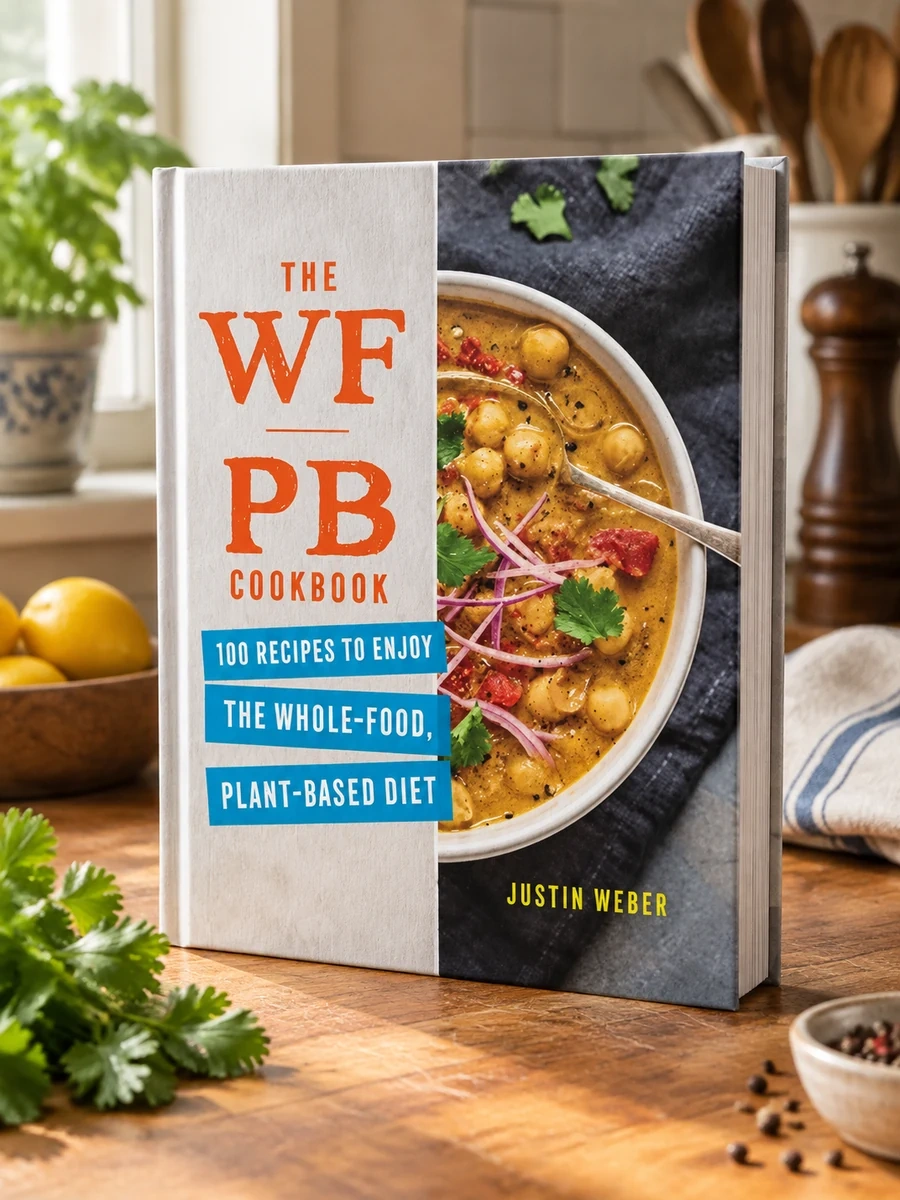
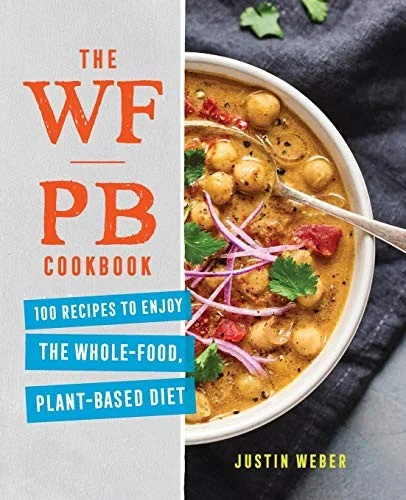
The Wfpb Cookbook: 100 Recipes to Enjoy the Whole-Food, Plant-Based Diet
✍️ Weber, JustinA practical guide to whole-food plant-based cooking by Justin Weber.
Weber focuses on the practical application of a plant-based diet rather than theoretical arguments. He combines educational content on ingredient selection with straightforward instructions for preparing familiar dishes. The inclusion of international flavors alongside American staples suggests a flexible approach to dietary changes. The emphasis on oil-free methods and salt-free seasoning highlights a specific health-oriented cooking philosophy.
Published in 2020, this paperback reflects the growing American interest in dietary shifts toward plant-based eating. Weber draws on his background in northern Wisconsin and his experience as a parent to create content that resonates with families seeking healthier, accessible meal options without sacrificing flavor or tradition.


📝 Description: The Wfpb Cookbook: 100 Recipes to Enjoy the Whole-Food, Plant-Based Diet
💎 Expert review
📖 Why choose it
Why this book is worth reading
Home cooks seeking a practical, low-stress introduction to the whole-food, plant-based lifestyle will find this book invaluable. It is ideal for families and beginners who want to reduce animal product consumption without sacrificing comfort or flavor. The guide excels in demystifying oil-free cooking and salt-free seasoning, offering straightforward techniques that make healthy eating feel attainable rather than restrictive. Readers who enjoy exploring international dishes like masoor dal alongside classic American favorites such as macaroni and cheese will appreciate the flexible approach. It serves those who need foundational advice on grocery shopping and kitchen tools to support a sustainable dietary change without getting bogged down in scientific debates.
⭐ Reader reviews
Reader rating
Weber’s guide is a sensible, no-nonsense entry point for the WFPB diet, focusing on execution rather than ideology. Its strength lies in its accessibility; by using family-friendly recipes and clear instructions for oil-free methods, it lowers the barrier to entry for new adherents. However, this edition is not suitable for advanced chefs seeking gourmet complexity or readers demanding rigorous nutritional science. The tone is pragmatic and grounded, avoiding pretension but also lacking depth for those already well-versed in plant-based cuisine. It is a functional tool for everyday kitchen success rather than an inspirational literary work.
❓ Frequently asked questions
📖 Who should read this
Beginner cooks seeking a practical entry into whole-food plant-based eating without complex theory. Ideal for home chefs wanting simple, familiar dishes with international flair. Perfect for those prioritizing oil-free and salt-free preparation methods in their daily kitchen routine.