Food history is about much more than discovering what people ate centuries ago. It is a way to understand how civilizations developed, how trade changed everyday cooking, why certain ingredients became valuable, and how meals came to carry meaning beyond the dinner table. A loaf of bread, a cup of coffee, or a carefully prepared feast can reveal surprising things about the people who made, sold, and shared it.
The best food history books approach these questions from different directions. Some reconstruct ancient cooking traditions, others investigate the social importance of familiar ingredients, and still others examine the relationship between food, identity, and power. The challenge is finding a book that matches your curiosity: an accessible introduction to culinary history, a focused account of a particular period, or a detailed exploration of a regional food tradition.
We selected 12 books from our catalog that offer genuinely different perspectives on the history of eating and drinking. Together, they provide a reading list that moves from ancient civilizations to modern American food culture, with plenty of opportunities to discover how the past still influences the way we cook and eat.
Start with the Big Picture: Food, Civilization, and Society
If you are new to culinary history, begin with books that connect food to larger historical developments. These titles help explain why eating is never entirely separate from economics, politics, technology, or social relationships.
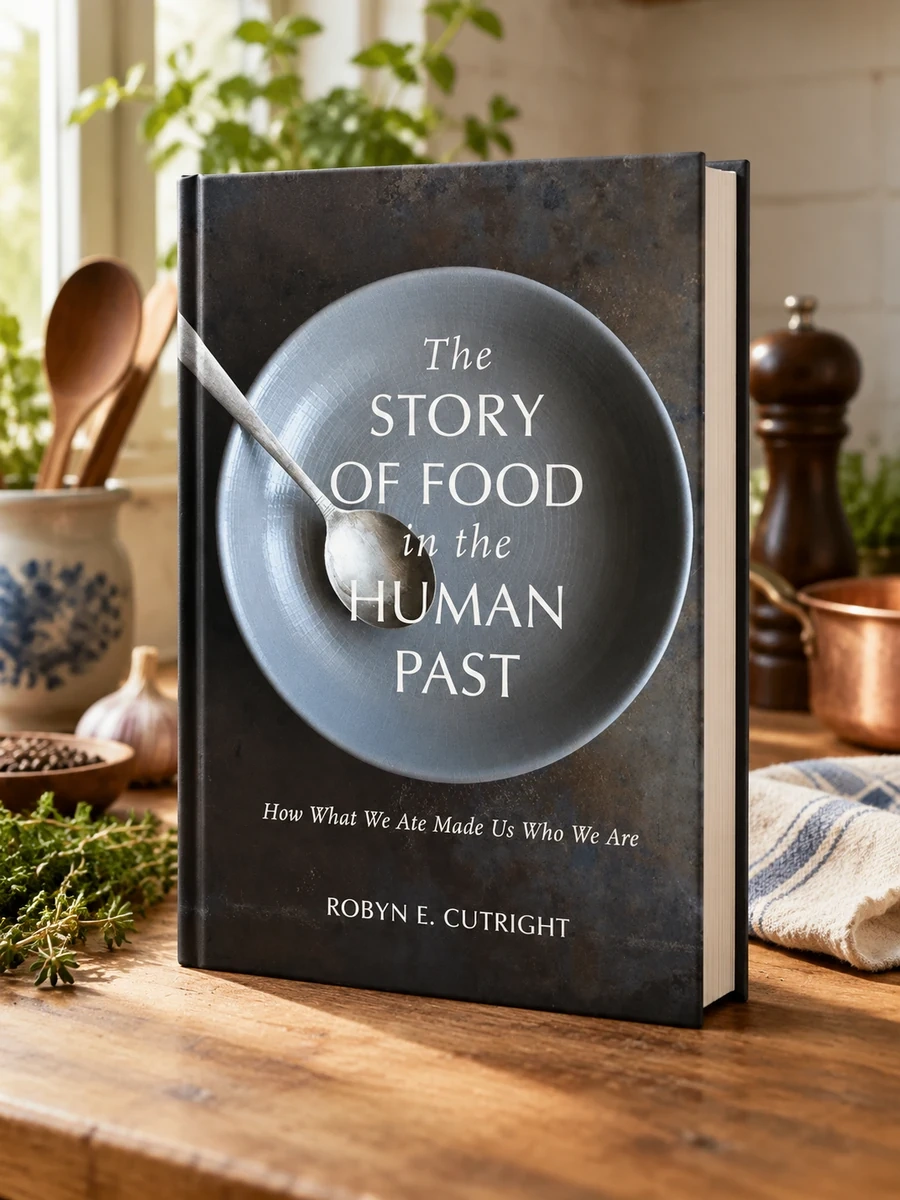
1. The Story of Food in the Human Past: How What We Ate Made Us Who We Are — Robyn E. Cutright
This is a natural starting point for anyone interested in the relationship between human history and food. Its central subject is the influence of what people ate on the development of human societies, making it particularly appealing to readers who want something broader than a collection of historical recipes. Rather than treating culinary traditions as isolated curiosities, approach this book as an introduction to food as part of the human story. It suits curious home cooks, history enthusiasts, and readers who enjoy connecting everyday habits to long-term cultural change.
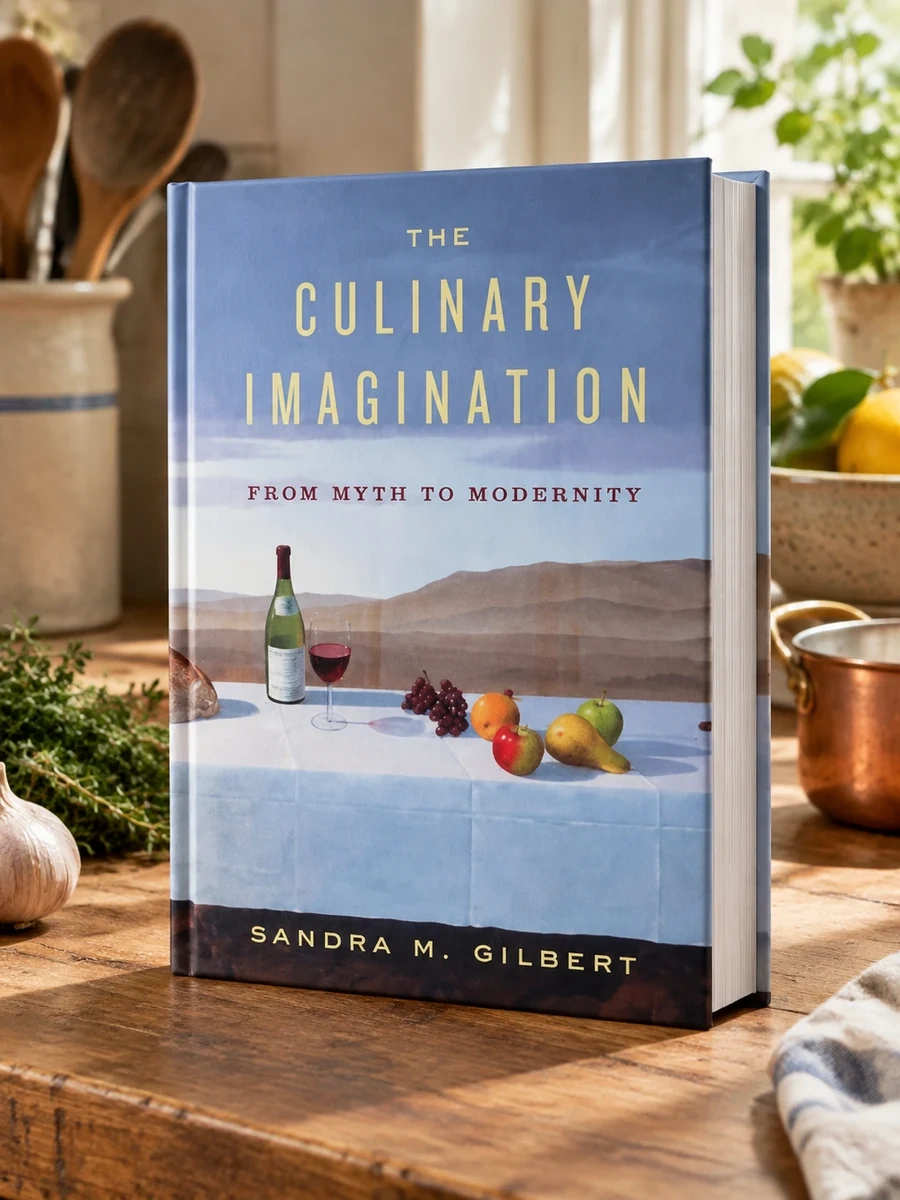
2. The Culinary Imagination: From Myth to Modernity — Sandra M. Gilbert
Food has always existed in the imagination as well as on the plate. Myths, cultural expectations, and ideas about eating help shape how societies understand pleasure, identity, and everyday life. Gilbert's title makes this an interesting choice for readers who want to explore the intellectual and cultural dimensions of food rather than concentrate exclusively on ingredients or cooking methods. It is particularly suited to readers who enjoy literary and cultural approaches to history and want to think about why food has such a persistent place in human storytelling.
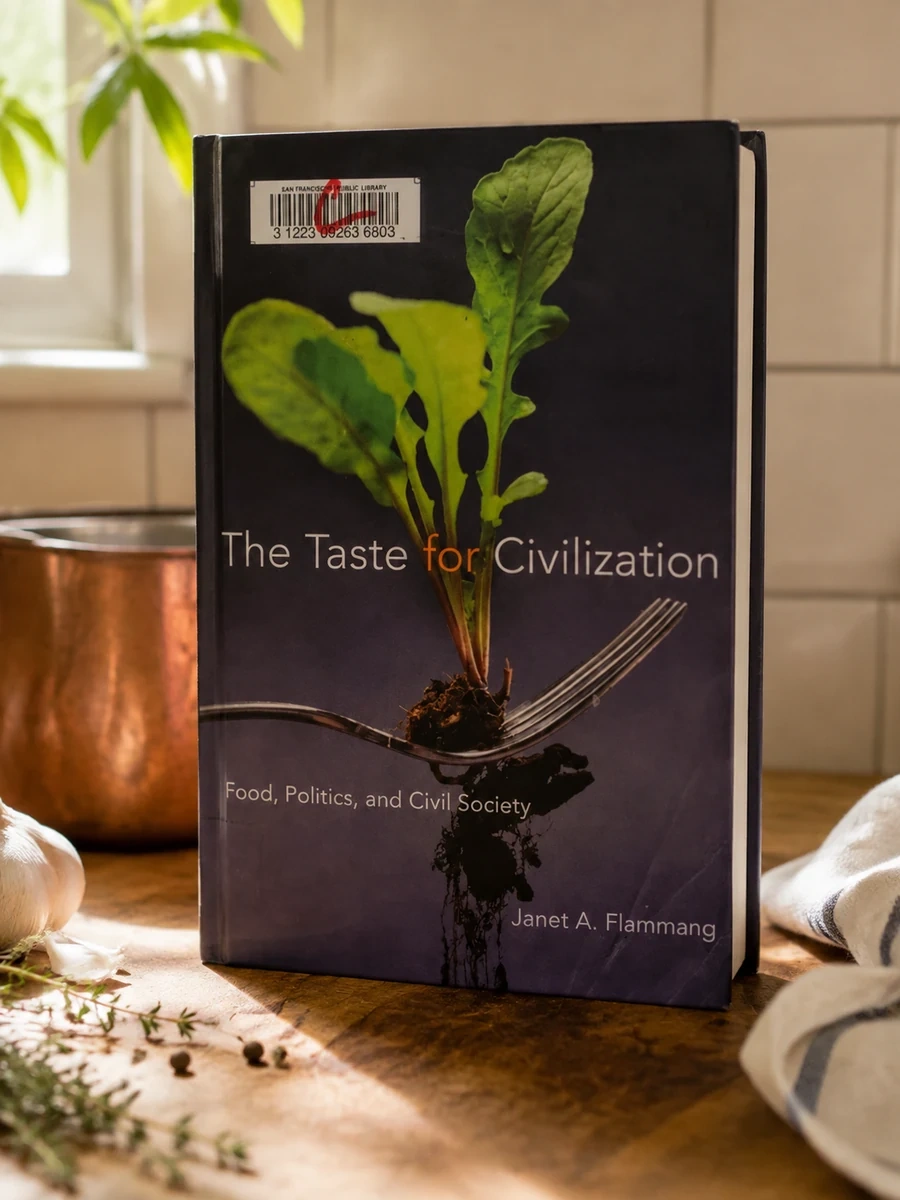
3. The Taste for Civilization: Food, Politics, and Civil Society — Janet A. Flammang
Food choices can reveal much about the societies in which they occur. Flammang brings politics and civil society into the discussion, offering a perspective for readers interested in the public and social consequences of eating. This is a useful counterpoint to books focused on recipes, household customs, or individual ingredients. Choose it if you want to consider how food intersects with collective life, civic values, and political questions. It is especially appropriate for readers who see culinary history as part of social history.
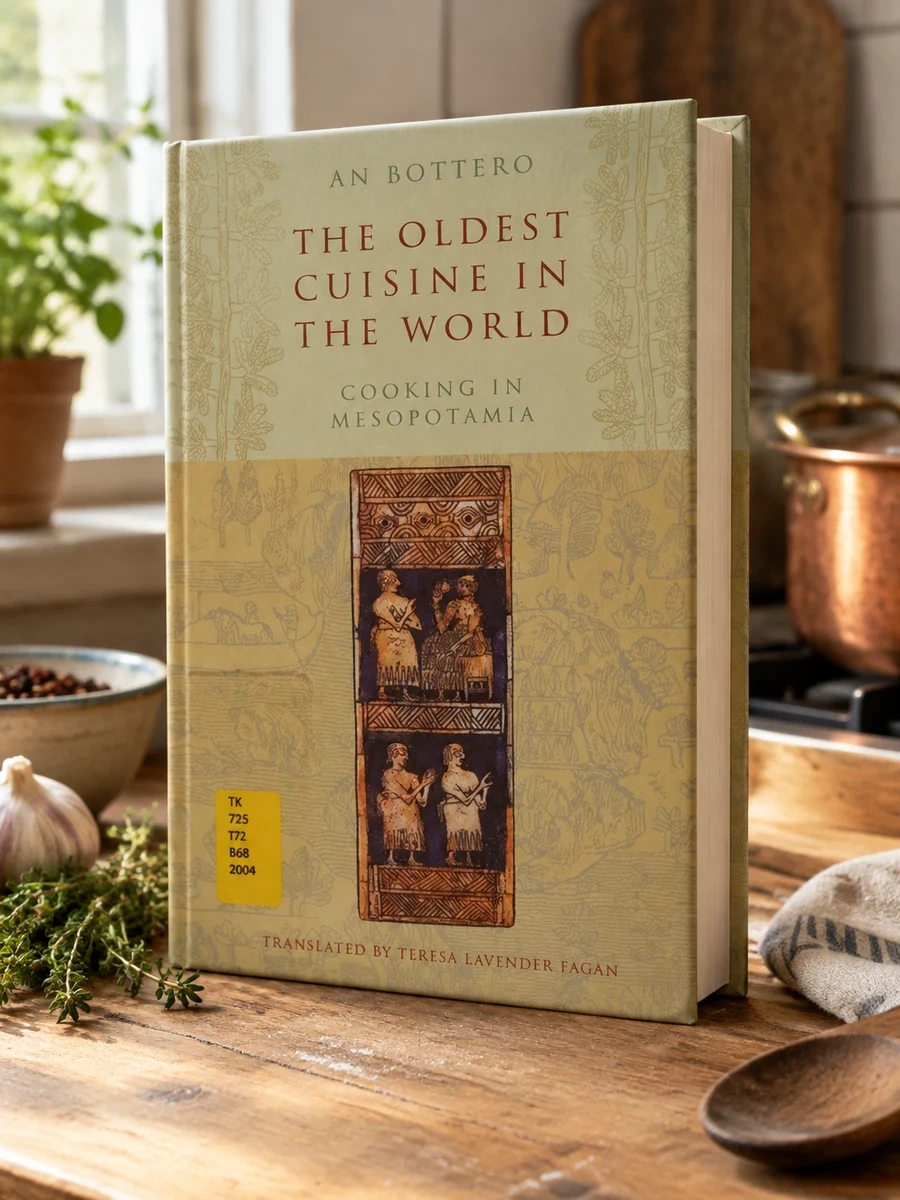
4. The Oldest Cuisine in the World: Cooking in Mesopotamia — Jean Bottero
For readers who want to go much further back in time, Mesopotamia offers a fascinating historical starting point. Bottero's book focuses specifically on cooking in one of the ancient world's foundational regions, making it a distinctive addition to a food history collection. Its appeal lies in the opportunity to consider culinary practices in a world very different from our own. This is a particularly good choice for historically minded cooks who are interested in ancient civilizations and want to understand how early food traditions fit into the wider history of human society.
Explore Historical Kitchens: Medieval, Tudor, and Early Modern Food
Historical cooking becomes especially interesting when broad historical events are brought into the kitchen. What did households actually prepare? How did people organize meals? Which ingredients and drinks belonged in everyday life, and which were associated with more elaborate occasions? These four books approach those questions through specific periods and historical traditions.
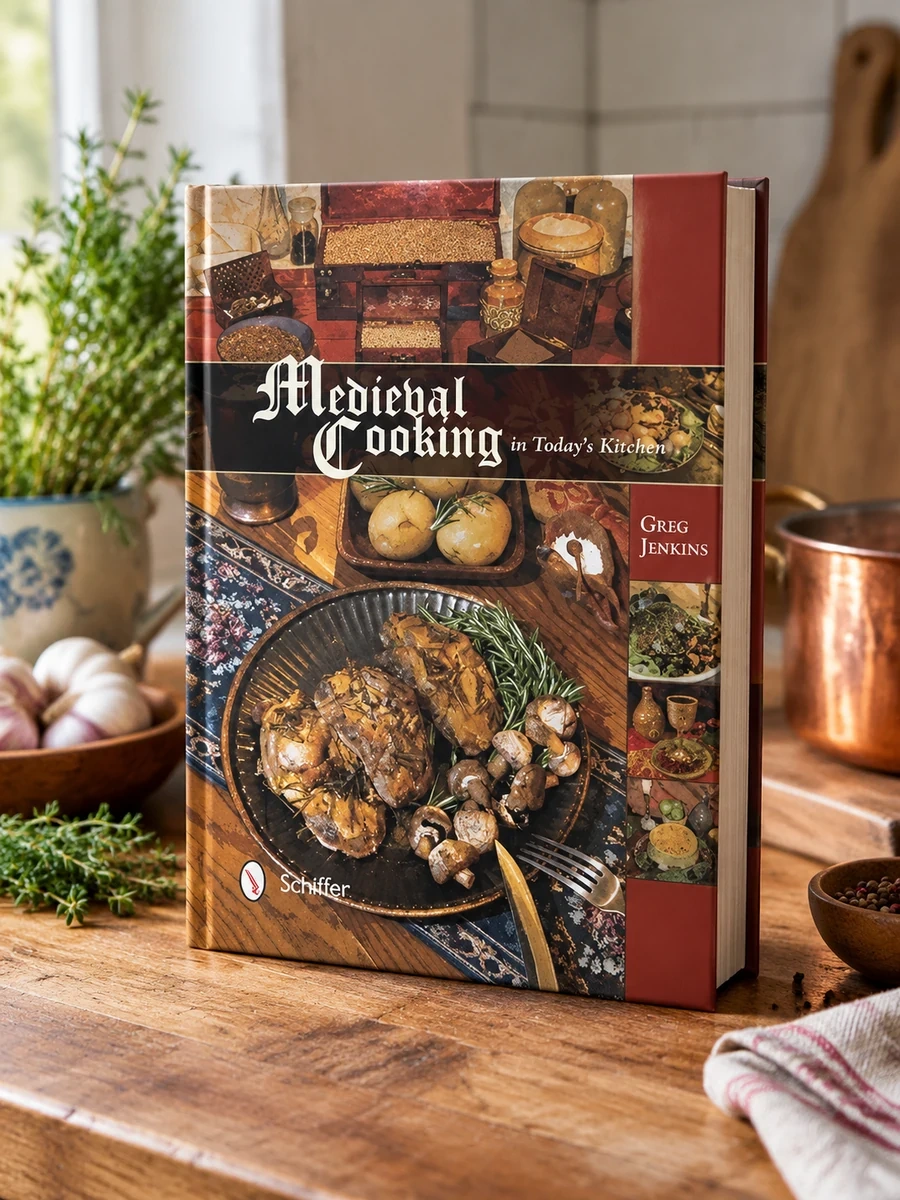
5. Medieval Cooking in Today's Kitchen — Greg Jenkins
The title captures this book's particular appeal: it connects medieval cooking with the practical interests of a modern kitchen. That makes it an inviting choice for readers who do not want historical food to remain an abstract subject. It is a good fit for adventurous home cooks who enjoy the idea of exploring older culinary traditions through contemporary cooking. It also provides a different experience from a conventional historical overview, because the focus is on bringing medieval food into a present-day setting. Consider it if you want your interest in food history to extend beyond reading.
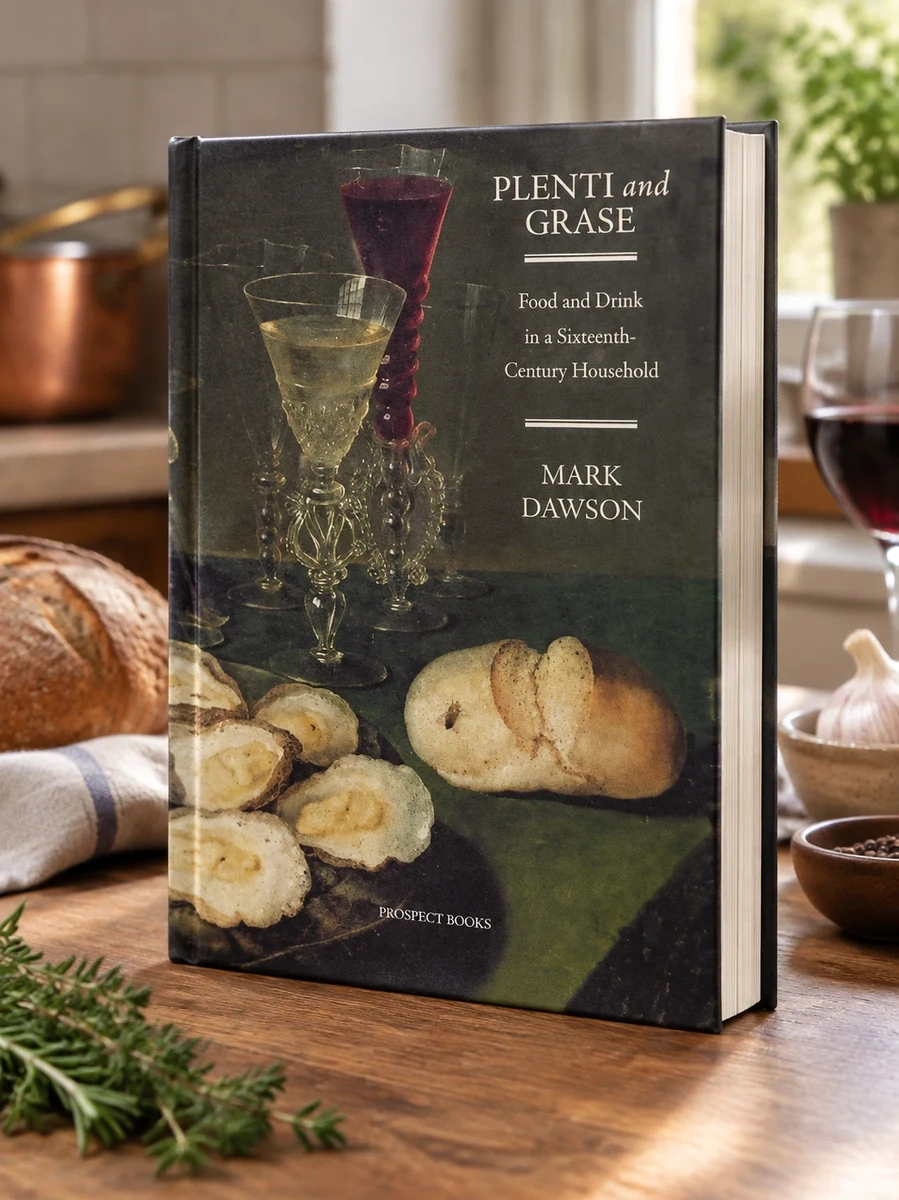
6. Plenti and Grase: Food and Drink in a Sixteenth-Century Household — Mark Dawson
A household offers a particularly revealing window into the past. Instead of considering food history only through famous banquets or royal dining, this book focuses on food and drink within a sixteenth-century domestic setting. That emphasis makes it an appealing choice for readers interested in the rhythms of everyday life and the practical role of eating in an earlier household. It is also a useful companion to books about medieval and Tudor cooking, allowing you to compare different historical periods without losing sight of the people who prepared and consumed the food.
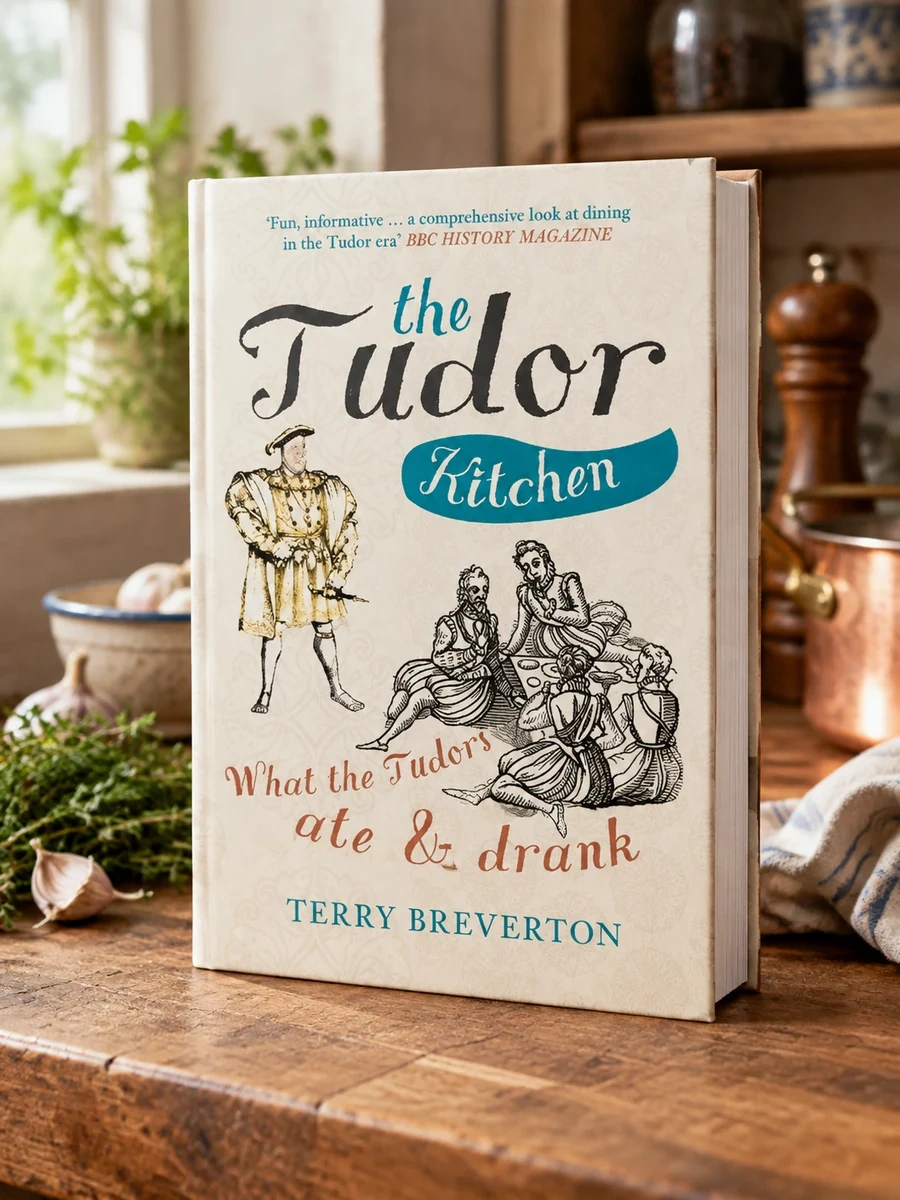
7. The Tudor Kitchen: What the Tudors Ate & Drank — Terry Breverton
The Tudor period is an engaging subject for anyone curious about the relationship between food, historical identity, and domestic life. Breverton's book concentrates on what the Tudors ate and drank, giving it a clear focus that makes it easy to approach. It belongs on the list for readers who enjoy period history and want to connect that interest with culinary customs. The emphasis on both food and drink also makes it a useful choice for someone who wants a broader picture of historical dining rather than a narrow examination of cooking techniques.
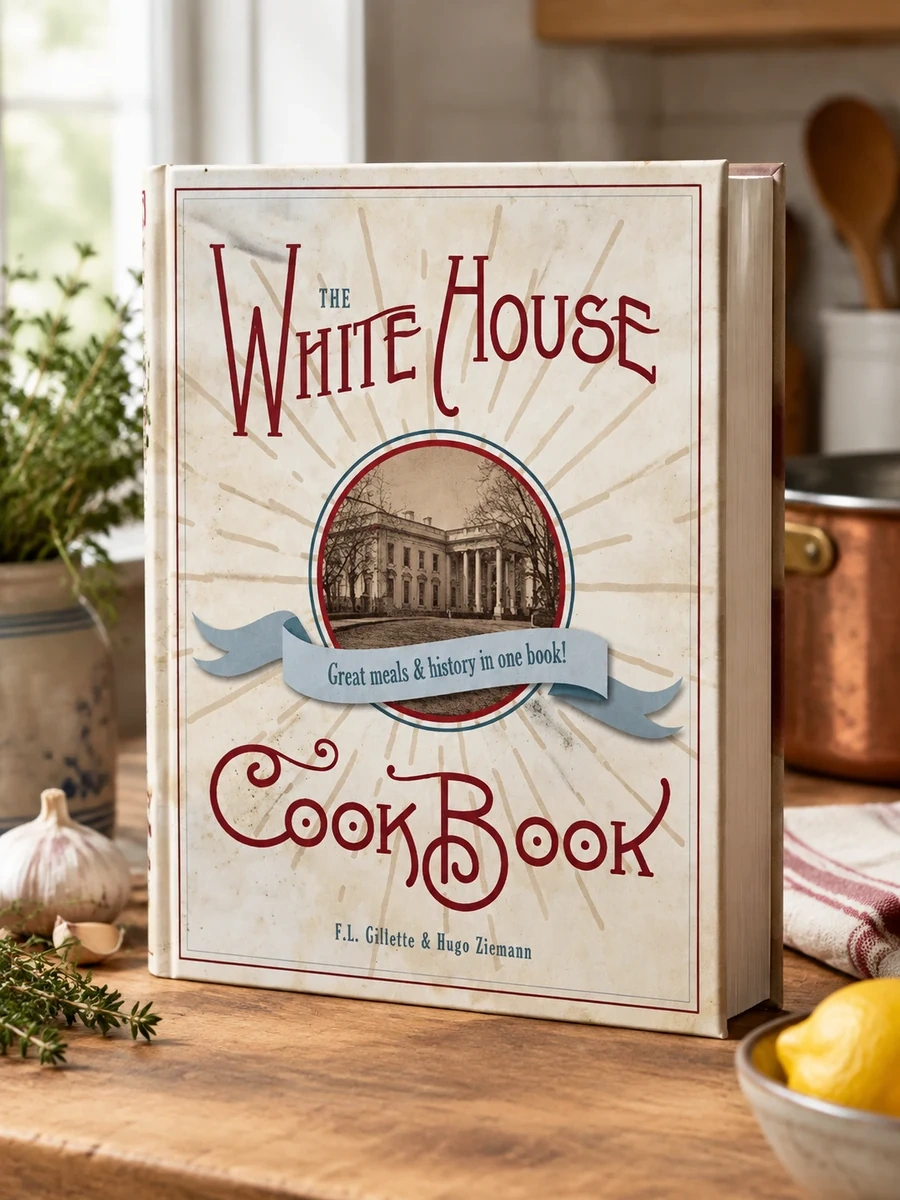
8. The Original White House Cook Book, 1887 Edition (Reprint) — F. L. Gillette
Sometimes the most revealing way to understand historical food is to read an actual cookbook from the period. This reprint of an 1887 edition offers precisely that opportunity. Its historical value is not simply in the dishes associated with its title, but in the chance to encounter an earlier approach to domestic cooking through a period cookbook. Readers interested in changing household expectations, culinary language, and the history of American cooking will find this a particularly interesting reference. It is also a worthwhile choice for collectors of historical cookbooks who enjoy comparing older and newer culinary conventions.
Follow Ingredients and Traditions: The Regional History of What We Eat
Some of the most memorable food histories begin with a single ingredient or a particular place. Cheese, coffee, spices, and regional cooking traditions can reveal connections between agriculture, commerce, migration, and cultural identity. These four books make those connections the center of attention.
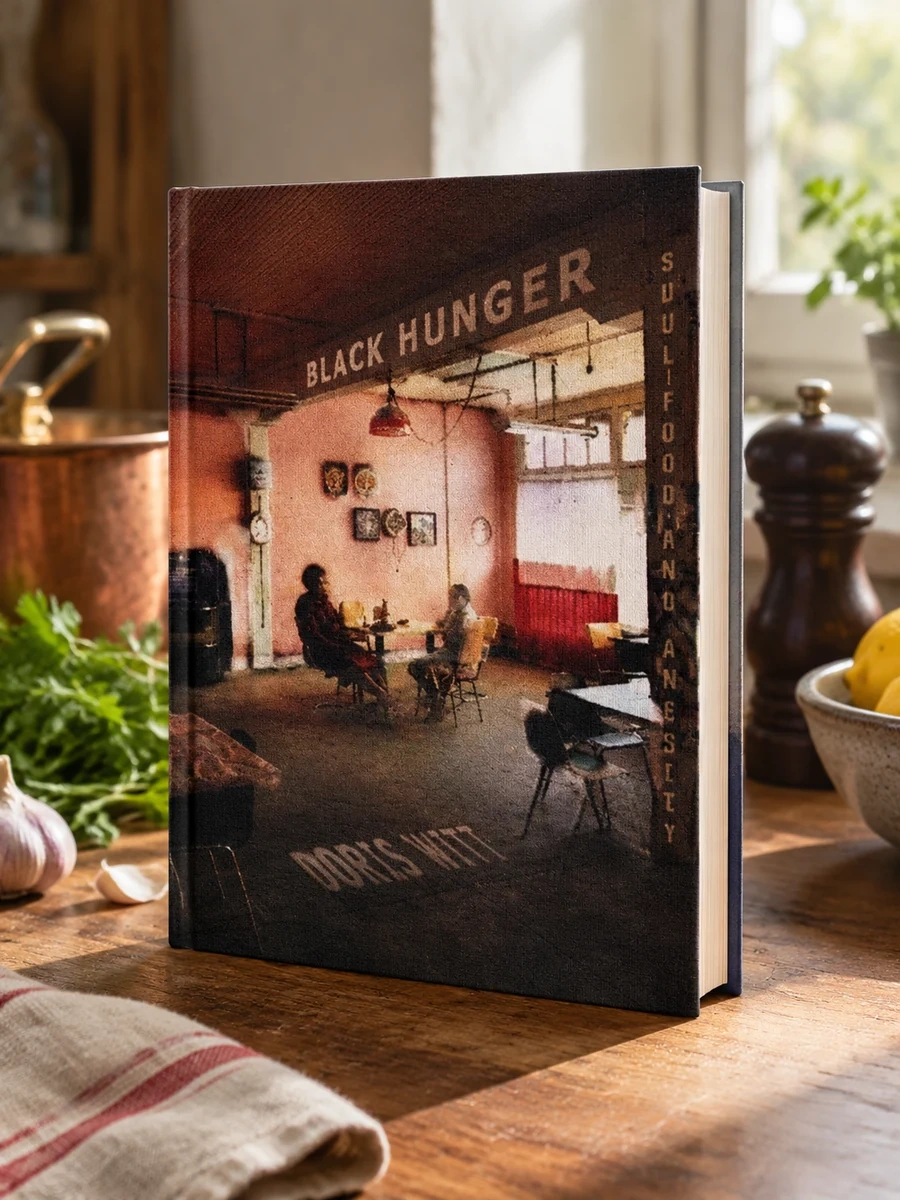
9. Black Hunger: Soul Food and America — Doris Witt
American food history cannot be understood without examining the cultural traditions and experiences that shaped its many cuisines. Witt's book places soul food and America at the center of its subject, making it an important selection for readers interested in the cultural significance of African American food traditions. It belongs on this list because it directs attention toward the relationship between food and identity rather than treating dishes as disconnected culinary inventions. Readers exploring the history of American cooking will appreciate having a book that gives this subject its own dedicated space.
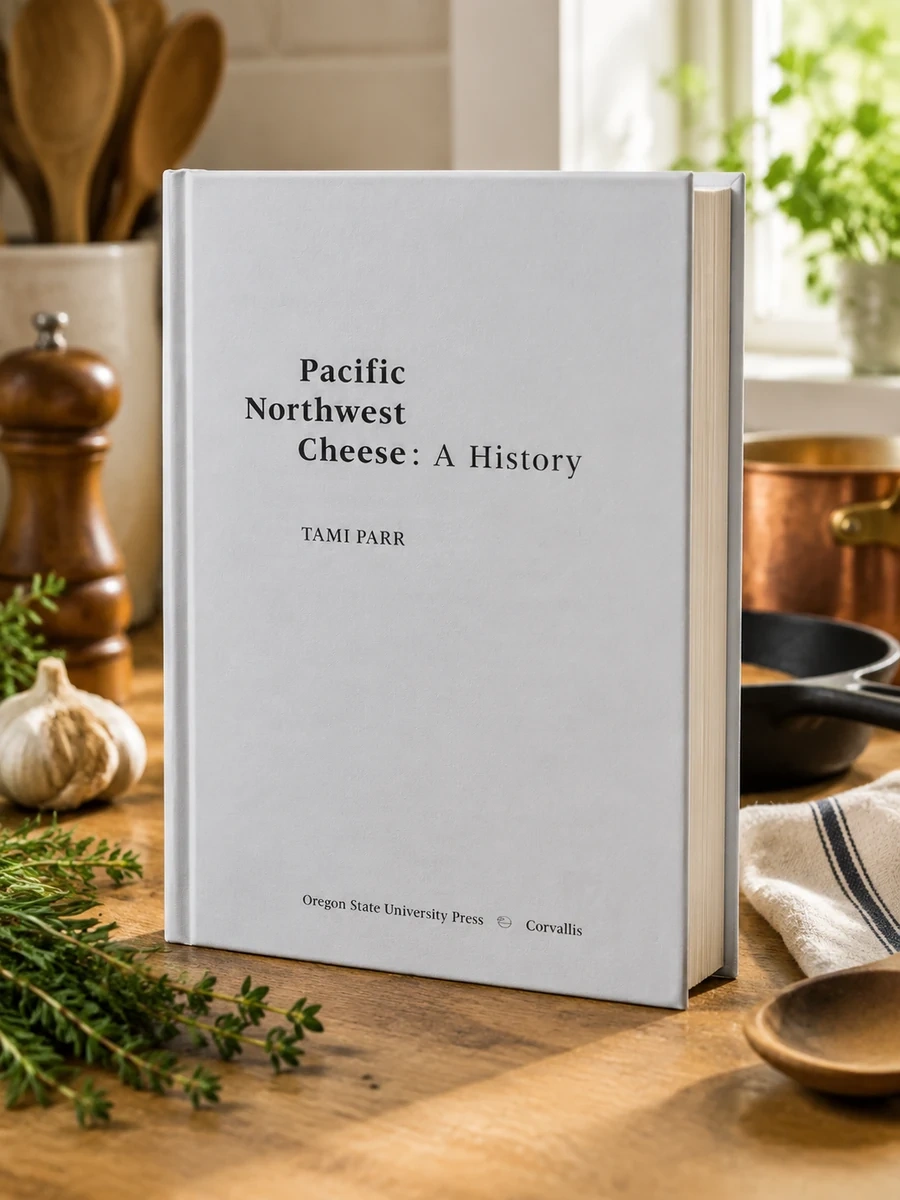
10. Pacific Northwest Cheese: A History — Tami Parr
Cheese is a useful subject for understanding how regional food identities develop. Parr's book narrows the focus to the Pacific Northwest, providing a regional perspective on the history of a familiar dairy product. This makes it especially appealing to readers interested in artisan food traditions, regional agriculture, and the development of local culinary identities. It is also a reminder that food history does not always require a sweeping account of centuries of civilization. A carefully chosen regional subject can be just as revealing, particularly when it connects a recognizable ingredient with a specific place.
11. The Social Life of Coffee: The Emergence of the British Coffeehouse — Brian Cowan
Coffee is more than a drink. Its history is also connected to the places where people gathered, talked, and participated in public life. Cowan focuses on the emergence of the British coffeehouse, making this book an excellent choice for readers interested in the social history of everyday consumption. The subject offers a different perspective from a conventional history of ingredients because the emphasis is on the social environment surrounding a drink. It is especially suitable for coffee enthusiasts who want to understand the cultural significance of coffee beyond its preparation and flavor.
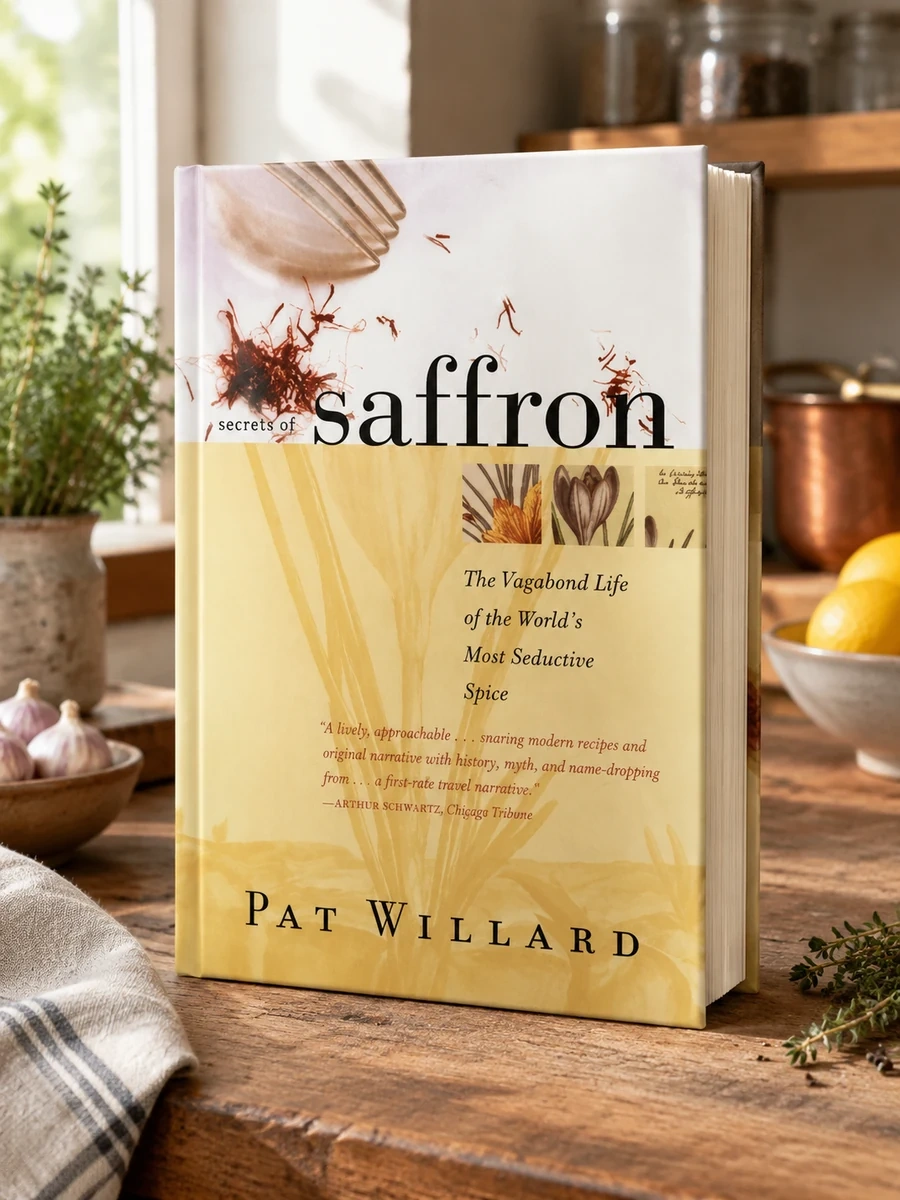
12. Secrets of Saffron: The Vagabond Life of the World's Most Seductive Spice — Pat Willard
Saffron is an intriguing subject for a culinary history book because it invites questions about ingredients, cultural traditions, and the movement of food across different places. Willard's description of the spice as having a vagabond life gives the book a distinctive perspective. It is a strong choice for readers who enjoy ingredient-focused food writing and want to follow the story of something small but influential in cooking. If you are particularly interested in how individual ingredients acquire cultural importance, this is an appealing way to round out a collection of broader historical studies.
How to Choose the Right Food History Book
The best food history book for you depends on the kind of questions you want answered. There is no single reading order that suits everyone, but a few straightforward approaches can help you build a satisfying collection.
- For a broad introduction: Start with The Story of Food in the Human Past. Its human-history perspective gives you a useful foundation before moving into more specialized subjects.
- For ancient and medieval cooking: Choose The Oldest Cuisine in the World or Medieval Cooking in Today's Kitchen. These titles are natural starting points for readers fascinated by the earliest culinary traditions and historical kitchens.
- For domestic and household history: Consider Plenti and Grase or The Original White House Cook Book. Both offer a more focused way to explore how food fits into household life.
- For American culinary history: Read Black Hunger alongside Pacific Northwest Cheese. Their distinct subjects offer different perspectives on American food culture and regional identity.
- For ingredient and beverage enthusiasts: Choose Secrets of Saffron or The Social Life of Coffee. These are good options if a particular food or drink is what first sparked your historical curiosity.
It is also worth thinking about how you prefer to read food history. Some people want a narrative that connects meals to major historical developments. Others enjoy examining one period, ingredient, or regional tradition in detail. And for cooks, historical cookbooks and modern explorations of older techniques can make the subject more tangible by connecting research with practical kitchen interests.
One final recommendation: do not feel obliged to read every book chronologically. A focused history of coffee or saffron can be just as satisfying as a broad account of ancient food traditions. Follow the ingredient, period, or cultural question that interests you most. The more perspectives you encounter, the easier it becomes to see food not merely as something people have always needed, but as one of the most revealing records of how people have lived.