Good cooking begins before the pan gets hot. It starts in the grocery store, at the farmers market, or in front of an open pantry cabinet, when you decide which ingredients to bring home and what to do with them. Knowing how to recognize quality produce, choose a suitable cut of meat, work with unfamiliar spices, or make the most of a seasonal harvest can transform everyday cooking.
That is where ingredient cookbooks earn their place on the kitchen shelf. Unlike books organized around a particular cuisine, cooking method, or collection of dinner menus, these books concentrate on individual foods and ingredient families. They help build practical knowledge: what an ingredient can do, how to prepare it, which techniques suit it, and how to use it beyond a single recipe. They can also make thoughtful gifts for curious home cooks who enjoy learning as much as eating.
Our selection brings together 12 books from the Eatbook Family catalog. Some are broad references for everyday cooking, while others concentrate on a single ingredient, from chiles and citrus to fish and chocolate. Together, they offer several different ways to become a more resourceful and confident cook.
Start with vegetables, spices, and the everyday pantry
For many home cooks, the most useful ingredient knowledge begins with the foods that appear in weekly shopping baskets. Vegetables, seasonings, beans, and pantry staples are flexible building blocks. Understanding them makes it easier to improvise, adapt recipes, and prepare satisfying meals without depending on a rigid menu.
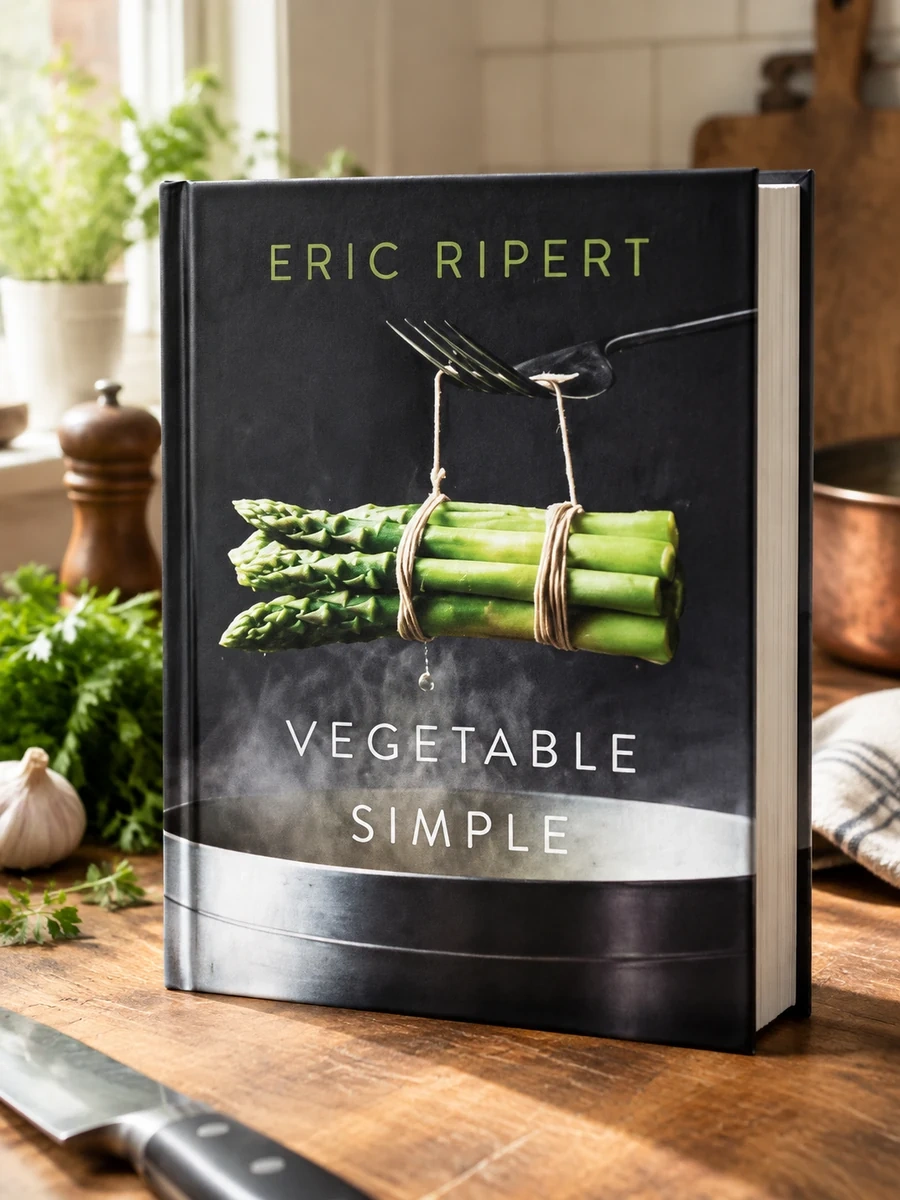
1. Vegetable Simple: A Cookbook — Eric Ripert
Vegetables deserve attention as the main event, not simply as something placed beside meat or fish. Eric Ripert's Vegetable Simple is a particularly appealing choice for cooks who want to give individual vegetables more consideration and make their natural qualities the focus of a dish. Its straightforward approach makes it a sensible starting point for anyone looking to cook vegetables with greater confidence, especially those who want to build meals around produce rather than treat it as an afterthought.
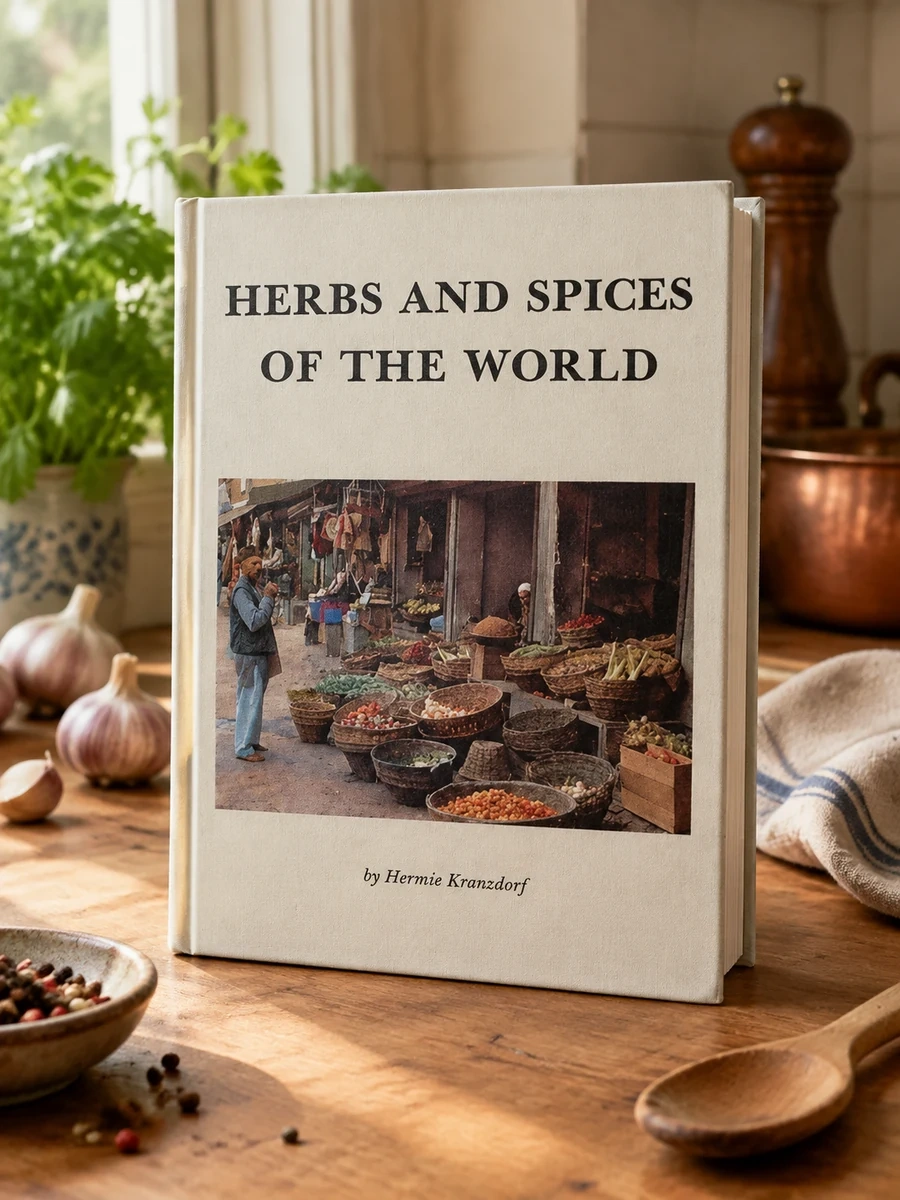
2. Herbs and Spices of the World — Hermie Kranzdorf
Seasoning is one of the quickest ways to change the character of a familiar ingredient, but it can also be one of the least understood parts of cooking. Herbs and Spices of the World puts the subject itself at the center, making it a useful choice for cooks interested in expanding their knowledge of aromatic ingredients. It belongs on the shelf of someone who wants to become more deliberate about flavor and explore seasonings beyond the familiar salt, pepper, and dried herb combination.
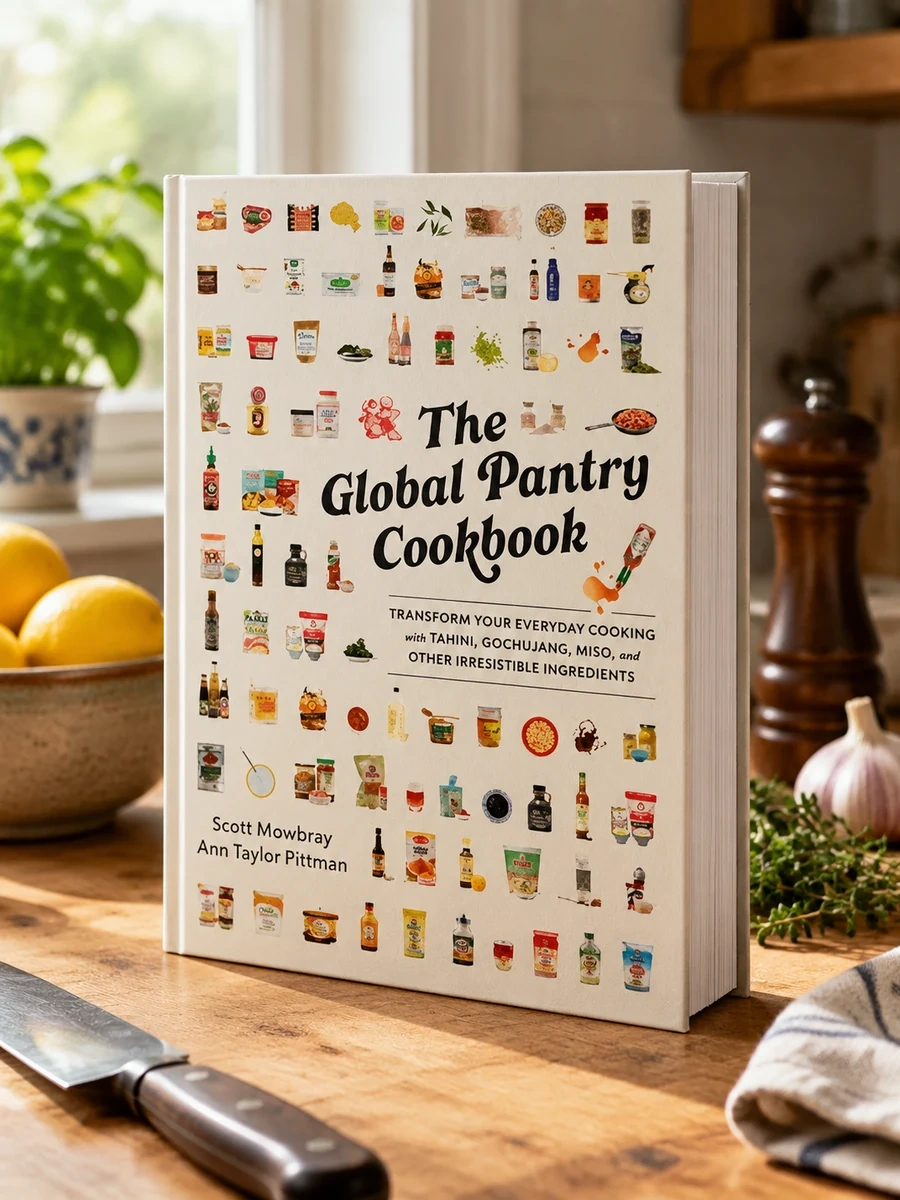
3. The Global Pantry Cookbook — Scott Mowbray
Tahini, gochujang, miso, and other distinctive ingredients can add entirely new possibilities to everyday meals. Scott Mowbray's The Global Pantry Cookbook is especially relevant to cooks who want to bring a wider range of pantry ingredients into their regular kitchen routine. Rather than treating unfamiliar condiments and pastes as specialty purchases that sit unused after one recipe, this book offers an ingredient-centered way to think about incorporating them into everyday cooking.
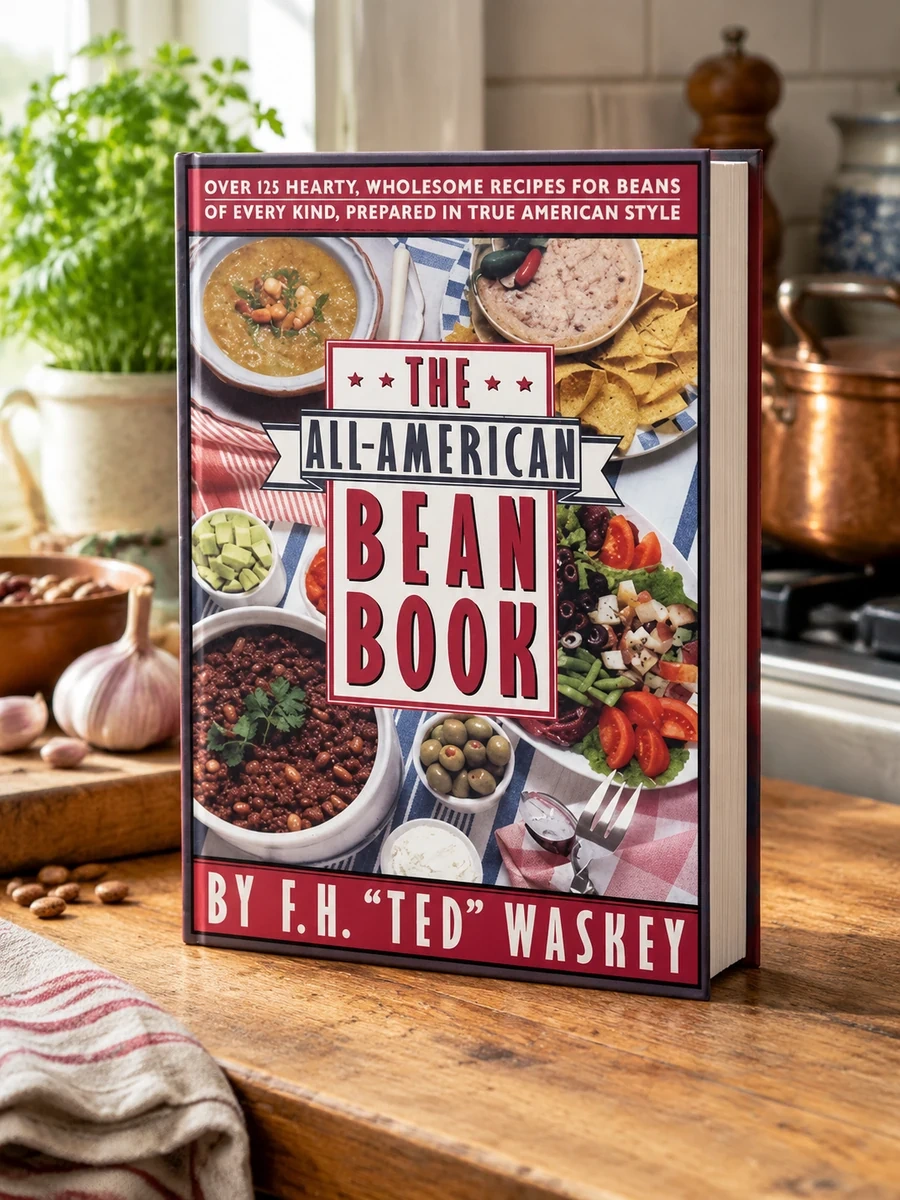
4. The All-American Bean Book — F. H. Waskey
Beans are inexpensive, adaptable pantry ingredients, yet many home cooks rely on only a handful of familiar preparations. The All-American Bean Book gives this versatile food its own dedicated cookbook, making it a natural choice for anyone interested in getting more from beans. It is particularly suitable for cooks who want to make a staple ingredient a more regular part of their meals and explore the possibilities of bean-centered cooking rather than treating beans as an occasional side dish.
Learn to work with seafood, meat, and distinctive ingredients
Some ingredients reward a more specialized education. Seafood, meat, and certain fresh foods require informed selection and thoughtful preparation. A focused cookbook can help readers spend more time understanding the ingredient itself, rather than simply following instructions for one finished dish. These titles are especially useful for cooks who want to develop confidence with foods they might otherwise approach cautiously.
5. The Whole Fish Cookbook: New Ways to Cook, Eat and Think — Josh Niland
Whole-fish cooking encourages a different relationship with seafood. Instead of thinking only about familiar fillets, Josh Niland's The Whole Fish Cookbook invites readers to consider the fish as a complete ingredient and rethink how it can be cooked and eaten. Its whole-fish perspective makes it a strong recommendation for adventurous seafood cooks and anyone interested in moving beyond the most familiar portions and preparations. It is also a particularly distinctive gift for someone who enjoys learning new ways to approach an established ingredient.
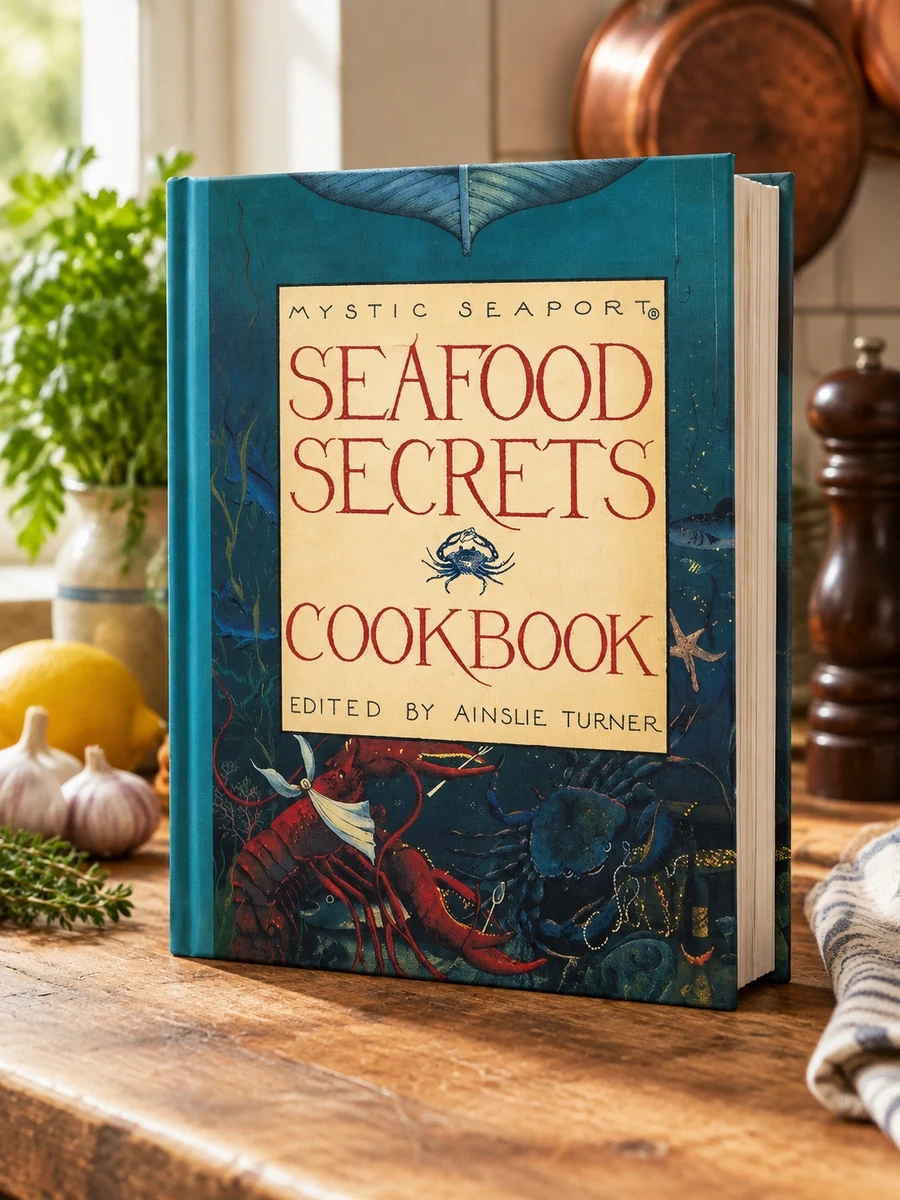
6. Seafood Secrets Cookbook — Ainslie Turner
Seafood can be intimidating when a cook is unfamiliar with the variety available or unsure how to approach different preparations. Ainslie Turner's Seafood Secrets Cookbook puts seafood knowledge at the heart of its subject, making it a practical addition for anyone who wants to become more comfortable cooking from the sea. It complements a whole-fish approach particularly well: one title encourages readers to reconsider the fish itself, while this broader seafood-focused choice gives the home cook another dedicated resource for exploring the category.
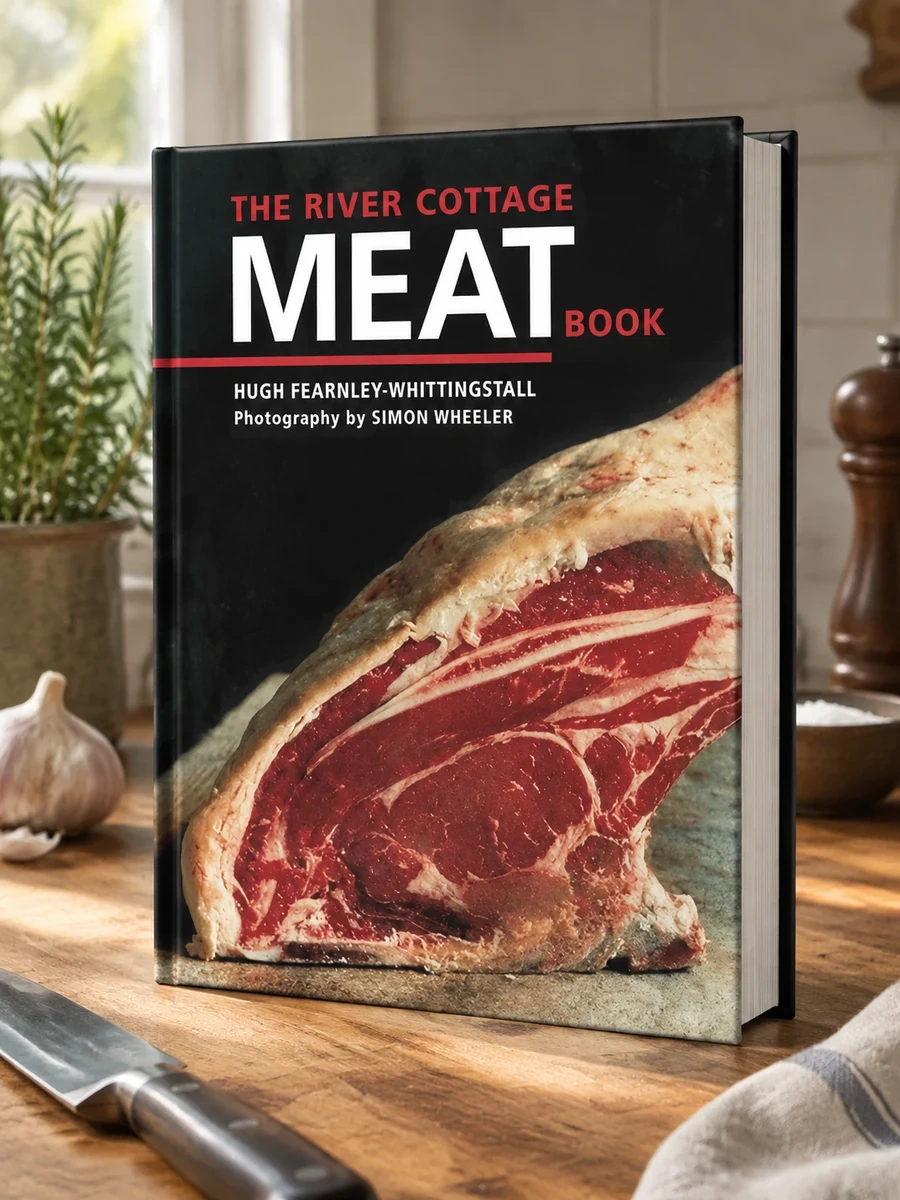
7. The River Cottage Meat Book: A Cookbook — Hugh Fearnley-Whittingstall
Meat cookery becomes more rewarding when the cook understands the ingredient rather than simply memorizing cooking times. Hugh Fearnley-Whittingstall's The River Cottage Meat Book is a substantial, dedicated treatment of meat, making it an appropriate choice for cooks who want to give the subject serious attention. Its place in an ingredient-focused collection is clear: it is for people who want a more considered relationship with meat and a reference devoted to the ingredient itself.
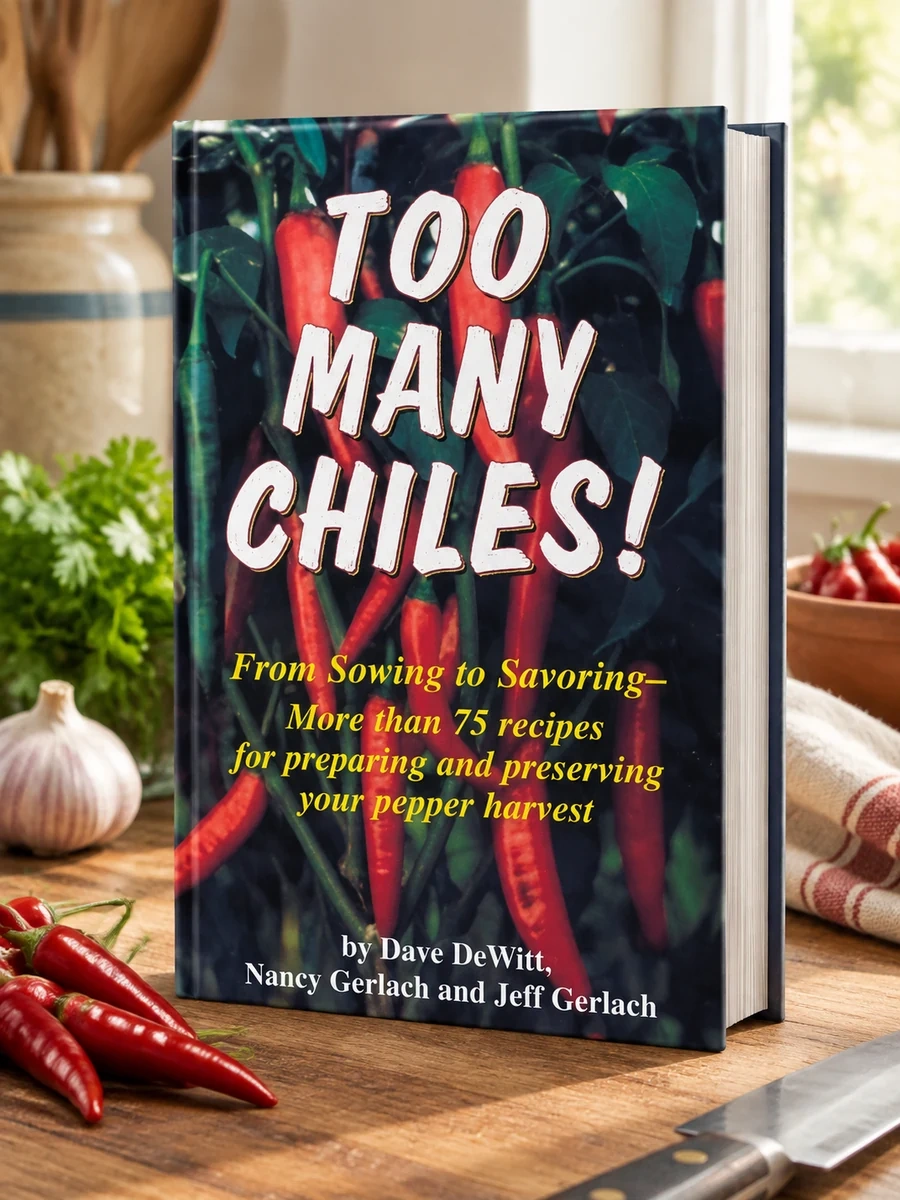
8. Too Many Chiles!: From Sowing to Savoring — Dave DeWitt
Chiles offer far more than a simple choice between mild and hot. Dave DeWitt's Too Many Chiles! takes an especially useful approach by connecting the subject from sowing through savoring, with more than 75 recipes for preparing and preserving a pepper harvest. That combination makes it particularly appealing to gardeners, home preservers, and cooks who find themselves with more peppers than they can use immediately. It is one of the strongest choices here for readers who want to understand an ingredient across its entire journey from harvest to kitchen.
Make more of fruit, chocolate, and specialized ingredients
Ingredient-focused cooking is not limited to savory food. Fruit, nuts, chocolate, and other distinctive ingredients offer opportunities to develop new techniques and discover different uses for familiar foods. These books are particularly attractive as gifts because their subjects are specific enough to match someone's interests while offering plenty of inspiration beyond a single occasion.
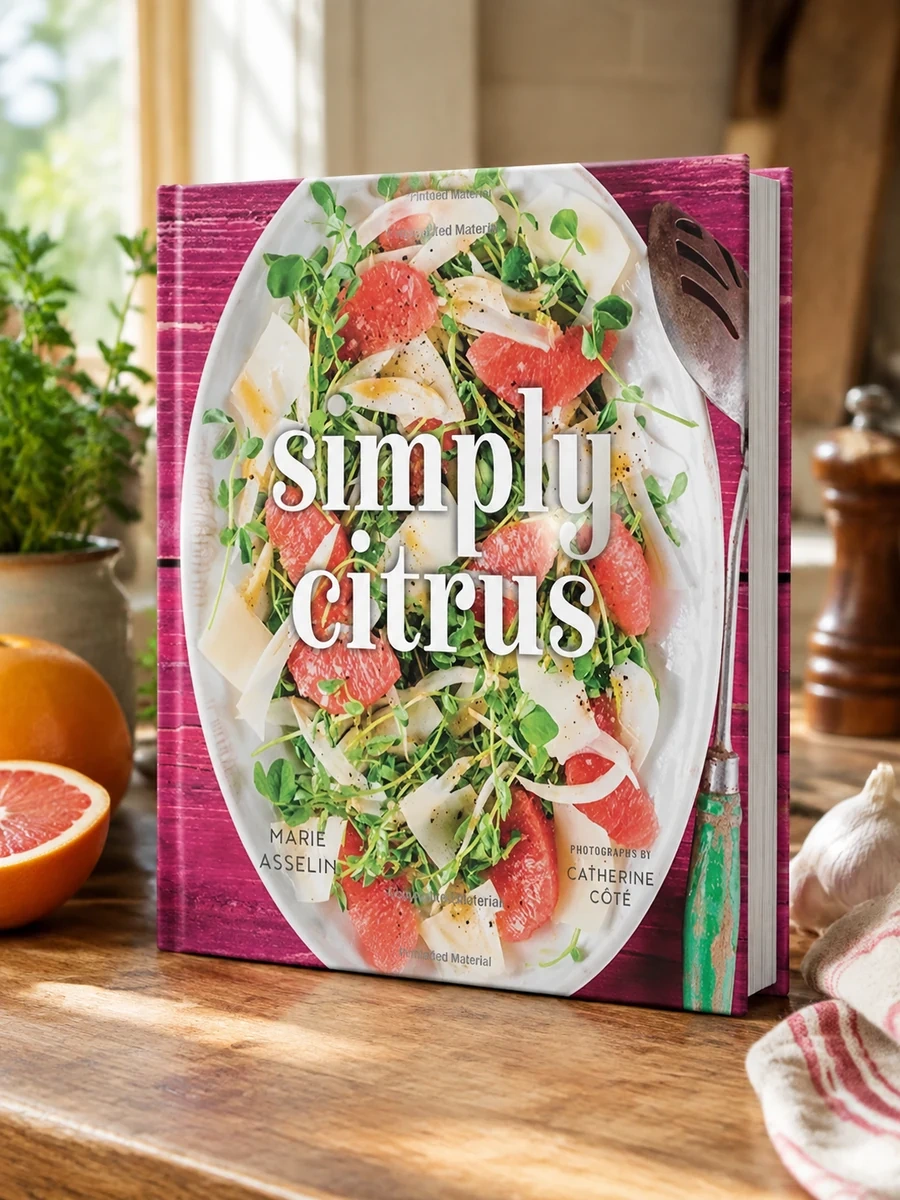
9. Simply Citrus — Marie Asselin
Citrus is one of the most versatile ingredients in the kitchen, appearing in everything from savory cooking to desserts and drinks. Marie Asselin's Simply Citrus gives this ingredient family its own dedicated treatment. It is an appealing choice for cooks who want to explore the possibilities of citrus rather than reserve lemons, limes, and other citrus fruits for an occasional garnish or squeeze of juice. Its focused subject also makes it an easy gift for someone who loves bright, fresh flavors.
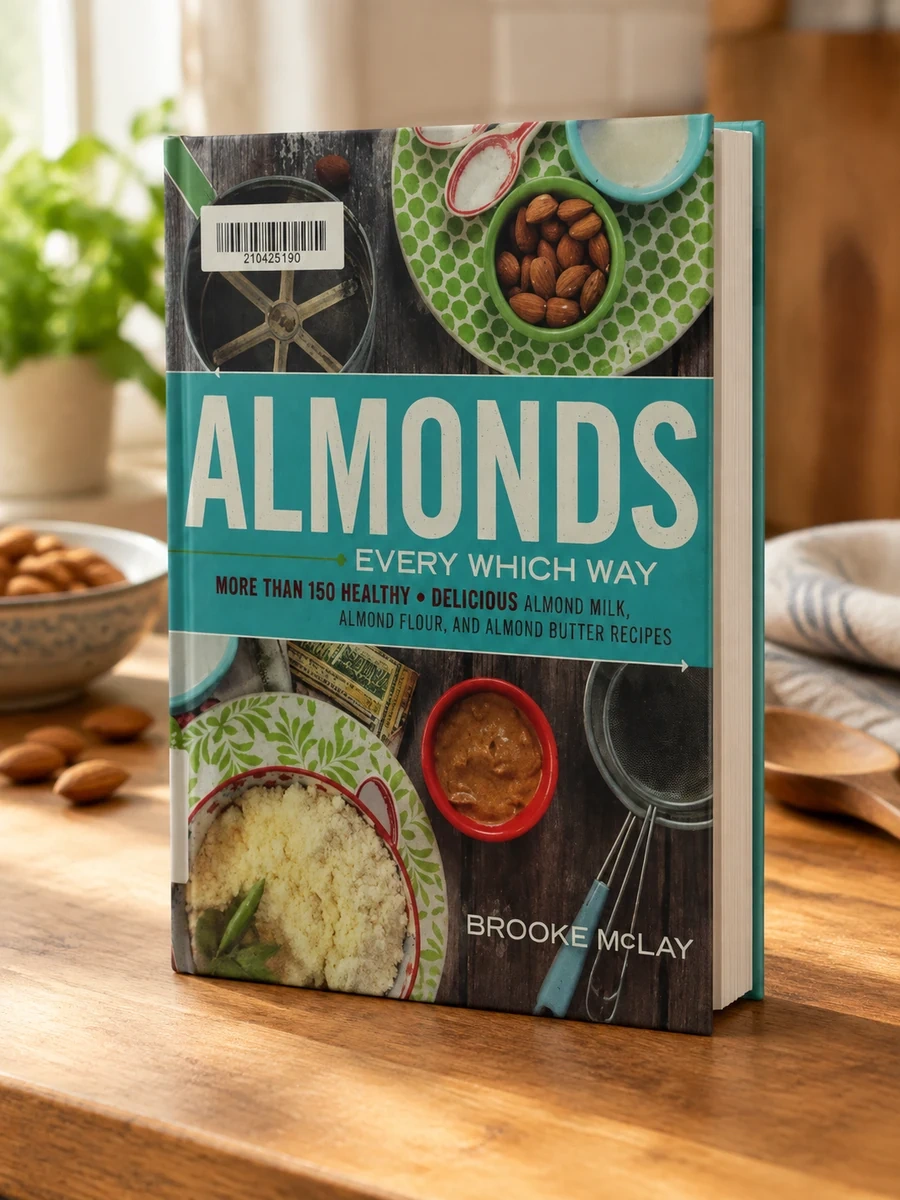
10. Almonds Every Which Way — Brooke McLay
Almonds are useful in several different forms, and Brooke McLay's Almonds Every Which Way makes that versatility the foundation of its approach. With more than 150 recipes involving almond milk, almond flour, and almond butter, the book offers a focused exploration of how one ingredient can be used in different ways. It is particularly suitable for bakers and home cooks interested in alternative ingredient forms, or anyone who wants to make better use of almonds beyond eating them by the handful.
11. Chocolate Magic: Devilishly Decadent Recipes — Kate Shirazi
Chocolate is a rewarding ingredient to explore because it can take center stage in so many different kinds of sweet preparations. Kate Shirazi's Chocolate Magic is devoted to devilishly decadent chocolate recipes, making it a natural choice for dessert enthusiasts and cooks who want a dedicated source of chocolate inspiration. Its emphasis on indulgence also gives it a different character from a technical baking reference: this is a book for someone whose primary interest is making chocolate the star of the finished treat.
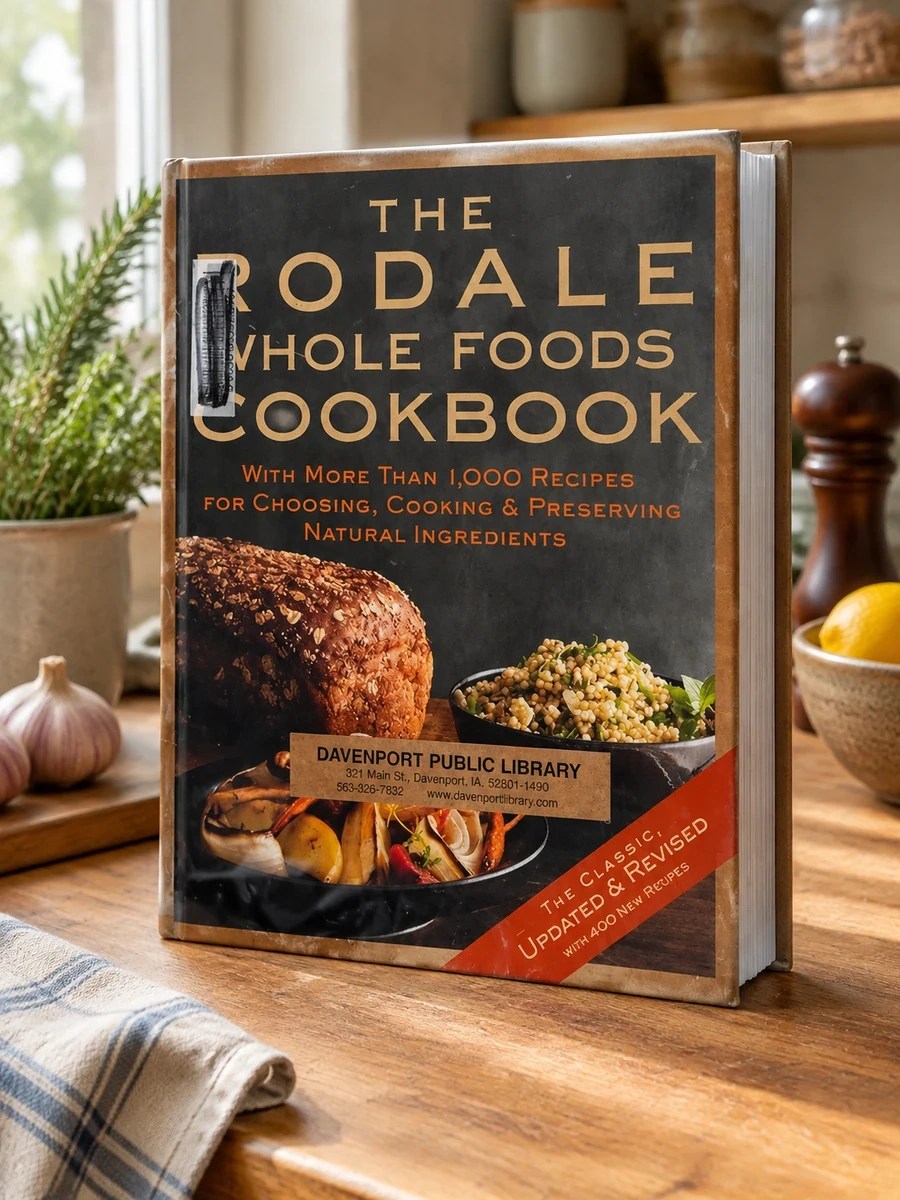
12. The Rodale Whole Foods Cookbook — Dara Demoelt
For readers who would rather explore a broad range of natural ingredients than concentrate on one food, The Rodale Whole Foods Cookbook offers a particularly wide scope. Its more than 1,000 recipes cover choosing, cooking, and preserving natural ingredients, making it one of the most comprehensive options in this collection. It is especially appropriate for home cooks who shop at farmers markets, prefer less processed foods, or want a practical resource that connects ingredient selection with preparation and preservation.
How to choose the right ingredient cookbook
The best choice depends on the kind of knowledge you want to develop. A cookbook about vegetables or beans can help you make more of inexpensive everyday ingredients, while a dedicated seafood or meat book is better suited to someone who wants to become comfortable with a more specialized category. Before choosing, consider what currently limits your cooking: lack of inspiration, uncertainty about selection, unfamiliarity with preparation, or difficulty using up ingredients before they spoil.
It also helps to distinguish between books that concentrate on a single ingredient and broader references. A focused title such as Simply Citrus or Too Many Chiles! can offer a satisfying amount of attention to one subject. A broader resource such as The Rodale Whole Foods Cookbook is more appropriate when the goal is to build general ingredient knowledge across a variety of foods. Neither approach is inherently better; the right one depends on how the recipient likes to learn.
For a gift, think about the recipient's existing interests. A gardener who grows peppers may appreciate Dave DeWitt's chile book, while a seafood enthusiast may get more from Josh Niland's whole-fish perspective. Someone who enjoys experimenting with international flavors might prefer Scott Mowbray's pantry-focused cookbook, and a keen baker may find Brooke McLay's almond-centered collection particularly interesting. Choosing a book that connects with an ingredient the recipient already loves is often more thoughtful than selecting the broadest possible reference.
Price can also help narrow the field. Several of these books are available for under $20, making them accessible gifts or useful additions to an existing collection. More substantial titles may suit someone who wants to invest in a dedicated reference. In either case, consider the book's purpose rather than the number of recipes alone: a focused treatment of one ingredient can be more useful than a much larger collection of unrelated dishes.
Finally, look for a book that encourages you to use what you have. The most valuable ingredient cookbooks change the way you shop, store, prepare, and cook, not just what you make on a particular evening. They help turn unfamiliar produce into something approachable, everyday staples into more interesting meals, and seasonal abundance into opportunities for cooking and preserving. That is what makes an ingredient-focused cookbook a worthwhile addition to a home kitchen: it teaches a way of thinking that stays useful long after the first recipe.