A good ingredient cookbook changes the way you shop. Instead of buying a familiar collection of groceries and deciding what to make afterward, you start noticing what is in season, what is sitting in the pantry and what a single ingredient can do when it receives a little attention. A basket of citrus becomes more than breakfast fruit; a bag of beans becomes the starting point for several satisfying meals; an abundance of chiles becomes an opportunity to experiment with preservation as well as cooking.
That is what makes ingredient-centered cookbooks such appealing gifts. They offer something more lasting than a collection of recipes for one particular occasion: a way to understand and use an ingredient repeatedly. Some are practical kitchen references, others are visually engaging introductions to a particular food, and a few are specialized volumes for cooks who already have a favorite subject. The following 12 books cover vegetables, fruit, herbs, spices, beans, nuts, chocolate and more. Each offers a different reason to spend more time with the ingredients themselves.
Vegetables and fruit: Start with what is fresh
Vegetables and fruit are natural starting points for this kind of cookbook collection. They are familiar enough to make the books approachable, but they also offer plenty of room for experimentation. These selections range from straightforward vegetable cooking to focused explorations of citrus, berries and the often-overlooked zucchini.
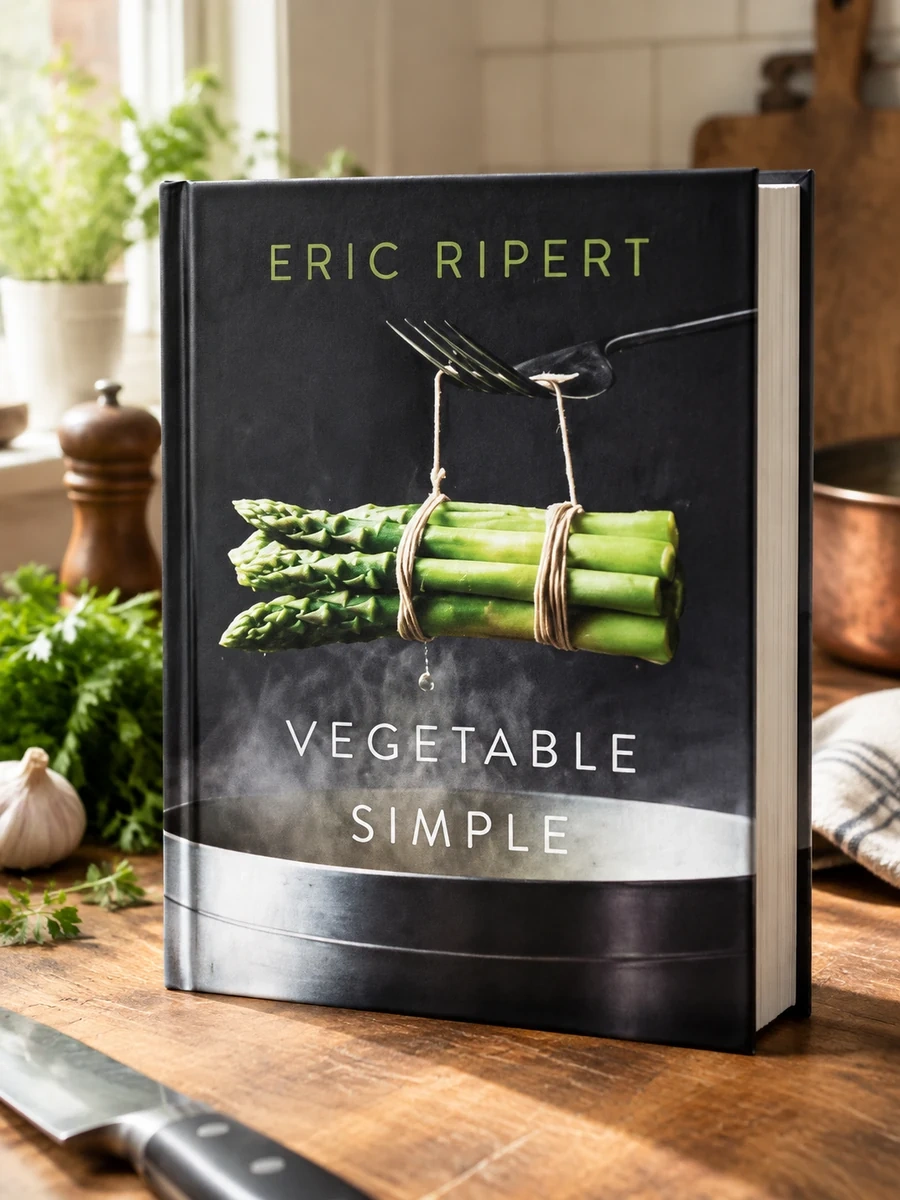
1. Vegetable Simple: A Cookbook — Eric Ripert
For someone who wants to make vegetables the center of the plate without turning dinner into an elaborate project, this is a particularly appealing choice. Eric Ripert brings a chef's perspective to vegetable cooking, but the book's central appeal is its focus on the ingredient rather than complicated culinary performance. It makes a thoughtful gift for cooks who want to become more confident with vegetables, appreciate straightforward preparation and find new reasons to buy produce they might otherwise overlook.
It is also a good first choice for someone building a vegetable-focused cookbook shelf. Rather than concentrating on one particular vegetable or cuisine, it offers a broader starting point for thinking about produce as an essential part of everyday cooking.
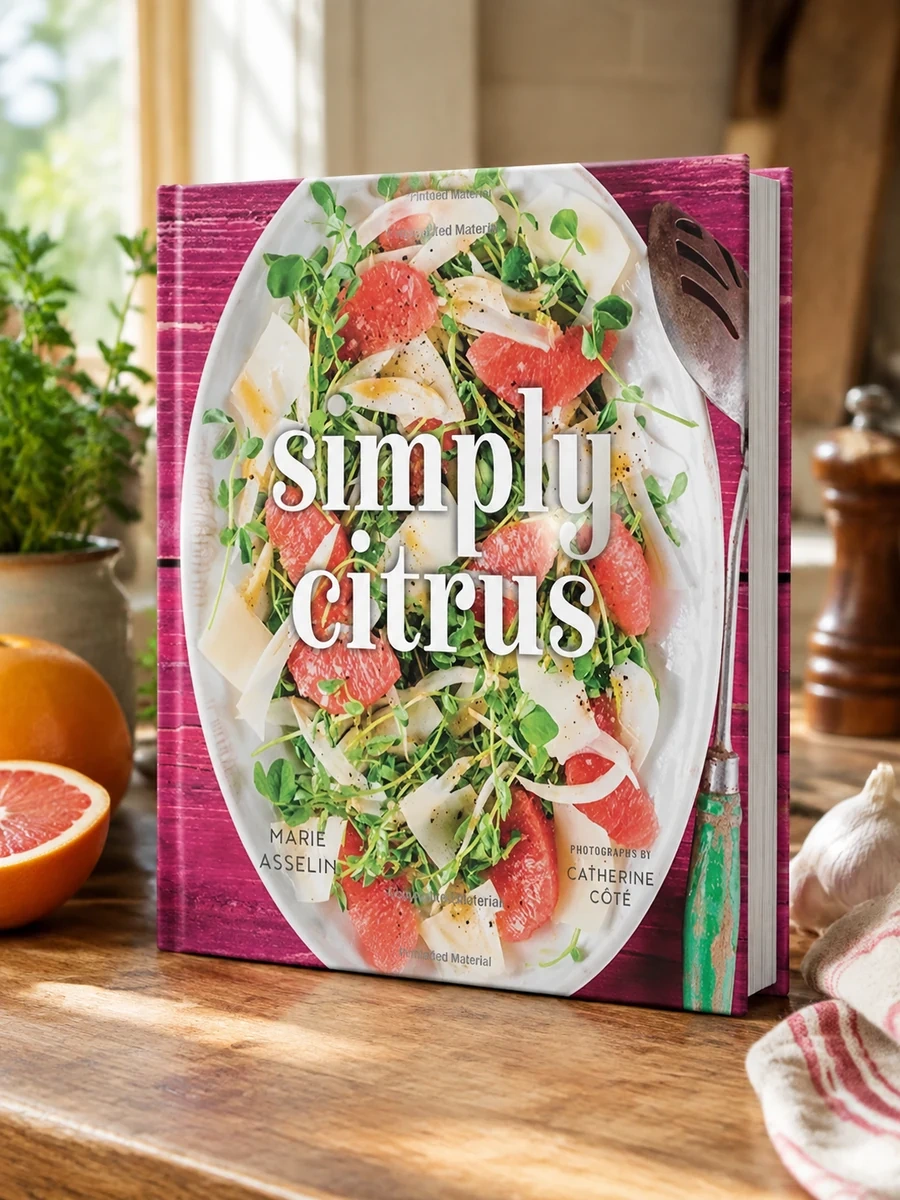
2. Simply Citrus — Marie Asselin
Citrus deserves more attention than the occasional squeeze of lemon over a finished dish. Its acidity, fragrance and variety can influence everything from sweet preparations to savory cooking. Marie Asselin's Simply Citrus makes that versatility the subject, giving citrus enthusiasts a dedicated book to explore.
This is a particularly nice holiday gift because citrus is useful throughout the year, even when the weather turns cold. It suits a home baker, an enthusiastic brunch cook or anyone who enjoys the bright, refreshing character of lemons and other citrus fruits. It also makes a good companion to a general cookbook: a focused source of inspiration when a dish needs a little more brightness.
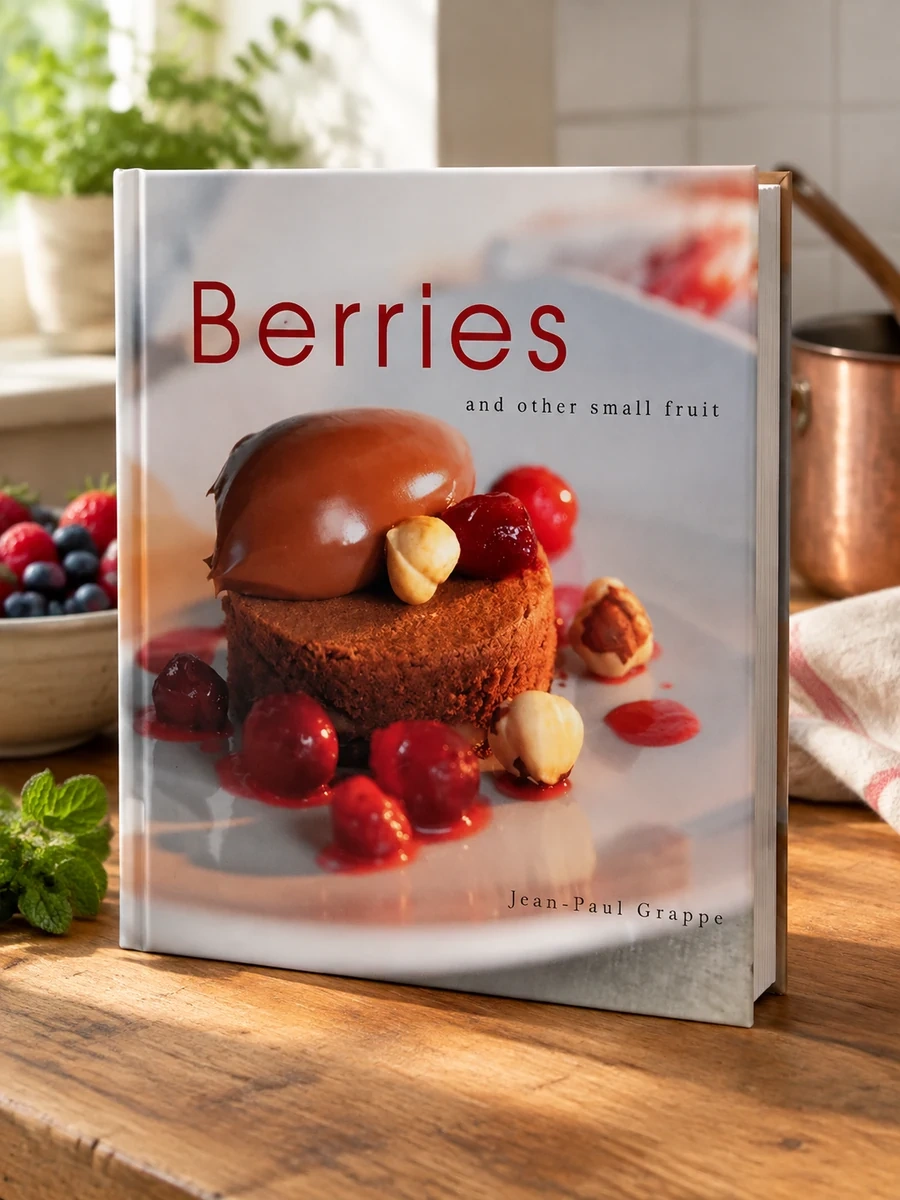
3. Berries: And Other Small Fruit — Jean-Paul Grappe
Small fruit can be surprisingly versatile. Berries and similar fruits are obvious choices for desserts, but their seasonal appeal also invites experimentation with breakfast, sauces and other preparations. Jean-Paul Grappe's book gives this ingredient family its own space, making it an interesting option for cooks who enjoy working with fresh fruit rather than treating it as an occasional garnish.
It is especially suited to someone who visits farmers markets, enjoys seasonal shopping or looks forward to summer fruit every year. As a gift, it has a pleasingly specific subject without being so narrow that its appeal is limited to specialist cooks. Anyone who likes berries will understand the attraction.
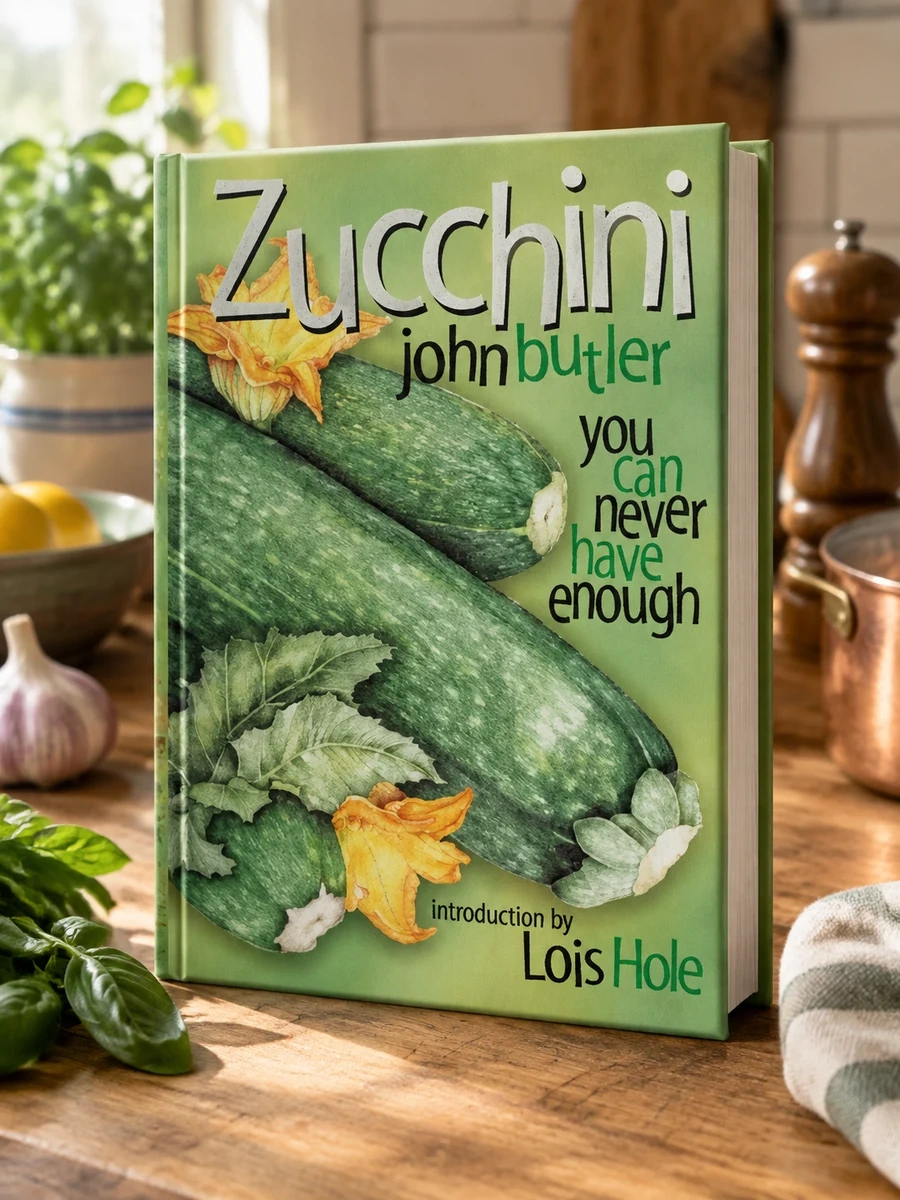
4. Zucchini — John Butler
Zucchini is an excellent example of an ingredient that benefits from a little more imagination. It is inexpensive, widely available and easy to underestimate, particularly when a home garden produces more of it than one household can comfortably eat. John Butler's Zucchini gives this familiar vegetable its own dedicated cookbook.
This is a fun, practical gift for gardeners, vegetable growers and anyone who has ever faced a counter full of summer squash. Its narrow subject is part of its charm: rather than offering another general collection of vegetable recipes, it encourages the recipient to look at one everyday ingredient in more than one way. It is also an approachable choice for someone who enjoys collecting specialized cookbooks.
Pantry essentials: Beans, nuts, herbs and spices
A well-stocked pantry can make everyday cooking considerably more flexible. Dried beans, nuts, herbs and spices keep their usefulness beyond a single season, and learning to use them well can make familiar meals more interesting. These four books focus on ingredients that reward experimentation and are especially appropriate for cooks who enjoy understanding what they have on hand.
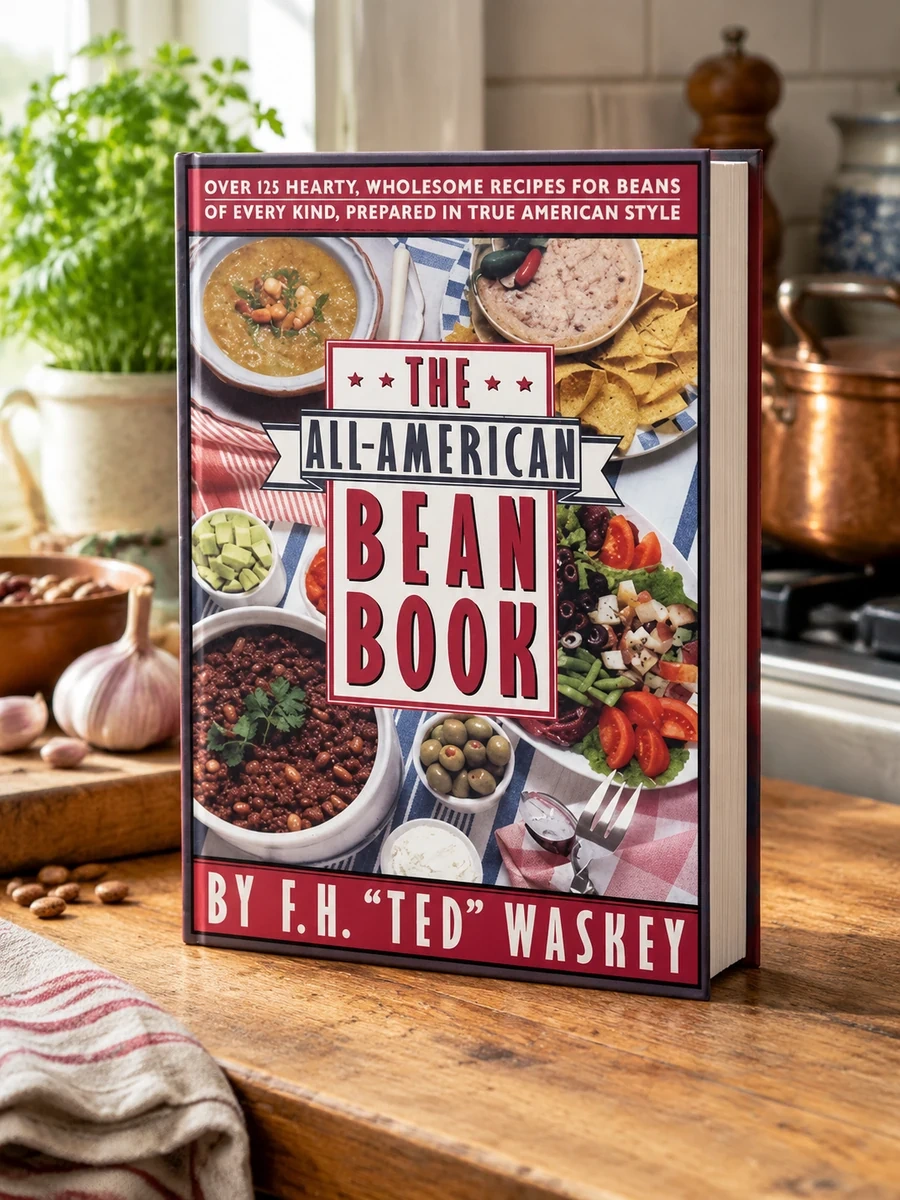
5. The All-American Bean Book — F. H. Waskey
Beans are among the most useful ingredients in a home kitchen. They are adaptable, economical and substantial enough to anchor a meal, yet they are often treated as supporting players. The All-American Bean Book puts them in the foreground, making it a natural selection for someone interested in getting more from a dependable pantry staple.
The book is particularly appealing to budget-conscious home cooks, people looking to cook more plant-based meals and anyone who wants to use beans more regularly. It also makes a sensible gift for someone setting up a first kitchen: a focused ingredient reference can be more useful than another broad collection of recipes that assumes an extensive shopping list.
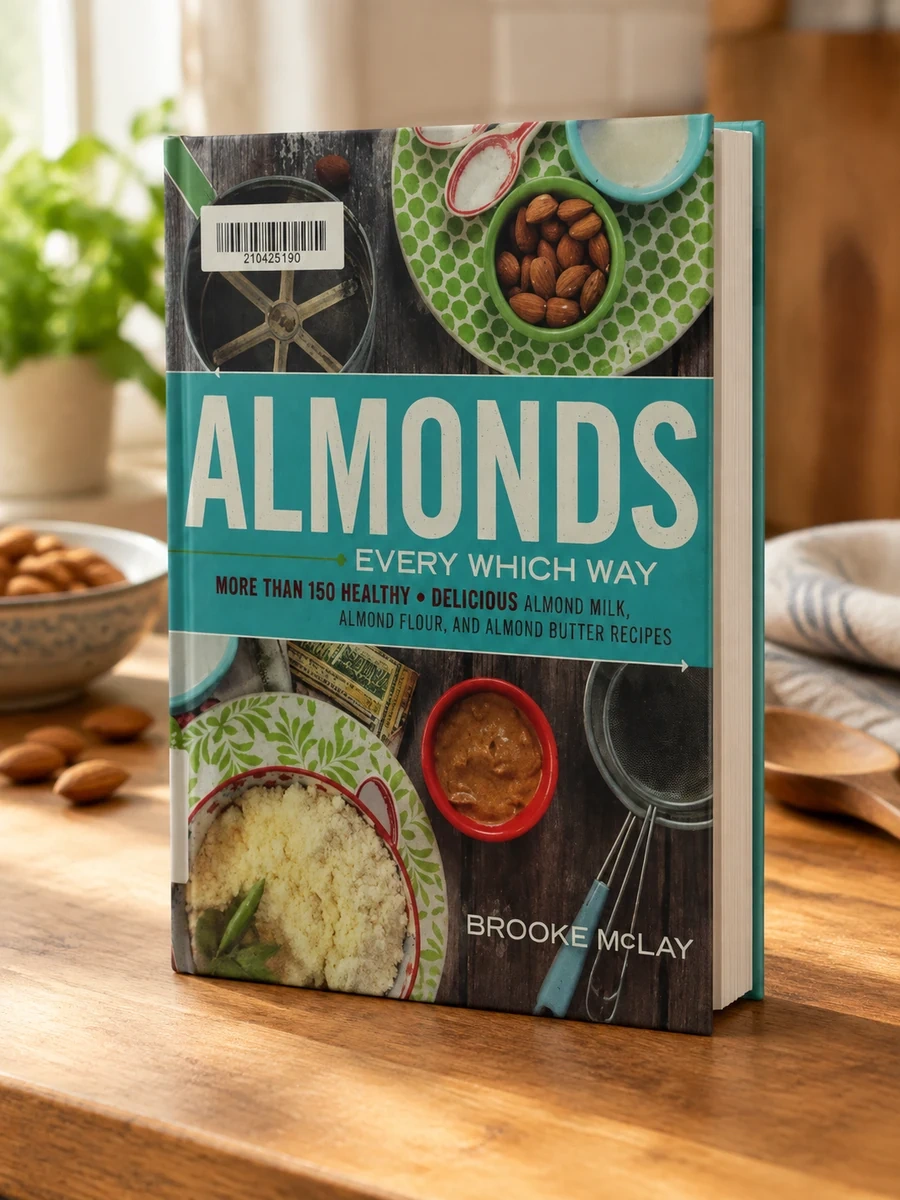
6. Almonds Every Which Way: More Than 150 Healthy & Delicious Almond Milk, Almond Flour, and Almond Butter Recipes — Brooke McLay
Almonds are a particularly interesting ingredient because they appear in so many different forms. Whole almonds, almond flour, almond butter and almond milk each bring different qualities to a recipe. Brooke McLay's book explores that versatility through more than 150 recipes, with the range of almond-based ingredients providing a clear organizing idea.
This is an excellent choice for a baker or an adventurous home cook who likes making more from one pantry ingredient. It is also a useful gift for someone interested in exploring alternatives to conventional baking ingredients. The specific focus gives the book a practical identity, while the number of recipes makes it suitable for someone who wants plenty of ideas to return to.
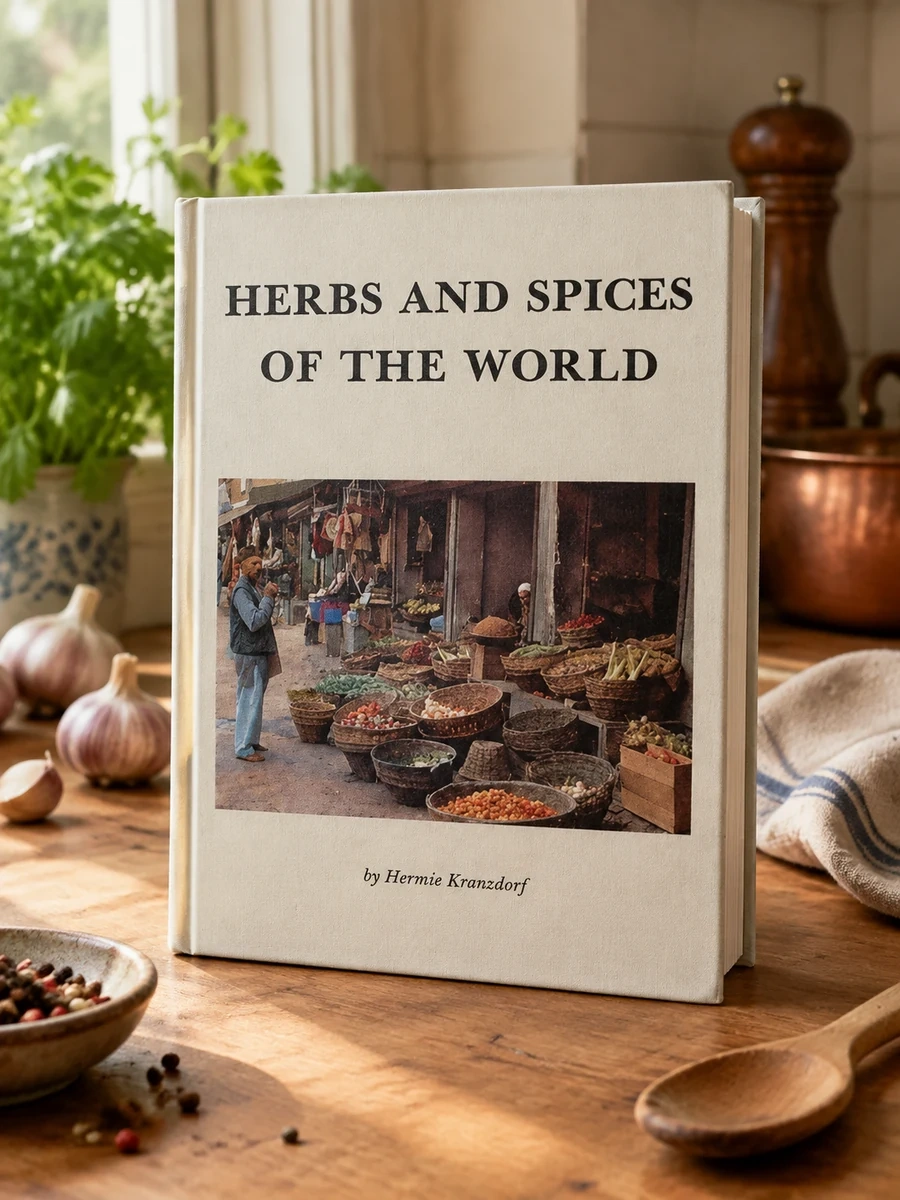
7. Herbs and Spices of the World — Hermie Kranzdorf
Herbs and spices can transform a dish without requiring a completely different shopping list. They influence aroma, warmth, freshness and complexity, and learning to use them thoughtfully is one of the most rewarding ways to improve everyday cooking. Hermie Kranzdorf's Herbs and Spices of the World is the most reference-oriented selection in this group, making it attractive to cooks who enjoy learning about ingredients as well as using them.
This is a particularly strong gift for the curious cook who owns several spice jars but wants to understand the wider world of seasoning. It also suits someone who enjoys exploring international cooking traditions. Rather than being tied to one cuisine or one recipe style, its subject naturally reaches across a wide range of dishes.
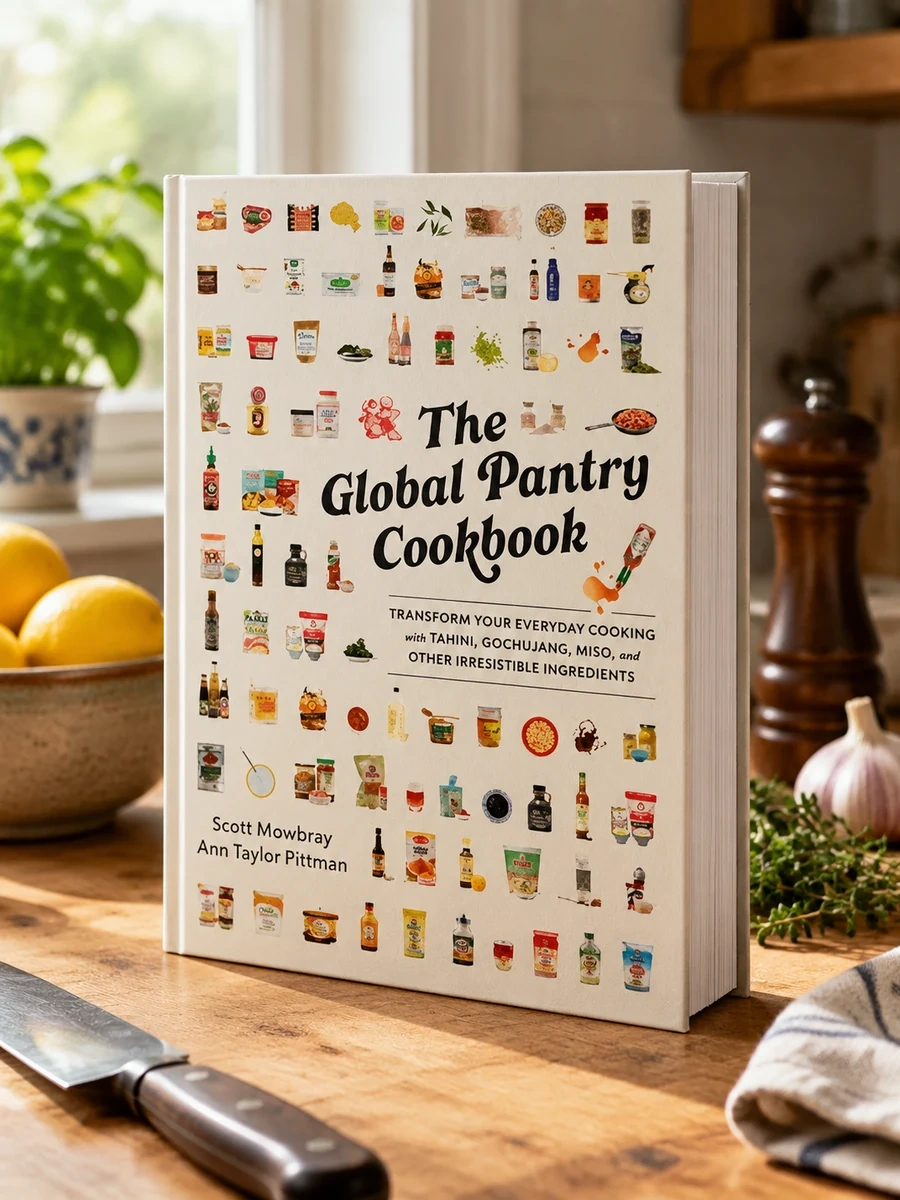
8. The Global Pantry Cookbook: Transform Your Everyday Cooking with Tahini, Gochujang, Miso, and Other Irresistible Ingredients — Scott Mowbray
Some of the most interesting ingredients in a modern home kitchen come from pantry traditions around the world. Tahini, gochujang and miso are useful examples: each brings a distinctive flavor and opens up possibilities beyond the dishes in which it is most commonly used. Scott Mowbray's The Global Pantry Cookbook focuses on these kinds of ingredients and their place in everyday cooking.
It is an especially good gift for someone who likes exploring new flavors but wants ideas that can fit into an ordinary home-cooking routine. The book also has a different appeal from a traditional spice reference. Its emphasis is on a varied global pantry, making it a useful choice for cooks who want to expand their repertoire without committing to an entirely new style of cooking.
Specialist favorites: Chiles, chocolate, pasta and seafood
Not every ingredient cookbook needs to cover an entire category of food. Some of the most memorable books are dedicated to one particularly rewarding subject. These final four choices make excellent gifts for people with established interests, from preserving a homegrown pepper harvest to learning more about chocolate or treating seafood as something more than a fillet from the supermarket.
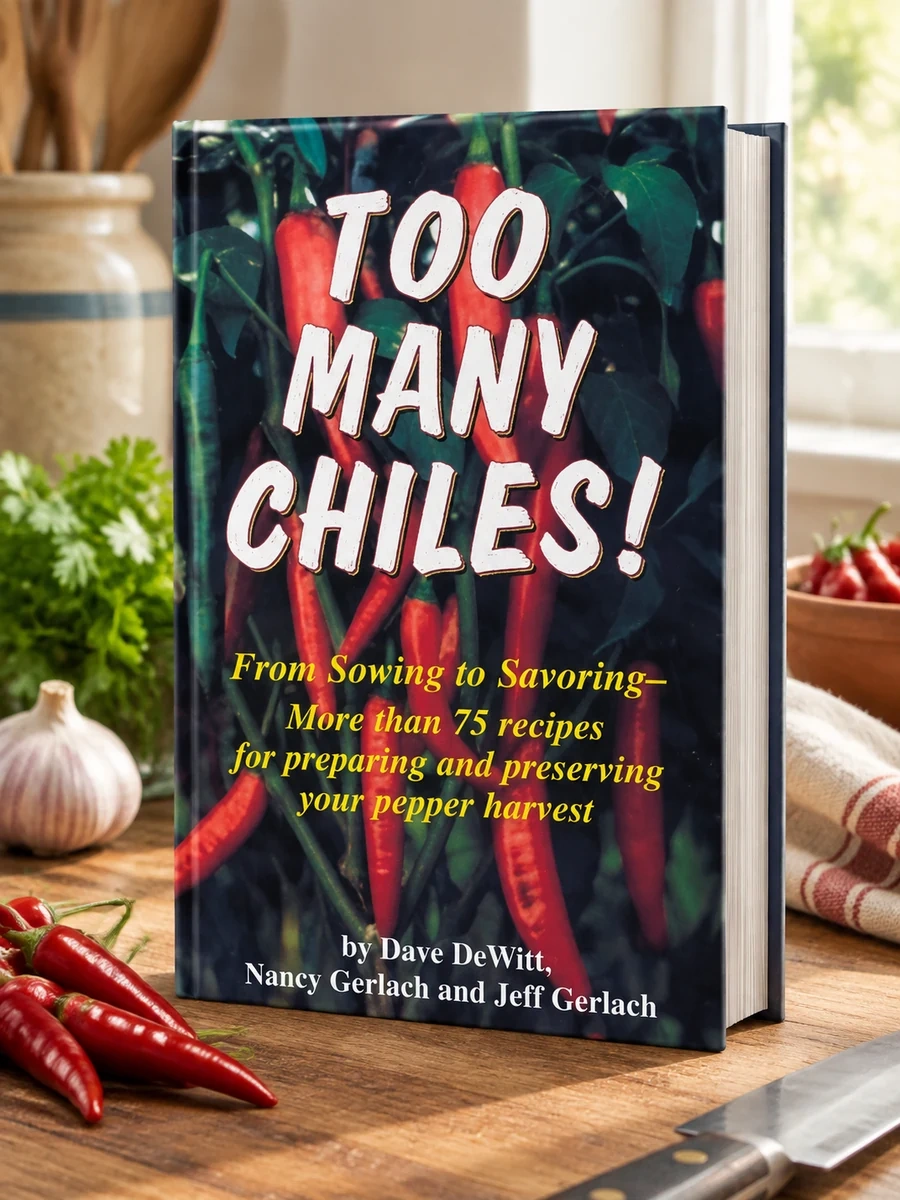
9. Too Many Chiles!: From Sowing to Savoring—More Than 75 Recipes for Preparing and Preserving Your Pepper Harvest — Dave DeWitt
For gardeners, chile enthusiasts and cooks who enjoy making their own pantry ingredients, this is one of the most distinctive books in the collection. Dave DeWitt takes the subject from growing peppers through cooking and preserving them, with more than 75 recipes included. That broader perspective is important: it makes the book relevant not only when peppers are ready to use, but also when a home cook is thinking about what to do with an abundant harvest.
It is an especially thoughtful gift for someone who grows peppers or regularly buys more chiles than a single recipe requires. The combination of cultivation, preparation and preservation gives it a practical identity that sets it apart from a conventional spicy-food cookbook.
10. Chocolate Magic: Devilishly Decadent Recipes — Kate Shirazi
Chocolate has a permanent place in the home kitchen, but there is a difference between occasionally melting a bar for dessert and having a dedicated collection of chocolate recipes. Kate Shirazi's Chocolate Magic is aimed at the cook who wants to make chocolate the star of the finished dish, with an explicitly decadent approach.
This is a natural holiday gift for a baker, dessert enthusiast or anyone who considers chocolate an essential ingredient rather than an occasional treat. It is also a relatively accessible way to choose a specialist cookbook: the subject is immediately recognizable, the appeal is easy to understand and the book has a clear place alongside a collection of general baking titles.
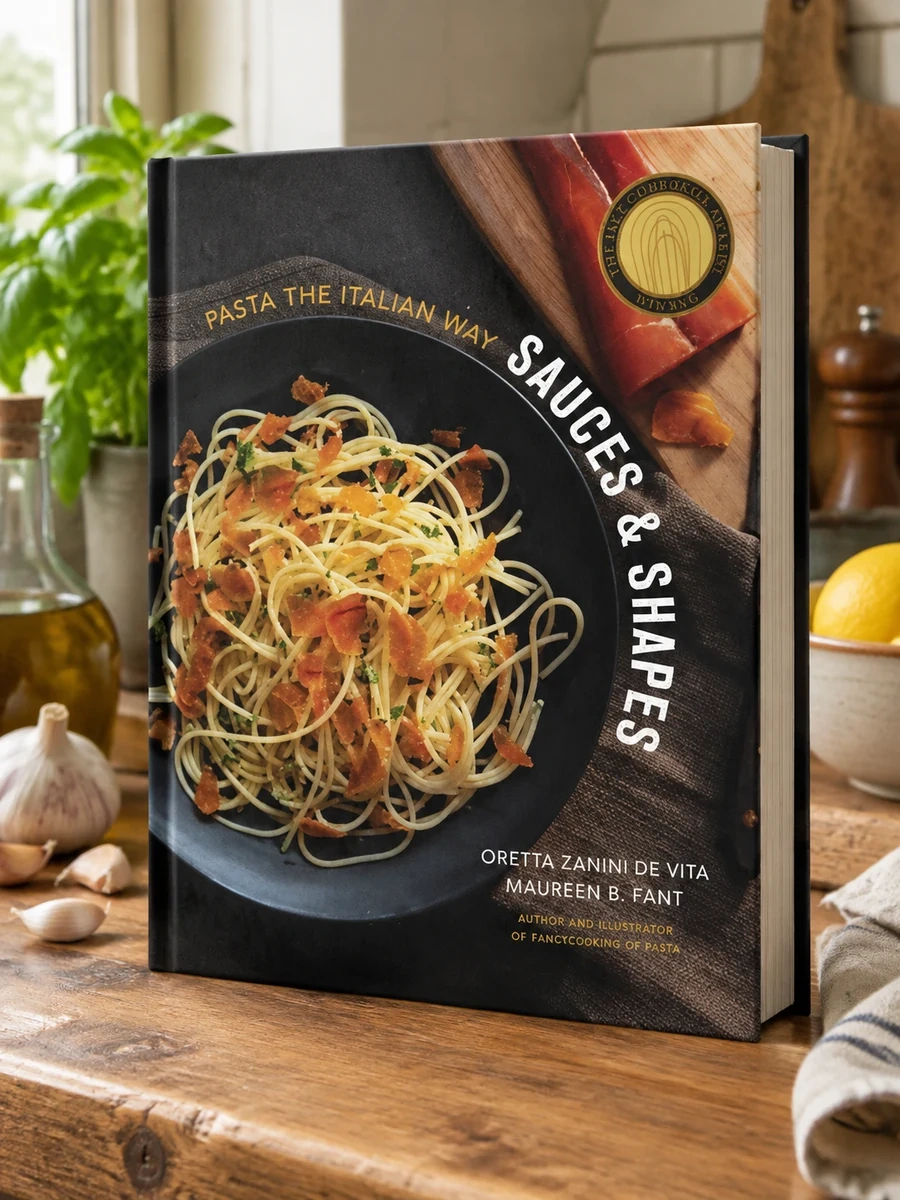
11. Sauces & Shapes: Pasta the Italian Way — Oretta Zanini De Vita
Pasta is often approached as a single ingredient, but its relationship with sauce and shape is what makes the subject so interesting. Oretta Zanini De Vita's Sauces & Shapes: Pasta the Italian Way offers a more considered approach to this familiar food, placing pasta within its Italian culinary tradition rather than treating every shape as interchangeable.
This is a strong choice for someone who loves Italian cooking and wants to understand pasta beyond the basic routine of boiling noodles and adding a sauce. It is also a thoughtful gift for a cook who appreciates the cultural side of food. Its specific focus gives it more character than a generic pasta recipe collection, and its subject is useful enough to revisit regularly.
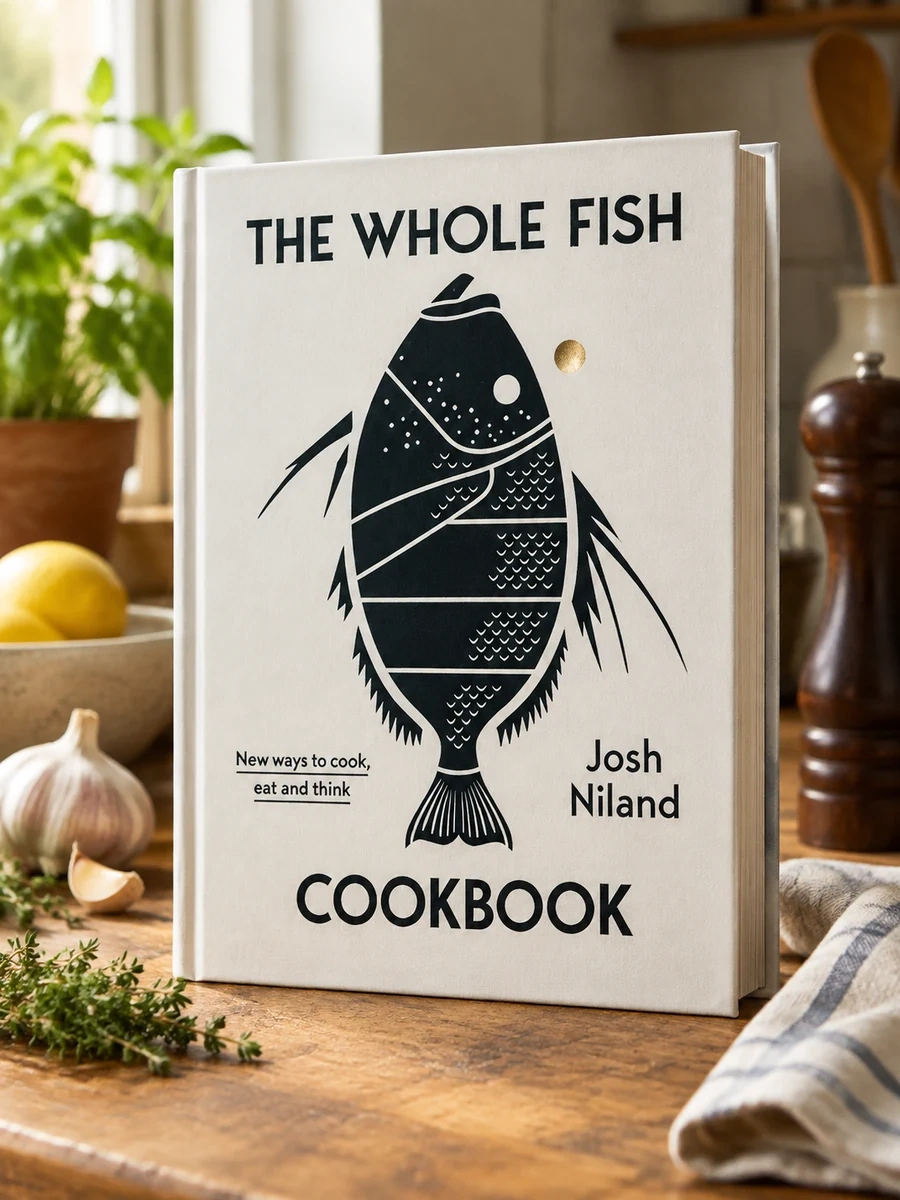
12. The Whole Fish Cookbook: New Ways to Cook, Eat and Think — Josh Niland
For a more ambitious final choice, Josh Niland's The Whole Fish Cookbook: New Ways to Cook, Eat and Think takes seafood in a direction that goes beyond selecting a familiar fillet. Its whole-fish perspective encourages a more complete understanding of the ingredient and makes it especially interesting for cooks who want to approach seafood with greater curiosity and confidence.
This is a substantial gift for an experienced home cook, a seafood enthusiast or someone interested in reducing waste through a more thoughtful approach to ingredients. It is less of a casual introductory recipe collection and more of a specialist addition to a serious cooking library. That makes it a fitting choice for the person who already has the everyday cookbooks covered.
How to choose the right ingredient cookbook as a gift
The best choice depends less on how many recipes a book contains and more on how its subject fits the recipient's habits. A useful ingredient cookbook should give its owner a reason to open it repeatedly. Before choosing, think about what the person already enjoys cooking, what ingredients they buy regularly and whether they prefer practical instructions or a broader exploration of food.
- For everyday home cooks: Choose Vegetable Simple or The Global Pantry Cookbook. Both have broad applications beyond a single special occasion and can influence ordinary meals.
- For gardeners and seasonal cooks: Too Many Chiles! and Zucchini are particularly relevant. They give a familiar harvest a dedicated place in the kitchen library.
- For bakers and dessert lovers: Chocolate Magic and Almonds Every Which Way offer distinct ways to explore ingredients used in sweet cooking.
- For curious cooks: Herbs and Spices of the World and Sauces & Shapes are good choices for people who enjoy understanding the traditions and possibilities behind what they cook.
- For experienced cooks: The Whole Fish Cookbook offers a more specialized subject, while The All-American Bean Book gives a familiar pantry ingredient room for deeper exploration.
It is also worth considering how the book will be used. A general-purpose vegetable cookbook is likely to spend more time on the kitchen counter, while a specialist volume may be opened when a particular ingredient is in season or when the recipient wants to attempt something new. Neither is inherently better. The right book is the one that meets the cook's interests and gives them a reason to keep experimenting.
Finally, think about the difference between a cookbook and a reference book. A recipe-focused title is ideal for someone who wants immediate ideas for dinner, baking or entertaining. A broader ingredient reference is better for a person who likes learning about foods, comparing varieties and understanding how ingredients fit into different cooking traditions. The strongest gift collections often include both kinds.
Ingredient-centered cookbooks make especially satisfying gifts because their usefulness extends beyond the holiday table. A book about beans can change how someone stocks a pantry; a book about citrus can inspire a different approach to baking; a book about chiles can turn a productive garden into a year-round source of flavor. Choose the ingredient that already interests your recipient, or the one you think they would enjoy discovering. Either way, a well-chosen book can make an ordinary trip to the grocery store feel like the beginning of a new cooking idea.