Choosing a cookbook by country is easy enough. Choosing one that actually helps you understand a food culture is harder. Some books are practical collections of recipes for weeknight meals; others are patient explorations of ingredients, regional differences, family traditions and techniques that have been passed between generations. Both can be valuable, but they serve different purposes, and the distinction matters when you are building a cookbook collection from scratch.
If you are looking for the best regional and cultural cookbooks to start with, it helps to think beyond the familiar international-cooking categories. French cooking is not simply one collection of techniques, Indian food cannot be reduced to curry, and the American South contains many distinct culinary histories. A good starting book should give you something to cook while offering a reason to understand where those dishes come from.
Our selection brings together 10 books covering different regions, culinary traditions and approaches to food writing. Some are substantial reference works, some are more approachable introductions, and others focus on a particular community or historical tradition. You do not need to collect all ten. The right first book is the one that connects with the food you want to learn about and the kind of cooking you enjoy doing.
Start with a regional tradition and learn its foundations
For a first purchase, a clearly defined culinary tradition often makes more sense than a book attempting to cover an entire continent. A focused subject gives you room to recognize ingredients, understand recurring techniques and become familiar with the character of a cuisine. These first four books offer different ways into that kind of learning.
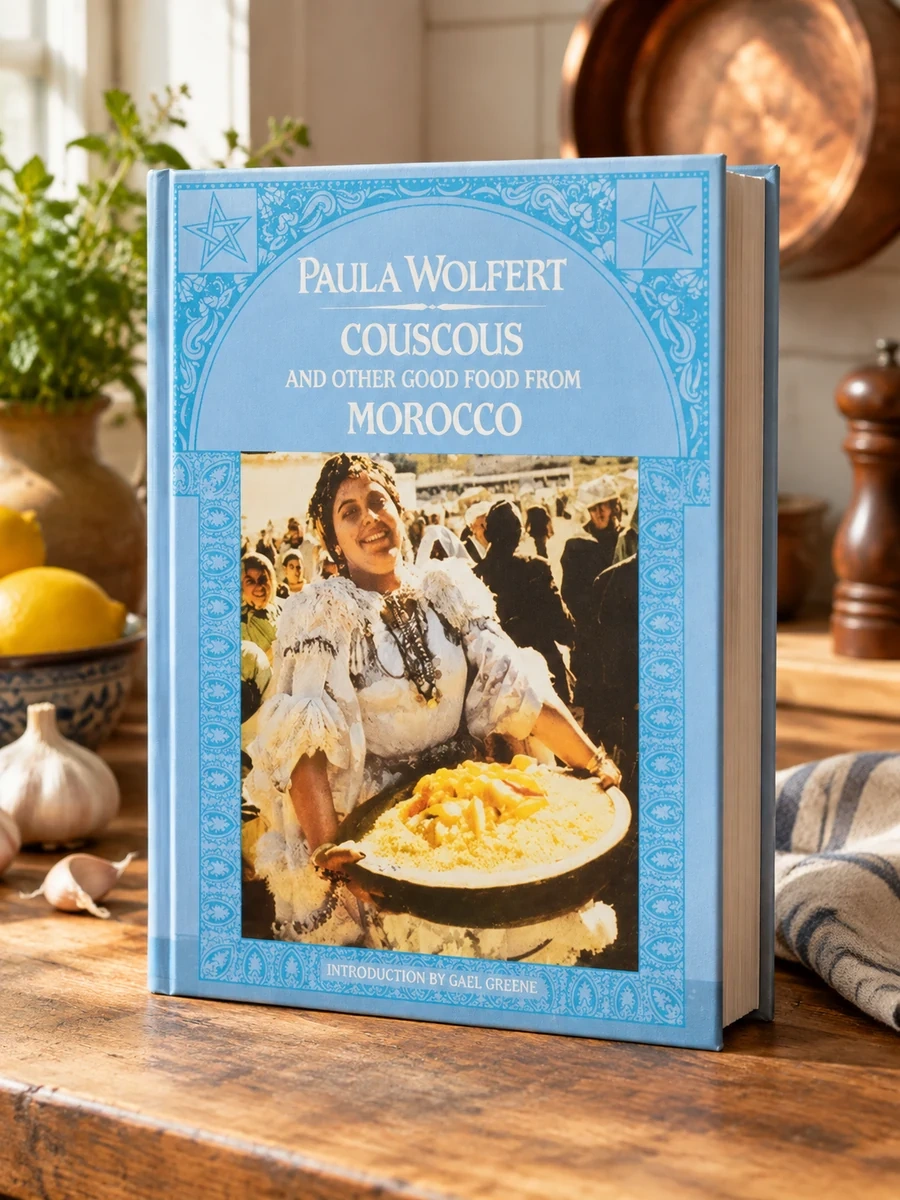
1. Couscous and Other Good Food from Morocco — Paula Wolfert
For readers who want to understand a cuisine through its traditions rather than just collect a handful of popular recipes, Paula Wolfert's book is an especially strong starting point. Its appeal lies in its attention to patient preparation and the culinary practices behind Moroccan food, including the rolling of intricate couscous and the layering of delicate bisteeyas. This is not the book to choose if you want every dinner finished in twenty minutes. It is better suited to cooks who enjoy learning a process and discovering why traditional methods deserve their time.
It also makes a useful first step for anyone interested in North African cooking beyond the dishes already familiar from restaurant menus. Approach it as a book to read as well as cook from, and allow yourself time to work through its more involved preparations.
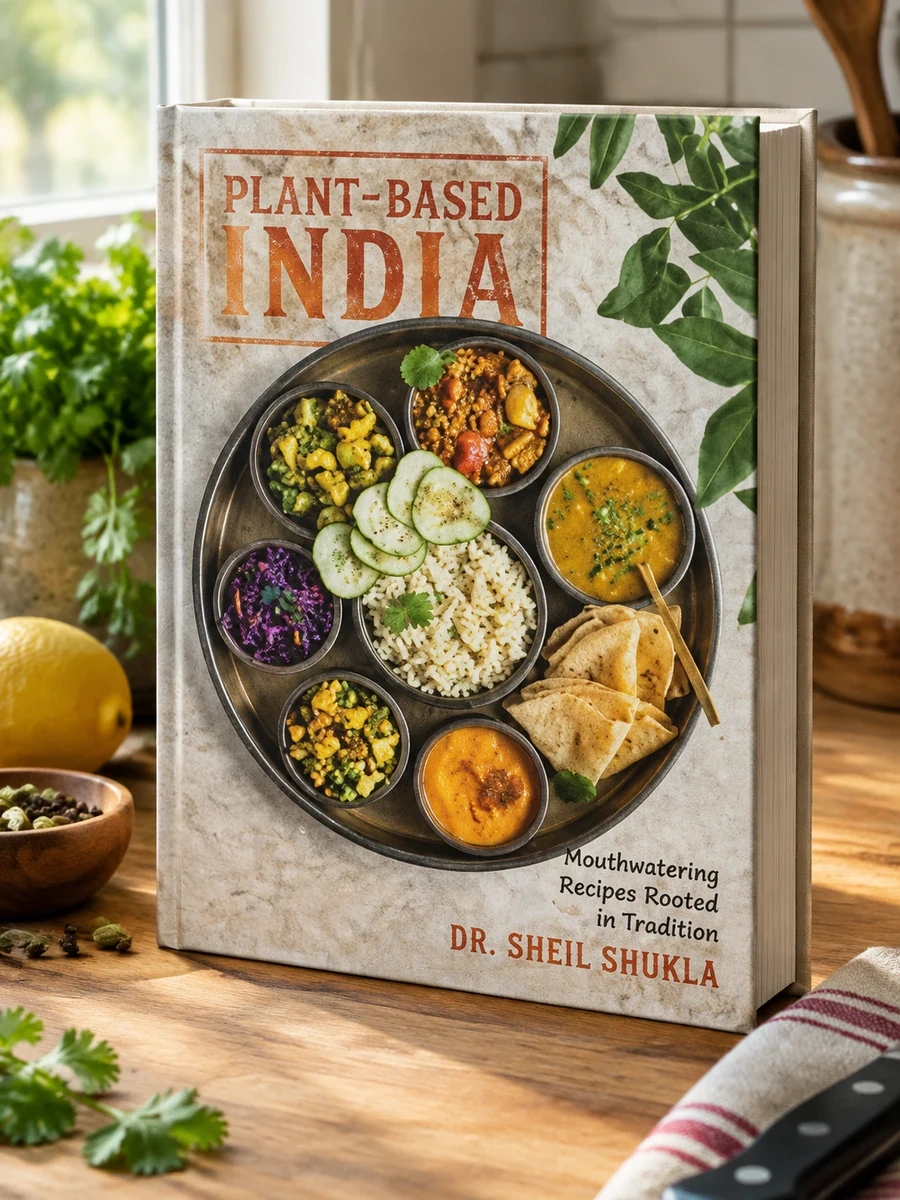
2. Plant-Based India: Nourishing Recipes Rooted in Tradition — Sheil Shukla
Indian cooking is a particularly rewarding area to explore because its traditions encompass a tremendous variety of ingredients, food habits and regional approaches. Sheil Shukla's book offers a plant-based entry point, making it relevant to readers who want to explore Indian culinary traditions through vegetables and other plant-derived ingredients. Its emphasis on recipes rooted in tradition also gives it a different purpose from a generic collection of meat-free international meals.
This is a sensible choice for vegetarians, vegans and anyone trying to make vegetables more central to their cooking without treating them as an afterthought. It is also a good reminder that plant-based cooking is not a modern invention: many established culinary traditions already offer substantial ways to prepare and enjoy food without relying on meat.
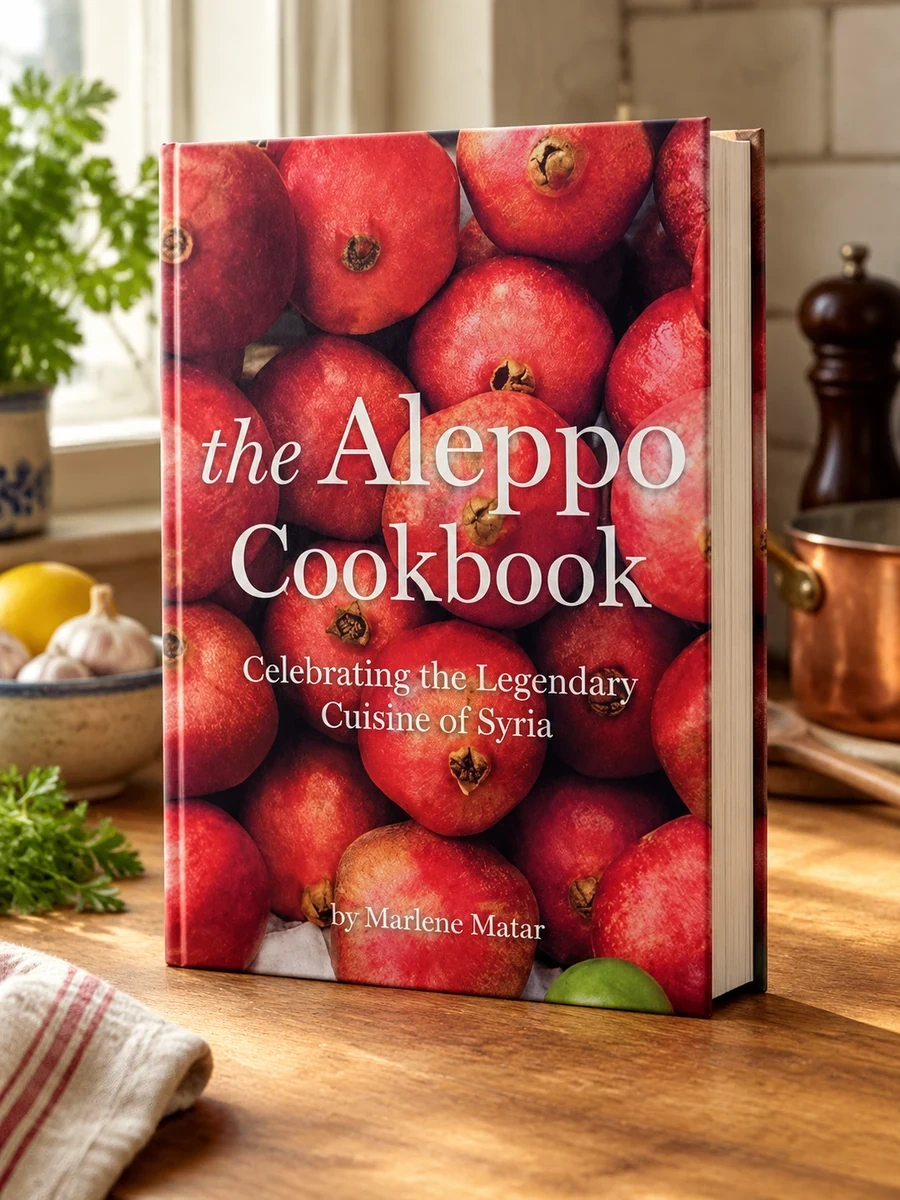
3. The Aleppo Cookbook: Celebrating the Legendary Cuisine of Syria — Marlene Matar
A city-specific cookbook can be an excellent alternative to a broad national introduction. Marlene Matar's book concentrates on Aleppo and its culinary identity, giving readers a defined subject rather than attempting to represent every part of Syrian cooking. That focus makes it particularly interesting for anyone who wants to understand how a place develops its own food traditions.
Choose this book if you are curious about Syrian cuisine or already enjoy cooking from the wider Middle Eastern region. It is also a worthwhile companion to a more general introduction to Levantine food, because exploring one particular culinary tradition can make the differences between neighboring food cultures easier to appreciate.
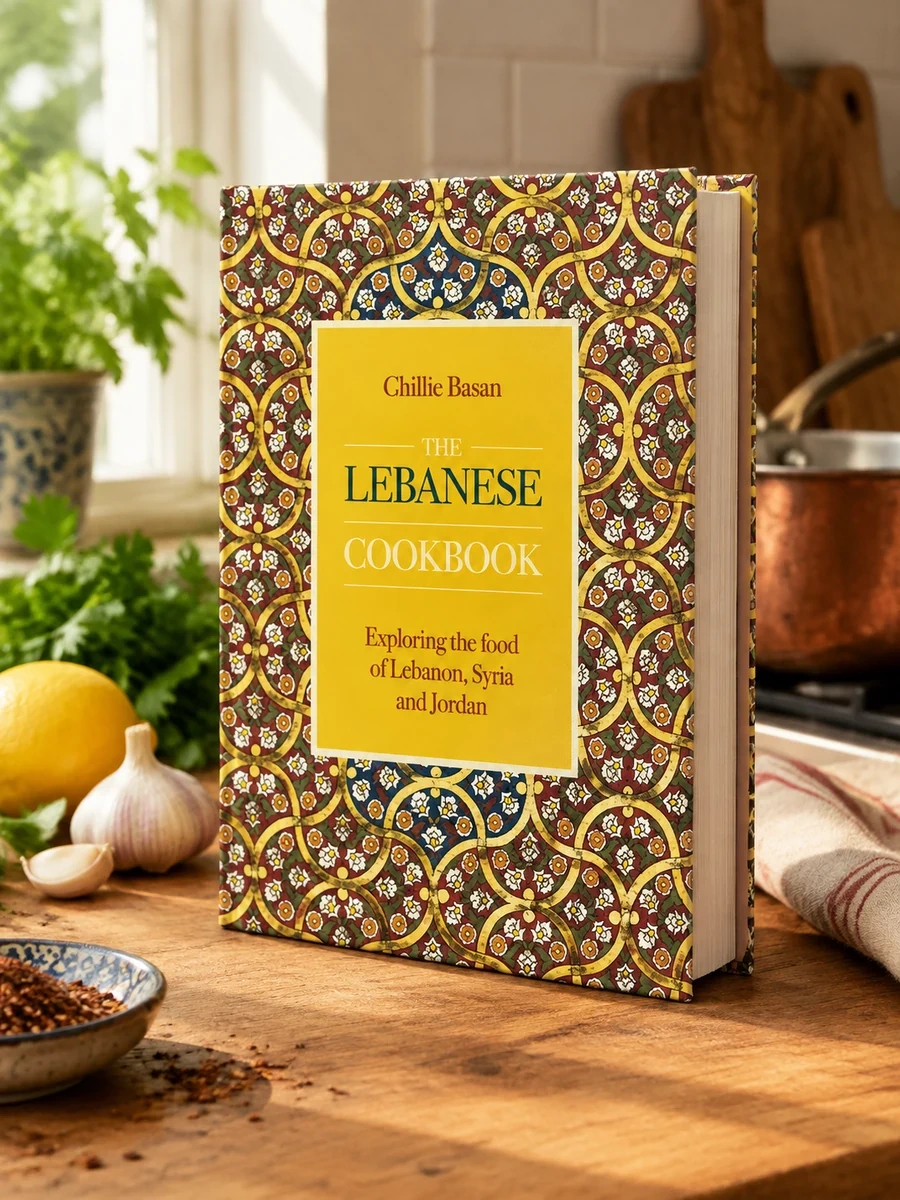
4. Lebanese Cookbook: Exploring the Food of Lebanon, Syria and Jordan — Ghillie Basan
Where the Aleppo book offers a focused regional subject, Ghillie Basan's cookbook takes a wider approach to Lebanon, Syria and Jordan. That makes it a useful option for someone who wants to explore neighboring culinary traditions together rather than begin with a single city. The geographical scope is particularly helpful for readers who are still discovering which parts of Levantine cooking interest them most.
It is a practical starting choice for building familiarity with the food of this part of the Middle East. If you are deciding between the two books, think about your preferred level of focus: choose Matar for a closer look at Aleppo, or Basan for a broader regional introduction.
Build a foundation in European regional cooking
European cookbooks can be deceptively broad. A book about French cooking may be a technical reference, a portrait of provincial home cooking or a collection of dishes associated with a particular way of eating. Italian cooking presents a similar distinction between national introductions and books that pay attention to local ingredients and habits. The following three choices offer different starting points.
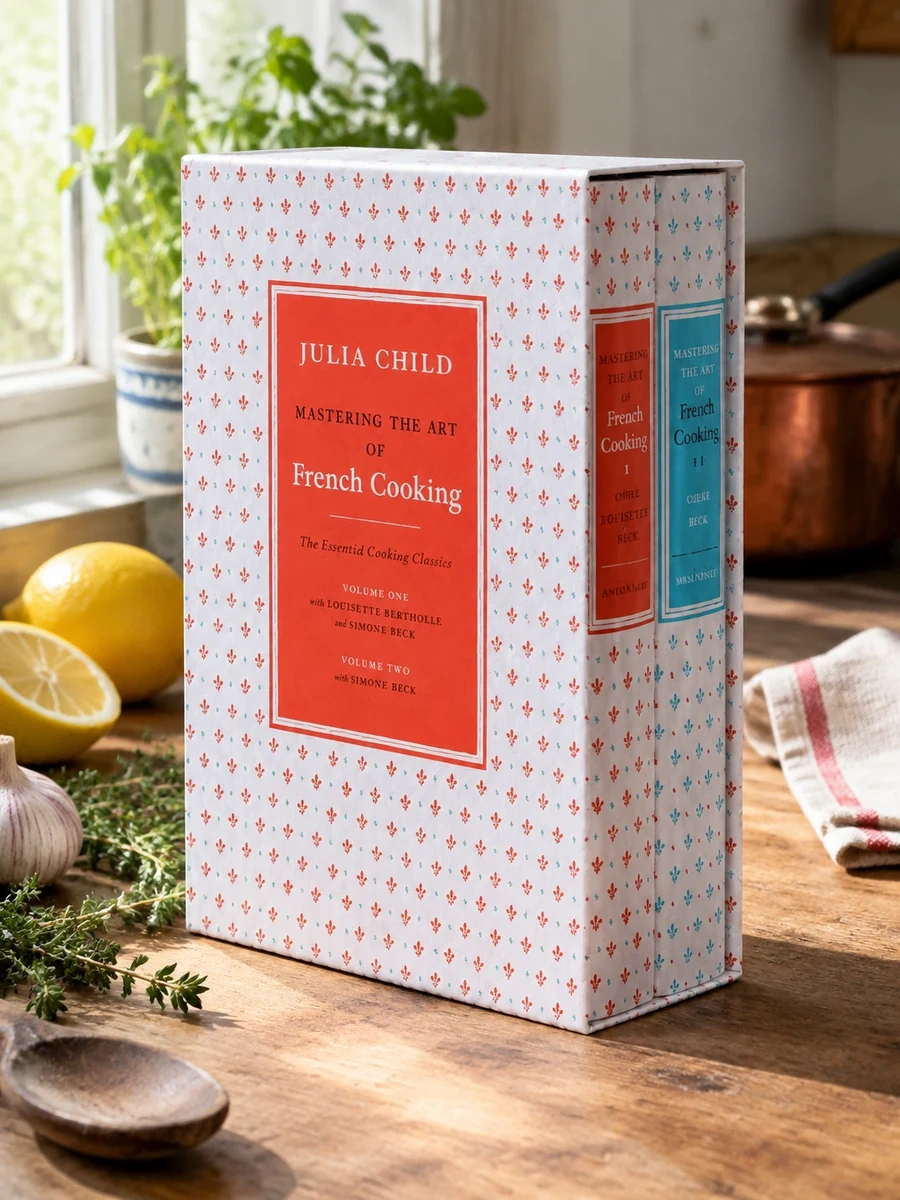
5. Mastering the Art of French Cooking (2 Volume Box Set): A Cookbook — Julia Child
For many home cooks, Julia Child's two-volume work is the natural place to begin when French cooking is the subject. Its substantial format signals that this is a serious culinary reference rather than a quick collection of fashionable recipes. It is a good fit for readers who want to build confidence with classic French cooking and are willing to spend time learning their way around a comprehensive cookbook.
There is a difference between owning a reference work and using it regularly, so consider how you like to cook before choosing this set. If you enjoy having a substantial resource to return to, it can become a foundation for a long-term collection. If you prefer shorter, more narrowly focused books, Elizabeth David's approach below may be more appealing.
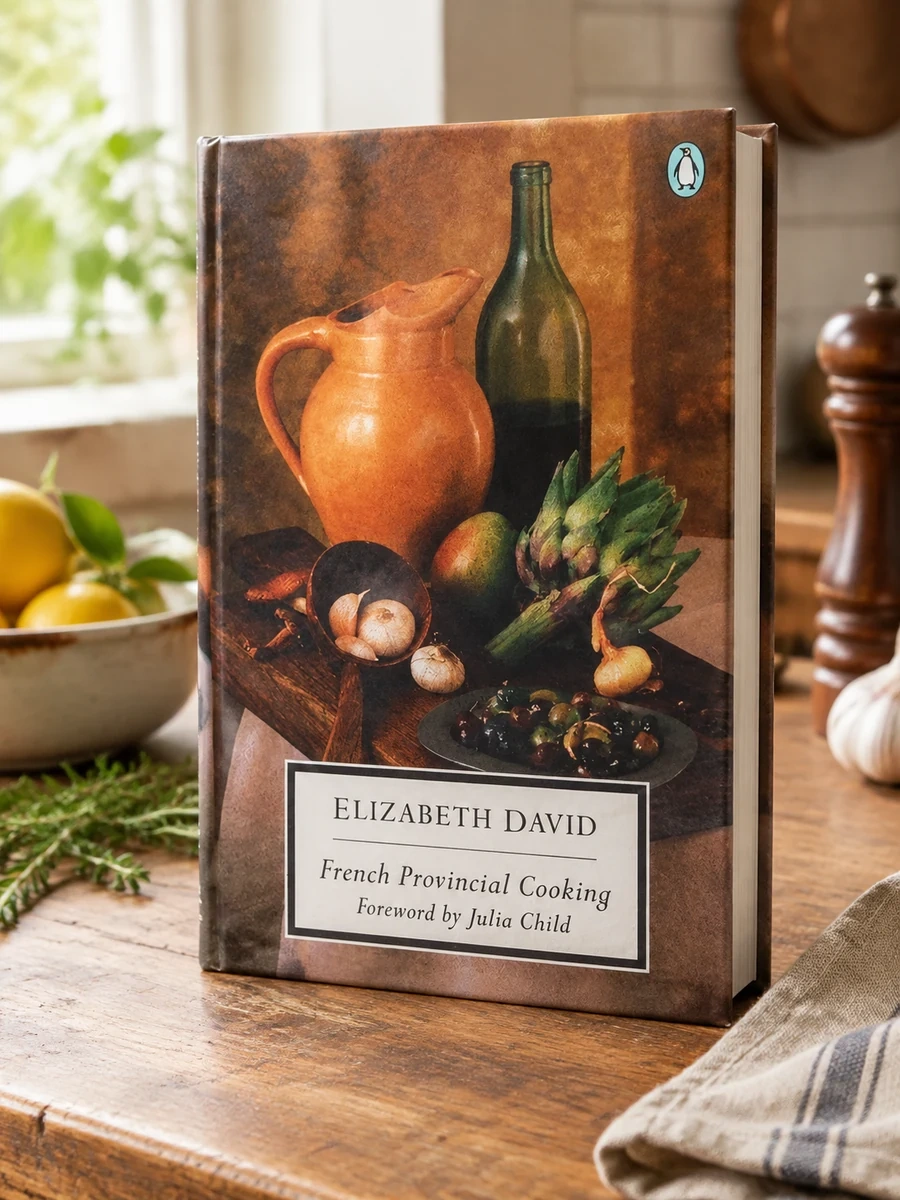
6. French Provincial Cooking — Elizabeth David
Elizabeth David offers a different route into French food. This book suits patient home cooks and devoted Francophiles who enjoy traditional, unhurried recipes built around seasonal ingredients and straightforward cooking. Rather than approaching French cuisine primarily as a technical curriculum, it appeals to readers interested in the character of provincial food and the pleasures of traditional home cooking.
It is particularly appropriate if your interest in regional cuisine begins with the everyday food of a place rather than restaurant-style presentation. Consider it a companion for cooks who enjoy reading recipes carefully, shopping with the seasons and allowing a dish to take the time it needs. It also makes an interesting contrast with Child's more substantial two-volume reference.
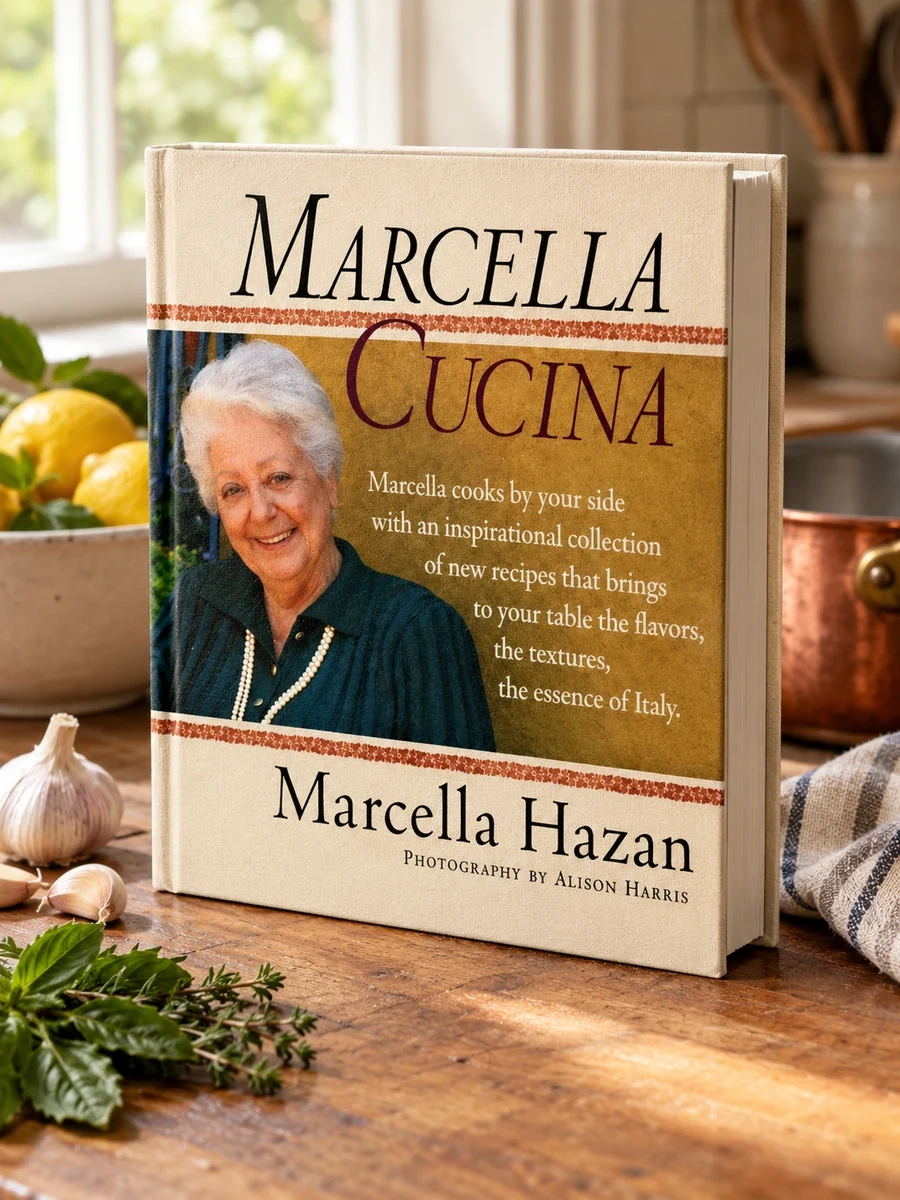
7. Marcella Cucina — Marcella Hazan
Italian cooking is another subject where it pays to move beyond the idea of a single national cuisine. Marcella Hazan's Marcella Cucina is a strong candidate for readers interested in Italian food and the approach of one of its important cookbook voices. It belongs on a regional-cooking shortlist for anyone who wants to build a collection around traditional European food rather than rely exclusively on contemporary convenience-oriented recipe books.
This is a good choice if Italian cooking is the tradition you are most motivated to explore. A cookbook becomes much more useful when you return to it, and starting with a subject you already love is often a better strategy than choosing the most comprehensive book available. Pair it with a more specifically ingredient-focused Italian title if you eventually want to broaden your collection.
Explore the foodways of communities, regions and histories
Some of the most rewarding regional cookbooks are not organized around a single national cuisine. They tell stories about communities, migration, local ingredients, celebrations and the historical circumstances that shape what people eat. For readers interested in food as cultural history as much as practical cooking, these final three books offer particularly distinctive starting points.
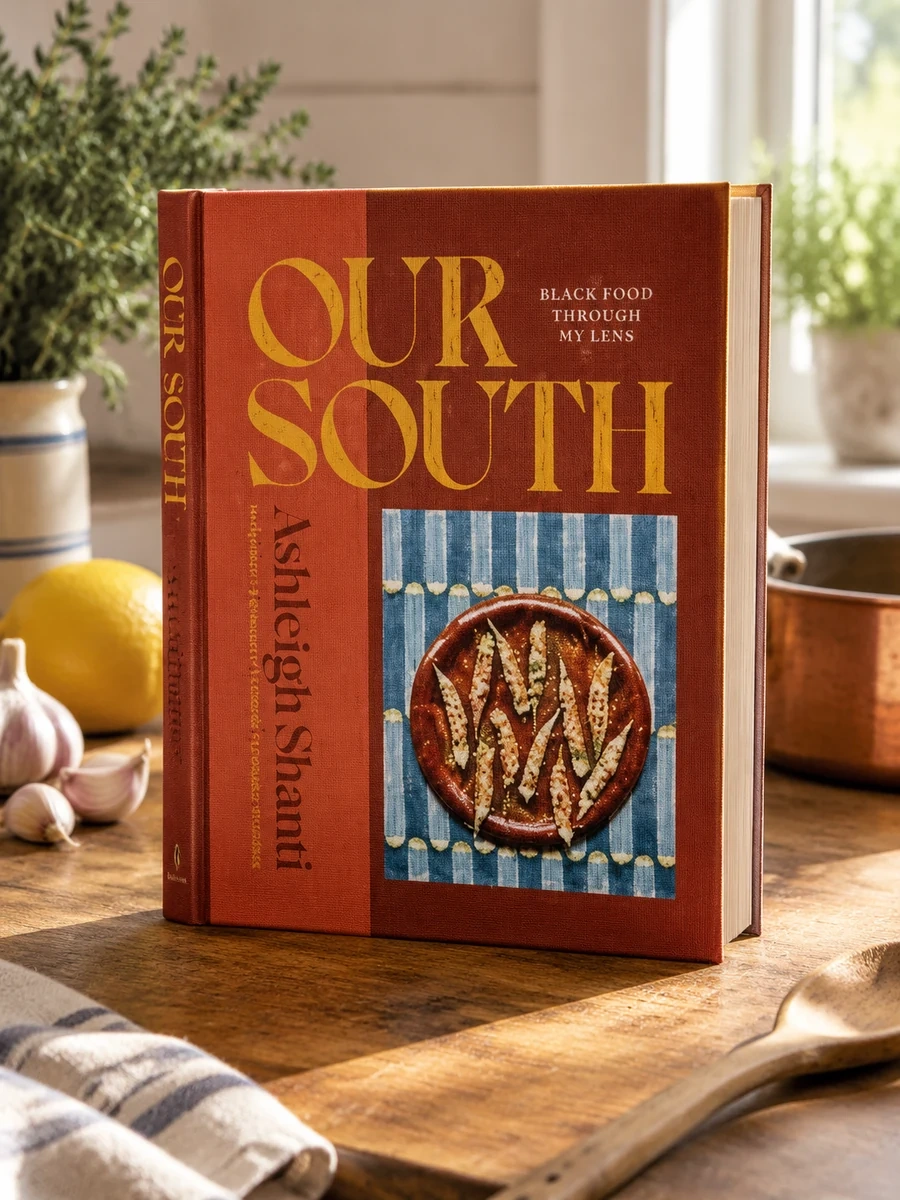
8. Our South: Black Food Through My Lens — A Cookbook — Ashleigh Shanti
American Southern cooking is often presented as a familiar collection of comfort-food classics. That picture is incomplete without attention to the Black culinary experiences and contributions that have helped shape the region's foodways. Ashleigh Shanti's Our South offers a perspective specifically identified with Black food through the author's lens, making it an important addition to a collection interested in the cultural dimensions of American cooking.
It is a particularly good starting choice for readers who want their Southern cookbook shelf to reflect more than one perspective. Rather than treating regional food as a fixed collection of dishes, approach this book as an opportunity to engage with the personal and cultural viewpoints that help give a cuisine its meaning.
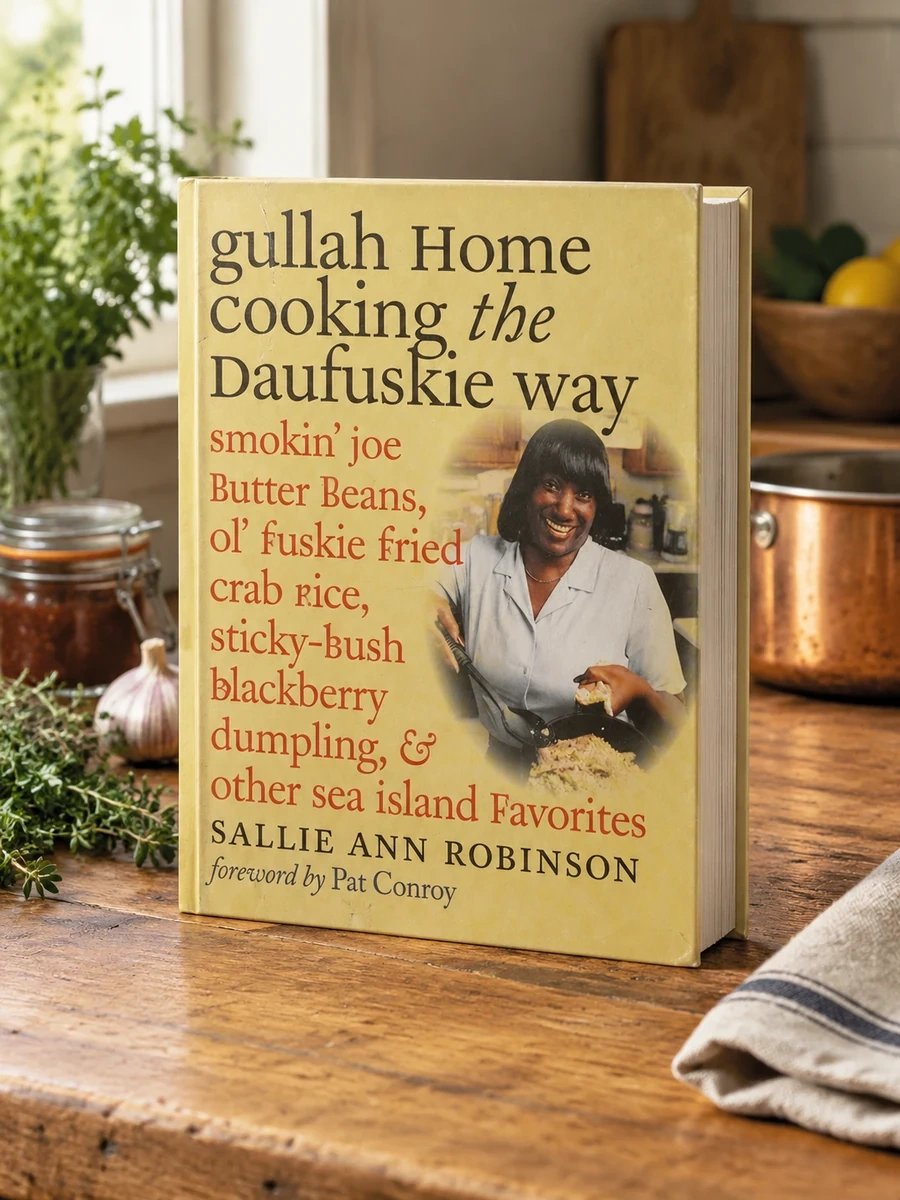
9. Gullah Home Cooking the Daufuskie Way: Smokin' Joe Butter Beans, Ol' 'Fuskie Fried Crab Rice, Sticky-Bush Blackberry Dumpling, and Other Sea Island Fa — Sallie Ann Robinson
For a more geographically specific exploration of Southern food, Sallie Ann Robinson's book focuses on Gullah home cooking and the Daufuskie Island tradition. Even its full title signals the importance of particular dishes and local food identity. It is a useful reminder that regional cooking is not always best understood through broad state or national categories: individual communities and places have culinary traditions worth exploring in their own right.
This book is especially suited to readers who want to look beyond generalized Southern cooking and discover a more specific food culture. It also pairs naturally with Our South. The two books approach Black Southern food from different stated perspectives, making them a thoughtful combination for anyone developing a more informed American regional cookbook collection.
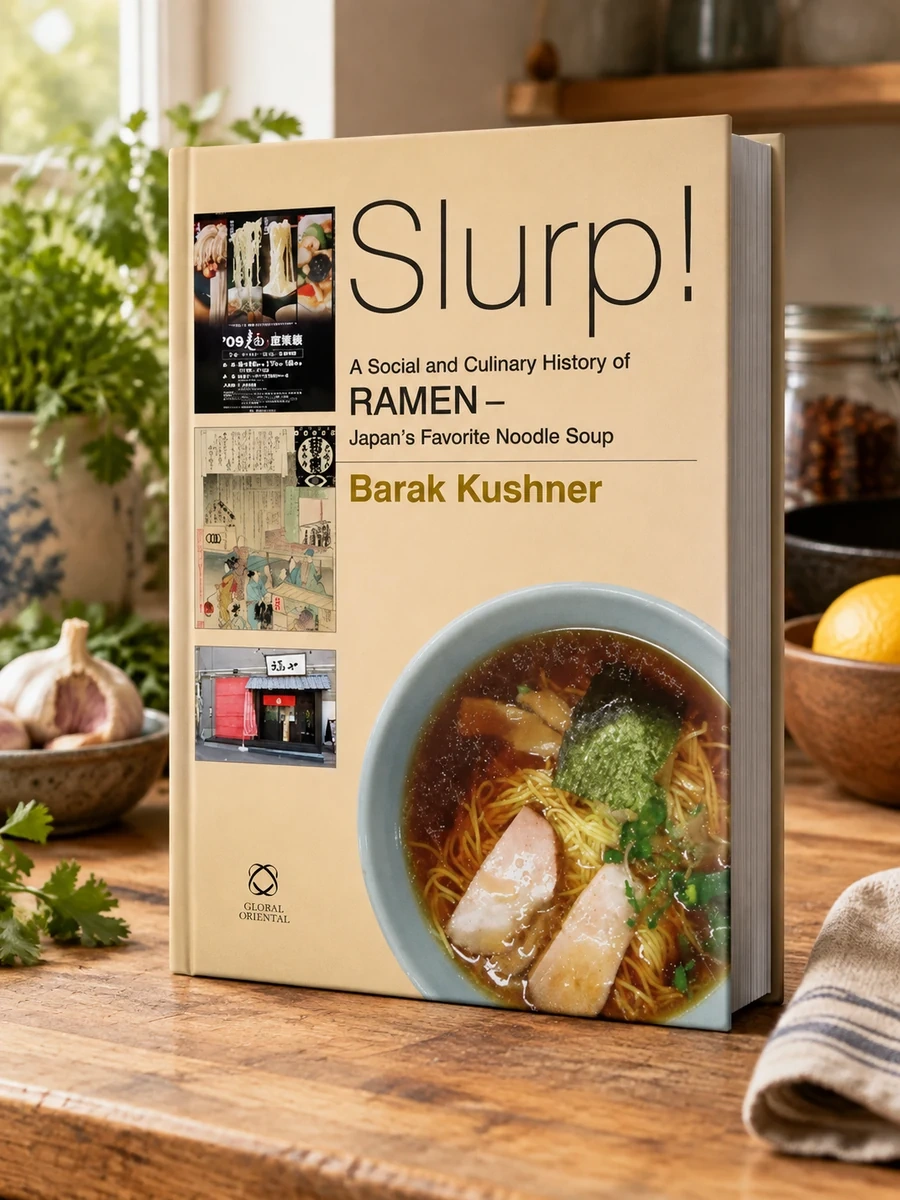
10. Slurp! A Social and Culinary History of Ramen — Japan's Favorite Noodle Soup — Barak Kushner
Not every worthwhile food book needs to be a conventional recipe manual. Barak Kushner's Slurp! approaches ramen through its social and culinary history, making it a distinctive choice for readers who want to understand the cultural background of a familiar food. Its subject is focused enough to give readers a clear starting point while connecting cooking to the wider story of how a dish becomes an important part of a food culture.
This is the book to consider if you are interested in food writing, culinary history and the social significance of everyday dishes. It is also a useful counterbalance to a shelf filled exclusively with practical recipe collections. Understanding why a dish matters can make cooking and eating it a more interesting experience.
How to choose your first regional or cultural cookbook
With ten very different books in view, the best choice depends on what you want from your first exploration. A few straightforward questions can narrow the field considerably.
- Do you want to cook immediately? Start with a subject that matches your everyday habits. If vegetables are already central to your meals, Plant-Based India is a natural option. If you are drawn to Moroccan cooking and enjoy more involved preparation, Wolfert's book offers a more demanding experience.
- Are you interested in technique or culinary context? Choose Julia Child if you want a substantial French cooking reference. Choose Slurp! if the social and historical background of a dish interests you as much as the food itself.
- Would you prefer a broad region or a specific community? Basan's Lebanese cookbook explores three neighboring countries, while Matar concentrates on Aleppo. For American Southern food, Robinson's Daufuskie-focused book offers a more localized perspective than a general regional overview.
- Do you enjoy slower, traditional cooking? Wolfert and Elizabeth David are especially suitable for readers who appreciate patient preparation and established culinary practices. Neither is the obvious choice for someone whose main priority is speed.
- Are you building a collection rather than buying a single book? Avoid collecting several books that serve exactly the same purpose. A broad reference, a focused regional cookbook and a cultural food-history title will give you more varied ways to learn.
One final point: treat any regional cookbook as an introduction, not the final word on an entire culture. Food traditions are varied, change over time and often differ between families and communities. A single author can offer a valuable perspective without representing every experience within a country or region.
For a balanced first collection, we would begin with three contrasting books: one practical introduction to a cuisine you want to cook, one focused account of a particular regional tradition, and one book that explores the social or historical context of food. That combination gives you recipes to try, traditions to investigate and a reason to keep reading. Most importantly, it turns a cookbook shelf into a way of understanding the people and places behind the food.