A good wine book can change the way someone approaches an ordinary bottle. It might help a curious newcomer understand the difference between familiar wine styles, give an aspiring sommelier a broader foundation for studying the subject, or inspire an experienced enthusiast to investigate the history behind a favorite region. For someone who already enjoys wine, the right book can be just as satisfying as discovering a particularly memorable vintage.
Choosing a wine book as a gift, however, takes a little thought. A practical introduction is not necessarily what an experienced collector wants, and a technical reference may feel overwhelming to someone who simply enjoys sharing wine with friends. The most successful gift matches the reader's interests, knowledge, and reasons for opening a bottle in the first place.
This guide brings together 12 wine books from different corners of our catalog. Rather than treating them as interchangeable recommendations, we've grouped them by the kind of reader who is most likely to appreciate them, from first-time explorers to regional wine-history enthusiasts. Some are approachable introductions, others are reflective or historical works, and a few offer particularly interesting perspectives on the culture surrounding wine.
For Curious Beginners and Aspiring Wine Students
Newcomers often need two things: a comfortable introduction to wine vocabulary and a framework for understanding what they taste. More ambitious students may want a broader reference to consult as their knowledge develops. These three books offer different starting points without assuming that every reader wants to become a professional.
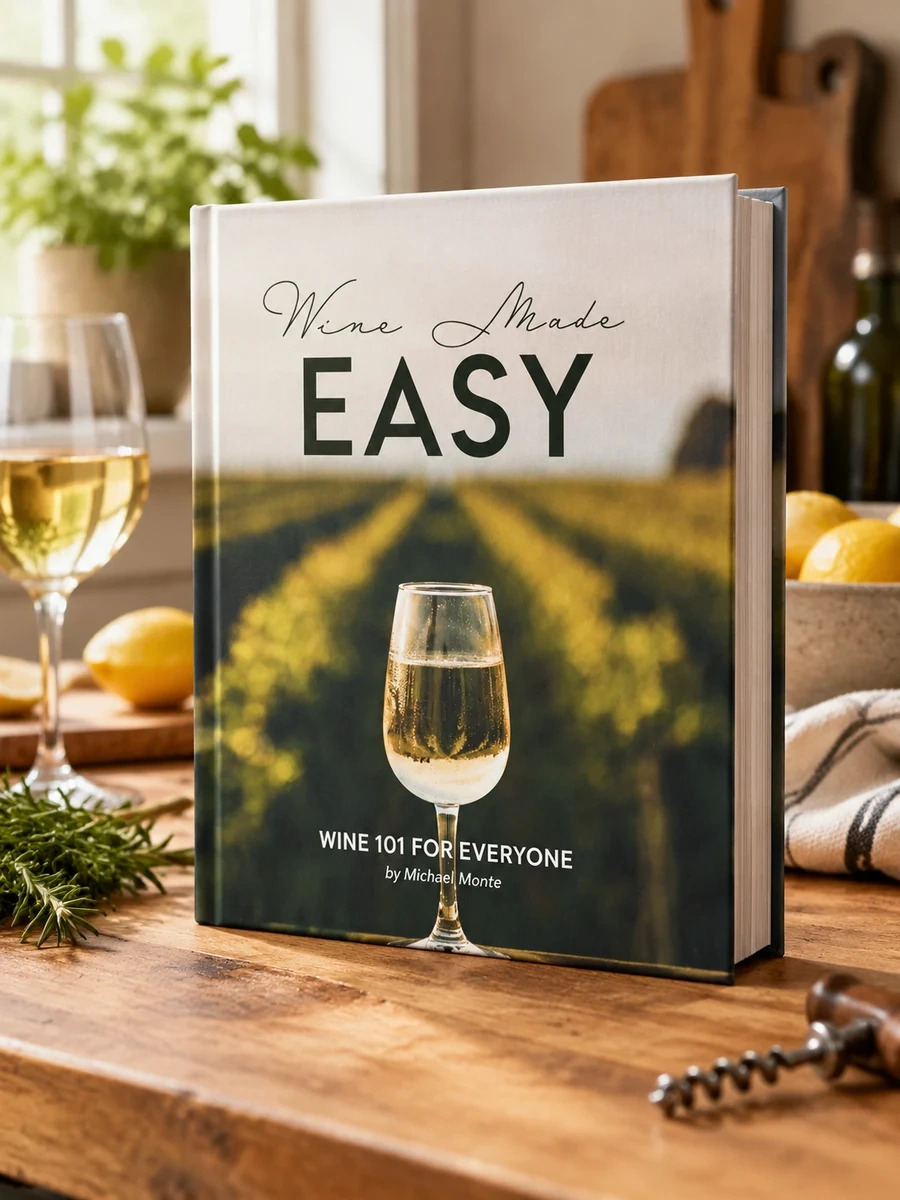
1. Wine Made Easy: Wine 101 For Everyone — Michael Monte
Some wine introductions make the subject sound more complicated than it needs to be. Michael Monte's title promises a straightforward introduction, making this a sensible choice for someone who wants to become more comfortable with wine without first learning an intimidating amount of specialist terminology. Its Wine 101 positioning makes it particularly suitable as a first wine book or as a companion to someone beginning to explore different bottles.
Give this to the friend who regularly asks what makes one wine different from another, or the relative who wants to feel more confident choosing a bottle for dinner. It is also a useful starting point before moving on to more specialized references. The appeal here is accessibility: a beginner needs a welcoming introduction before needing an advanced discussion of winemaking or wine criticism.
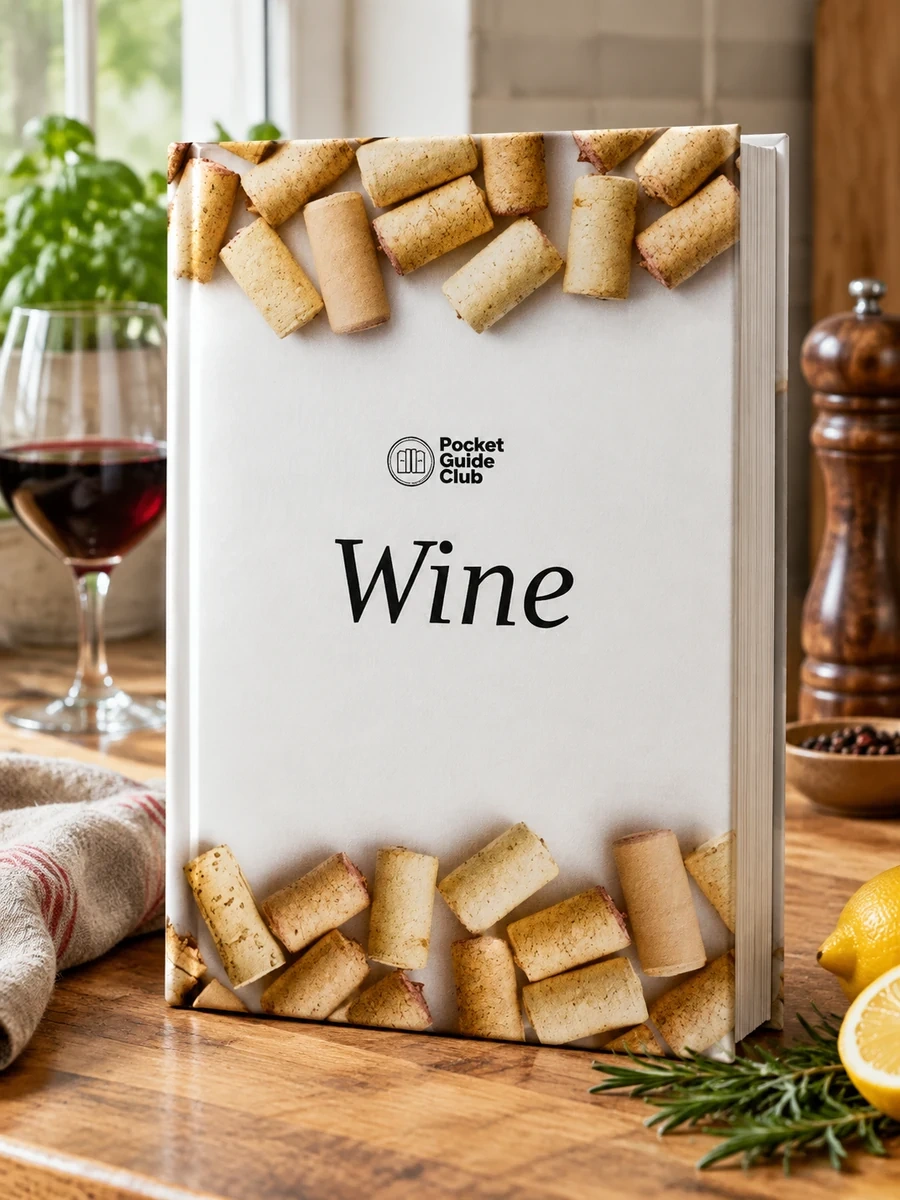
2. Wine — Pocket Guide Club
A compact guide can be a particularly thoughtful gift for someone who prefers to learn in small increments. Simply titled Wine, this Pocket Guide Club publication has the appeal of a concise reference rather than a substantial academic undertaking. Its format and broad subject make it a reasonable choice for a reader who wants a convenient introduction to keep close at hand.
Consider it for a student, a casual wine drinker, or someone who is starting to pay more attention to the bottles they encounter in restaurants and shops. It is also a good pairing with a more personal gift, such as a wine journal or a tasting experience. For an aspiring sommelier, it can serve as an introductory companion, although it should not be mistaken for a professional certification textbook or comprehensive examination manual.
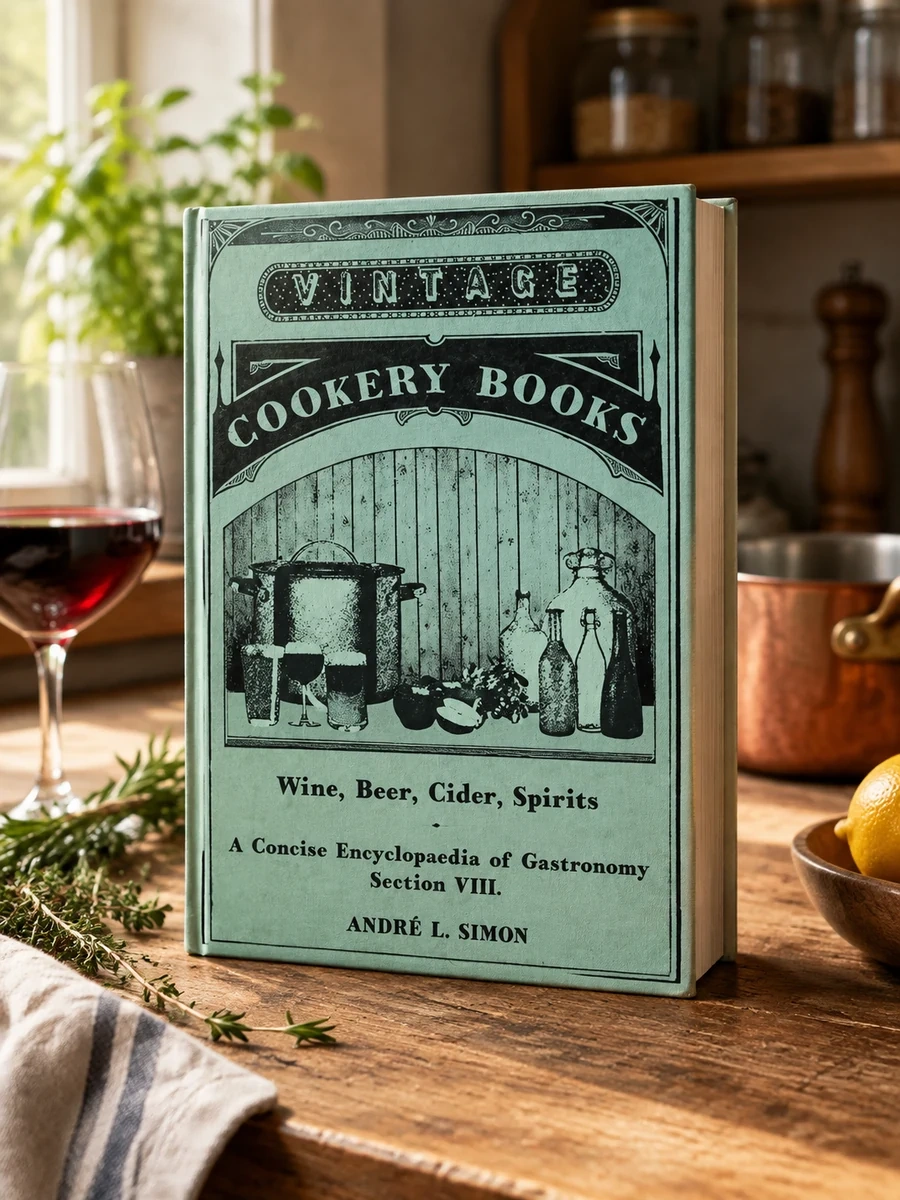
3. Wine, Beer, Cider, Spirits - A Concise Encyclopaedia of Gastronomy - Section VIII. — André L. Simon
Readers who are beginning to take beverage studies seriously may appreciate a reference that places wine alongside other established drinks traditions. André L. Simon's encyclopaedia section has a more reference-oriented identity than a casual introductory guide, making it an interesting addition for someone who enjoys looking up information and building a wider understanding of gastronomy.
This is the pick for the aspiring sommelier who is interested in the larger context of drinks rather than wine in isolation. It can also suit a culinary student, a food historian, or an enthusiast who likes having reference material available for independent reading. Its broader scope is precisely the attraction: wine has always existed within a wider culture of production, service, food, and drinking customs.
For Hosts, Tasting Enthusiasts, and Wine-Loving Friends
Not everyone wants to study wine systematically. Some people enjoy the social side: opening bottles with friends, remembering interesting discoveries, and finding new ways to bring food and wine together. For these readers, a gift should encourage participation and enjoyment rather than feel like homework.
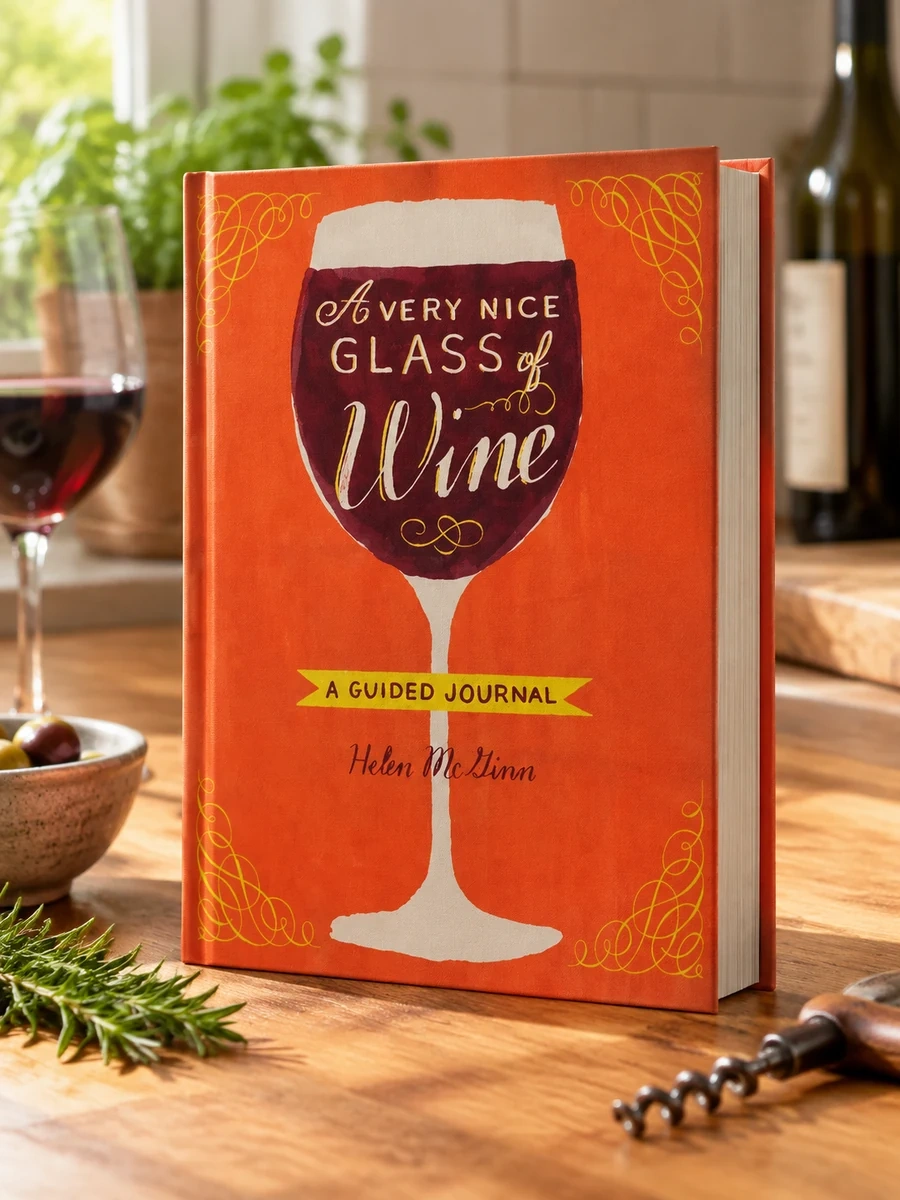
4. A Very Nice Glass of Wine: A Guided Journal — Helen McGinn
There is something appealing about turning an enjoyable habit into a record of personal discoveries. Helen McGinn's guided journal offers a more interactive approach to wine appreciation than a conventional reference book. Rather than simply reading about wine, the recipient gets a dedicated place to engage with their own experiences and observations.
This makes it a particularly good present for someone who attends tastings, enjoys comparing bottles, or likes keeping notes about memorable meals. It also works well for couples who enjoy trying different wines together: a shared journal can become a record of favorite discoveries and occasions. The guided format is a useful distinction because it gives the reader an activity to return to, rather than a book they may finish once and put away.
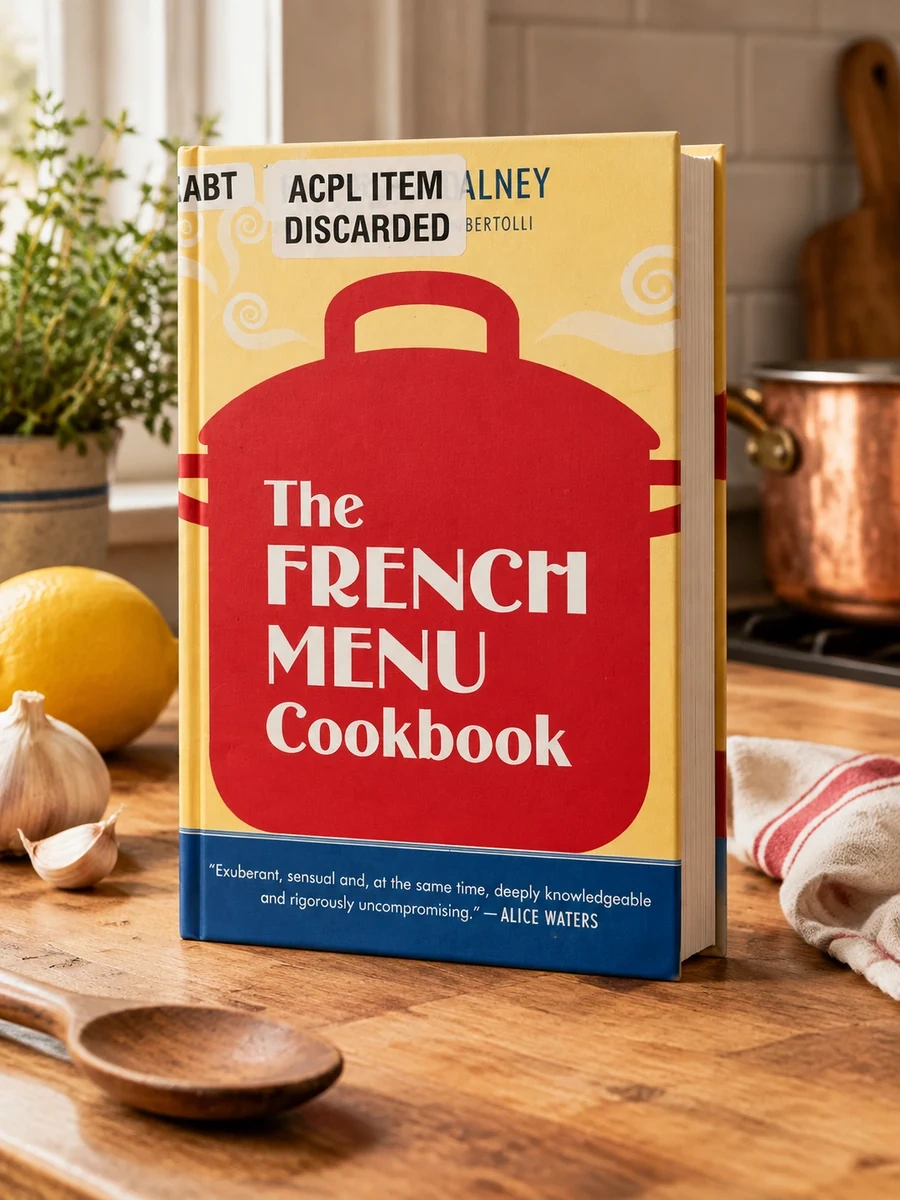
5. The French Menu Cookbook: The Food and Wine of France—Season by Delicious Season — Richard Olney
For the home entertainer, wine becomes especially interesting when considered alongside a complete meal. Richard Olney's cookbook brings food and wine together through the seasonal traditions of French dining, with menus designed around the relationship between dishes and the table as a whole. That makes it a more distinctive present than a conventional guide to grape varieties.
Give this to someone who enjoys planning dinner parties, cooking for guests, or recreating the atmosphere of a traditional French meal at home. Its seasonal approach is particularly attractive to hosts who like building menus around ingredients and occasions rather than choosing unrelated recipes. It is not a dedicated sommelier manual, but its combined attention to food, wine, and entertaining gives it a valuable place on a wine lover's bookshelf.
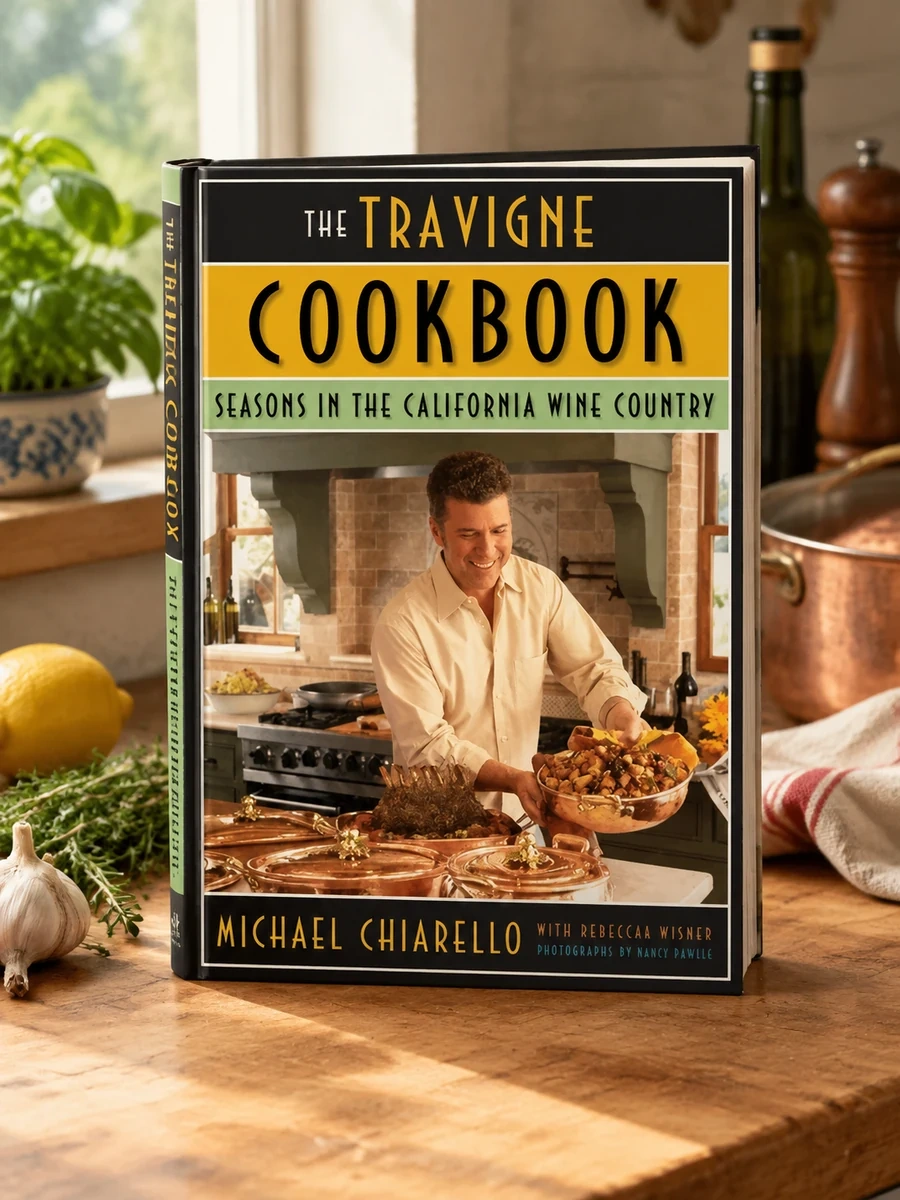
6. The Tra Vigne Cookbook: Seasons in the California Wine Country — Michael Chiarello
California wine country provides a natural setting for a book that connects cooking with the pleasures of the table. Michael Chiarello's The Tra Vigne Cookbook approaches the subject through seasonal cooking and the culinary identity associated with California wine country. It offers a different kind of wine-related gift: one that puts food and hospitality at the center of the experience.
This is an excellent candidate for a host who enjoys cooking, entertaining, and creating relaxed meals around good ingredients. It can also appeal to someone who has visited California wine country and wants a cookbook that recalls the region's dining culture. Pairing food-focused reading with wine appreciation makes sense for anyone who believes that the best bottle is often the one shared over a memorable meal.
For Collectors and Enthusiasts Who Want a Different Perspective
Experienced wine drinkers often have their own established preferences. They may already recognize familiar varieties and styles, but still enjoy discovering the stories, debates, and people behind the industry. These books are especially interesting for readers who want to question conventional wine wisdom or explore the forces that influence what reaches the glass.
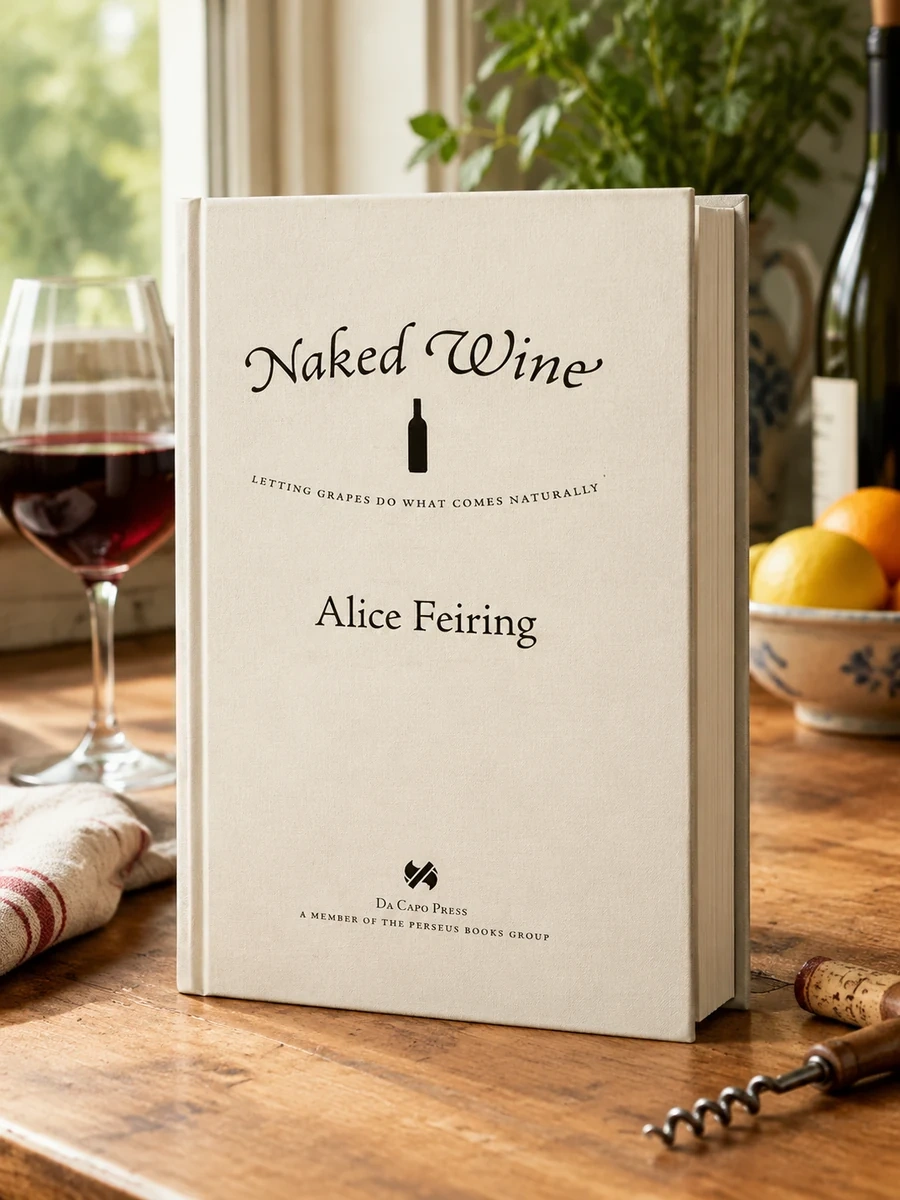
7. Naked Wine — Alice Feiring
Alice Feiring's Naked Wine is an appealing choice for someone interested in discussions about how wine is made and what winemaking philosophy means. Its subject makes it particularly relevant to readers curious about natural wine and the arguments surrounding intervention, authenticity, and production choices. Rather than approaching wine purely as a collection of labels and tasting descriptions, it offers a perspective on the ideas behind the bottle.
Give it to the enthusiast who enjoys asking questions about farming, cellar practices, and the relationship between a wine's production and its character. It is also a thoughtful gift for someone who has started exploring wines made with less intervention and wants to understand the wider conversation. Readers who enjoy debate and independent viewpoints will find this more engaging than another basic guide to popular grape varieties.
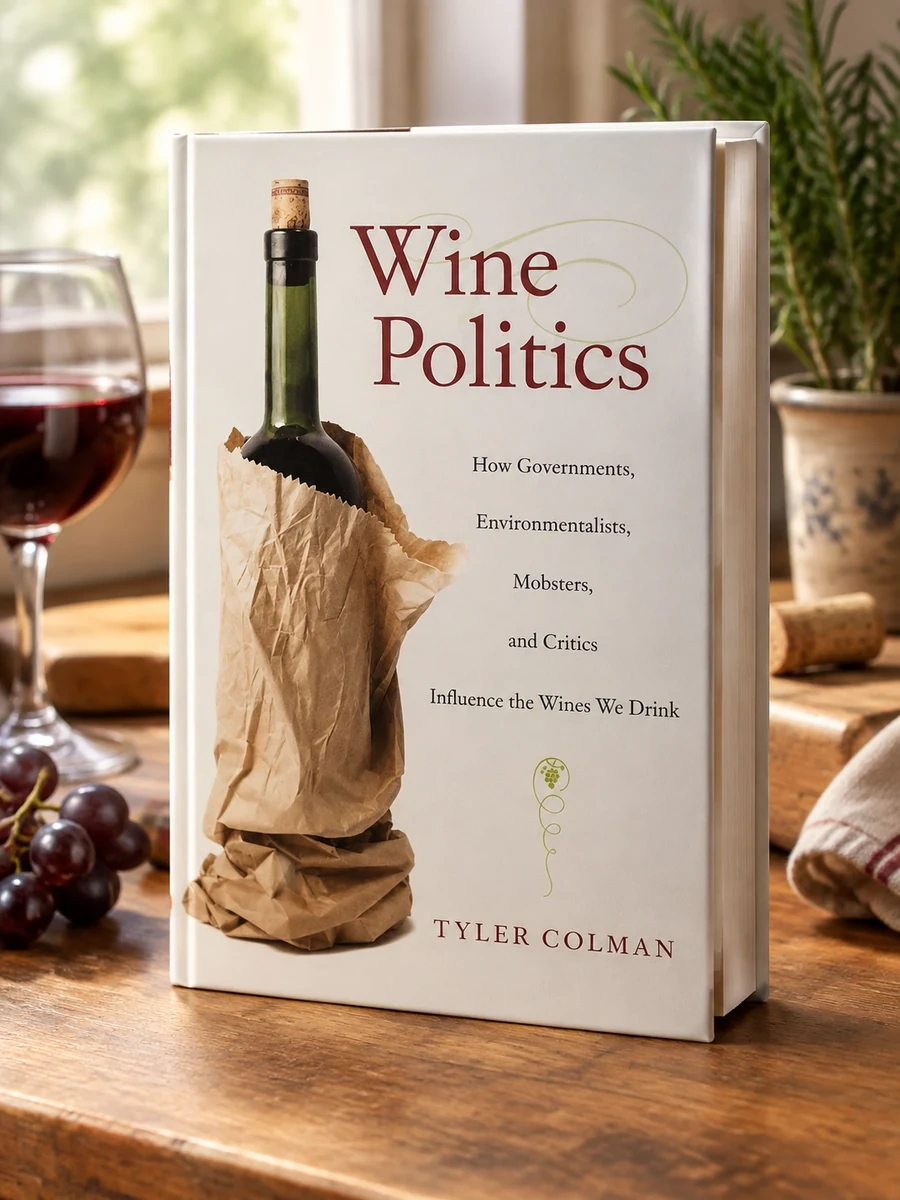
8. Wine Politics: How Governments, Environmentalists, Mobsters, and Critics Influence the Wines We Drink — Tyler Colman
Wine is not produced or sold in a vacuum. Government policy, environmental concerns, commercial interests, and critical opinion all influence the industry and the bottles available to consumers. Tyler Colman's Wine Politics takes these forces as its subject, offering an analytical perspective for readers who want to understand wine beyond tasting notes and regional classifications.
This is a particularly good gift for an experienced enthusiast who enjoys the business, cultural, and political questions surrounding food and drink. It may also suit a journalist, student, or professional interested in the wine trade. For someone who already owns several introductory wine guides, a book examining the wider structures behind the industry provides a welcome change of direction.
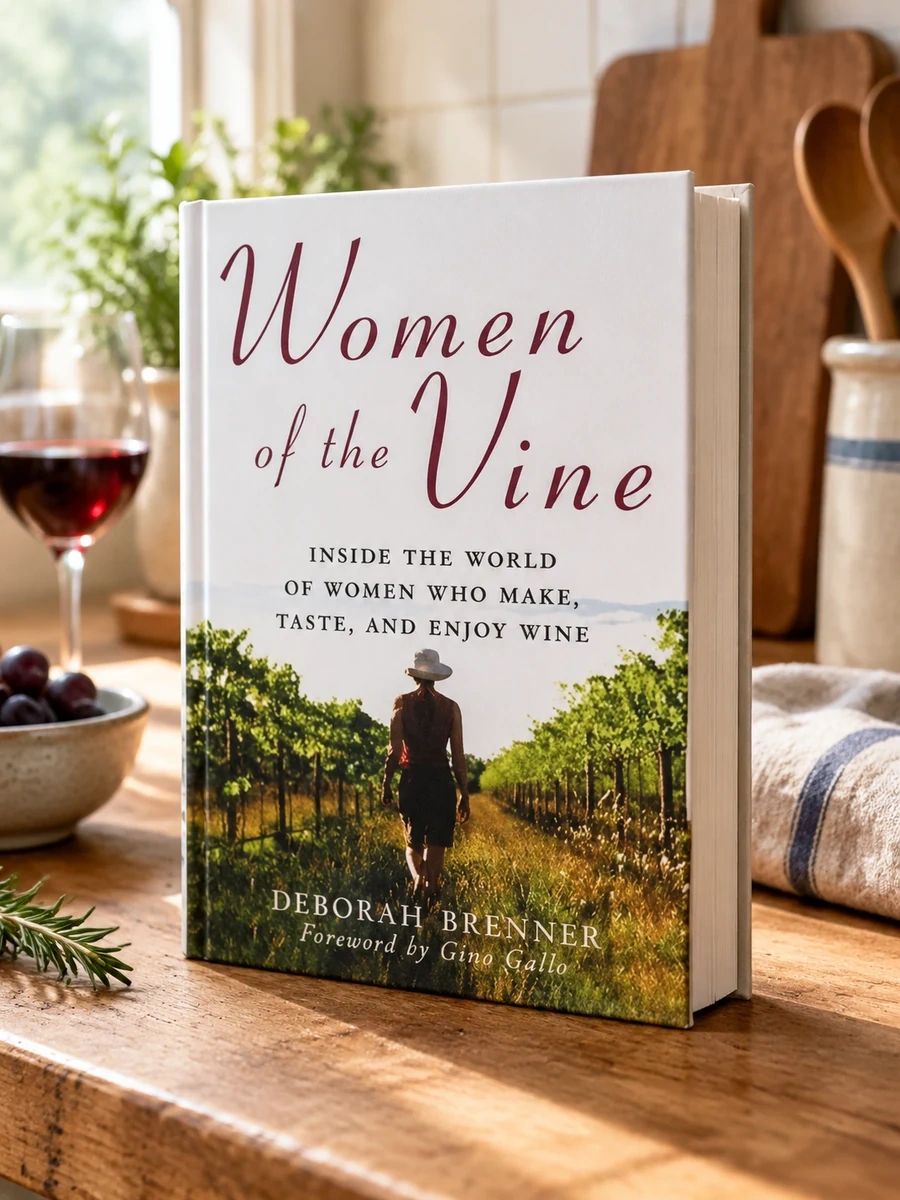
9. Women of the Vine: Inside the World of Women Who Make, Taste, and Enjoy Wine — Deborah Brenner
The wine world includes a wide range of people working across production, tasting, and enjoyment, and Deborah Brenner's book turns attention toward women within that world. Its subject offers a people-centered perspective on wine culture, making it a meaningful alternative to technical manuals and conventional buying guides.
This is a strong choice for someone interested in the personalities and professional experiences that shape the wine industry. It may also appeal to readers who enjoy stories about the people behind food and drink, particularly those interested in representation and the contributions of women in a traditionally established trade. For a wine enthusiast who has already accumulated plenty of information about varieties and regions, a book about the people of the industry adds another dimension to the collection.
For Wine Lovers Fascinated by Regional History
Some of the most rewarding wine books are rooted in a particular place. Regional histories can reveal how geography, agriculture, local traditions, and changing markets shaped the wines associated with an area. These three recommendations are particularly suited to readers who enjoy understanding the cultural story behind a bottle, including the often-overlooked history of American winemaking.
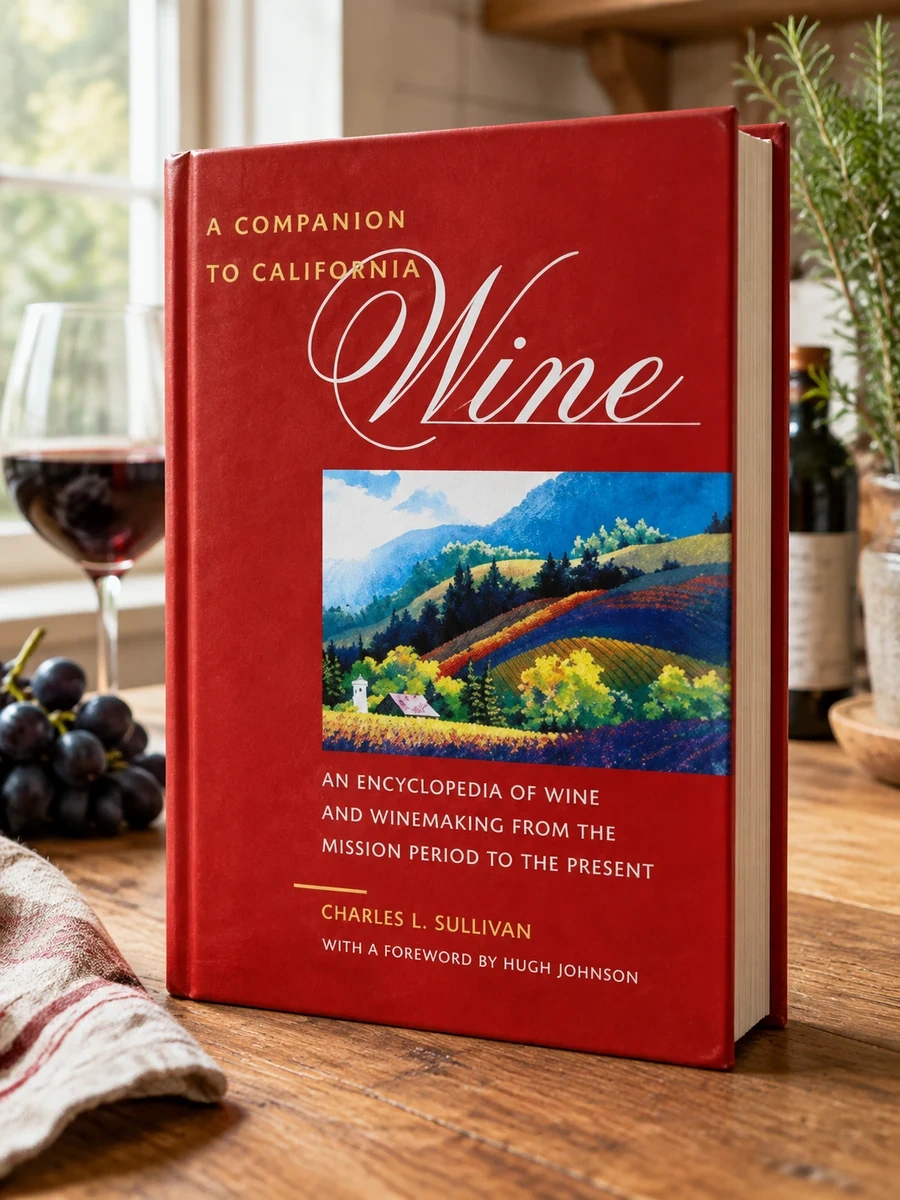
10. A Companion to California Wine: An Encyclopedia of Wine and Winemaking from the Mission Period to the Present — Charles L. Sullivan
For a serious enthusiast interested in American wine history, Charles L. Sullivan's A Companion to California Wine is one of the most substantial choices in this selection. Its encyclopedic approach covers California wine and winemaking across a long historical span, from the Mission period to the present. That breadth gives it particular value for readers who want to understand the development of one of America's defining wine-producing regions.
This is the recommendation for the collector who enjoys regional reference books, the California wine enthusiast, or the reader who wants more historical context than a general wine introduction can provide. It also makes a thoughtful gift for someone with a strong interest in California agriculture and food history. Its specialized focus is a strength rather than a limitation: a reader fascinated by California wine will have plenty of reason to revisit a regional encyclopedia.
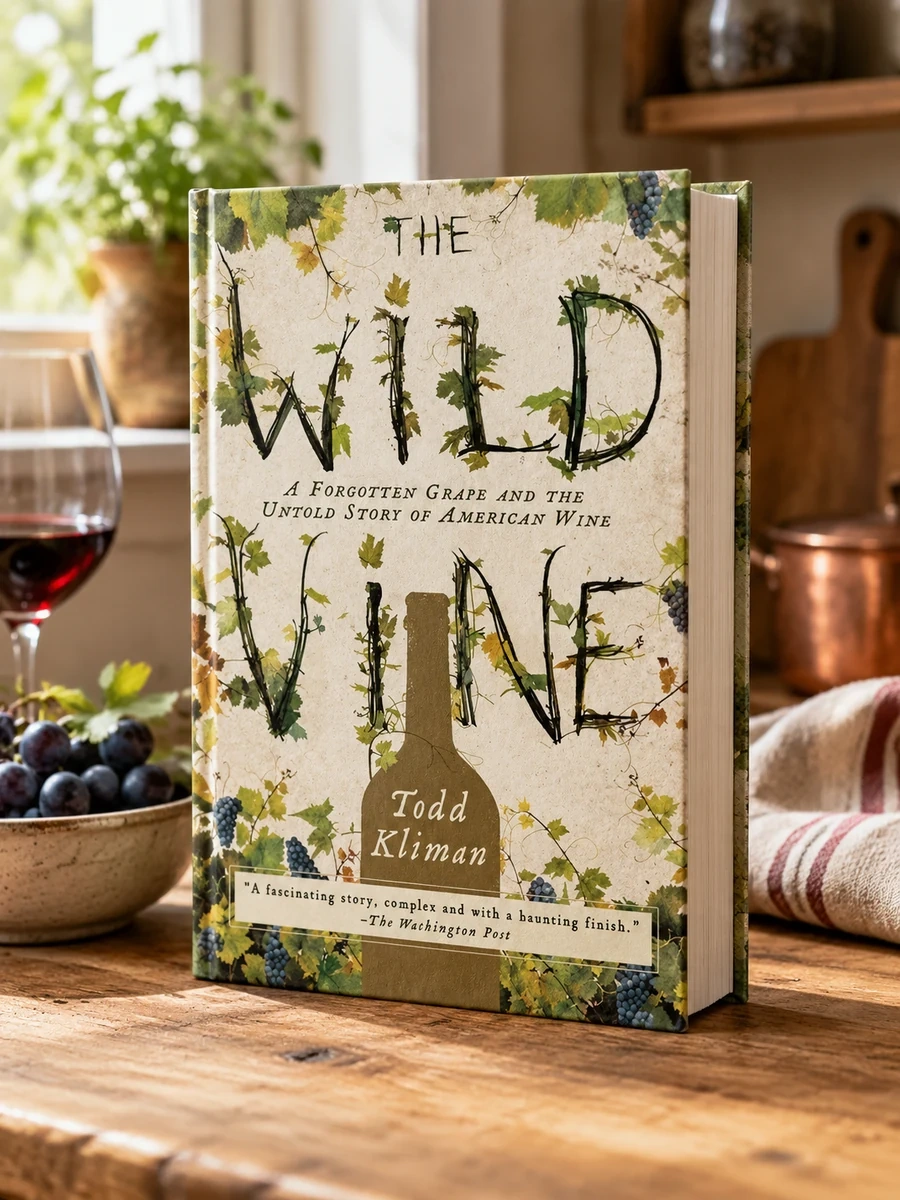
11. The Wild Vine: A Forgotten Grape and the Untold Story of American Wine — Todd Kliman
American wine history is not limited to the familiar story of modern California vineyards. Todd Kliman's The Wild Vine takes a more unusual historical subject, focusing on a forgotten grape and its place in the story of American wine. That premise makes it an intriguing choice for anyone who enjoys uncovering overlooked parts of agricultural and culinary history.
Give this to the wine lover who likes discovering lesser-known varieties and the people and places connected to them. It is also well suited to readers interested in the historical roots of American wine culture, especially those who appreciate a narrative approach to food history. Its distinctive subject gives it an advantage as a gift: it offers a story that is less likely to duplicate the general wine guides already sitting on an enthusiast's shelf.
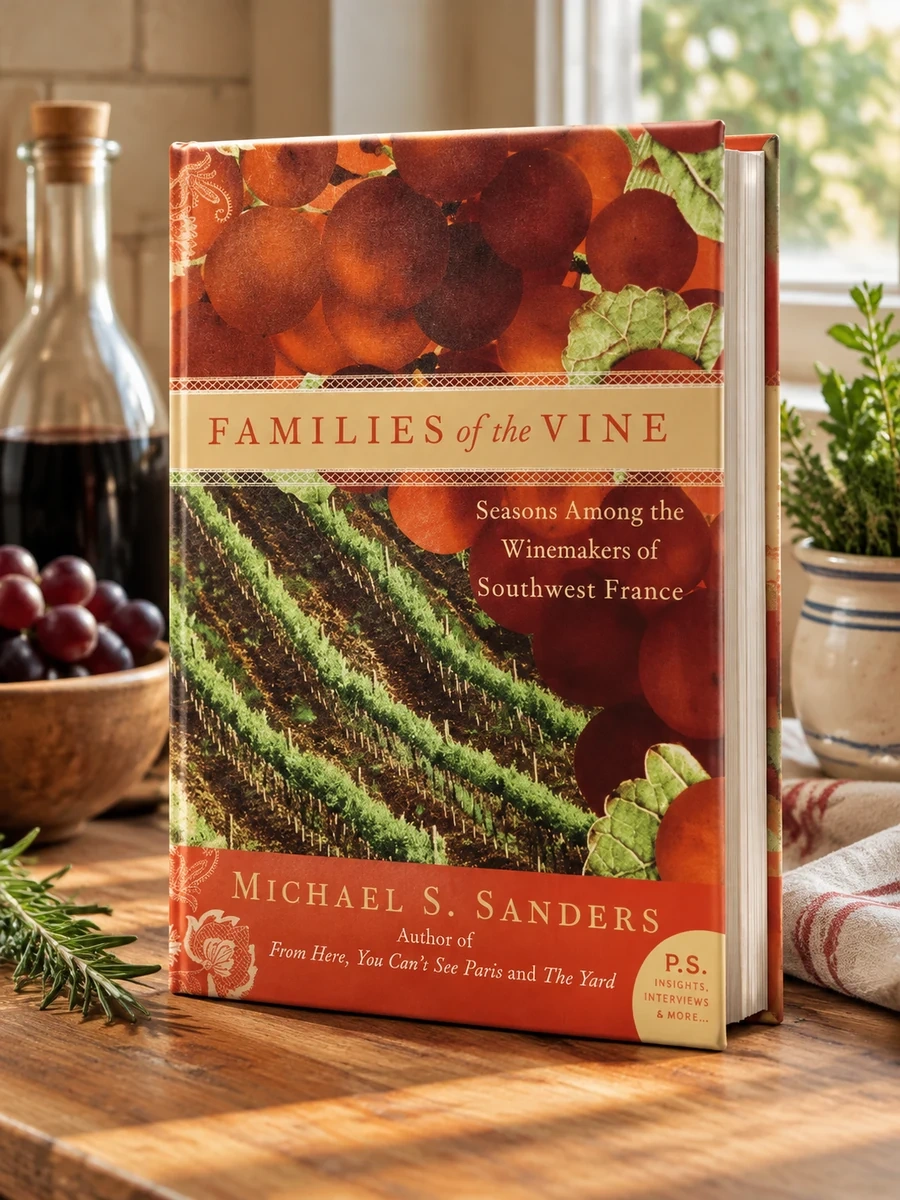
12. Families of the Vine: Seasons Among the Winemakers of Southwest France — Michael S. Sanders
Wine regions are shaped by more than their geography and grape varieties. They are also shaped by the families and communities who work the land and maintain local traditions. Michael S. Sanders's Families of the Vine takes readers into the world of winemakers in southwest France, with a seasonal perspective that makes the human side of wine production central to its appeal.
This is an especially thoughtful gift for someone who enjoys travel writing, regional food culture, and stories about the people behind agricultural traditions. It can also suit a reader who has already developed an interest in French wine and wants to look beyond famous appellations and familiar labels. Its emphasis on families and seasons makes it a more personal, place-centered companion to technical wine references.
How to Choose the Right Wine Book Gift
Before choosing a title, think about how the recipient actually enjoys wine. A beginner who wants to feel more confident ordering at a restaurant has different needs from a professional student preparing for formal examinations. Likewise, a host who loves entertaining may appreciate a seasonal food-and-wine cookbook more than a technical discussion of vineyard practices.
- For a complete beginner: Start with Wine Made Easy or the Pocket Guide Club's Wine. Both make more sense as accessible starting points than a specialist regional encyclopedia.
- For an aspiring sommelier: Consider André L. Simon's encyclopaedia section as broader reference reading. Pair it with Wine Made Easy if the recipient is still building foundational knowledge. Neither should be presented as a dedicated certification course.
- For the home entertainer: Choose Richard Olney's French menu cookbook or Michael Chiarello's California wine-country cookbook. Both connect wine with the pleasure of preparing and sharing food.
- For a tasting enthusiast: Helen McGinn's guided journal is the most interactive choice. It gives the recipient a way to record personal discoveries rather than simply collect more information.
- For an established collector: Look toward Naked Wine, Wine Politics, or A Companion to California Wine, depending on whether the recipient prefers winemaking philosophy, industry analysis, or regional reference material.
- For a regional wine-history enthusiast: Todd Kliman's The Wild Vine and Michael S. Sanders's Families of the Vine offer more focused historical and cultural subjects.
It is also worth considering the recipient's existing bookshelf. Someone with several introductory guides may appreciate a more unusual book about wine history or the people behind production. A reader who already owns extensive regional references might prefer a guided journal or a cookbook that brings wine into everyday entertaining.
Finally, consider the kind of experience the gift should encourage. Some books are meant to be consulted repeatedly, others invite reflection, and some are best enjoyed alongside a meal or a tasting. A good wine book does not need to cover everything about wine. It needs to give its particular reader a reason to keep turning the pages, ask better questions, and appreciate the next glass a little more.