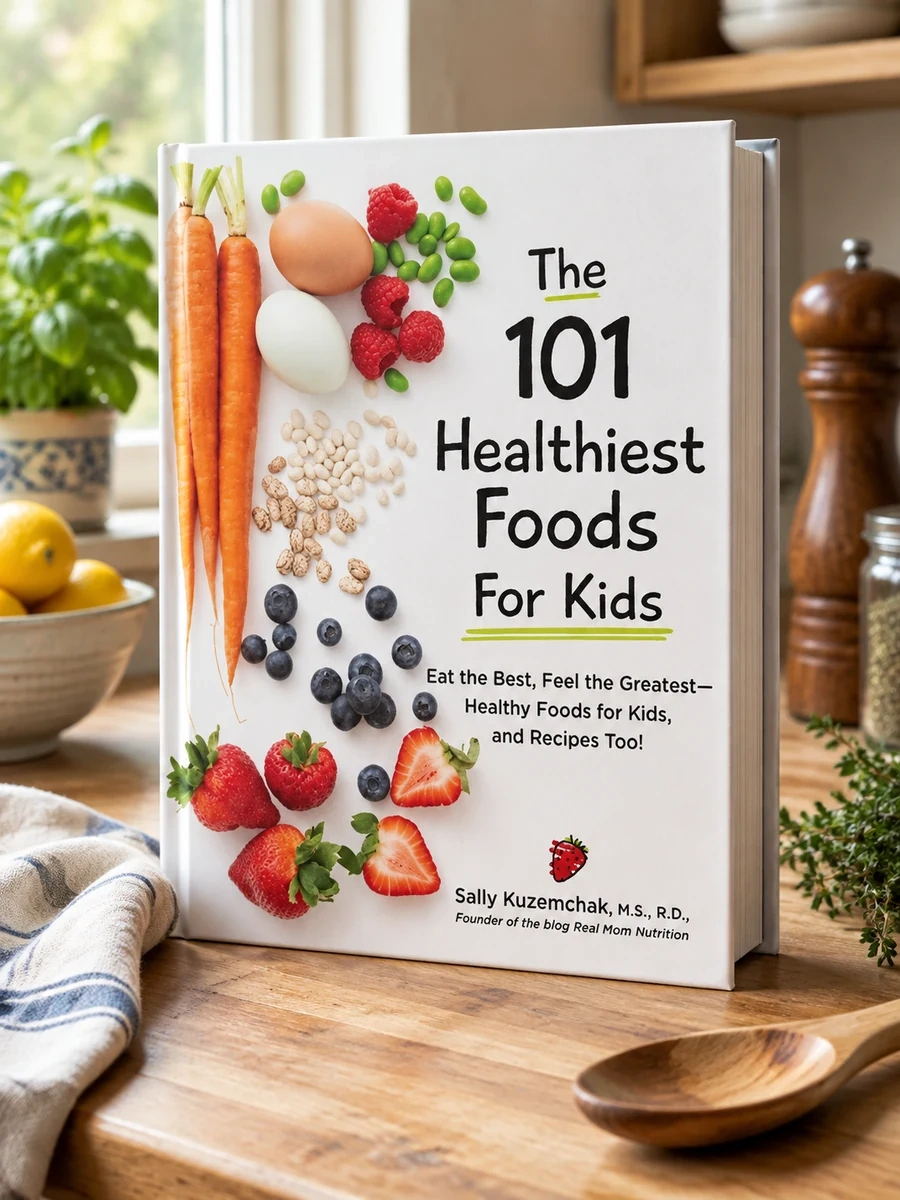
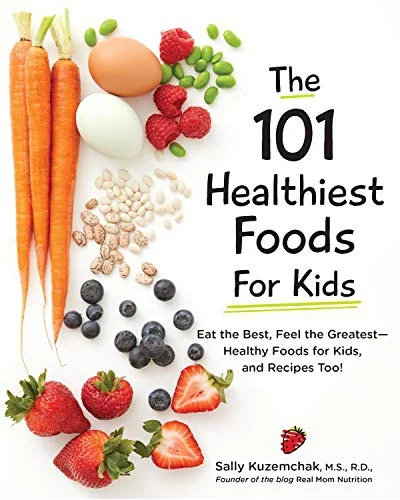
101 Healthiest Foods for Kids: Eat the Best, Feel the Greatest - Healthy Foods for Kids, and Recipes Too!
✍️ Kuzemchak, SallyA guide profiling 101 foods with recipes for family nutrition.
Kuzemchak combines her professional expertise as a dietitian with personal experience as a parent to create a practical resource for household wellness. The work avoids abstract theory in favor of concrete profiles on specific produce and grains. Readers find direct answers to frequent questions about childhood dietary needs, such as the value of multivitamins or the healthiness of juice. The inclusion of twenty-five recipes ensures that nutritional knowledge translates into edible meals. This approach supports families who prefer clear, actionable advice over dense scientific literature.
Published in 2018 by Fair Winds Press in Massachusetts, this book reflects the contemporary American focus on whole foods and family health. It addresses the specific challenges of raising children with dietary goals in a modern household setting.


📝 Description: 101 Healthiest Foods for Kids: Eat the Best, Feel the Greatest - Healthy Foods for Kids, and Recipes Too!
💎 Expert review
📖 Why choose it
Why this book is worth reading
Parents and caregivers seeking a straightforward, actionable approach to family nutrition will find this book invaluable. It bridges the gap between abstract dietary theory and daily kitchen practice by profiling one hundred and one specific foods with clear nutritional context. The inclusion of twenty-five collaborative recipes ensures that knowledge translates into edible meals, supporting families who prefer concrete advice over dense literature. Ideal for those wishing to introduce new ingredients or deepen appreciation for staples like farro and lentils without complex culinary skills.
⭐ Reader reviews
Reader rating
Kuzemchak’s guide serves as a practical handbook for everyday meal planning, offering colorful, skimmable profiles of wholesome options suitable for busy weeknights. It excels at addressing common parental concerns regarding juice and multivitamins with direct answers. However, it does not suit readers seeking gourmet techniques or adult-focused nutrition science. The content remains accessible rather than sophisticated, making it best for those wanting a structured, no-nonsense approach to whole foods. While lacking depth for culinary enthusiasts, its clarity makes it a useful tool for fostering healthier eating habits in children through simple, collaborative cooking.
❓ Frequently asked questions
📖 Who should read this
Parents seeking practical guidance on childhood nutrition without dense scientific theory. Busy households needing clear answers about vitamins and juice. Beginners who want concrete food profiles and simple recipes to improve family wellness through everyday meals.