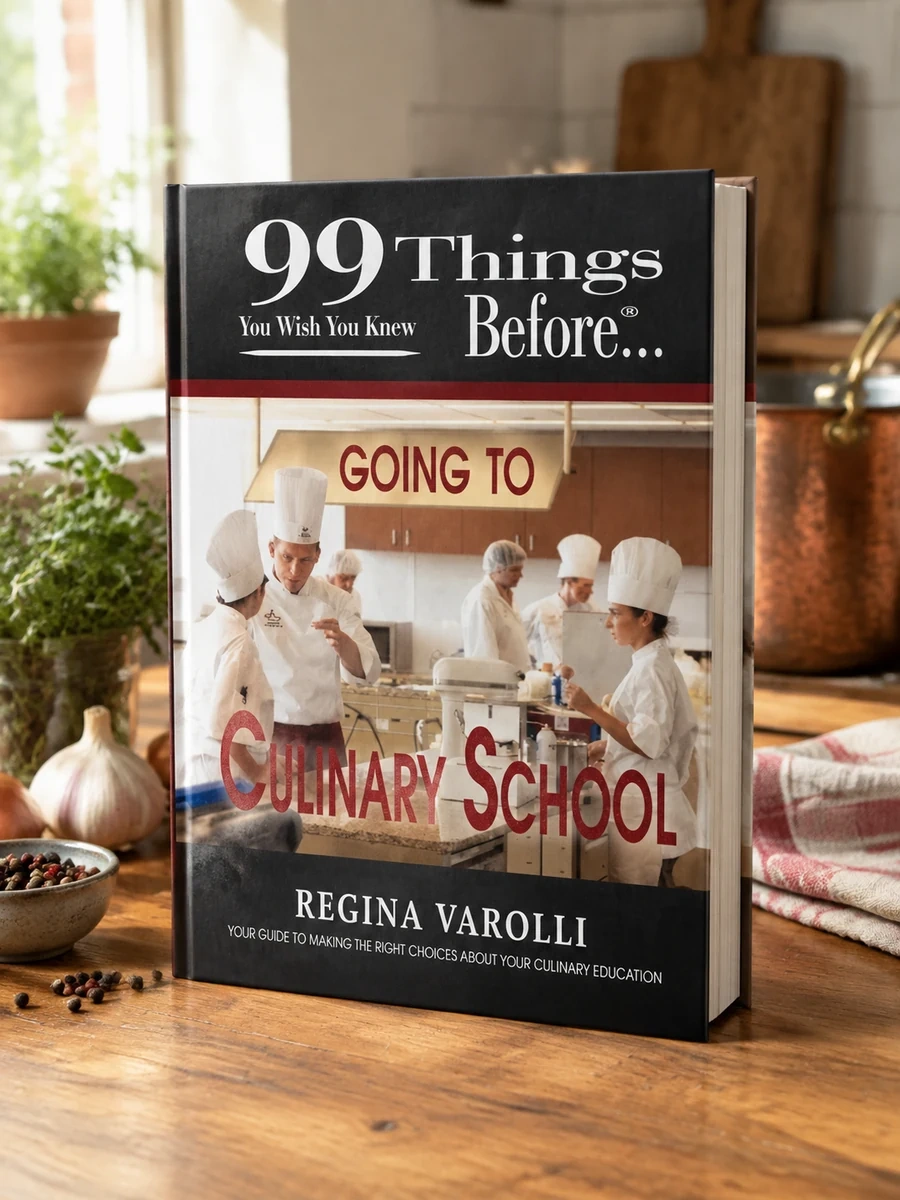
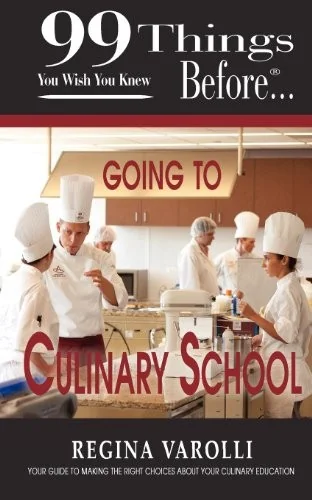
99 Things You Wish You Knew Before Going to Culinary School
✍️ Varolli, ReginaA practical guide to choosing culinary school based on professional advice.
This volume functions as a decision-making tool rather than a collection of recipes. It addresses the logistical and strategic aspects of entering the culinary field through formal education. The text helps readers evaluate their readiness and identify suitable programs. It also discusses alternatives to traditional schooling, providing a broader view of career entry points. The advice is grounded in the experiences of established industry figures.
Published in 2012 by Documeant Publishing, this book addresses the American culinary education market. It targets individuals seeking career development in cooking and food writing sectors during a period of growing interest in professional culinary training.


📝 Description: 99 Things You Wish You Knew Before Going to Culinary School
💎 Expert review
📖 Why choose it
Why this book is worth reading
Readers at a career crossroads will find this volume an indispensable decision-making tool rather than a source of culinary inspiration. It is ideal for high school students and career changers who need to evaluate their readiness for the rigors of professional cooking education. By leveraging advice from hundreds of industry professionals, the book clarifies the logistical and strategic aspects of choosing a program. It helps prospective students determine if formal schooling aligns with their goals or if alternative entry points are more suitable. The text provides concrete guidance on program selection, helping readers avoid costly mistakes. Those seeking clarity on the realities of entering the culinary field through training will gain valuable insights into what to expect and how to prepare for a sustainable career in the industry.
⭐ Reader reviews
Reader rating
This guide serves as a pragmatic reference for those standing at the threshold of culinary education, offering straightforward advice grounded in professional experience. It effectively targets individuals needing to assess their readiness and identify suitable programs without the fluff of vague generalizations. However, it explicitly does not suit readers looking for recipes, historical accounts of food traditions, or narrative-driven memoirs. The content is strictly focused on the logistical realities of entering the industry through formal training. While valuable for its directness, it lacks the sensory richness typical of cookbooks. It functions best as a preliminary checklist for career planning rather than a source of culinary joy or technical instruction for home cooks.
❓ Frequently asked questions
📖 Who should read this
Aspiring chefs and career changers seeking strategic guidance before enrolling in culinary school. This book suits individuals who want to evaluate their readiness for formal training and explore alternative entry points into the professional kitchen industry without committing to a traditional program immediately.
📜 Historical context
You might also like
See more →






Have a question about this item?
Ask about the edition, condition, delivery or anything else — we reply by email or phone, usually within a day.
