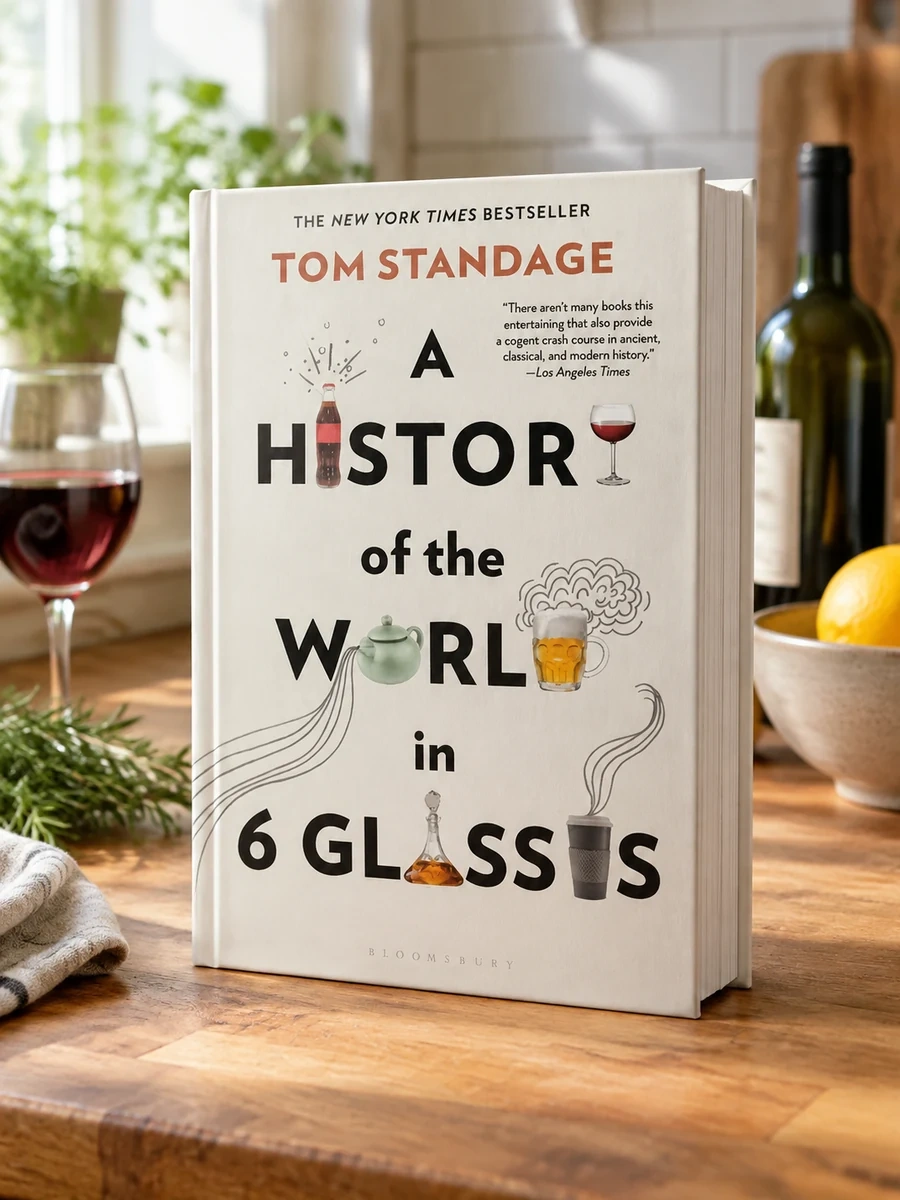
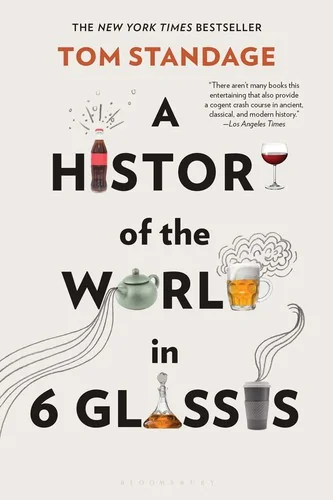
A History of the World in 6 Glasses
✍️ Standage, TomA historical survey of six drinks that shaped global civilization
Standage argues that beverages are not merely refreshments but active agents of historical change. Each chapter isolates a specific drink to illustrate its unique impact on society. Beer enabled the rise of early cities in the Middle East. Wine became central to Greek and Roman identity. Spirits drove colonial expansion and nation-building in America. Coffee facilitated the spread of Enlightenment ideas through public discourse. Tea supported British imperial control and trade networks. Coca-Cola represents the modern era of global commerce. This approach reveals how consumption habits influenced politics, economy, and culture across millennia.
Published by Bloomsbury USA in 2006, this paperback explores the historical significance of alcoholic and non-alcoholic drinks. The work connects ancient traditions with modern globalized society, offering a unique perspective on how consumption habits have influenced human development from prehistoric times to the present day.


📝 Description: A History of the World in 6 Glasses
💎 Expert review
📖 Why choose it
Why this book is worth reading
Readers interested in the geopolitical underpinnings of daily consumption will find this book illuminating. Standage demonstrates how beer, wine, spirits, coffee, tea, and cola actively shaped urbanization, empire, and intellectual movements. It appeals to those who view history through the lens of trade networks and commodity chains. The narrative offers a refreshing alternative to traditional political or military histories by focusing on what people drank. It is ideal for casual historians seeking accessible narratives about global interconnectedness. Those fascinated by how colonial expansion and Enlightenment ideals were fueled by specific liquids will appreciate this structured approach. It provides context for modern globalization through historical precedent.
⭐ Reader reviews
Reader rating
This title is not a cookbook and contains no recipes or technical advice. It is strictly a historical survey examining six beverages as agents of change. While engaging for those interested in cultural history, it will disappoint readers seeking practical kitchen skills or contemporary dietary guidance. The tone is analytical rather than instructional. Standage’s clear prose makes complex geopolitical shifts accessible. However, the focus remains firmly on broad societal impacts rather than sensory details. It serves best as a companion to general history texts. Readers looking for immediate culinary application should look elsewhere on the shelf.
❓ Frequently asked questions
📖 Who should read this
Readers fascinated by how daily habits shape global history will find this volume essential. It suits those interested in the cultural and political impacts of beer, wine, spirits, coffee, tea, and Coca-Cola rather than home cooks seeking beverage recipes or culinary techniques.