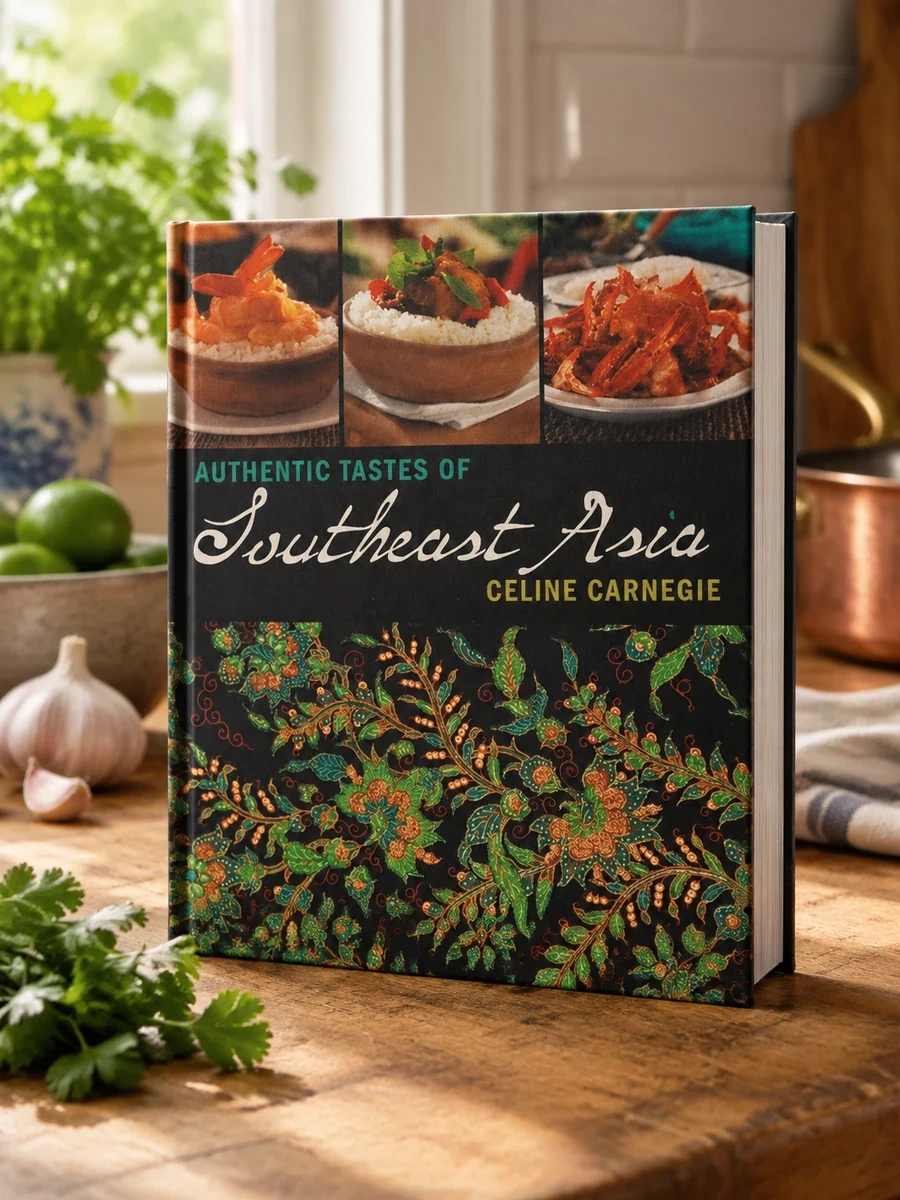
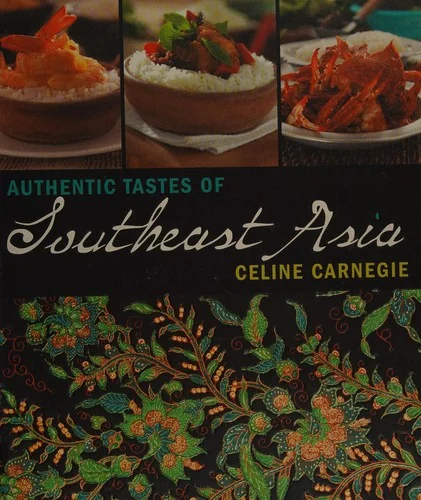
Authentic Tastes of Southeast Asia
✍️ Carnegie, CelineA visual guide to home cooking in Thailand, Indonesia, Malaysia, and Singapore.
Celine Carnegie documents the daily food practices of Southeast Asian households. The work emphasizes intergenerational knowledge transfer from parents to children. It features detailed observations of specific families preparing local specialties. The author captures the atmosphere of domestic kitchens where recipes are preserved through practice. This approach offers a glimpse into the cultural context of these nations without relying on professional chef techniques.
The book explores culinary traditions in Thailand, Indonesia, Malaysia, and Singapore. It focuses on domestic kitchens where families prepare dishes handed down from mother to daughter or father to son. The work highlights the gentle and welcoming nature of these communities.


📝 Description: Authentic Tastes of Southeast Asia
💎 Expert review
📖 Why choose it
Why this book is worth reading
Readers who value cultural immersion and the preservation of culinary history will find this book deeply rewarding. It offers a gentle, visual journey into the home kitchens of Thailand, Indonesia, Malaysia, and Singapore, highlighting the warmth of families passing down recipes. Those interested in the specific preparations of dishes like green Papaya Salad or gado-gado, viewed through the lens of daily life rather than restaurant trends, will appreciate the authentic atmosphere. It serves as a respectful documentation of how ingredients combine to create traditional flavors, making it ideal for those who enjoy understanding the human stories behind food.
⭐ Reader reviews
Reader rating
Celine Carnegie’s work is a serene visual guide rather than a functional instruction manual. It captures the essence of Southeast Asian domestic cooking through detailed observations of families like Elie in Sumatra and the Chananas family in Thailand. While it succeeds in portraying the gentle, welcoming nature of these households, it lacks practical utility for cooks seeking quick weeknight solutions or modern fusion techniques. The sparse text focuses on atmosphere and heritage, which may disappoint readers expecting rigorous recipes. It is best judged by its place as a cultural artifact rather than a culinary textbook.
❓ Frequently asked questions
📖 Who should read this
Home cooks seeking cultural immersion rather than technical mastery. Ideal for readers interested in Thai, Indonesian, Malaysian, and Singaporean domestic traditions. Perfect for those who value intergenerational knowledge transfer and atmospheric kitchen observations over professional chef techniques or complex culinary maneuvers.