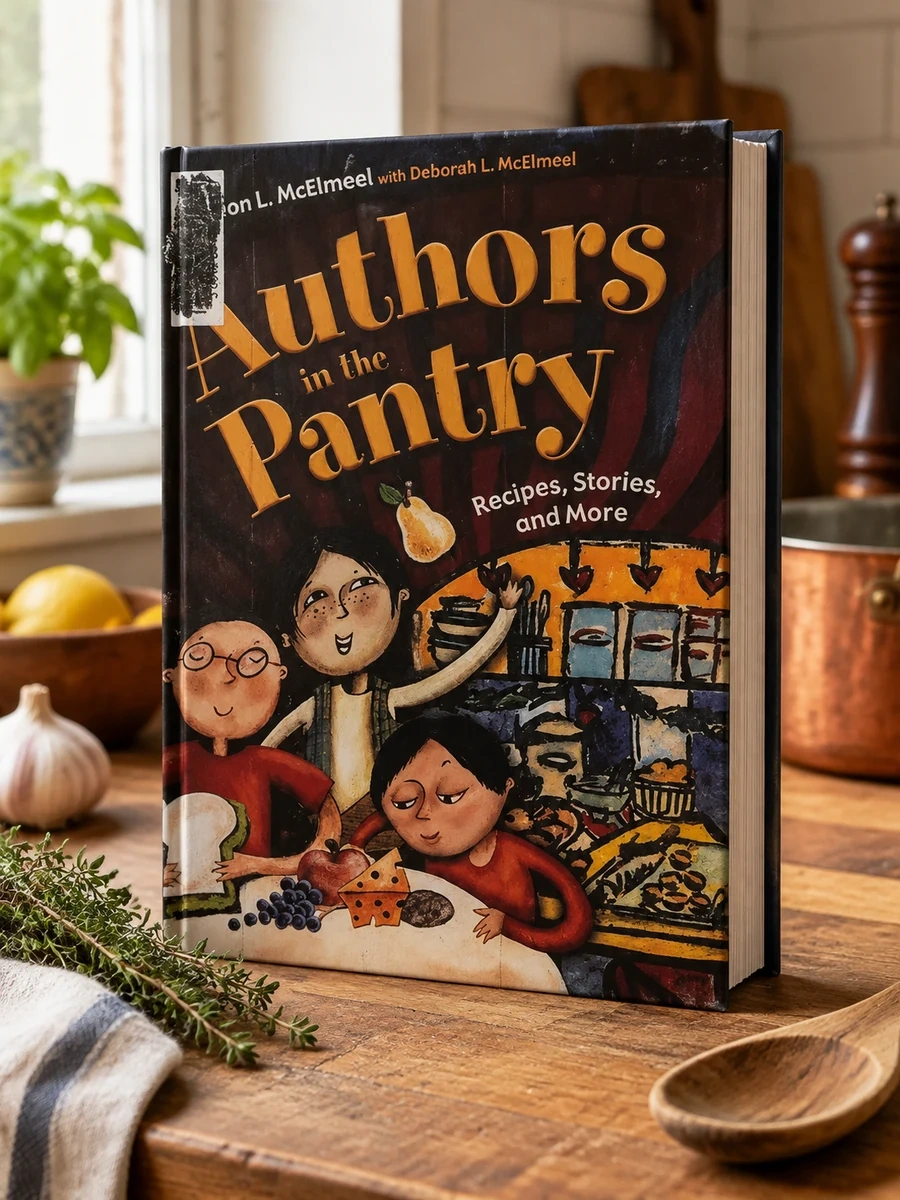
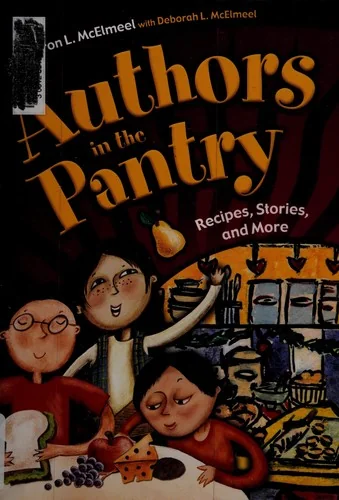
Authors in the Pantry: Recipes, Stories, and More
✍️ McElmeel, SharronA guide pairing fifty children's authors with their favorite recipes and biographies.
This resource connects literary study with cooking for elementary students. McElmeel selects fifty prominent figures in children's literature, including illustrators and writers like Jean Fritz and Berthe Amoss. For each individual, the book provides a recipe that either comes from the author or is inspired by their work. Profiles include biographical sketches, photographs, and comprehensive book lists. The text explains the stories behind each dish, creating a narrative link between the food and the author's life. This format supports literacy education by grounding abstract literary concepts in concrete, relatable activities. It is particularly useful for library programs and classroom lessons that aim to make authors feel accessible. The content avoids complex culinary jargon or deep literary theory. It focuses on accessibility and engagement for young audiences. The book serves as a practical tool for teachers and parents who want to expand children's reading interests through food-related projects.
Published in 2006 by Libraries Unlimited, this paperback fits into the genre of educational literature resources. It addresses library science and literacy for grades K-6. The work reflects a mid-2000s trend in integrating interdisciplinary materials for young learners.


📝 Description: Authors in the Pantry: Recipes, Stories, and More
💎 Expert review
📖 Why choose it
Why this book is worth reading
Educators, librarians, and parents seeking to bridge the gap between literature and daily life will find this resource invaluable for its accessible design. It serves K-6 students by grounding abstract literary concepts in concrete culinary activities, making fifty prominent children's authors feel relatable through their favorite recipes. The inclusion of biographical sketches, photographs, and comprehensive book lists supports literacy development without demanding complex culinary skills or deep literary theory. This guide is particularly useful for library programs and classroom lessons that aim to expand reading interests through food-related projects. It allows young readers to engage with creative minds on a personal level, transforming author studies from dry academic exercises into engaging, sensory experiences that encourage both reading and cooking.
⭐ Reader reviews
Reader rating
While this book excels as a practical tool for elementary educators and librarians, it is not suited for serious culinary enthusiasts or advanced literary scholars. The content avoids complex jargon, focusing instead on accessibility for young audiences and simplicity for adult facilitators. Readers seeking intricate food writing or rigorous critical analysis will find the scope limited to basic profiles and straightforward recipes. It functions best as a companion to McElmeel's previous work, expanding author profiles for classroom use rather than standing alone as a definitive culinary text.
❓ Frequently asked questions
📖 Who should read this
Elementary teachers and librarians seeking engaging literacy activities. Parents wanting to connect reading with cooking. Beginners needing simple recipes without complex culinary jargon. Ideal for classroom lessons or home projects that make authors feel accessible through relatable food experiences.
📜 Historical context
You might also like
See more →


Have a question about this item?
Ask about the edition, condition, delivery or anything else — we reply by email or phone, usually within a day.
