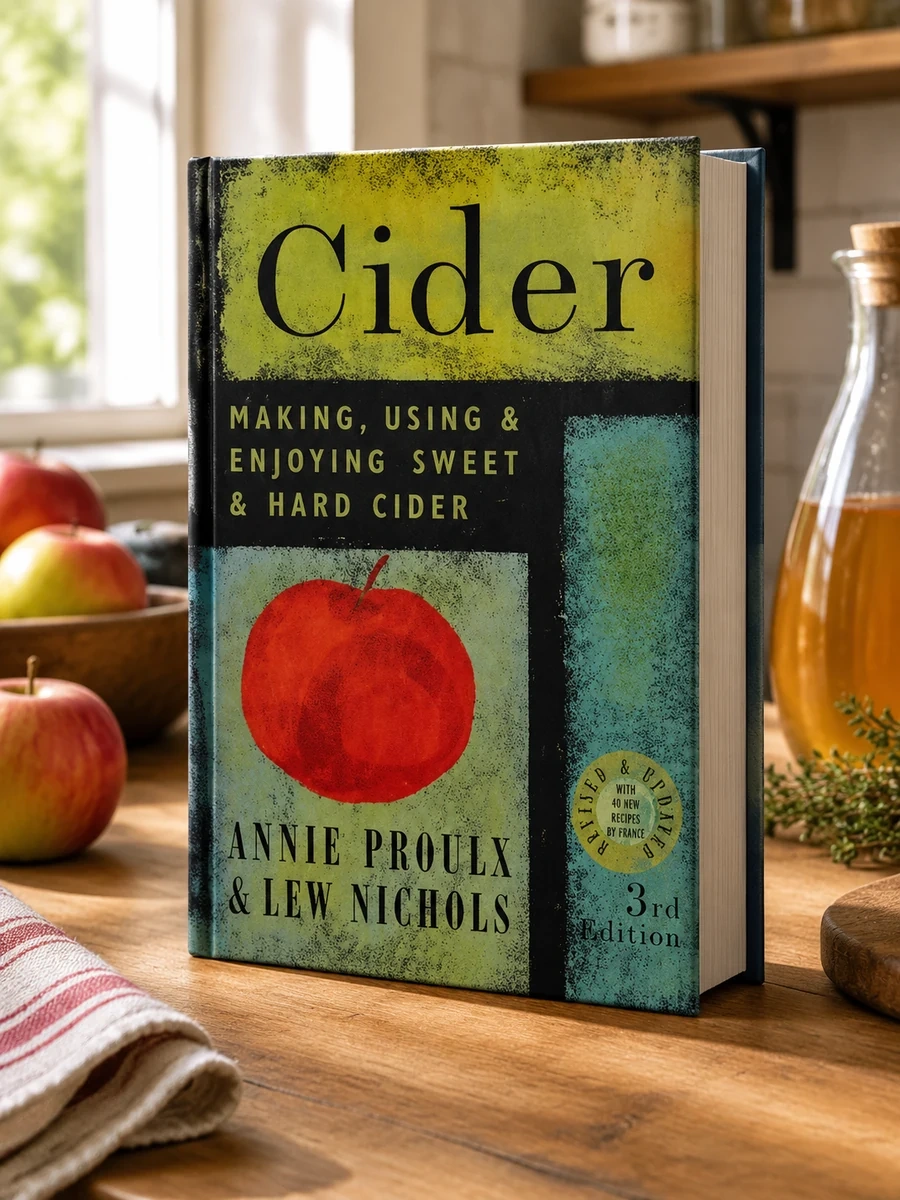
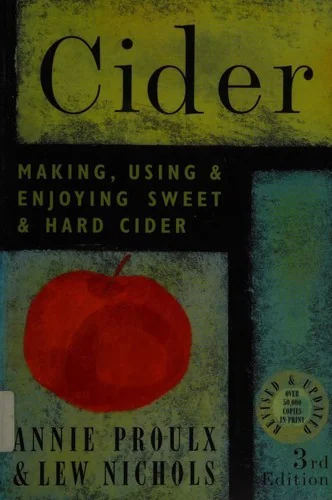
Cider: Making, Using, & Enjoying Sweet & Hard Cider
✍️ Nichols, LewA practical guide to making sweet and hard cider at home with historical context.
Nichols and Proulx combine technical instruction with cultural history to explain cider production. They detail the selection of apple cultivars for specific regions in North America and discuss orchard care techniques like soil improvement and pruning. The authors compare pressing equipment options and storage methods, including the debate between glass and wood. Recipes cover six distinct styles, such as sparkling and French cider, advising on fruit choices for desired flavor profiles. The text references historical figures like Adams and Frost to contextualize the beverage's legacy in America.
The book positions cider as a drink with deep American roots, citing its consumption by Pilgrims on the Mayflower and John Adams. It references Ernest Hemingway and Robert Frost to show its literary presence. The text notes a resurgence in home cider making, comparing it to brewing beer, and suggests it may become a future beverage trend alongside commercial producers.


📝 Description: Cider: Making, Using, & Enjoying Sweet & Hard Cider
💎 Expert review
⭐ Reader reviews
Reader rating
The book excels at connecting technical cider production with its American heritage. It offers clear advice on apple cultivars for specific regions and compares pressing equipment options effectively. The discussion on storage debates between glass and wood adds valuable depth. However, it may not suit readers looking for quick, simple recipes without historical context. Those seeking only modern commercial brewing techniques might find the focus on small-scale orchard care less relevant to their immediate needs.
❓ Frequently asked questions
📖 Who should read this
Home cider makers seeking technical guidance on apple selection and orchard care. Ideal for hobbyists interested in the cultural history of American cider who want to understand pressing equipment debates and storage methods for both sweet and hard varieties.