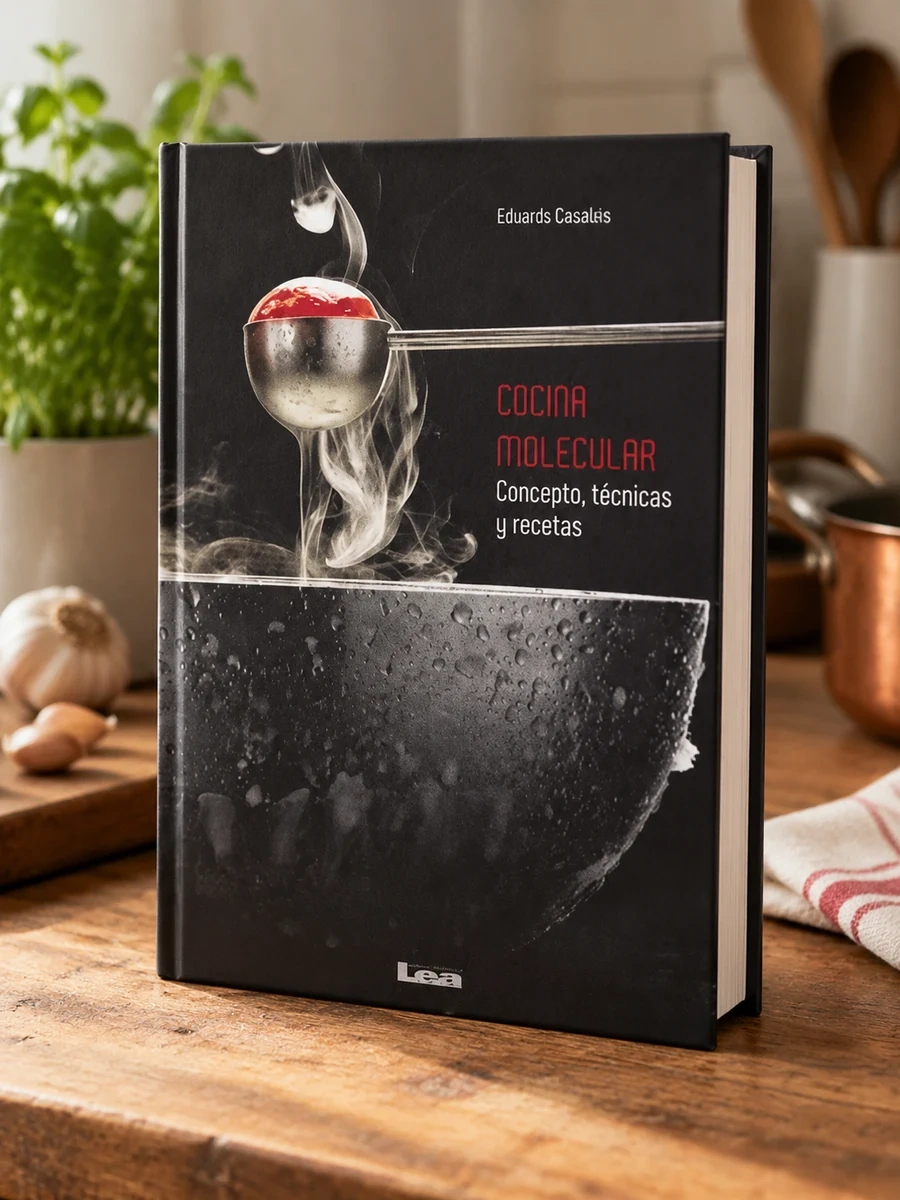
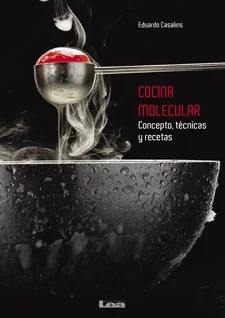
Cocina Molecular: Conceptos, Tecnicas Y Recetas
✍️ Casalins, EduardoA practical guide to the science and recipes of molecular gastronomy by Eduardo Casalins.
The book positions molecular gastronomy as an extension of traditional cooking alchemy. It emphasizes the physical and chemical changes that transform raw ingredients into finished dishes. The author explains how these processes affect sensory experiences, from visual appeal to taste. By combining scientific concepts with practical recipes, the text demystifies a field often seen as exclusive to professional chefs. This method allows readers to replicate advanced techniques in their own kitchens. The focus remains on understanding the mechanics of food preparation rather than abstract theory alone.
Published in 2010 by Ediciones Lea, this Spanish-language paperback addresses a global culinary shift. It reflects the period when molecular gastronomy moved from specialized restaurant kitchens to broader public interest. The work captures a moment when scientific approaches began influencing mainstream cooking traditions worldwide.


📝 Description: Cocina Molecular: Conceptos, Tecnicas Y Recetas
💎 Expert review
📖 Why choose it
Why this book is worth reading
Home cooks and food enthusiasts seeking to understand the structural changes in their dishes will find this guide valuable. Eduardo Casalins bridges the gap between abstract science and practical application, allowing readers to replicate advanced techniques without a chemistry background. The book appeals to those who want to know the 'why' behind culinary results rather than just following steps. By framing cooking as alchemy, it engages sensory experiences while demystifying exclusive professional methods. It is ideal for curious minds eager to apply physical and chemical concepts to everyday ingredients, transforming ordinary meals through scientific understanding.
⭐ Reader reviews
Reader rating
Casalins offers a practical entry point into molecular gastronomy, positioning it as an extension of traditional cooking alchemy. The text successfully defines the discipline by linking physical changes to sensory outcomes, making complex ideas accessible to laypeople. However, the description notes the content is grounded in practice rather than deep academic theory, which may disappoint professionals seeking rigorous scientific depth. The work serves as a bridge for general readers interested in food science mechanics. It is less suitable for those wanting purely theoretical discourse or advanced laboratory protocols. Ultimately, it is a functional tool for understanding ingredient transformation in the home kitchen.
❓ Frequently asked questions
📖 Who should read this
Home cooks curious about food science who want to move beyond standard recipes. Ideal for those with basic kitchen skills seeking to understand chemical reactions in cooking. Perfect for hobbyists wanting to replicate professional techniques without needing a culinary degree or expensive lab equipment.