Alton Brown approaches cooking with a question that many traditional cookbooks leave unanswered: why does a particular method work? That curiosity is the defining feature of his writing. Rather than treating recipes as instructions to follow blindly, Brown connects ingredients, equipment, heat, and technique to the results on the plate. His background as a television food personality helped make this approach accessible, but his books offer something especially useful: the opportunity to return to an explanation whenever a cooking problem comes up.
Searching for Alton Brown books can lead to several different kinds of reading experiences. Some titles are practical kitchen references, others explore baking or revisit the television series Good Eats, and a few are better suited to readers interested in Brown's personality and reflections on food. They are not interchangeable, and choosing by cooking interest is usually more helpful than simply picking the most familiar title.
This guide looks at eight Alton Brown titles available in our catalog. The recommendations are organized around what you want to learn, how you like to cook, and how much explanation you want alongside your recipes. Whether you are choosing a first Brown cookbook or completing a collection, there is a sensible place to begin.
For cooks who want to understand the science behind the recipe
If you enjoy knowing why a technique succeeds, start with Brown's method-focused books. These titles are particularly useful for home cooks who want principles they can apply beyond a single recipe. They also make strong choices for someone who has become comfortable following recipes and is ready to understand the decisions behind them.
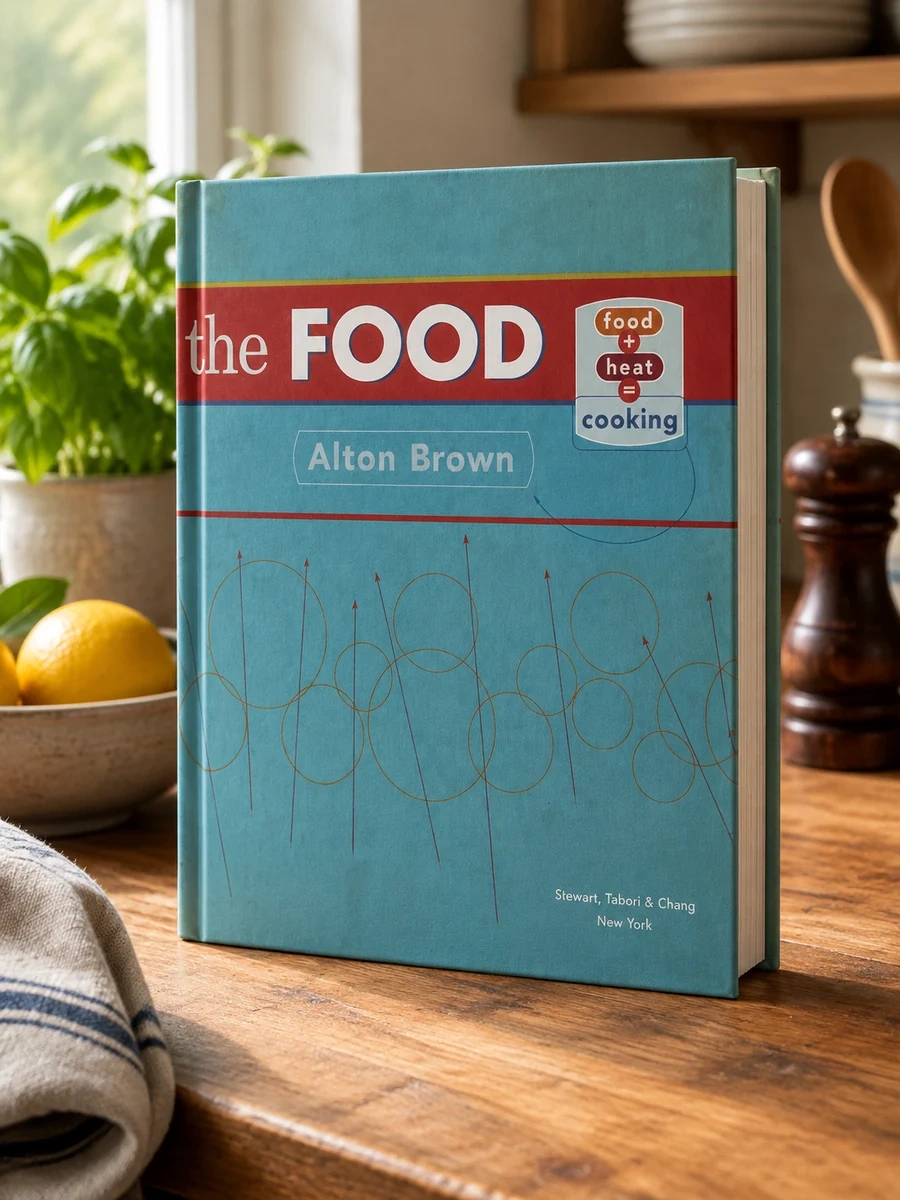
1. I'm Just Here for the Food: Version 2.0 — Alton Brown
This is the natural starting point for anyone interested in Brown's practical, science-minded approach to cooking. The book puts technique in the foreground, encouraging cooks to understand what happens when ingredients meet different cooking methods rather than treating every recipe as an isolated set of directions. Its emphasis on the mechanics of cooking makes it particularly relevant to people who want to improve their everyday skills.
The appeal is broader than collecting new dishes. Understanding how cooking methods work can help you make better decisions when a recipe needs adjusting or when you are working with ingredients you already have. The Version 2.0 edition is a strong choice for curious beginners and intermediate cooks who appreciate explanations and want a reference they can return to. It is also a thoughtful gift for someone who watches cooking programs but wants more substance than entertainment.
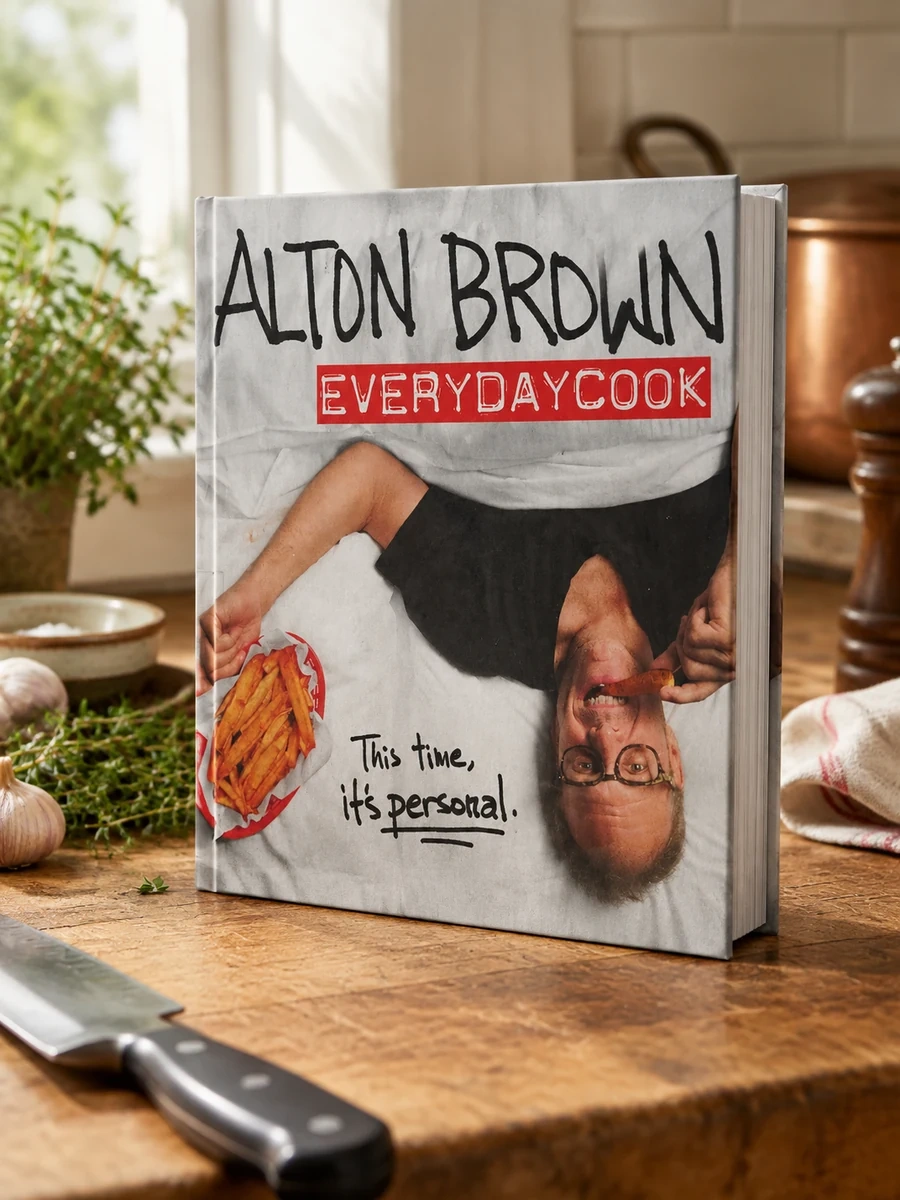
2. Alton Brown: Everydaycook: A Cookbook — Alton Brown
Not every cookbook needs to function as a technical textbook. Everydaycook offers a different entry point into Brown's kitchen, with the everyday-cooking focus making it an approachable choice for people who want a cookbook to use rather than simply study. It is worth considering if you already enjoy his television personality and want a book that brings that cooking sensibility into your home.
This title also suits readers who find highly specialized cooking references intimidating. Instead of making advanced technical study the main reason to open the book, it provides a more general cookbook option within Brown's body of work. For a gift recipient who enjoys preparing meals but has not yet developed a strong interest in cooking science, this can be a comfortable introduction. Experienced fans may also appreciate having a different side of his cookbook writing on their shelves.
For bakers and cooks who enjoy the Good Eats approach
Baking rewards precision, but it also invites experimentation. Measurements, mixing, ingredient relationships, and heat all influence the final result. Brown's baking-focused book is particularly interesting for cooks who want to understand those relationships. Meanwhile, the Good Eats volumes offer a way to revisit the educational spirit of his television work through books.
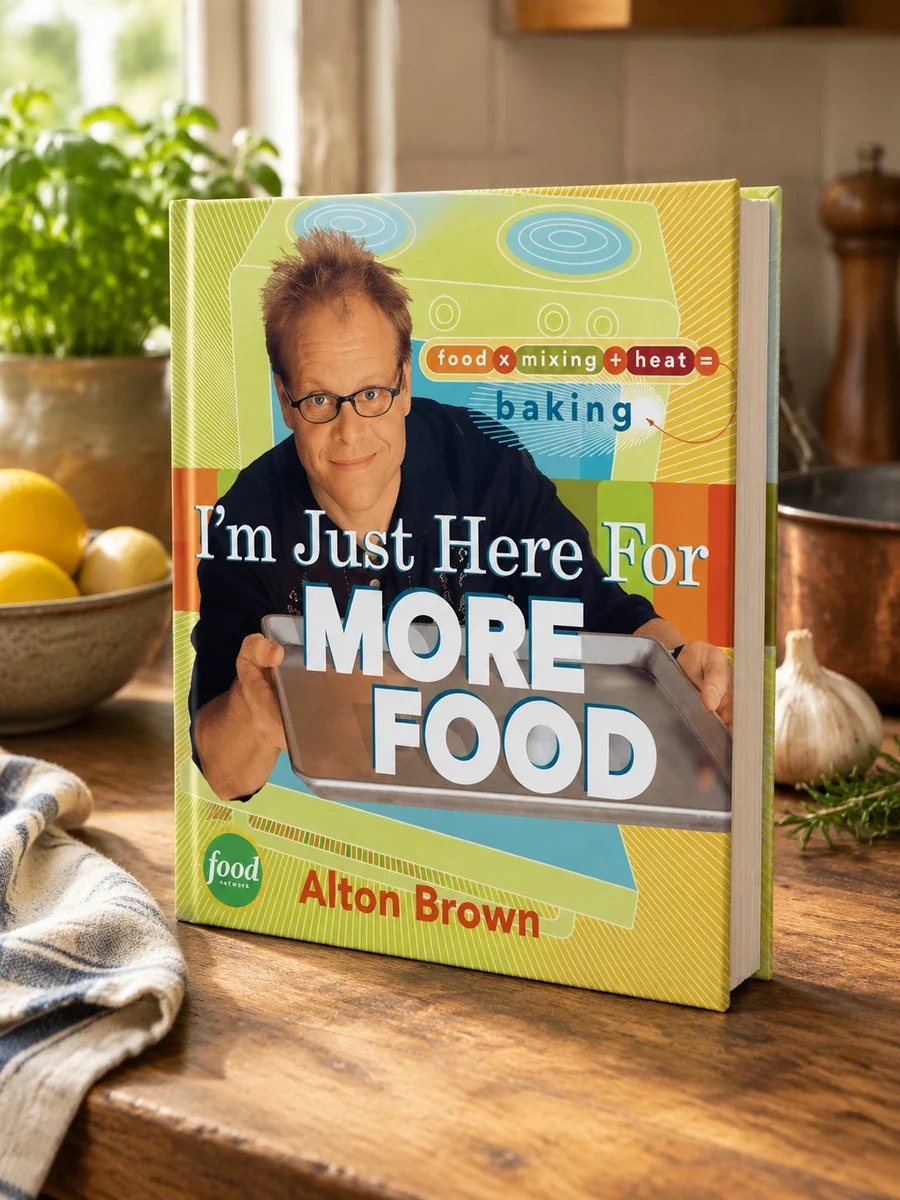
3. I'm Just Here for More Food: Food X Mixing + Heat = Baking — Alton Brown
For anyone who wants to become a more thoughtful baker, this is one of the most distinctive titles in the collection. Its subtitle points directly to the organizing idea: baking depends on the interaction of ingredients, mixing, and heat. That makes it especially suitable for readers who want to understand the process behind baked results rather than rely exclusively on memorized instructions.
It is a useful choice for intermediate home bakers who have encountered inconsistent results and want to think more carefully about what happens in the bowl and oven. Beginners with a genuine interest in learning the fundamentals can also benefit, although readers looking for nothing more than a quick collection of simple dessert recipes may prefer a conventional baking cookbook. The book's appeal lies in its explanatory approach. It encourages a more analytical relationship with baking, which can be valuable long after an individual recipe has been made.
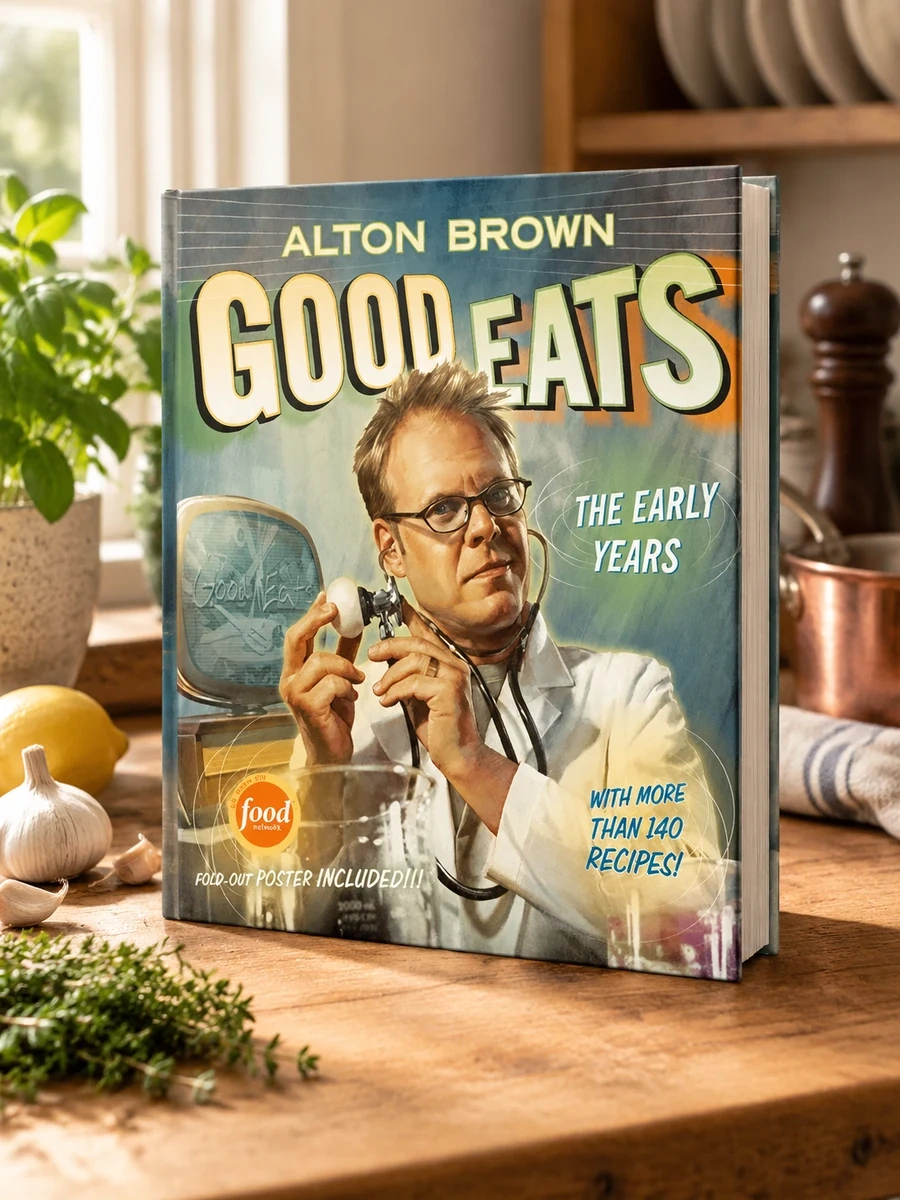
4. Good Eats: The Early Years Volume 1 — Alton Brown
The early Good Eats material is an appealing starting point for readers who want to understand the foundation of Brown's culinary approach. The television series made food science entertaining and approachable, and this volume brings that recognizable combination of cooking instruction and curiosity into book form. Its place at the beginning of the Good Eats collection makes it especially attractive to readers who prefer to follow the development of a series in sequence.
For a longtime fan, this is a chance to revisit the earlier material in a more permanent reference format. For someone discovering Brown through his books, it offers a way to appreciate the ideas and presentation that established his distinctive style. It is less of a narrowly targeted technique manual than I'm Just Here for the Food, so choose it when the broader Good Eats experience matters as much as practical instruction.
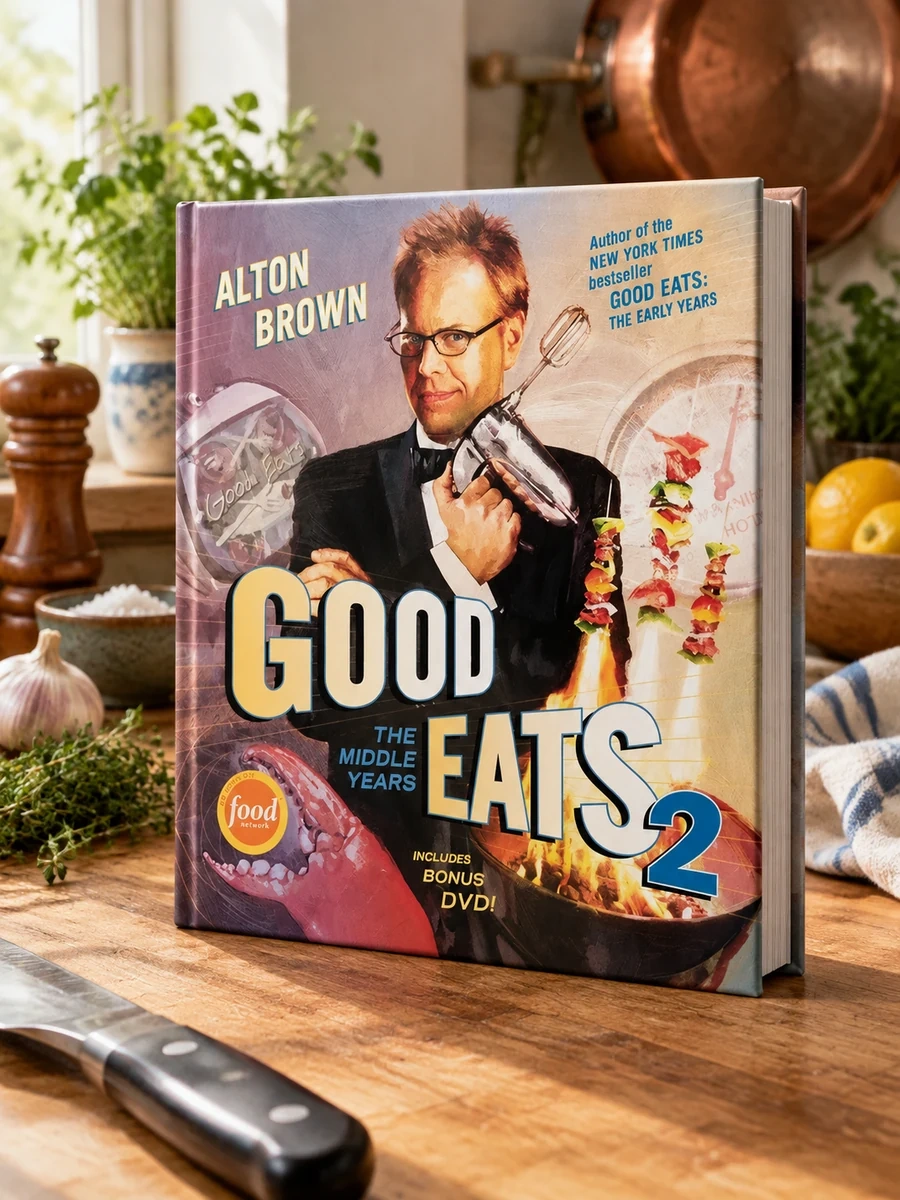
5. Good Eats 2: The Middle Years Volume 2 — Alton Brown
Readers who enjoy the first Good Eats volume have a straightforward reason to continue with the middle-years collection: it extends the experience beyond the earliest material. The title places it in the continuing development of Brown's television-inspired cooking library, making it a logical companion for anyone building a collection rather than looking for a single standalone cookbook.
Its regional and cultural shelf classification also makes it an interesting option for readers drawn to food traditions and the wider context of cooking. The Good Eats format is particularly appealing to people who like learning about food while encountering recipes and cooking ideas. If you already own the early-years volume, this is the natural next addition. If you are buying only one book and want a focused explanation of cooking fundamentals, however, the technique-oriented titles above may be more useful.
For Good Eats collectors and readers interested in food writing
Brown's books are not limited to instruction. Some readers come to him for the storytelling, humor, observations, and historical context surrounding food. The later Good Eats collections and his essay writing are worth considering if you want a more expansive reading experience, particularly when choosing a present for someone who enjoys food television and food culture as much as cooking.
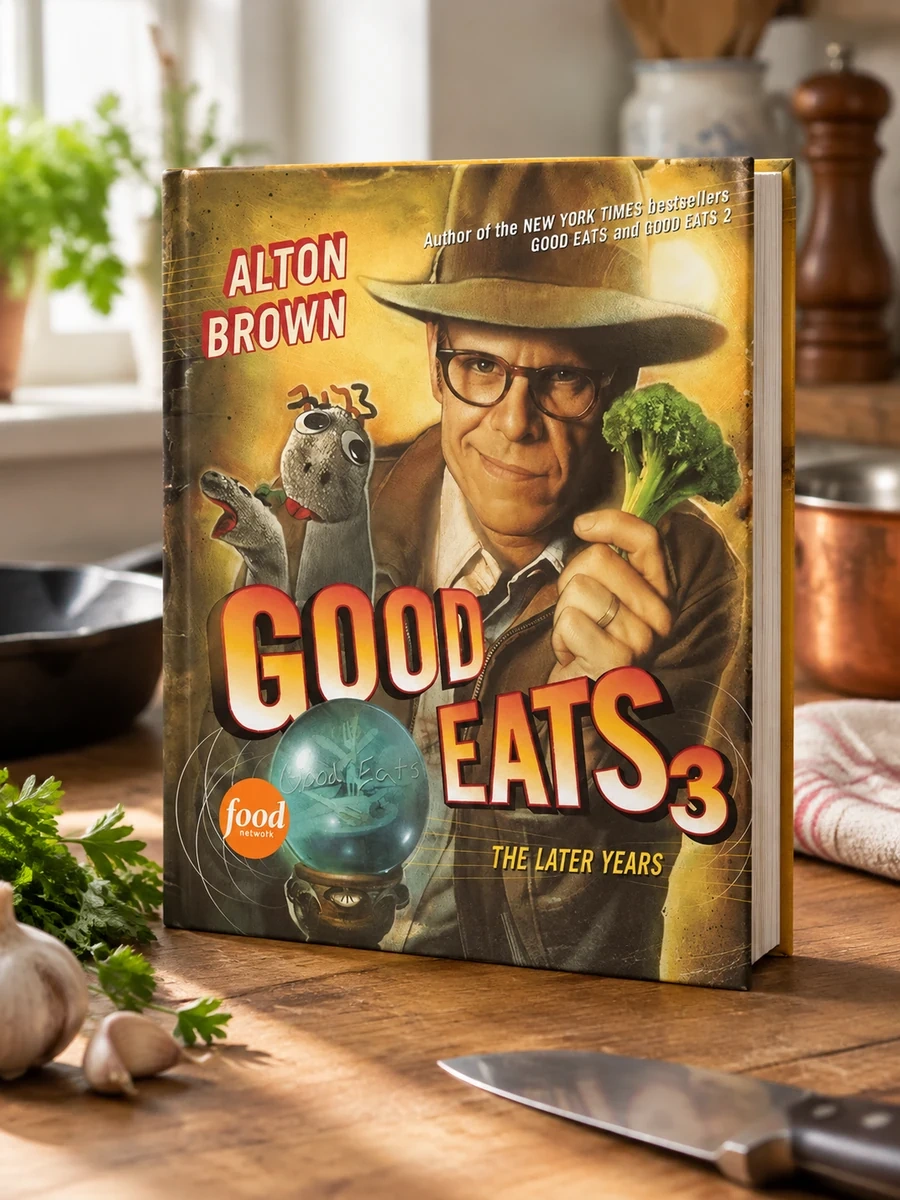
6. Good Eats 3: The Later Years — Alton Brown
This volume continues the Good Eats story into its later years. It is a natural recommendation for fans who have already explored the early and middle collections and want to follow the series further. The appeal is partly practical and partly nostalgic: it gives readers another substantial installment in the body of work associated with Brown's distinctive educational cooking style.
For someone who has never encountered Good Eats, it may not be the most obvious first purchase because its position in the series makes the earlier volumes more logical starting points. But it can still be considered by an independent-minded reader who is primarily interested in the later material. It is particularly appropriate as a gift for a collector who already owns the first two volumes. Think of it as a continuation rather than a substitute for the core technique books.
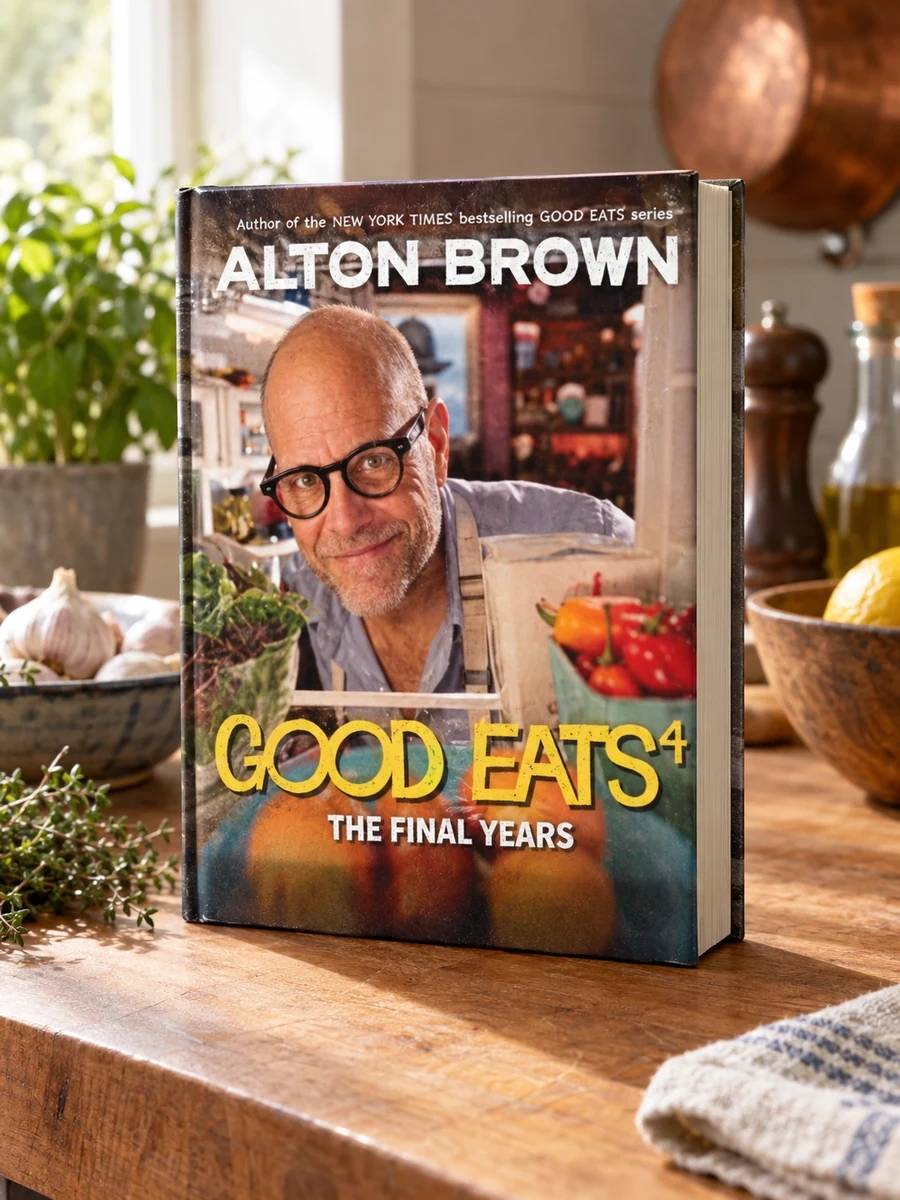
7. Good Eats: The Final Years — Alton Brown
Readers who want to complete their Good Eats collection should pay particular attention to this title. Its focus on the final years gives it a distinct place alongside the earlier and middle-year books. Rather than treating the television series as a single undifferentiated collection, the volume preserves another part of its development for readers who enjoy following Brown's work over time.
The food writing and history classification also makes it a reasonable choice for readers who appreciate the context and personality surrounding cooking. It is likely to be most satisfying for established fans, particularly those who enjoy revisiting material from the series. Someone purchasing a first Alton Brown book might get more immediate practical value from I'm Just Here for the Food: Version 2.0, but a devoted Good Eats enthusiast may find this installment more meaningful. As a gift, it is especially suitable when the recipient already has the earlier collections.
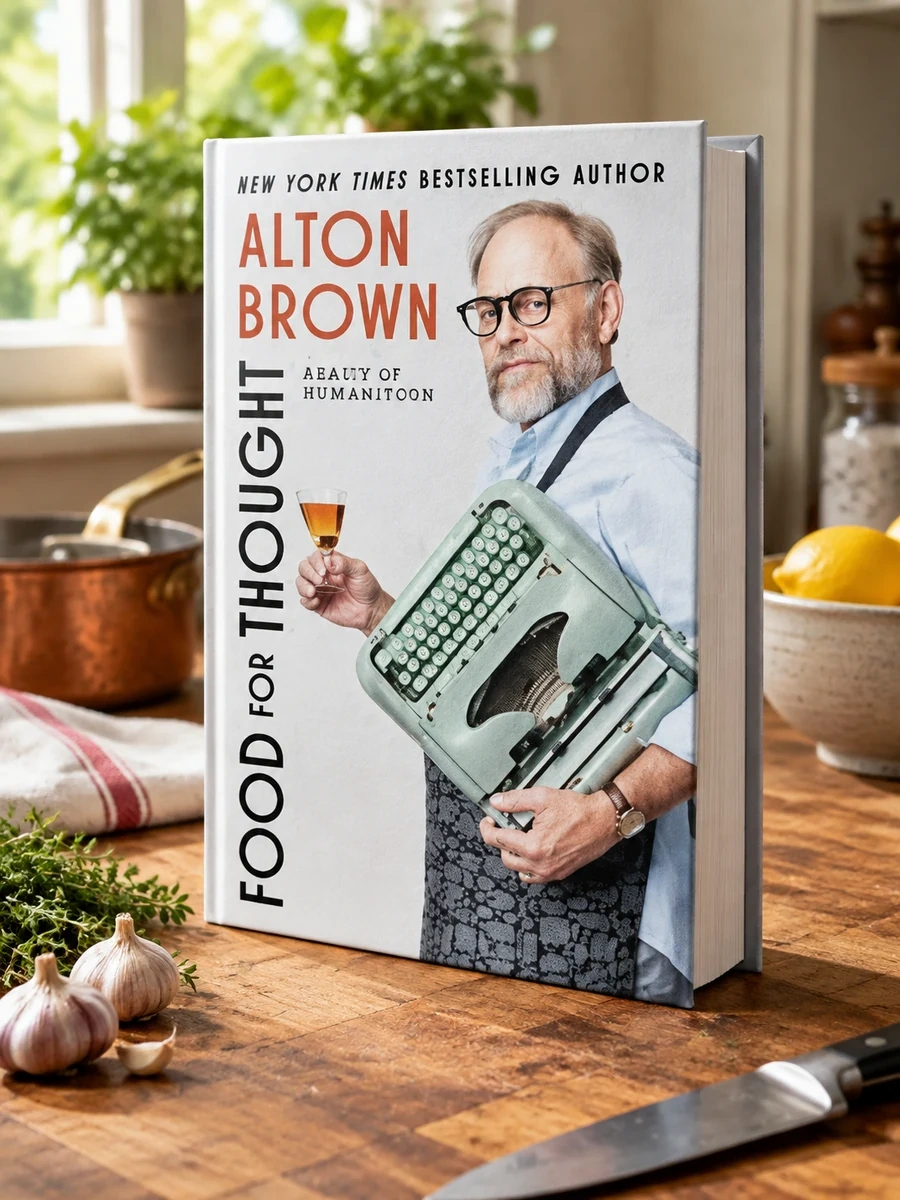
8. Food for Thought: Essays and Ruminations — Alton Brown
Not everyone looking for an Alton Brown book wants another recipe collection. Food for Thought: Essays and Ruminations is the option to consider when the reader is interested in his thoughts about food and the wider experience of eating and cooking. Its essay-oriented format makes it distinct from the instructional titles, offering a reading experience that does not depend on having a mixing bowl or frying pan nearby.
This is a particularly appealing gift for someone who enjoys Brown as a writer and personality, not simply as a source of recipes. It may also suit cooks who already own several of his technique books and want something different from the same author. The title suggests a reflective approach rather than a conventional step-by-step cookbook, so readers seeking detailed cooking lessons should look elsewhere in this selection. For food enthusiasts who enjoy thinking about the subject beyond the kitchen, however, it provides an important alternative.
How to choose the right Alton Brown book
The best choice depends on what you expect a cookbook to do for you. Brown's bibliography includes practical instruction, baking-focused explanations, television-inspired collections, and essays. Thinking about the intended reader's habits will usually lead to a better decision than choosing the most recognizable cover.
- For a first-time Alton Brown reader: Start with I'm Just Here for the Food: Version 2.0. Its focus on cooking methods provides a clear introduction to the approach that distinguishes Brown's work.
- For someone who wants to improve at baking: Choose I'm Just Here for More Food. Its mixing-and-heat framework makes it the most directly relevant title for a reader interested in the reasoning behind baking results.
- For an everyday cookbook reader: Consider Everydaycook. It offers a different, more general entry into Brown's cooking library.
- For a Good Eats fan: Begin with Good Eats: The Early Years Volume 1 and continue through the middle and later collections. This approach gives the collection a natural reading order.
- For a devoted collector: Look at Good Eats: The Final Years or Good Eats 3: The Later Years, depending on which installments are missing from the shelf.
- For someone who enjoys food writing: Pick Food for Thought. It is the clearest choice when reading about food matters more than following recipes.
Budget can also help narrow the decision. The titles in this selection generally fall in the under-$40 range, with some Good Eats volumes and technique books sitting toward the higher end. If you are buying a gift, consider whether the recipient already owns related volumes before choosing a continuation of a series. A standalone technique book is usually a safer choice when you do not know their collection.
One final distinction is worth keeping in mind: Brown's books are most rewarding when you enjoy understanding the reasoning behind food. If you want a cookbook that simply supplies a large number of recipes with minimal explanation, his more science-oriented titles may not match your expectations. But if you like asking why ingredients behave differently, how heat changes a dish, or what makes a method reliable, his work offers a particularly satisfying way to learn.
For most curious home cooks, I'm Just Here for the Food: Version 2.0 is the strongest starting point. Bakers should lean toward I'm Just Here for More Food, while Good Eats enthusiasts will get more satisfaction from building the series in order. Choose according to the reader's interests, and an Alton Brown book can become more than a collection of recipes: it can change the way someone thinks about cooking.