A good baking cookbook does more than provide recipes. It helps shape how you approach ingredients, techniques, and the process of creating something from the oven. For some home cooks, the ideal book is filled with familiar cakes and cookies. For others, the right choice is a detailed guide to bread, pastry, decorating, or specialized baking needs.
The best match depends on your kitchen habits and goals. A baker who enjoys weekend desserts may want a collection of cakes and sweet treats, while someone interested in improving skills may prefer a book built around methods and formulas. Dietary preferences can also influence the decision, with some cookbooks designed around ingredient alternatives.
At Eatbook Family, we look for baking books that offer clear direction and lasting usefulness. The following selections cover different styles of baking, from approachable dessert collections to detailed references for cooks who want to understand how baked goods come together.
Classic baking cookbooks for cakes and everyday treats
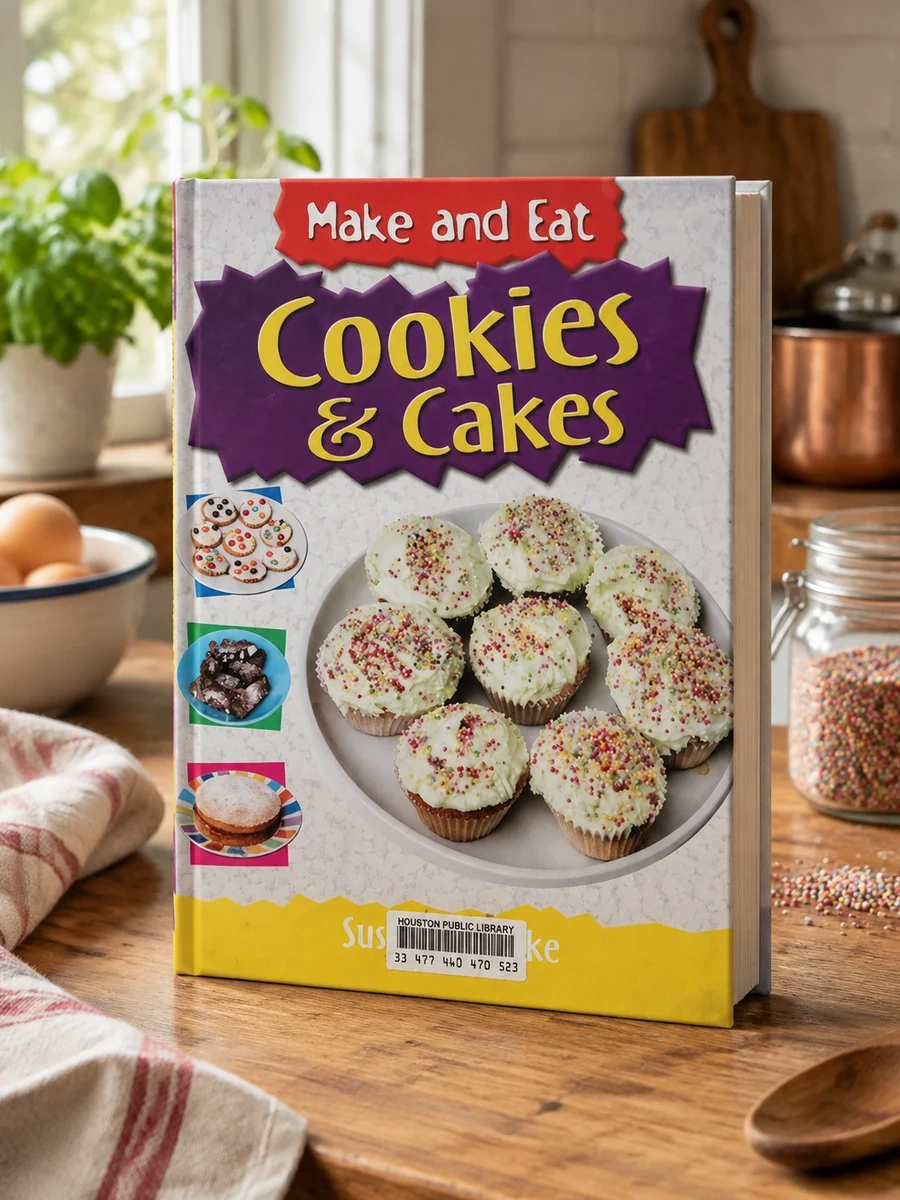
1. Cookies & Cakes — Susannah Blake
This collection is a practical choice for bakers who want to focus on two popular categories: cookies and cakes. It brings together recipes centered on familiar desserts, making it suitable for kitchens where sweet treats are a regular part of cooking.
The straightforward focus makes this book appealing for people who want variety without needing a highly specialized reference. It can serve as a dependable companion for casual baking sessions, family occasions, and everyday desserts.
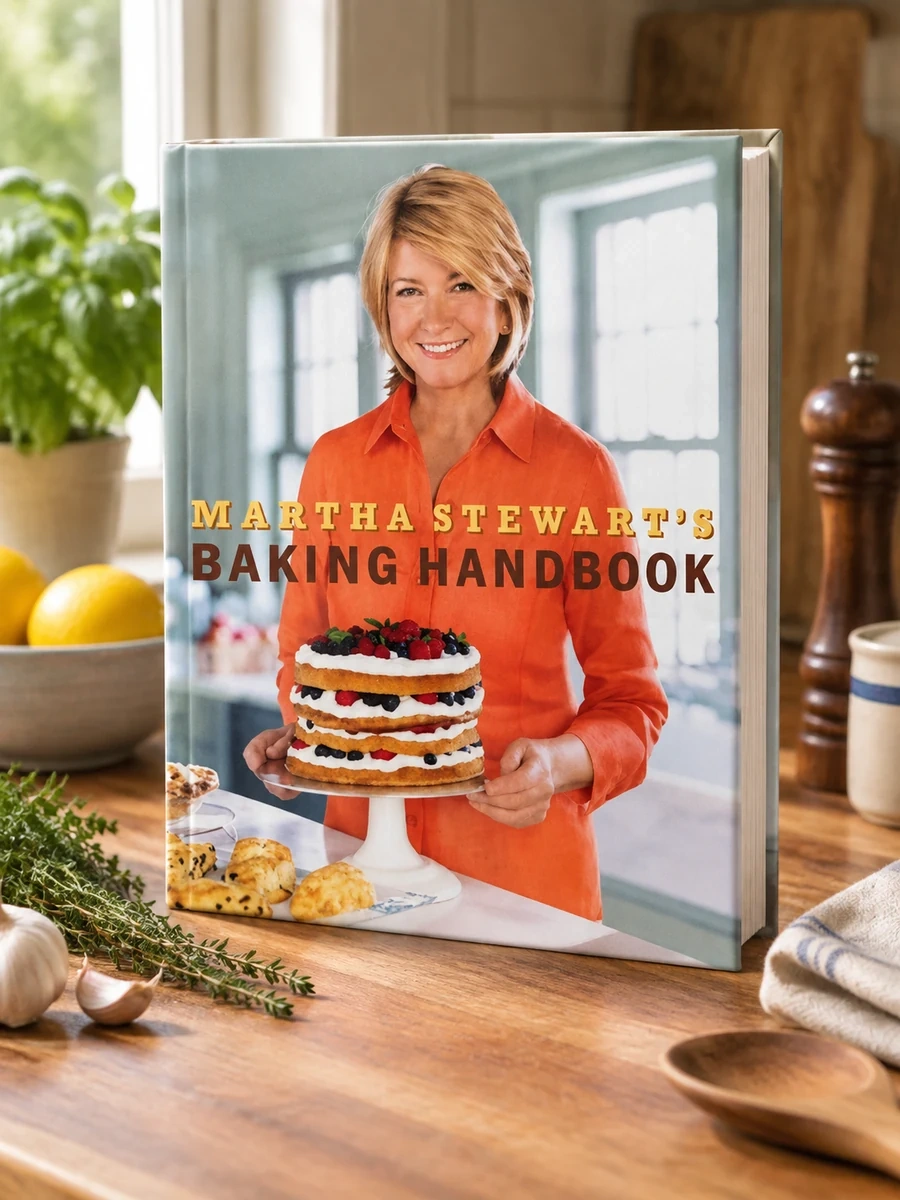
2. Martha Stewart's Baking Handbook — Martha Stewart
This handbook offers a broad foundation for bakers who want coverage across different types of baked goods. A reference-style cookbook like this can be useful for cooks building confidence and expanding their skills over time.
Its place on a kitchen shelf comes from its general baking focus. It suits people who appreciate classic approaches and want a substantial resource available when working through new recipes or familiar favorites.
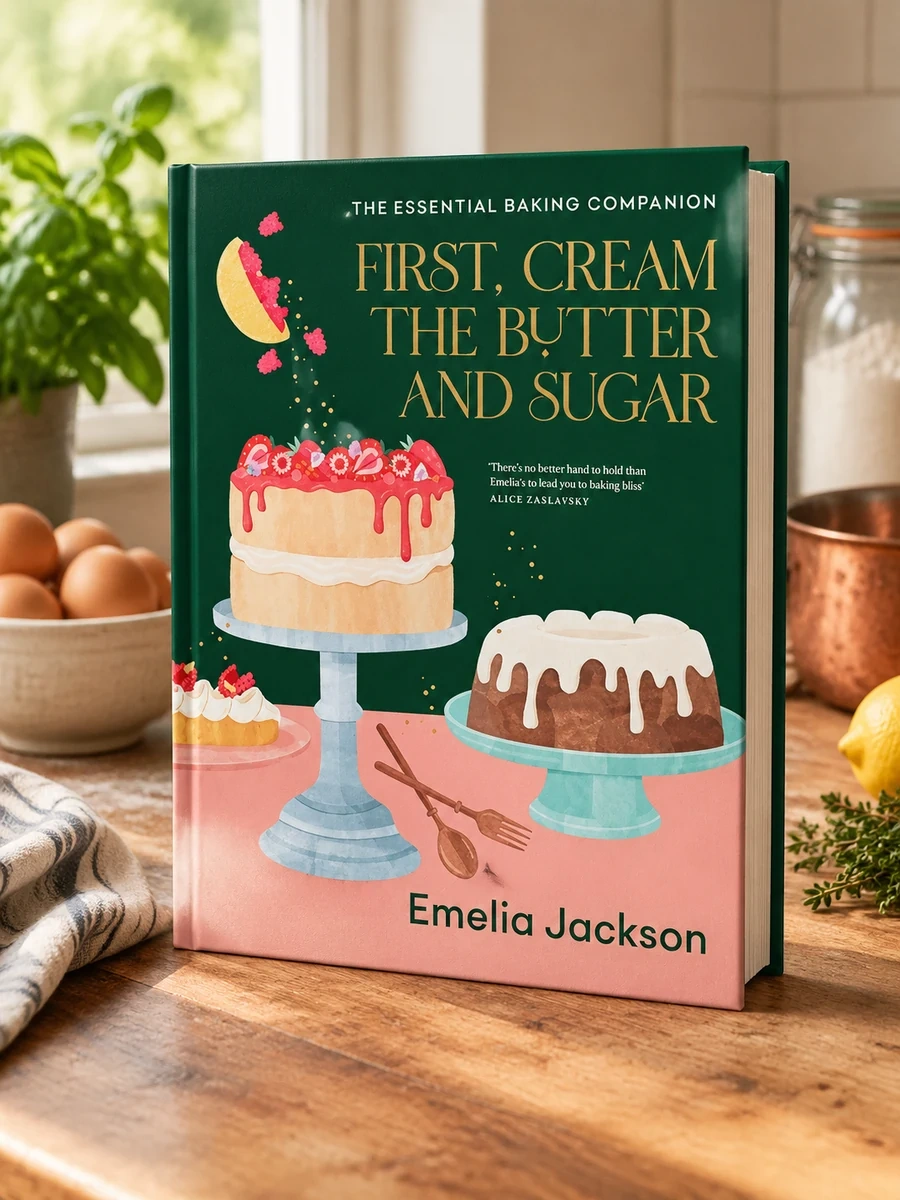
3. First, Cream the Butter and Sugar: The Essential Baking Companion — Emelia Jackson
This book emphasizes the foundations behind successful baking. The title points toward the importance of technique, preparation, and understanding the steps that influence the final result.
Bakers who enjoy learning through practice may find this approach especially useful. Instead of only collecting finished recipes, it highlights the role of process and skill development in the kitchen.
Guides for bread, pastry, and baking techniques
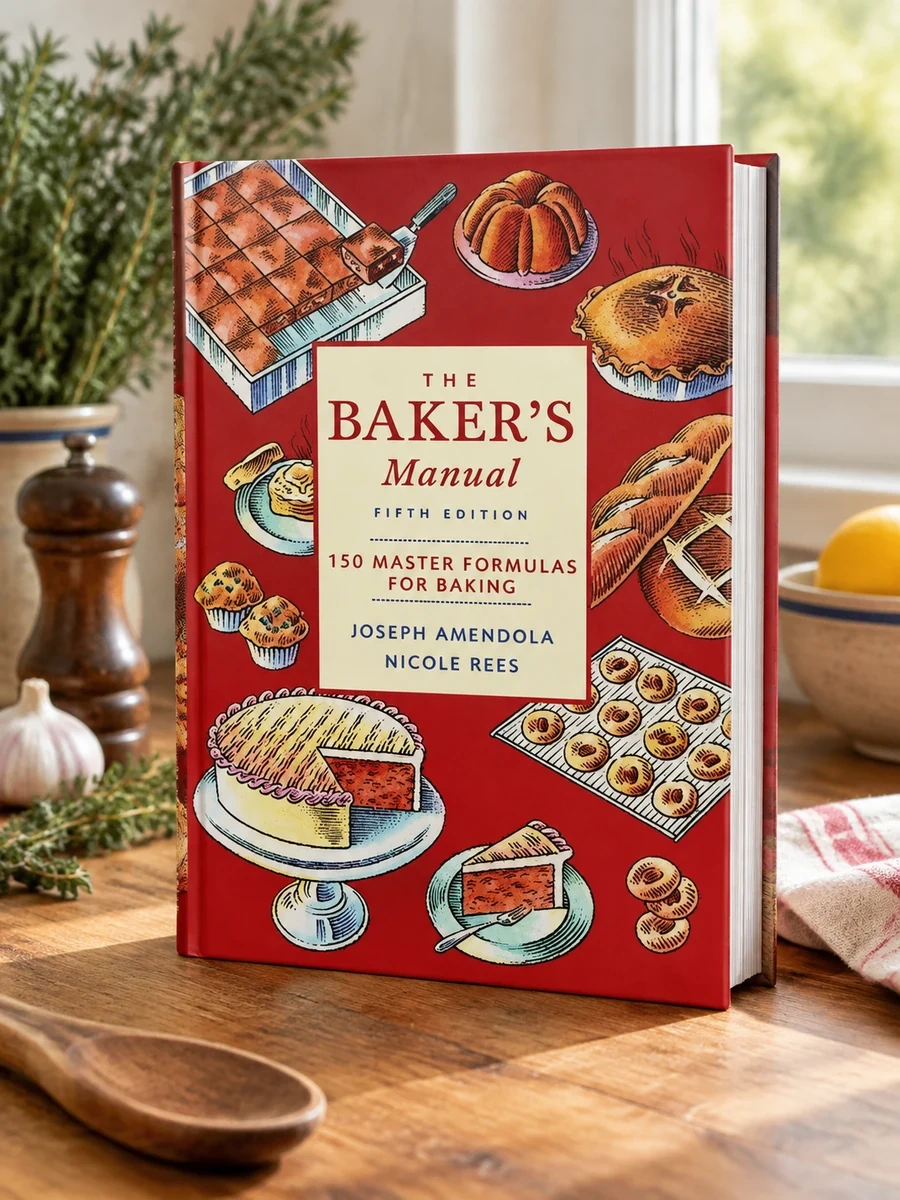
4. The Baker's Manual: 150 Master Formulas for Baking — Joseph Amendola
This manual is designed for bakers interested in structure and consistency. Its focus on master formulas makes it different from a simple recipe collection because it centers on repeatable baking knowledge.
Home bakers who like measuring carefully and comparing results may appreciate this style of book. It can help cooks think about baking as a process built on reliable principles.
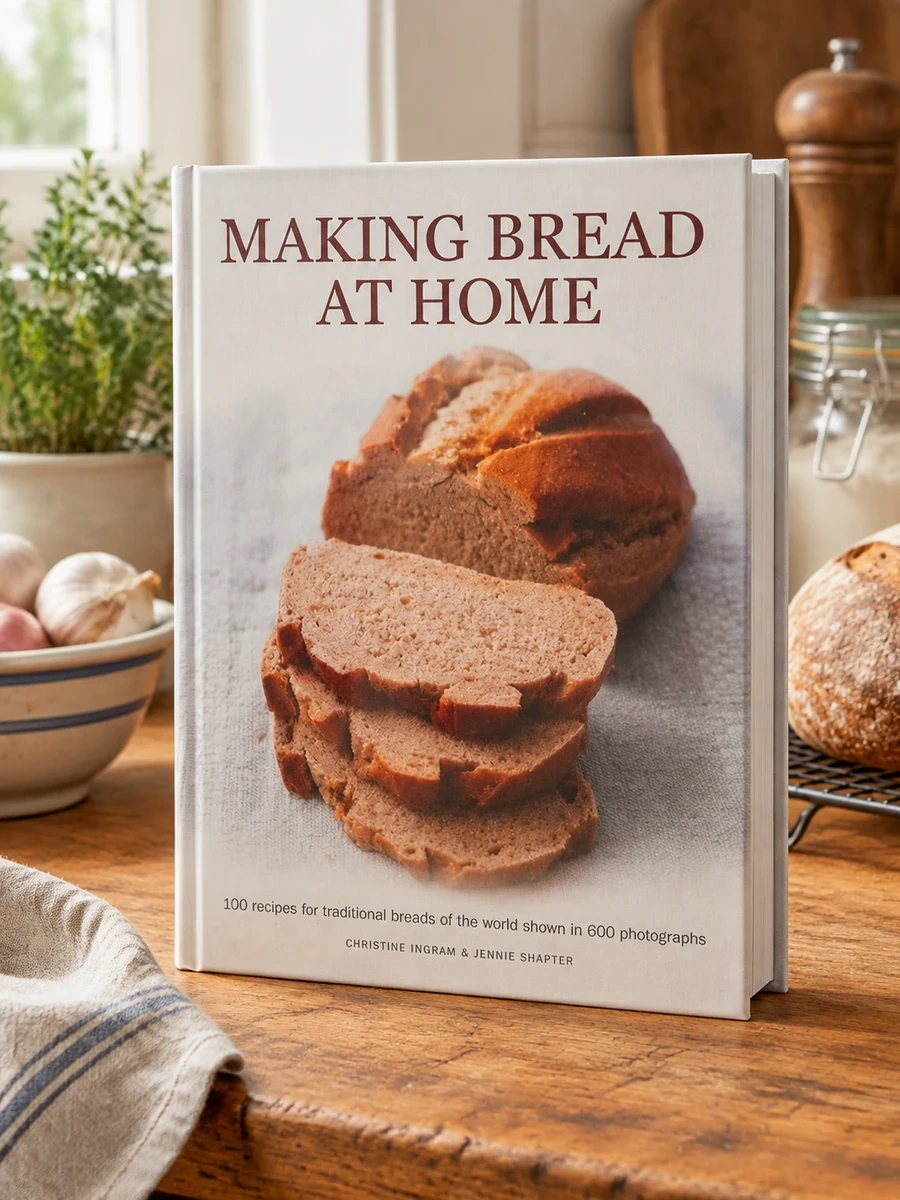
5. Making Bread at Home: 100 Recipes for Traditional Breads of the World Shown in 600 Photographs — Christine Ingram
Bread baking requires patience and attention to ingredients, and this cookbook focuses specifically on breads from different traditions. The collection is suited to cooks who want to explore more than a single everyday loaf.
The inclusion of many photographs supports a visual approach to bread making. It is a fitting choice for bakers who enjoy hands-on projects and want to make bread a larger part of their home cooking routine.
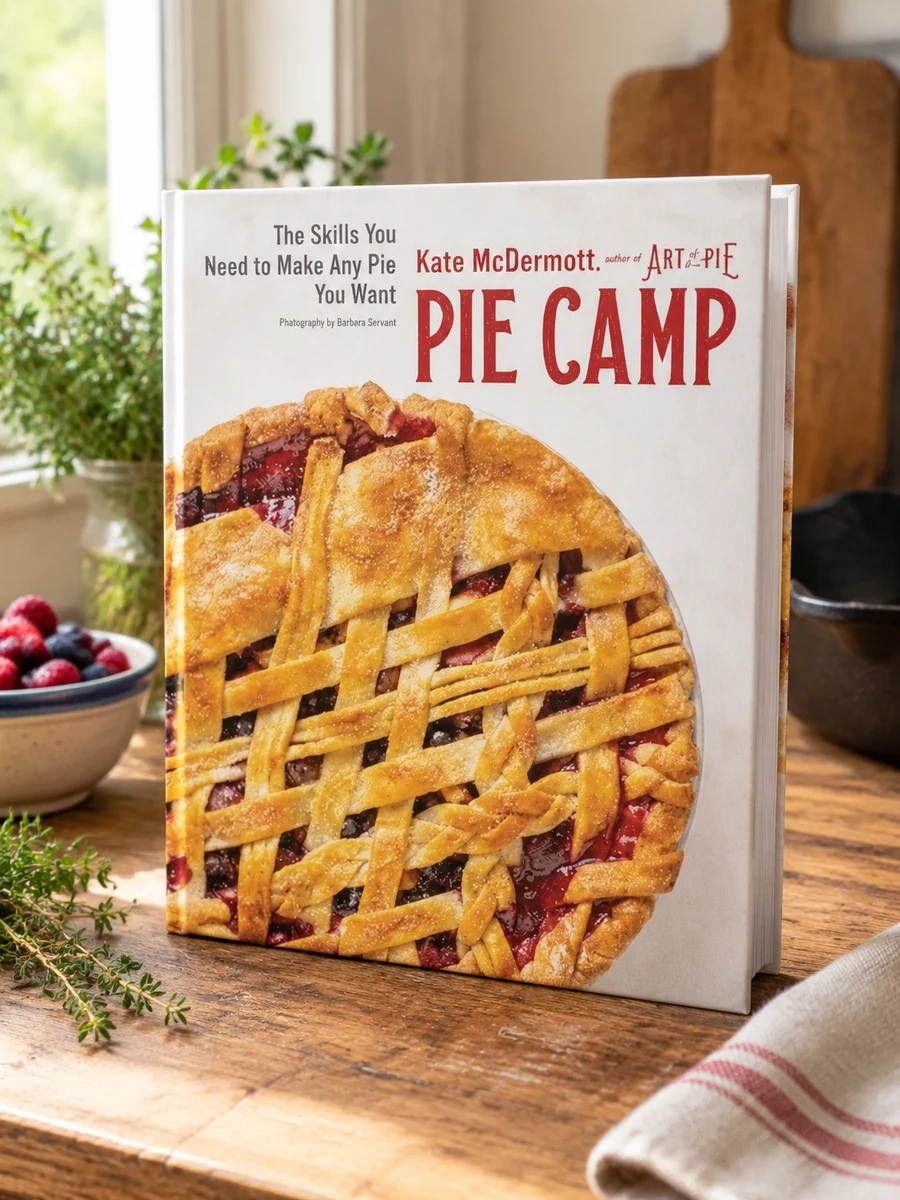
6. Pie Camp: The Skills You Need to Make Any Pie You Want — Kate McDermott
This cookbook focuses on the skills behind making pies successfully. Pie baking often depends on details such as crust preparation and handling, so a book centered on technique can be valuable for improving results.
It works well for bakers who want to develop confidence with pies instead of treating them as occasional projects. The focus on skills gives the book a practical role in a growing baking collection.
Creative baking and specialty choices
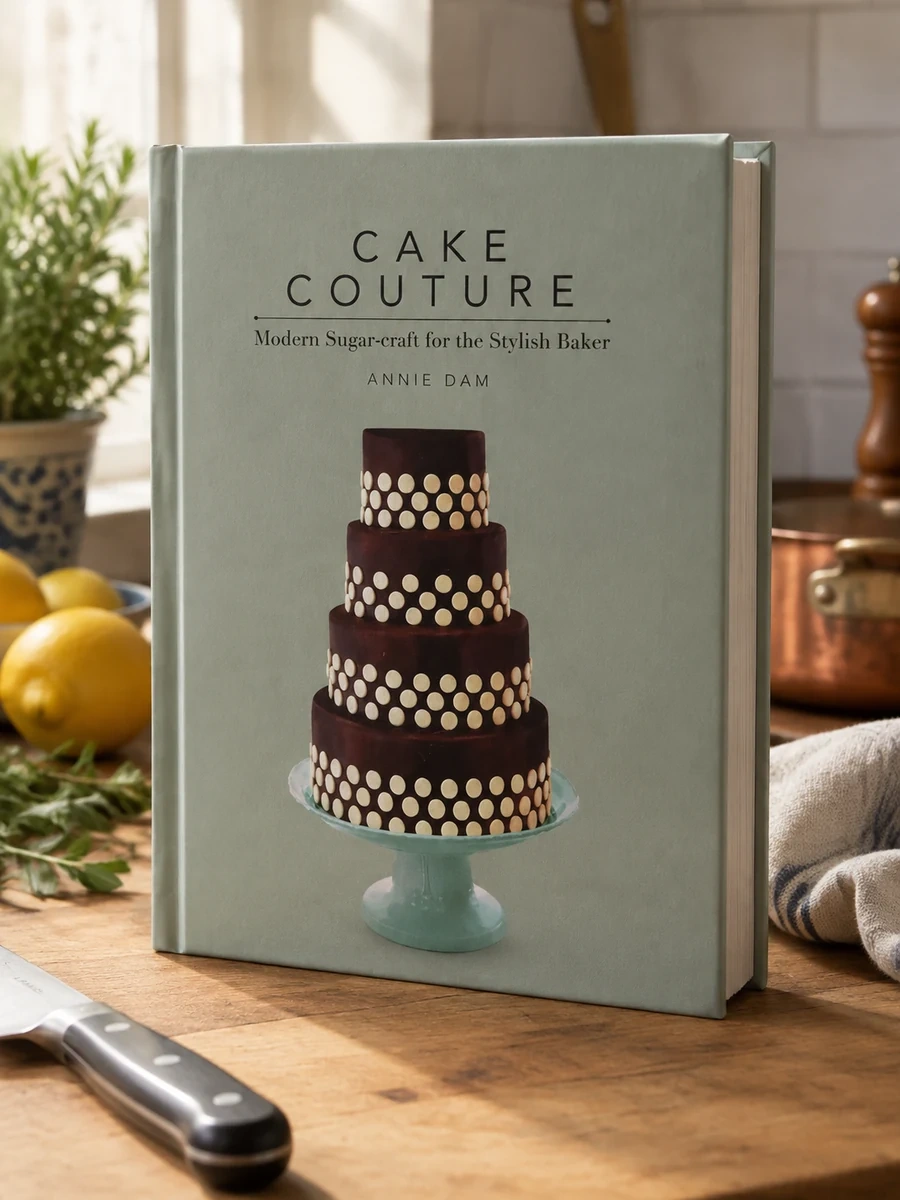
7. Cake Couture: Modern Sugar-Craft for the Stylish Baker — Annie Dam
This cookbook highlights the decorative side of cake creation. Its focus on modern sugar-craft makes it suitable for bakers who enjoy turning cakes into visually creative desserts.
People interested in celebration cakes and decorative work may find this style of cookbook inspiring. It treats cake making as both a baking skill and a creative activity.
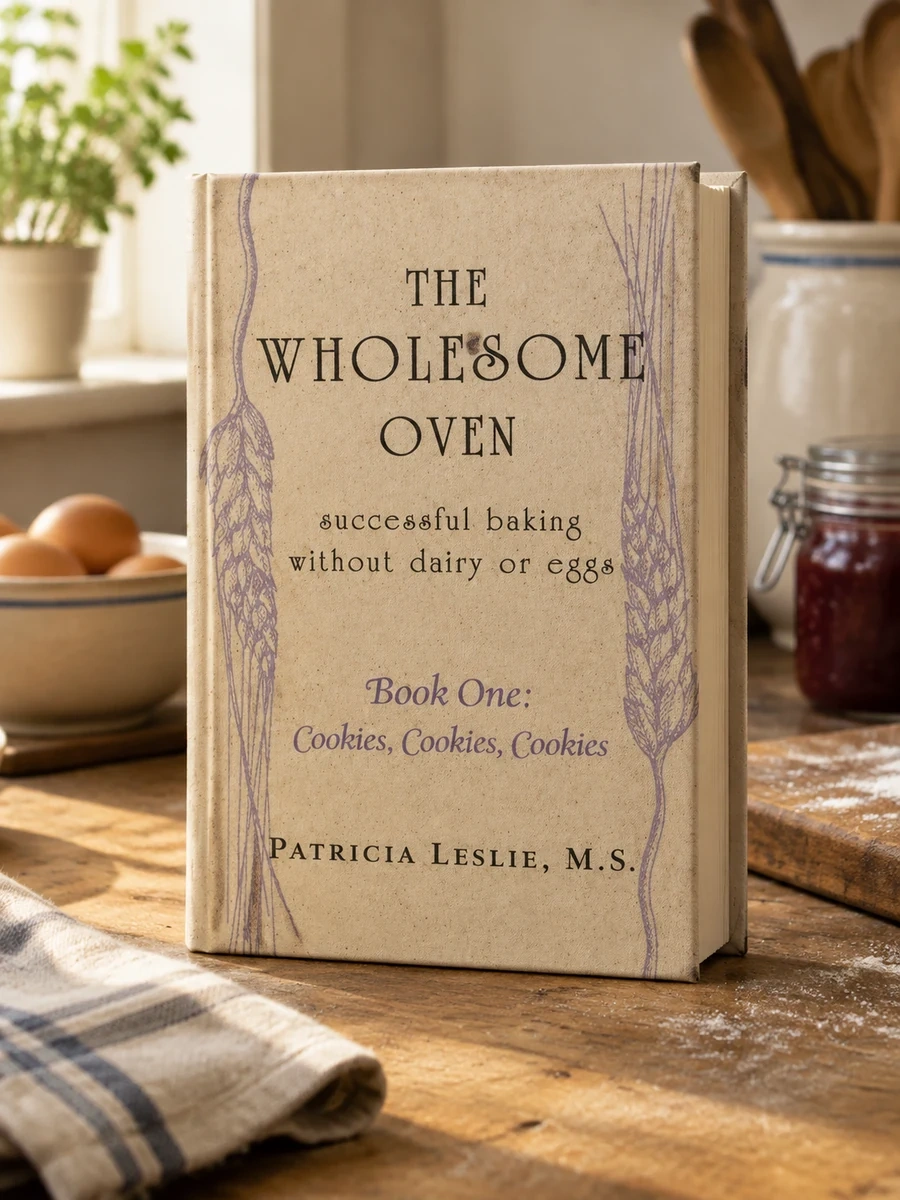
8. The Wholesome Oven: Successful Baking Without Dairy or Eggs--Book One: Cookies, Cookies, Cookies — Patricia Leslie
This book addresses baking without dairy or eggs, with a specific focus on cookies. It provides an option for households seeking recipes that fit different ingredient requirements.
The narrow focus can be an advantage for bakers who need alternatives for familiar treats. Rather than covering every kind of dessert, it concentrates on a specific baking need.
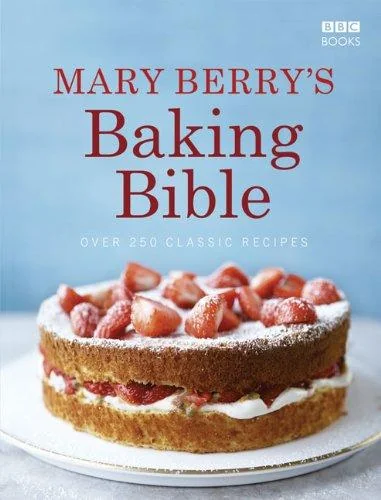
9. Mary Berry's Baking Bible: Over 250 Classic Recipes — Mary Berry
This cookbook offers a wide selection of classic baking recipes. A large collection can be useful for home cooks who want many options available in one place.
It fits bakers who enjoy traditional desserts and want a book that can support different occasions. The broad recipe range makes it a useful addition for anyone building a personal baking library.
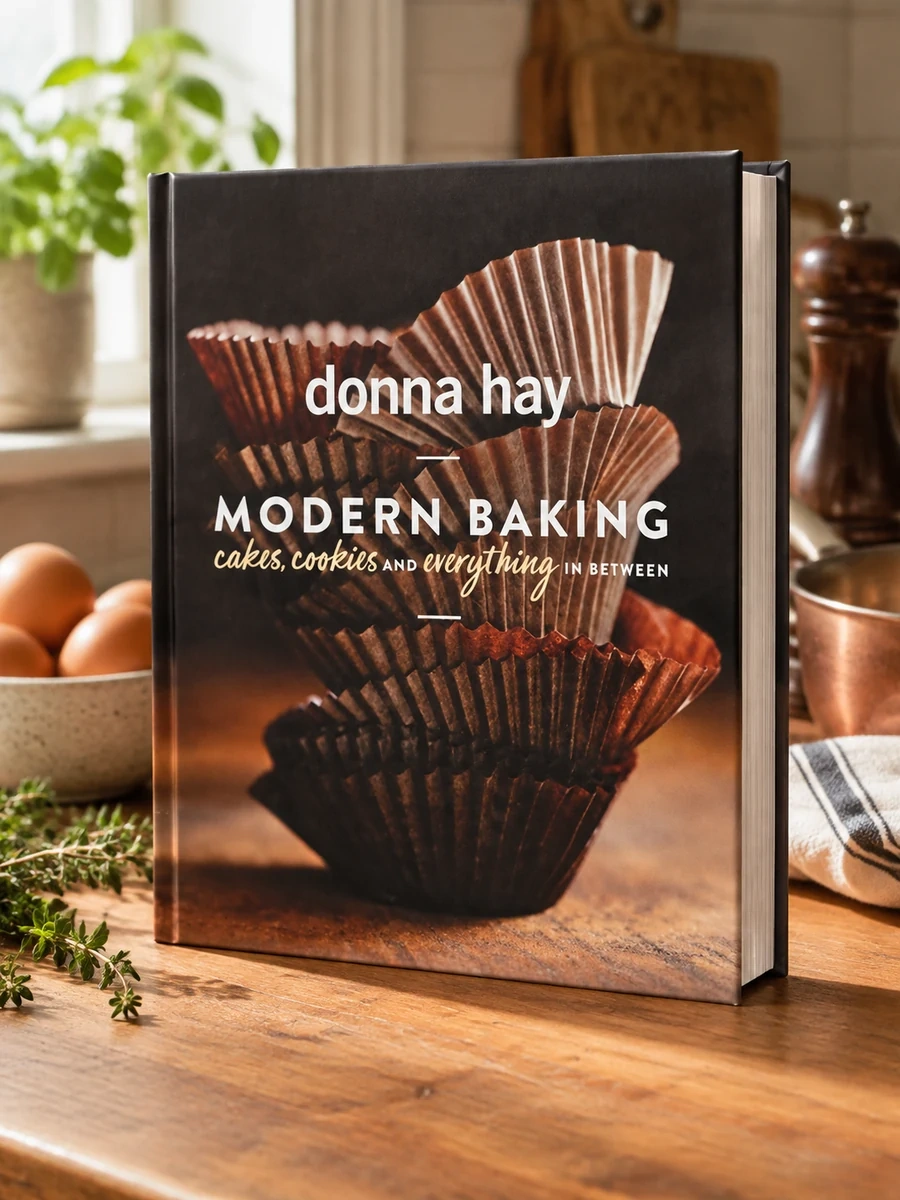
10. Modern Baking — Donna Hay
This book brings a contemporary approach to baking. It is a suitable option for cooks interested in modern dessert ideas and a fresh perspective on baked goods.
Bakers who enjoy experimenting with different styles may appreciate having a cookbook that adds variety to a collection. It complements more traditional references by offering another approach to sweet creations.
How to choose the right baking cookbook
Start by deciding what you want to bake most often. If cakes and cookies are your main interest, a dessert-focused book may provide more useful ideas than a broad technical guide. If your goal is improving bread or pastry skills, a method-focused cookbook may be the better fit.
Think about the amount of instruction you prefer. Some bakers want quick access to recipes with familiar steps. Others enjoy explanations about formulas, preparation, and the reasons certain methods work. A cookbook that matches your learning style is more likely to become a regular kitchen companion.
Special dietary needs should also guide your choice. A book such as The Wholesome Oven serves a different purpose from a broad baking handbook. Choosing a specialized resource can make it easier to create treats that fit your kitchen requirements.
For bakers who enjoy visual creativity, books focused on decorating can provide a different type of inspiration. For those interested in craftsmanship, bread and pastry guides may offer more opportunities to practice techniques.
A strong baking cookbook is ultimately one that fits your interests and encourages regular use. Whether you are making a simple batch of cookies, practicing bread techniques, or preparing an elaborate cake, the right book can help make baking a rewarding part of home life.