Sourdough has a way of turning an ordinary kitchen into a small bakery. A jar of starter becomes part of the household routine, a mixing bowl occupies the counter for hours, and suddenly questions about dough temperature, fermentation, shaping, and oven timing matter. The appeal is easy to understand, but the learning curve can be less straightforward. A recipe that produces a beautiful loaf in one kitchen may behave differently in another, particularly when room temperature, flour, and starter activity change.
That is why choosing the right sourdough cookbook matters. Some books concentrate on getting the fundamentals right, while others explore the science behind fermentation, introduce unusual bread traditions, or extend sourdough into pizza, pastries, and everyday cooking. A first-time baker generally needs a different kind of instruction from someone who already maintains a lively starter and wants to improve crumb structure or experiment with more complicated doughs.
Our selection brings together 12 books from the catalog, with options for new bakers, technically curious home cooks, experienced bread makers, and people shopping for a thoughtful baking gift. Rather than treating every title as interchangeable, we have grouped them by the kind of progress they can help a baker make.
Start Here: Sourdough Books for Building Confidence
For a beginner, the first challenge is not producing a spectacular artisan loaf. It is understanding the relationship between starter, flour, water, time, and temperature well enough to repeat a successful bake. Look for a book whose subject and approach match the questions you actually have, rather than choosing the most ambitious title on the shelf.
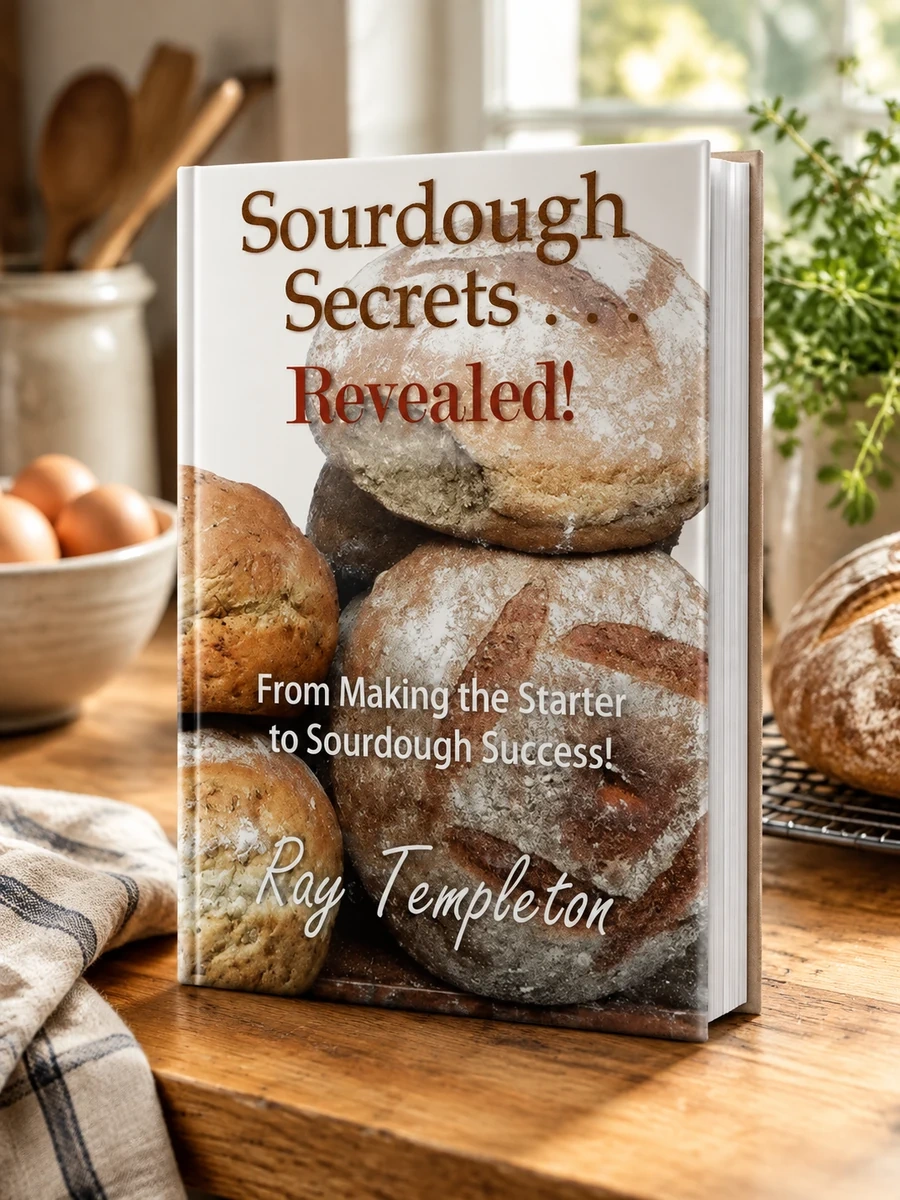
1. Sourdough Secrets... Revealed!: From Making the Starter to Sourdough Success — S E Thomas
The title makes this one of the most directly relevant starting points for someone who has not yet established a sourdough routine. Its stated coverage runs from making a starter to achieving sourdough success, giving it a natural place at the beginning of a beginner's reading list. Choose it if the first questions on your mind concern getting started and understanding the basic process rather than immediately pursuing elaborate artisan projects. At an accessible price point, it is also a practical introductory addition to a larger baking-book collection.
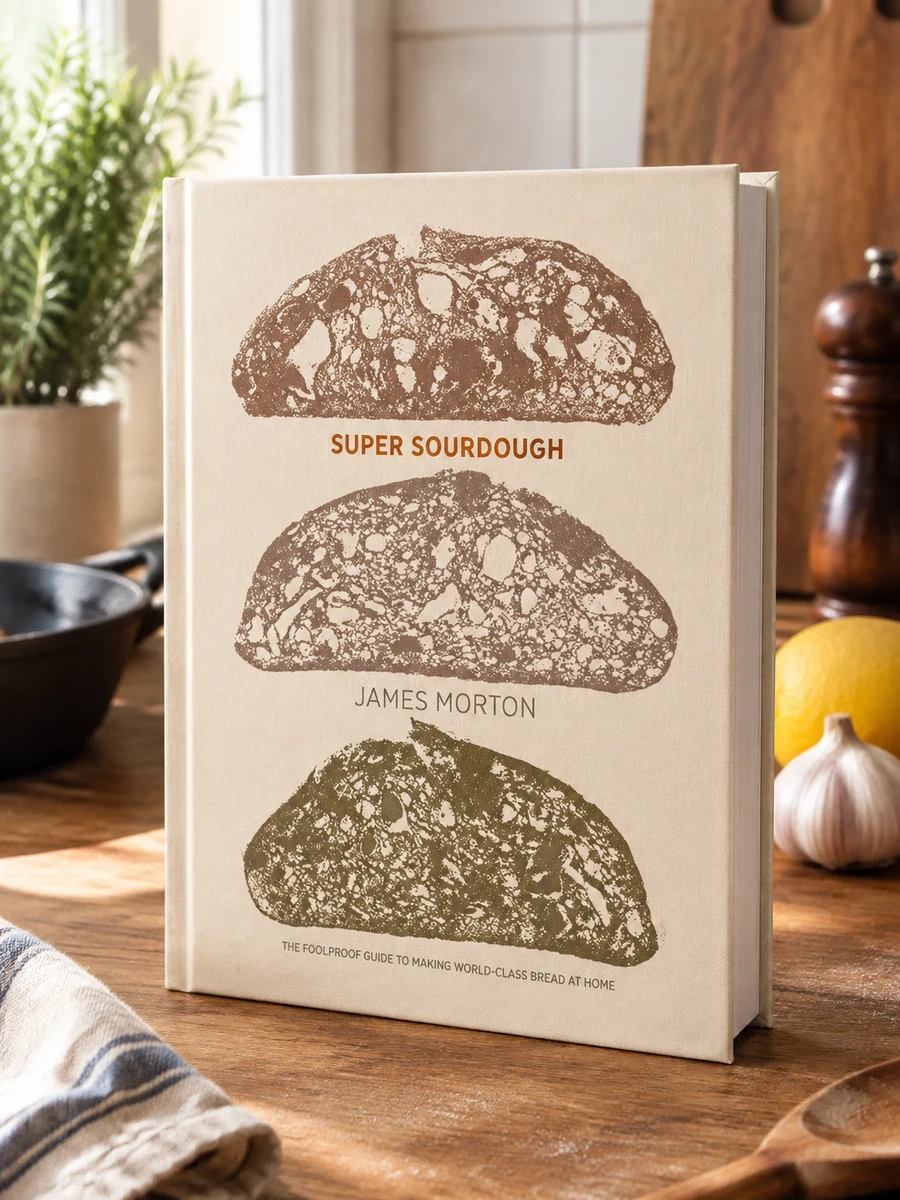
2. Super Sourdough: The Foolproof Guide to Making World-Class Bread at Home — James Morton
Super Sourdough positions itself around dependable results and ambitious home bread-making. Its promise of a foolproof guide makes it particularly appealing to bakers who want to move beyond occasional experimentation and establish a more confident approach to making bread. It is a strong choice for someone who wants a dedicated sourdough title rather than a general baking reference. The substantial, gift-worthy presentation also makes it a compelling option for a home baker who takes the hobby seriously.
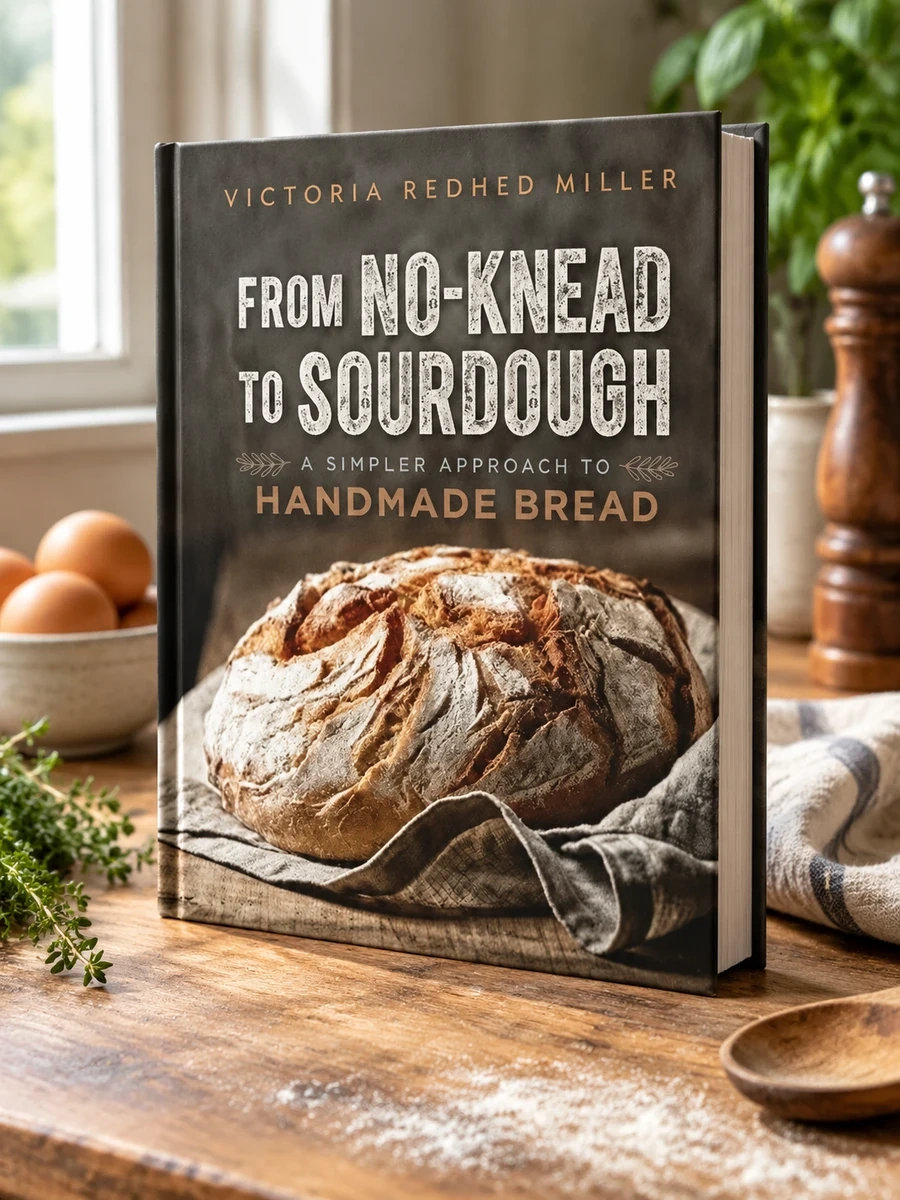
3. From No-Knead to Sourdough: A Simpler Approach to Handmade Bread — Victoria Redhed Miller
This title appeals to people who want to understand handmade bread without making the process feel unnecessarily complicated. Its progression from no-knead bread to sourdough suggests an approachable way to develop baking confidence before taking on more involved techniques. It is especially relevant to home cooks who have limited experience with dough and would rather build their skills gradually. Consider it when simplicity and a manageable introduction matter more than an exhaustive technical treatment.
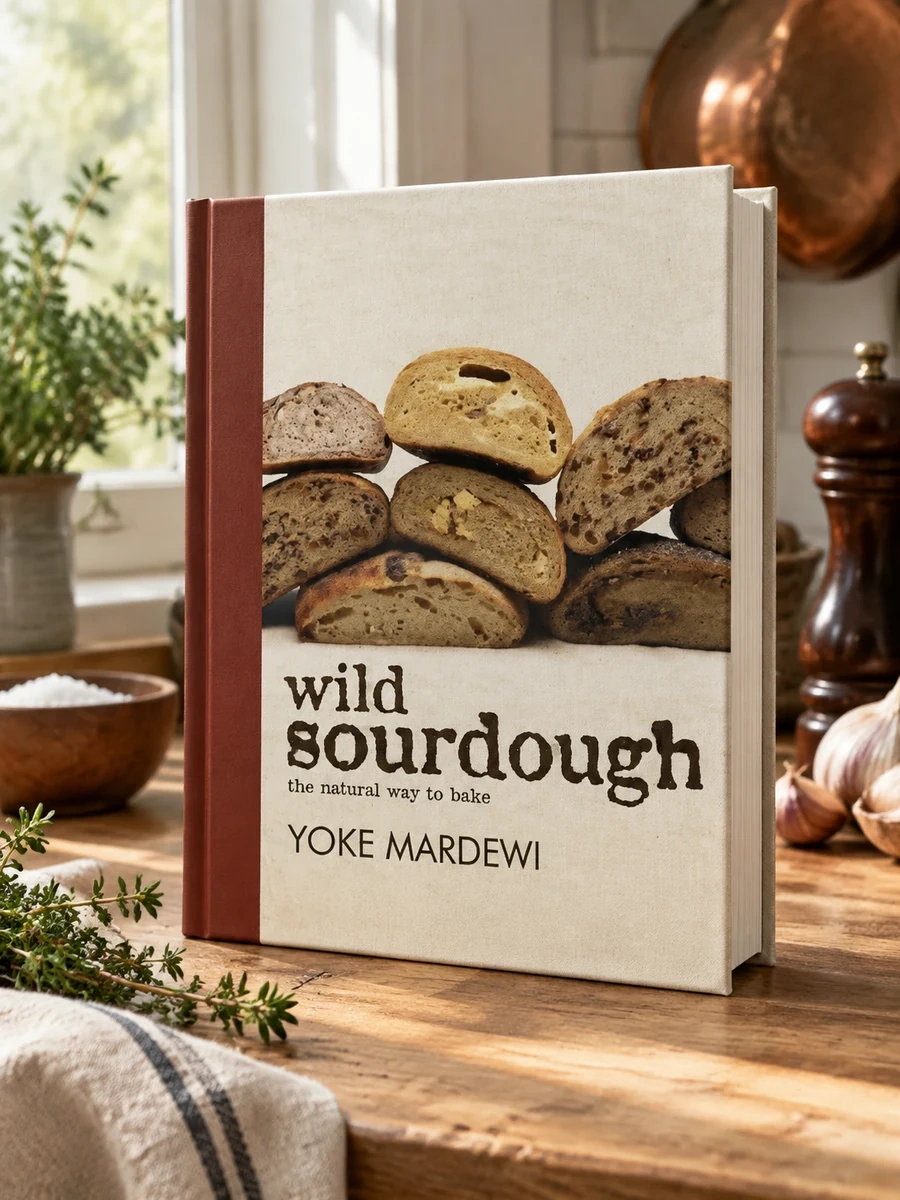
4. Wild Sourdough: The Natural Way to Bake — Yoke Mardewi
For someone attracted to naturally leavened bread and the traditional character of sourdough, Wild Sourdough offers a distinctly focused direction. Its emphasis on natural baking makes it a useful alternative to books that present bread primarily as a collection of standardized recipes. It belongs on the shortlist for readers interested in developing an appreciation for the natural process behind sourdough. It can also make a thoughtful gift for someone who enjoys traditional baking methods and wants a book devoted to this particular style of bread.
Understand the Craft: Fermentation, Technique, and Better Bread
Once the first few loaves are behind you, the questions become more interesting. Why does one dough hold its shape while another spreads? How should fermentation fit around a working day? What changes when you use different grains or follow the methods of artisan bakers? At this stage, a book that explains the wider practice of bread-making can be more useful than another collection of basic recipes.
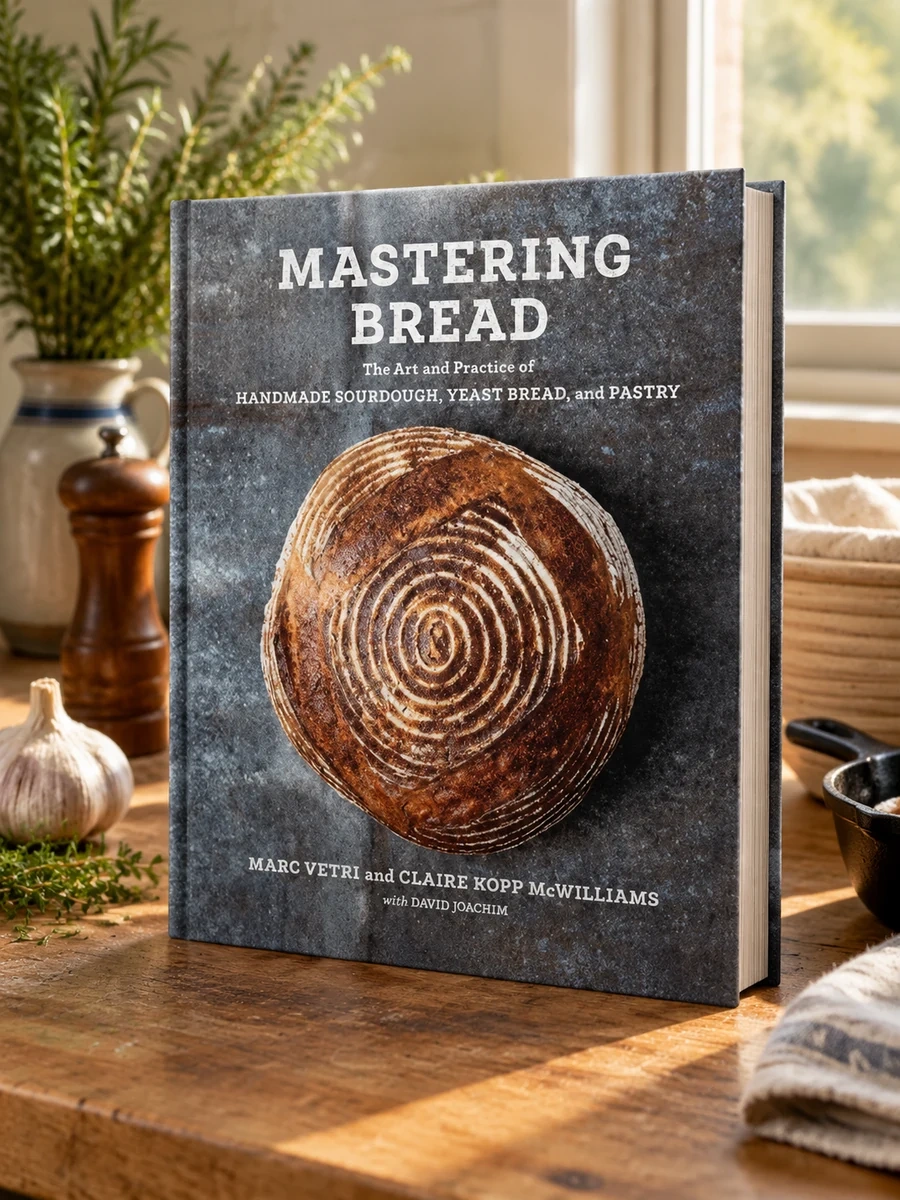
5. Mastering Bread: The Art and Practice of Handmade Sourdough, Yeast Bread, and Pastry — Marc Vetri
Mastering Bread stands out because it does not confine itself to sourdough alone. Its scope includes handmade sourdough, yeast bread, and pastry, making it a broader reference for cooks who want to understand baking as a connected set of skills. That wider coverage is particularly useful once you have become comfortable with naturally leavened loaves and want to explore other forms of dough. It is a strong investment for an established home baker who would rather own a substantial baking reference than a narrowly focused introductory book.
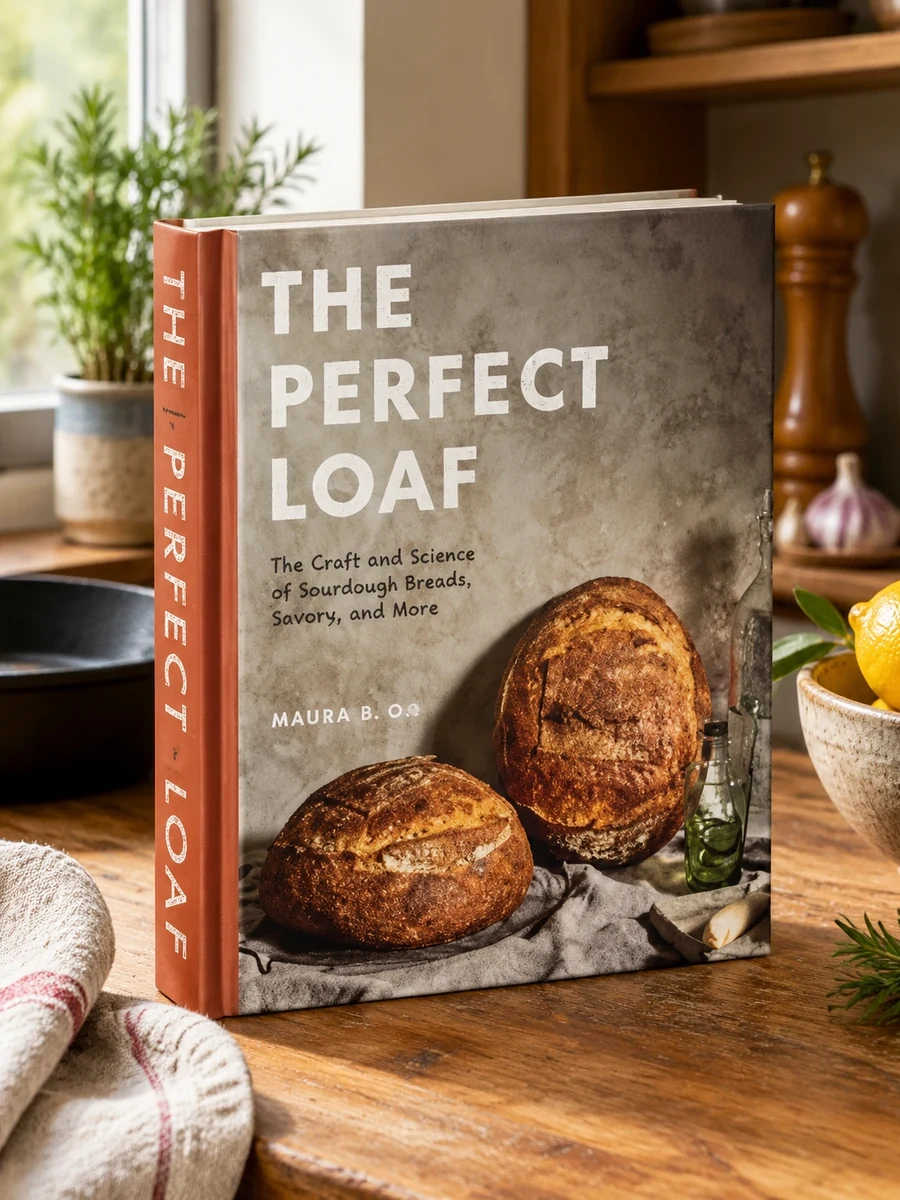
6. The Perfect Loaf: The Craft and Science of Sourdough Breads, Sweets, and More — Maurizio Leo
The combination of craft and science makes this an appealing choice for bakers who want to understand what happens inside their dough rather than simply reproduce a set of instructions. Its subject extends beyond bread into sweets and other applications, giving experienced home bakers room to broaden their repertoire. This is the kind of book to consider when a baker already understands the basics and wants a more considered relationship with the process. At the higher end of the catalog's sourdough price range, it also has the appeal of a substantial gift for someone deeply invested in baking.
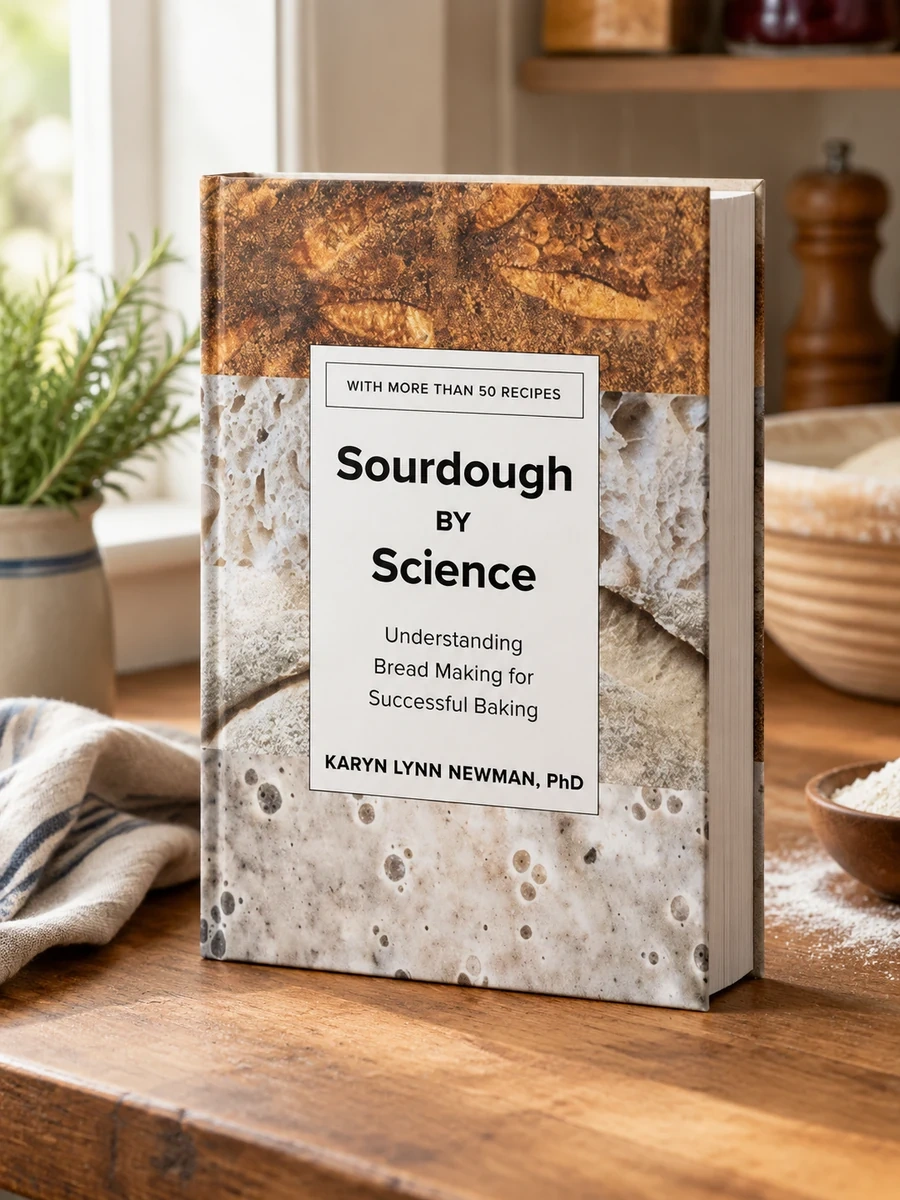
7. Sourdough by Science: Understanding Bread Making for Successful Baking — Karyn Lynn Newman
Some bakers are happiest when they know why a recipe works. For them, Sourdough by Science is a particularly relevant title because its central emphasis is understanding bread-making rather than treating baking as a sequence of unexplained steps. It suits curious home cooks who want to connect their practical experience with a clearer understanding of the process. If you are the sort of baker who asks why a loaf behaves differently from one week to the next, this science-oriented approach deserves consideration.
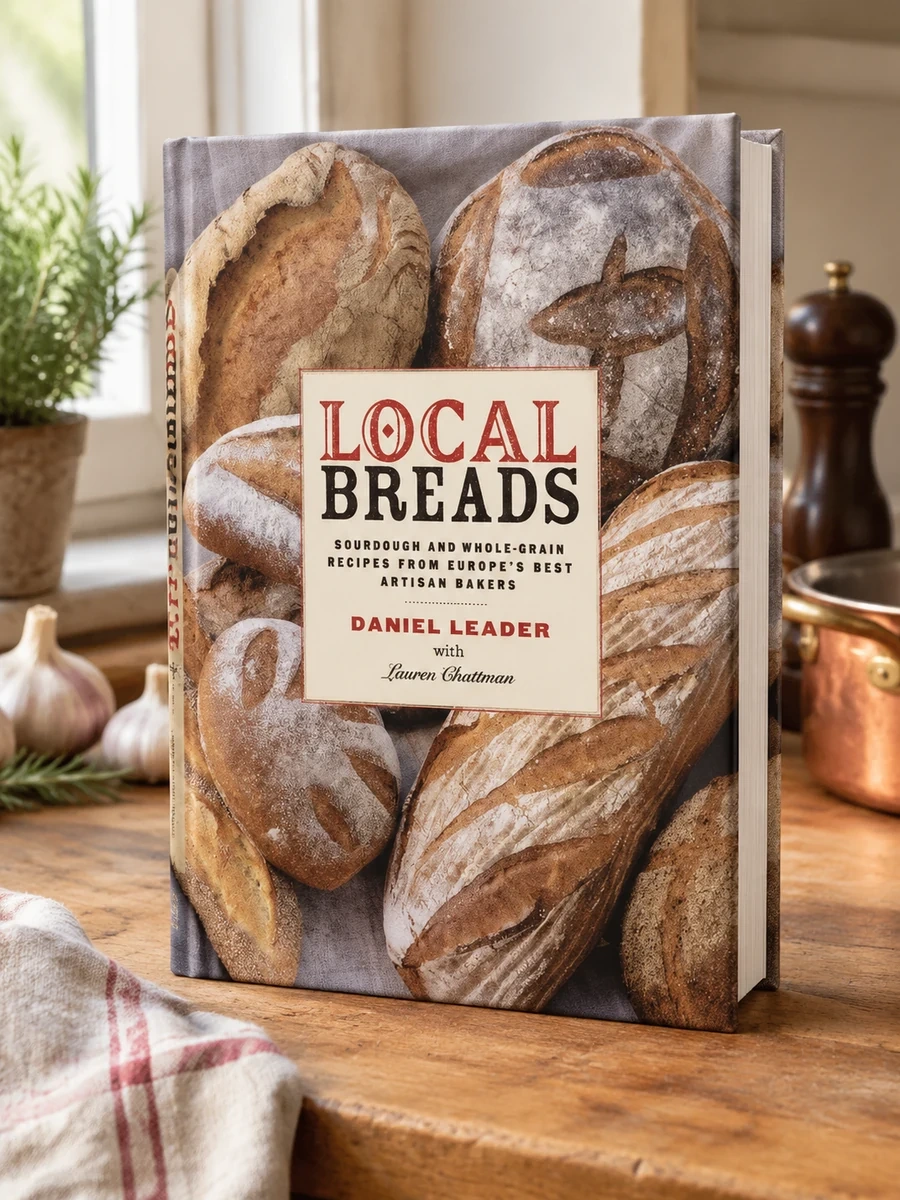
8. Local Breads: Sourdough and Whole-Grain Recipes from Europe's Best Artisan Bakers — Daniel Leader
Local Breads offers a different perspective by connecting sourdough and whole-grain recipes with the work of artisan bakers across Europe. Rather than concentrating exclusively on the first steps of home baking, its subject encourages readers to look outward at bread traditions and regional approaches. It is particularly well suited to an experienced baker who enjoys exploring different styles and ingredients. This is a rewarding direction for someone whose interest in sourdough has grown beyond producing a dependable everyday loaf.
Expand Your Repertoire: Creative Sourdough and Specialist Baking
One of the pleasures of maintaining a starter is discovering how many directions naturally leavened dough can take. It does not have to end with a country-style loaf. Pizza, focaccia, rolls, pastries, sweet baking, and alternative flours all offer opportunities to experiment. These books are especially interesting for people who already have a working knowledge of sourdough or who have a particular baking interest they want to pursue.
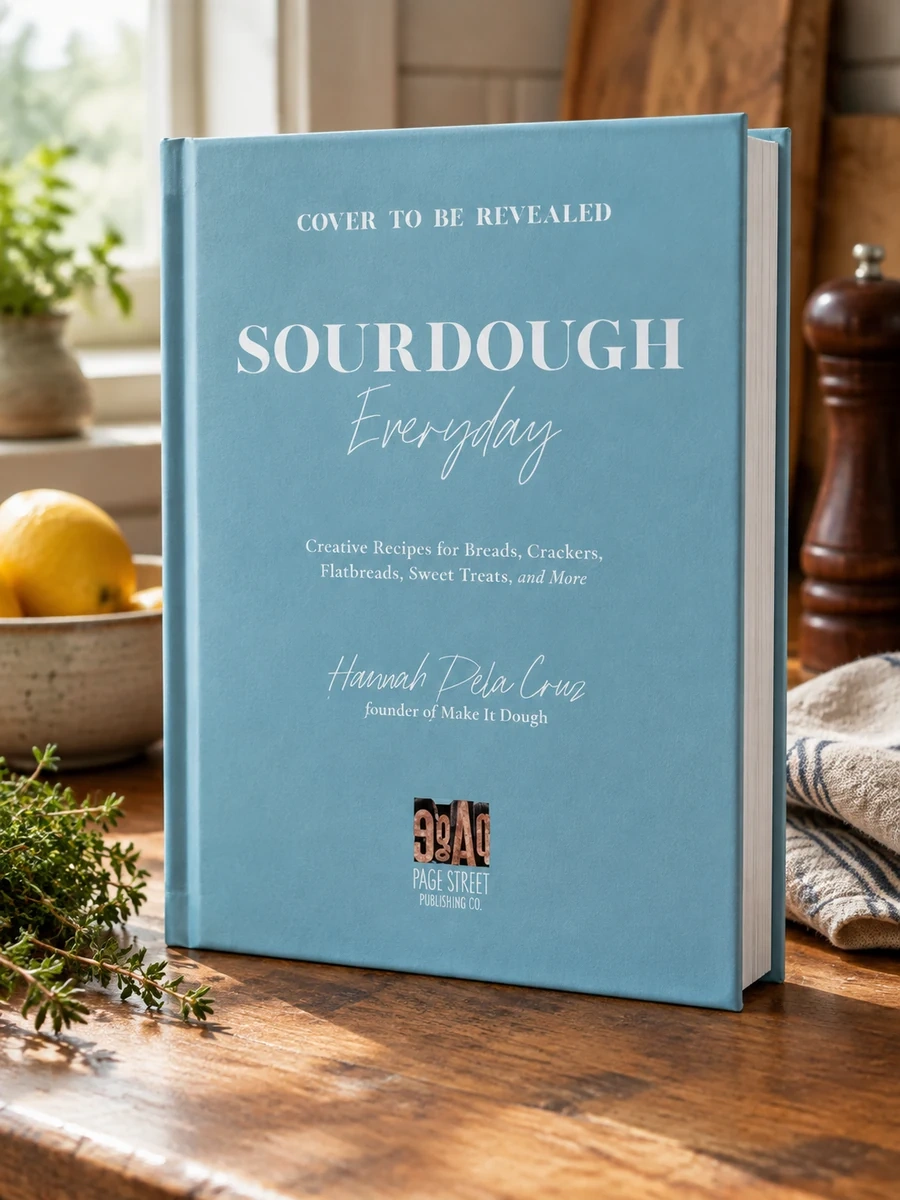
9. Sourdough Every Day: Your Guide to Using Active and Discard Starter for Artisan Bread, Rolls, Pasta, Sweets and More — Hannah Dela Cruz
A sourdough starter can create a surprisingly practical kitchen dilemma: what to do with the portion removed during feeding. Sourdough Every Day directly addresses both active and discard starter, while extending its scope to artisan bread, rolls, pasta, sweets, and more. That makes it particularly attractive to bakers who want their starter to become a regular ingredient rather than something used only for occasional loaves. It is a sensible choice for anyone looking to make more varied use of the starter they already maintain.
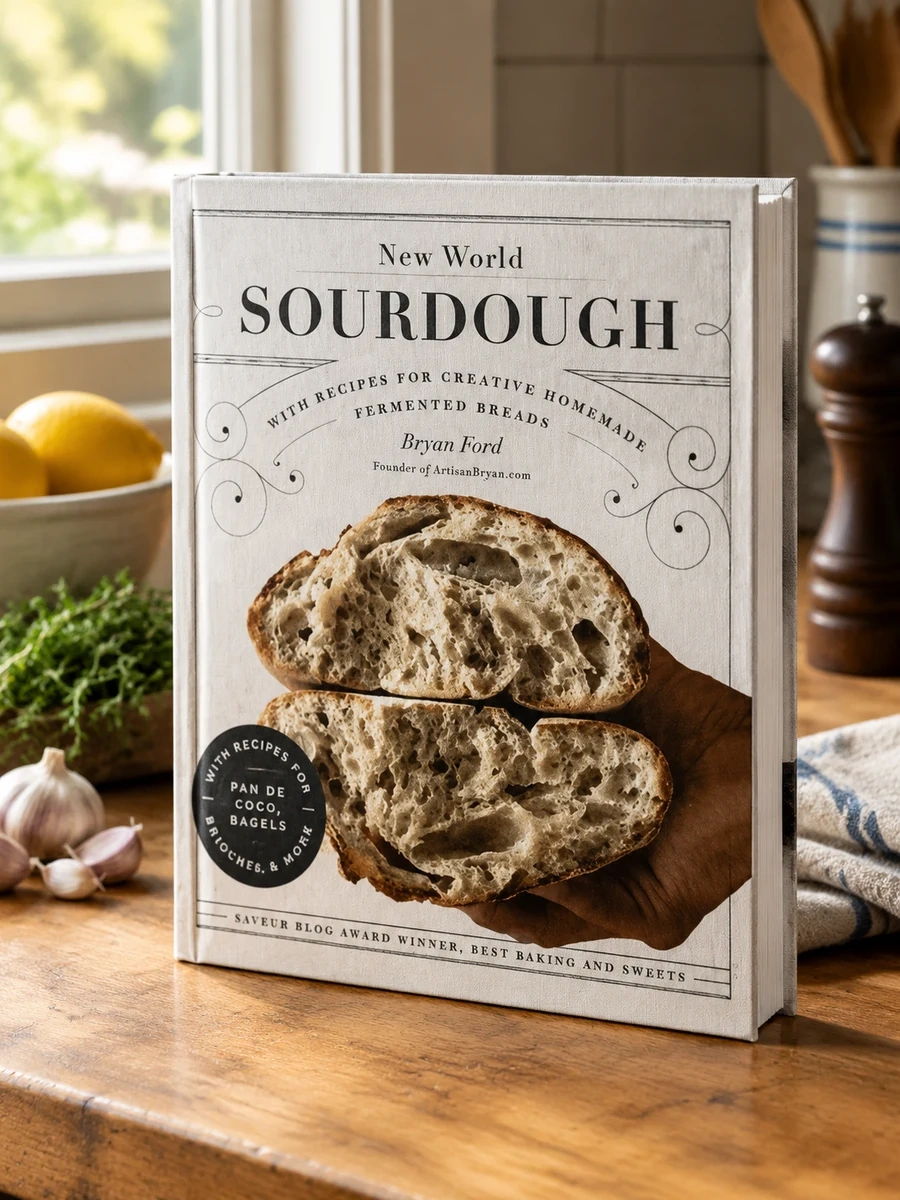
10. New World Sourdough: Artisan Techniques for Creative Homemade Fermented Breads — Bryan Ford
New World Sourdough is an interesting option for bakers who want to explore beyond familiar European-style country loaves. Its subtitle identifies a creative approach to fermented breads, with named examples including birote, bagels, pan de coco, and beignets. That breadth makes it especially appealing to cooks interested in how sourdough techniques can intersect with different bread traditions and baked goods. Choose it as a repertoire-expanding book rather than a narrowly focused guide to making a first starter.
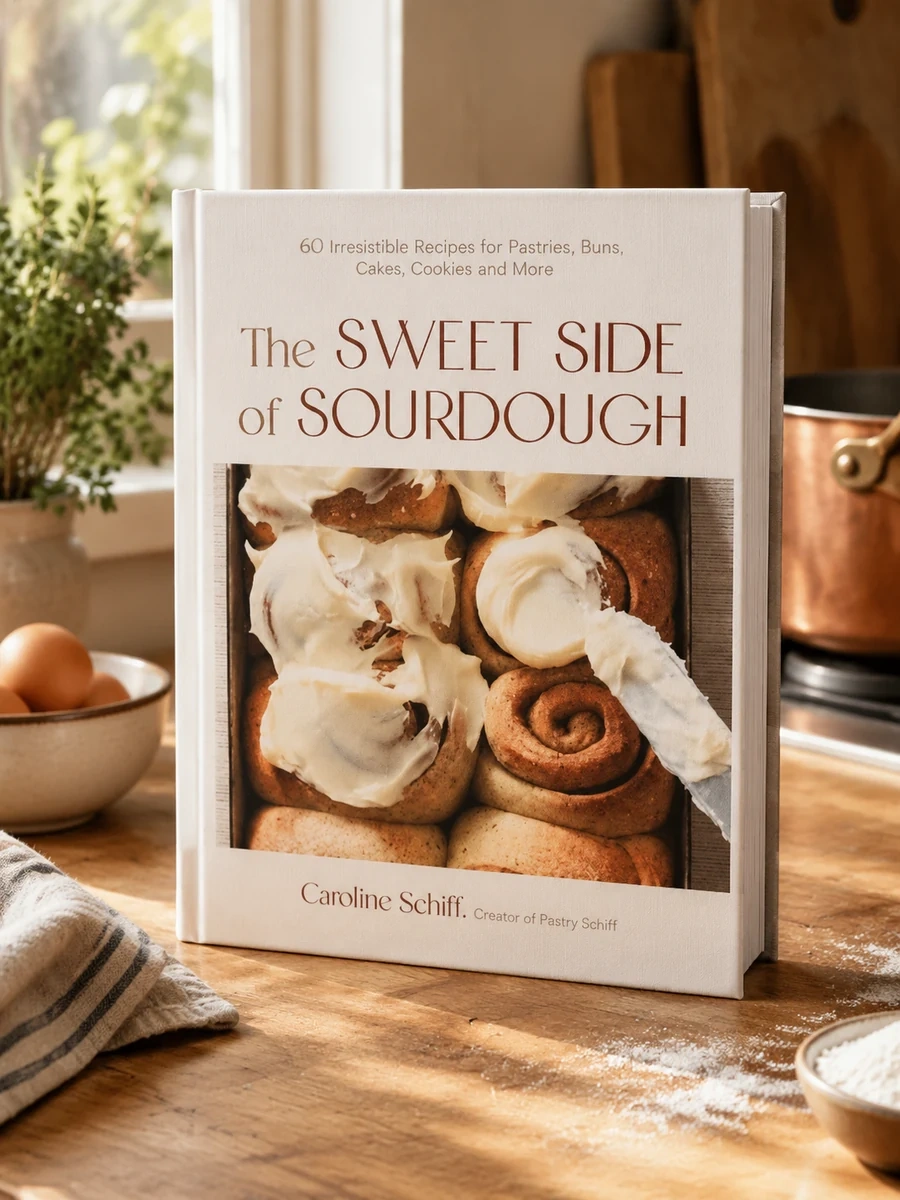
11. The Sweet Side of Sourdough: 50 Irresistible Recipes for Pastries, Buns, Cakes, Cookies and More — Caroline Schiff
Not every sourdough baker wants to spend all their time perfecting savory loaves. This book takes the subject in a sweeter direction, with its stated collection covering pastries, buns, cakes, cookies, and more. It is a particularly appealing choice for someone who already has experience with sourdough and wants to discover different ways to use it in the kitchen. It also makes a distinctive gift for a baker whose interests extend from bread into pastry and desserts.
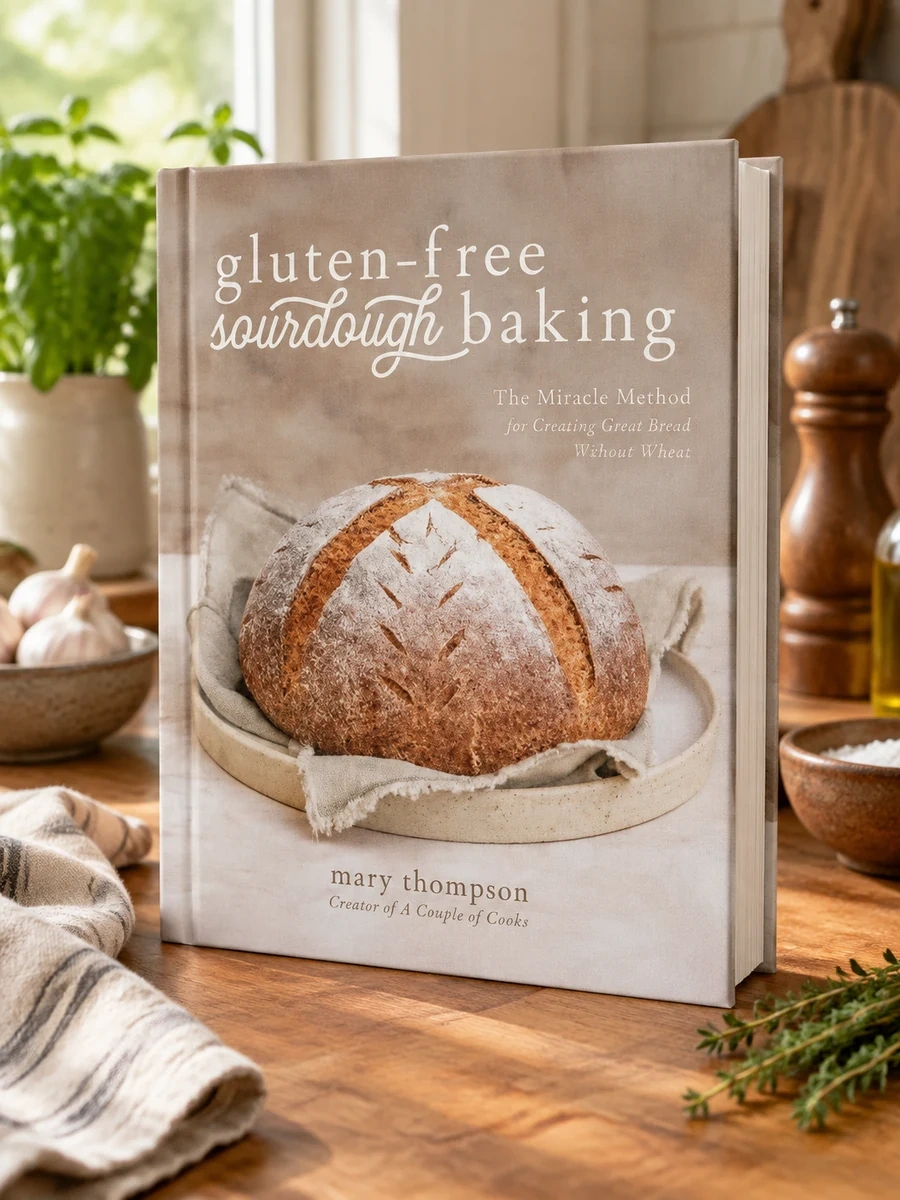
12. Gluten-Free Sourdough Baking: The Miracle Method for Creating Great Bread Without Wheat — Mary Thompson
For bakers looking specifically for sourdough without wheat, a conventional bread book may not address the central challenge. Gluten-Free Sourdough Baking is the specialist option in this selection, with its subject explicitly focused on creating bread without wheat. That makes it a more relevant starting point than trying to adapt ordinary wheat-based sourdough recipes without dedicated guidance. It is also a thoughtful gift for someone interested in gluten-free baking who wants to explore sourdough as a separate craft. As with any specialist baking book, check that its approach matches your own ingredient requirements before choosing it.
How to Choose the Right Sourdough Cookbook
The best sourdough cookbook is the one that answers your next practical question. A beautifully presented book filled with ambitious breads may be inspiring, but it can be frustrating if you are still unsure how to maintain a starter. Equally, a very introductory guide may feel repetitive to someone who already understands fermentation and wants to explore new bread traditions.
Start by identifying your current experience:
- Complete beginner: Look first at Sourdough Secrets... Revealed!, Super Sourdough, From No-Knead to Sourdough, and Wild Sourdough. These titles provide the most direct starting points for learning about sourdough and handmade bread.
- Developing home baker: Consider Mastering Bread or The Perfect Loaf if you want to extend your understanding of baking beyond the first successful loaf.
- Science-minded baker: Sourdough by Science is the most directly aligned with a desire to understand the principles behind successful bread-making.
- Experienced artisan enthusiast: Local Breads and New World Sourdough offer particularly interesting directions for exploring bread traditions, ingredients, and creative techniques.
- Creative everyday baker: Sourdough Every Day and The Sweet Side of Sourdough are strong choices when you want to use sourdough beyond standard loaves.
- Specialist dietary baker: Gluten-Free Sourdough Baking is the dedicated option for someone whose priority is wheat-free sourdough.
Think about the way you actually bake, too. If your schedule is unpredictable, you may appreciate a book that broadens your understanding of the process rather than one that assumes you can follow a fixed timetable. If you enjoy technical experimentation, prioritize the books whose subjects emphasize craft, science, and artisan methods. If you want to reduce waste and make more use of an established starter, a title that specifically includes discard recipes may be the better purchase.
Presentation matters when choosing a gift. A dedicated sourdough title is a natural present for someone who has recently started baking, but the most thoughtful gift is one that acknowledges their existing experience. A beginner may appreciate a direct introduction, while a confident baker is more likely to enjoy a broader reference or a book that introduces unfamiliar traditions and creative applications. The more substantial titles in this selection also make appealing additions to a serious home baker's cookbook collection.
Finally, remember that a cookbook cannot make every loaf behave identically. Flour, room temperature, starter activity, and fermentation time all influence the result. The most useful book is one that helps you understand those variables and develop the confidence to respond to them. Choose a guide that meets you where you are, then give yourself permission to experiment. Sourdough rewards patience, observation, and practice, and the right book can make all three considerably more enjoyable.