Looking for a Mediterranean diet cookbook sounds straightforward until you start comparing books. Some are designed to get dinner on the table quickly, others explore the food traditions of Greece, Portugal, Italy, and the eastern Mediterranean, and some take a more structured approach to healthy eating. They may all carry the Mediterranean label, but they serve quite different purposes in a home kitchen.
That distinction matters. The Mediterranean diet is not simply a collection of low-calorie recipes or a strict set of rules. It is a broad eating pattern associated with vegetables, fruit, legumes, whole grains, nuts, olive oil, and an appreciation of fish and other varied sources of protein. The best cookbook for your household should make those ingredients appealing and practical, not turn everyday cooking into another demanding project.
We've selected 10 books from our catalog, looking at what each title promises and the kind of cook it is likely to suit. Some are introductory and practical; others offer a more focused look at regional food traditions. Use the distinctions below to find a book that fits the way you actually cook.
Best Mediterranean Diet Cookbooks for Everyday Meals
If your main goal is to cook more Mediterranean-inspired food during an ordinary working week, start with books that emphasize accessible recipes, manageable preparation, and variety. You don't necessarily need a large reference volume. You need ideas that make it easier to plan dinner when time and energy are limited.
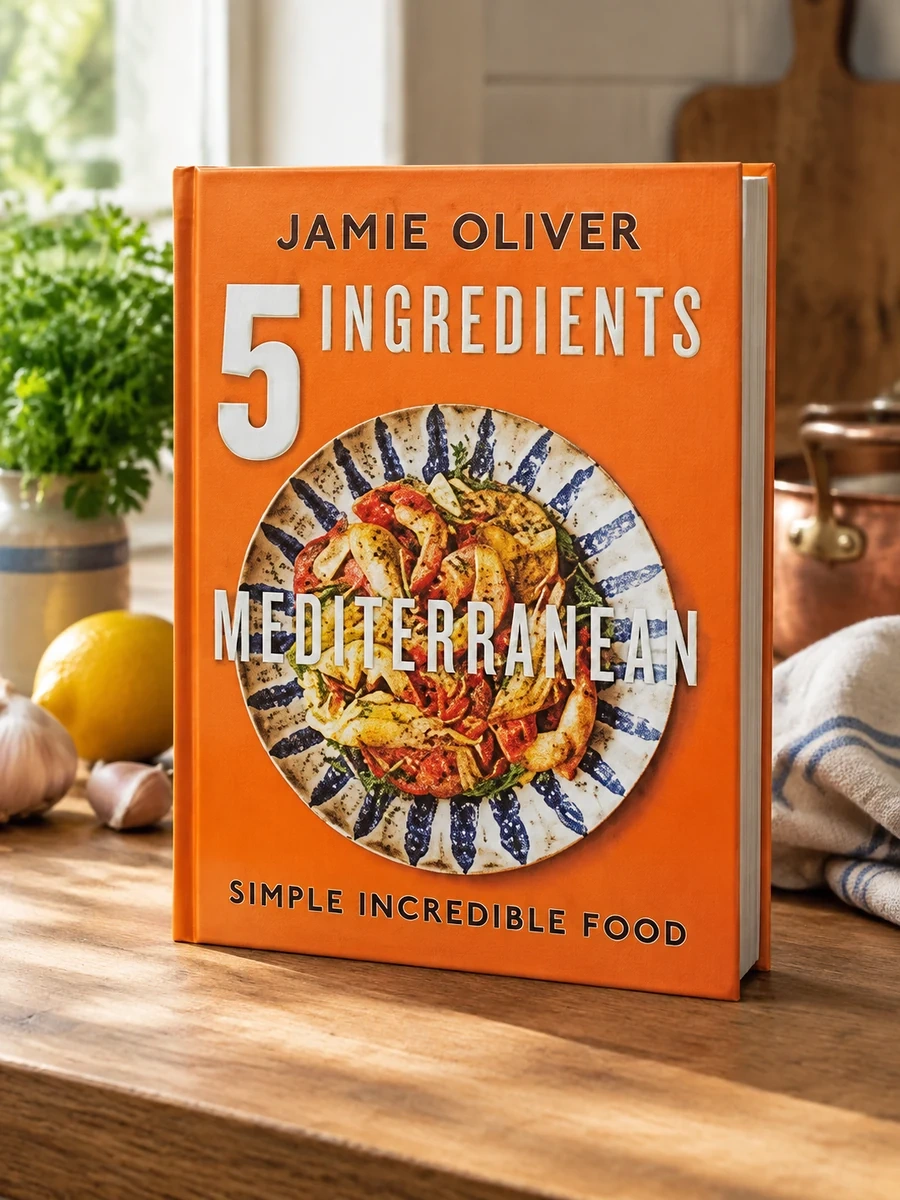
1. 5 Ingredients Mediterranean: Simple Incredible Food [American Measurements] — Jamie Oliver
This is a particularly appealing starting point for cooks who dislike long ingredient lists. The five-ingredient concept makes the book's approach immediately clear: simplify the route from shopping to serving without giving up the appeal of Mediterranean-inspired food. American measurements are also a practical consideration for US kitchens. Choose this one if you want an approachable everyday cooking companion rather than an elaborate regional reference.
It is especially suitable for someone building confidence with Mediterranean-style meals or trying to reduce the friction of weeknight cooking. Its straightforward premise makes it a sensible gift for a busy home cook.
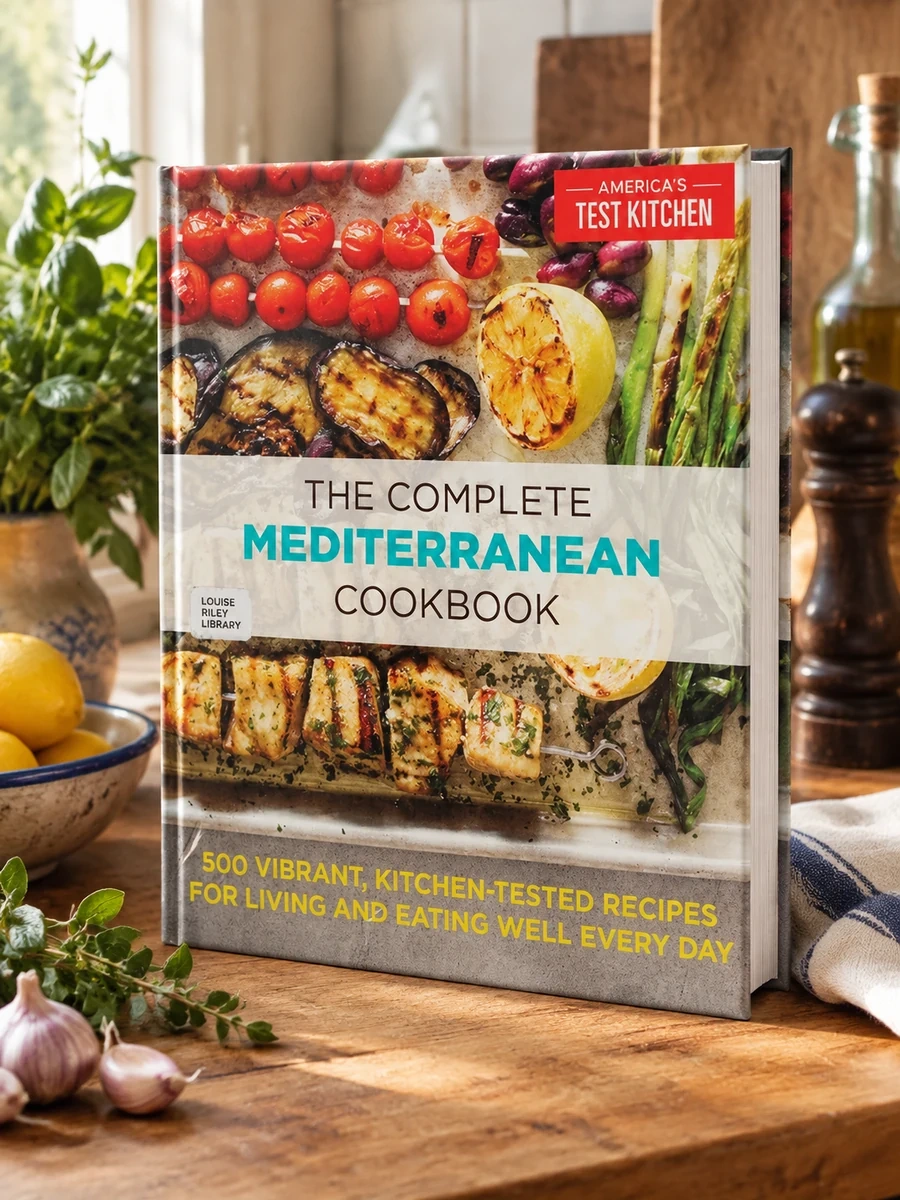
2. The Complete Mediterranean Cookbook: 500 Vibrant, Kitchen-Tested Recipes for Living and Eating Well Every Day — America's Test Kitchen
For someone who wants one substantial book to consult repeatedly, this is a strong candidate. The promise of 500 kitchen-tested recipes gives it a much broader scope than a short introductory guide, and its everyday cooking emphasis makes it relevant beyond a temporary diet plan. The title also communicates a useful balance: variety, practical cooking, and an approach to eating well.
This is the book I'd consider for an enthusiastic home cook who enjoys having plenty of options rather than following a fixed menu. It is also a good choice when you want a gift with the feel of a long-term kitchen reference. If the recipient already has a few basic Mediterranean recipes in rotation, the larger collection offers room to expand.
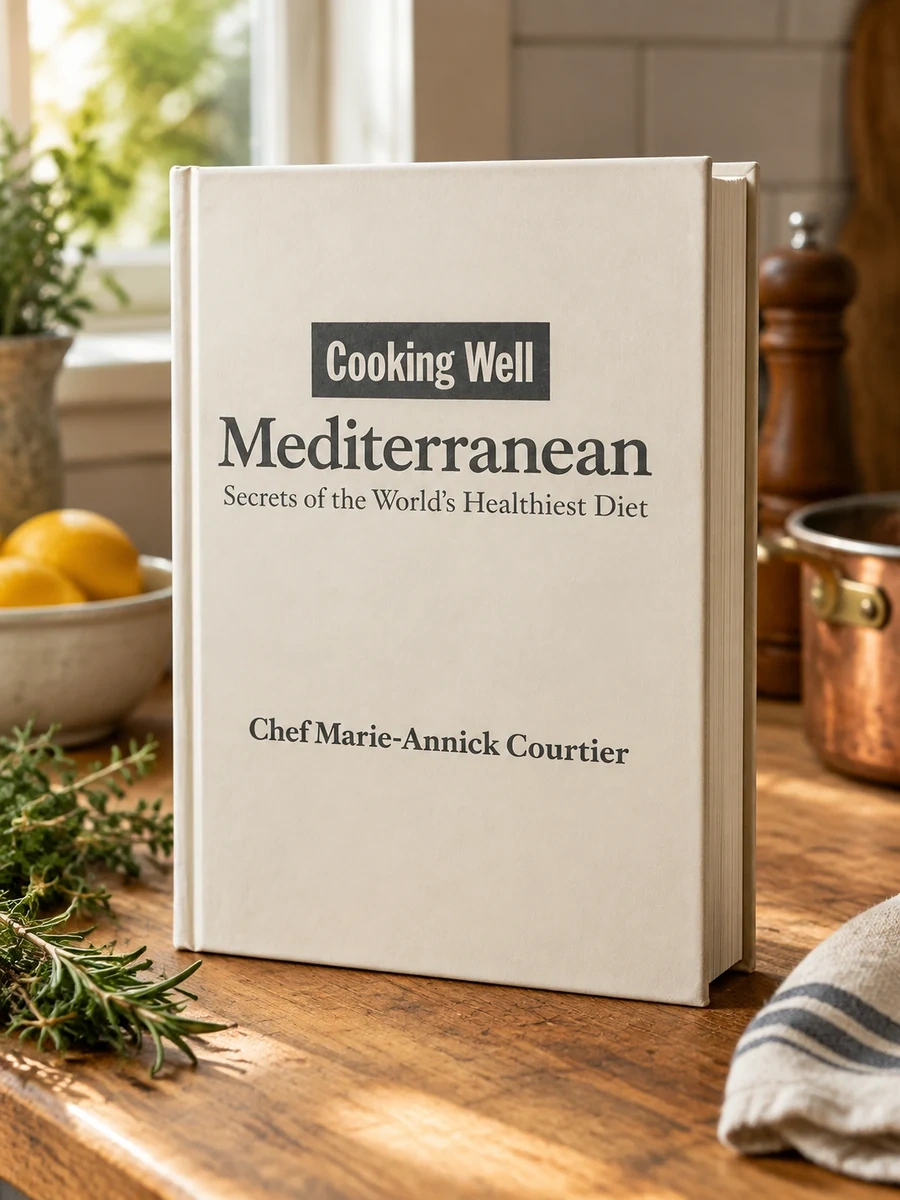
3. Cooking Well: Mediterranean: Secrets of the World's Healthiest Diet, Over 125 Quick & Easy Recipes — Marie-Annick Courtier
This title makes a particularly clear case for cooks who want a practical introduction without committing to an enormous collection. Its emphasis on more than 125 quick and easy recipes puts convenience at the center, while the healthy-eating theme gives the book a broader purpose than simply collecting dinner ideas.
It is a useful option for someone who wants to make changes gradually. Rather than beginning with a complicated culinary project, the reader can approach Mediterranean cooking through accessible recipes and everyday meals. Consider it for a beginner who values simplicity and a manageable introduction.
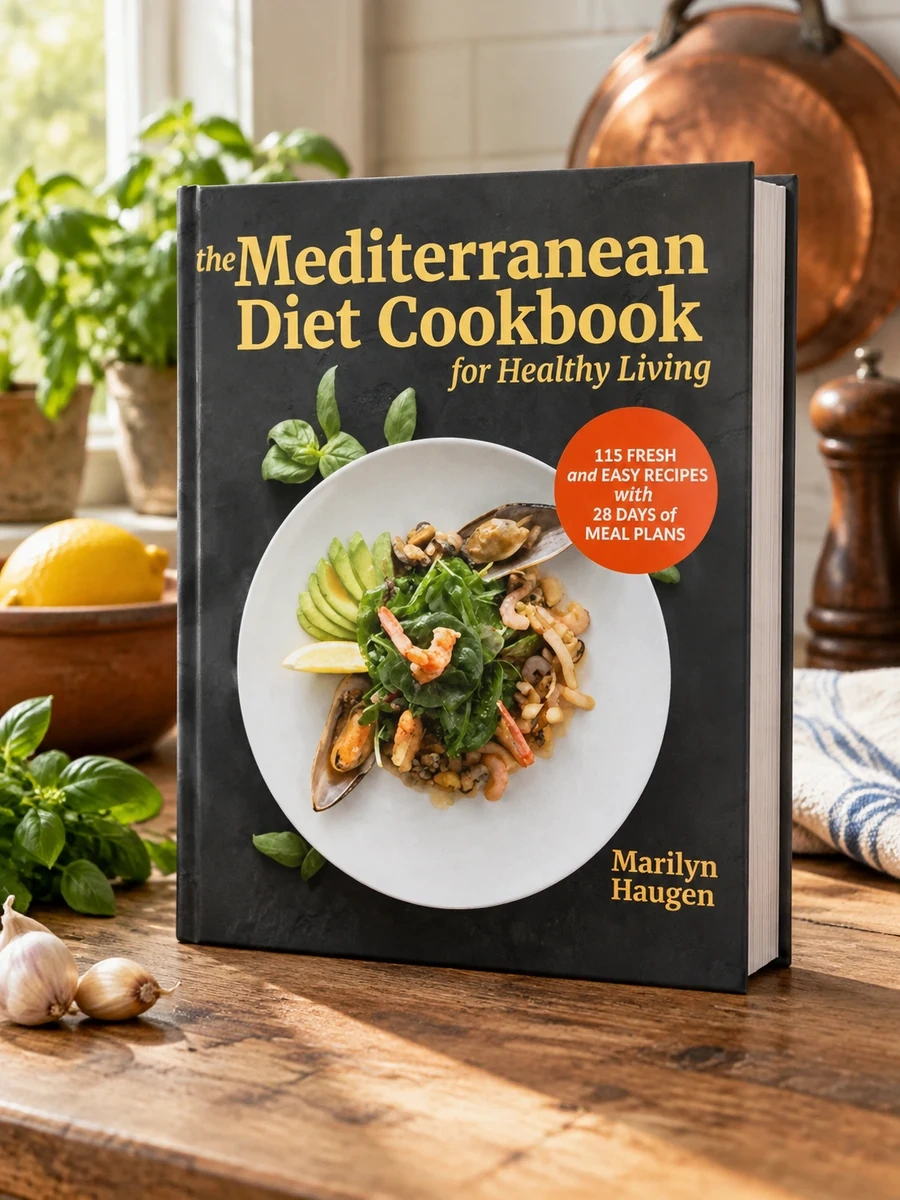
4. The Mediterranean Diet Cookbook for Healthy Living: 115 Fresh and Easy Recipes with 28 Days of Meal Plans — Marilyn Haugen
Meal planning is often the part of healthy eating that people find hardest to sustain. This book addresses that practical problem directly by pairing 115 fresh and easy recipes with 28 days of meal plans. That combination makes it different from a cookbook that simply offers a collection of dishes and leaves the reader to work out how to organize them.
Choose this title if you appreciate a little structure when changing your cooking habits. The planned approach can help someone think beyond individual recipes and consider how meals fit together across several weeks. It is a particularly sensible choice for a reader who wants guidance rather than an entirely open-ended cookbook.
Best Books for Traditional Mediterranean Cooking
The Mediterranean is a large and varied culinary region. Greek island cooking, Portuguese food, and eastern Mediterranean traditions should not be treated as interchangeable versions of one cuisine. If you enjoy learning where dishes come from, a regional cookbook may be more rewarding than a general diet guide. These books offer a stronger sense of place and culinary identity.
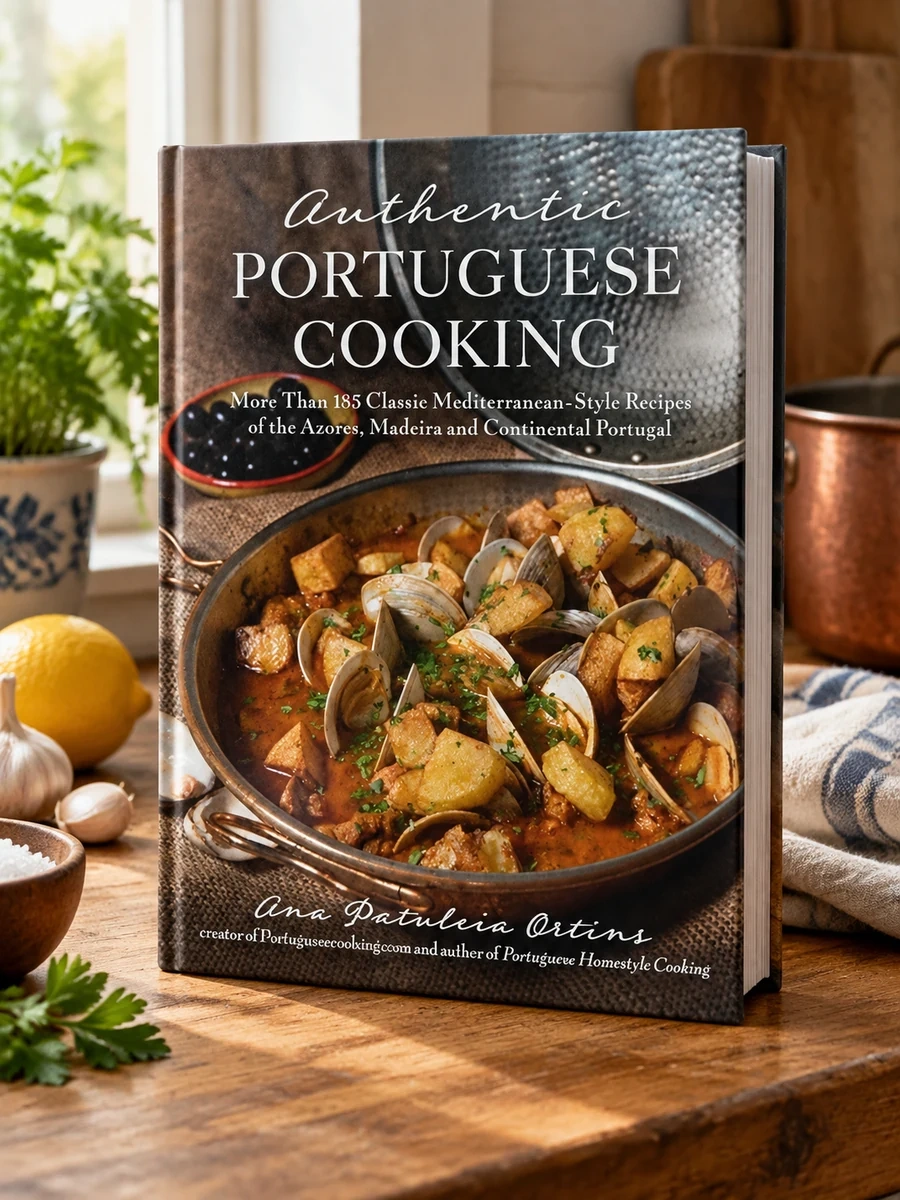
5. Authentic Portuguese Cooking: More Than 185 Classic Mediterranean-Style Recipes of the Azores, Madeira and Continental Portugal — Ana Patuleia Ortins
For a reader interested in the Portuguese side of Mediterranean-style cooking, this is one of the most clearly defined choices in the catalog. Its coverage of the Azores, Madeira, and continental Portugal gives the book a specific regional identity rather than presenting a generalized collection of healthy recipes. More than 185 classic recipes also make it an appealing prospect for someone who wants to spend time exploring a culinary tradition.
This is not the most narrowly focused introductory diet manual, and that is precisely its appeal. It suits cooks who want to understand food through regional traditions and bring a broader range of Portuguese dishes into their kitchens. It also makes a distinctive gift for someone who enjoys cultural cookbooks.
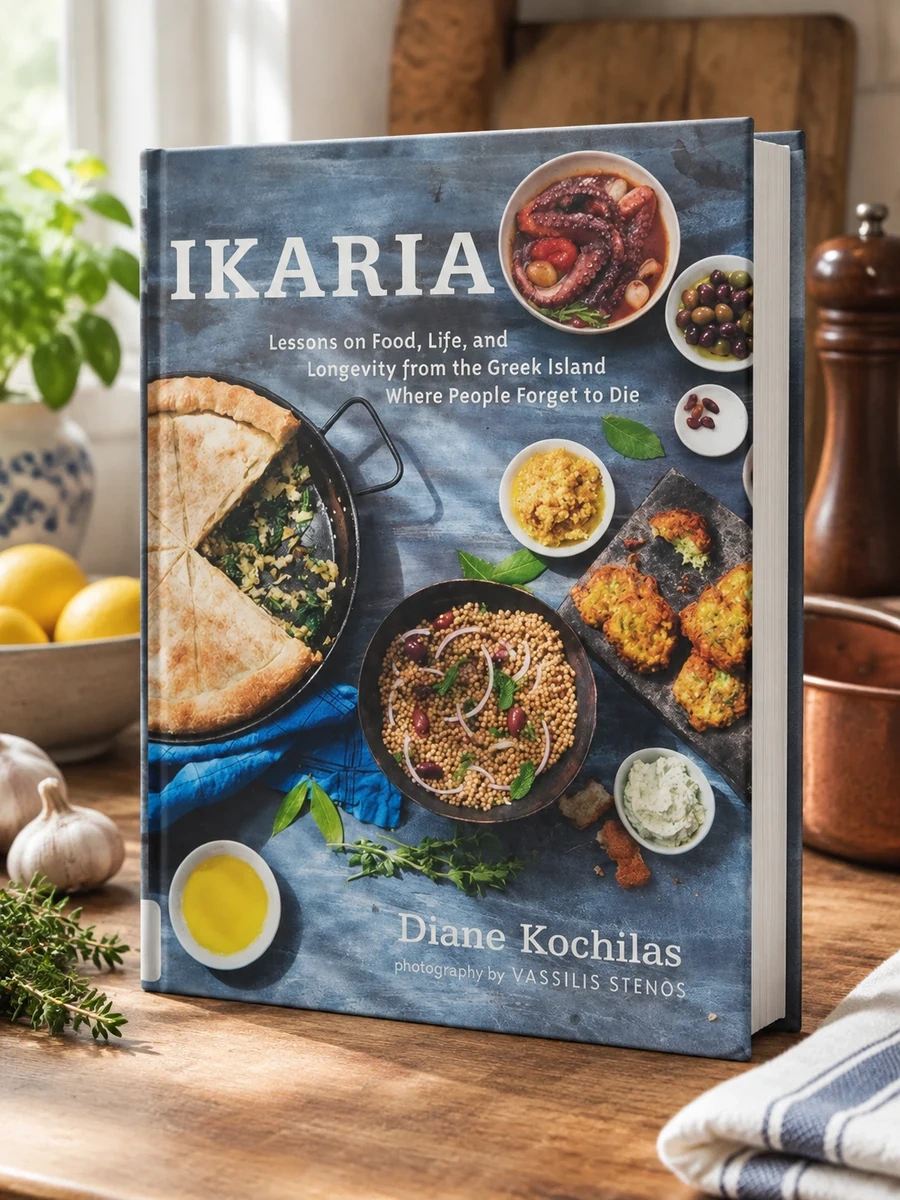
6. Ikaria: Lessons on Food, Life, and Longevity from the Greek Island Where People Forget to Die: A Mediterranean Diet Cookbook — Diane Kochilas
Ikaria offers a more place-centered way into Mediterranean eating. The book connects Greek recipes with the food and life of the island, making it a natural choice for readers interested in the relationship between local food traditions and longevity. Its narrative-driven approach distinguishes it from books whose main purpose is to provide a schedule of healthy meals.
Consider this one for someone who likes to read as well as cook. It is particularly appealing to cooks interested in Greek food and the wider cultural context behind the Mediterranean diet. Rather than treating the diet as a list of nutritional instructions, it offers a more rooted perspective through a specific Greek island.
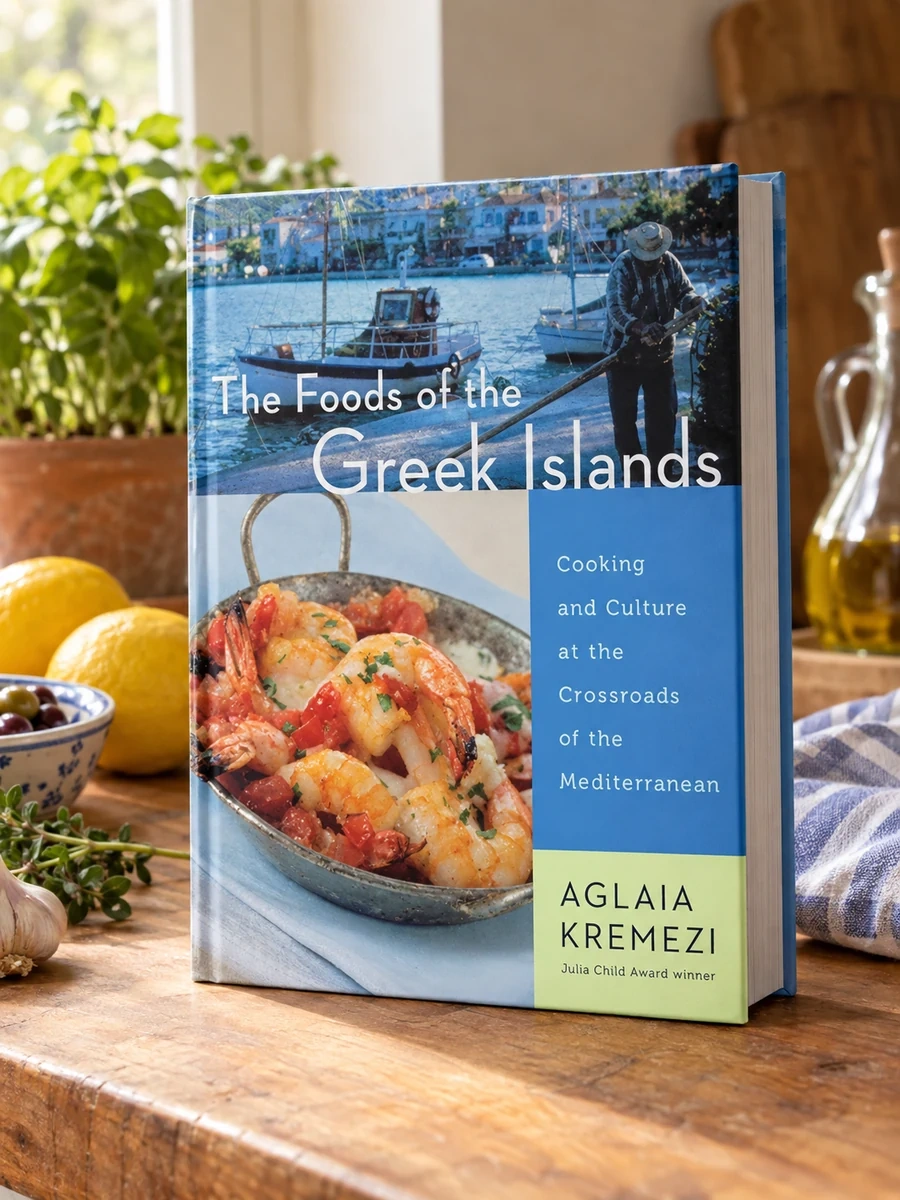
7. The Foods of the Greek Islands: Cooking and Culture at the Crossroads of the Mediterranean — Aglaia Kremezi
For a more focused exploration of Greek island food, this book deserves a place on the shortlist. Its title brings cooking and culture together, making it attractive to readers who want to understand the traditions behind regional dishes rather than simply collect recipes labeled Mediterranean. The Greek islands provide a distinct culinary subject, and the cultural framing gives the book a different character from a general healthy-eating guide.
This is a good choice for a curious cook who enjoys regional food writing and wants to explore beyond familiar Greek restaurant dishes. It is also a thoughtful gift for someone who already has an interest in Greek cooking and would appreciate a more geographically focused collection.
Best Mediterranean Cookbooks for Vegetable-Forward Cooking
One of the easiest ways to bring Mediterranean principles into everyday cooking is to give vegetables a more prominent role. Legumes, grains, herbs, olive oil, and seasonal produce can make satisfying meals without requiring meat to dominate the plate. Vegetarian Mediterranean cookbooks are especially useful for households looking for more plant-centered variety.
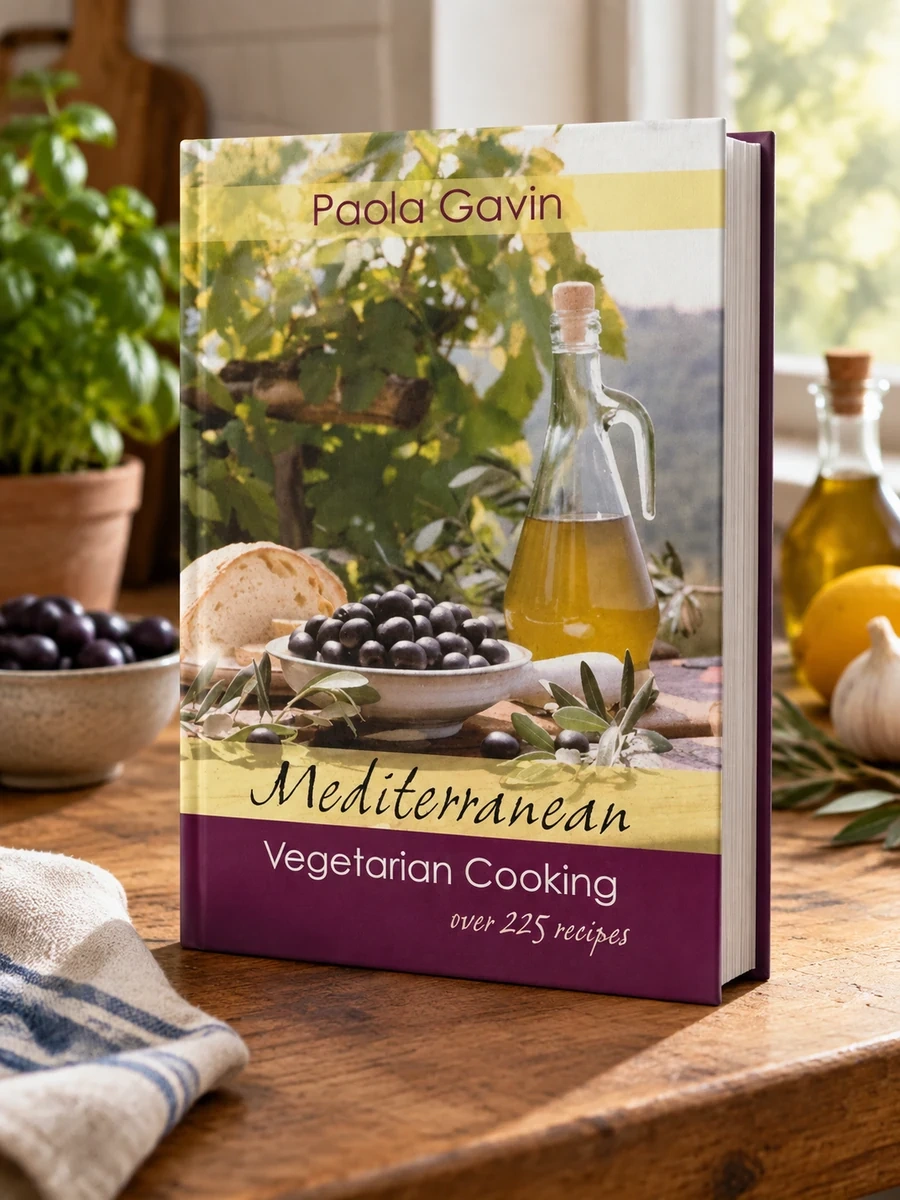
8. Mediterranean Vegetarian Cooking — Paola Gavin
Sometimes a specialized cookbook is more useful than a general diet book. This title focuses directly on vegetarian cooking within the Mediterranean tradition, making its purpose easy to understand. It is a natural fit for vegetarians, people reducing their meat consumption, and cooks who want to explore the vegetable-based side of Mediterranean food more seriously.
Its focused approach is also an advantage for gift-giving. You are not asking the recipient to adapt a general cookbook to a vegetarian household; you are giving them a book whose subject is already aligned with how they want to eat. Choose it when vegetable-centered Mediterranean cooking is the main priority.
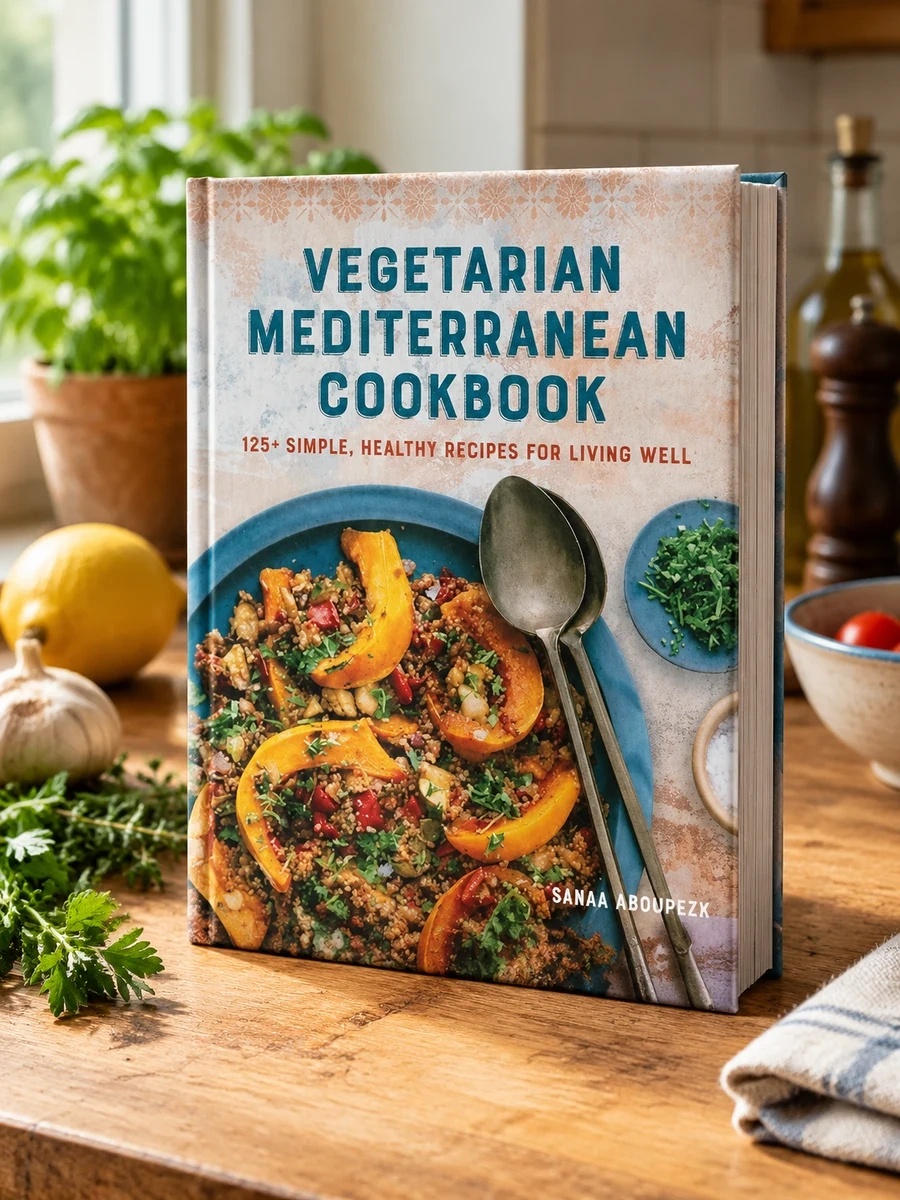
9. Vegetarian Mediterranean Cookbook: 125+ Simple, Healthy Recipes for Living Well — Sanaa Abourezk
This is another strong option for readers who want an explicitly vegetarian approach, with more than 125 simple and healthy recipes at the center of its appeal. Its approachable positioning makes it worth considering for people who are newer to plant-based Mediterranean meals or who want additional variety in an established vegetarian kitchen.
The distinction between this book and a broad regional cookbook is its direct focus on vegetarian eating. It makes a practical gift for someone who wants healthy recipe ideas without having to sort through a collection designed around a mixture of meat, fish, and vegetable dishes. It is also a useful choice for households where vegetables need to become a more regular feature of dinner.
A Broader Guide to Mediterranean Eating and Cooking
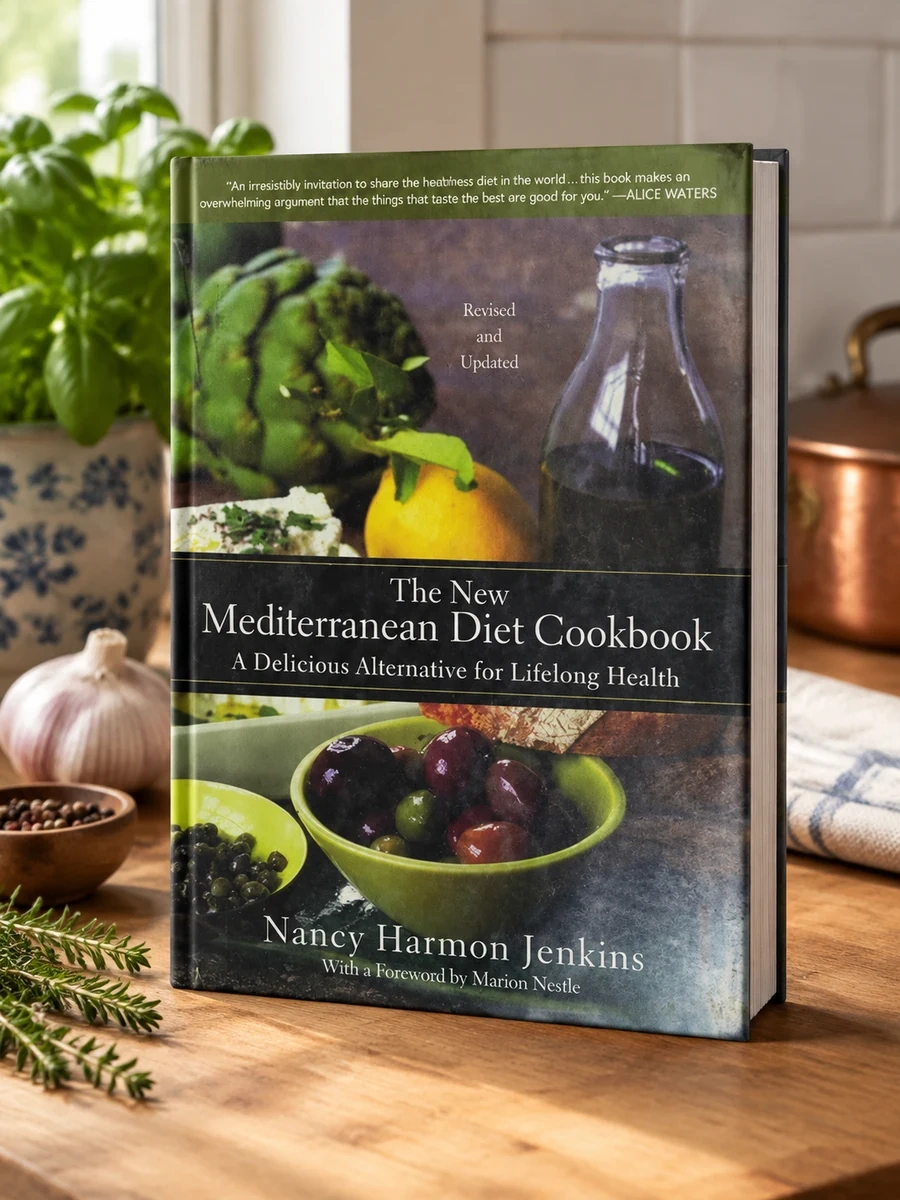
10. The New Mediterranean Diet Cookbook: A Delicious Alternative for Lifelong Health — Nancy Harmon Jenkins
For someone interested in the Mediterranean diet as a long-term way of eating rather than a short-term cooking challenge, this is an important title to consider. Its positioning around lifelong health gives it a broader perspective than a cookbook built primarily around quick meals or a particular regional cuisine. It is a natural fit for readers who want a more sustained relationship with Mediterranean cooking.
This is the kind of book to consider when the intended recipient wants to understand the overall approach and keep cooking in that style over time. It is particularly appropriate for someone who values the connection between food traditions and everyday well-being. Compared with a five-ingredient weeknight title, its appeal is the wider Mediterranean diet perspective.
How to Choose the Right Mediterranean Diet Cookbook
The best choice depends less on the phrase printed on the cover than on what the person receiving the book wants to do with it. Before choosing, consider these four questions.
- Do they need quick dinners? Start with 5 Ingredients Mediterranean or Cooking Well: Mediterranean. Both are positioned around accessible everyday cooking rather than an intensive culinary project.
- Do they want structure? Choose The Mediterranean Diet Cookbook for Healthy Living for its 28-day meal plans. It is particularly suitable for someone who prefers having a plan to follow.
- Are they interested in regional food traditions? Look at Authentic Portuguese Cooking, Ikaria, or The Foods of the Greek Islands. These offer more specific cultural and geographical perspectives.
- Is vegetarian cooking the priority? The focused choices are Mediterranean Vegetarian Cooking and Vegetarian Mediterranean Cookbook.
There is also a difference between a cookbook you consult occasionally and one you use several times a week. If the recipient enjoys having plenty of recipes to choose from, The Complete Mediterranean Cookbook is an appealing broad collection. If they enjoy learning about a particular food culture, a regional book is likely to be more memorable. And if they are just beginning to change their everyday cooking habits, simplicity and meal-planning support may matter more than the number of recipes.
Finally, remember that Mediterranean cooking is not a single rigid menu. A useful cookbook should encourage variety and make ingredients such as vegetables, beans, whole grains, nuts, olive oil, and fish feel like natural parts of everyday meals. It should also leave room for personal preferences, familiar family dishes, and the pleasure of cooking. Choose the book that makes that kind of cooking feel inviting, and it is much more likely to earn a permanent place on the kitchen shelf.