When you want to become a better cook, another stack of recipes is not always the answer. Sometimes you need a book that explains a particular method, gives you enough opportunities to practice it, and helps you understand why one attempt succeeds while another falls short. That is the difference between collecting dinner ideas and building kitchen skills you can use for years.
The best place to start depends on the work you actually want to do. A home cook who struggles with frying needs different guidance from someone who wants to bake bread, preserve summer vegetables, or get a dependable dinner on the table after work. A useful technique cookbook gives you a manageable subject to practice rather than asking you to master everything at once.
This shelf brings together 12 books covering core cooking methods, baking, fermentation, grilling, and time-saving approaches. Some are approachable starting points; others are more specialized references for cooks ready to concentrate on one craft. The recommendations below favor a clear reason to choose each title, so you can spend your time learning a method that fits your kitchen.
Start with practical cooking fundamentals
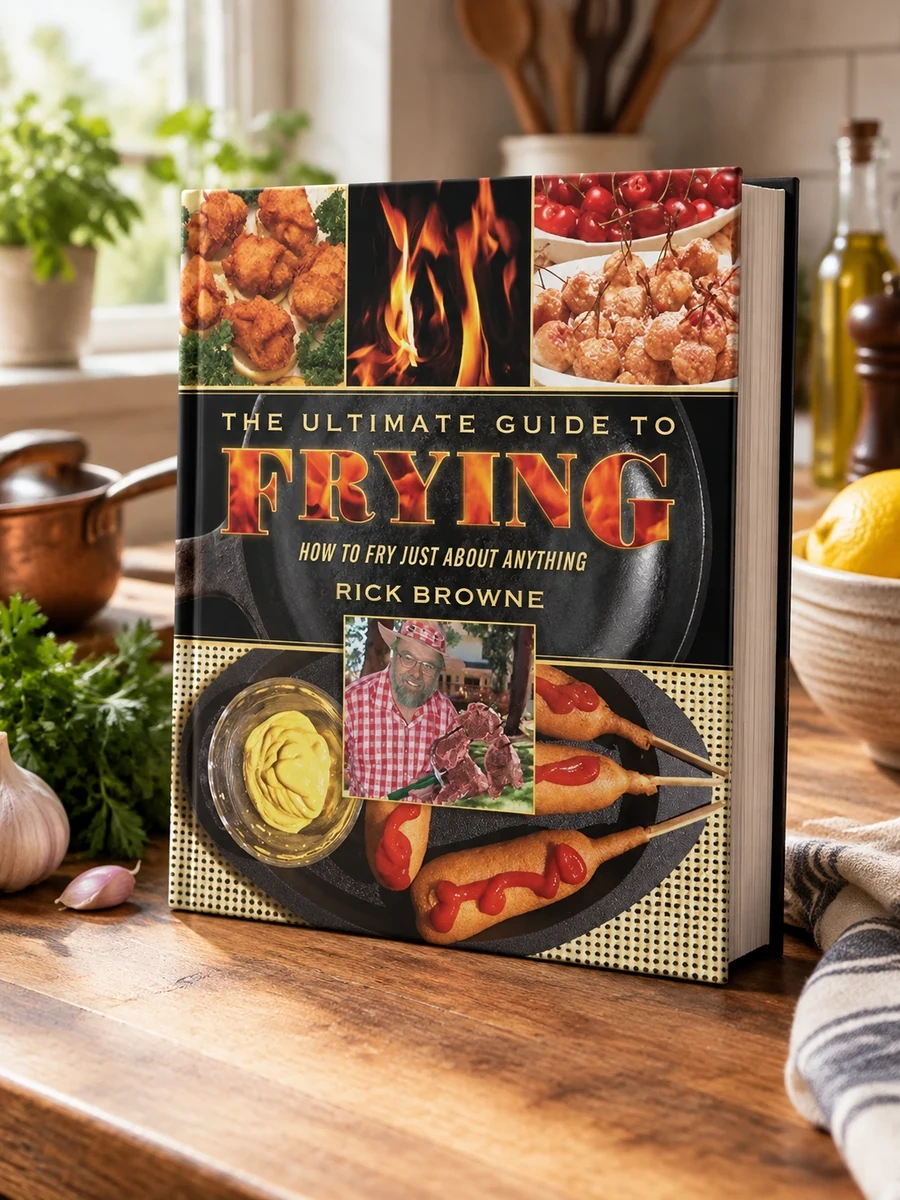
1. The Ultimate Guide to Frying: How to Fry Just about Anything — Rick Browne
Frying rewards attention to technique. Temperature, moisture, timing, and the condition of the food all affect the finished result, making this a useful subject for a dedicated cookbook rather than a handful of disconnected recipes. Rick Browne's title is the most direct choice here for cooks who want to concentrate on frying across a range of foods. Choose it if you enjoy crisp textures and want frying to become a deliberate skill instead of an occasional gamble.
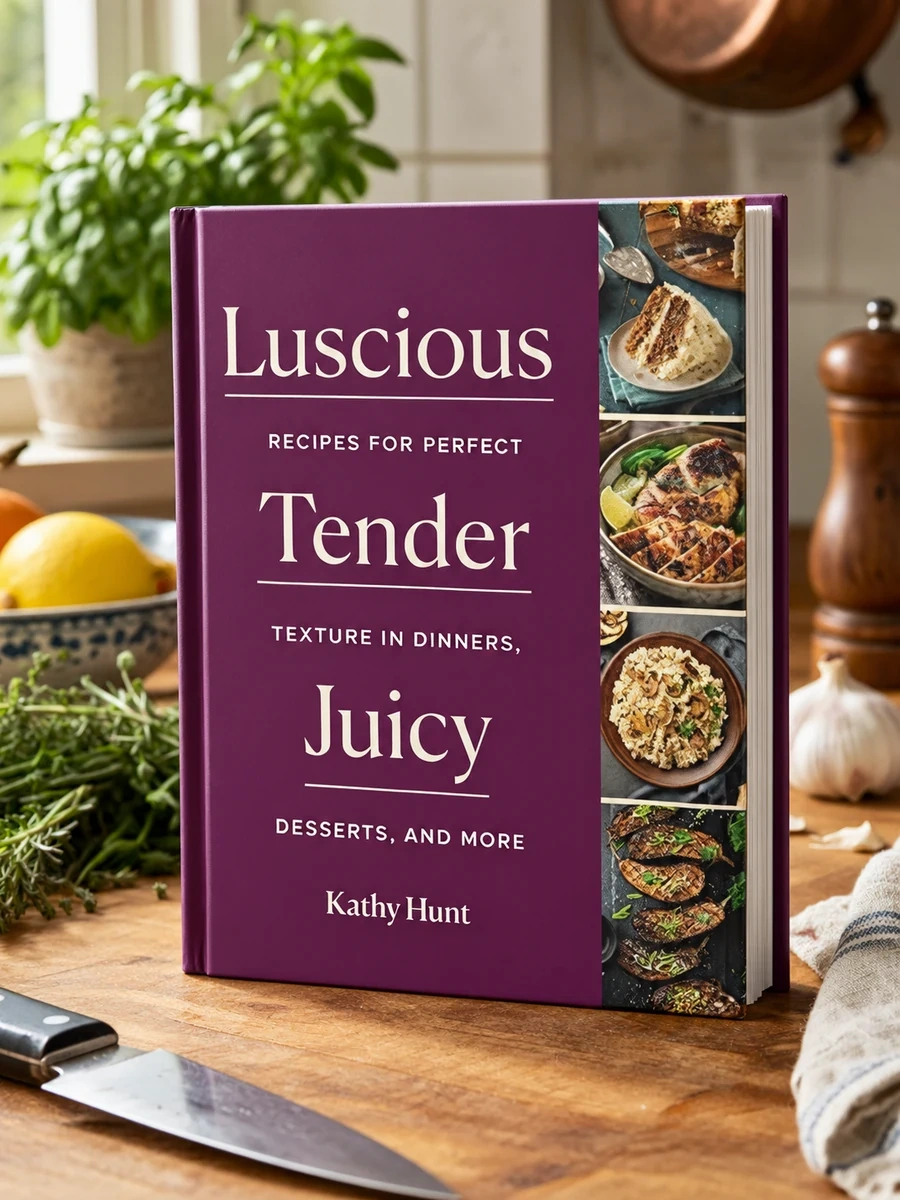
2. Luscious, Tender, Juicy: Recipes for Perfect Texture in Dinners, Desserts, and More — Kathy Hunt
Texture is one of the clearest signs of good technique: a tender main dish, a juicy bite, or a dessert with the right consistency can matter as much as seasoning. Kathy Hunt's book puts texture in the foreground, making it a promising choice for cooks who want to pay closer attention to how food feels as well as how it tastes. It suits someone who has basic recipes under control but wants more intentional results across dinners and desserts.
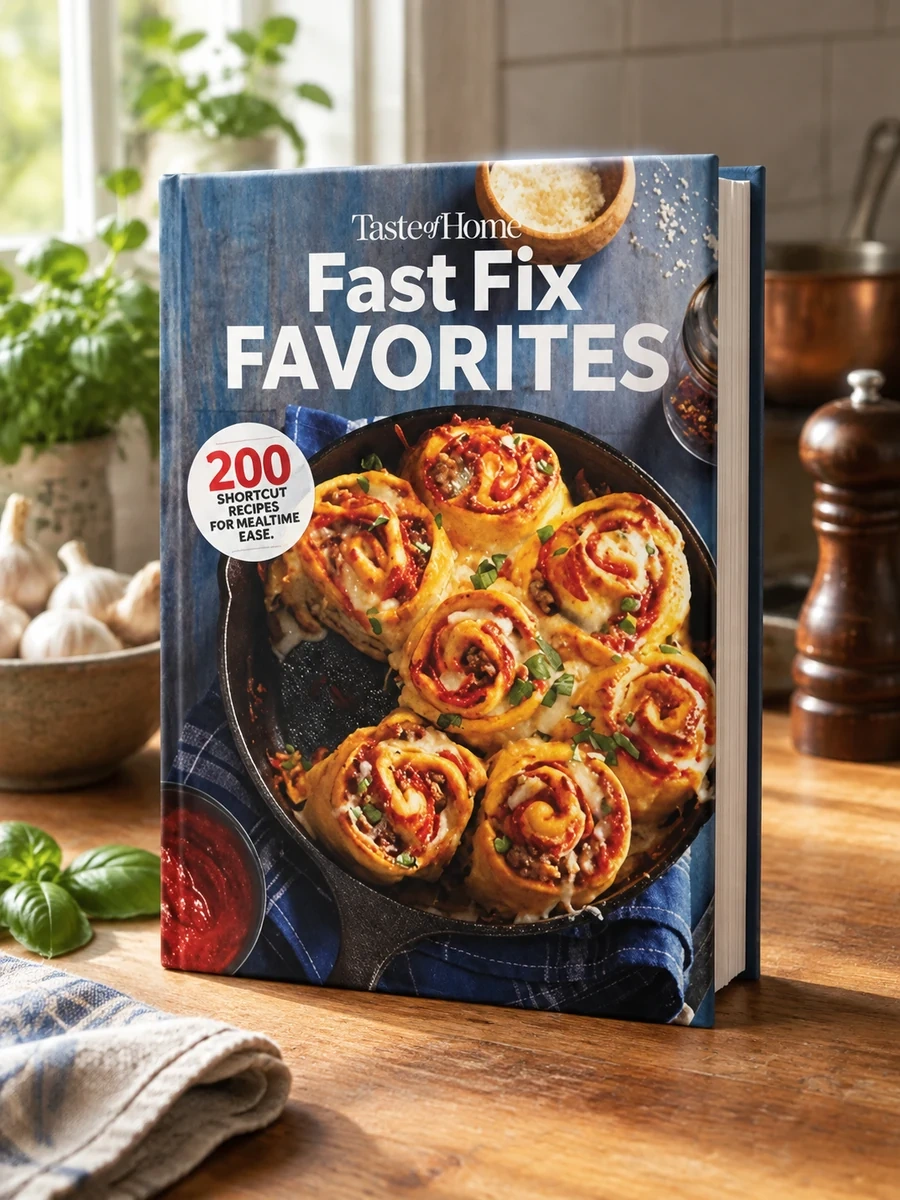
3. Taste of Home Fast Fix Favorites: 270 Shortcut Recipes for Mealtime Ease — Taste of Home
Not every useful cooking method requires elaborate equipment or a weekend of practice. Shortcut cooking is a skill in its own right, particularly when you need to balance limited time with a satisfying meal. With 270 shortcut recipes, this collection is best suited to busy households that want practical ideas for getting meals ready more easily. Treat it as a source of repeatable weeknight strategies rather than a technical manual.
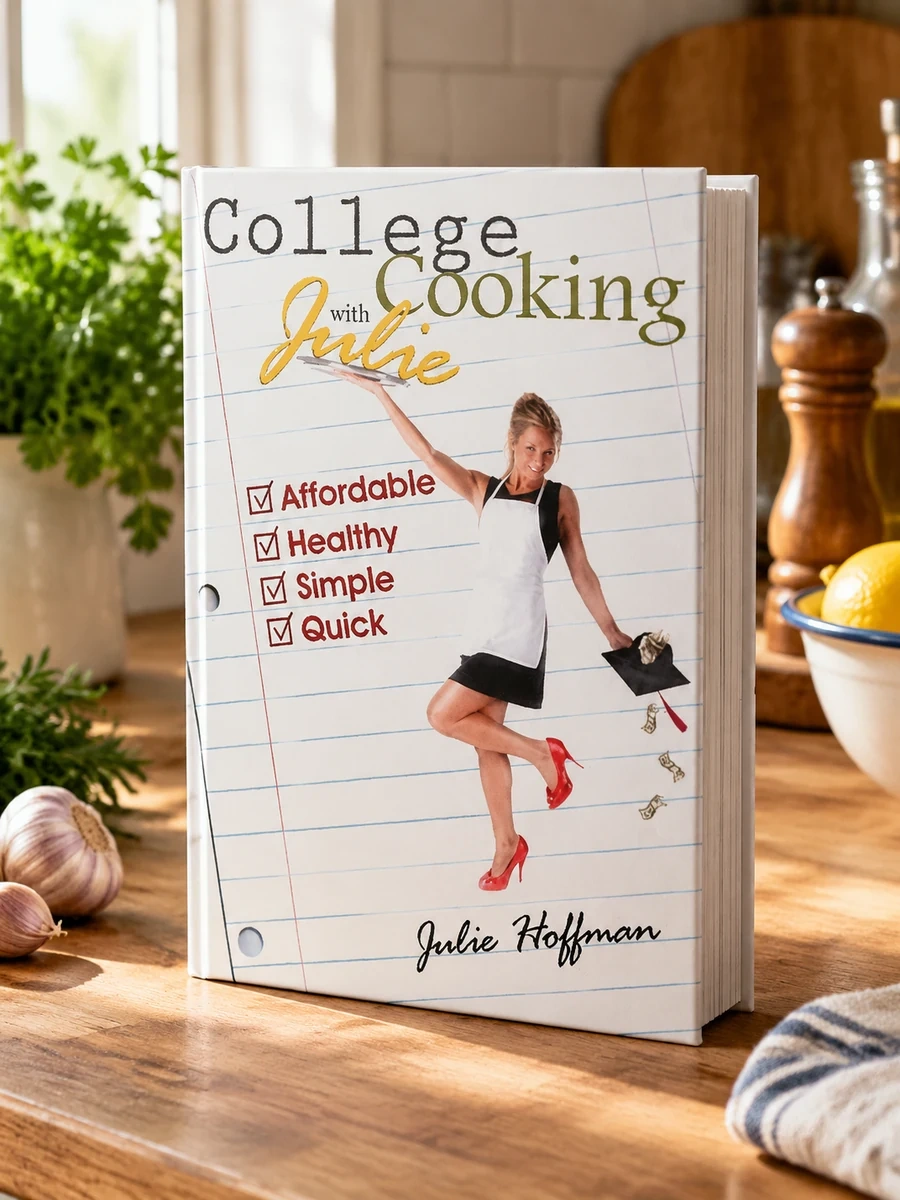
4. College Cooking with Julie: Affordable, Healthy, Simple, Quick — Julie Hoffman
For a first cookbook, simplicity can be more valuable than breadth. This title foregrounds affordability, health, simplicity, and speed, a combination that makes it a sensible starting point for students, first-apartment cooks, or anyone rebuilding confidence in the kitchen. It is the practical choice for learning to make everyday cooking fit a tight budget and a limited schedule, without beginning with highly specialized equipment or elaborate projects.
Learn a craft: bread, baking, and preserving
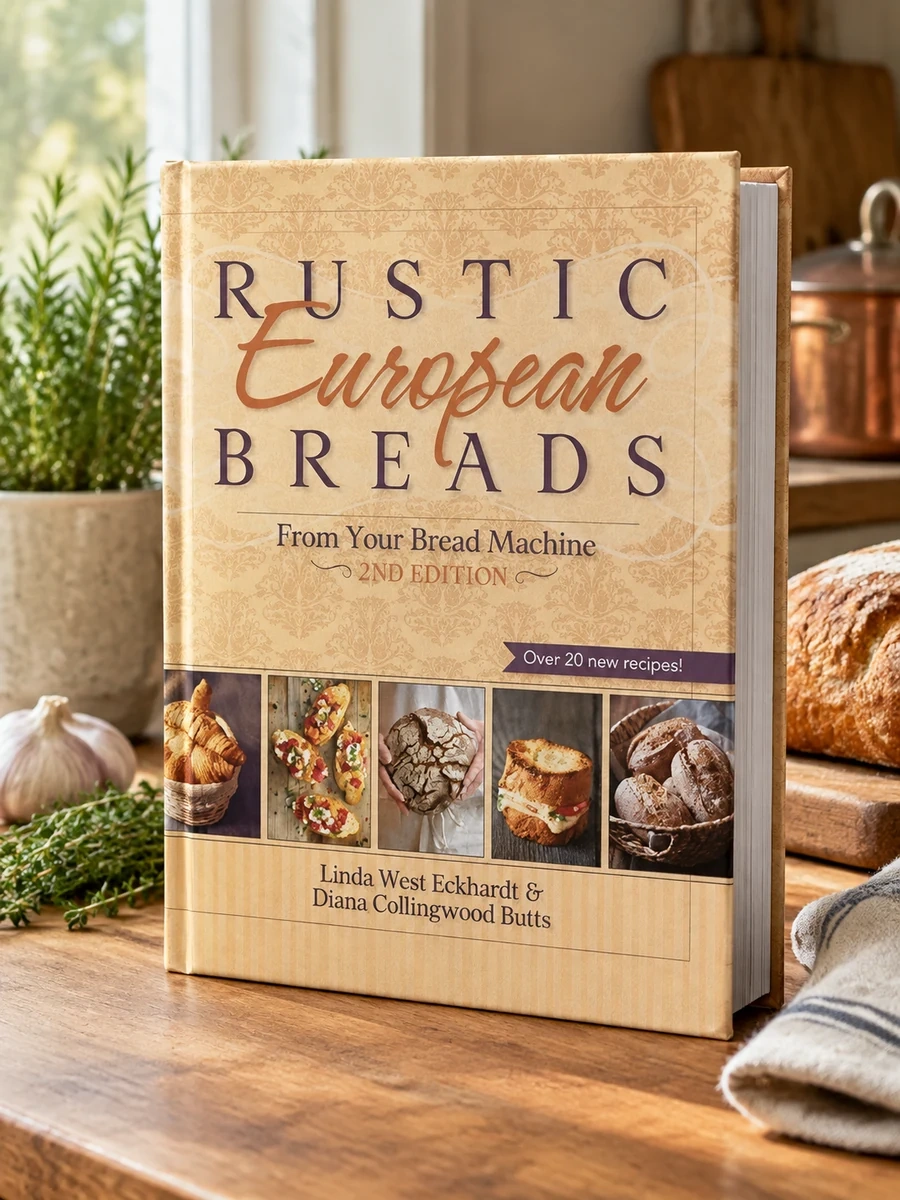
5. Rustic European Breads from Your Bread Machine (Revised) — Linda West Eckhardt
Bread machines can make bread more accessible, but the results still depend on understanding the relationship between a recipe and the machine doing the work. This book focuses on rustic European breads made in a bread machine, giving it a defined purpose for home bakers who own one and want to explore beyond basic loaves. It is a better fit for a bread-machine owner than for someone looking for a general guide to hand-kneading, shaping, and baking every kind of bread.
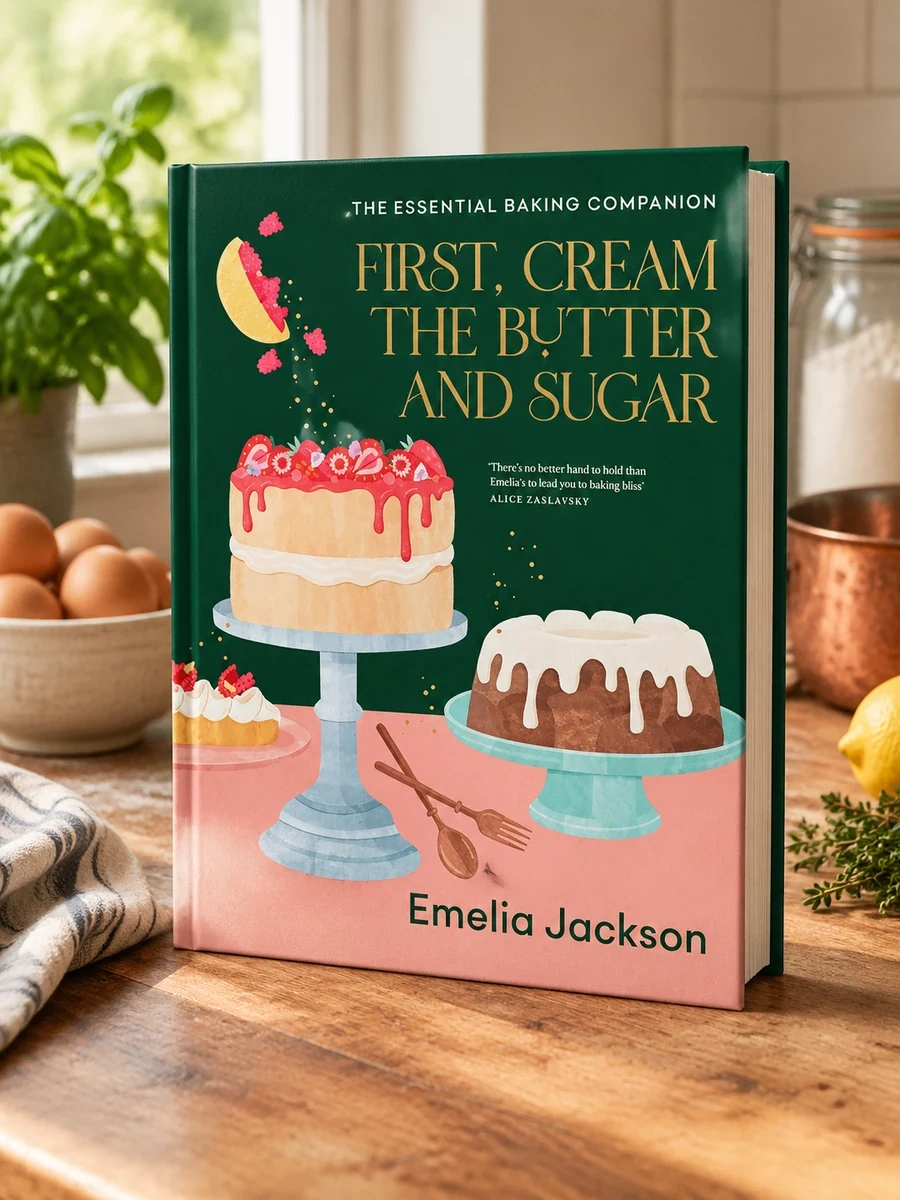
6. First, Cream the Butter and Sugar: The Essential Baking Companion — Emelia Jackson
Baking is especially rewarding when you learn to recognize the process behind the instructions. The title points toward a foundational baking operation—creaming butter and sugar—and presents the book as an essential companion rather than a narrowly defined recipe collection. It is a useful candidate for bakers who want to build a more considered approach to baking, although readers seeking detailed coverage of a particular technique should check that the book's scope matches their needs before choosing it.
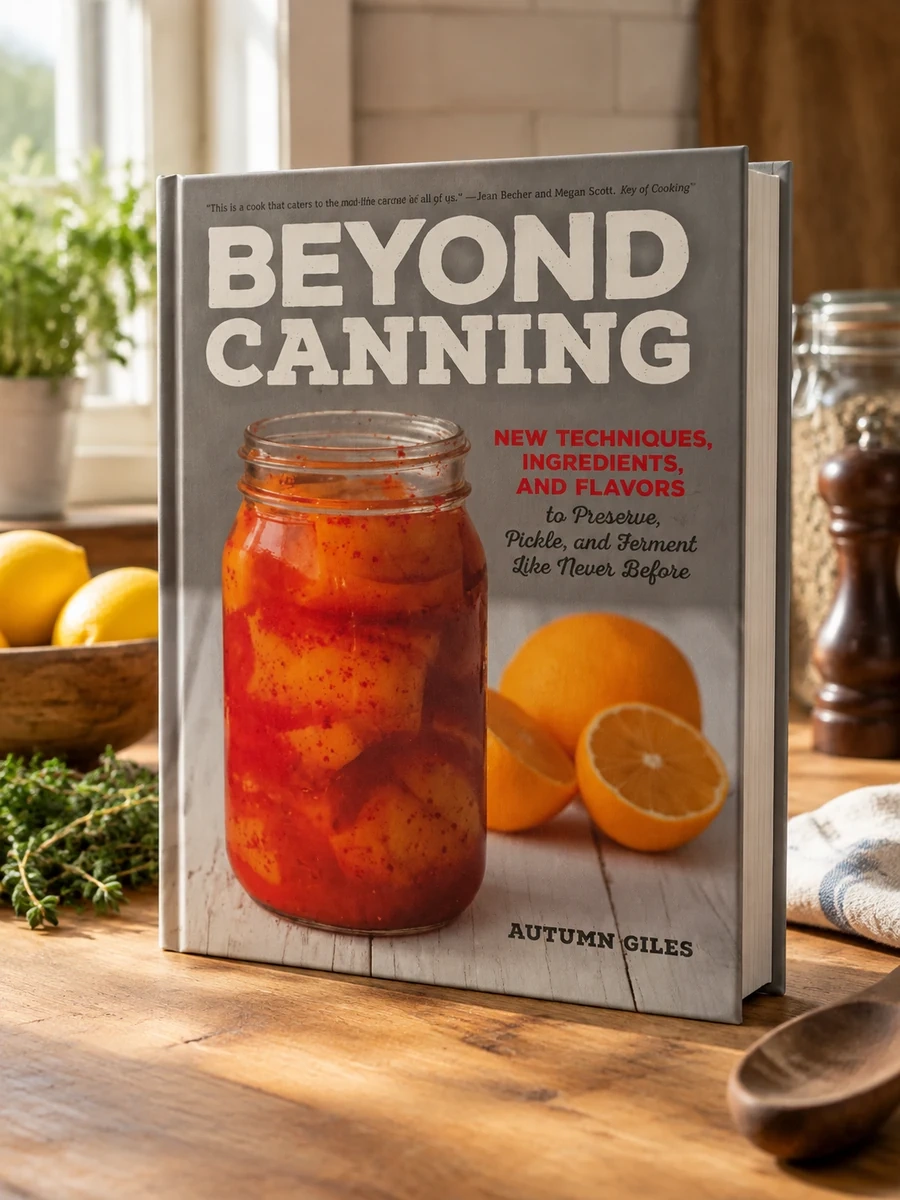
7. Beyond Canning: New Techniques, Ingredients, and Flavors to Preserve, Pickle, and Ferment Like Never Before — Autumn Giles
Preserving offers several ways to extend the life of ingredients, but canning is only one part of the picture. Autumn Giles's book explicitly brings together preserving, pickling, fermentation, and new approaches to ingredients and flavors, making it an appealing starting point for cooks who want to explore more than traditional jarred preserves. It is particularly well matched to curious home cooks who like experimenting with seasonal produce and developing a broader understanding of preservation methods.
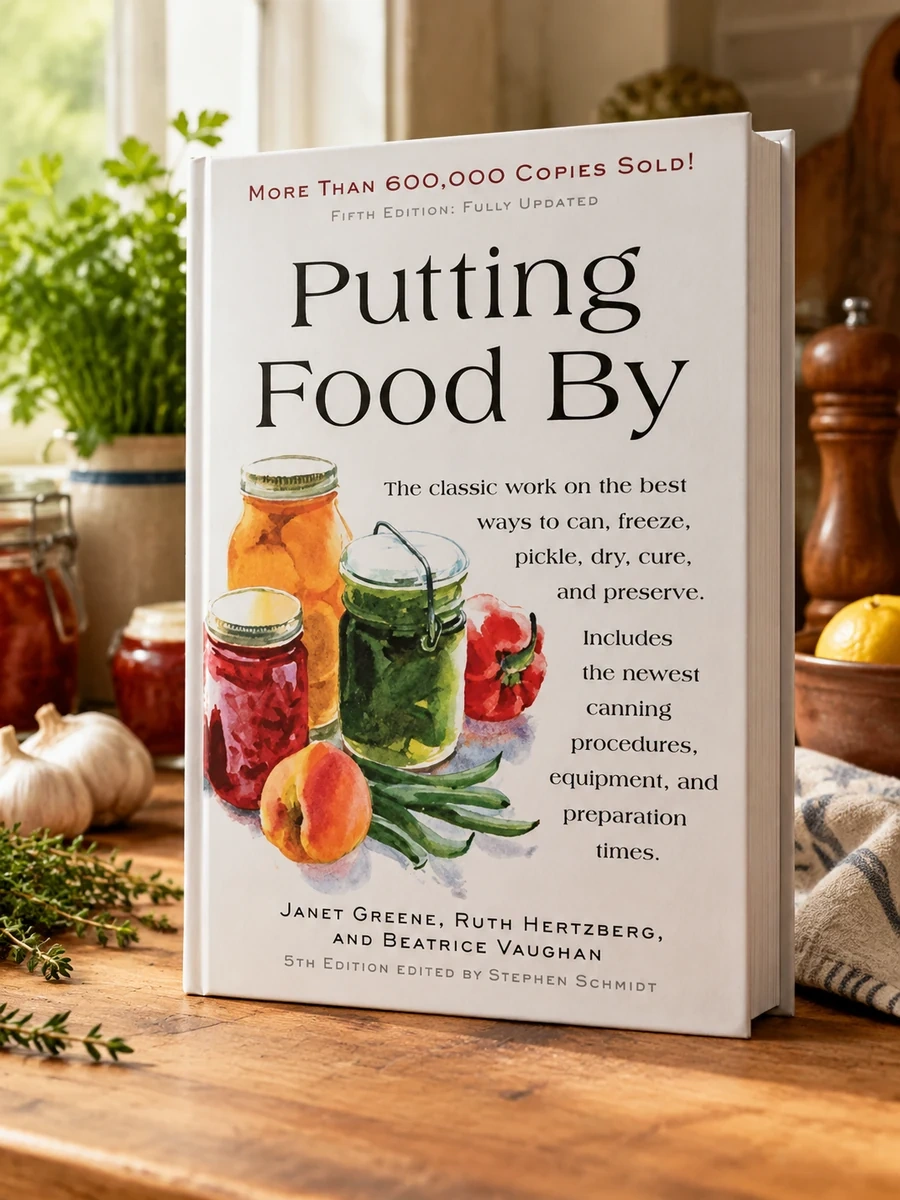
8. Putting Food by: Fifth Edition (Updated) — Ruth Hertzberg
For readers interested in preserving as a household practice, this updated fifth edition is a natural title to investigate. Its focus is the established tradition of putting food by, making it relevant to cooks who want a dedicated preservation reference rather than a general cookbook with a few pickle recipes. Because preservation methods can involve food-safety risks, use the book alongside current, tested guidance from authoritative food-safety sources, especially when deciding which procedures are appropriate for particular foods.
Choose a cooking method for your lifestyle
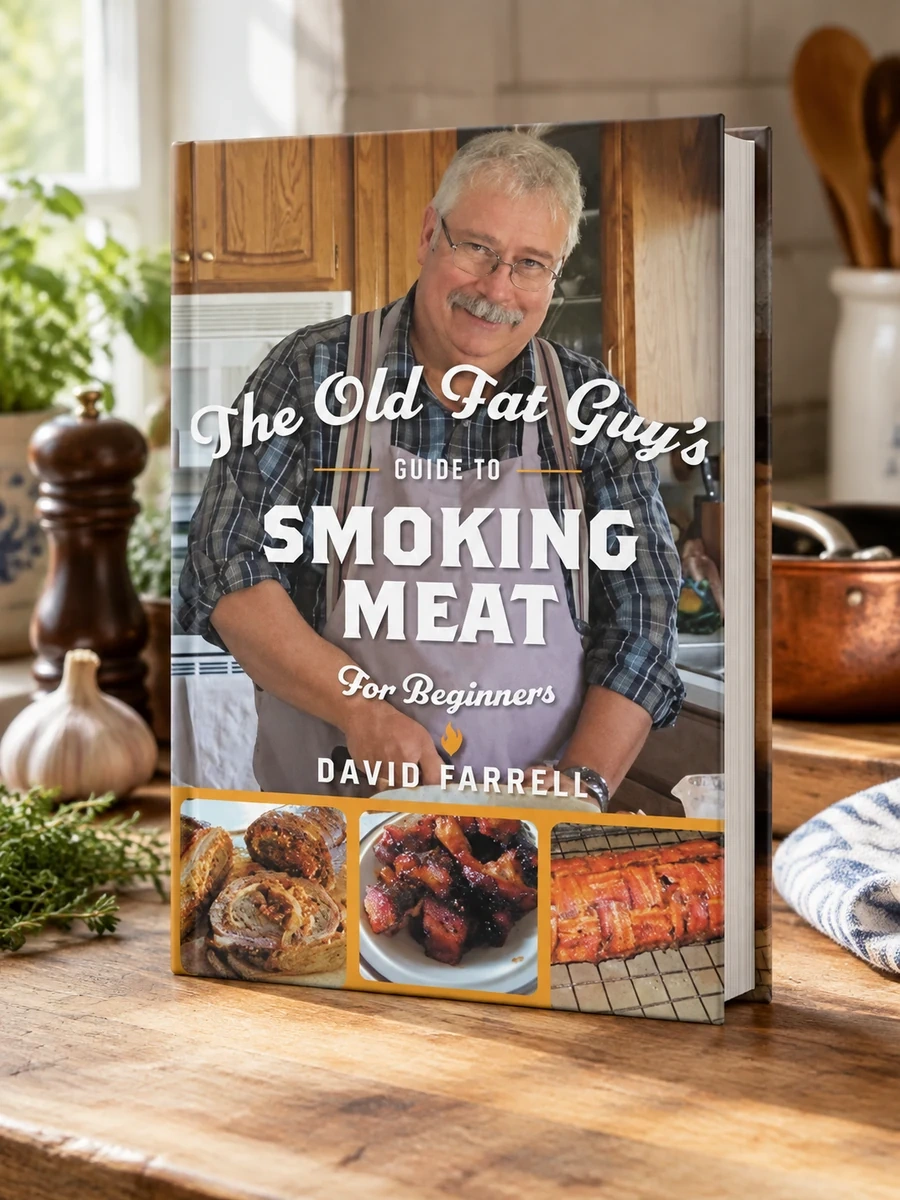
9. The Old Fat Guy's Guide to Smoking Meat for Beginners — David Farrell
Smoking meat introduces a different set of variables from everyday stovetop cooking, including the smoker itself, the heat source, and the time needed for the process. David Farrell's explicitly beginner-oriented title is a logical entry point for cooks who want to learn this specialized method without starting with an advanced barbecue reference. Choose it if smoking meat is a real interest and you are prepared to devote time to learning equipment, temperature control, and safe handling.
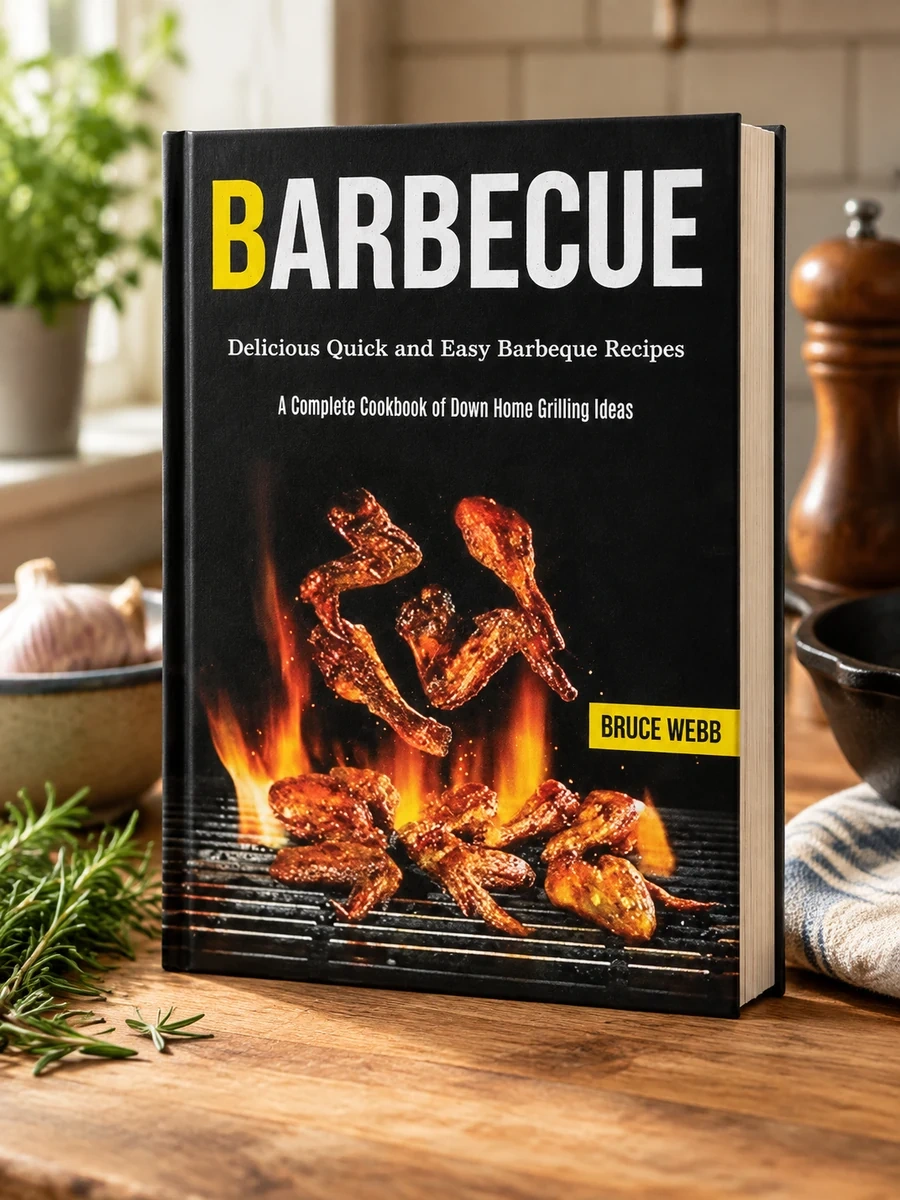
10. Barbecue Cookbook for Beginners: Delicious Quick and Easy Barbeque Recipes (A Complete Cookbook of Down Home Grilling Ideas) — Bruce Webb
Grilling and smoking overlap, but they are not interchangeable skills. Bruce Webb's book is positioned for beginners and emphasizes accessible barbecue recipes, making it a sensible option for someone who wants to start cooking outdoors before taking on a more specialized smoking project. It is especially suitable for cooks looking for a straightforward introduction to barbecue-style cooking and a collection of ideas to practice at the grill.
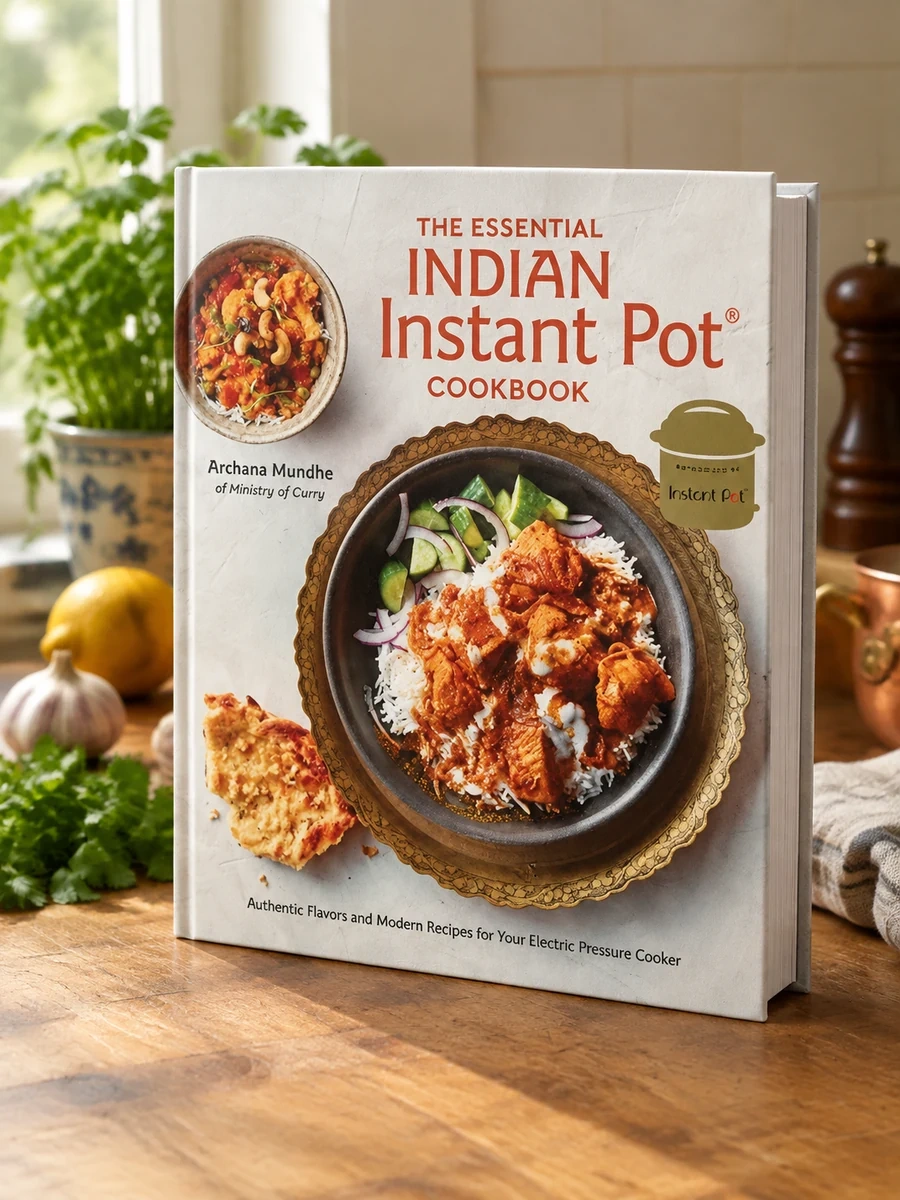
11. The Essential Indian Instant Pot Cookbook: Authentic Flavors and Modern Recipes for Your Electric Pressure Cooker — Archana Mundhe
An electric pressure cooker offers a different way to approach meals, and a cuisine-focused cookbook can make the appliance more useful than simply repeating a few familiar dishes. Archana Mundhe's title combines Indian cooking with modern electric pressure-cooker recipes, so it is a particularly good match for people who own an Instant Pot and want to use it for a more varied range of meals. It is less suitable if your main goal is a general explanation of pressure-cooker mechanics independent of any particular cuisine.
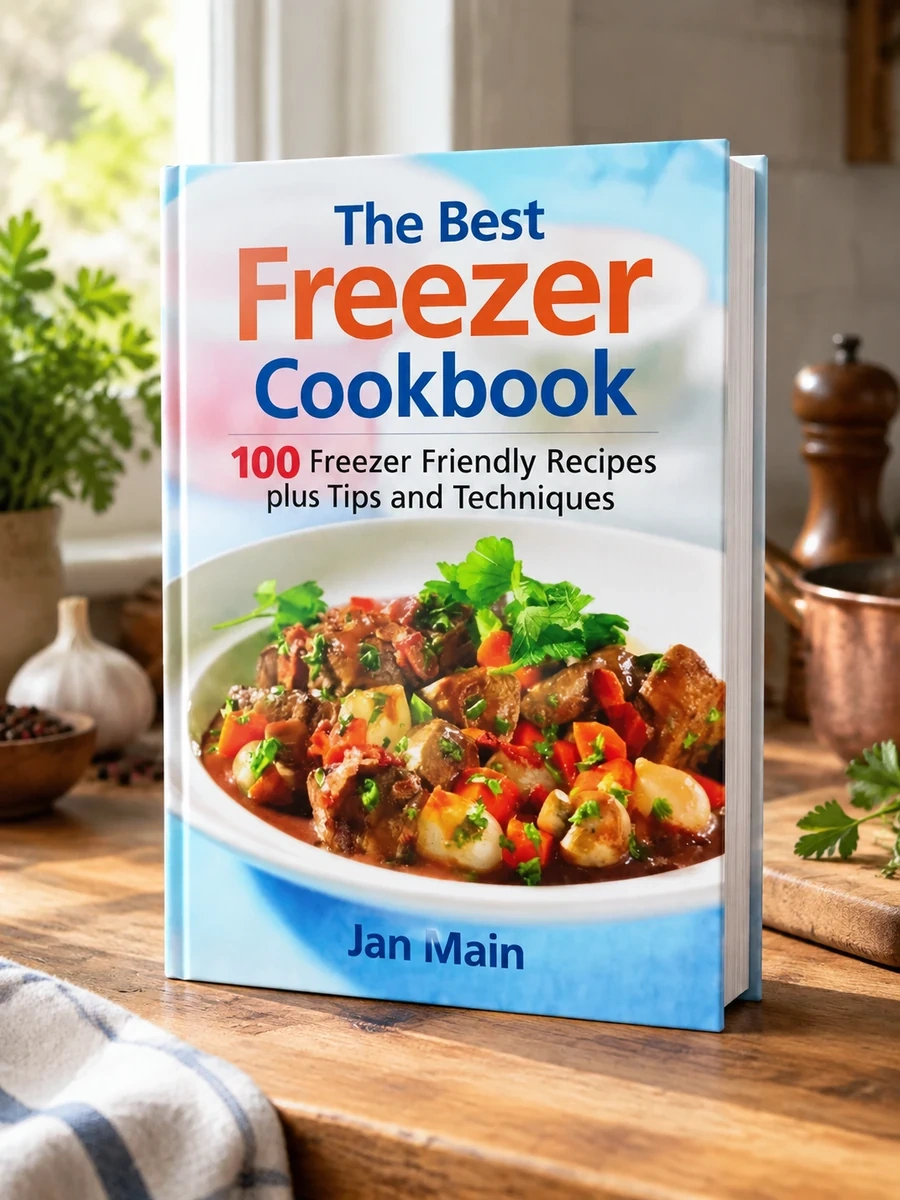
12. The Best Freezer Cookbook: 100 Freezer Friendly Recipes, Plus Tips and Techniques — Jan Main
Freezer cooking is a practical technique for anyone who would rather do some kitchen work in advance than start every meal from scratch. Jan Main's collection combines 100 freezer-friendly recipes with tips and techniques, giving it a clear role in a household cooking routine built around preparation ahead of time. Consider it if your priority is reducing the effort required on busy days, planning meals more systematically, and making better use of food prepared in batches.
How to choose the right technique cookbook
Start with the problem you most want to solve. If frying produces inconsistent results, choose the dedicated frying guide. If you want to understand how texture affects the finished dish, consider Kathy Hunt's book. If you are learning to cook independently, a practical everyday collection may be more useful than a specialized reference. The right first book is the one that addresses a skill you can practice this week.
Next, consider your equipment. A bread-machine book is a poor match if you do not own a bread machine; an Instant Pot cookbook is most useful when you have the appliance it describes. Grilling and smoking also require equipment, time, and attention that a quick weeknight cookbook does not. Match the book to your kitchen as it exists now, not to the kitchen you might build someday.
Think about the kind of learning you prefer, too. Some cooks improve through repetition and short recipes; others want a subject they can study in depth. A focused title gives you room to practice one method repeatedly, while a broad everyday collection helps you develop habits across many meals. For baking and preserving, be particularly attentive to the level of technical detail and safety guidance you need.
Finally, use the price range as a practical filter rather than the sole measure of value. Several approachable titles on this shelf cost under $20, while more specialized or professional references can be substantially more expensive. A higher price does not automatically make a book a better first choice. If you are uncertain, start with one clearly defined goal, work through several recipes, and add another book when you know which skill you want to develop next.
The strongest starter collection is not necessarily the largest. One book that helps you understand a method and practice it consistently can do more for your cooking than a dozen books that never leave the shelf. Choose a subject you genuinely want to master, keep notes on your results, and let your next cookbook follow from what you learn.