If you're wondering where to start with Ghillie Basan, the most useful answer is to begin with the food traditions you want to cook most often, rather than trying to collect every title at once. Basan's catalog spans Turkish cooking, Lebanese food, and the cuisines of neighboring parts of the Middle East, alongside books devoted to Southeast Asian traditions. For someone interested specifically in Turkish and Levantine home cooking, the strongest starting points are the books that give those regional cuisines room to breathe.
The difference between a broad regional cookbook and a compact collection of classic recipes matters. A larger-format title can be the better choice when you want a wider introduction to a cuisine, while a shorter book can make sense when you already know the dishes you want to explore and would rather keep your commitment modest. The right first purchase depends on whether you're learning a culinary tradition from scratch, building a repertoire for weeknight meals, or researching the food of a particular place.
This reading order puts six relevant Basan titles into a practical progression: start with Turkish cooking or the wider Levant, then narrow your focus to Lebanon and the neighboring cuisines that help place familiar dishes in context. The sequence is a recommendation for building your shelf, not a claim that every reader must follow the same path.
Start with a broad regional introduction
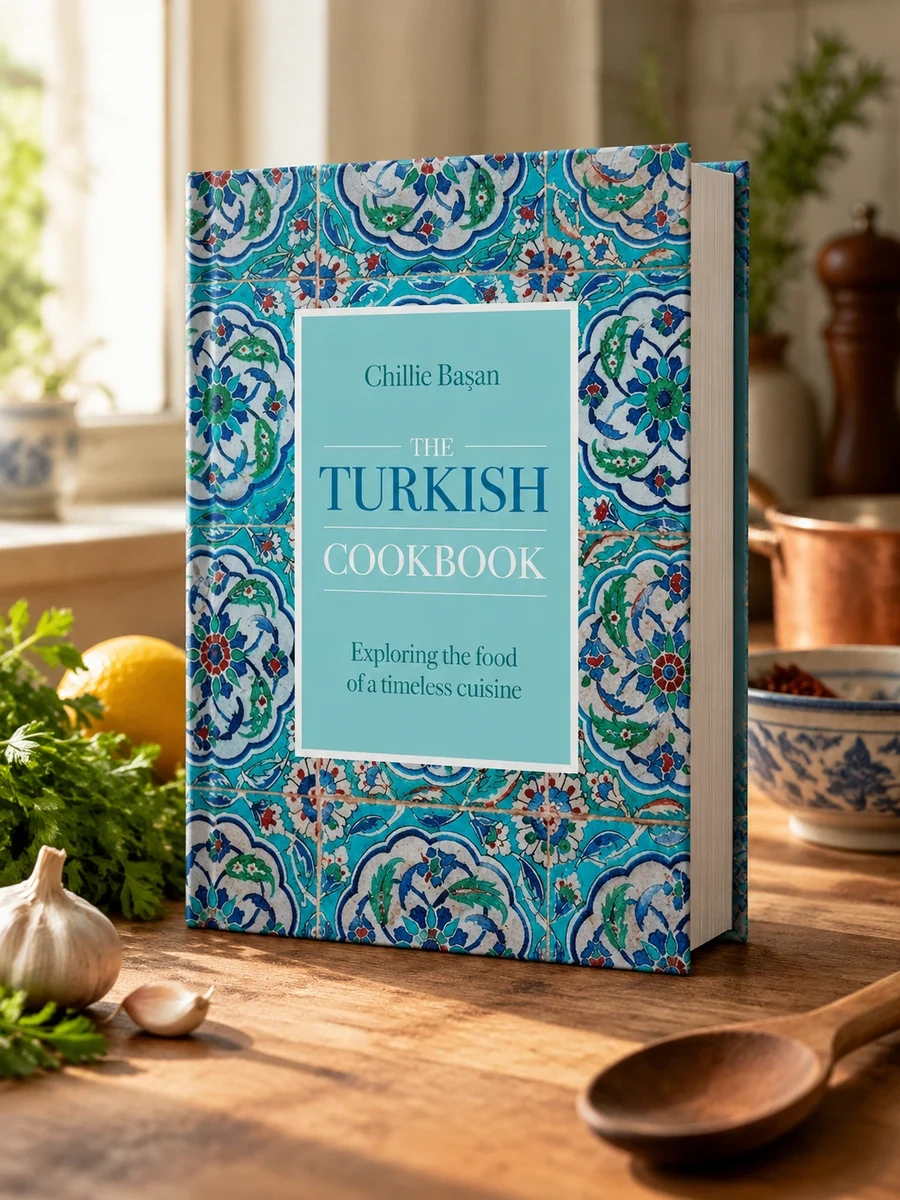
1. Turkish Cookbook: Exploring the Food of a Timeless Cuisine — Ghillie Basan
This is the strongest first stop for readers whose main goal is to understand Turkish food as a culinary tradition rather than simply collect a handful of popular recipes. Its broad framing makes it a sensible foundation for exploring the ingredients, dishes, and cooking customs associated with Turkey. Start here if you want a dedicated Turkish cookbook to anchor your kitchen and guide future choices about more specialized regional titles.
For home cooks, the value of a broad introduction is the opportunity to build familiarity before concentrating on individual techniques or dishes. You can use this book as your reference point while learning which flavors you return to most and which parts of Turkish cooking you want to investigate further. It earns the first position because the cuisine itself is the focus, rather than one narrow dish category.
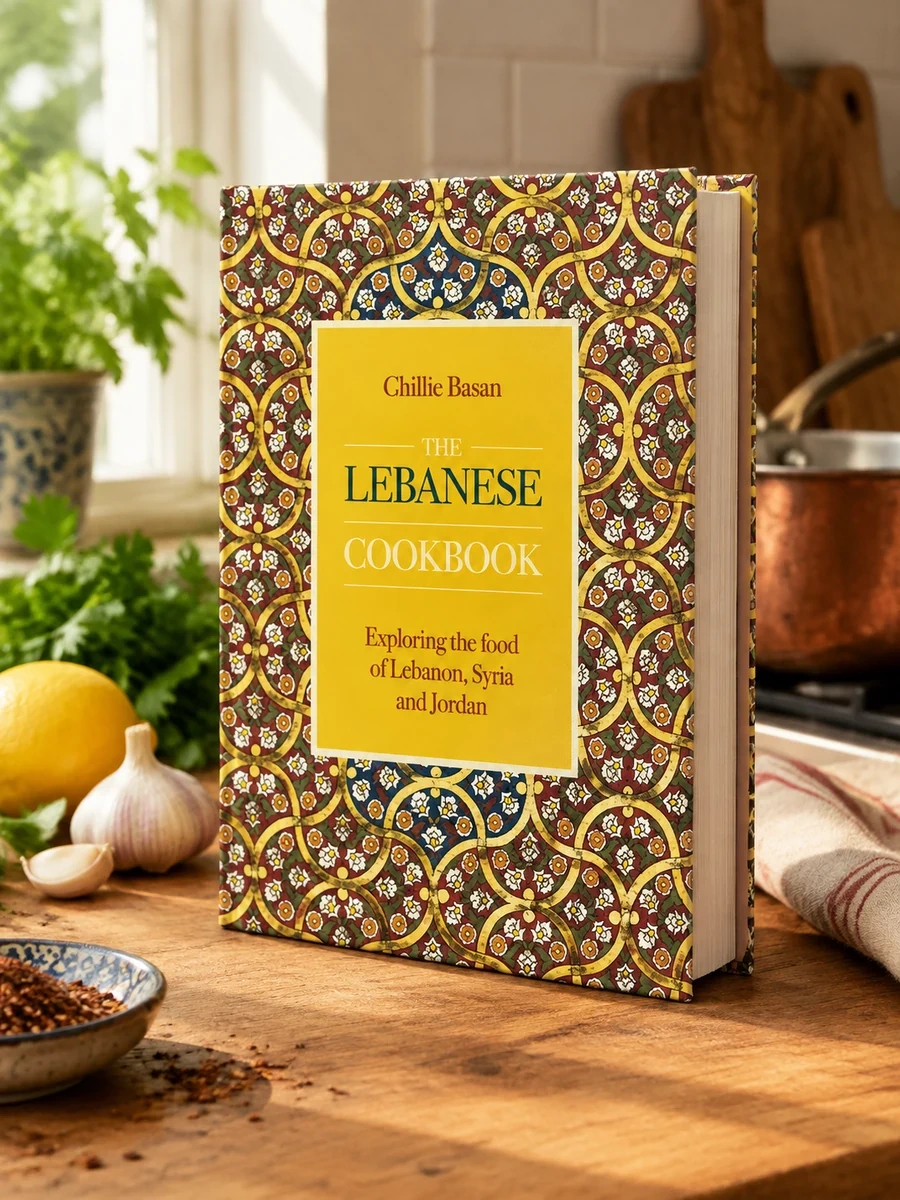
2. Lebanese Cookbook: Exploring the Food of Lebanon, Syria and Jordan — Ghillie Basan
Choose this next if your interest extends beyond Turkey to the Levant, particularly the connected food traditions of Lebanon, Syria, and Jordan. The title explicitly covers all three countries, making it a useful counterpart to a Turkey-focused book and a good way to broaden your understanding of regional cooking without treating the Middle East as a single, uniform cuisine.
This is the better first purchase for someone whose appetite already leans toward Levantine dishes or who wants to compare culinary traditions across neighboring countries. Its regional scope gives you a broader frame than a book devoted exclusively to Lebanon. Read it after the Turkish cookbook if you want a wider regional collection, or move it into first place if Levantine food is your priority.
Focus on classic dishes and a more compact collection
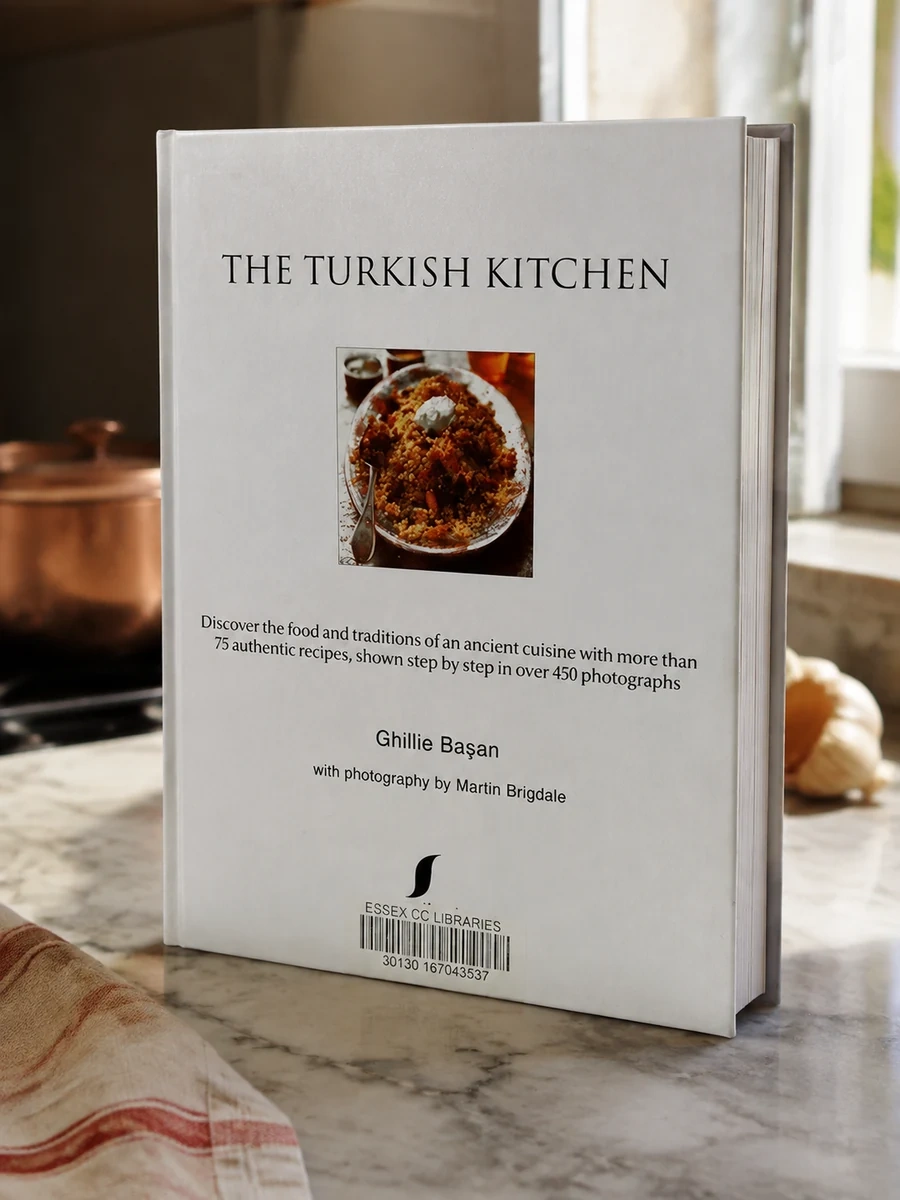
3. The Turkish Kitchen: Discover the Food and Traditions of an Ancient Cuisine with More Than 75 Authentic Recipes, Shown Step by Step in Over 450 Photograph — Ghillie Basan
Once you've identified Turkish cooking as a lasting interest, this is the natural companion to the broader Turkish cookbook. Its published description emphasizes more than 75 recipes and step-by-step photographic presentation, making it particularly appealing to cooks who appreciate visual guidance as they work through unfamiliar dishes. The explicit attention to food and traditions also suits readers who want cultural context alongside recipes.
Consider this title if you learn best by seeing how a dish comes together or if you want a dedicated book to consult while cooking. It also makes sense as an alternative starting point for readers who prefer a recipe-led approach with a clearly stated collection size. Rather than assuming that two books on the same national cuisine are interchangeable, think about which presentation and scope will encourage you to cook from the book repeatedly.
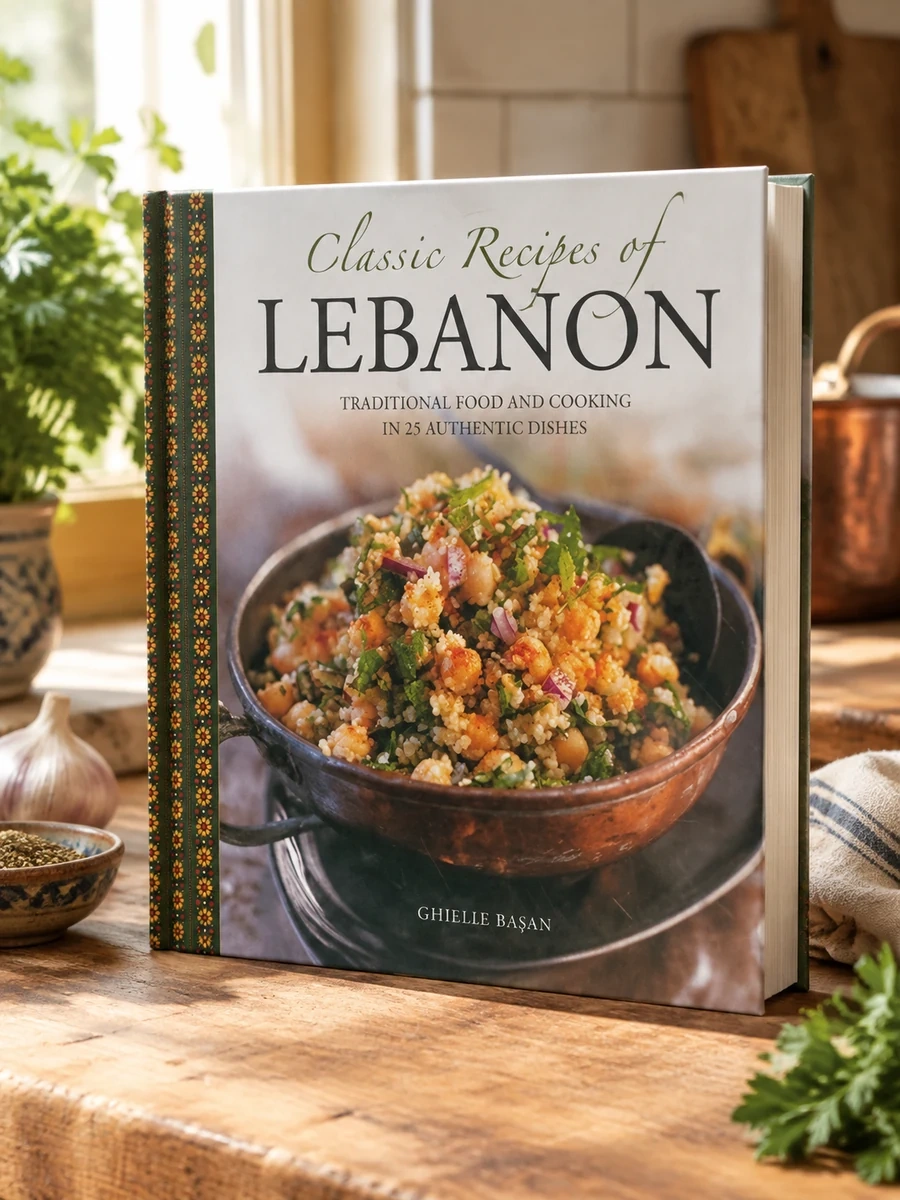
4. Classic Recipes of Lebanon: Traditional Food and Cooking in 25 Authentic Dishes — Ghillie Basan
This compact Lebanese title is a practical option for readers who want to focus on one country's cooking without committing to a broader regional collection. Its stated scope of 25 traditional dishes makes it easier to approach as a targeted introduction, especially if you are building a small cookbook library or testing your interest in Lebanese food before expanding it.
It works particularly well after the larger Lebanese, Syrian, and Jordanian collection because you can use the two books for different purposes: one for a regional overview and the other for a concentrated selection of Lebanese classics. If you're shopping on a budget, this title is also one of the lower-cost options in the six-book sequence, generally priced under $20. The shorter format is a feature, not a limitation, when your aim is to start cooking rather than assemble a comprehensive reference shelf.
Extend your shelf into neighboring food traditions
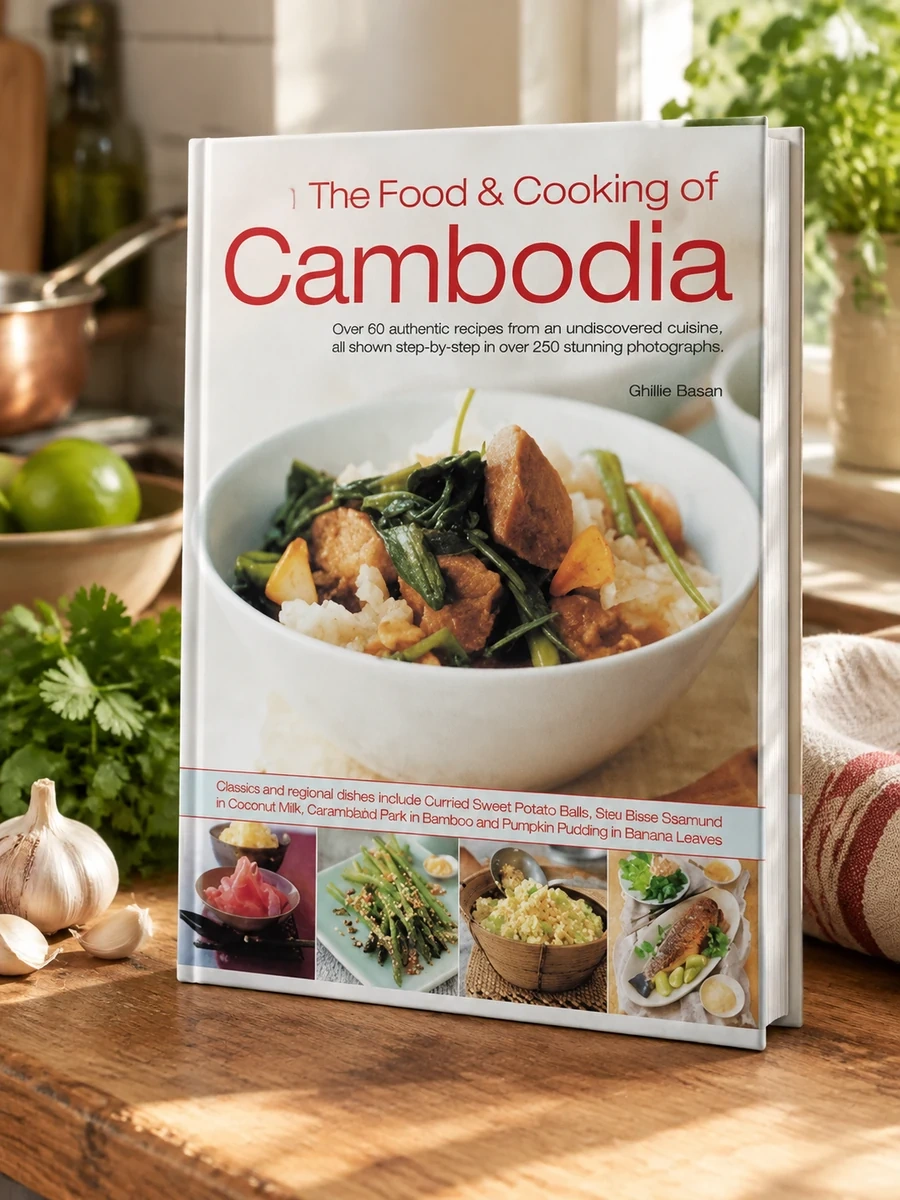
5. The Food & Cooking of Cambodia: Over 60 Authentic Classic Recipes from an Undiscovered Cuisine, Shown Step by Step in Over 300 Stunning Photographs — Ghillie Basan
This is the point where the reading list moves beyond the Turkish and Levantine focus. Cambodia belongs to a different culinary region, so this title should not be treated as a continuation of Middle Eastern cooking. Instead, it offers a route into Basan's broader interest in traditional food cultures and gives adventurous cooks a way to expand their collection without repeating the same regional focus.
The published description highlights more than 60 classic recipes and extensive step-by-step photography. That combination is useful for cooks who want visual guidance when working with unfamiliar dishes and ingredients. Place it here if you have already established a foundation in Turkish or Levantine cooking and want your next cookbook to open a genuinely different culinary direction. If Southeast Asian food is already your main interest, there is no reason to wait until fifth place.
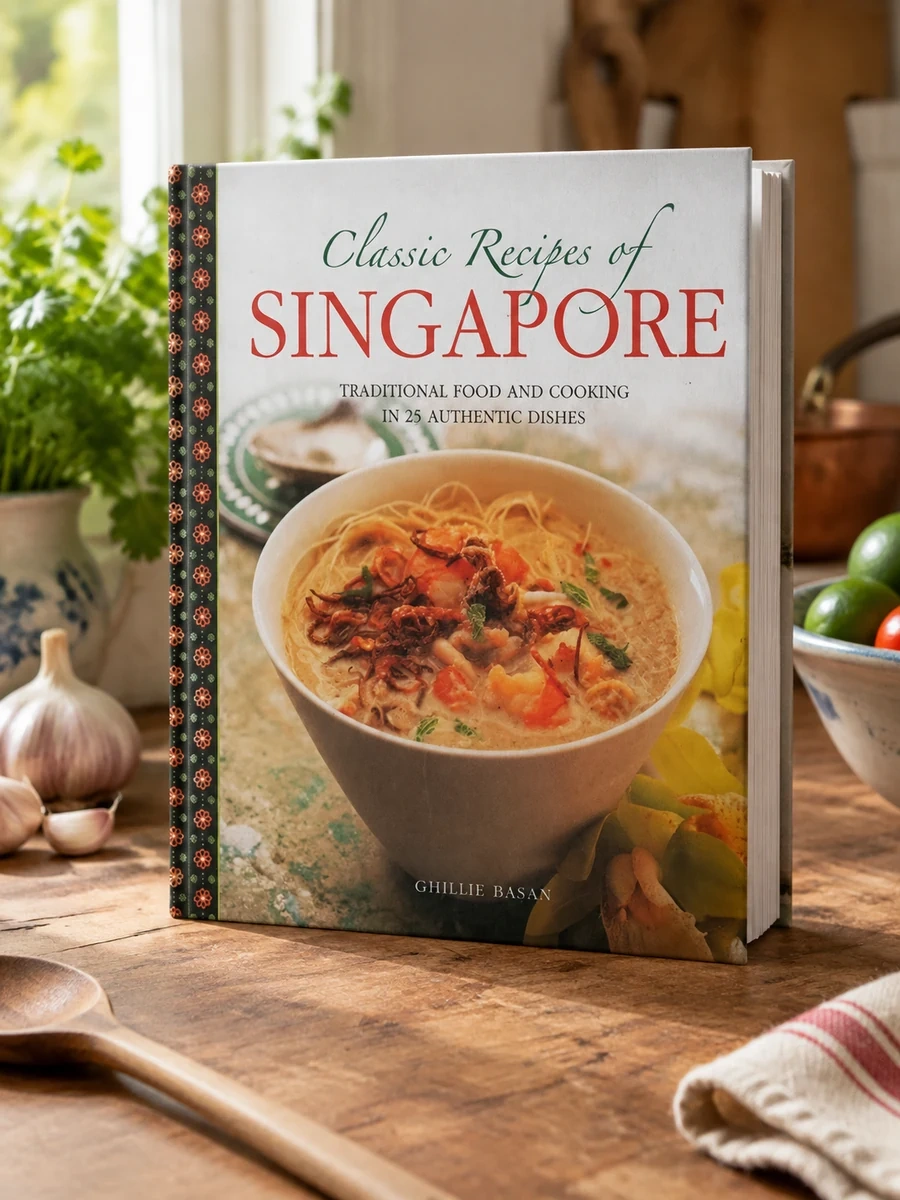
6. Classic Recipes of Singapore: Traditional Food and Cooking in 25 Authentic Dishes — Ghillie Basan
Finish with this short collection if you want another focused introduction to a distinct food culture. Like the compact Lebanese title, it centers on 25 traditional dishes, but its subject is Singapore rather than the Middle East. That makes it a useful choice for readers who value concise cookbook collections and want to explore a new regional tradition without immediately taking on a larger reference book.
Singapore's food culture has its own history and influences, so approach this as a separate branch of your cookbook collection rather than as a lesson in Turkish or Levantine techniques. Its compact scope and relatively low price, generally under $20, make it an accessible addition for curious cooks. It is last in this particular order because the main goal here is to establish a Turkish and Levantine foundation first, not because Singaporean cooking is less rewarding to explore.
How to choose the right Ghillie Basan cookbook for you
You do not need all six books to get started. A good first cookbook is one that matches the food you genuinely want to prepare, provides a manageable way into the subject, and gives you enough variety to keep cooking after the first few recipes.
- If you mainly want Turkish food: Start with Turkish Cookbook: Exploring the Food of a Timeless Cuisine. Choose The Turkish Kitchen instead if step-by-step photographic guidance and a defined recipe collection are your priorities.
- If you want to explore the Levant: Begin with Lebanese Cookbook: Exploring the Food of Lebanon, Syria and Jordan. Its three-country scope is the most direct match for readers who want a regional perspective.
- If you want a compact Lebanese introduction: Choose Classic Recipes of Lebanon. Its 25-dish format offers a smaller commitment and a more focused entry point.
- If you want to explore beyond the Middle East: Add The Food & Cooking of Cambodia for a visually guided collection, then consider Classic Recipes of Singapore for another compact introduction.
For most readers following this particular path, two books are enough to establish a useful foundation: one dedicated to Turkish cooking and one covering Lebanon, Syria, and Jordan. Add a more focused title when you find yourself wanting extra guidance or a narrower selection of dishes. After that, let your own cooking habits determine the direction of the collection. The best reading order is the one that moves a cookbook from the shelf to the kitchen, where its recipes can become part of your regular repertoire.