Some food books tell you what to cook for dinner. M. F. K. Fisher's books ask a more interesting question: what does the way we eat reveal about the way we live? Her essays connect appetite with memory, travel, loneliness, pleasure, hospitality, and the everyday rituals that give a life its shape. That combination has kept her work appealing long after the meals and dining fashions she describes have changed.
If you are wondering where to start with M. F. K. Fisher, the answer depends on what you want from her writing. You might want an absorbing memoir, a collection of short pieces to read beside a cup of tea, a sustained meditation on a single ingredient, or a book that challenges the idea that food writing must be a collection of recipes. Her bibliography offers several ways in, but not every title serves the same purpose.
This guide recommends seven books in a flexible reading order, beginning with the most inviting route into her literary voice and moving toward more specialized essays and culinary philosophy. The sequence is a practical recommendation rather than a claim that Fisher must be read chronologically. It also makes a useful autumn reading list: these are books to linger over, revisit between meals, and give to someone who believes that good writing about food belongs on the nightstand as much as on the kitchen shelf.
Start with the books that show Fisher's literary gifts
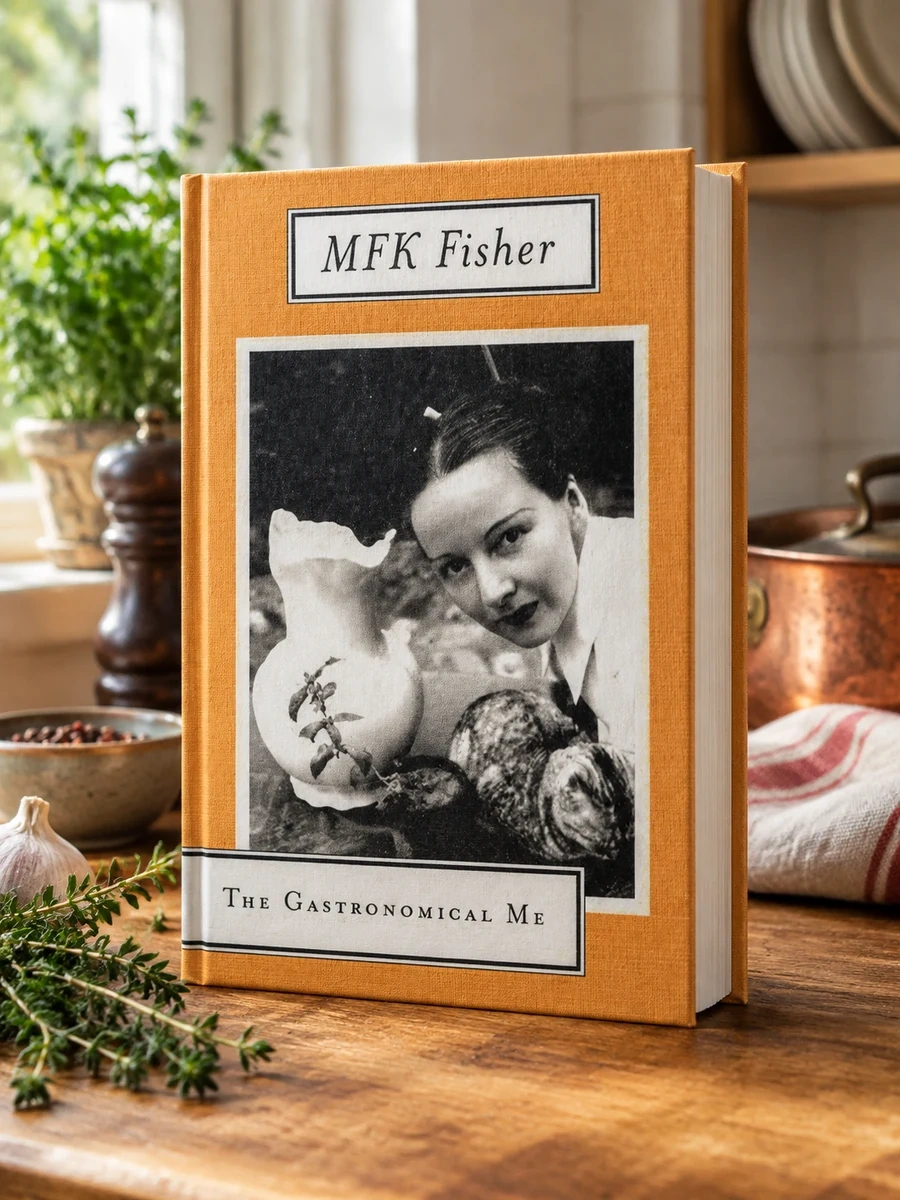
1. The Gastronomical Me — M. F. K. Fisher
For most first-time readers, this is the strongest starting point. The book brings food and personal experience together, showing why Fisher is remembered as a writer of literary nonfiction rather than simply as an author of culinary advice. Her subject is not only what people eat, but the experiences and relationships that gather around eating. Begin here if you want to understand the emotional possibilities of food writing before moving into her more specialized essays.
The appeal is particularly strong for readers who enjoy memoir, travel writing, and reflective prose. It is also a thoughtful gift for someone who collects books about the pleasures of ordinary life rather than books designed to solve a specific cooking problem. At $19, it sits below $20, making it an accessible introduction to a writer whose influence extends beyond the cookbook shelf.
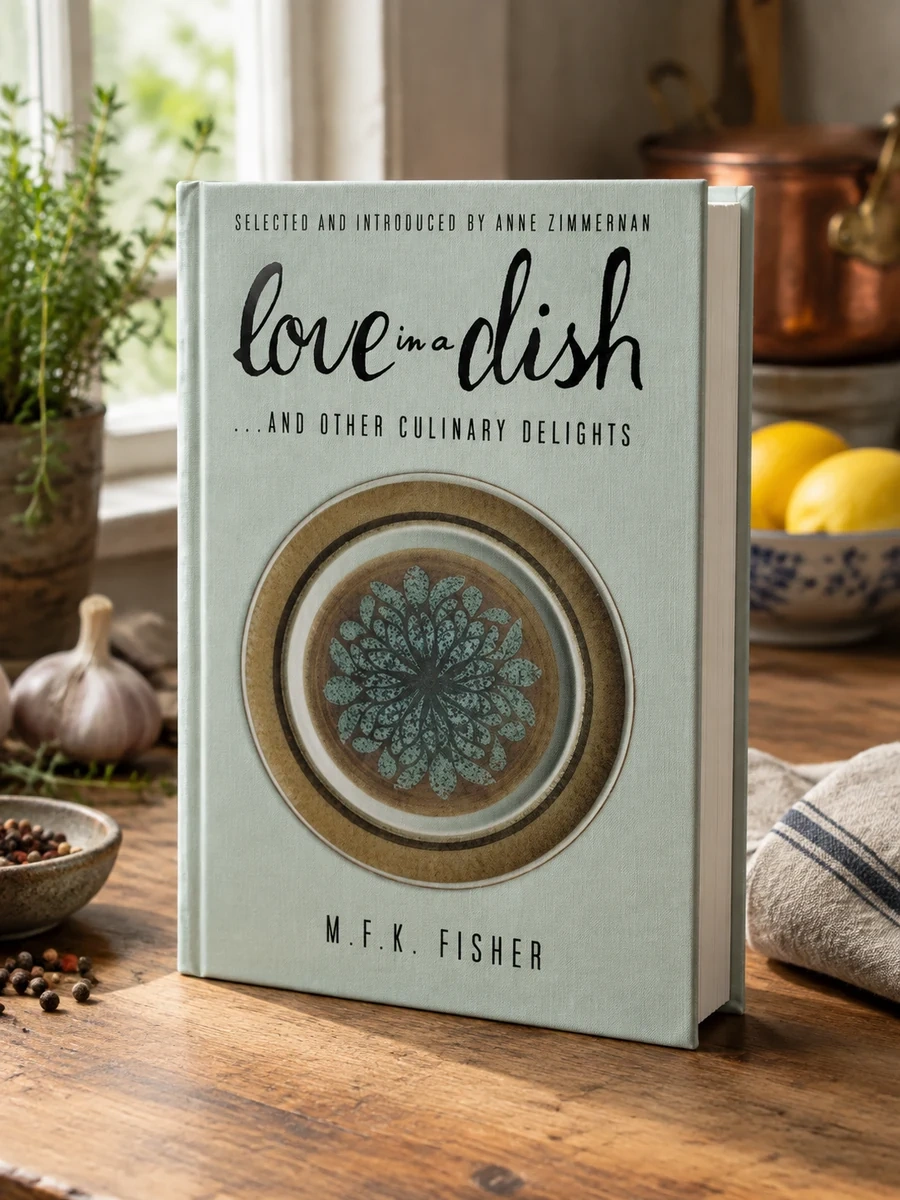
2. Love in a Dish . . . and Other Culinary Delights by M.F.K. Fisher — M. F. K. Fisher
Next, choose this collection if you would rather sample Fisher in shorter pieces than commit to a longer reading experience. Its title captures the territory she made her own: the connections between food, affection, pleasure, and human company. The collection offers a useful way to experience her literary sensibility in manageable sittings, with room to pause over a passage and return to it later.
This is an especially appealing choice for an autumn reading stack, when a book might be opened for ten minutes after dinner or read slowly over a weekend. It also makes a natural gift for a home cook who already owns practical cookbooks but wants something more personal and reflective. The listed price is under $20, so it is an easy way to introduce Fisher without starting with a more academic study of her work.
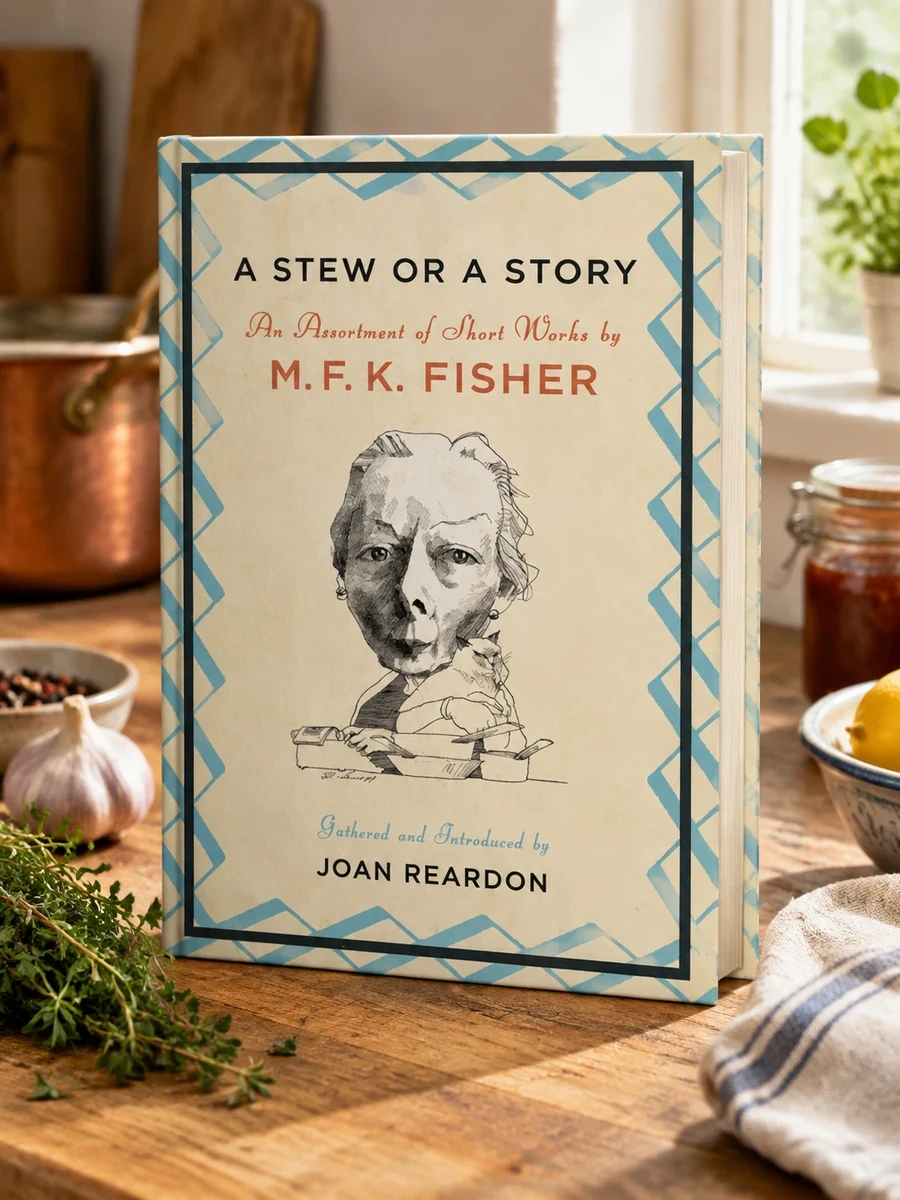
3. A Stew or a Story: An Assortment of Short Works — M. F. K. Fisher
Move to this assortment if you enjoy discovering a writer through varied short works rather than following a single continuous narrative. The title suggests the pleasing overlap between nourishment and storytelling that runs through Fisher's reputation, and the collection provides another route into her shorter-form writing. It belongs here because it lets readers develop a feel for her voice without requiring them to approach her books as a formal course of study.
For a reader who likes dipping into essays at breakfast or carrying a book from room to room, a varied collection can be more inviting than a tightly structured volume. It is also a good companion gift for someone who enjoys food essays but has not yet built a collection of Fisher's work. Think of it as a book to keep close at hand rather than one to rush through.
Read Fisher for culinary philosophy and the pleasures of ingredients
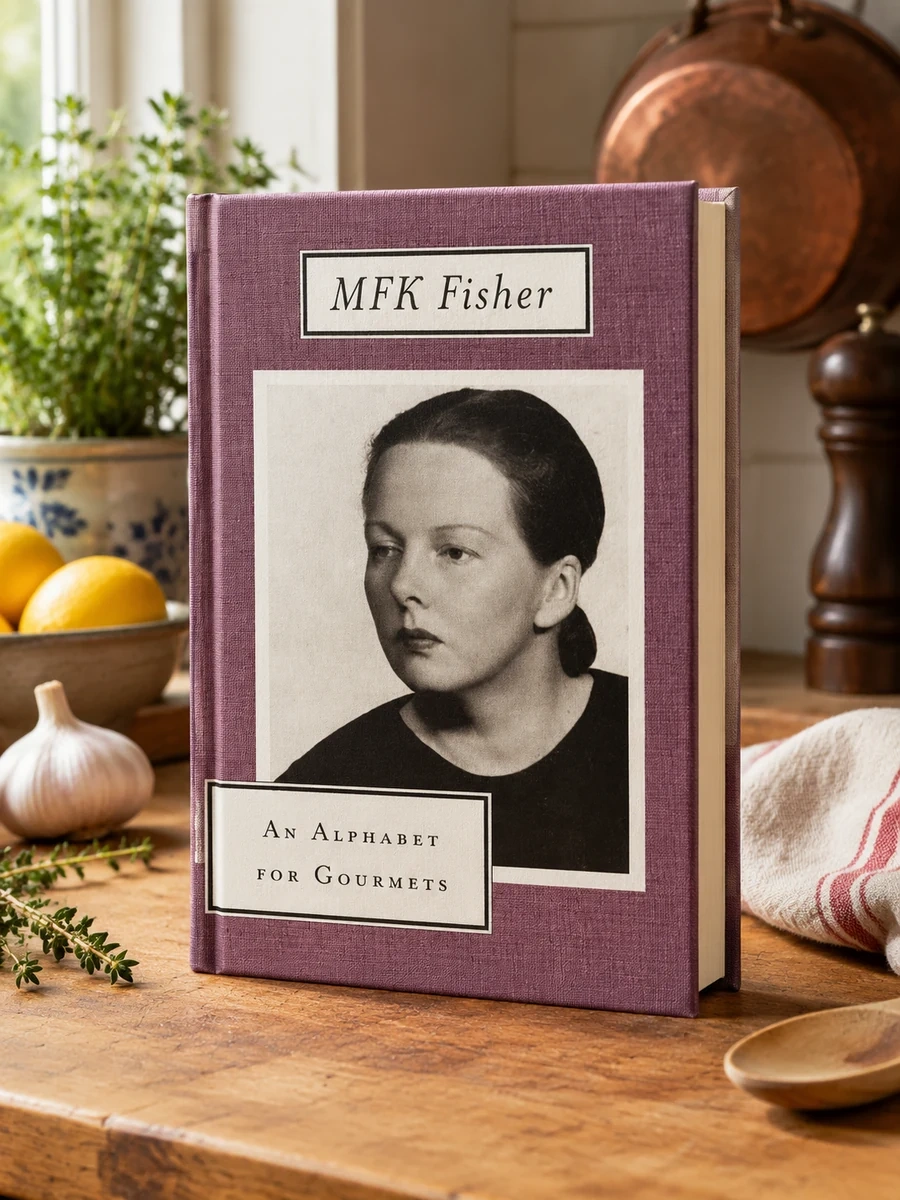
4. An Alphabet for Gourmets — M. F. K. Fisher
Once you have met Fisher through memoir and shorter pieces, turn to An Alphabet for Gourmets for a more organized exploration of her thinking about food. Its alphabet-based framework makes it a natural choice for readers who enjoy a series of related reflections rather than a single narrative arc. The book is well suited to anyone curious about the principles, habits, and attitudes that shape a pleasurable life at the table.
This is not the best choice for someone seeking a straightforward weeknight meal plan. Its appeal lies instead in the way a literary writer considers the meaning and practice of eating well. Give it to a confident cook who wants to think more deeply about food, or to a reader who enjoys essays that can be opened at random and revisited throughout the season. At under $20, it is a practical addition to a small food-writing gift bundle.
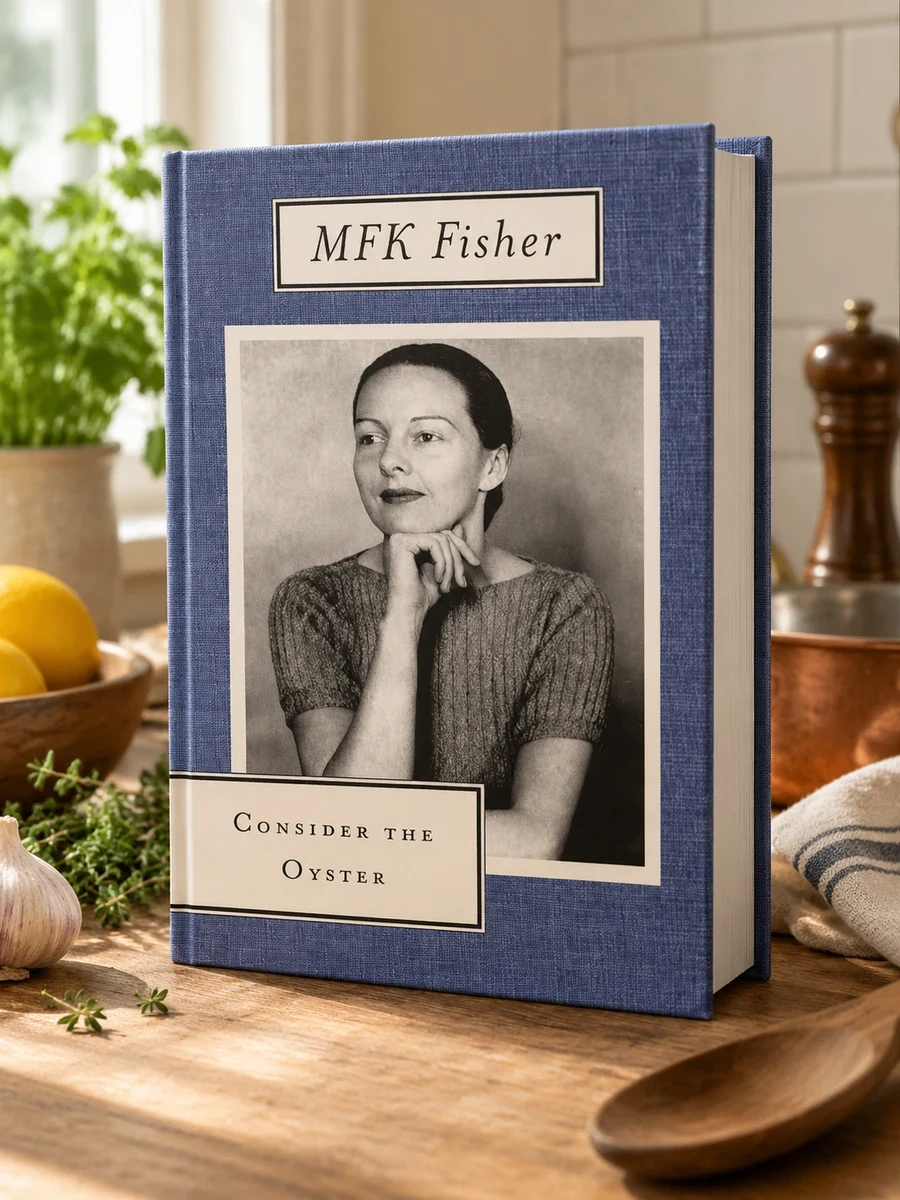
5. Consider the Oyster — M. F. K. Fisher
For a more focused reading experience, choose Consider the Oyster. Rather than surveying the whole world of food, it concentrates attention on one ingredient and the cultural and culinary associations that make it worth writing about. That narrower focus demonstrates an important part of Fisher's appeal: a particular food can become a subject for observation, curiosity, and pleasure rather than a mere entry on a menu.
This is the recommendation for the adventurous eater, the seafood enthusiast, or the reader who appreciates an author capable of sustaining an entire book around a seemingly small subject. It is also a particularly apt gift for someone who likes regional food histories and ingredient-centered writing. At $16, it is listed under $20, and its specific subject gives it a clear identity on a crowded cookbook shelf.
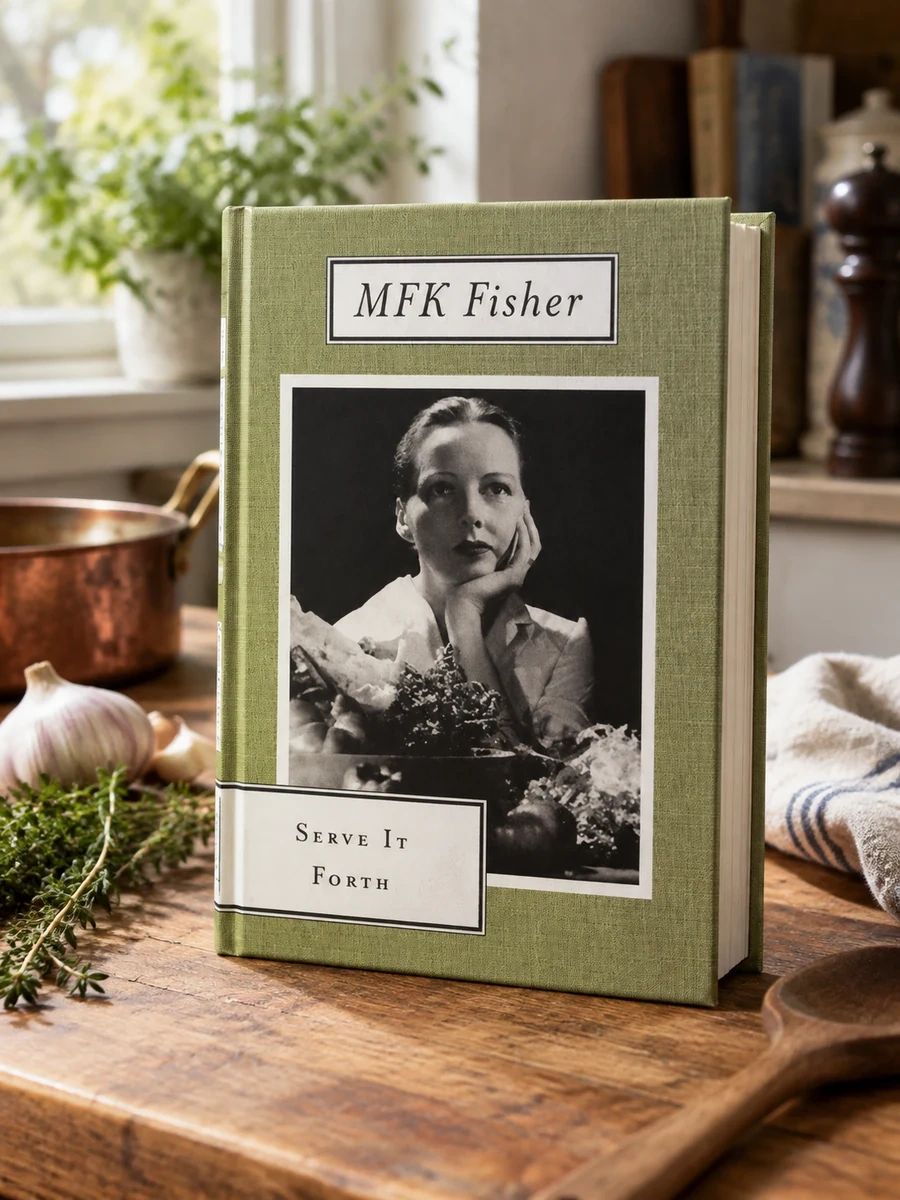
6. Serve It Forth — M. F. K. Fisher
Serve It Forth is a strong next step for readers who want to broaden their understanding of Fisher's food writing and its relationship to culture and history. Its place in this sequence reflects the value of moving from personal experience and a single ingredient toward wider reflections on food and the ways people understand it. It suits readers who like their culinary reading to raise questions as well as offer pleasures.
Choose this volume if your interests include food history, literary essays, and the customs that surround eating. It is a good fit for an established food-writing reader who has already enjoyed Fisher's more personal work and wants to continue exploring her approach. For gift-giving, it is a considered option for a reader whose shelves hold both cultural history and books about cooking.
Finish with a book that brings food writing into everyday life
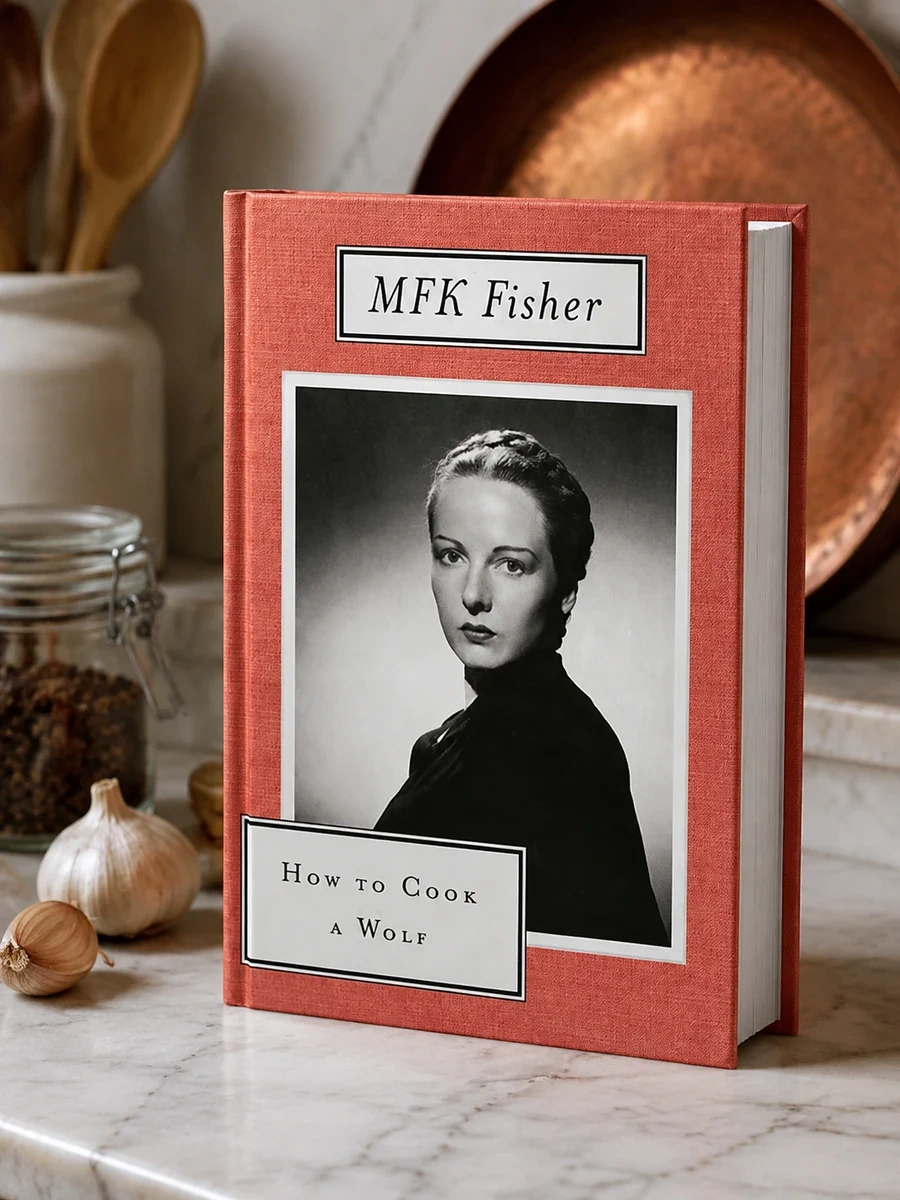
7. How to Cook a Wolf — M. F. K. Fisher
End with How to Cook a Wolf if you want to consider Fisher's writing in relation to practical life. The title is memorable, but this is not simply a conventional recipe collection: its enduring place in food writing comes from the way cooking and eating can be considered alongside constraints, resourcefulness, and the circumstances in which people make meals. It offers a different perspective from the memoir-led opening of this list.
This is an especially interesting choice for readers who want literary food writing to connect with the realities of the kitchen. It may appeal to cooks who enjoy ideas as much as instructions and to readers who want to see how a writer can treat meals as part of a larger conversation about living. The book is listed at $19, putting it under $20 and making it a sensible gift for someone who appreciates both culinary thought and practical ingenuity.
How to choose your first M. F. K. Fisher book
You do not need to read all seven books in sequence to appreciate Fisher. Use the list as a set of entry points, and choose according to the kind of reading you want to do this season.
- For memoir and personal storytelling: Start with The Gastronomical Me. It is the clearest route into the relationship between food and lived experience that defines Fisher's appeal.
- For short, reflective reading: Choose Love in a Dish . . . and Other Culinary Delights or A Stew or a Story. Both are good options for readers who prefer shorter sittings and varied pieces.
- For culinary philosophy: Begin with An Alphabet for Gourmets, then continue with Serve It Forth to widen the frame beyond the individual meal.
- For ingredient-focused writing: Pick Consider the Oyster. Its concentrated subject makes it a distinctive choice for adventurous eaters and food-history enthusiasts.
- For cooking-minded readers: Choose How to Cook a Wolf for a book that connects the act of cooking with broader questions about daily life and resourcefulness.
There is also a case for buying two complementary books rather than attempting a complete collection at once. Pair The Gastronomical Me with Consider the Oyster to show the contrast between personal narrative and focused ingredient writing. Pair An Alphabet for Gourmets with How to Cook a Wolf for a reader interested in the ideas behind cooking and eating. These combinations make thoughtful autumn gifts because they invite the recipient to read at different speeds and return to the books as their interests change.
One final distinction is worth keeping in mind: Fisher is best approached as a literary writer whose subject happens to be food, not as a substitute for a modern, step-by-step cookbook. Her books reward attention to language, appetite, and memory. If that sounds like what you want from food writing, start with The Gastronomical Me, let curiosity lead you toward the shorter collections, and save the more focused and philosophical books for when you want to linger longer at the table.