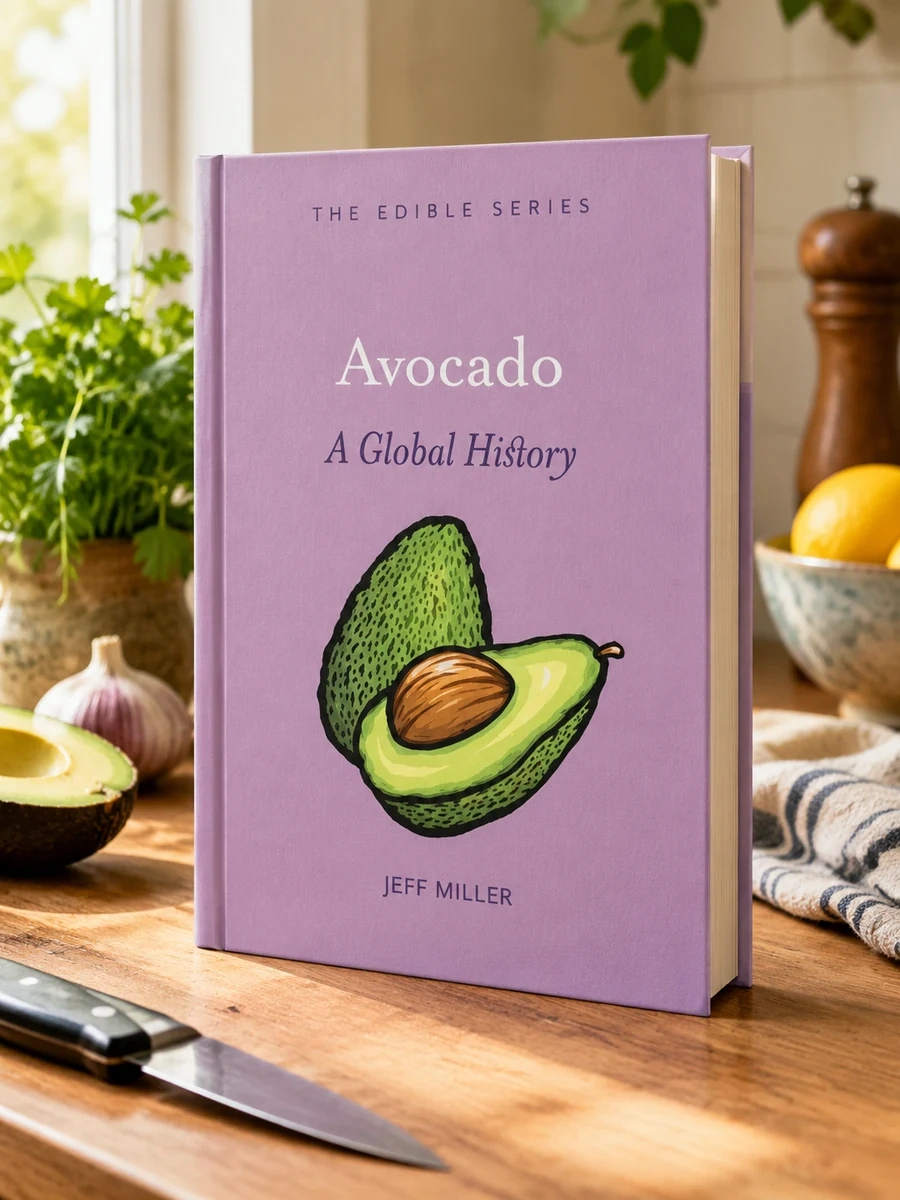
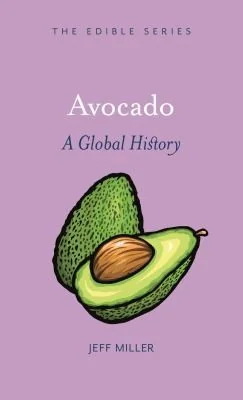
Avocado: A Global History
✍️ Miller, JeffA history of the avocado from prehistoric times to global fame.
This work examines the cultural and biological factors behind the avocado's popularity. It highlights the contradiction between its fatty nature and its health halo. The author connects ancient coevolution with modern millennial preferences. The book explains how social media amplified a fruit previously known only in specific regions. It offers insight into the food industry's embrace of this particular produce item.
The avocado shifted from a little-known regional delicacy to a global symbol in less than one hundred years. Its rise coincides with the twenty-first century's focus on health and social media visibility, moving beyond its origins in Mexico.


📝 Description: Avocado: A Global History
💎 Expert review
📖 Why choose it
Why this book is worth reading
Readers interested in the intersection of biology, history, and modern dietary trends will find this book valuable. It offers a unique perspective on how social media amplified a fruit previously known only in specific regions. The narrative explains the cultural contradiction between the avocado’s fatty nature and its health halo. Those curious about agricultural changes and the sociology of eating habits will appreciate the clear account of how a regional delicacy achieved unicorn status. The lively anecdotes provide insight into the food industry's embrace of this produce item.
⭐ Reader reviews
Reader rating
Jeff Miller presents a concise exploration of the avocado’s meteoric rise, balancing historical context with analysis of modern dietary trends. The book is ideal for those interested in food history and cultural shifts. However, it may not appeal to readers seeking only recipes or technical agricultural data. The text addresses the paradox of a rich food being perceived as a health staple through lively anecdotes. It serves as an engaging look at why this fruit captured the world's imagination quickly.
❓ Frequently asked questions
📖 Who should read this
Food historians and curious cooks who enjoy learning about produce origins rather than just following recipes. Ideal for readers interested in agricultural history, cultural trends, and the social media impact on modern dietary habits without needing advanced culinary skills.