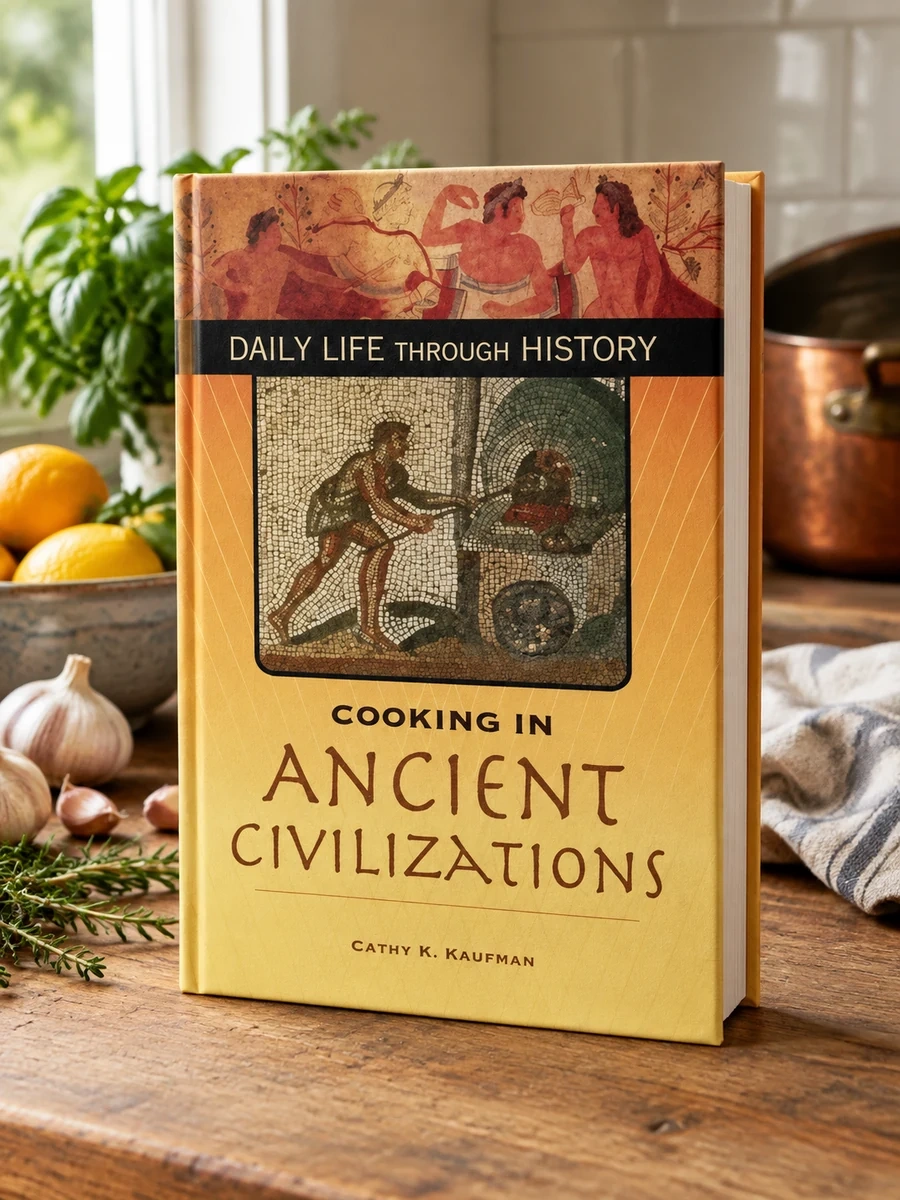
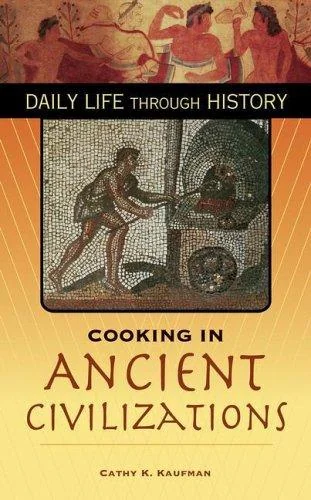
Cooking in Ancient Civilizations
✍️ Kaufman, Cathy KA scholarly guide reconstructing ancient recipes from Rome, Greece, Egypt, and Mesopotamia.
Kaufman addresses the scarcity of direct ancient recipes by utilizing indirect evidence. She examines social class impacts on dining and local resource availability for each culture. The text provides narrative overviews followed by factual lists of ingredients and habits. This structure supports the 207 included recipes, which are grouped by food category. Sample menus illustrate how these dishes fit into specific social contexts. The approach prioritizes historical fidelity over modern convenience, making it a valuable tool for educators and history enthusiasts.
Published in 2006 by Greenwood, this work sits at the intersection of culinary history and social science. It serves as a bridge between academic study and practical cooking for students exploring ancient civilizations.


📝 Description: Cooking in Ancient Civilizations
💎 Expert review
📖 Why choose it
Why this book is worth reading
This volume serves educators, history enthusiasts, and home cooks seeking authentic engagement with the past. Kaufman provides a structured path through ancient gastronomy, utilizing indirect evidence to reconstruct recipes from Rome, Greece, Egypt, and Mesopotamia. The text is valuable for its narrative overviews of social class impacts on dining and local resource availability. By offering 207 recipes grouped by category alongside sample menus, it illustrates how dishes fit specific social contexts. It is ideal for middle and high school students or those interested in historical accuracy without requiring prior expertise. The book prioritizes fidelity to ancient habits, making it a practical tool for understanding daily and festive meals of these civilizations through deduction from written sources.
⭐ Reader reviews
Reader rating
Cathy K. Kaufman’s guide is a scholarly yet accessible resource for those fascinated by the culinary landscapes of antiquity. It excels in blending archaeological findings with literary evidence to approximate historical eating habits. The structure, moving from environmental overviews to bulleted summaries and then recipes, supports novice cooks effectively. However, it explicitly excludes readers seeking contemporary fusion cuisine or artistic food photography. The approach prioritizes historical accuracy, which may feel dry to those expecting modern convenience or dramatic storytelling. It is a functional tool for educators and history buffs rather than a casual read. Those looking for purely aesthetic content will find this text less relevant, as it remains grounded in factual lists and period trivia rather than culinary innovation.
❓ Frequently asked questions
📖 Who should read this
This book suits history enthusiasts and educators seeking authentic culinary insights rather than quick weeknight meals. It is ideal for readers interested in social class dynamics and ancient resource availability who want to explore historical fidelity over modern kitchen convenience.
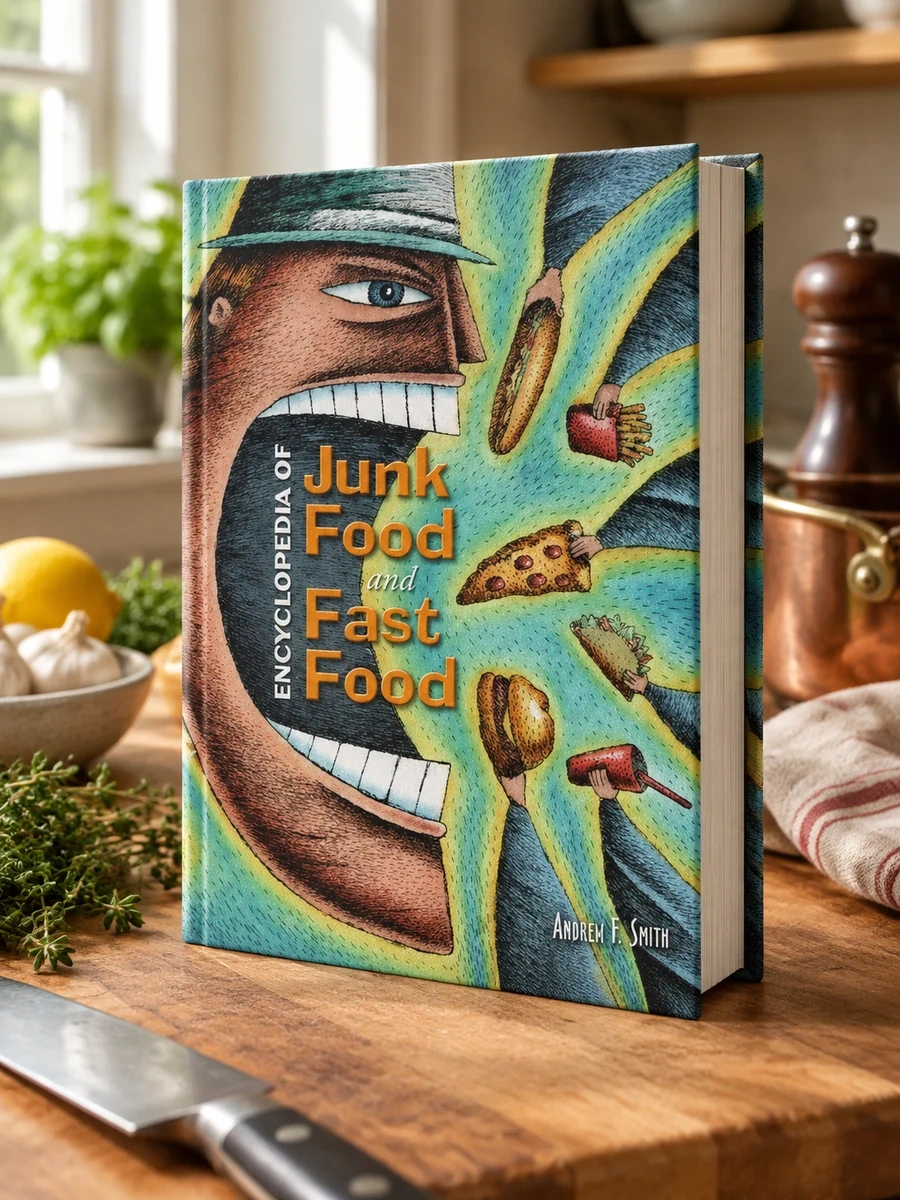
![Fast Food and Junk Food: An Encyclopedia of What We Love to Eat [2 Volumes]](/img/fast-food-and-junk-food-an-encyclopedia-of-what-we-love-to-eat-2-volum-93938-scene.webp)


![The World Cookbook: The Greatest Recipes from Around the Globe [4 Volumes] (Revised)](/img/the-world-cookbook-the-greatest-recipes-from-around-the-globe-4-volume-94681.webp)