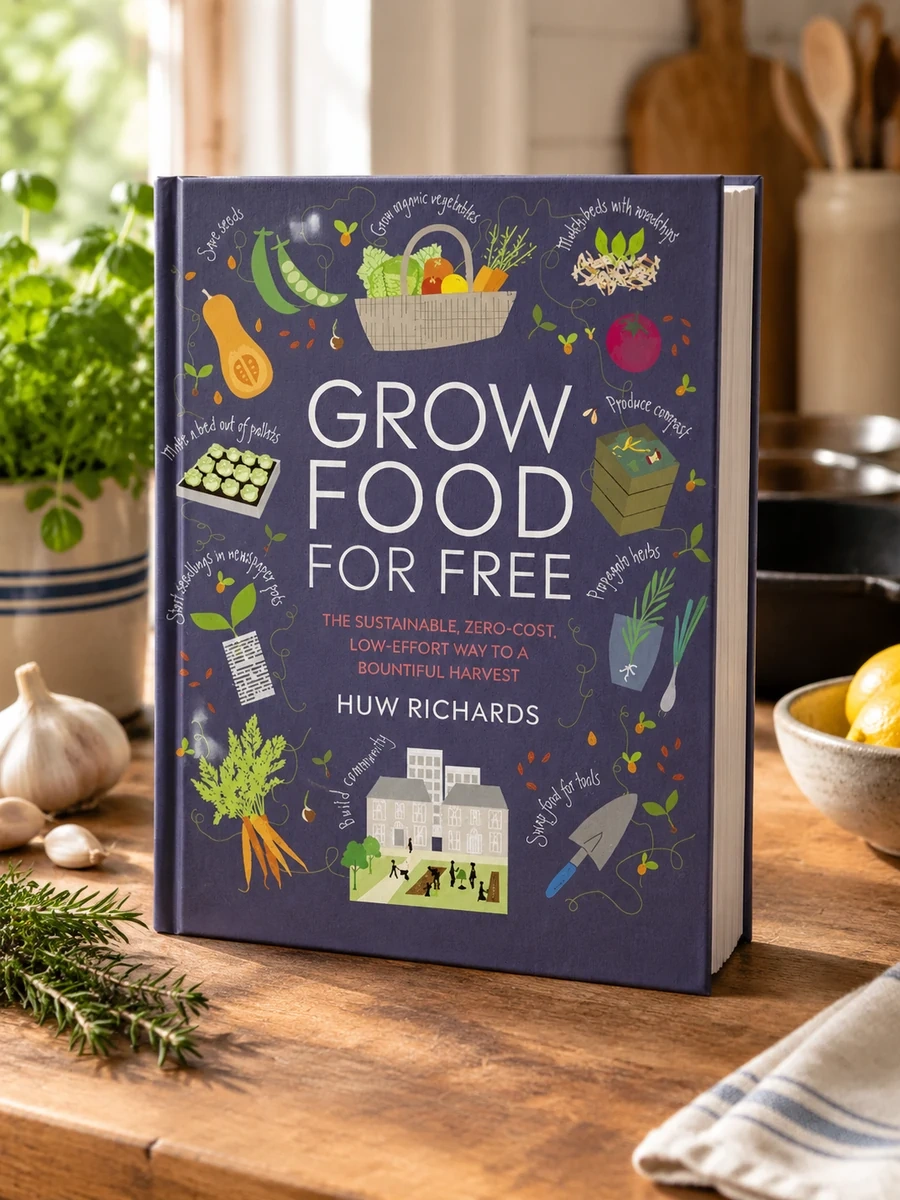
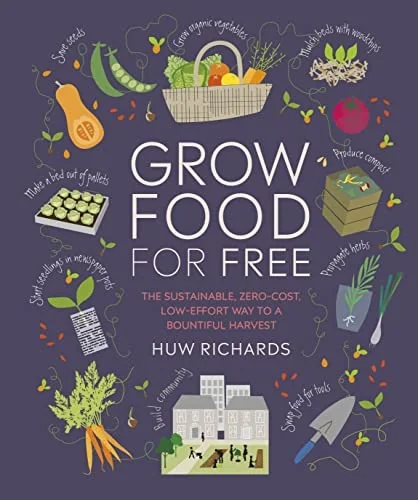
Grow Food for Free: The Sustainable, Zero-Cost, Low-Effort Way to a Bountiful Harvest
✍️ Richards, HuwA guide to growing food without spending money using sustainable methods.
This work focuses on the logistical aspects of zero-budget gardening. It details how to transform available spaces into productive areas for fruit and vegetables. The author emphasizes resourcefulness by showing how to obtain materials through repurposing and borrowing. Key sections address soil preparation, seed saving from household food waste, and pest management using natural means. The narrative follows a chronological journal format that tracks progress over fifty-two weeks. This structure allows readers to see the practical application of each technique in real time. It is particularly useful for urban dwellers with limited space who want to grow their own meals.
Published in 2020 by DK Publishing, this book addresses the contemporary American interest in self-sufficiency and reducing household expenses. It reflects a modern trend toward sustainable living and organic practices among home gardeners who wish to minimize their environmental footprint while saving money on fresh produce.


📝 Description: Grow Food for Free: The Sustainable, Zero-Cost, Low-Effort Way to a Bountiful Harvest
💎 Expert review
⭐ Reader reviews
Reader rating
The book excels in its practical, chronological structure that demonstrates how to repurpose household waste into gardening resources. It clearly addresses soil preparation and natural pest management for those with tight budgets. However, it will not suit readers seeking advanced horticultural science or large-scale agricultural techniques. The focus on zero-cost methods may feel limiting to those willing to invest in premium tools or organic fertilizers. It is best for those committed to a low-effort, sustainable lifestyle change.
❓ Frequently asked questions
📖 Who should read this
Urban dwellers with limited space seeking sustainable gardening methods without financial investment. Ideal for beginners who prefer a structured, week-by-week approach to growing vegetables and fruits using repurposed materials and natural pest control techniques.