Fermentation is one of those kitchen skills that rewards curiosity. A head of cabbage, some salt, and a clean jar can become sauerkraut; a little more experience opens the door to kimchi, kombucha, miso, vinegars, and an impressive range of preserved ingredients. The challenge is finding a book that makes the process understandable without making it feel intimidating.
That is why choosing among fermentation books deserves a little thought, particularly when you are shopping for a gift. Some books are designed to get beginners making their first successful batch. Others are reference works for cooks who want to understand microorganisms, explore unfamiliar ingredients, or experiment with traditional techniques. A beautifully ambitious book can be an excellent present, but it is not necessarily the best starting point for someone who has never fermented a vegetable.
Our selection brings together 10 books from different corners of the subject. There are accessible introductions, broad preservation guides, adventurous explorations, and more demanding technical references. One limitation is worth mentioning: this catalog is stronger on vegetable fermentation and general preservation than on dedicated sourdough instruction. We have kept the recommendations focused on what the available titles actually offer rather than pretending every book covers every fermentation tradition.
Best fermentation books for beginners and everyday projects
For a first fermentation book, clarity matters more than complexity. Look for an approach that makes ordinary ingredients feel approachable and gives the reader a reason to return to the kitchen. These first choices are particularly suitable for curious home cooks who want to start with familiar foods.
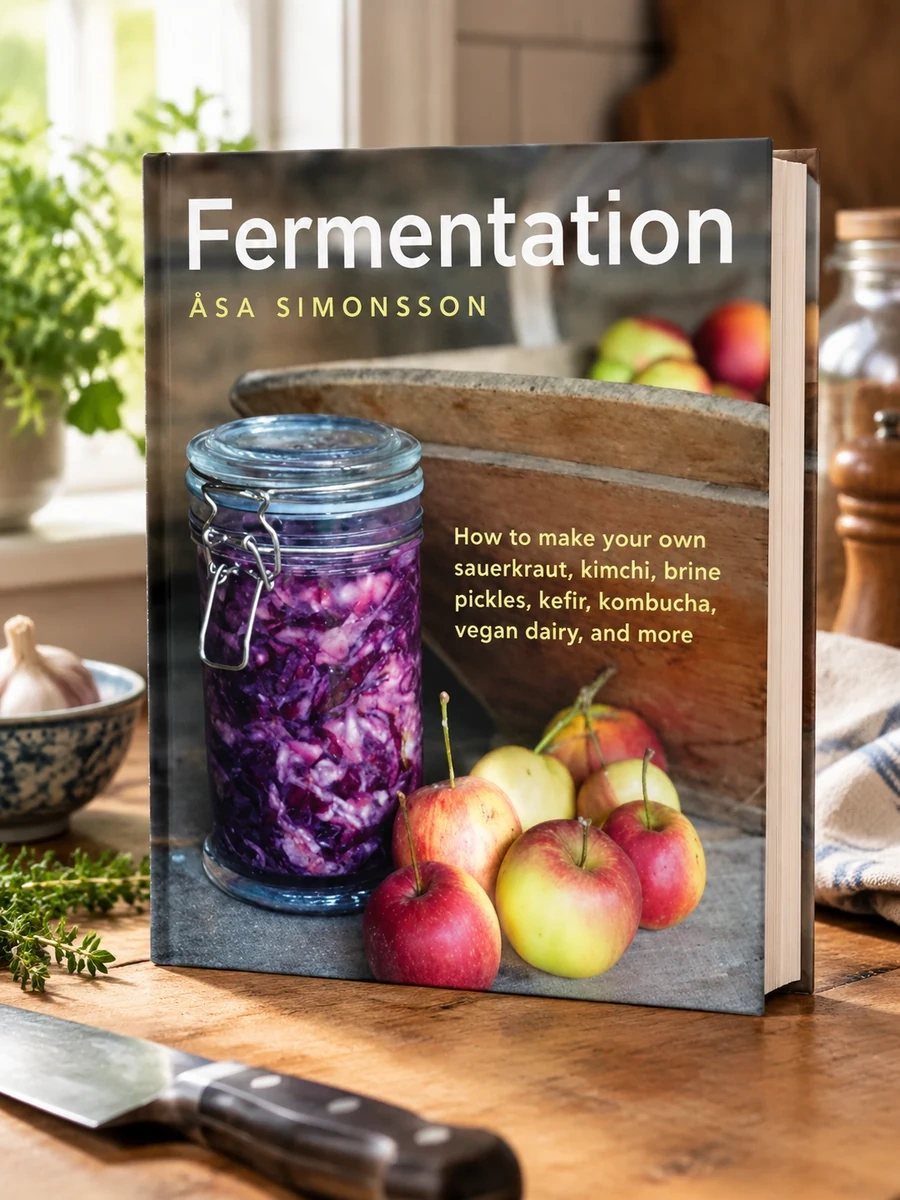
1. Fermentation: How to Make Your Own Sauerkraut, Kimchi, Brine Pickles, Kefir, Kombucha, Vegan Dairy, and More — Asa Simonsson
This is the most natural starting point for someone who wants to explore several kinds of fermentation without committing to a single specialty. Its title promises a broad range, from familiar sauerkraut and kimchi to brine pickles, kefir, kombucha, and plant-based alternatives. That variety makes it a particularly versatile gift for a curious cook who has been saving fermentation ideas but has not yet chosen a first project. It also makes sense for someone who wants one introductory book to revisit as their interests develop.
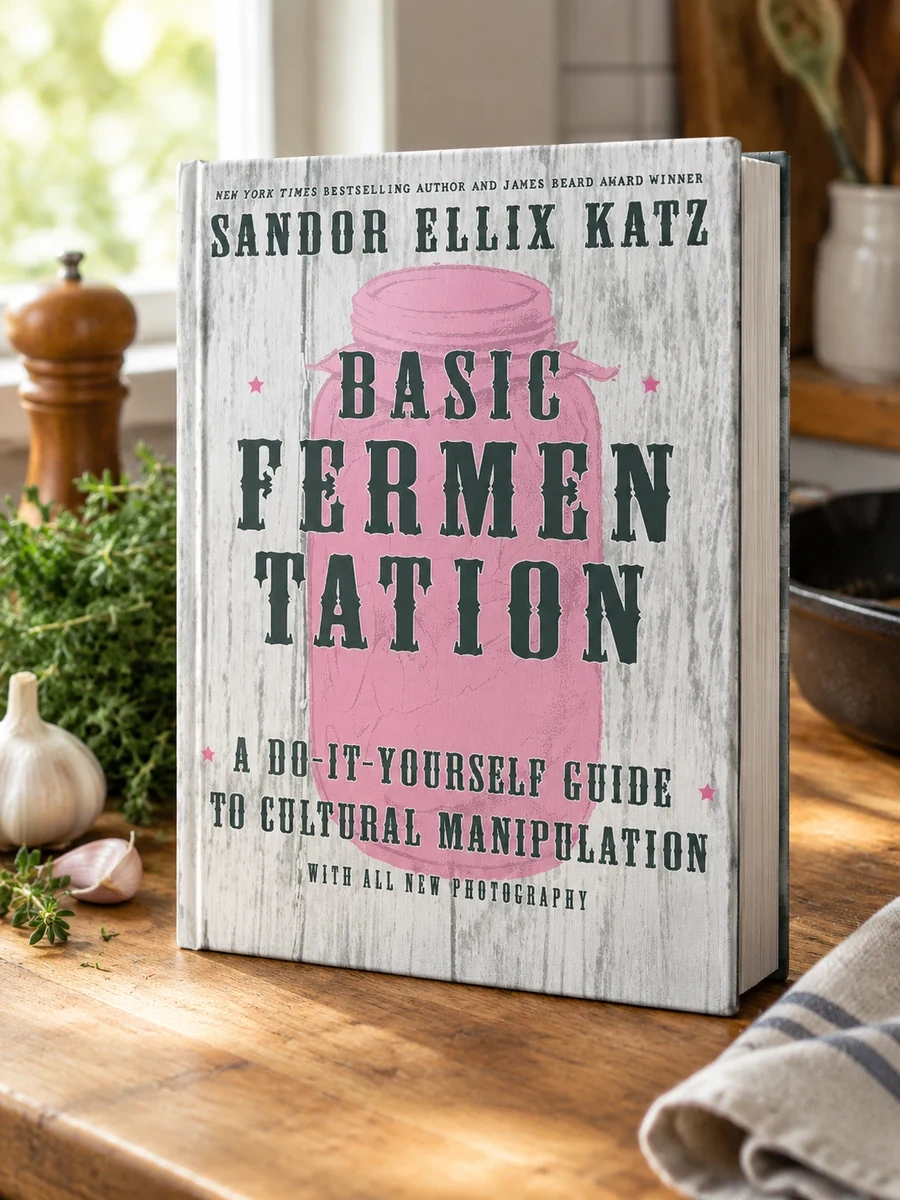
2. Basic Fermentation: A Do-It-Yourself Guide to Cultural Manipulation — Sandor Ellix Katz
A pocket-sized introduction is an appealing gift for someone who prefers learning by doing. Katz's book is positioned as an accessible introduction to home fermentation, with an emphasis on preserving everyday ingredients rather than requiring an elaborate kitchen setup. Its modest scope makes it less intimidating than a substantial reference volume. Give it to the friend who wants to understand the basic idea, try a few projects, and discover whether fermentation becomes a regular part of their cooking.
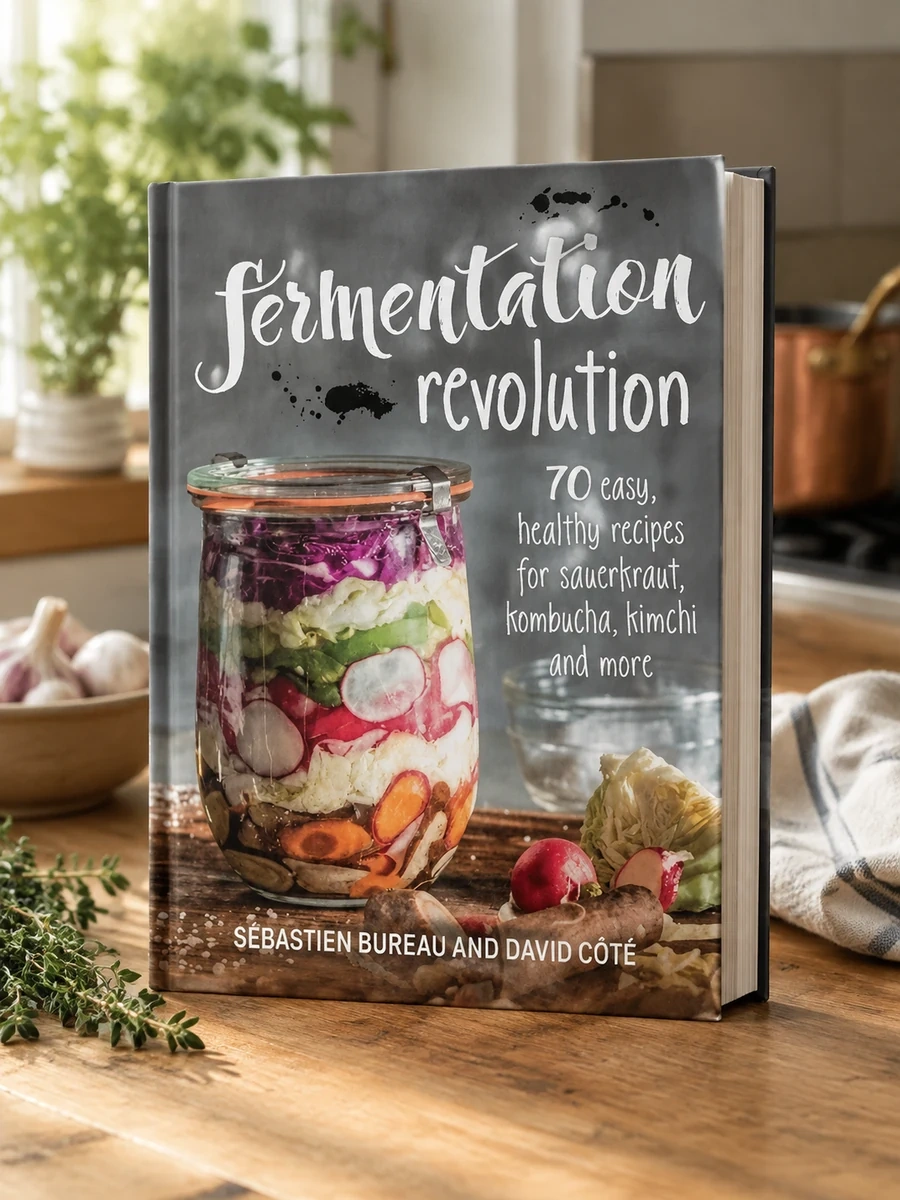
3. Fermentation Revolution: 70 Easy Recipes for Sauerkraut, Kombucha, Kimchi and More — Sebastien Bureau
Some cooks do not want a long theoretical introduction before they make something. They want recipes, a practical starting point, and enough variety to keep experimenting. This book's 70-recipe format and emphasis on sauerkraut, kombucha, kimchi, and other fermented foods make it an appealing option for that reader. It is particularly well suited to someone who likes having several projects to choose from instead of working through a single, narrowly focused technique. The straightforward recipe-led positioning also makes it an easy gift for an enthusiastic home cook.
Books for cooks who want more than a first jar of sauerkraut
Once a beginner has made a few successful batches, the natural next question is what else can be preserved. Pickling, fermentation, and other preservation methods overlap, but they are not interchangeable. A good book for this stage should broaden the cook's understanding of ingredients and methods rather than simply repeat introductory recipes.
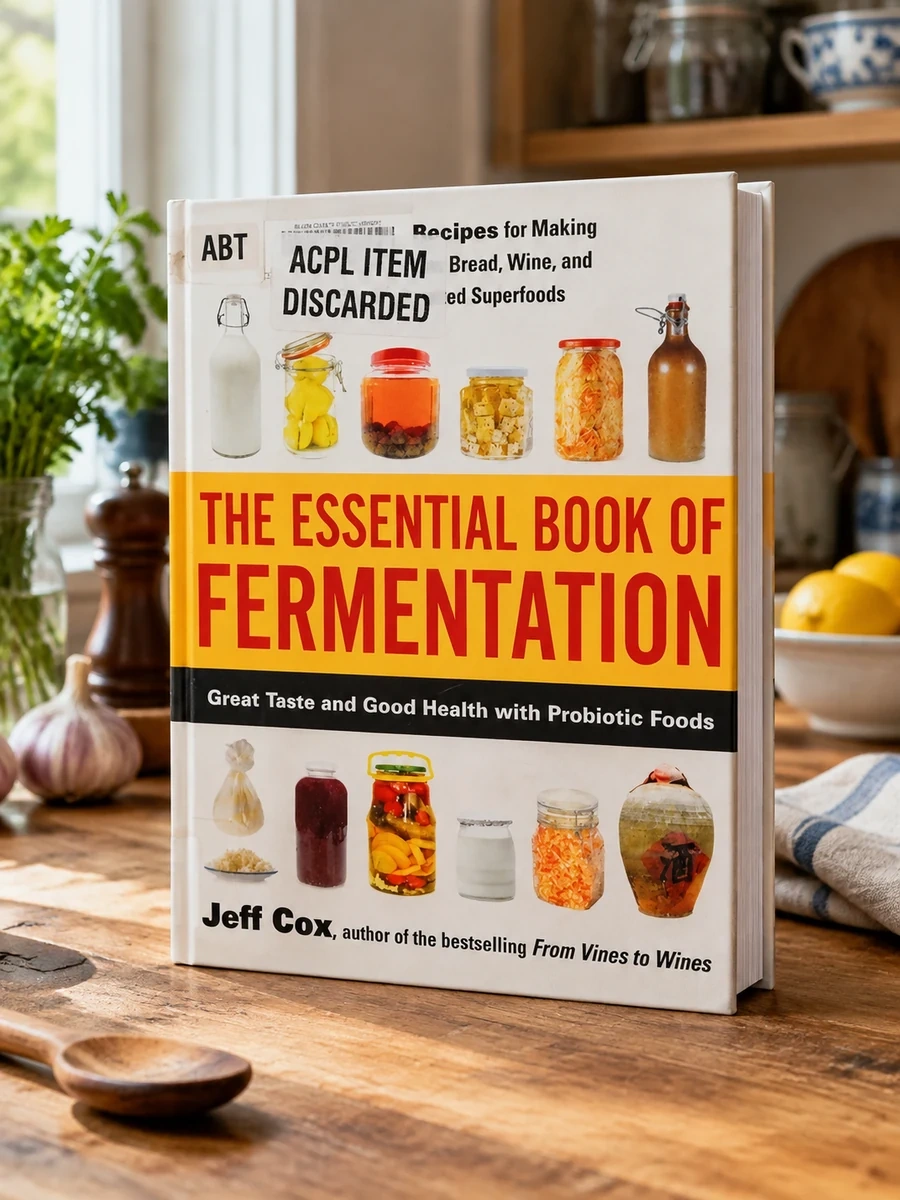
4. The Essential Book of Fermentation: Great Taste and Good Health with Probiotic Foods — Jeff Cox
This title approaches fermentation through the appeal of flavor and fermented foods. It is a sensible choice for cooks who are interested in bringing more fermented ingredients into everyday eating and want a book centered on their culinary possibilities. Its positioning also makes it suitable for someone whose interest began with probiotic foods rather than with traditional preservation. As a gift, it occupies a useful middle ground: more focused on fermentation than a general cookbook, without the specialist positioning of a professional food-science text.
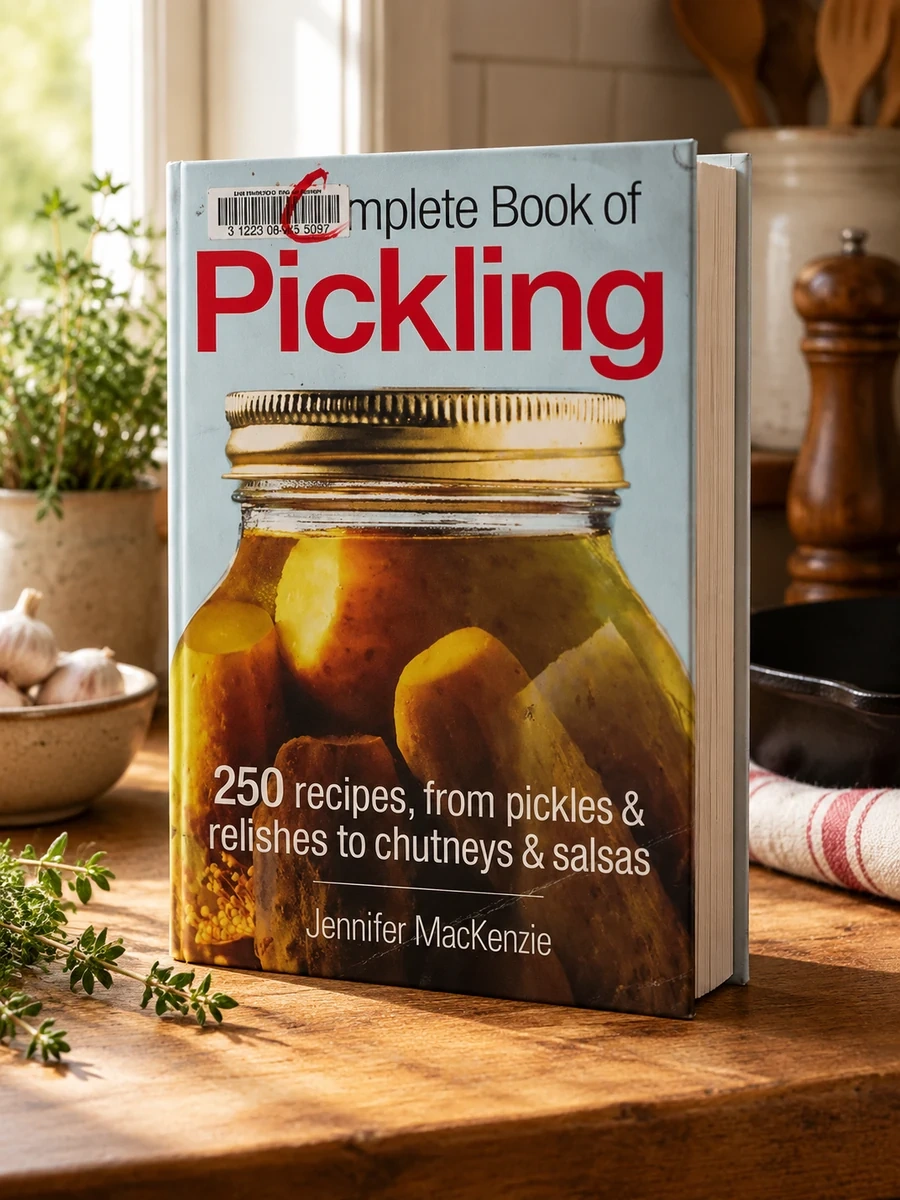
5. The Complete Book of Pickling: 250 Recipes for Pickling, Fermentation and More — Jennifer MacKenzie
For a cook who enjoys putting seasonal produce to work, a substantial collection of 250 recipes offers plenty of room to experiment. This title combines pickling and fermentation, making it relevant to readers who want to explore the wider world of preserving rather than concentrate on one fermented food. That distinction matters: pickling can involve different preservation methods, and not every pickle is fermented. It is a strong gift candidate for gardeners, farmers' market regulars, and cooks who like stocking their pantry with homemade additions to everyday meals.
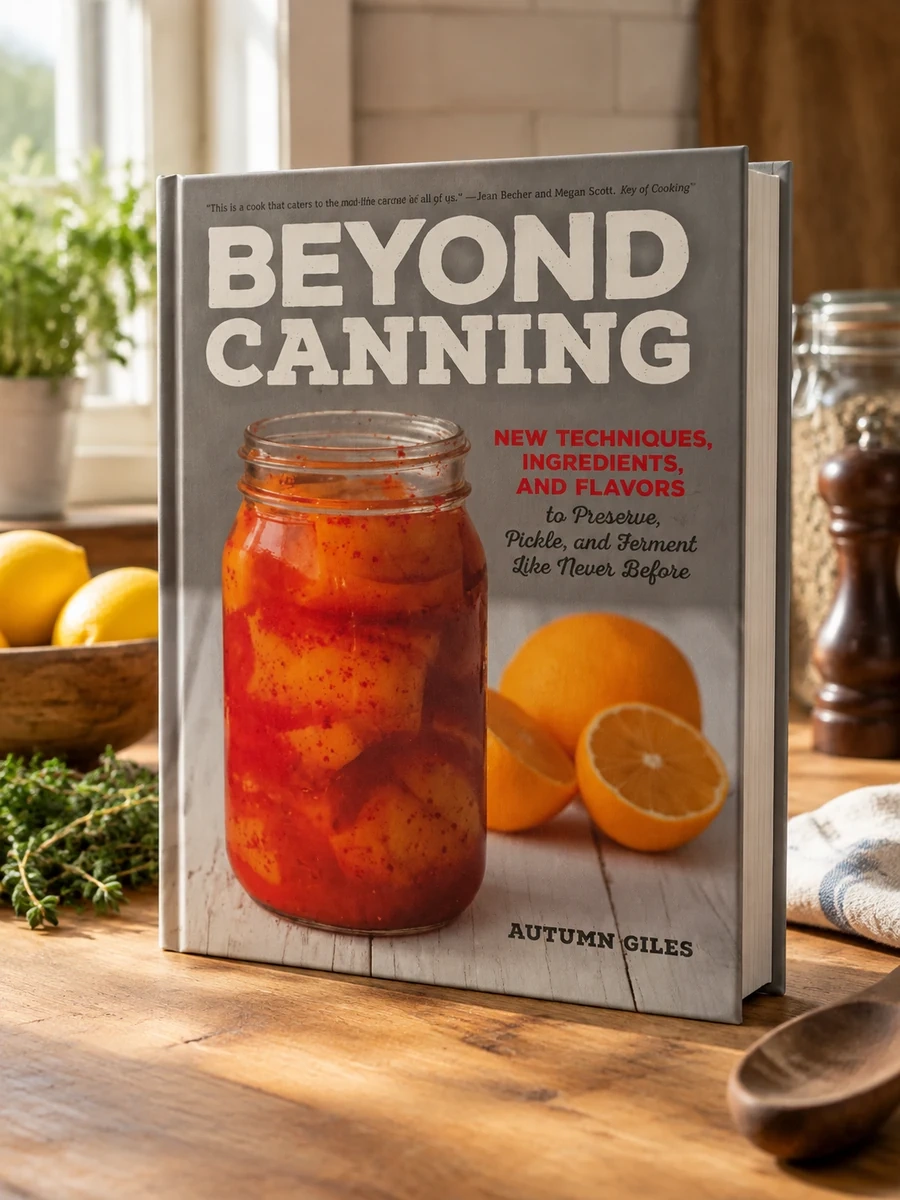
6. Beyond Canning: New Techniques, Ingredients, and Flavors to Preserve, Pickle, and Ferment Like Never Before — Autumn Giles
Beyond Canning is especially interesting for someone whose preservation interests have moved beyond the basics. Its focus on techniques, ingredients, and flavors across preserving, pickling, and fermenting gives it a broader culinary perspective than a book devoted to one jar-based project. The title also makes clear that fermentation is part of a larger preservation conversation. This is a thoughtful present for an adventurous home cook who already understands the appeal of homemade preserves and wants to expand their repertoire. It is also a good choice for someone who appreciates technique-driven cookbooks rather than collections organized exclusively around finished dishes.
Advanced fermentation, food culture, and unusual ingredients
For experienced cooks, the most exciting fermentation books are often the ones that change how they think about ingredients. They may introduce unfamiliar processes, explore the role of microorganisms, or connect contemporary kitchen practice with older food traditions. These are the books to consider when the recipient is already comfortable with basic vegetable fermentation and wants a more ambitious challenge.
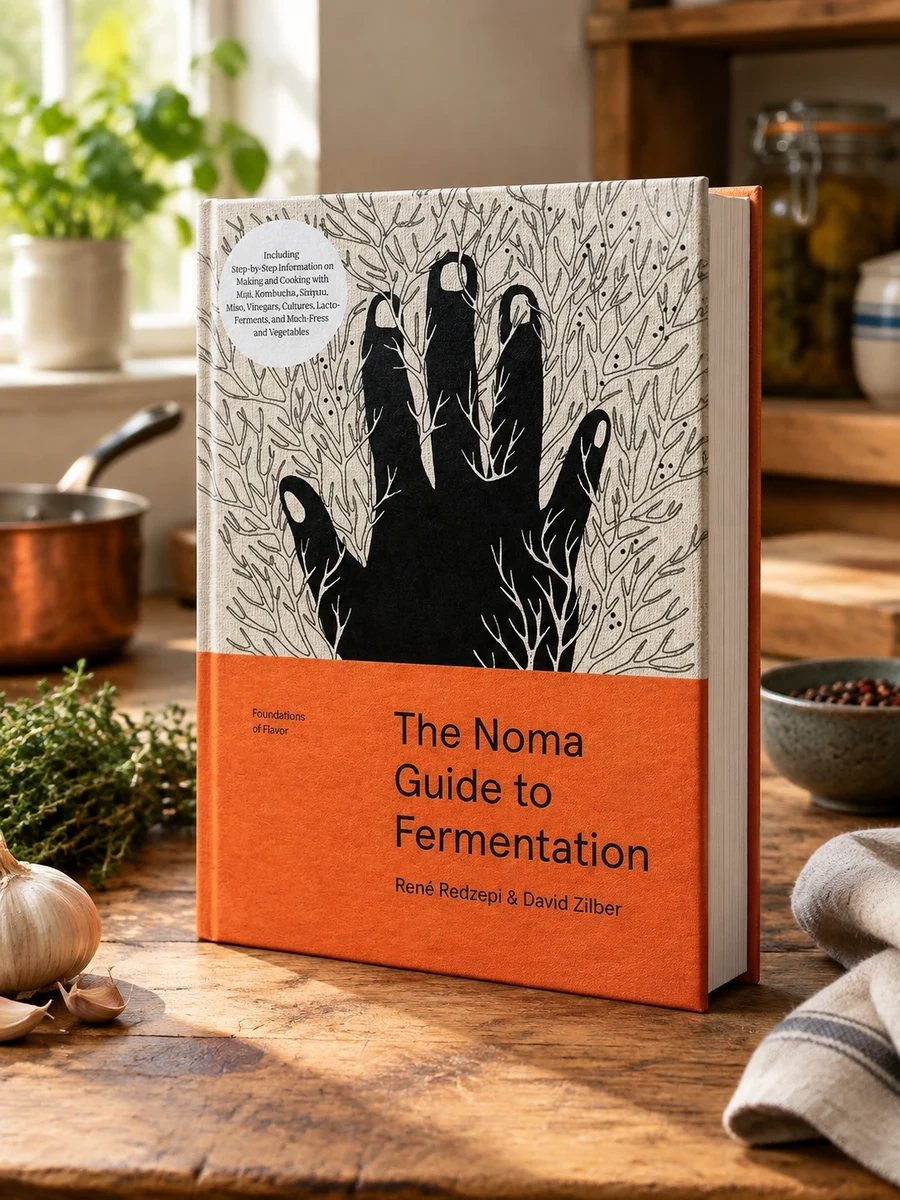
7. The Noma Guide to Fermentation: Including Koji, Kombuchas, Shoyus, Misos, Vinegars, Garums, Lacto-Ferments, and Black Fruits and Vegetables — Rene Redzepi
This is the standout gift for the adventurous cook who wants to explore fermentation well beyond sauerkraut and kimchi. Its subject list includes koji, kombuchas, shoyus, misos, vinegars, garums, lacto-ferments, and black fruits and vegetables. That range signals a more ambitious approach, with ingredients and preparations that demand curiosity and a willingness to experiment. It is especially appropriate for serious home cooks, ambitious culinary students, and people interested in restaurant-level techniques. It would not be my first recommendation for someone who simply wants to make a reliable jar of cabbage, but it can be a memorable present for someone ready to explore fermentation as a major culinary discipline.
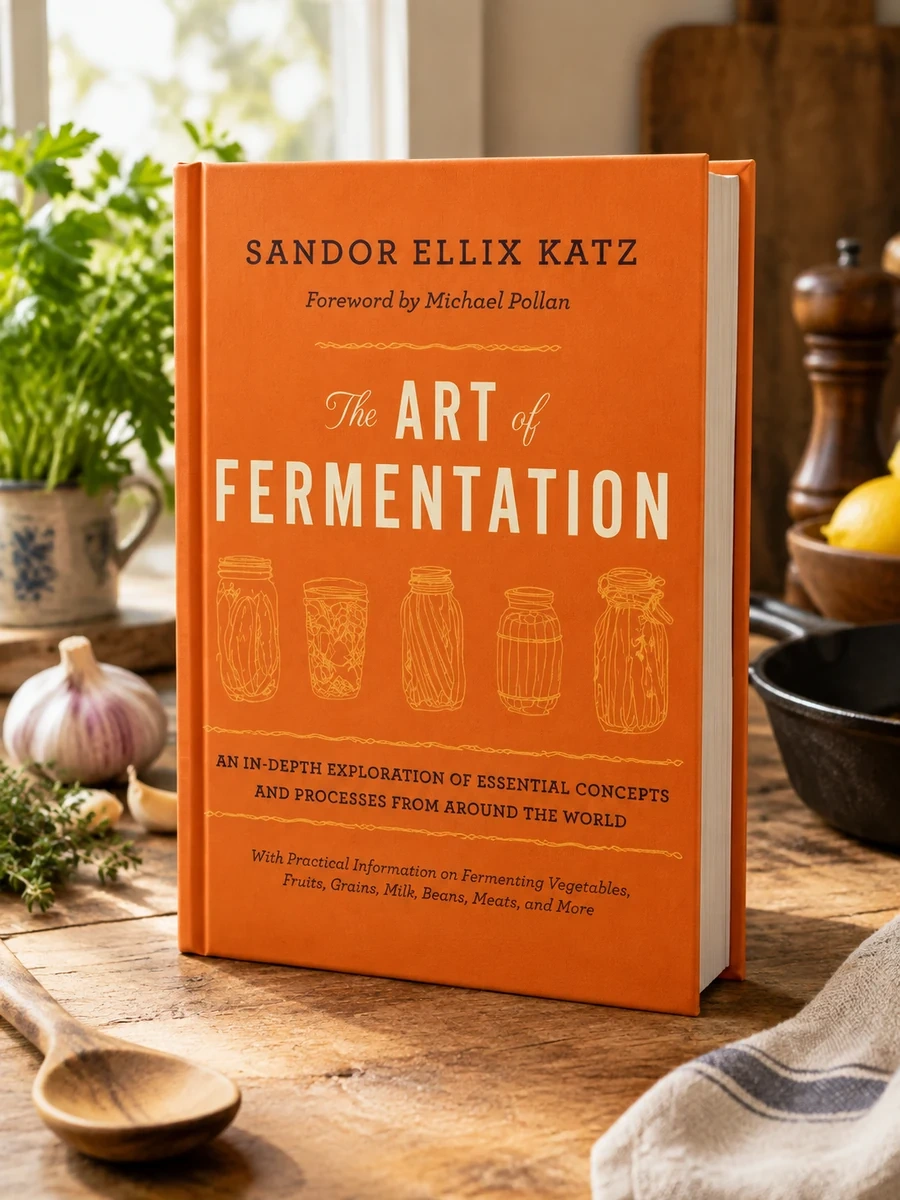
8. The Art of Fermentation: With Practical Information on Fermenting Vegetables, Fruits, Grains, Milk, Beans, Meats, and More — Sandor Ellix Katz
Where a short introduction provides a starting point, The Art of Fermentation represents a much broader commitment to the subject. Its scope spans vegetables, fruits, grains, milk, beans, meats, and more, making it particularly appealing to readers who want to understand fermentation across food traditions and ingredient categories. Katz is a natural choice for someone interested in fermentation as both a practical skill and a way of thinking about food. This is the book I would give to a serious enthusiast who enjoys reading beyond individual recipes and wants a substantial resource to return to as their experience grows.
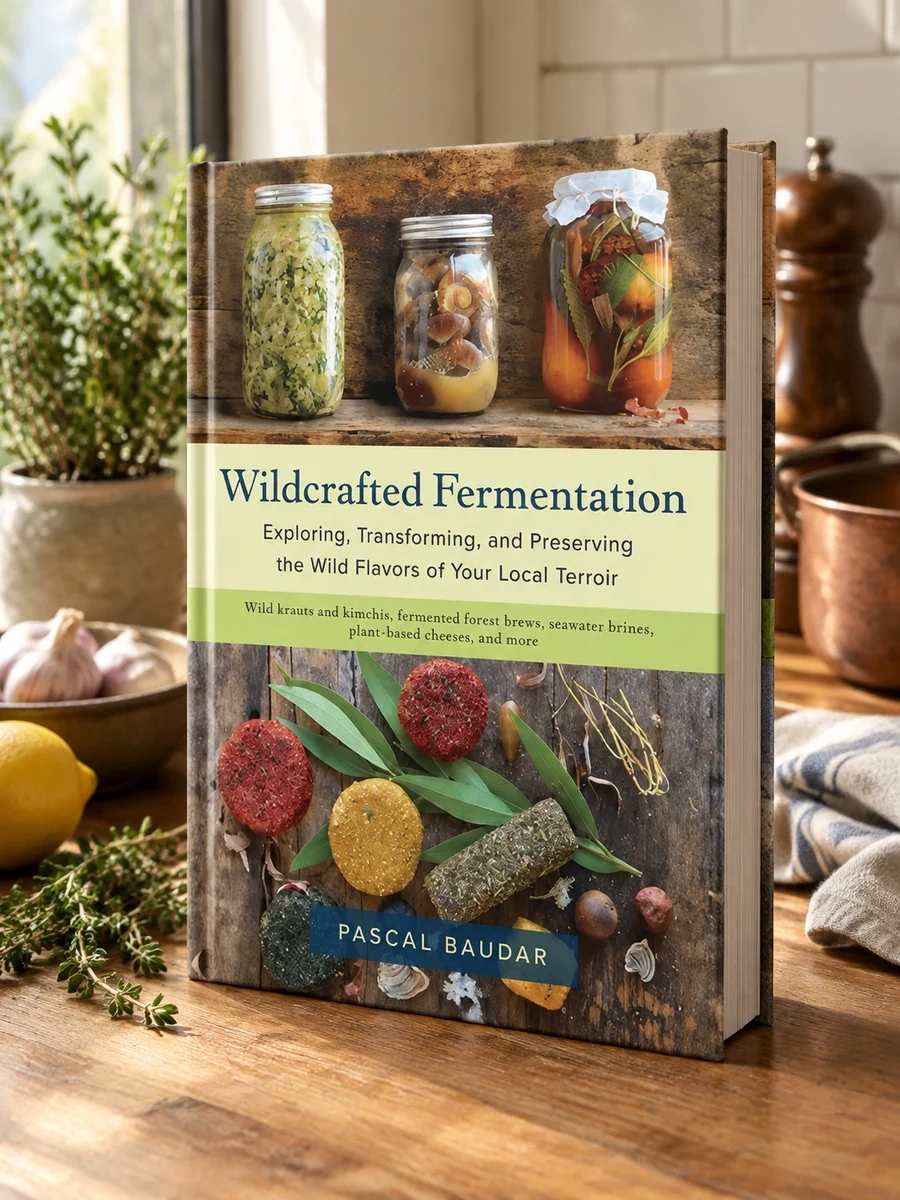
9. Wildcrafted Fermentation: Exploring, Transforming, and Preserving the Wild Flavors of Your Local Terroir — Pascal Baudar
Not every fermentation enthusiast is content with supermarket vegetables. Some are drawn to seasonal ingredients, foraging, and the flavors of the landscape around them. Baudar's book is aimed at that adventurous cook, with its emphasis on wild flavors, local terroir, and transforming and preserving gathered ingredients. It is a distinctive gift for experienced home fermenters and curious foragers who want to think creatively about what grows in their region. It is less appropriate as a first fermentation manual, particularly for someone who has not yet developed confidence with basic food-preservation practices.
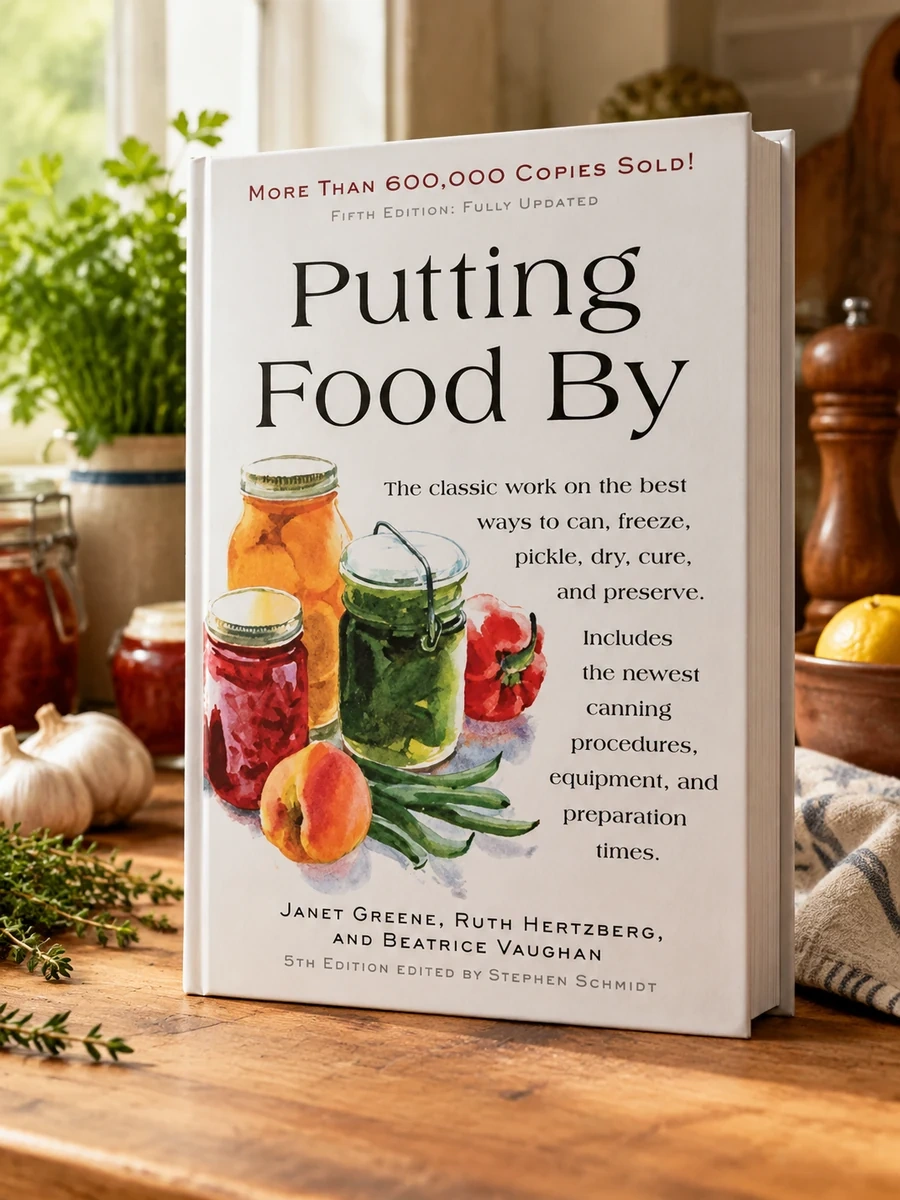
10. Putting Food By: Fifth Edition (Updated) — Ruth Hertzberg
Fermentation is only one part of the larger tradition of preserving food, and that is exactly why a broader preservation reference deserves a place in this selection. Putting Food By is a longstanding title in the home-preservation category, making it an appropriate choice for readers who want to think beyond fermented vegetables and understand the wider practice of keeping food. Its appeal is practical rather than specialized: the recipient is likely to appreciate a reference that sits alongside fermentation-focused books and supports a more complete home-preservation library. It is particularly suitable for gardeners, seasonal cooks, and households interested in making better use of a plentiful harvest.
How to choose the right fermentation book as a gift
The best gift is not necessarily the most comprehensive book. It is the one that matches the recipient's current skills, interests, and willingness to experiment. Before choosing, consider what they actually want to make.
- For a complete beginner: Start with Basic Fermentation or Simonsson's Fermentation. Both offer a more approachable entry into the subject than an advanced specialist reference.
- For someone who wants recipes: Fermentation Revolution is an appealing option because its 70-recipe format gives the reader a practical range of projects. The Complete Book of Pickling is another good choice for someone interested in a wider preserving repertoire.
- For a kimchi or kombucha enthusiast: Look at Simonsson's Fermentation and Fermentation Revolution. Both titles explicitly include these familiar fermentation projects.
- For an ambitious culinary experimenter: The Noma Guide to Fermentation is the most distinctive choice, particularly for someone interested in koji, miso, shoyu, garum, and other specialized preparations.
- For a food-history or fermentation enthusiast: The Art of Fermentation offers a much wider perspective on fermented foods and their possibilities.
- For a gardener or forager: Wildcrafted Fermentation brings local ingredients and seasonal exploration into the picture, while Putting Food By offers a broader preservation perspective.
- For someone interested in preserving generally: Beyond Canning is a particularly relevant bridge between pickling, fermentation, and other preservation techniques.
It is also worth considering how the recipient learns. A recipe-led book is usually the safer present for someone who wants to start making food immediately. A wide-ranging reference is better for someone who enjoys researching a subject, comparing methods, and developing their own approach. More technical or ambitious books can be wonderful gifts, but they are best reserved for people who genuinely enjoy a challenge.
Safety should be part of the selection, too. Fermentation is a biological process, not simply a matter of leaving food in a jar until it tastes interesting. The reader should be prepared to follow reliable instructions on salt concentrations, appropriate containers, temperature, cleanliness, and signs of spoilage. A book should support careful practice, and an advanced title should not be treated as a substitute for understanding safe food handling.
One final consideration is the recipient's particular interest. Someone fascinated by the transformation of cabbage into kimchi will have different needs from a cook interested in koji, traditional sauces, or wild ingredients. There is no single book that covers every tradition equally well, and that is part of the pleasure of building a small fermentation library.
For most first-time fermenters, I would choose Simonsson's Fermentation or Katz's Basic Fermentation. For the experienced cook who wants an impressive and ambitious gift, The Noma Guide to Fermentation is the strongest specialist choice. And for someone who sees preservation as a wider kitchen craft, Beyond Canning or Putting Food By offers a useful direction beyond the fermentation jar.