“Grab this if you love food history, narrative non-fiction, and kitchen lore, and want a witty, entertaining read for your bedside table. Put it back if you are looking for a practical, step-by-step cookbook with weeknight recipes and cooking instructions.
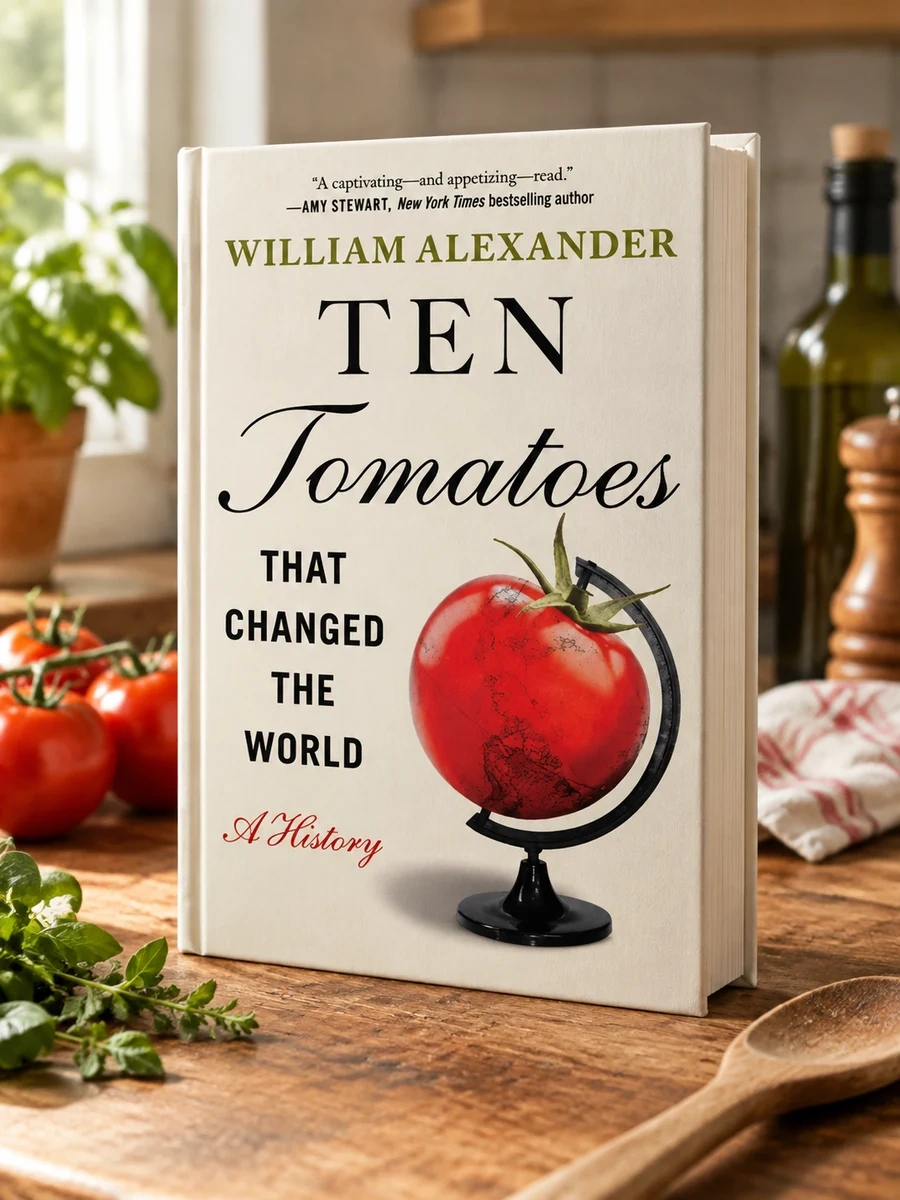
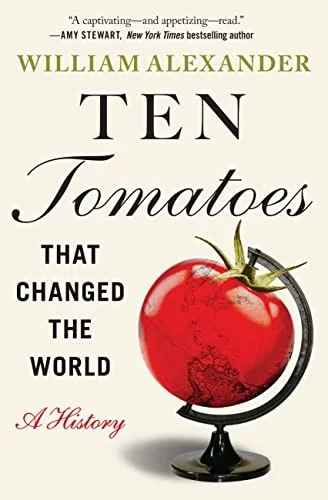
📝 Description: Ten Tomatoes That Changed the World: A History
"The tomato gets no respect. Never has. Lost in the dustbin of history for centuries, accused of being vile and poisonous, subjected to being picked hard-green and gassed, even used as a projectile, the poor tomato has become the avatar for our disaffection with industrial foods - while becoming the most popular vegetable in America (and, in fact, the world). Each summer, tomato festivals crop up across the country; the Heinz ketchup bottle, instantly recognizable, has earned a spot in the Smithsonian; and now the tomato is redefining the very nature of farming, moving from fields into climate-controlled mega-greenhouses. Supported by meticulous research and told in a lively, accessible voice, Ten Tomatoes That Changed the World seamlessly weaves travel, history, humor, and a little adventure (and misadventure) to follow the tomato's trail through history. A fascinating story complete with heroes, con artists, conquistadors, and-no surprise-the Mafia, this book is a mouth-watering, informative, and entertaining guide to the food that has captured our hearts for generations"--]cProvided by publisher.
💎 Expert review
“
🍳
Eatbook Family editorial team
Cookbook desk
This book targets general nonfiction readers rather than serious chefs or historians. Those seeking detailed recipes, precise botanical classifications, or academic rigor will likely find it too light. The tone is described as lively and humorous, prioritizing narrative flow over dense analysis. While entertaining for casual readers interested in food culture and the sociology of industrial farming, it may disappoint purists looking for technical depth or rigorous sourcing. It serves best as a leisurely read for those who appreciate food stories told with adventure and wit.
✓ EDITOR'S REVIEW
⭐ Reader reviews
The starting rating comes from the team Eatbook Family —
Grab this if you love food history, narrative non-fiction, and kitchen lore, and want a witty, entertaining read for your bedside table. Put it back if you are looking for a practical, step-by-step cookbook with weeknight recipes and cooking instructions.
Reader rating
4.4
Based on 1 reviews
5
0
4
1
3
0
2
0
1
0
E
Eatbook Family editorial team
This book targets general nonfiction readers rather than serious chefs or historians. Those seeking detailed recipes, precise botanical classifications, or academic rigor will likely find it too light. The tone is described as lively and humorous, prioritizing narrative flow over dense analysis. While entertaining for casual readers interested in food culture and the sociology of industrial farming, it may disappoint purists looking for technical depth or rigorous sourcing. It serves best as a leisurely read for those who appreciate food stories told with adventure and wit.
❓ Frequently asked questions
No, this is a narrative history and travelogue rather than a traditional recipe book, so you won't find metric or cup measurements.
Not at all; it is written in a lively, accessible, and humorous voice that makes learning about agricultural history fun and engaging.
📖 Who should read this
Grab this if you love food history, narrative non-fiction, and kitchen lore, and want a witty, entertaining read for your bedside table. Put it back if you are looking for a practical, step-by-step cookbook with weeknight recipes and cooking instructions.
📜 Historical context
This book traces the rich history of the tomato, following its dramatic journey from an ignored and feared garden oddity to a global agricultural giant. It explores how this versatile fruit conquered world cuisine, sparking fascinating tales of conquistadors, con artists, and modern mega-greenhouses along the way.