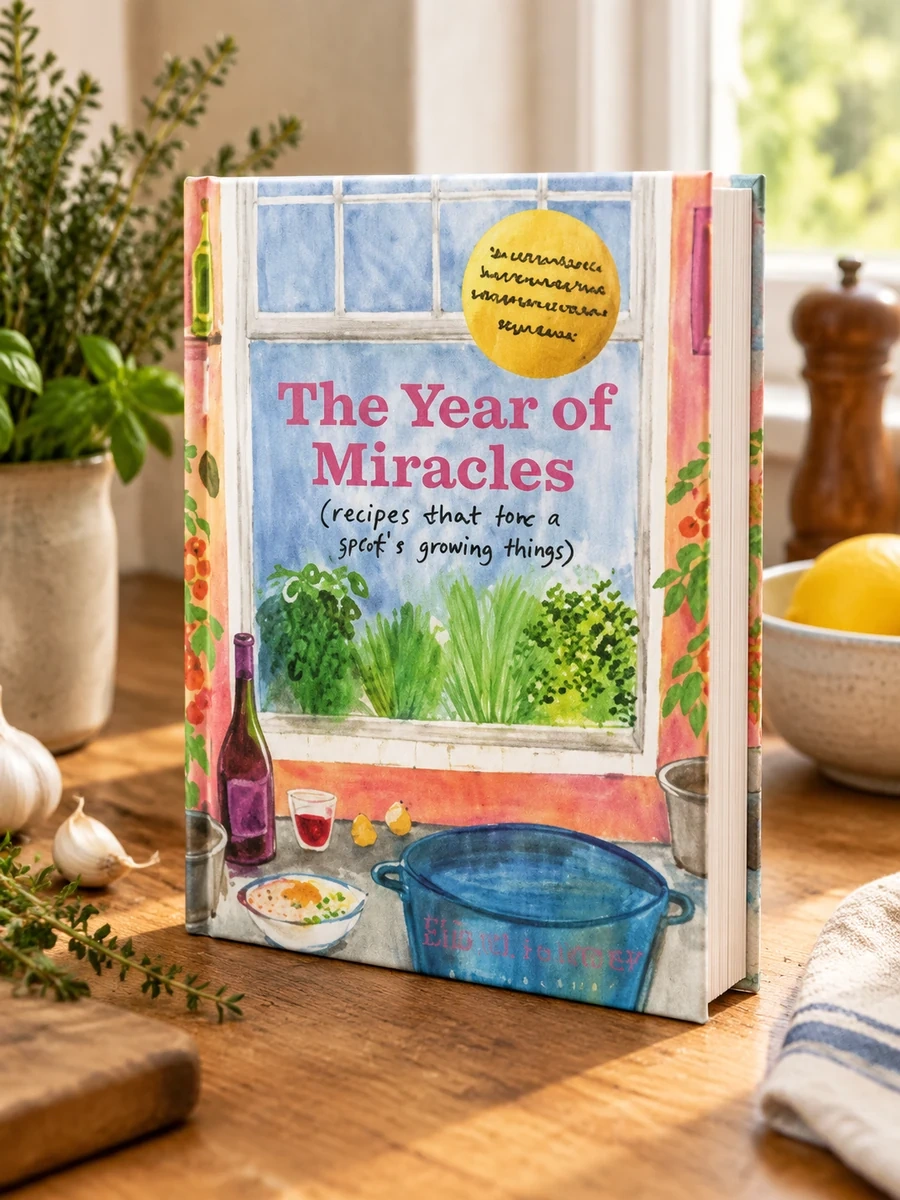
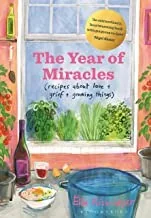
The Year of Miracles: Recipes about Love + Grief + Growing Things
✍️ Risbridger, EllaA month-by-month cookbook blending recipes with a memoir of grief and healing.
Risbridger uses cooking to process a year of significant life changes. The narrative moves through seasons, linking specific meals to moments of sorrow and joy. Dishes range from quadruple carb soup to sticky toffee Guinness brownie pudding. The text emphasizes the act of eating and loving again after loss. It stands as a companion for readers experiencing similar transitions. The author’s background in food writing lends authenticity to her reflections on daily sustenance.
Published by Bloomsbury Publishing in 2022, this work follows the tradition of personal food memoirs popular in the US and UK. It gained recognition as a Globe and Mail Top 10 Cookbook and a Delicious Magazine Best Cookbook of the Year. The book sits within the genre of culinary writing that merges domestic practice with emotional storytelling.


📝 Description: The Year of Miracles: Recipes about Love + Grief + Growing Things
💎 Expert review
📖 Why choose it
Why this book is worth reading
Readers seeking comfort and emotional resonance will find this book particularly rewarding. It offers a compassionate companion for those navigating grief or significant life transitions, using the kitchen as a space for recovery and hope. The month-by-month structure provides a gentle, accessible entry point into food writing that prioritizes feeling over technique. Those who enjoy memoir-style cookbooks where the author’s lived experience drives the content will appreciate its authenticity. It is ideal for anyone looking to find solace in daily sustenance and the act of loving again after loss, rather than strict culinary instruction.
⭐ Reader reviews
Reader rating
This title serves as a tender exploration of how cooking facilitates love and hope after tragedy. Risbridger’s voice is described as compassionate and heartwarming, making it a suitable choice for readers seeking comfort through food writing. However, it explicitly does not suit those looking for strict culinary techniques or regional traditional guides, as the focus remains on personal narrative rather than historical analysis or technical instruction. It stands as a companion for readers experiencing similar transitions, relying on the author’s background in food writing to lend authenticity to her reflections.
❓ Frequently asked questions
📖 Who should read this
Readers navigating personal loss or major life transitions seeking comfort through food. Home cooks who appreciate narrative-driven recipes over technical precision. Those interested in seasonal cooking that connects culinary acts with emotional healing and daily sustenance during difficult times.