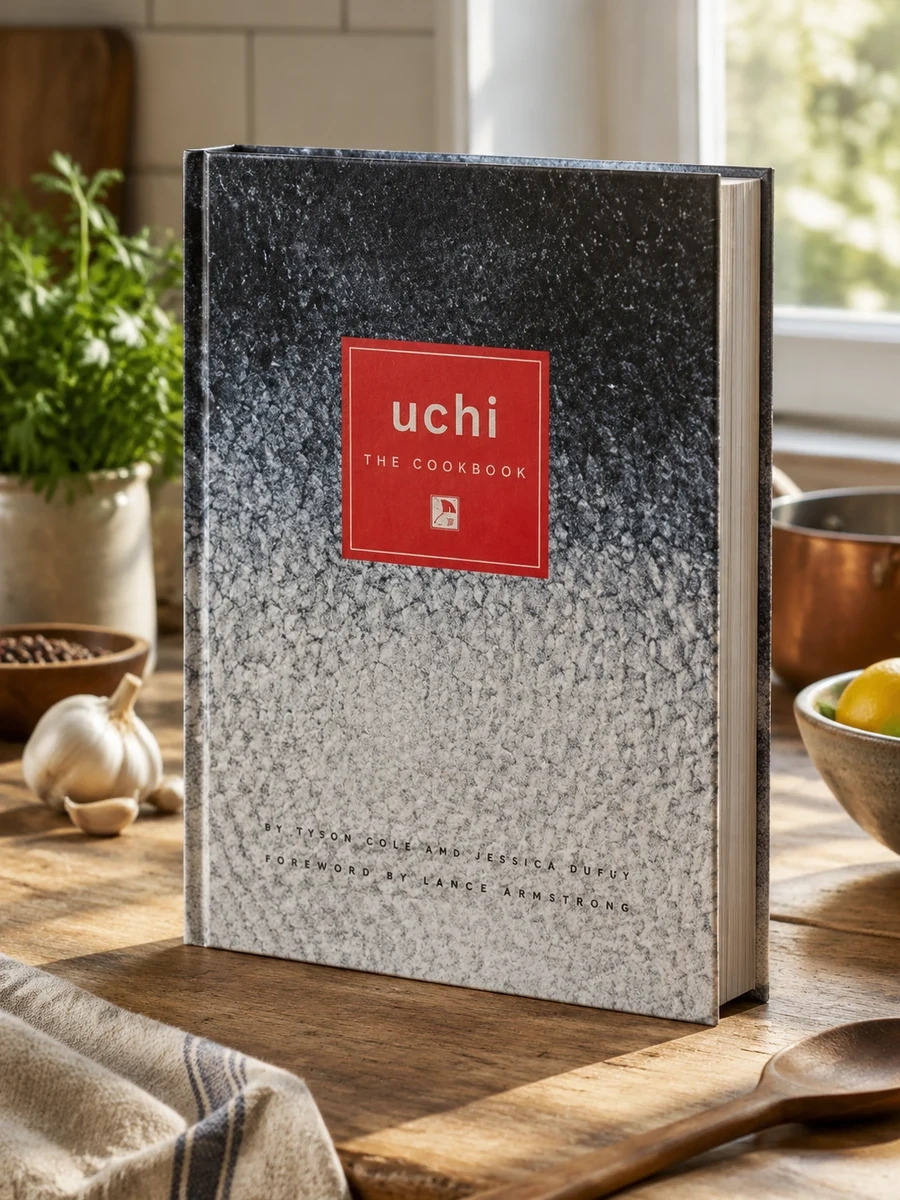
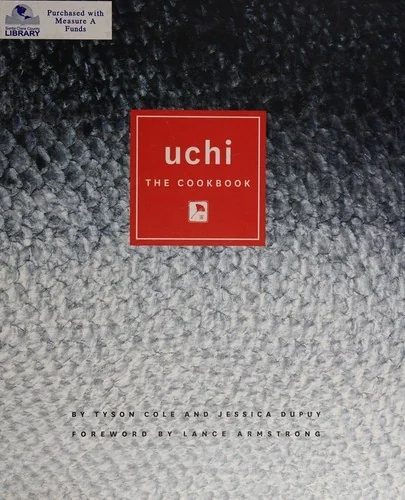
Uchi: The Cookbook
✍️ Cole, TysonTyson Cole's cookbook documenting his innovative approach to Japanese cuisine at his Austin restaurant.
Cole uses his first publication to bridge the gap between traditional sushi arts and contemporary American tastes. He explains how accessible global ingredients allow for a playful multicultural style that stretches beyond borders. The narrative covers the current state of American sushi while offering technical guidance through chapters like Sushi 101. Specific recipes highlight this fusion, including savory options and sweet corn-based desserts. The text serves as both a recipe collection and a biography of Cole's professional rise.
Published in 2011 by University of Texas Press, this work captures the early twenty-first century evolution of sushi in America. It reflects the period when chefs like Cole began integrating diverse global ingredients into traditional Japanese frameworks at establishments such as Uchi in Austin.


📝 Description: Uchi: The Cookbook
💎 Expert review
📖 Why choose it
Why this book is worth reading
Home cooks eager to understand the intersection of Japanese tradition and American innovation will find this volume particularly rewarding. It offers more than just recipes; it provides a narrative framework for Cole’s culinary philosophy, explaining how global accessibility allows for playful multiculturalism in sushi preparation. Readers interested in the technical aspects of sushi making will appreciate the 'Sushi 101' section, which demystifies sophisticated methods for a domestic audience. The inclusion of diverse dishes, from savory lobsters to corn-based desserts, demonstrates a versatile approach that extends beyond standard fare. This guide serves as both a practical manual and an inspiring look at how traditional arts evolve when embraced by contemporary tastes.
⭐ Reader reviews
Reader rating
Cole’s text is a compelling primer for those fascinated by the evolution of sushi in America. It successfully balances technical instruction with the chef’s personal journey, offering clear guidance on achieving the 'perfect bite' through innovative combinations. However, purists seeking strictly historical or traditional Japanese recipes will likely find its multicultural approach too loose. Additionally, readers uninterested in seafood or complex preparations may find the focus narrow. The book does not cater to those wanting a dry, academic history of Japanese cuisine but rather appeals to adventurous cooks ready to experiment with bold, border-stretching flavors in their own kitchens.
❓ Frequently asked questions
📖 Who should read this
Home cooks interested in Japanese cuisine who want to experiment with fusion flavors. Ideal for those comfortable with basic techniques seeking accessible global ingredients. Perfect for readers wanting to understand the evolution of American sushi through a chef's personal narrative and practical guidance.