Searching for an anti-inflammatory cookbook can quickly become confusing. Some books focus on everyday meals and accessible ingredients, while others concentrate on particular health concerns, dietary restrictions, or specialized approaches to eating. The right choice depends less on finding a book with the most ambitious health claims and more on finding one whose recipes and approach you can realistically maintain.
Anti-inflammatory eating generally emphasizes a varied diet built around vegetables, fruits, legumes, whole grains, nuts, seeds, fish, and other nutrient-rich foods. It often encourages limiting heavily processed foods and excessive added sugar. However, there is no single universal anti-inflammatory menu, and food cannot replace medical treatment for an inflammatory condition. A cookbook should be a practical kitchen resource, not a promise of a cure.
Our catalog includes several books specifically devoted to anti-inflammatory cooking, alongside titles that address related dietary needs. Here are nine options worth considering, with distinctions that can help you choose a book suited to your circumstances.
Start with a straightforward anti-inflammatory approach
If you're new to this style of cooking, start with a book that makes the basic approach understandable. You don't necessarily need a restrictive meal plan or a complicated collection of unfamiliar ingredients. A useful starting point should help you think about everyday meals and develop a repeatable routine.
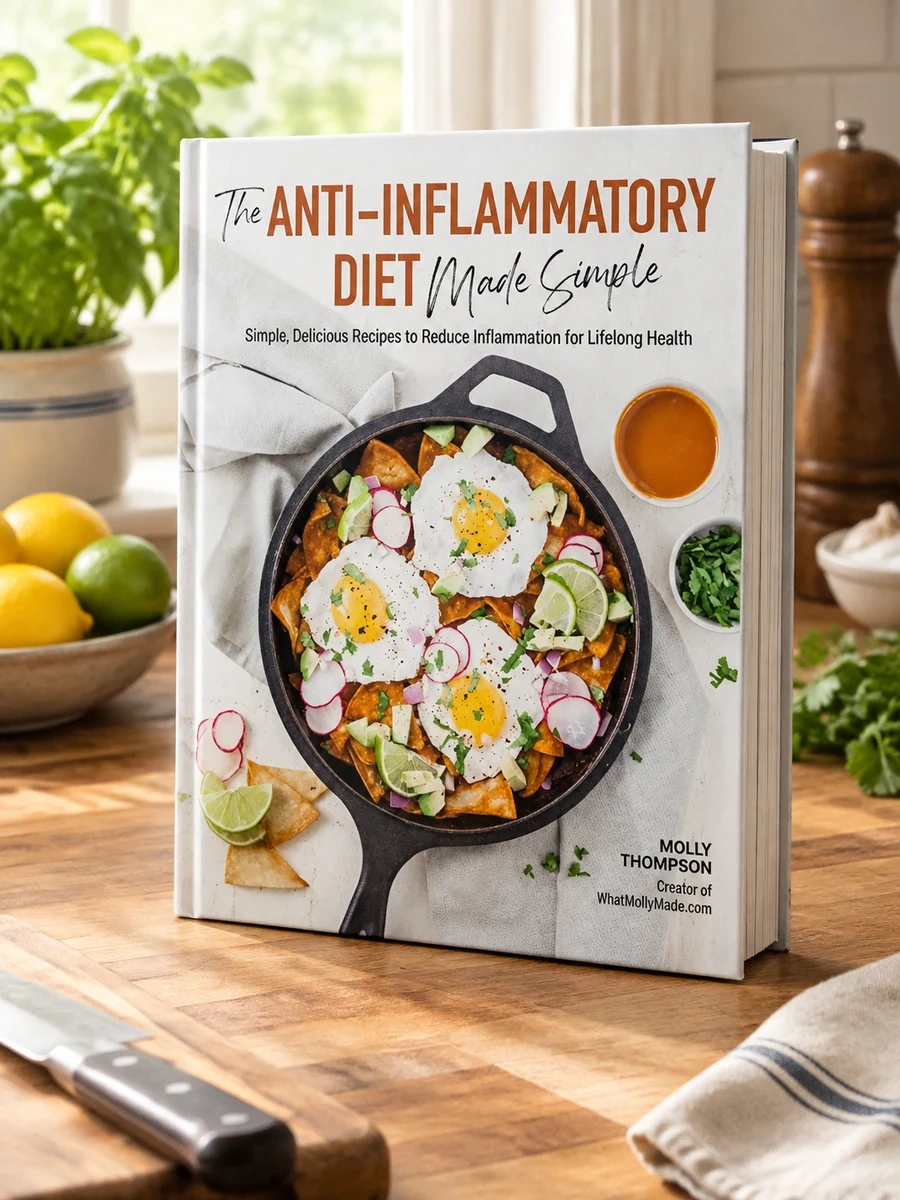
1. Anti-Inflammatory Diet Made Simple — Molly Thompson
This is one of the strongest starting points in the catalog for someone searching specifically for an anti-inflammatory cookbook. Its subtitle, Delicious Recipes to Reduce Inflammation for Lifelong Health, signals an accessible, long-term approach rather than a narrowly defined short-term program. The emphasis on simplicity makes it particularly relevant to home cooks who want to explore this style of eating without making every meal a research project.
Consider this title if you want a book explicitly centered on anti-inflammatory cooking and prefer a general introduction over a condition-specific approach. It is also a sensible first comparison point when evaluating the more specialized titles below.
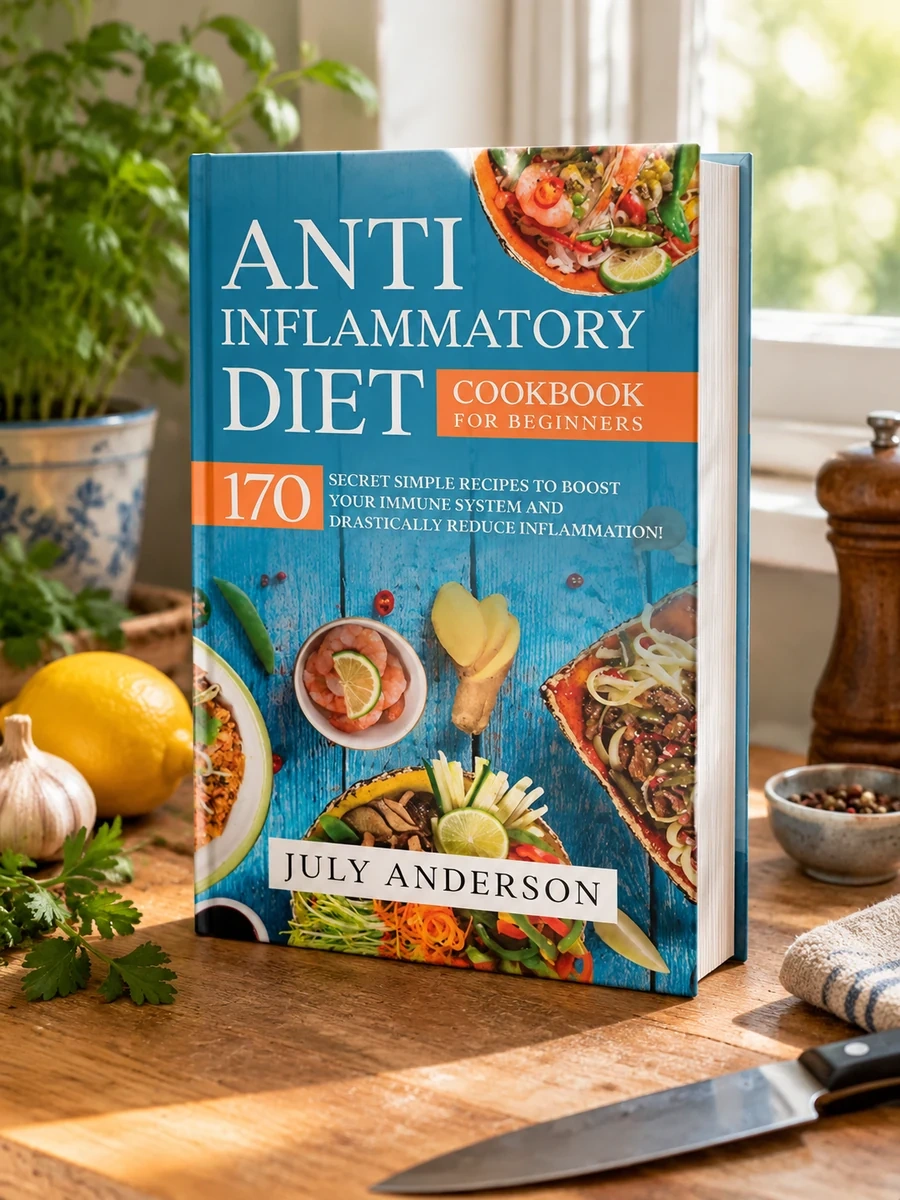
2. Anti-Inflammatory Diet Cookbook for Beginners — July Anderson
With 170 recipes highlighted in its title, this book makes a substantial recipe collection its central appeal. It is aimed at beginners and presents its approach around simple recipes, immune-system support, and reducing inflammation. That positioning makes it relevant to readers who would rather have a range of cooking ideas than begin with a highly technical nutrition discussion.
The large recipe count may also appeal to households that need variety when planning meals. One qualification: the title's health claims should not be interpreted as evidence that individual recipes can prevent illness or dramatically change immune function. Use it as a cooking resource and evaluate its ingredients against your own nutritional needs.
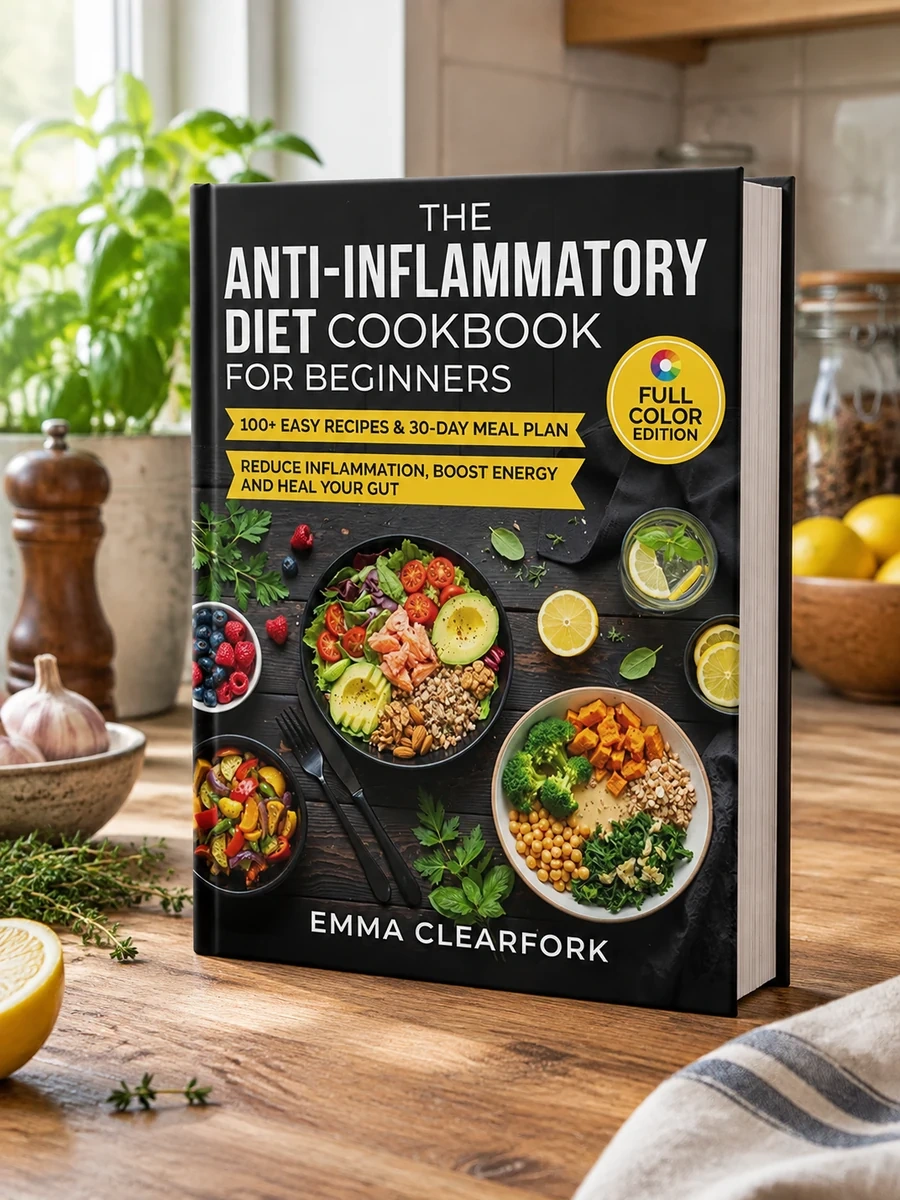
3. The Anti-Inflammatory Diet Cookbook for Beginners — Emma Clearfork
This book takes a particularly practical angle: more than 100 easy recipes combined with a 30-day meal plan. The catalog description identifies its intended audience as busy adults and home cooks seeking straightforward clean-eating principles, including people who are relatively inexperienced in the kitchen.
The meal-plan component is its most useful distinguishing feature. Rather than leaving you to decide how to organize a collection of recipes, it offers a framework for approaching the first month. Choose this title if planning and consistency are your biggest obstacles. Remember that a 30-day plan is a starting structure, not a medically necessary timetable or a guarantee of particular health results.
Choose a cookbook around a particular health or dietary concern
Not everyone approaches anti-inflammatory eating for the same reason. Some people are interested in recipes that fit around a diagnosed condition; others are looking for a particular ingredient profile or need to avoid certain foods. These distinctions matter because a general anti-inflammatory cookbook may not address every practical dietary requirement.
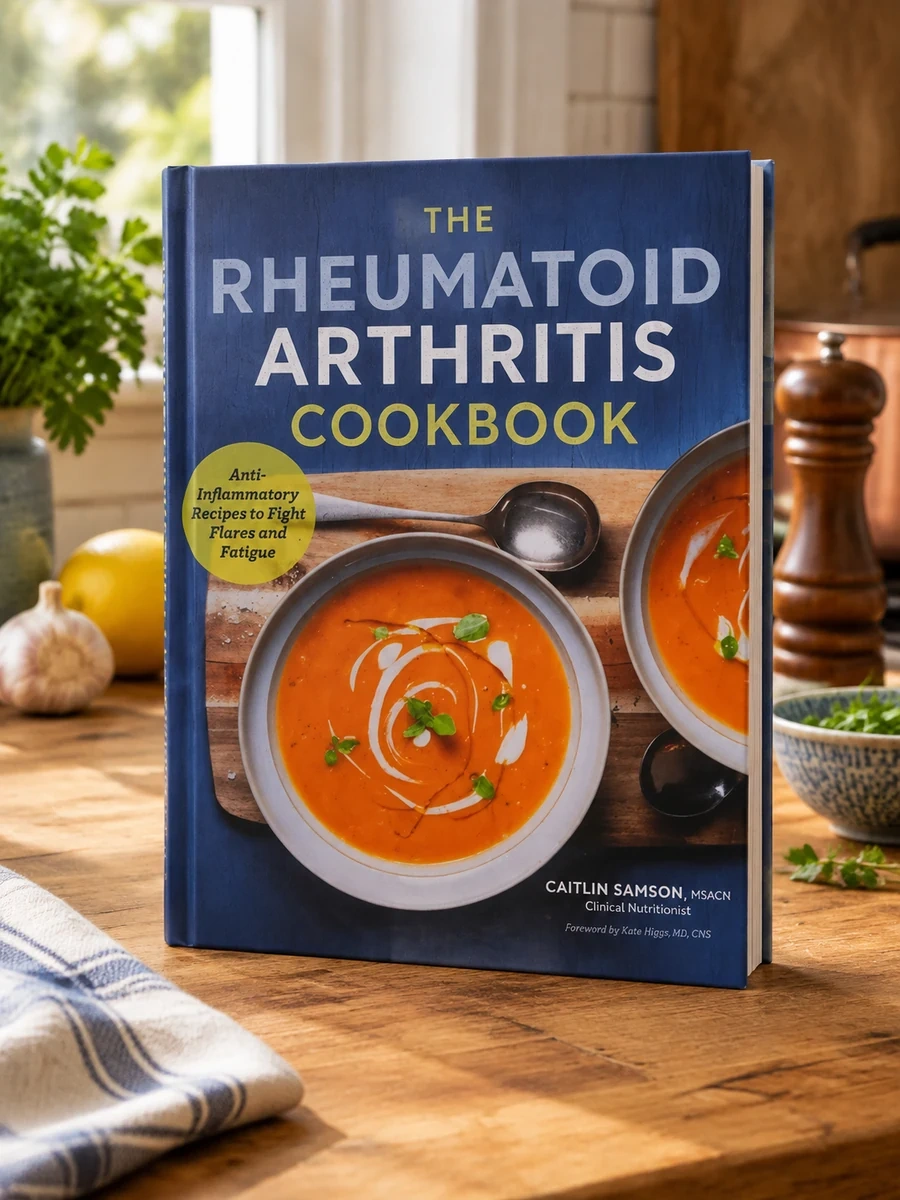
4. The Rheumatoid Arthritis Cookbook — Caitlin Samson
This is the most condition-specific selection in our nine-book list. Its subtitle, Anti-Inflammatory Recipes to Fight Flares and Fatigue, identifies rheumatoid arthritis as the intended context for its cooking approach. That makes it a more focused option than a general healthy-eating cookbook.
It is worth considering for someone who wants a cookbook organized around the realities of living with rheumatoid arthritis rather than a broad collection of wellness recipes. Its subject matter also makes it relevant to caregivers and household cooks preparing meals for someone with the condition. Dietary changes cannot independently treat rheumatoid arthritis or replace prescribed medication, so discuss substantial changes with a qualified healthcare professional.
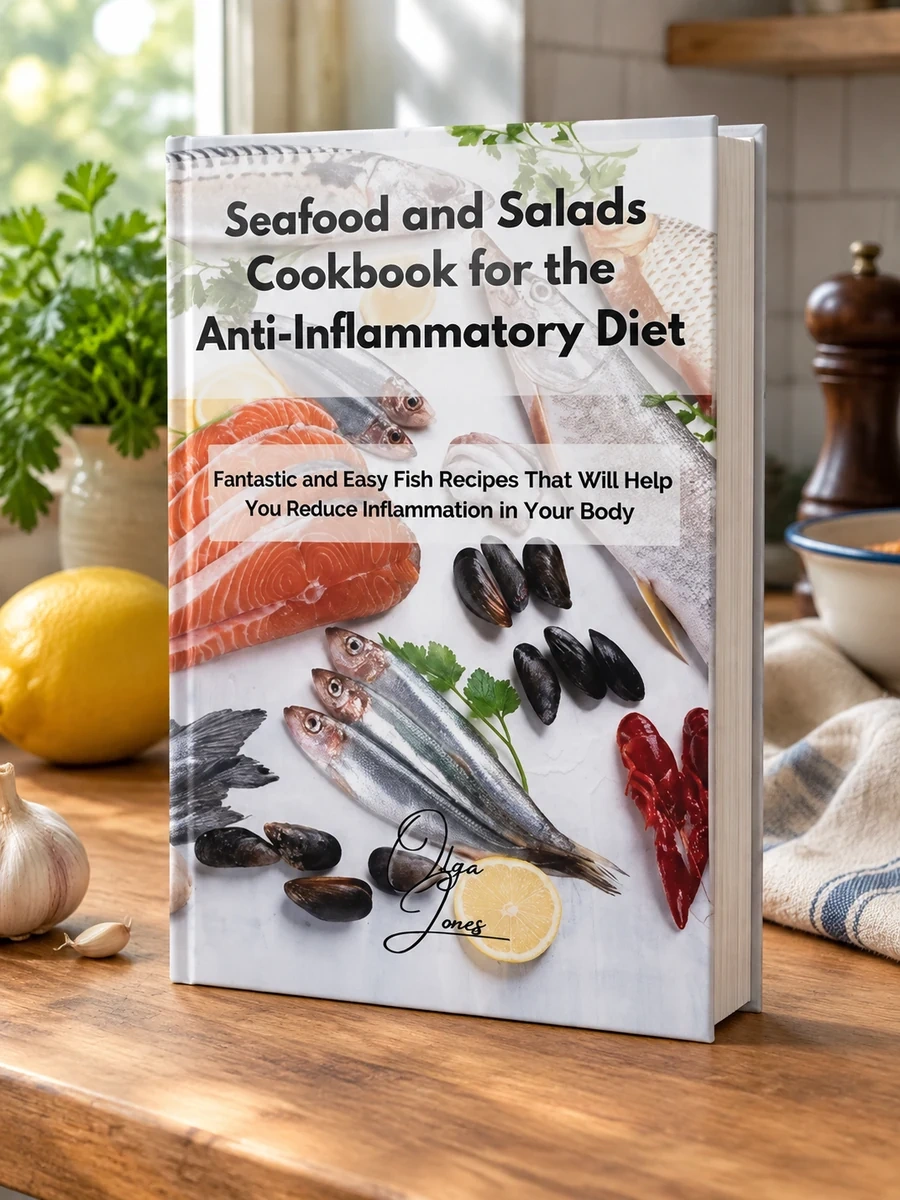
5. Seafood and Salads Cookbook for the Anti-Inflammatory Diet — Olga Jones
Some cooks already know the general principles of healthy eating but need more inspiration for particular meal categories. This book narrows its focus to seafood and salads, with fish recipes presented as its main attraction. That makes it an interesting choice for people who want to incorporate more seafood and vegetable-based meals into their regular cooking.
Its narrower subject is a strength if you regularly prepare fish or want alternatives to meat-centered dinners. It may be less suitable as your only cookbook if you need extensive guidance on breakfasts, snacks, baking, and complete weekly menus. Think of it as a focused addition to a broader kitchen collection.
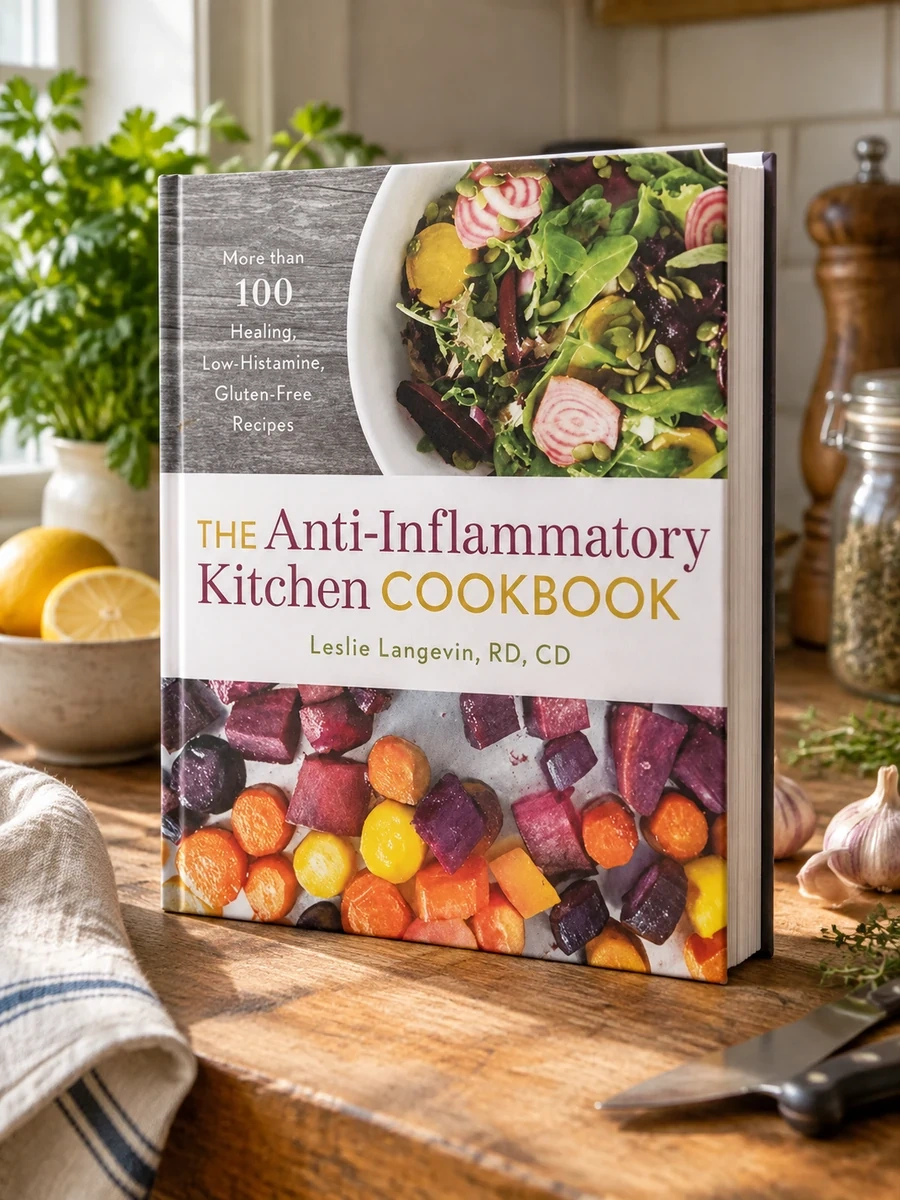
6. The Anti-Inflammatory Kitchen Cookbook — Leslie Langevin
This title combines two specific dietary considerations: anti-inflammatory cooking and low-histamine recipes. Its subtitle also identifies more than 100 recipes and highlights gluten-free preparation. That combination gives it a distinct place among the books in this category.
It is particularly relevant to readers who are researching low-histamine cooking alongside anti-inflammatory meal ideas. The combination of dietary considerations can make recipe selection more complicated, so a cookbook addressing both topics may be useful as a reference. However, low-histamine diets are not universally necessary, and individual tolerances vary. Anyone considering a restrictive elimination diet should seek guidance from an appropriate healthcare professional or registered dietitian.
Find a format that works for everyday cooking
Even a promising cookbook can end up unused if its recipes demand too much preparation or do not suit the people eating at home. A good match should account for available cooking time, household preferences, and the amount of dietary flexibility you need. These next three titles offer different ways to make the subject more practical.
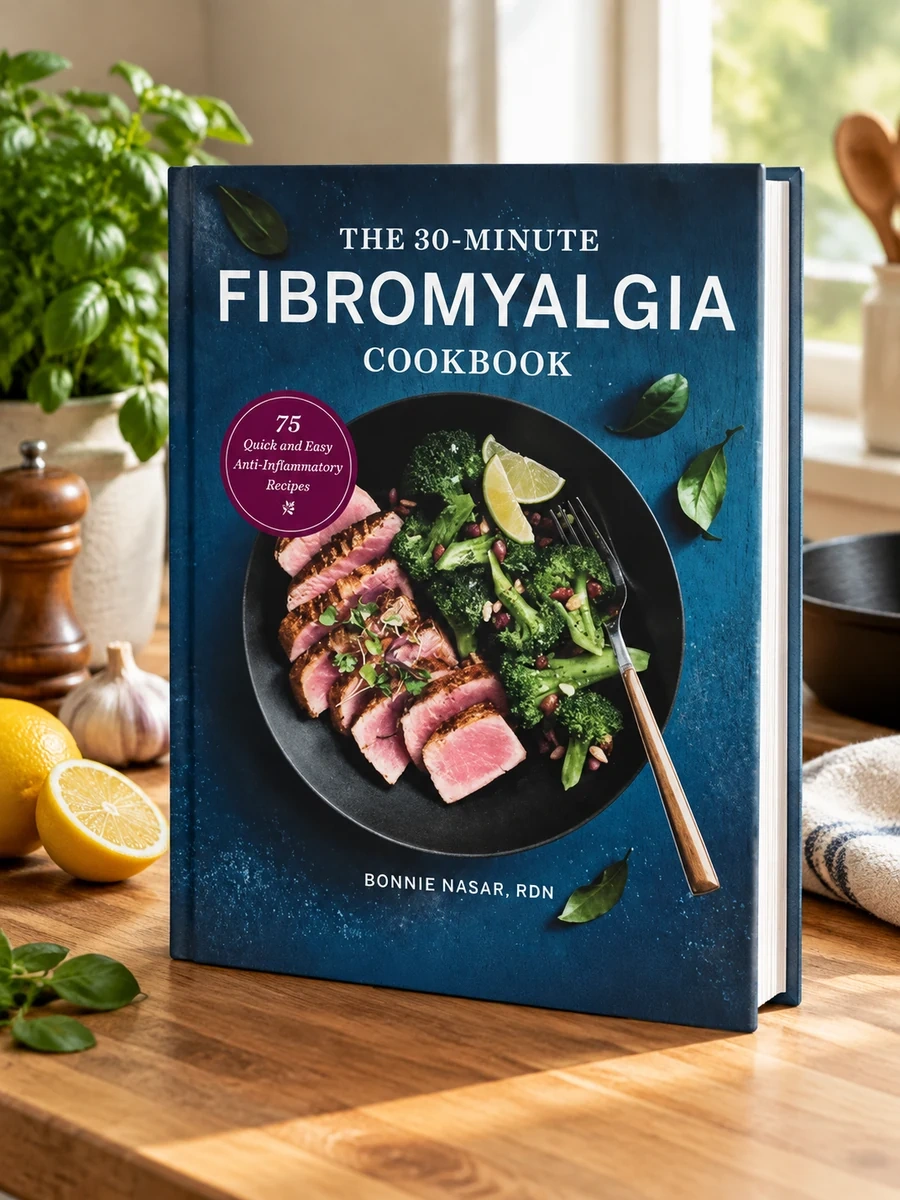
7. The 30-Minute Fibromyalgia Cookbook — Bonnie Nasar, RDN
For readers who value manageable preparation times, this cookbook makes an especially clear promise: 75 quick and easy anti-inflammatory recipes, with a 30-minute cooking focus. It is also specifically associated with fibromyalgia, distinguishing it from general beginner-oriented anti-inflammatory titles.
This combination of a condition-specific audience and a time-conscious format makes it worth considering for people who do not want elaborate cooking projects. It may also appeal to anyone who prefers a smaller, more focused collection over a large recipe book. Its dietary approach should be considered supportive cooking inspiration, not a treatment for fibromyalgia or a guarantee of symptom relief.
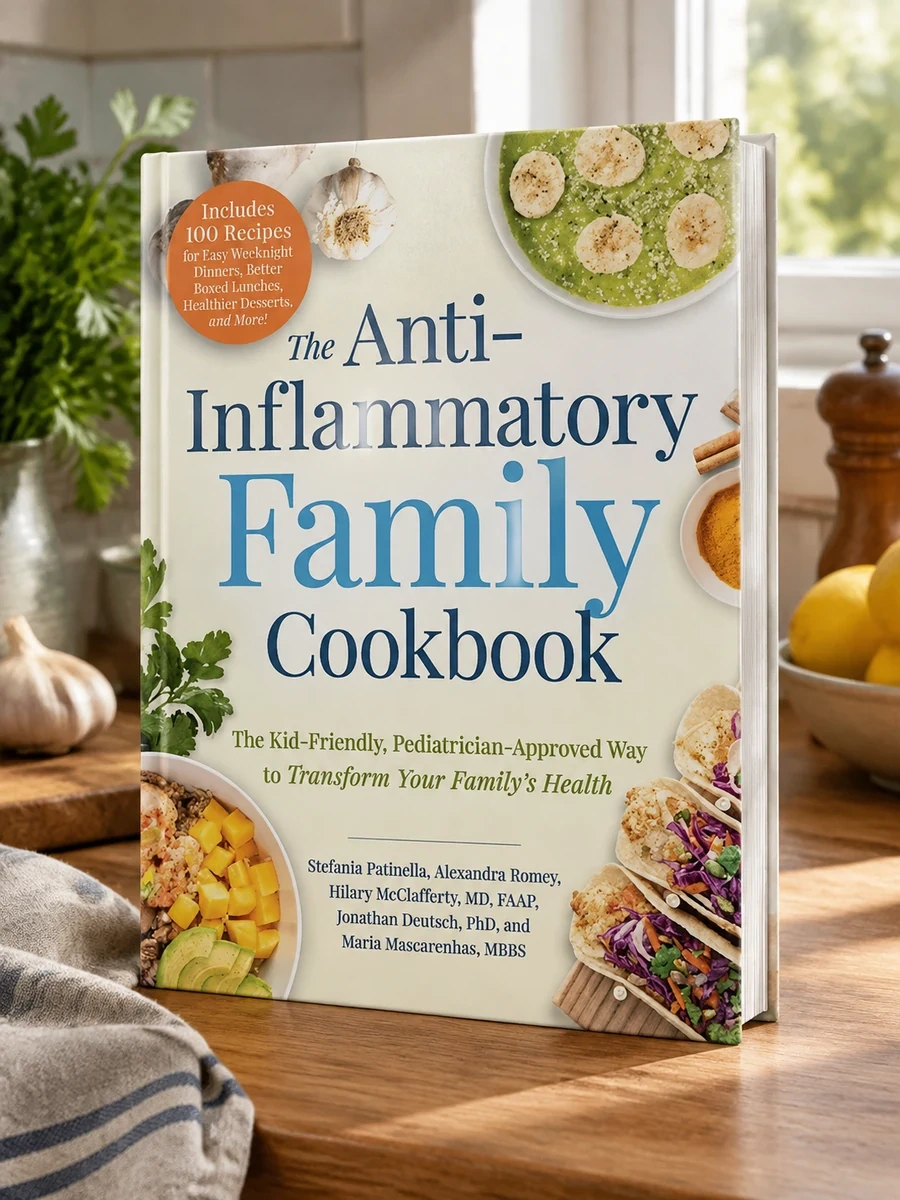
8. The Anti-Inflammatory Family Cookbook — Stefania Patinella
Cooking for a family introduces a different set of challenges. Adults may be interested in changing their eating habits, but children have their own preferences, nutritional requirements, and expectations around familiar meals. This cookbook specifically addresses family cooking and presents its approach as kid-friendly, with pediatrician approval highlighted in its title.
It is the natural option to investigate if you want to explore anti-inflammatory meals without treating the household as a collection of separate diners. Its family-oriented positioning is more relevant than a specialized diet book when the main challenge is preparing food for several age groups. For children, avoid introducing restrictive diets without advice from their pediatrician, particularly during periods of growth and development.
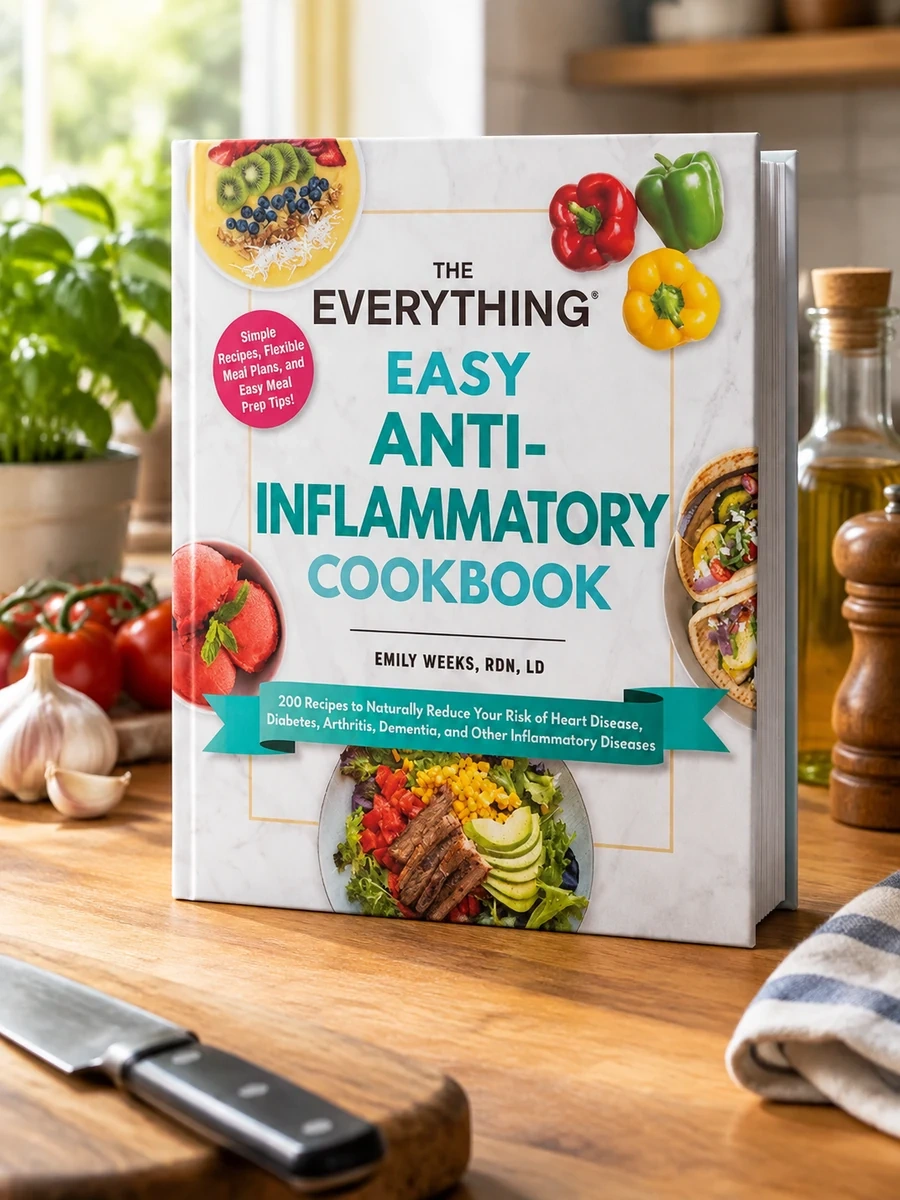
9. The Everything Easy Anti-Inflammatory Cookbook — Emily Weeks
This book stands out for its broad, approachable positioning and 200-recipe collection. Its subtitle connects anti-inflammatory eating with reducing risk factors associated with conditions including heart disease, diabetes, arthritis, and dementia. The wide scope makes it appealing to readers who want a general collection rather than a cookbook built around one diagnosis or dietary restriction.
The word easy is central to its appeal. If your main goal is to gather more ideas for everyday cooking, a larger collection with an accessible positioning may be more useful than a highly specialized program. Keep the health language in perspective, though: a cookbook cannot establish that its recipes prevent or treat the conditions mentioned in its subtitle.
How to choose the right anti-inflammatory cookbook
With several relevant options available, it helps to identify your main reason for looking before choosing a title. The most useful cookbook is the one that addresses your actual cooking needs, not necessarily the one with the longest subtitle or the biggest recipe count.
- For a general introduction: Start with Anti-Inflammatory Diet Made Simple. Its central subject is exactly what you are researching.
- For a beginner-friendly recipe collection: Compare July Anderson's cookbook with Emma Clearfork's 30-day-plan edition. The former emphasizes a larger recipe collection; the latter explicitly adds meal-planning structure.
- For a particular health context: Consider The Rheumatoid Arthritis Cookbook or The 30-Minute Fibromyalgia Cookbook, depending on the condition you want the cooking resource to address.
- For seafood-focused meals: Seafood and Salads Cookbook for the Anti-Inflammatory Diet offers a narrower focus on two useful meal categories.
- For combined dietary considerations: Look at The Anti-Inflammatory Kitchen Cookbook if low-histamine and gluten-free cooking are also relevant to your needs.
- For household meals: The Anti-Inflammatory Family Cookbook is the most directly family-oriented choice.
- For a broad everyday collection: The Everything Easy Anti-Inflammatory Cookbook offers the largest stated recipe count in this selection.
Before committing to a particular approach, consider how restrictive its recipes are, whether the ingredients are accessible in your area, and how much time you realistically have to cook. If you have food allergies, a diagnosed inflammatory condition, or medical dietary restrictions, check ingredient details carefully and seek professional advice before making major changes.
Finally, remember that consistency is usually more practical than perfection. You do not need to replace every familiar meal or follow an elaborate plan to explore a more balanced way of eating. A cookbook that helps you prepare satisfying meals regularly is likely to be more useful than one that promises dramatic results but proves difficult to follow. Choose the format that fits your household, start with a few recipes, and build your own sustainable routine from there.