Choosing a health-focused cookbook can feel surprisingly complicated. Search for healthier eating and you will find books organized around weight management, heart health, food intolerances, blood sugar, plant-based meals, and restrictive eating plans. Each approach answers a different question, and a book that suits one household may be a poor fit for another.
For a useful starting point, begin with the problem you actually want to solve. You might need everyday recipes with a more health-conscious emphasis, meals that accommodate gluten or dairy restrictions, or a more focused guide to a particular dietary approach. The strongest first book is not necessarily the most specialized one; it is the one you can understand, use, and adapt to your circumstances.
This shelf brings together 12 books spanning practical cooking and more targeted dietary interests. The recommendations below explain what each title sets out to address, who is likely to appreciate its approach, and where to exercise caution. These books are cooking and food-reading resources, not substitutes for individualized medical advice.
Start with practical, everyday healthy cooking
If you are building a healthier cooking routine rather than following a medically prescribed diet, start with a book that offers a recognizable approach to meals. A clear focus can help you narrow your choices without assuming that every recipe needs to follow an elaborate set of rules.
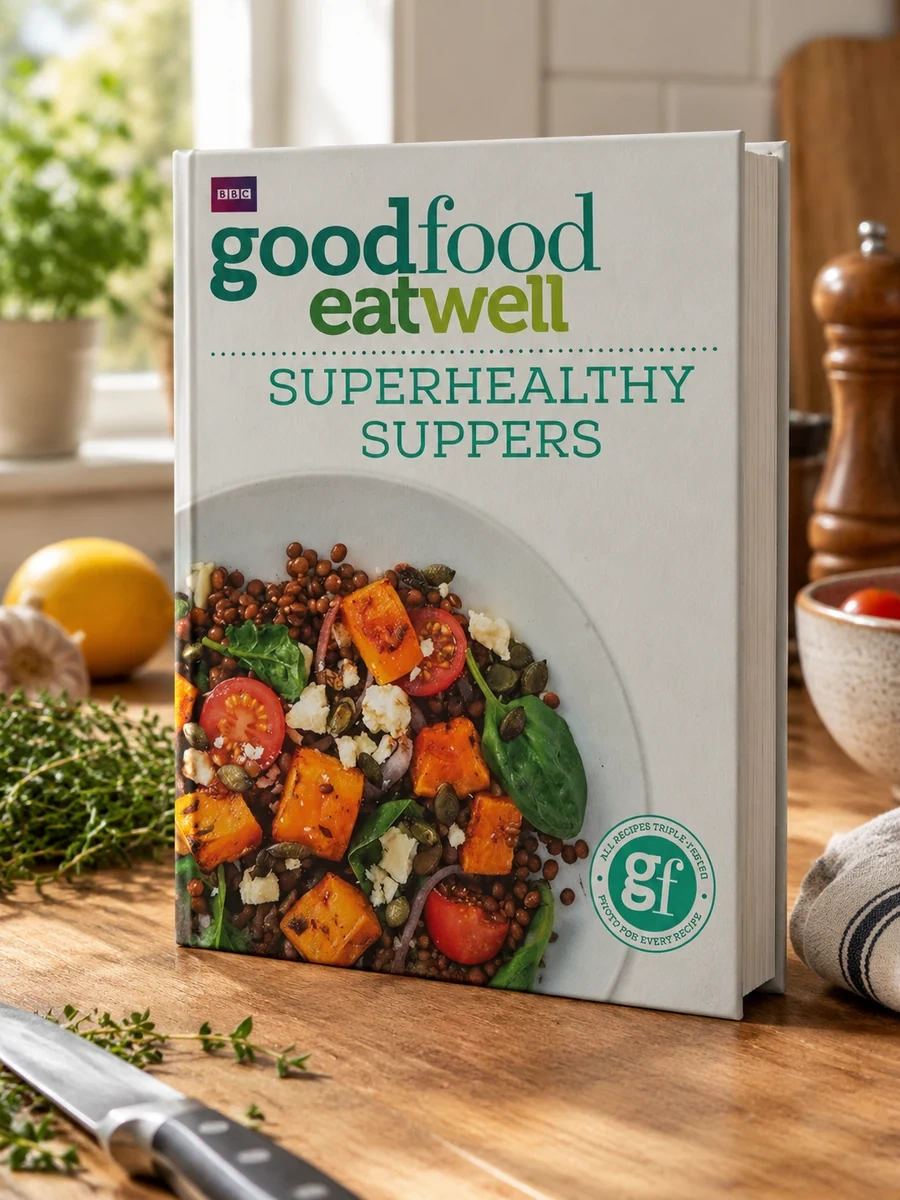
1. Superhealthy Suppers — Good Food Magazine
This is a sensible first stop for anyone whose main goal is to make dinner feel more compatible with healthier eating. Its supper-centered focus makes it relevant to readers who need meal ideas for the end of an ordinary day, rather than a complete lifestyle program. Choose it if you want to begin with the meals you cook most often and build from there.
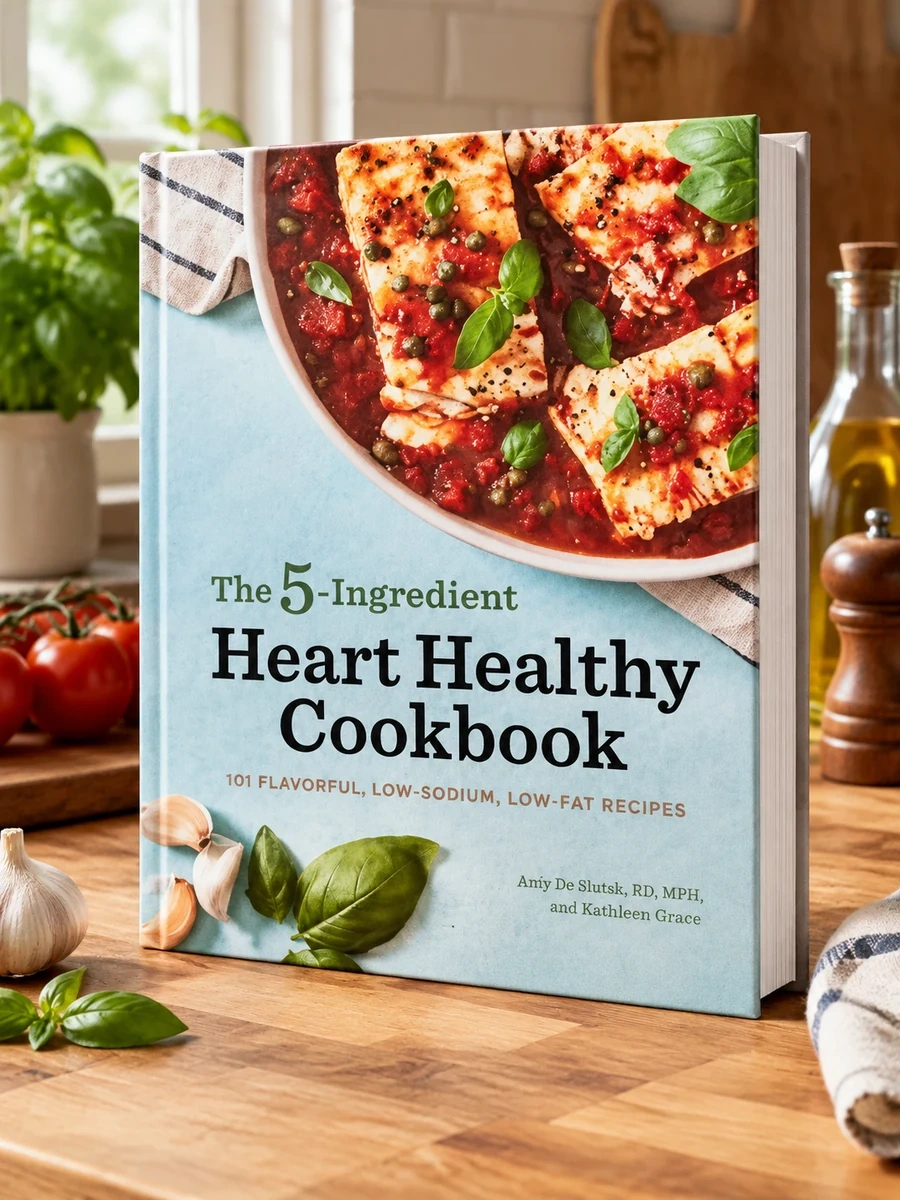
2. The 5-Ingredient Heart Healthy Cookbook: 101 Flavorful Low-Sodium, Low-Fat Recipes — Andy de Santis, RD, MPH
A short ingredient list is an appealing starting point when a healthier routine also needs to be manageable. This cookbook combines that practical constraint with an explicit focus on lower-sodium and lower-fat recipes, making it particularly relevant to readers interested in heart-conscious home cooking. If a clinician has recommended specific sodium, fat, or other nutrient limits, check the actual recipes against that advice rather than assuming every dish meets your individual targets.
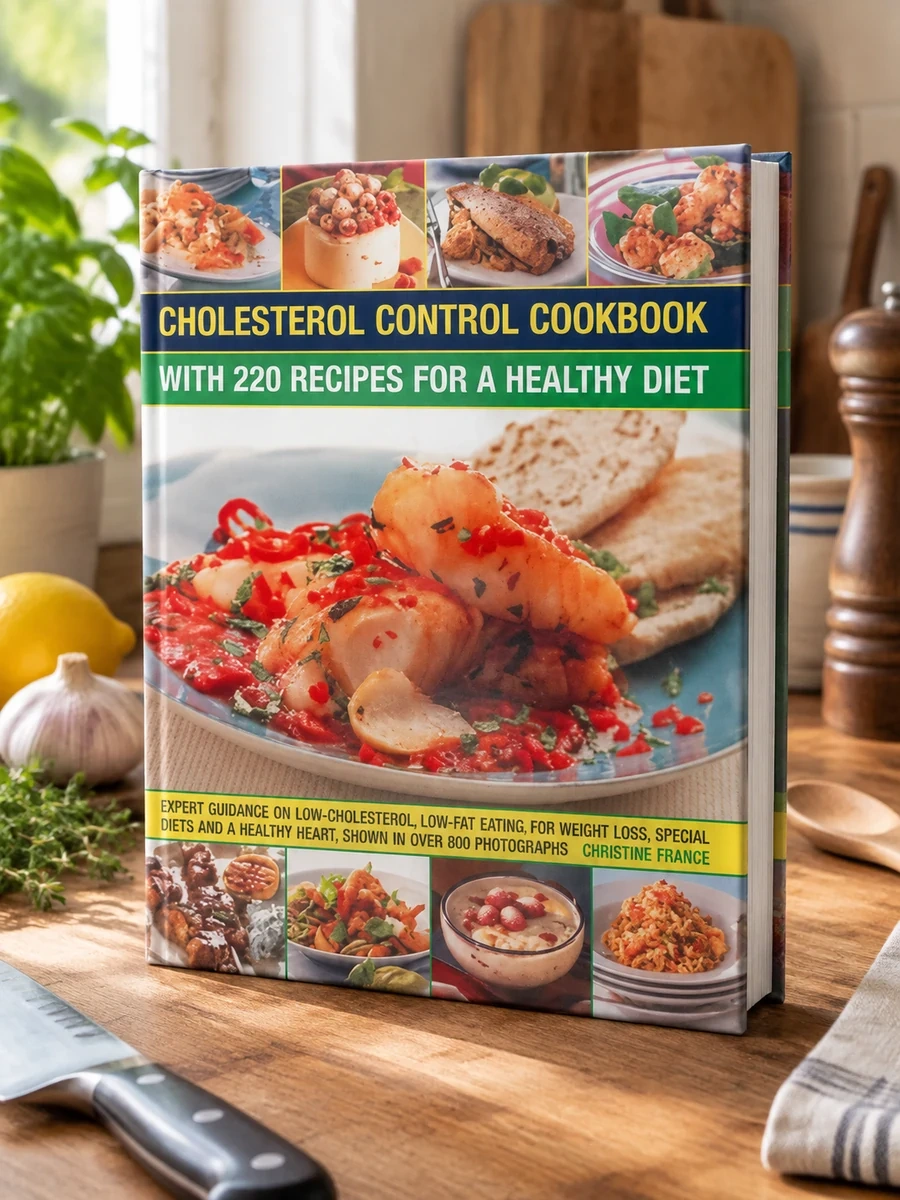
3. Cholesterol Control Cookbook: With 220 Recipes for a Healthy Diet — Christine France
Readers who want their cookbook to address a particular nutrition concern may appreciate this title's clear emphasis on cholesterol-conscious eating. Its collection of 220 recipes offers a more focused starting point than a general healthy-dinner book. It is best approached as a cooking resource to use alongside reliable medical guidance, especially if you have elevated cholesterol or take medication to manage it.
Find the right fit for food restrictions and digestive concerns
Dietary restrictions change more than the ingredients in a recipe. They can affect shopping, baking, family meals, eating away from home, and the confidence to cook without constantly checking labels. When choosing a book in this category, distinguish a diagnosed condition or allergy from a personal preference: the level of care required can be very different.
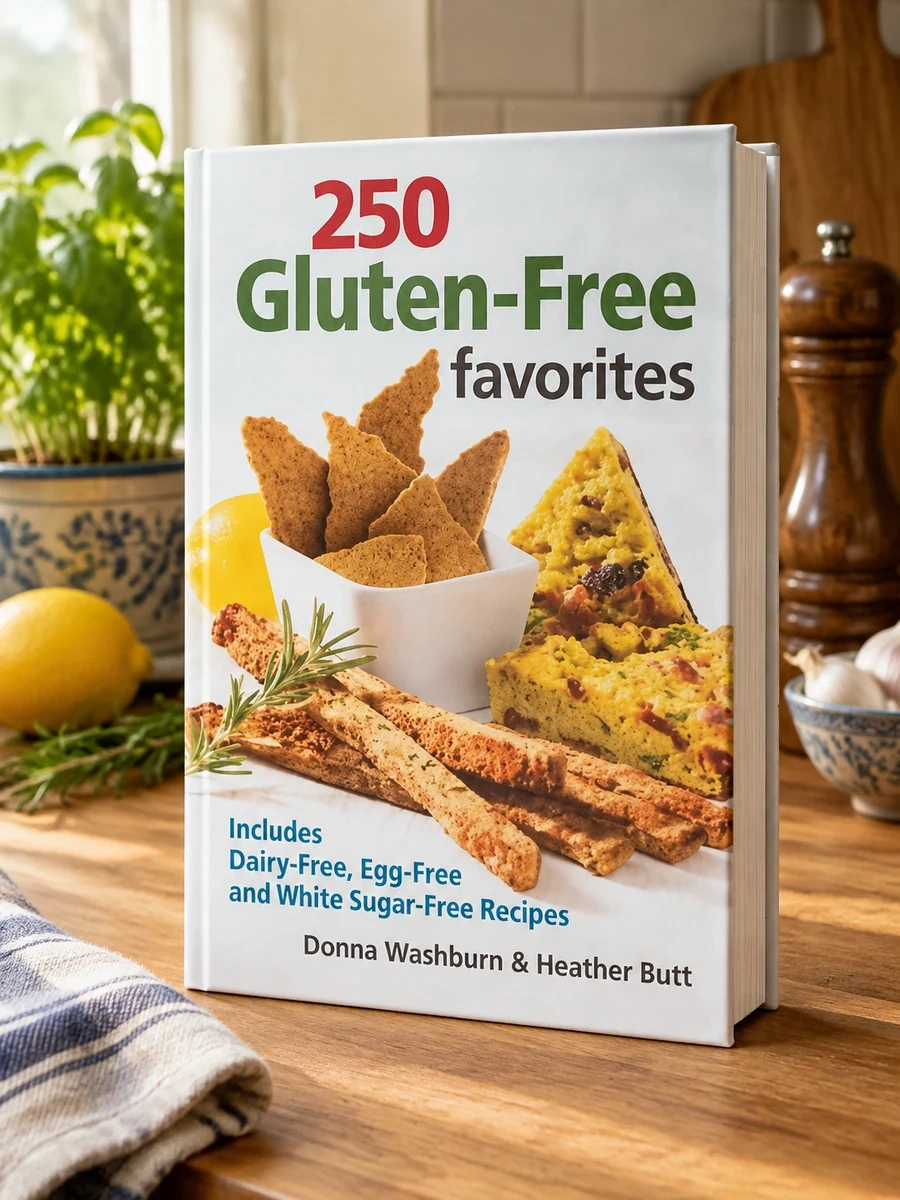
4. 250 Gluten-Free Favorites: Includes Dairy-Free, Egg-Free and White Sugar-Free Recipes — Donna Washburn
This title is a strong candidate for households that want recipe variety while accommodating several common ingredient exclusions. Its gluten-free focus, alongside dairy-free, egg-free, and white-sugar-free options, makes it relevant when cooking needs to account for more than one preference or restriction. The important practical step is to verify each recipe's ingredients and suitability rather than assume every dish avoids every listed ingredient.
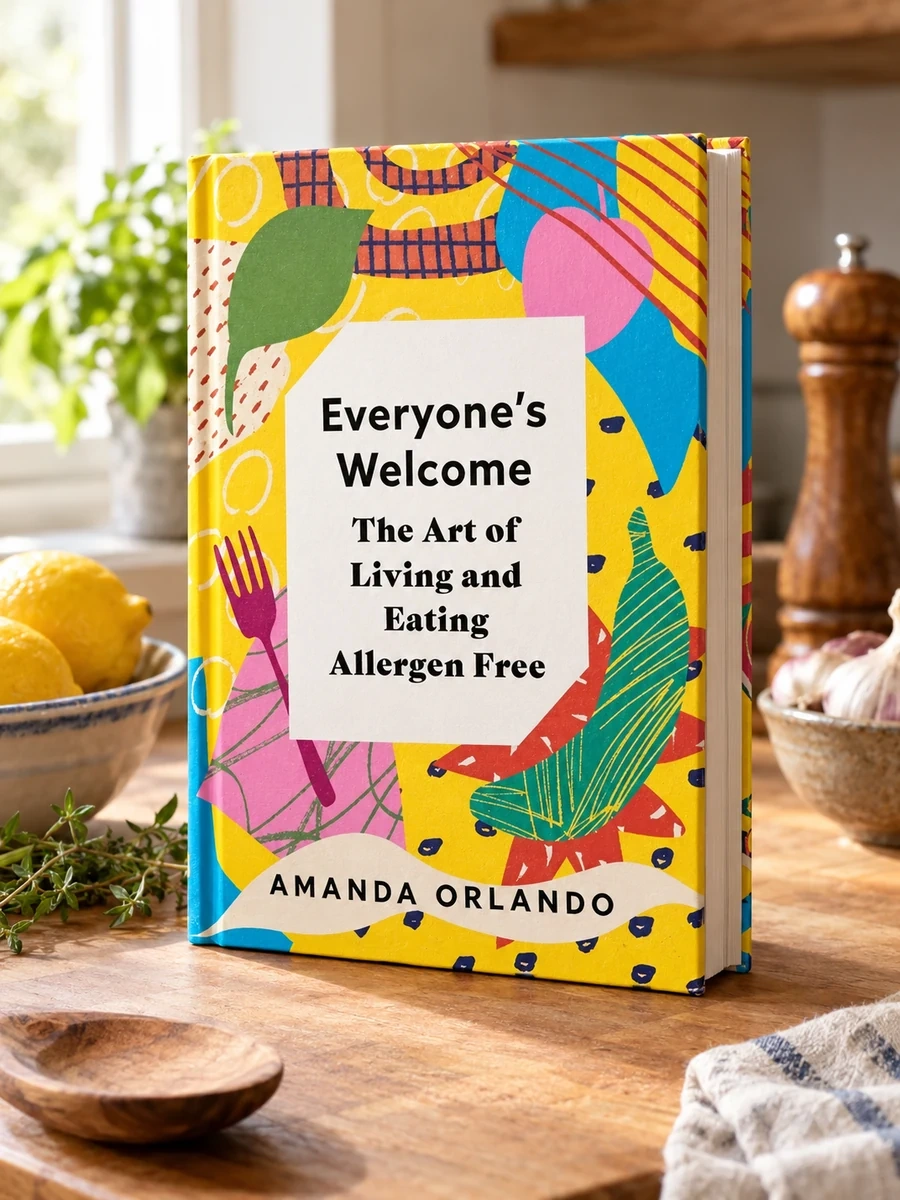
5. Everyone's Welcome: The Art of Living and Eating Allergen Free — Amanda Orlando
For readers whose concerns extend beyond choosing a few alternative recipes, this book's allergen-free emphasis points toward the broader experience of eating with restrictions. It is a relevant option for people who want food choices to fit into everyday life as well as the kitchen. If you are cooking for someone with a diagnosed food allergy, use their specific avoidance instructions and safe food-handling practices; a book's general positioning cannot guarantee that every recipe is safe for that person.
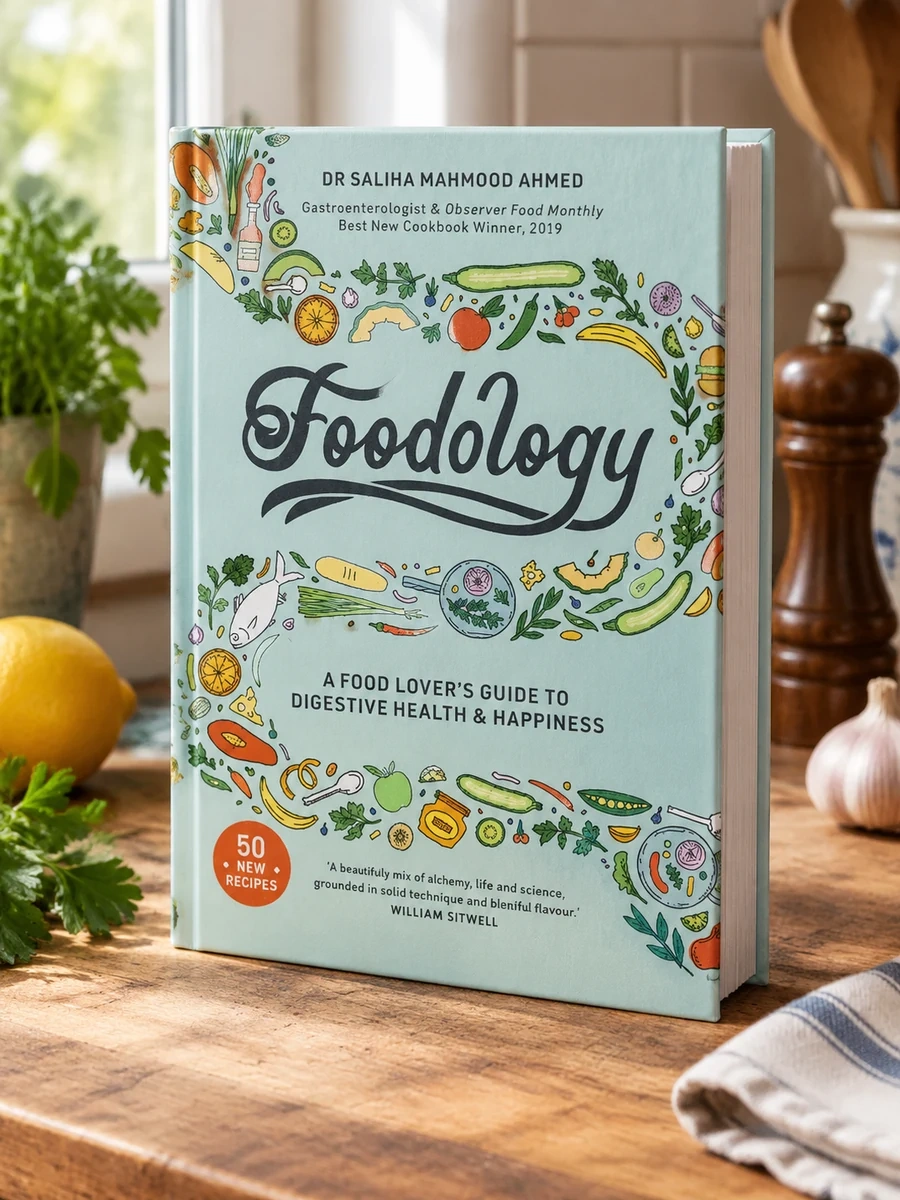
6. Foodology: A Food-Lover's Guide to Digestive Health and Happiness — Saliha Mahmood Ahmed
Not every reader looking for health-related food books wants a restrictive meal plan. This title connects digestive health with the pleasures of food, making it an interesting choice for someone who wants to explore the relationship between eating and digestive well-being. It is a particularly good thematic fit if you want a broader perspective rather than a book defined solely by calorie targets or ingredient exclusions.
Explore structured eating approaches with a clear purpose
Some readers prefer a cookbook built around a recognizable eating framework. That structure can make shopping and meal planning feel more straightforward, but it can also narrow the foods you eat or encourage rules that are not suitable for everyone. Before committing, consider your medical needs, budget, cooking habits, and willingness to maintain the approach over time.
7. The South Beach Diet Cookbook: More Than 200 Delicious Recipies That Fit the Nation's Top Diet — Arthur Agatston
This cookbook is designed around the South Beach Diet, making it a natural candidate for readers who specifically want recipes associated with that plan. Its collection of more than 200 recipes gives the approach a practical cooking dimension, rather than leaving readers with dietary principles alone. It is less suitable as a neutral introduction to nutrition because its organizing framework is a particular diet, not a universal definition of healthy eating.
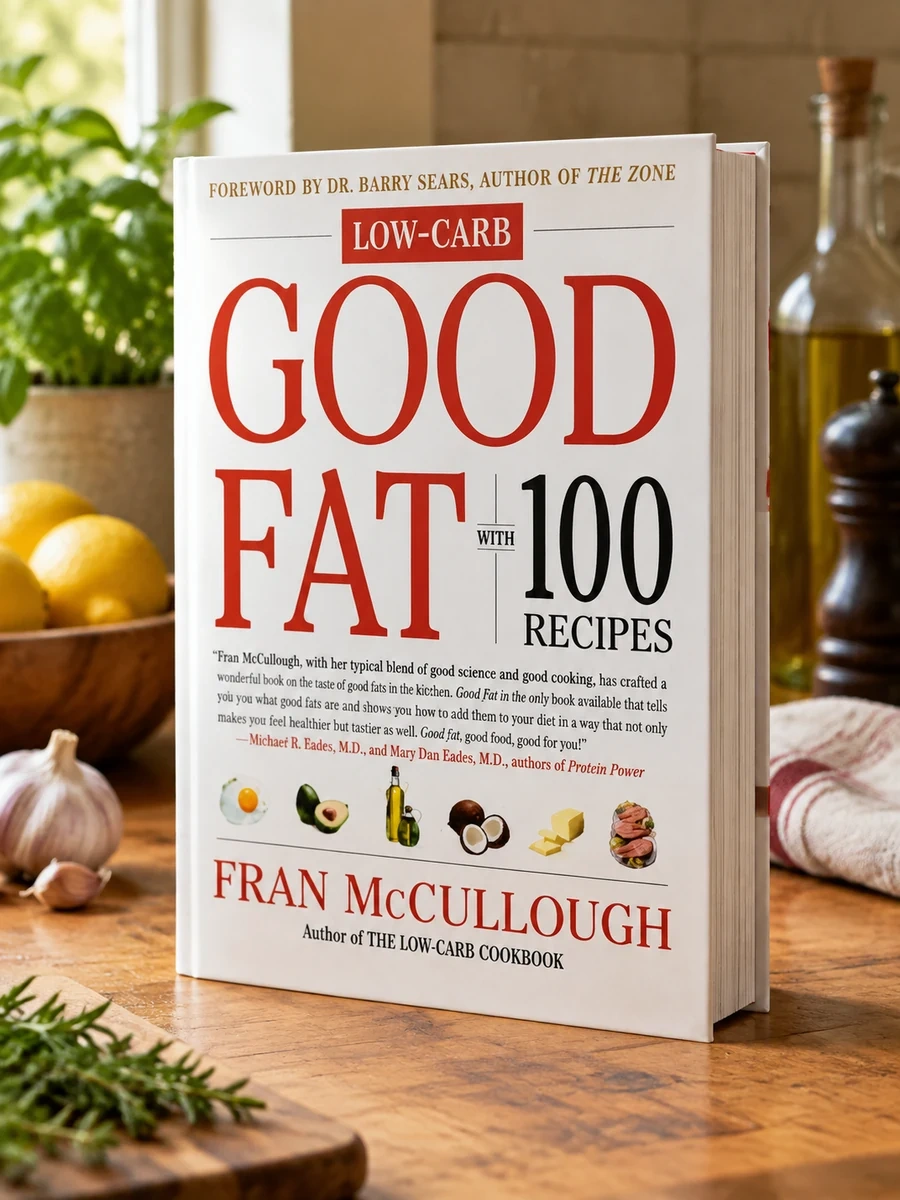
8. Good Fat: Low-Carb: With 100 Recipes — Fran McCullough
For readers curious about reducing carbohydrates without treating fat as something to avoid automatically, this book offers a clearly defined low-carb perspective and 100 recipes. It is worth considering if you want to explore how that style of cooking translates into actual dishes. Remember that low-carb eating is not one uniform plan, and the nutritional balance of individual recipes matters more than a label alone.
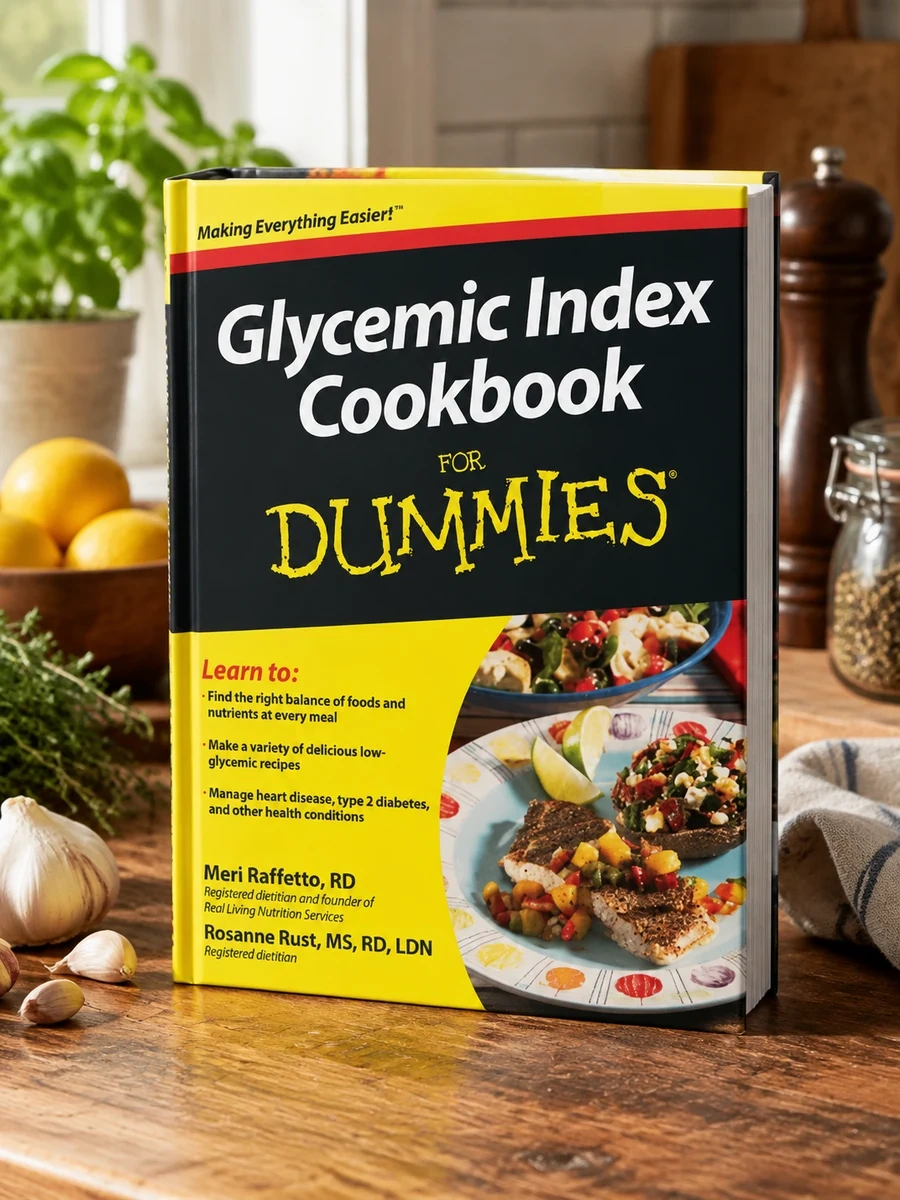
9. Glycemic Index Cookbook for Dummies — Meri Raffetto
The glycemic index offers a framework for comparing how carbohydrate-containing foods may affect blood glucose, although the response to a meal also depends on portion size, preparation, and what else is eaten. This cookbook is a relevant option for readers who want to explore that framework through cooking. Anyone managing diabetes or another blood-sugar condition should use it as supplementary reading, not as a replacement for an individualized care plan.
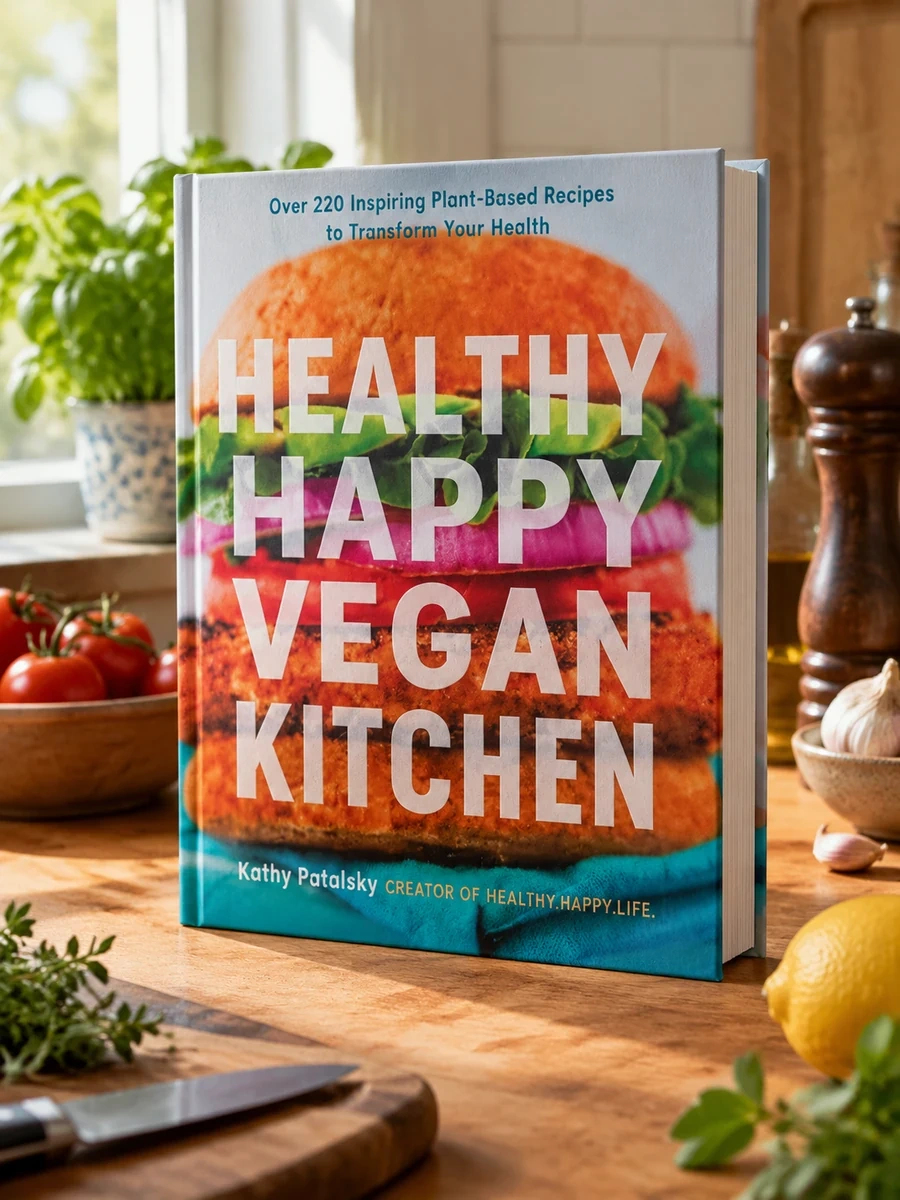
10. Healthy Happy Vegan Kitchen: Over 220 Inspiring Plant-Based Recipes to Transform Your Health — Kathy Patalsky
A plant-based cookbook can broaden a reader's everyday repertoire without requiring every meal to revolve around meat. With more than 220 plant-based recipes, this title suits readers who want substantial recipe variety within a vegan cooking approach. If you are moving toward a fully vegan diet, plan for nutritional adequacy as well as recipe inspiration, including reliable sources of vitamin B12 and attention to other nutrients that may require particular care.
Choose your first book by the problem you want to solve
The best starting point is the one that matches your actual needs, not the one with the most ambitious promise. Use these questions to narrow the shelf:
- You want healthier everyday dinners: Start with Superhealthy Suppers. Its focus is practical and meal-centered.
- You want a heart-conscious cooking direction: Compare The 5-Ingredient Heart Healthy Cookbook with Cholesterol Control Cookbook. One emphasizes a five-ingredient format alongside low-sodium and low-fat recipes; the other focuses on cholesterol-conscious cooking.
- You need gluten-free or allergen-aware recipes: Consider 250 Gluten-Free Favorites or Everyone's Welcome, depending on whether your priority is recipe variety or the broader experience of allergen-free eating.
- You are exploring digestive health: Begin with Foodology if you want a food-centered discussion of digestive well-being.
- You want to follow a defined eating framework: Choose the book whose approach you actually intend to explore, whether that is the South Beach Diet, low-carb cooking, or plant-based cooking.
Budget is another useful filter. Several options on this shelf cost under $20, while others sit above that range; prices can change, so compare the current listing before deciding. A modestly priced book that addresses your immediate cooking question is often a more useful first step than a stack of specialized guides you may never open.
Finally, be cautious about titles that promise to cure disease, detoxify the body, or deliver guaranteed weight loss. A cookbook can offer recipes and a framework for meal planning, but the title alone does not establish that its health claims are supported. If you have a chronic condition, a food allergy, a history of disordered eating, or a prescribed therapeutic diet, consult an appropriately qualified health professional about which dietary changes make sense for you.
For most people, a good first health-and-healing book should make the next meal easier to plan, not make eating feel like a test you can fail. Start with your clearest need, choose one practical guide, and give yourself room to build a sustainable routine from there.