Autumn is when the kitchen starts looking like a place to put things away. Farmers' markets are full of late-season vegetables, garden beds are producing their final generous harvests, and apples, pears, squash, peppers, and cabbage invite a different kind of cooking. Instead of using everything immediately, home cooks can turn seasonal ingredients into pickles, preserves, fermented vegetables, and pantry staples that will bring variety to winter meals.
That is also why a good pickling and preserving cookbook is such a useful kitchen companion. The right book does more than provide recipes: it explains different preservation methods, helps readers understand which techniques suit particular ingredients, and gives them the confidence to plan projects around what is available. Some books concentrate on the satisfying simplicity of quick refrigerator pickles, while others cover fermentation, traditional canning, drying, freezing, and more specialized approaches.
For this guide, we have selected 10 books from the Eatbook Family catalog, prioritizing practical preservation instruction, variety of methods, and usefulness during autumn and winter. The recommendations are organized by approach and experience level, so you can find a suitable first book or a more substantial reference for someone who already has jars, equipment, and a well-established preserving routine.
Start with approachable pickling and practical techniques
If you are new to preserving, begin with a book that makes the different methods understandable rather than assuming you already know the terminology. Pickling is a particularly rewarding starting point: it offers opportunities to work with vegetables in small batches, experiment with flavor, and develop a pantry of useful accompaniments. These first recommendations are especially appropriate for curious beginners and cooks who want a broad introduction.
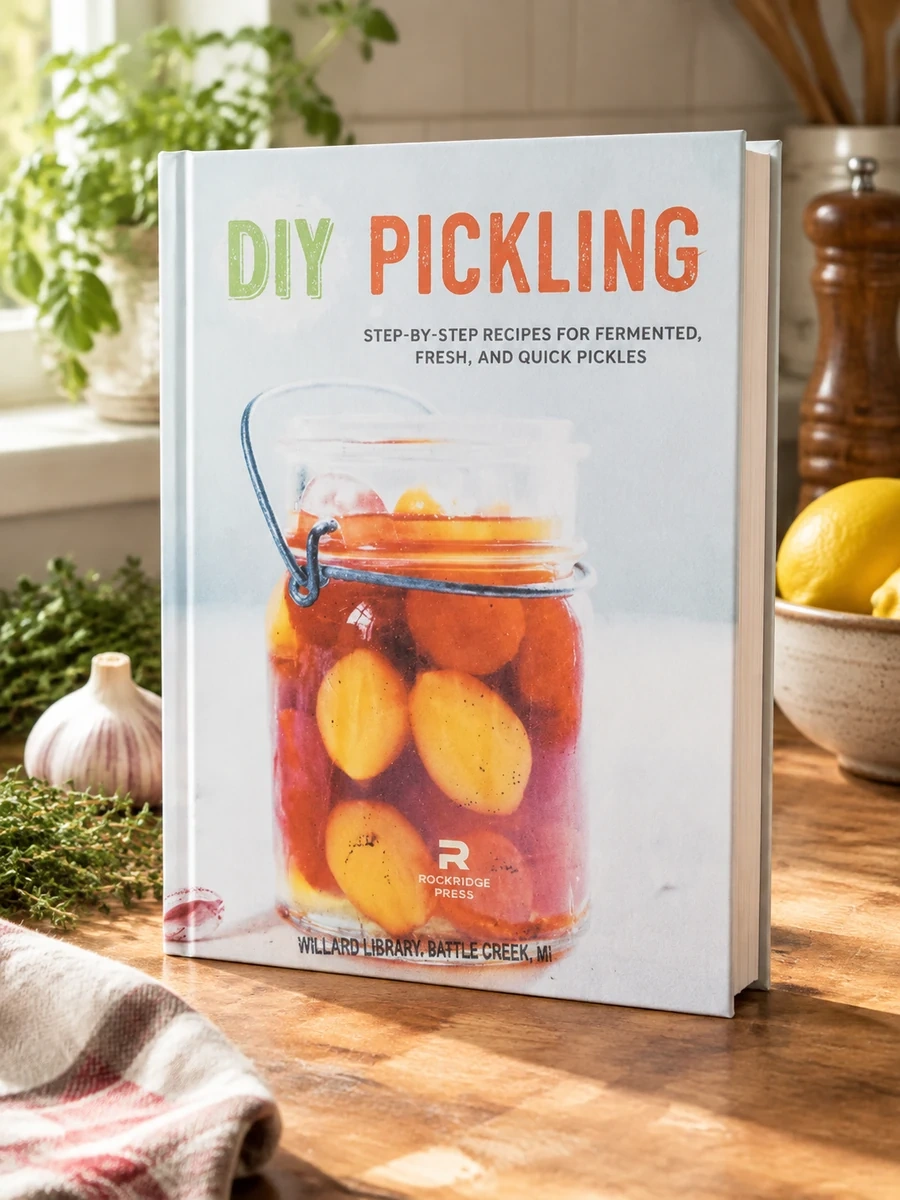
1. DIY Pickling: Step-By-Step Recipes for Fermented, Fresh, and Quick Pickles — Rockridge Press
This is a sensible starting point for anyone who wants to understand that pickling is not a single technique. Its title explicitly brings together fermented, fresh, and quick pickles, making it relevant to cooks who want to compare approaches instead of committing to one style immediately. The step-by-step positioning also makes it an appealing choice for someone who appreciates clear guidance and wants to build confidence through manageable kitchen projects.
It is particularly suitable for a first preserving cookbook or a modest holiday gift for a curious home cook. If the recipient has never made pickles before, a book that introduces several approaches can provide more room for experimentation than one focused exclusively on a single recipe tradition.
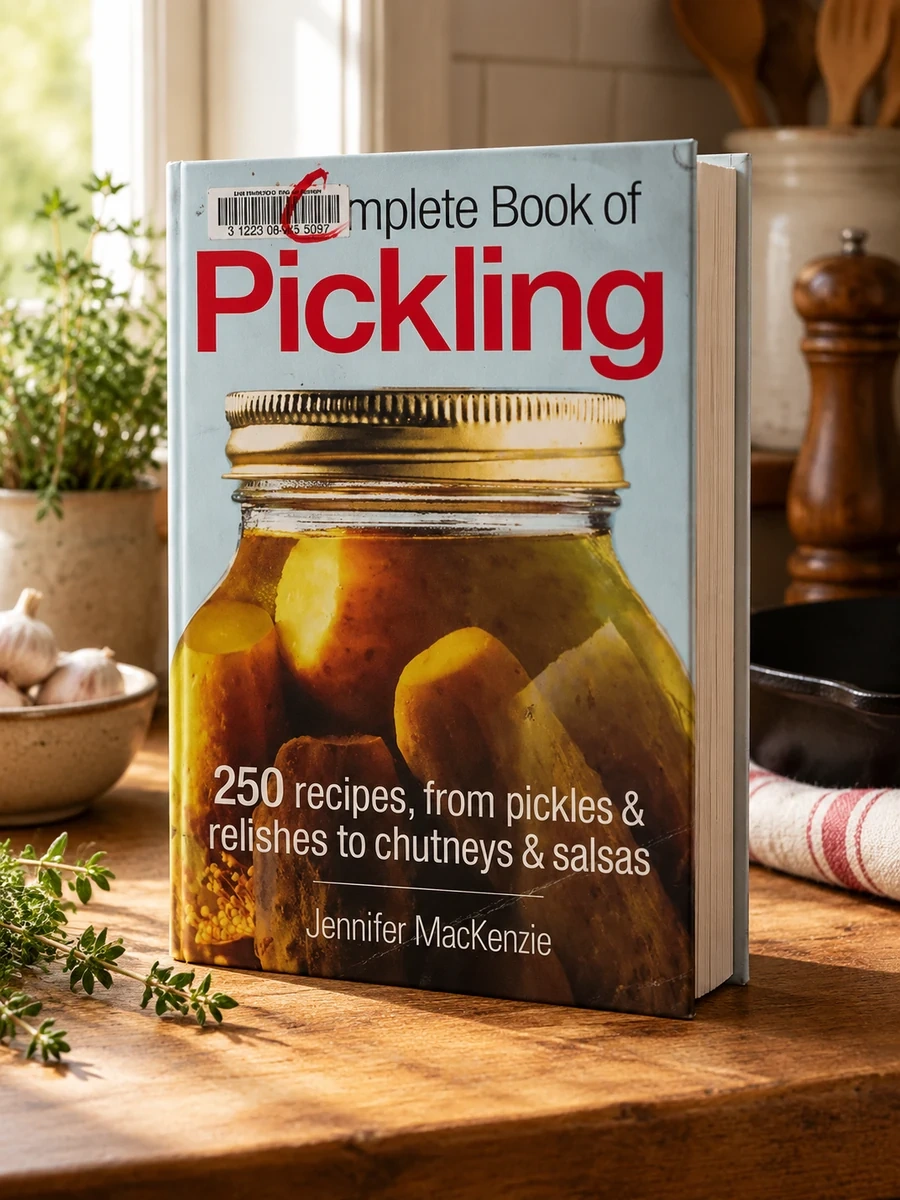
2. The Complete Book of Pickling: 250 Recipes for Pickling, Fermentation and More — Jennifer MacKenzie
Readers who want a substantial collection of ideas should consider this 250-recipe guide. Its combination of pickling and fermentation makes it useful for cooks interested in exploring the relationship between different preservation techniques, while the broad recipe count offers plenty of potential projects beyond a single batch of cucumbers.
This is a good choice for someone who already enjoys cooking from recipes and wants to make pickling a regular kitchen activity. Rather than treating preserving as an occasional autumn ritual, it encourages the idea of keeping several techniques in rotation throughout the year. It also makes a practical gift for a home cook who likes having a dedicated reference on the shelf.
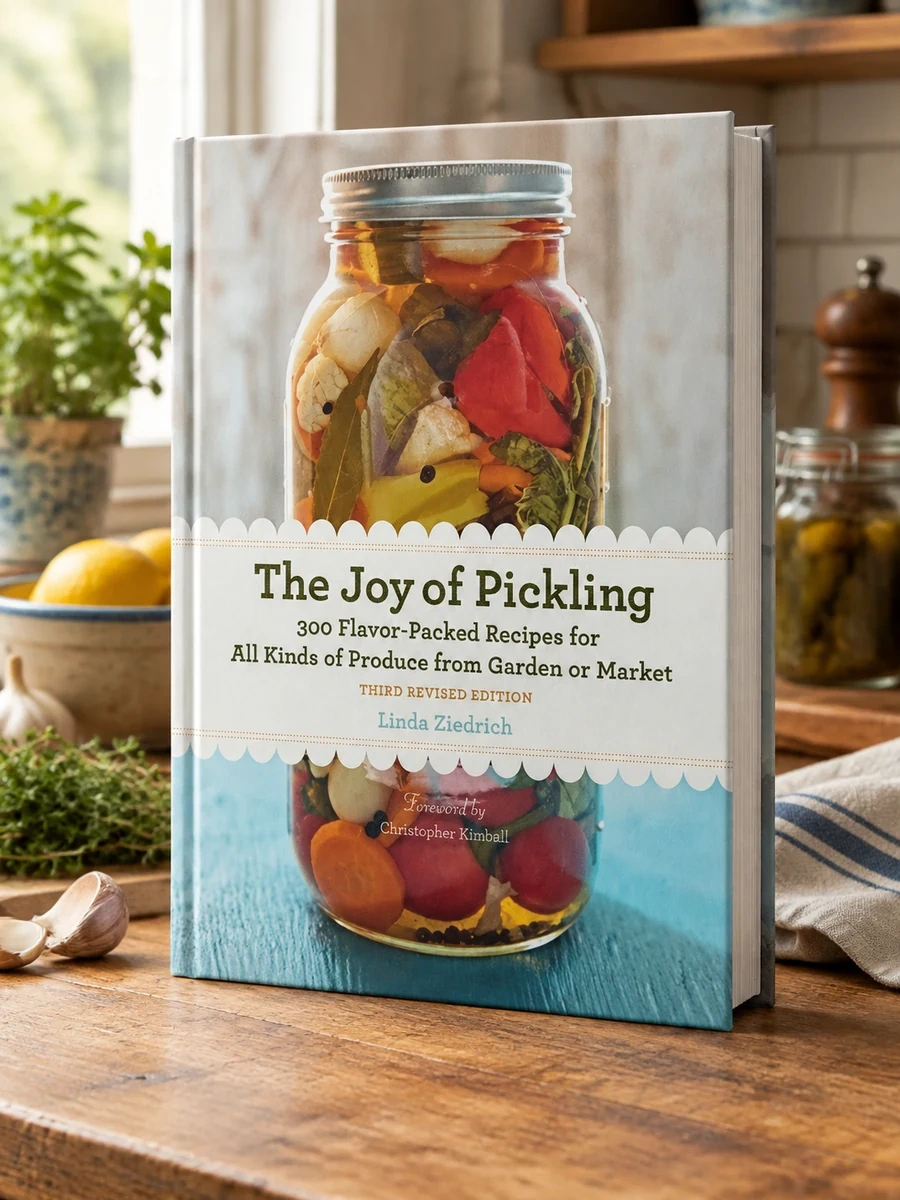
3. The Joy of Pickling, 3rd Edition: 300 Flavor-Packed Recipes for All Kinds of Produce from Garden or Market — Linda Ziedrich
For readers who find inspiration in variety, Linda Ziedrich's book is an attractive option. Its 300 recipes and emphasis on produce from both the garden and the market suggest a particularly flexible approach to seasonal pickling. That matters in autumn, when the best ingredient for a preserving project may be whatever looks especially good at a local market rather than a vegetable you planned to grow months earlier.
The broad produce focus makes this a strong choice for enthusiastic home cooks who want to keep experimenting. It is also a useful book for gardeners who regularly find themselves with more vegetables than they can comfortably eat fresh. If the goal is to make pickling an enjoyable recurring habit, this is one of the most relevant titles in the selection.
Build a versatile winter pantry with comprehensive preserving guides
Pickles are only part of the preserving picture. A well-stocked pantry might include canned fruit, preserved vegetables, dried ingredients, frozen produce, and homemade accompaniments for winter meals. These broader books are especially useful when the autumn harvest is substantial or when you want one reference to cover several ways of extending the life of seasonal food.
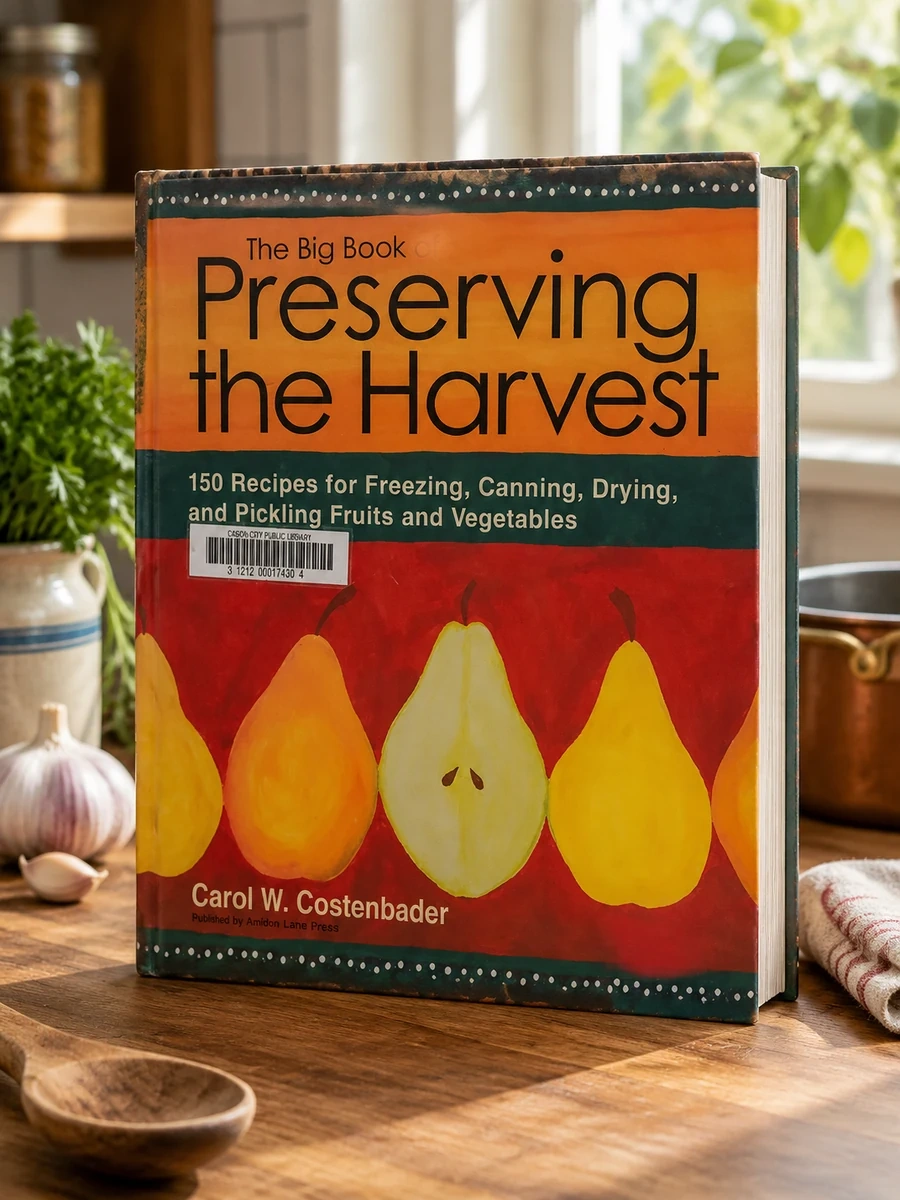
4. The Big Book of Preserving the Harvest: 150 Recipes for Freezing, Canning, Drying, and Pickling Fruits and Vegetables — Carol W. Costenbader
Not every ingredient needs to become a pickle, and this book takes a broader approach to making a harvest last. Its 150 recipes cover freezing, canning, drying, and pickling, with both fruits and vegetables included. That range makes it particularly relevant for households that buy seasonal produce in quantity or grow their own food.
The advantage of a multi-method reference is that it encourages cooks to choose a preservation technique according to the ingredient and intended use. Some produce may be more convenient to freeze, while other ingredients lend themselves to drying, pickling, or canning. For readers who want a single book to support a variety of autumn projects, this is a strong all-round option.
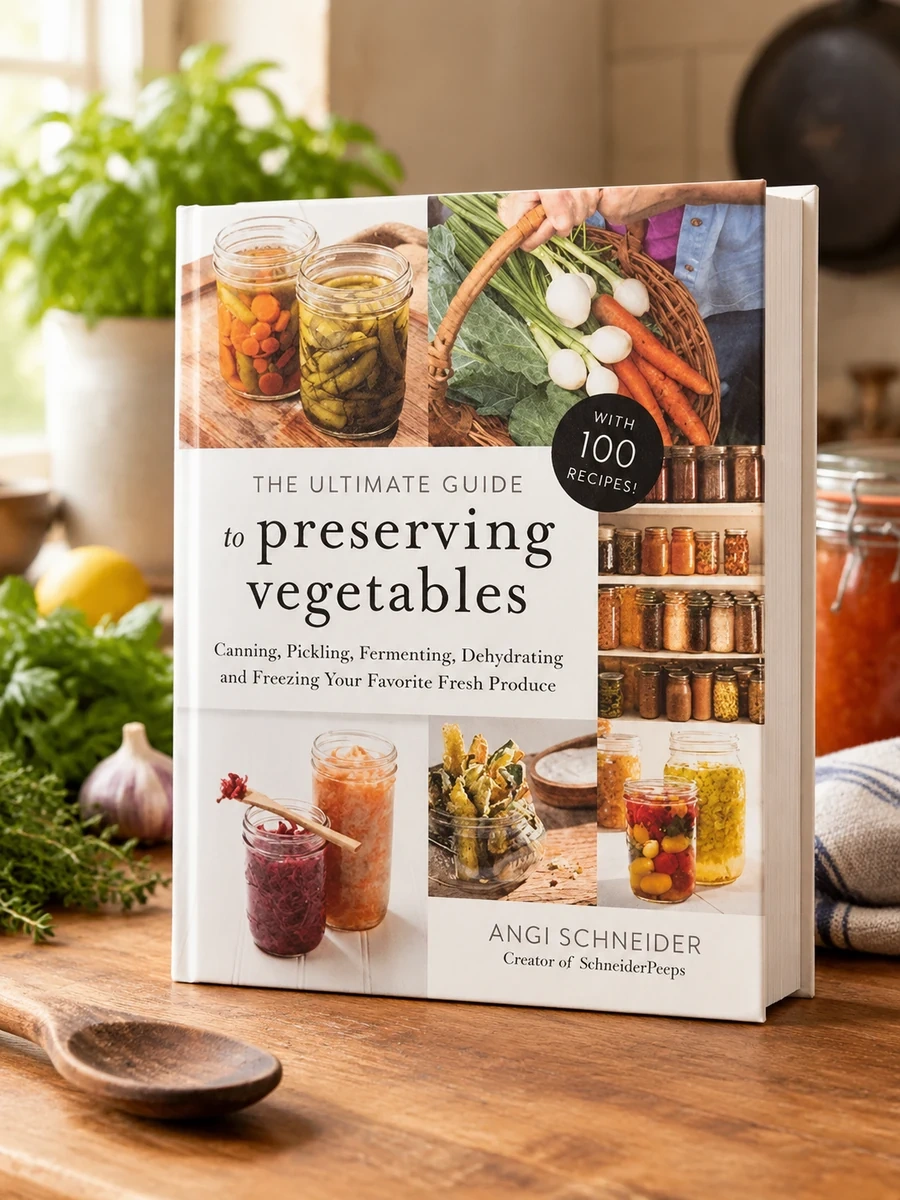
5. The Ultimate Guide to Preserving Vegetables: Canning, Pickling, Fermenting, Dehydrating and Freezing Your Favorite Fresh Produce — Angi Schneider
Vegetable preservation is the central subject here, and the variety of techniques is its main strength. Canning, pickling, fermenting, dehydrating, and freezing are all represented, giving readers several ways to approach a basket of seasonal vegetables. This is especially useful when planning an autumn pantry, because a large harvest rarely consists of just one ingredient or one type of produce.
Its emphasis on preserving vegetables also makes it a particularly suitable choice for gardeners and cooks interested in reducing food waste. Someone who wants to become more self-sufficient can use a broad reference like this to think beyond individual recipes and consider how different preservation methods fit into everyday cooking. It is a sensible option for beginners and intermediate home preservers who want practical guidance across multiple techniques.
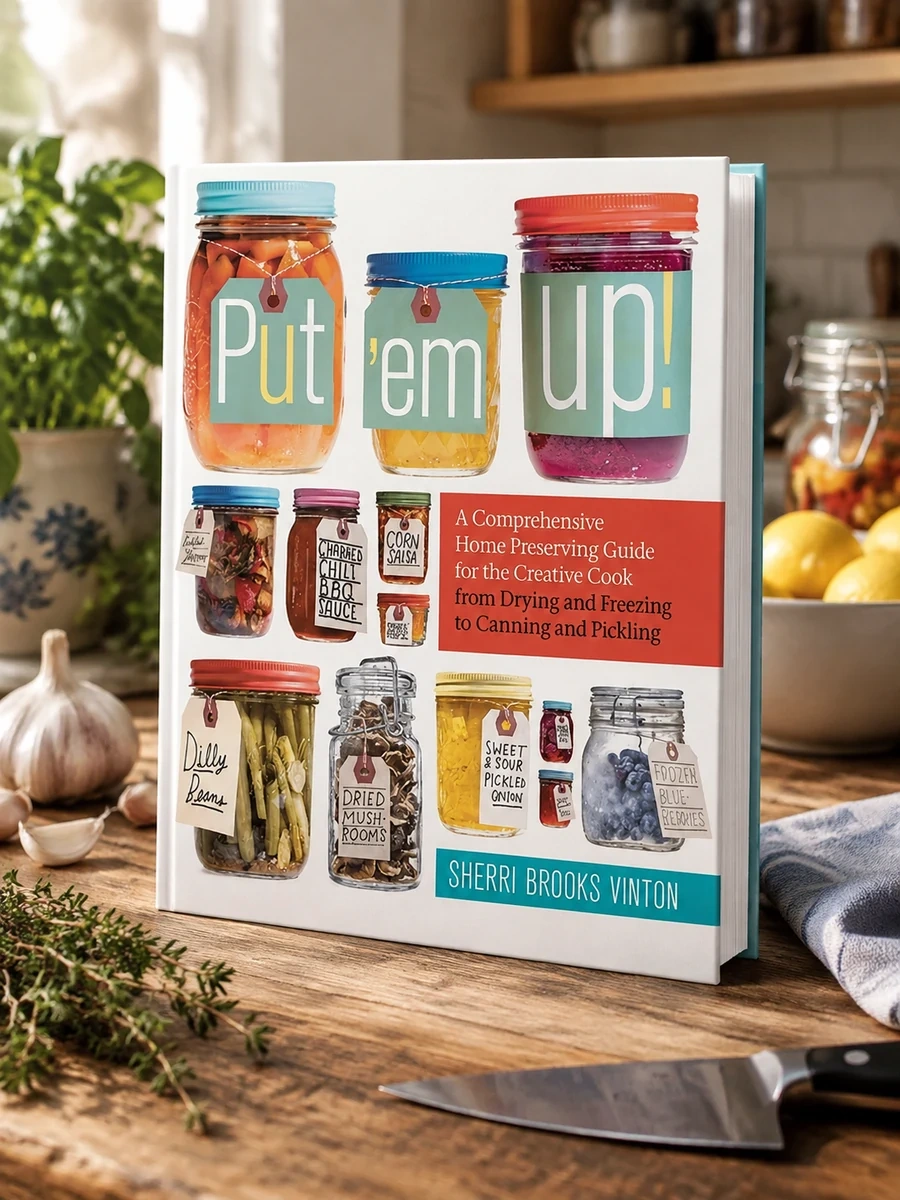
6. Put 'em Up!: A Comprehensive Home Preserving Guide for the Creative Cook, from Drying and Freezing to Canning and Pickling — Sherri Brooks Vinton
This guide is aimed at cooks who like the idea of preserving but do not want to be limited to traditional canning projects. Its scope includes drying, freezing, canning, and pickling, making it a useful introduction to the many ways ingredients can be stored for later use. The creative-cook positioning is appealing because preserving can be as much about making the most of an interesting ingredient as it is about following a familiar family recipe.
Consider this book if you want flexibility in your seasonal kitchen routine. It suits someone who might preserve tomatoes one weekend, dry another ingredient, and prepare pickled vegetables when a market purchase is particularly good. As an everyday reference, it helps frame preservation as a collection of useful cooking skills rather than one complicated annual event.
Explore fermentation, traditional methods, and distinctive food cultures
Once the basic methods are familiar, preserving becomes an opportunity to explore the food traditions behind them. Fermentation, salting, and pickling have long histories in different culinary cultures, and their results can be quite different from the familiar sweet-and-sour refrigerator pickle. These books offer more specialized perspectives for readers who want to broaden their knowledge and make more ambitious pantry projects.
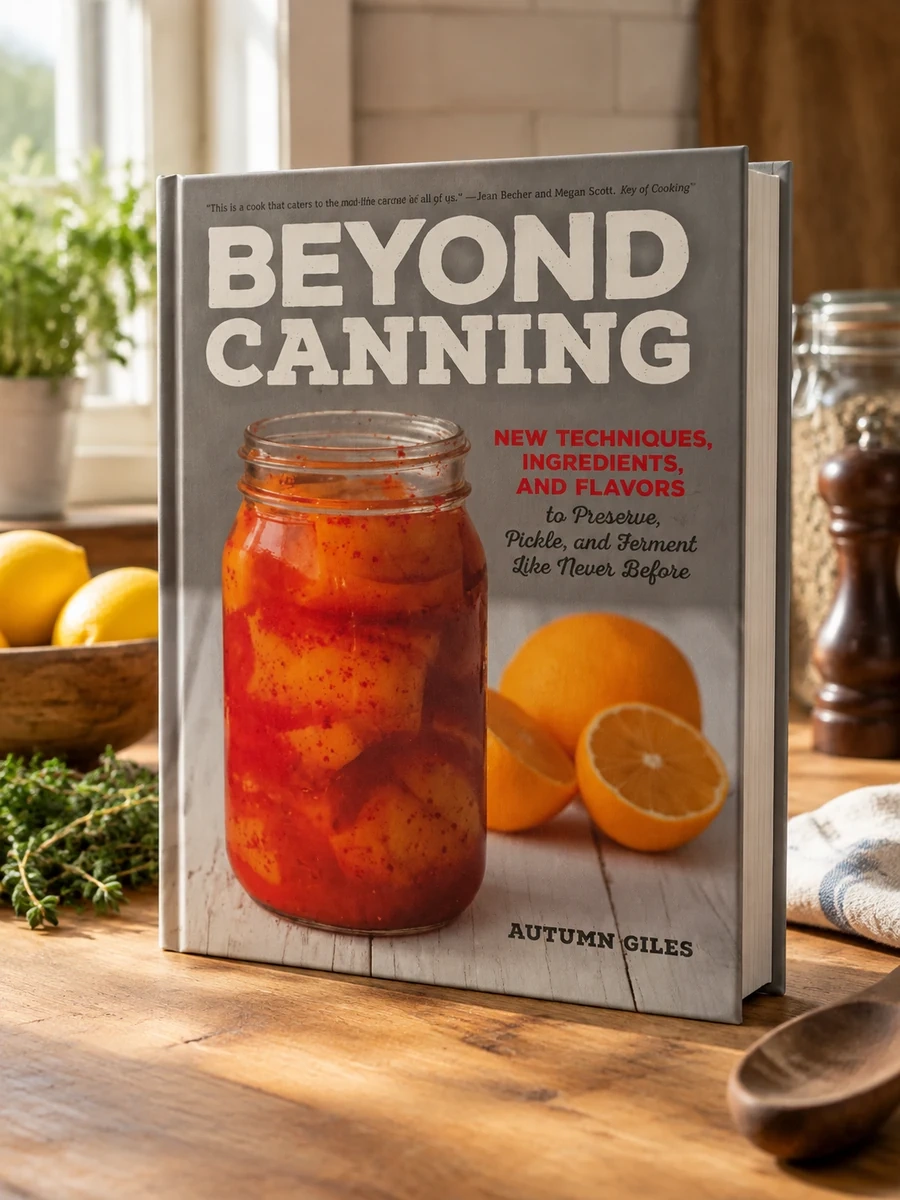
7. Beyond Canning: New Techniques, Ingredients, and Flavors to Preserve, Pickle, and Ferment Like Never Before — Autumn Giles
The appeal of this book is right there in its title: it looks beyond conventional canning and considers different techniques, ingredients, and flavors. Pickling and fermentation sit alongside preservation as part of a wider approach to working with food. That makes it an interesting choice for readers who have already tried a few familiar recipes and are ready to explore a more varied approach.
It is particularly well suited to adventurous cooks who enjoy experimenting with ingredients and want their preserving projects to feel creative rather than repetitive. It also makes a thoughtful gift for someone who already owns a basic canning guide and would appreciate a fresh perspective on what can be preserved and how.
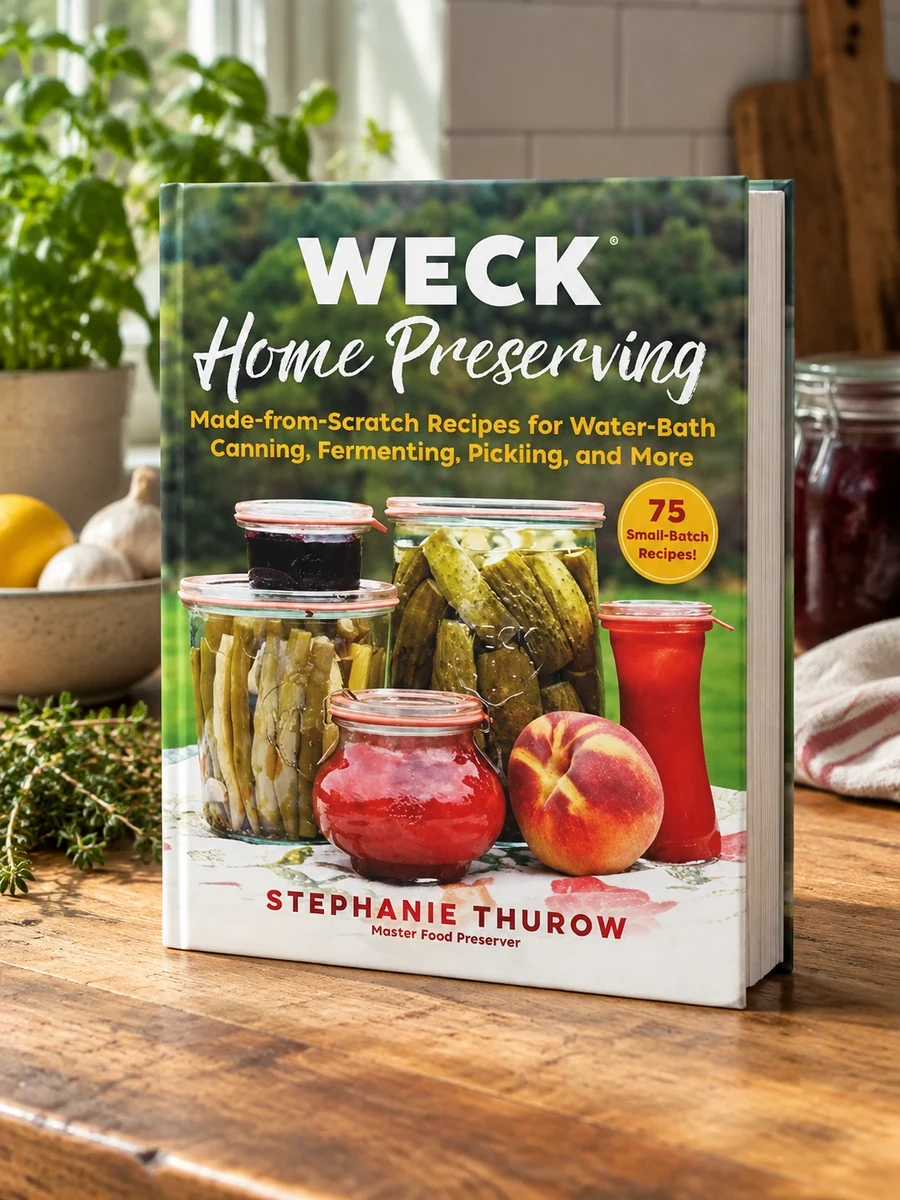
8. Weck Home Preserving: Made-From-Scratch Recipes for Water-Bath Canning, Fermenting, Pickling, and More — Stephanie Thurow
This book brings several important home-preserving methods together, including water-bath canning, fermenting, and pickling. That combination makes it useful for cooks who want to develop a more organized approach to building a pantry of homemade foods. Its made-from-scratch emphasis is particularly appealing for readers who enjoy preparing ingredients themselves rather than relying on packaged alternatives.
It is a good middle-ground recommendation: broad enough to support different preserving interests, but focused enough to remain relevant to someone whose main goal is to make food last. For an autumn and winter kitchen, it offers a natural starting point for thinking about jars, seasonal ingredients, and projects that can be planned ahead. It is also an attractive gift for someone interested in traditional home-preserving practices.
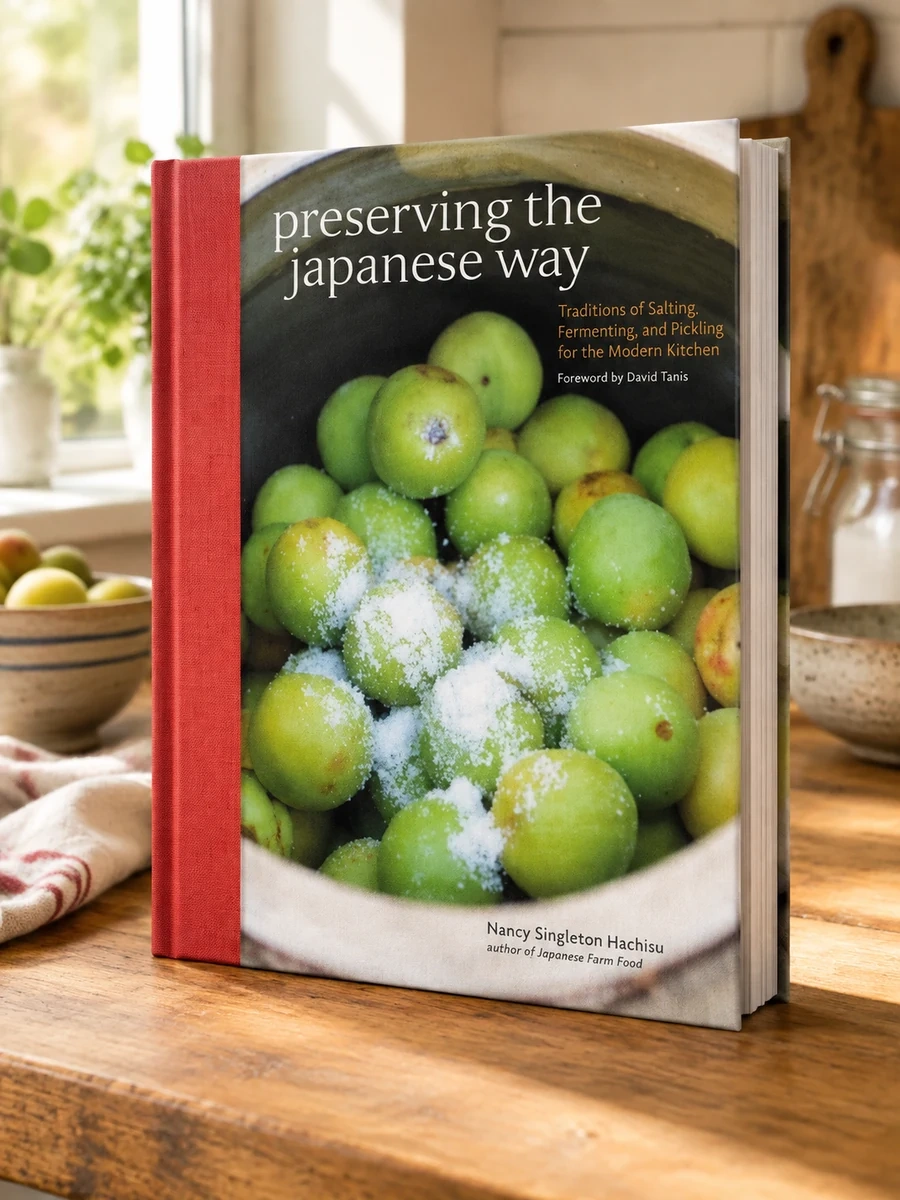
9. Preserving the Japanese Way: Traditions of Salting, Fermenting, and Pickling for the Modern Kitchen — Nancy Singleton Hachisu
Preserving does not look the same in every food culture, and Nancy Singleton Hachisu's book offers a focused introduction to Japanese traditions of salting, fermenting, and pickling. That cultural perspective makes it a particularly valuable addition to a collection dominated by general home-preserving guides. Rather than approaching the subject only as a way to store excess produce, it introduces readers to preservation as an established part of culinary practice.
This is an excellent choice for experienced home cooks and anyone interested in Japanese food traditions. It can also be a thoughtful gift for a cook who already knows the basics of pickling and wants to explore methods and flavors beyond familiar American pantry staples. Its more focused subject makes it especially rewarding for readers who appreciate learning the culinary context behind a technique.
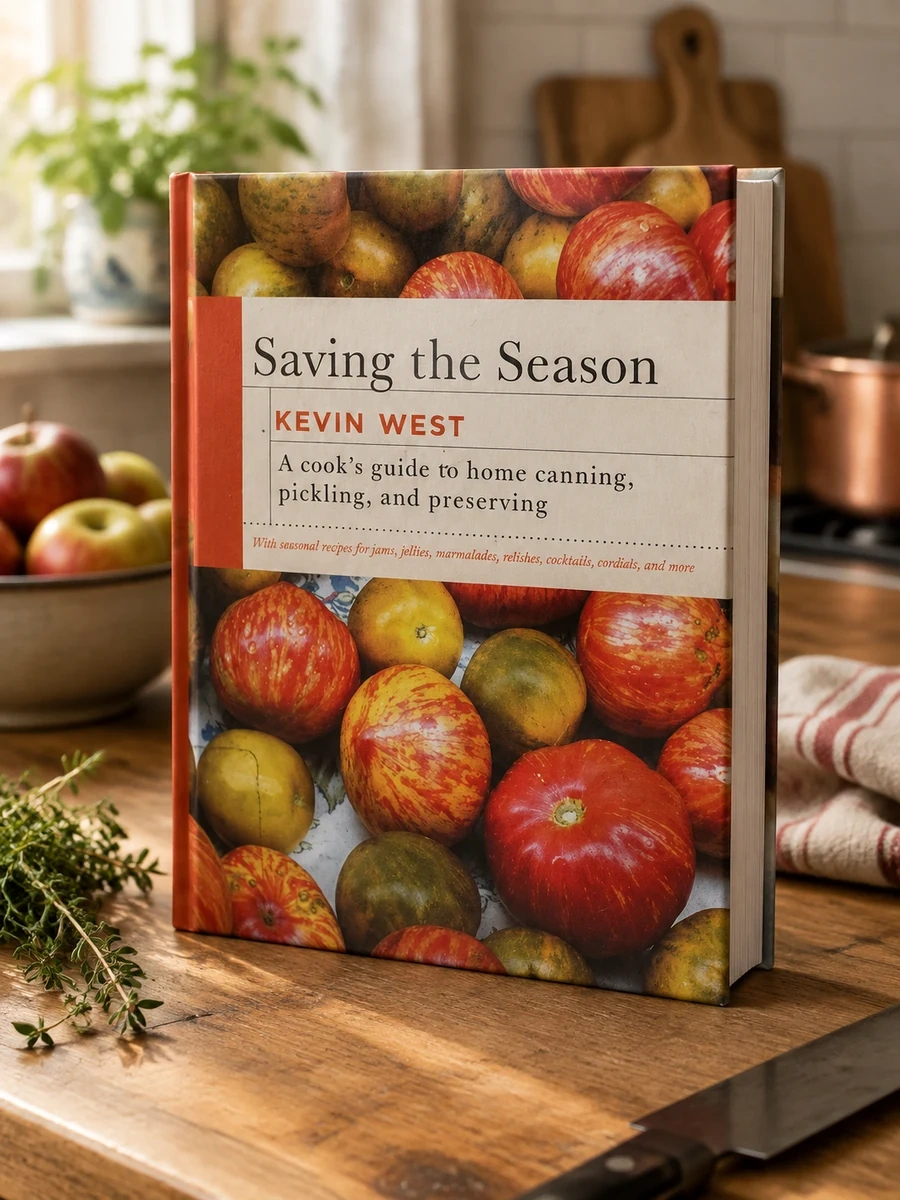
10. Saving the Season: A Cook's Guide to Home Canning, Pickling, and Preserving: A Cookbook — Kevin West
Kevin West's book brings the seasonal dimension of preserving into the foreground. Its focus on home canning, pickling, and preserving makes it particularly appropriate for readers who want to turn the best ingredients of one season into something they can enjoy in another. That connection between the market, the kitchen, and the pantry is exactly what makes autumn such a satisfying time to begin preserving.
This is a strong option for cooks who want their preserving activities to be part of a larger seasonal cooking practice. It is also a particularly suitable holiday gift for someone who enjoys making food from scratch and appreciates the traditional pleasures of putting seasonal ingredients away. Among these recommendations, it is one of the most natural choices for a reader who wants preserving to become a regular part of the year.
How to choose the right pickling and preserving cookbook
The best book depends on what you want to preserve, how much experience you have, and how much time you want to spend on each project. Before choosing, consider these practical differences.
- For complete beginners: Start with DIY Pickling if your main interest is learning the differences between quick, fresh, and fermented pickles. Its focused subject makes it an approachable entry into preserving.
- For people who want to explore several methods: Choose The Big Book of Preserving the Harvest or Put 'em Up!. Both cover several ways to preserve produce, making them useful beyond pickle season.
- For vegetable gardeners: The Ultimate Guide to Preserving Vegetables is a particularly relevant choice because it focuses on vegetables and offers several preservation methods.
- For dedicated pickle enthusiasts: Look at The Joy of Pickling or The Complete Book of Pickling for substantial recipe collections and a more focused interest in pickling.
- For fermentation enthusiasts: Beyond Canning and Preserving the Japanese Way offer appealing directions for exploring preservation beyond familiar canning projects.
- For a seasonal holiday gift: Saving the Season is a natural match for someone who enjoys cooking with seasonal ingredients and making homemade pantry staples.
One consideration matters more than the number of recipes in a book: preservation safety. Pickling, fermentation, and canning are not interchangeable processes, and a recipe suitable for one method should not automatically be adapted to another. When making shelf-stable foods, follow tested recipes and current food-safety guidance, including appropriate acidity, processing times, and equipment instructions. Refrigerator pickles should be treated as refrigerated foods, not assumed to be shelf-stable preserves. For beginners, clear instructions and reliable safety information are more valuable than an unusually adventurous recipe collection.
It is also worth thinking about your available storage space. A household with a large freezer might prefer a broad preservation guide, while someone with limited room may get more immediate value from small-batch pickling and fermentation. Gardeners will benefit from books that cover different vegetables, whereas cooks who shop at farmers' markets may appreciate seasonal flexibility and recipes that encourage experimentation.
Ultimately, the best pickling and preserving cookbook is the one that matches the way you cook. A beginner may want to start with a jar of quick pickles, while a more experienced home preserver might spend autumn fermenting vegetables, canning fruit, and preparing ingredients for winter meals. Choose a book that makes those projects understandable, enjoyable, and safe, and your winter pantry can become a rewarding extension of the seasonal kitchen.