There is something deeply satisfying about lining up jars of homemade tomato sauce, strawberry jam, pickled cucumbers, or preserved peaches after a productive afternoon in the kitchen. Canning turns seasonal abundance into something you can enjoy months later, but getting started involves more than buying jars and filling them with whatever looks good at the farmers market. You need dependable instructions, appropriate equipment, tested recipes, and a clear understanding of food safety.
That is where a good canning book earns its place on the kitchen shelf. The best guides explain the methods behind the recipes, help home cooks understand which foods require particular processing techniques, and make it easier to plan preservation projects around the seasons. Some concentrate on beginner-friendly water-bath canning, while others introduce pressure canning for low-acid vegetables, meats, and complete meals. There are also books that take a broader approach, covering pickling, drying, freezing, and other traditional ways to preserve food.
Our selection brings together nine books for different levels of experience and different kinds of preserving projects. Whether you are learning to make your first batch of jam, working through a garden's worth of tomatoes, or looking for a thoughtful holiday gift for a keen gardener, these are useful starting points for building a more capable home-preserving library.
Best Canning Books for Beginners and Essential Food Safety
For a first-time canner, clarity matters more than an enormous recipe collection. Look for a book that introduces equipment, explains the difference between processing methods, and helps you understand why following reliable instructions matters. These first three selections provide different approaches to learning the fundamentals.
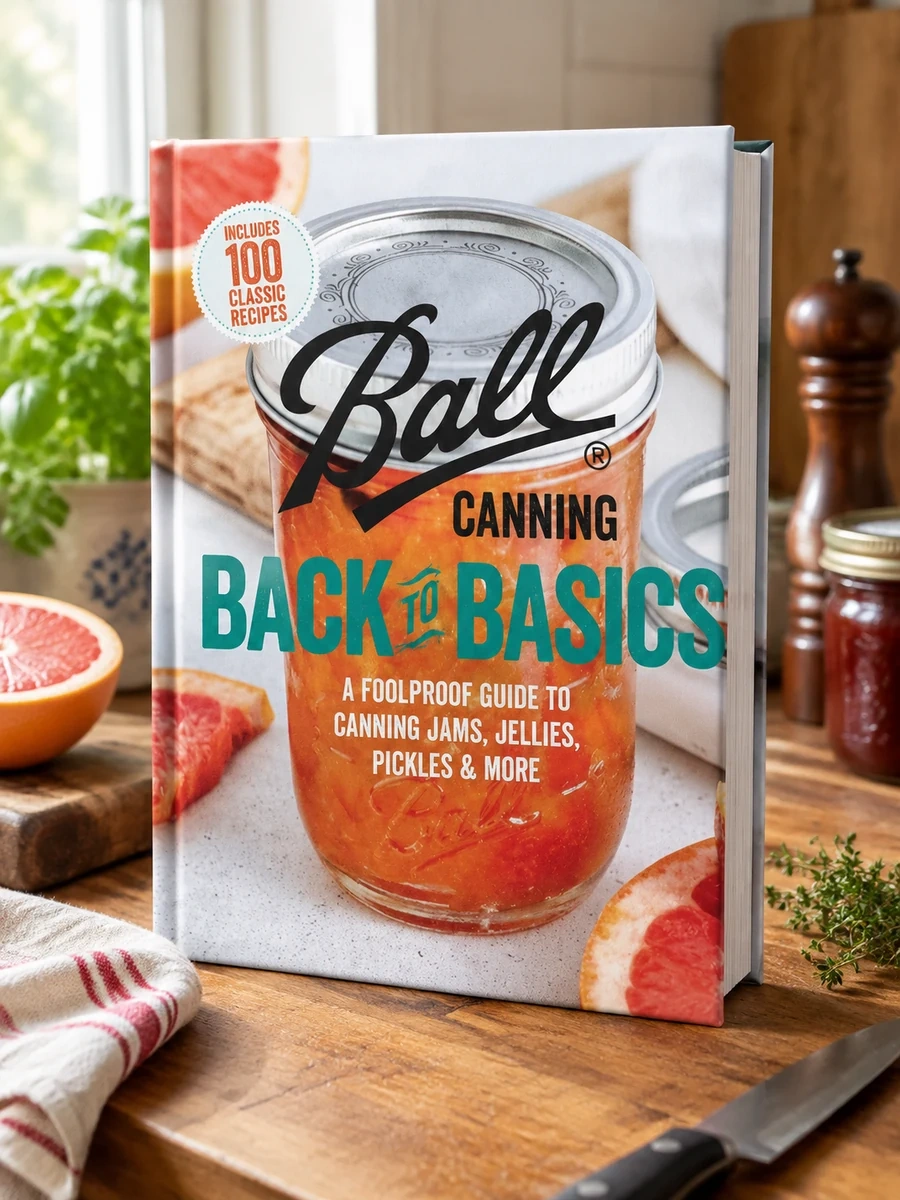
1. Ball Canning Back to Basics: A Foolproof Guide to Canning Jams, Jellies, Pickles, and More — Ball Home Canning Test Kitchen
For someone who has never processed a jar of food, this is a natural place to begin. Its emphasis on jams, jellies, pickles, and other familiar home-preserving projects gives beginners approachable ways to become comfortable with the equipment and basic workflow. The Ball name also makes this a particularly relevant choice for cooks who want a book centered on conventional home canning rather than a broad survey of unrelated kitchen techniques.
It is especially suitable for someone interested in water-bath canning and the satisfaction of making pantry staples from seasonal fruit and vegetables. Give it to a new homeowner, a first-time gardener, or a relative who has been talking about making homemade preserves. As with any canning reference, check the specific recipe instructions and edition against current food-safety recommendations before processing food.
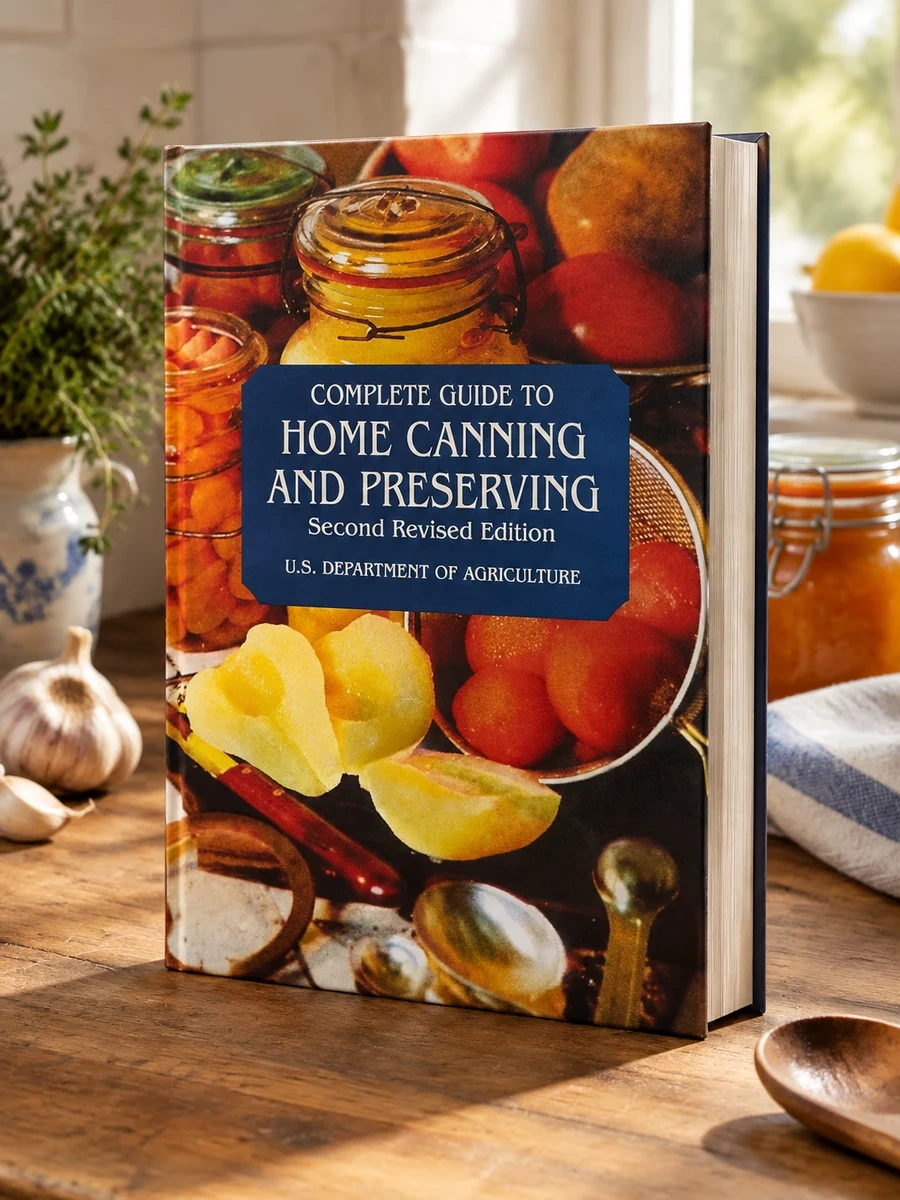
2. Complete Guide to Home Canning and Preserving (Revised) — U.S. Department of Agriculture
Food safety should be part of every home canner's education, not something considered after the jars have been filled. This revised government reference is an important addition to a preservation library because it comes from the USDA, an authoritative source of American home-canning guidance. It is a practical choice for readers who want a reference focused on the principles and procedures behind home canning rather than a cookbook built primarily around inspiration.
Keep this one close when learning about processing methods and deciding which preservation approach is appropriate for different foods. It is particularly useful for gardeners who want to preserve vegetables, fruit, and other harvests responsibly. Its straightforward reference-book character also makes it a sensible companion to more visually appealing, recipe-led canning cookbooks.
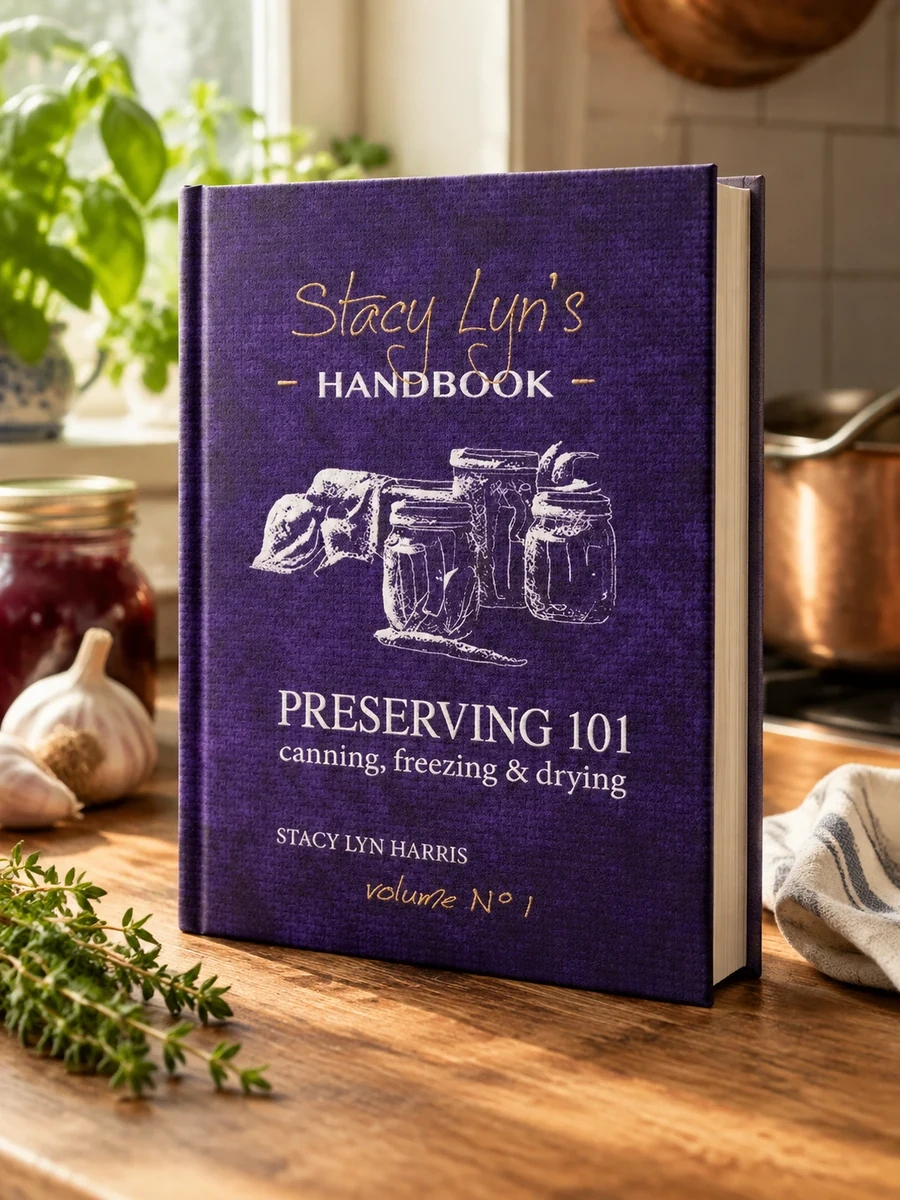
3. Preserving 101: Canning, Freezing & Drying — Stacy Lyn Harris
Not every successful preservation project needs to involve a boiling-water canner or a pressure canner. This guide takes a broader introductory approach, bringing canning together with freezing and drying. That wider perspective is valuable for beginners who have a garden or regular access to seasonal produce but are not yet sure which preservation method makes the most sense for each ingredient.
Its approachable scope makes it a good choice for someone building a home-preserving routine from scratch. A large tomato harvest, for example, might call for a different approach from a surplus of herbs or fruit. Readers who want to reduce waste and make better use of seasonal ingredients can use this broader outlook to think beyond jars alone. At under $20, it is also an accessible gift for someone exploring food preservation.
Best Books for Pressure Canning and Serious Pantry Stocking
Water-bath canning is useful for appropriately formulated high-acid foods, including many fruit preserves and pickled products. Low-acid foods such as plain vegetables, meat, poultry, and fish require pressure canning when they are being preserved as shelf-stable canned products. This is a particularly important distinction for anyone planning to stock a pantry with homemade soups, beans, vegetables, or meat.
Pressure canning involves specialized equipment and carefully controlled processing instructions. The following books are aimed at cooks who want to understand that method rather than simply expand a collection of jam recipes.
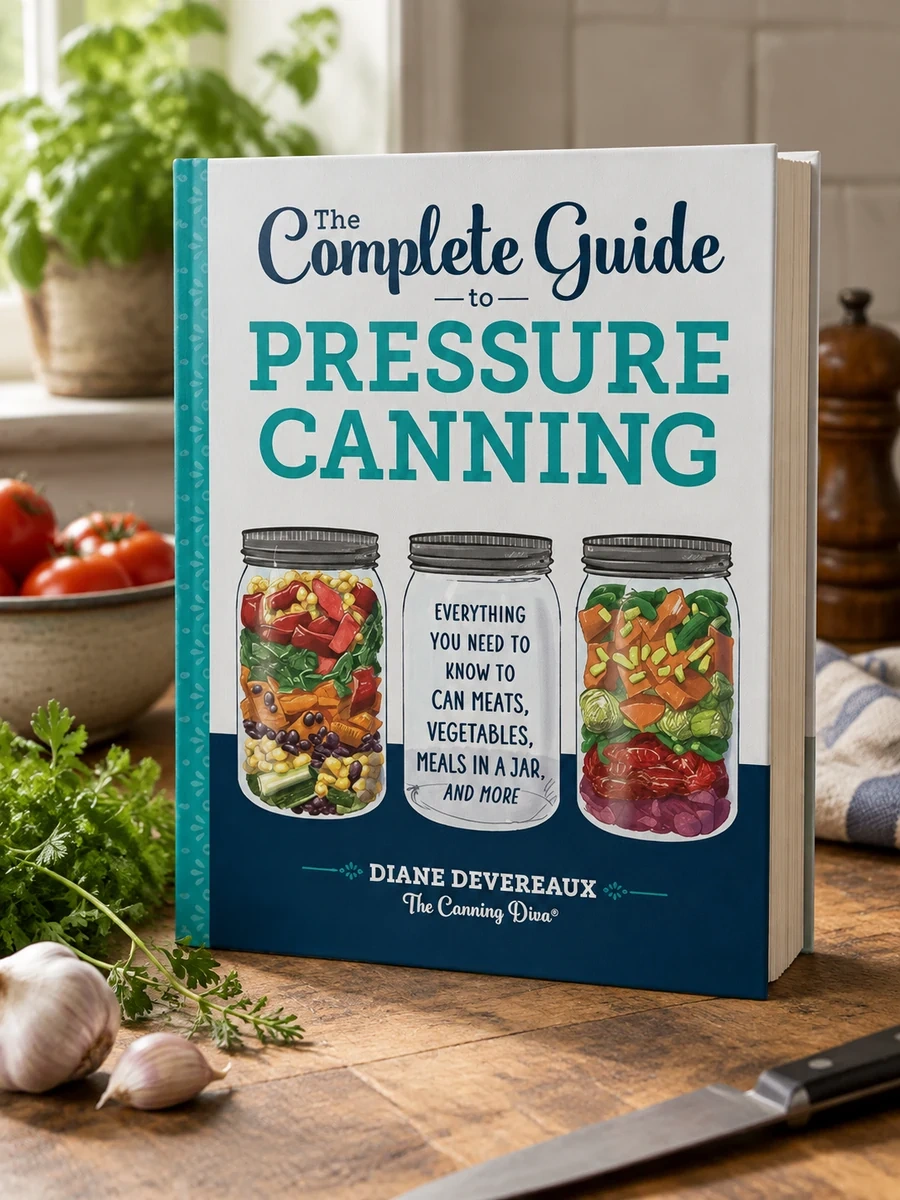
4. The Complete Guide to Pressure Canning: Everything You Need to Know to Can Meats, Vegetables, Meals in a Jar, and More — Diane Devereaux, The Canning Diva
This is a focused choice for readers whose ambitions extend beyond fruit preserves and pickles. The subject matter explicitly includes meats, vegetables, and meals in a jar, making it relevant to anyone interested in creating a more substantial shelf-stable pantry. Instead of treating pressure canning as a small section in a general cookbook, it puts the technique at the center of the learning experience.
It is particularly appropriate for experienced water-bath canners who want to understand the next stage of home preservation. Gardeners looking to preserve vegetables and home cooks interested in preparing convenient pantry meals will find its subject matter closely aligned with those goals. It is also a thoughtful gift for someone who already owns canning equipment and wants to broaden their skills.
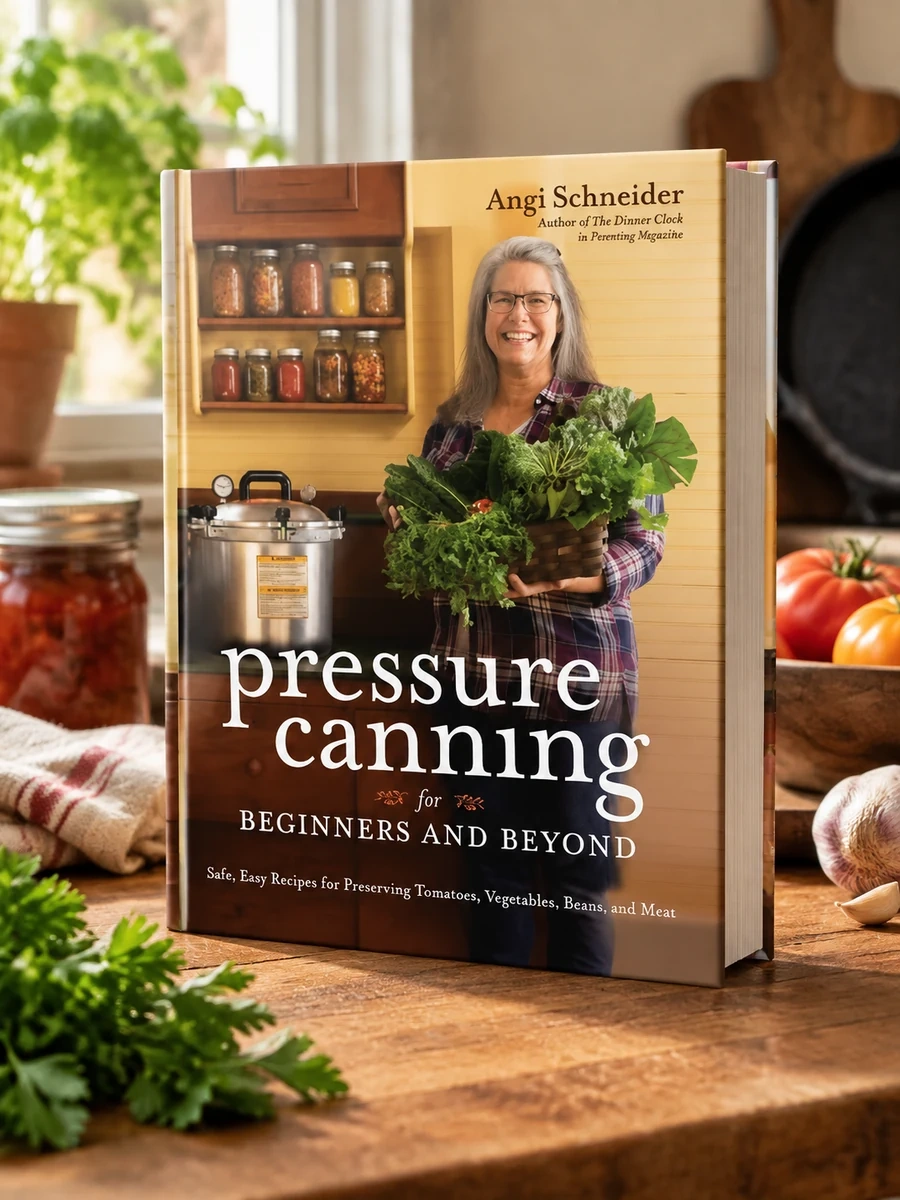
5. Pressure Canning for Beginners and Beyond: Safe, Easy Recipes for Preserving Tomatoes, Vegetables, Beans and Meat — Angi Schneider
Some cooks want to move into pressure canning but feel uncertain about the equipment and technical details. This book addresses that transition directly, with a subject range that includes vegetables, beans, and meat. Its beginner-and-beyond positioning makes it relevant to readers who want an introduction without choosing a reference that is limited to the simplest preservation projects.
The inclusion of different food categories also makes it a practical consideration for households interested in reducing food waste and keeping useful ingredients available throughout the year. It is a good candidate for someone who has become comfortable with basic preserving and is ready to learn a more specialized method. Remember that pressure-canning instructions must be followed precisely; never substitute ordinary cooking times or improvised processing methods for validated procedures.
Best Canning and Preserving Books for Seasonal Produce and Creative Cooking
Once the fundamentals are in place, preserving becomes an opportunity to explore flavor, regional food traditions, and the changing character of the harvest. A good summer preserving session might involve berries and stone fruit, while autumn brings apples, pears, pumpkins, and a different selection of vegetables. These books are particularly interesting for cooks who want more variety than a basic introduction can provide.
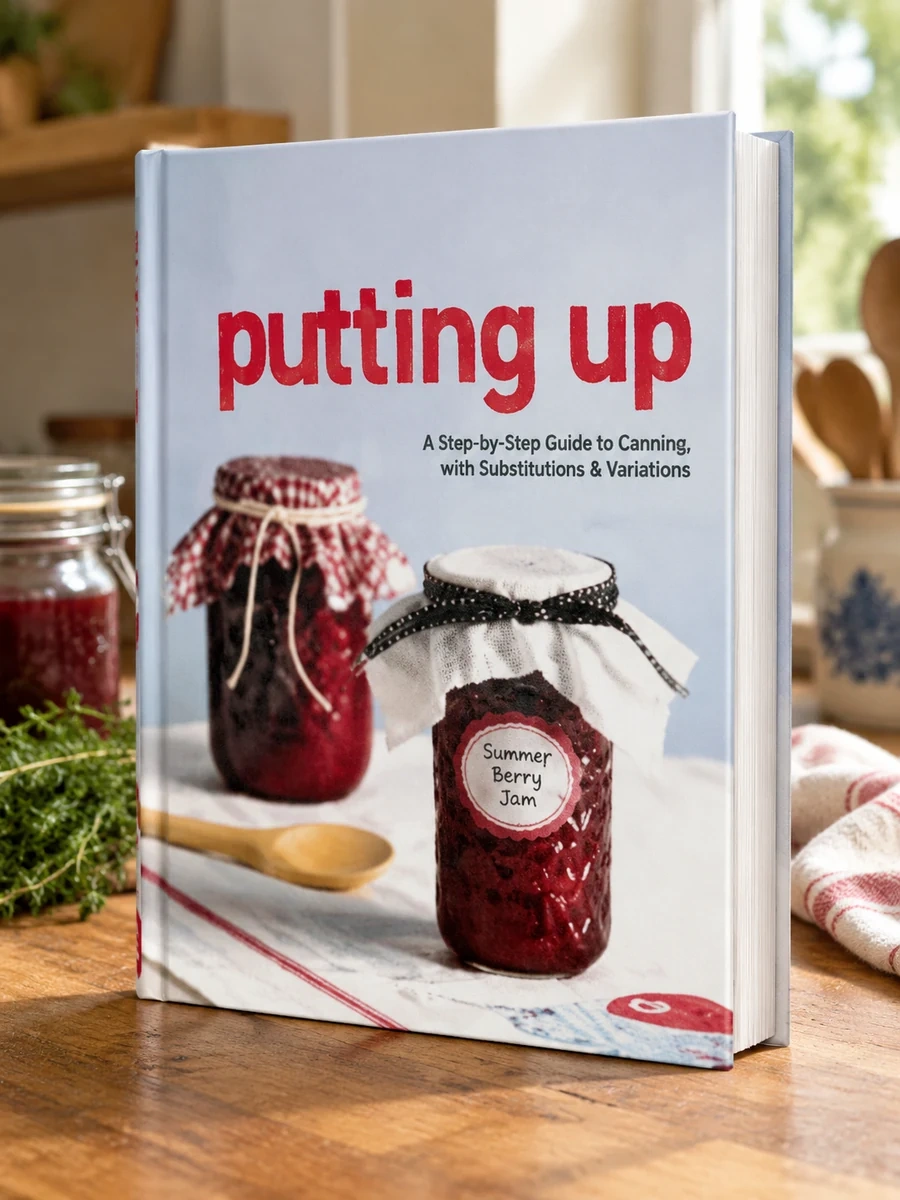
6. Putting Up: A Seasonal Guide to Canning in the Southern Tradition — Steve Dowdney
Seasonality is one of the pleasures of home preserving, and this book brings a distinct Southern perspective to the subject. Rather than treating canning as a collection of disconnected kitchen tasks, its seasonal approach connects preservation with the rhythm of produce availability. That makes it particularly appealing to readers who shop at farmers markets, grow their own vegetables, or enjoy cooking according to what is ready to harvest.
The Southern tradition also makes this an interesting choice for cooks who want their preserving projects to reflect regional food culture. It is a thoughtful gift for a gardener or enthusiastic home cook who enjoys turning summer and autumn produce into something worth opening in the colder months. Readers interested in seasonal food traditions will appreciate the direction of this collection.
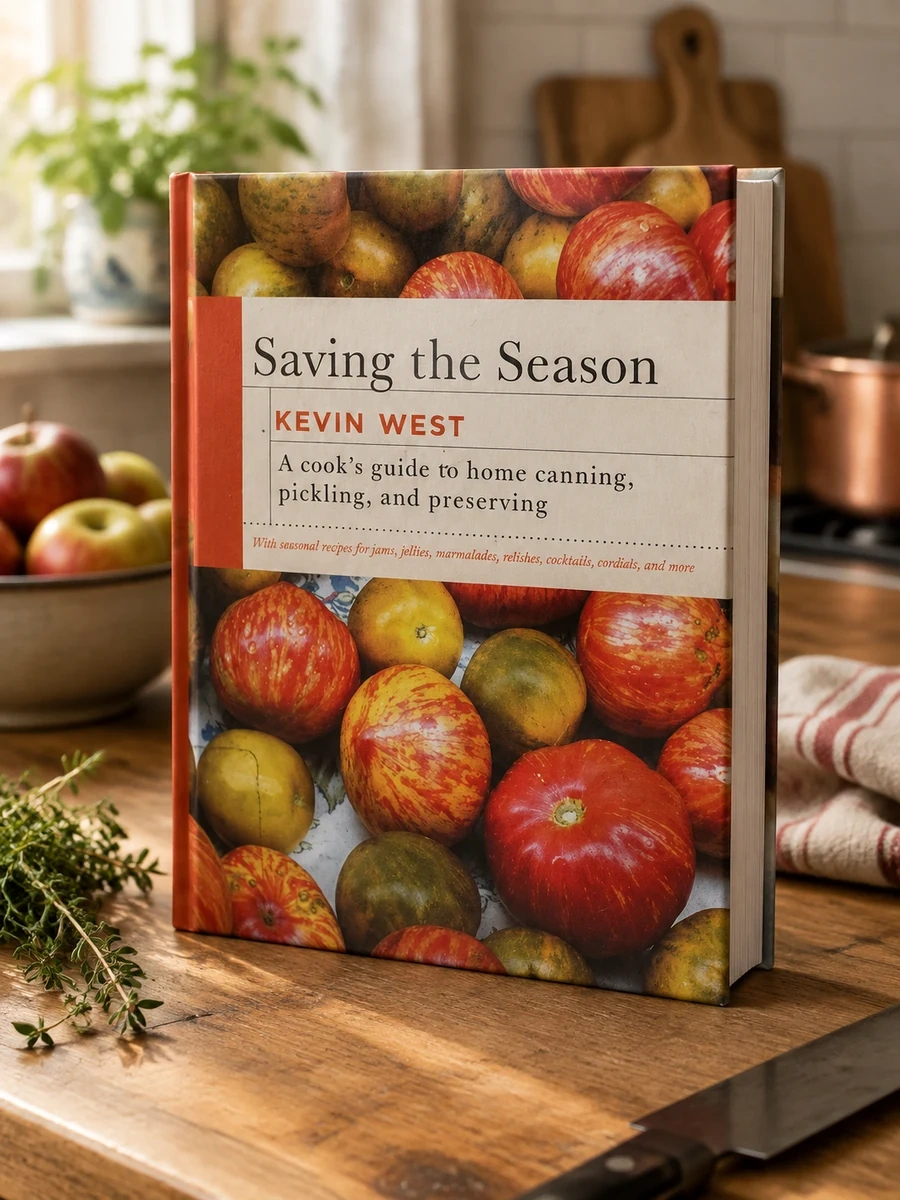
7. Saving the Season: A Cook's Guide to Home Canning, Pickling, and Preserving: A Cookbook — Kevin West
For a cook who sees preserving as an extension of creative cooking, Kevin West's book is an especially appealing option. Its scope brings together home canning, pickling, and preserving, placing the subject within the broader experience of cooking with seasonal ingredients. The cookbook framing makes it a strong candidate for readers who want to think about what preserved ingredients can contribute to everyday meals, not just how to fill a pantry.
This is a good choice for the confident home cook who enjoys experimenting with produce at its seasonal best and wants a book that treats preservation as part of a wider culinary practice. It also makes a more substantial holiday gift than a basic introductory manual, particularly for someone who already spends time at farmers markets or grows vegetables at home.
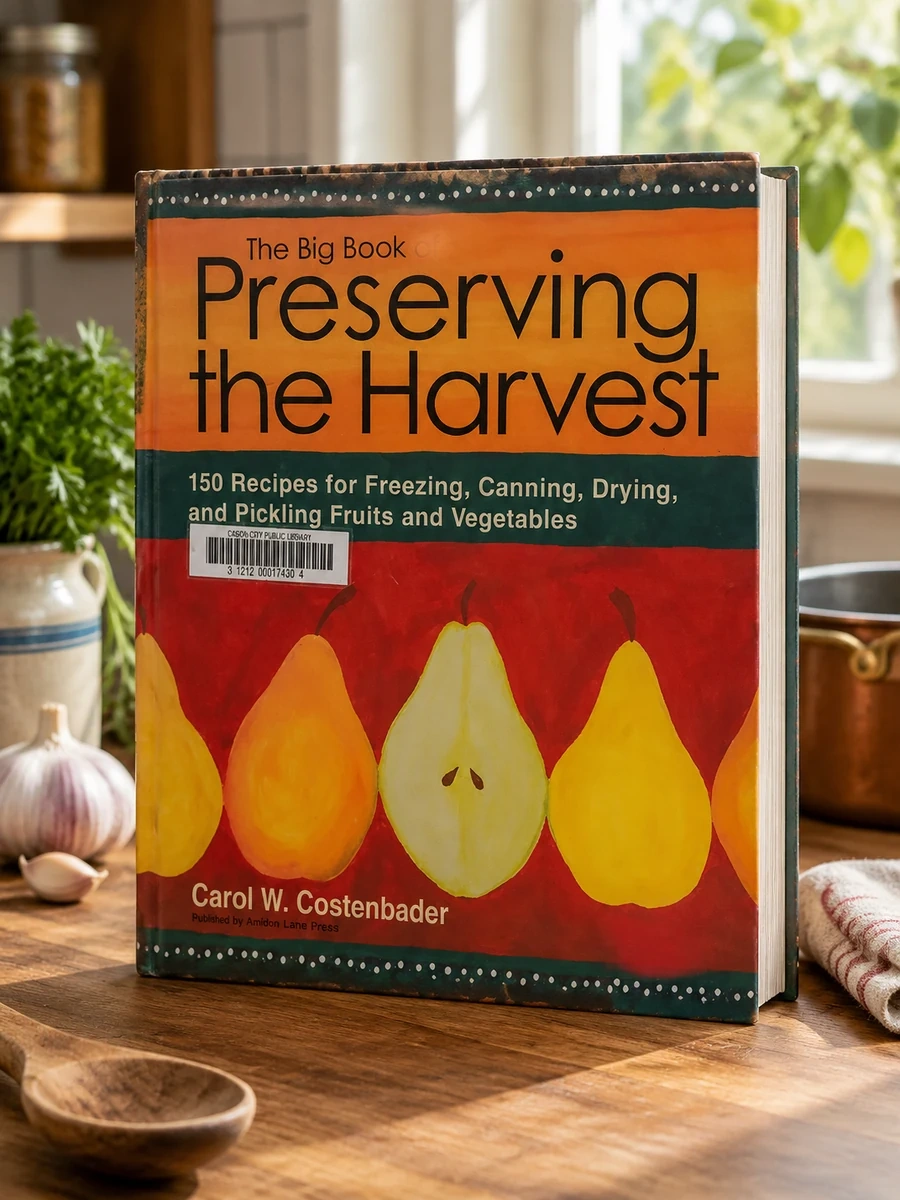
8. The Big Book of Preserving the Harvest: 150 Recipes for Freezing, Canning, Drying, and Pickling Fruits and Vegetables (Revised and Updated) — Carol W. Costenbader
A successful harvest can create several different preservation challenges at once. There may be more fruit than the household can eat fresh, more vegetables than the refrigerator can hold, and a desire to save some ingredients for winter cooking. This book takes a comprehensive approach, bringing together 150 recipes across freezing, canning, drying, and pickling.
That range is its principal appeal. It gives home cooks a wider framework for deciding how to preserve different fruits and vegetables instead of assuming every ingredient belongs in a jar. The revised and updated edition is worth considering for gardeners who regularly have substantial seasonal surpluses and want a single book covering several preservation approaches. It is also a practical gift for someone who enjoys self-sufficiency and making the most of a homegrown harvest.
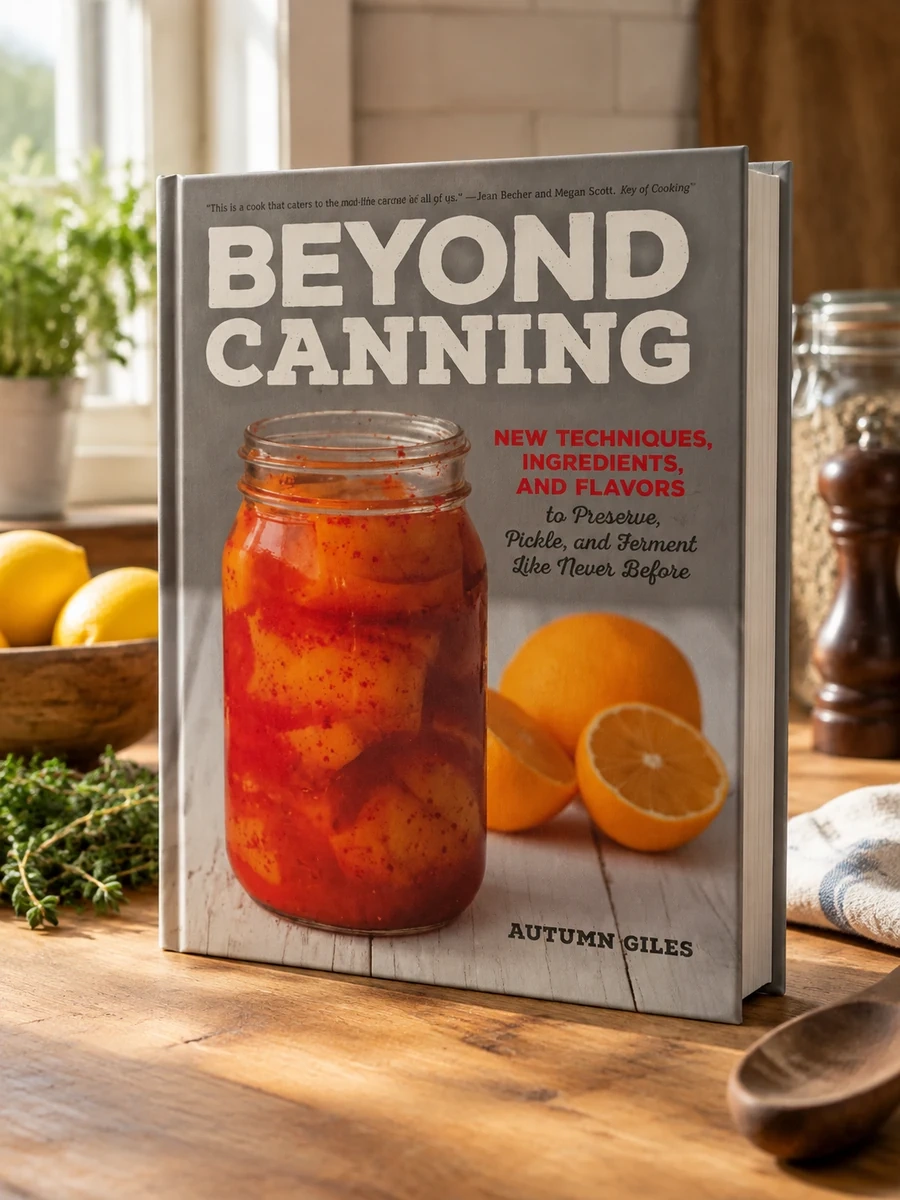
9. Beyond Canning: New Techniques, Ingredients, and Flavors to Preserve, Pickle, and Ferment Like Never Before — Autumn Giles
Traditional canning is only one part of the larger world of food preservation. For cooks who already understand the basics and want to explore different ingredients and flavors, this book offers a broader and more adventurous perspective. Its focus on preservation, pickling, and fermentation makes it a natural choice for readers interested in expanding their kitchen repertoire.
It is particularly suitable for an experienced home cook who enjoys trying different approaches rather than repeating the same batches of jam and pickles every year. The emphasis on new techniques and ingredients also gives it a distinctive place alongside more conventional canning references. Consider it for someone who has already developed a pantry of homemade preserves and is ready to explore further ways of working with seasonal food.
How to Choose the Right Canning Book
The best book depends on what you want to preserve, how much experience you have, and whether your priority is technical instruction or culinary inspiration. Before choosing, think about the following questions.
- Are you completely new to canning? Start with Ball Canning Back to Basics for an approachable introduction to familiar projects, and keep the USDA guide as an important food-safety reference.
- Do you want to preserve more than jams and pickles? Consider Preserving 101 or The Big Book of Preserving the Harvest for broader coverage of preservation methods.
- Are vegetables, beans, and meat your main priority? Choose a dedicated pressure-canning guide, such as The Complete Guide to Pressure Canning or Pressure Canning for Beginners and Beyond.
- Do you enjoy seasonal cooking and regional traditions? Putting Up and Saving the Season are appealing choices for cooks who want preservation connected to produce, place, and flavor.
- Have you already mastered the basics? Beyond Canning offers a direction for exploring techniques beyond conventional canning.
There is one consideration that should outweigh recipe count, attractive photography, or price: food safety. Home canning is not a place for guesswork. Low-acid foods require pressure processing using appropriate, validated instructions. Water-bath processing is suitable only for recipes and foods that have the required acidity and preparation. Do not assume that an old family recipe, an online shortcut, or a general cooking time is safe for shelf-stable storage. Follow current USDA or National Center for Home Food Preservation recommendations, use tested recipes, and make adjustments only when an authoritative source provides them. Altitude also affects processing requirements.
For a holiday gift, match the book to the recipient's kitchen habits. A beginner gardener may appreciate an accessible introduction and a straightforward safety reference. Someone with a productive vegetable garden might prefer a comprehensive preserving collection. An experienced cook who already has shelves of homemade pickles and jam may enjoy a more creative book exploring fermentation and new flavors. Pairing a cookbook with canning jars, labels, or a kitchen notebook can make the gift feel particularly personal.
Ultimately, a useful canning library does not need to be enormous. A reliable safety reference, a clear beginner's guide, and one book suited to your favorite ingredients or preservation method can cover a great deal of ground. Start with the foods you actually enjoy eating, preserve them using trustworthy instructions, and let each season bring a new project to the pantry.