A cookbook collection can grow quickly without becoming particularly useful. One book covers desserts, another promises hundreds of recipes, and a third focuses on a single ingredient. The challenge is knowing which one deserves a place on the kitchen shelf first. If you're looking for books about courses and dishes, the most helpful starting point is to think about the food you want to make rather than simply collecting titles.
This shelf brings together a broad range of cooking and baking subjects. It includes first-course ideas, soups, substantial meals, bread, pastry, pies, cakes, and frozen desserts. That variety is useful, but it also means that not every book serves the same purpose. A home cook looking to put together a satisfying dinner has different needs from someone who wants to improve their pastry work or learn to make better cakes.
We've selected 10 books from the Courses & Dishes collection to provide a practical introduction to its different areas. The aim is to help you identify a starting point, understand the focus of each title, and build a small collection that reflects the way you cook.
Start with everyday cooking and complete meals
If your main objective is to cook more confidently at home, begin with books that cover food beyond one narrow category. These selections provide different entry points, from general cooking inspiration to dishes designed around familiar meal occasions.
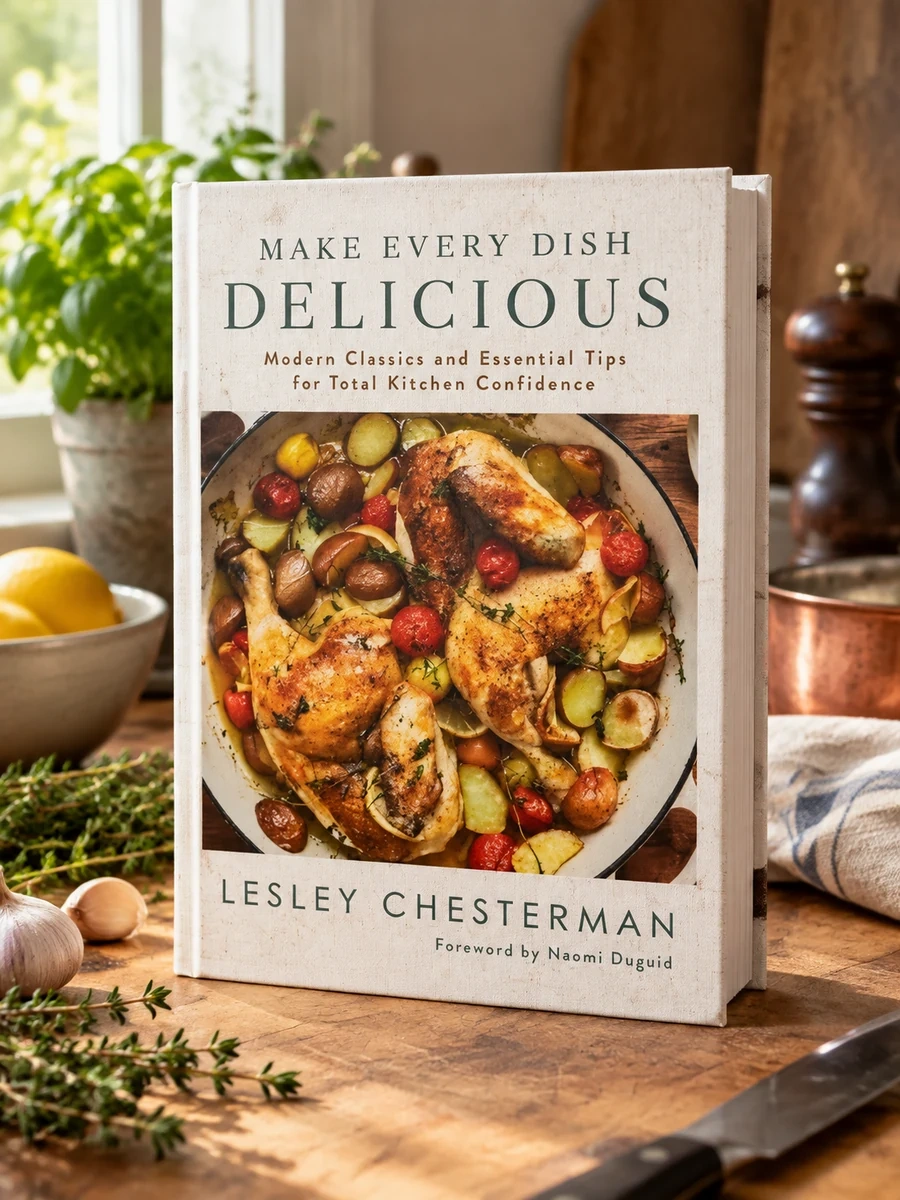
1. Make Every Dish Delicious: Modern Classics and Essential Tips for Total Kitchen Confidence — Lesley Chesterman
This is one of the most natural starting points for someone who wants to become more comfortable cooking a range of dishes. Its title promises a combination of modern classics and essential kitchen tips, making it particularly appealing to cooks who want both recipes and practical guidance rather than a collection built around a single ingredient.
The emphasis on kitchen confidence is significant. A useful general cookbook should encourage you to understand the food you're preparing, not just follow instructions mechanically. This title is worth considering if your goal is to establish a more dependable home-cooking routine and develop a broader repertoire.
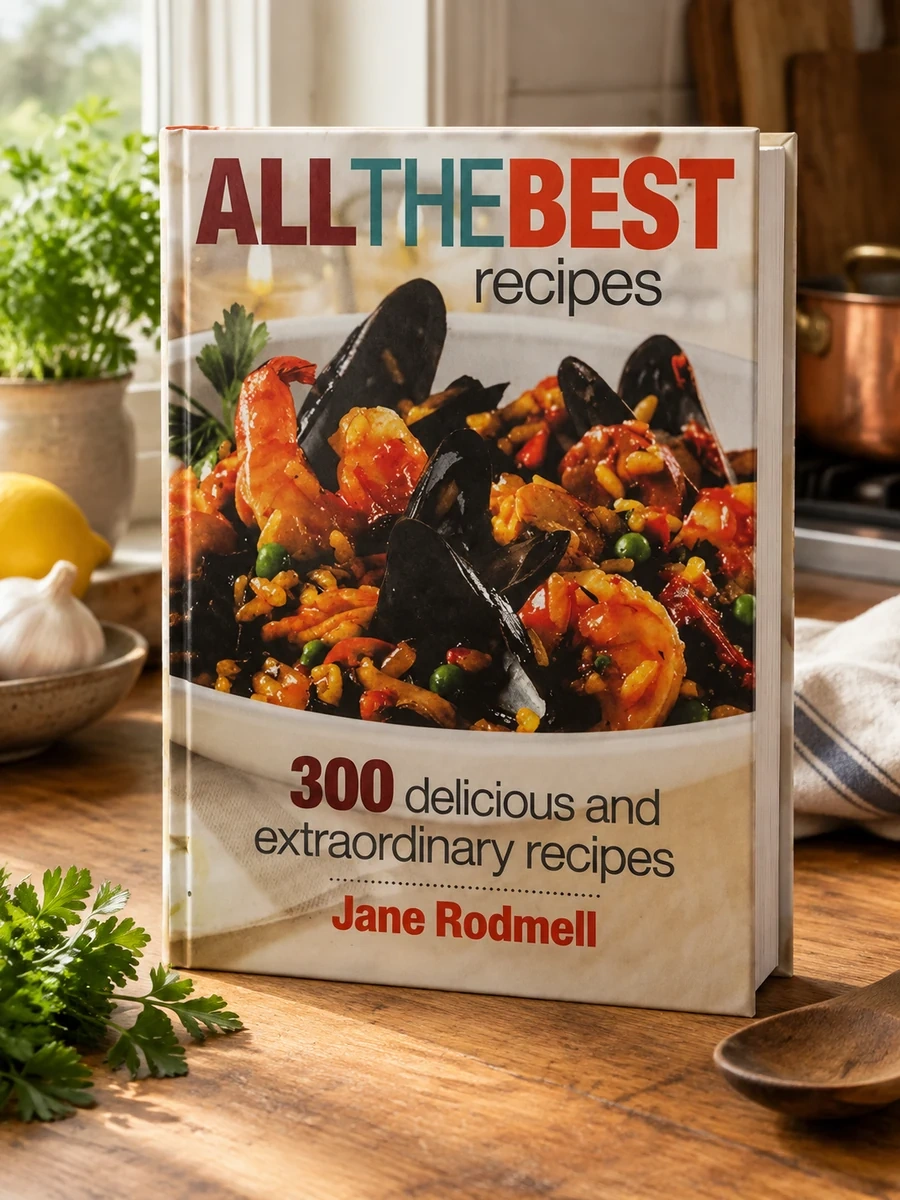
2. All the Best Recipes: 300 Delicious and Extraordinary Recipes — Jane Rodmell
Sometimes the most useful cookbook is the one that gives you plenty of possibilities. With 300 recipes in its title, Jane Rodmell's collection offers a broad-format starting point for cooks who would rather explore different dishes than concentrate on one specialty.
The combination of everyday usefulness and more unusual recipe inspiration makes this an interesting choice for someone who is still working out their cooking preferences. It is a sensible direction if you want variety on the shelf and prefer to choose individual recipes according to the occasion, available ingredients, or appetite.
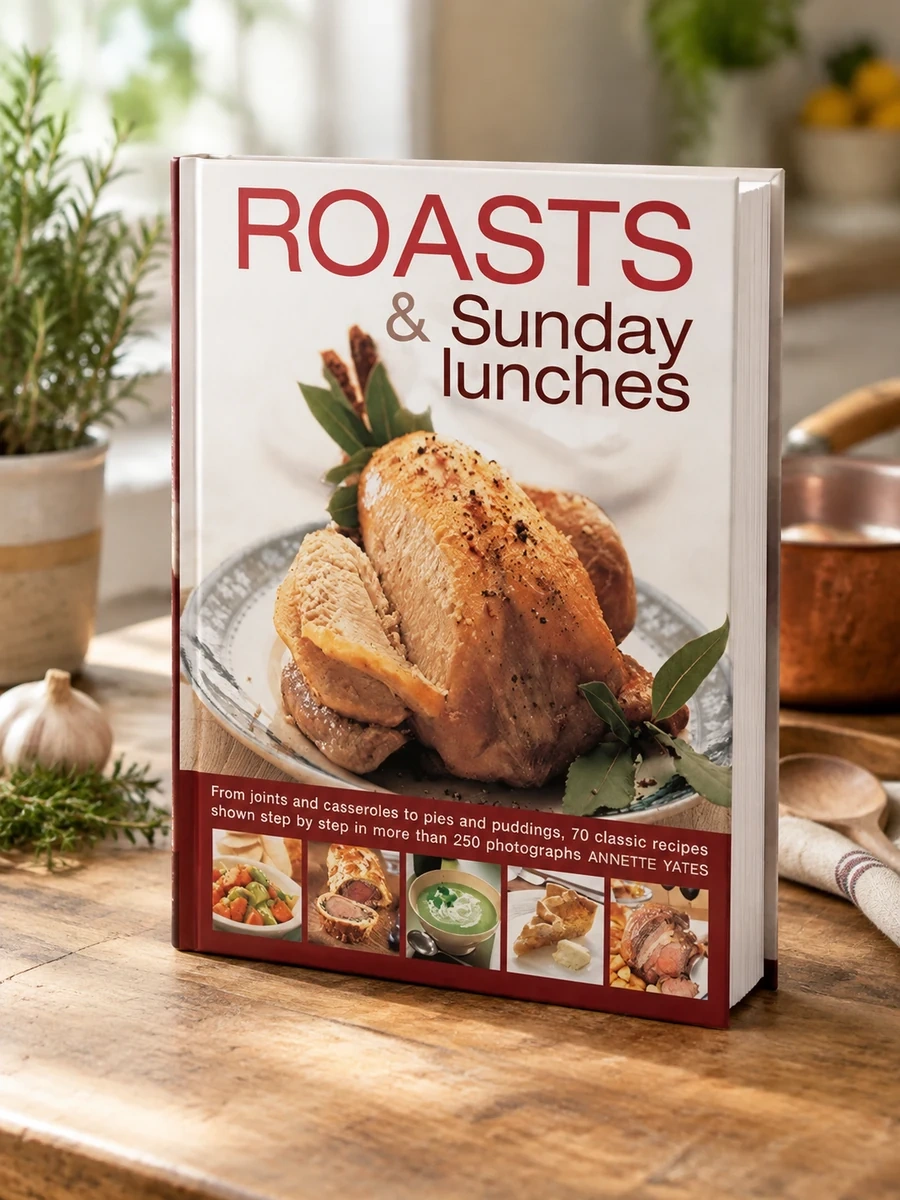
3. Roasts and Sunday Lunches: From Joints and Casseroles to Pies and Puddings, 70 Classic Recipes Shown Step by Step in More Than 250 Photographs — Annette Yates
For cooks who enjoy traditional, substantial meals, this book has a much more defined purpose. Its 70 classic recipes cover roasts, casseroles, pies, and puddings, bringing several elements of a traditional Sunday lunch into one collection. The step-by-step presentation and more than 250 photographs are especially appealing to anyone who appreciates visual guidance.
It is a good choice when your idea of cooking involves planning a complete meal rather than preparing a quick individual dish. The subject also makes it useful for people who want to become more comfortable with classic home entertaining and traditional family meals.
Build a stronger foundation with soups, starters, and savory dishes
Not every meal needs to begin with a complicated centerpiece. Soups, appetizers, sandwiches, and other savory preparations can make everyday cooking more flexible. They also provide useful categories to explore when you want to expand your repertoire without committing to an elaborate baking project.
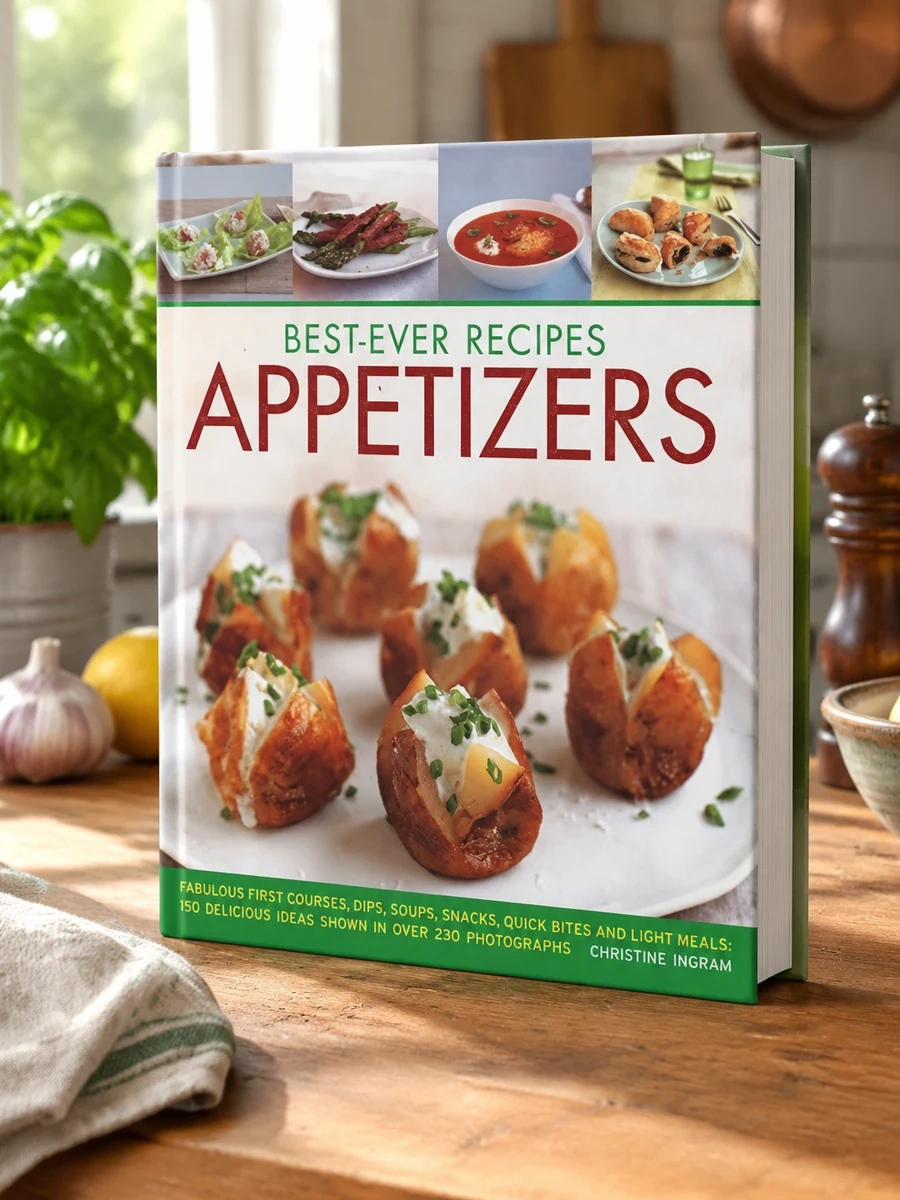
4. Best-Ever Recipes Appetizers: Fabulous First Courses, Dips, Snacks, Quick Bites and Light Meals: 150 Delicious Recipes Shown in 250 Stunning Photographs — Christine France
Appetizers are a practical place to start if you enjoy preparing food for other people but don't always want to organize a complicated dinner. Christine France's collection brings together 150 recipes covering first courses, dips, snacks, quick bites, and light meals. That range makes it more versatile than a book devoted exclusively to formal starters.
The photographic presentation is another attraction. With 250 photographs promised in the title, the book offers visual inspiration alongside its broad recipe selection. Consider it when you want ideas for casual gatherings, smaller meals, or something interesting to serve before the main course. It also makes sense for cooks who like having several smaller dishes available for informal entertaining.
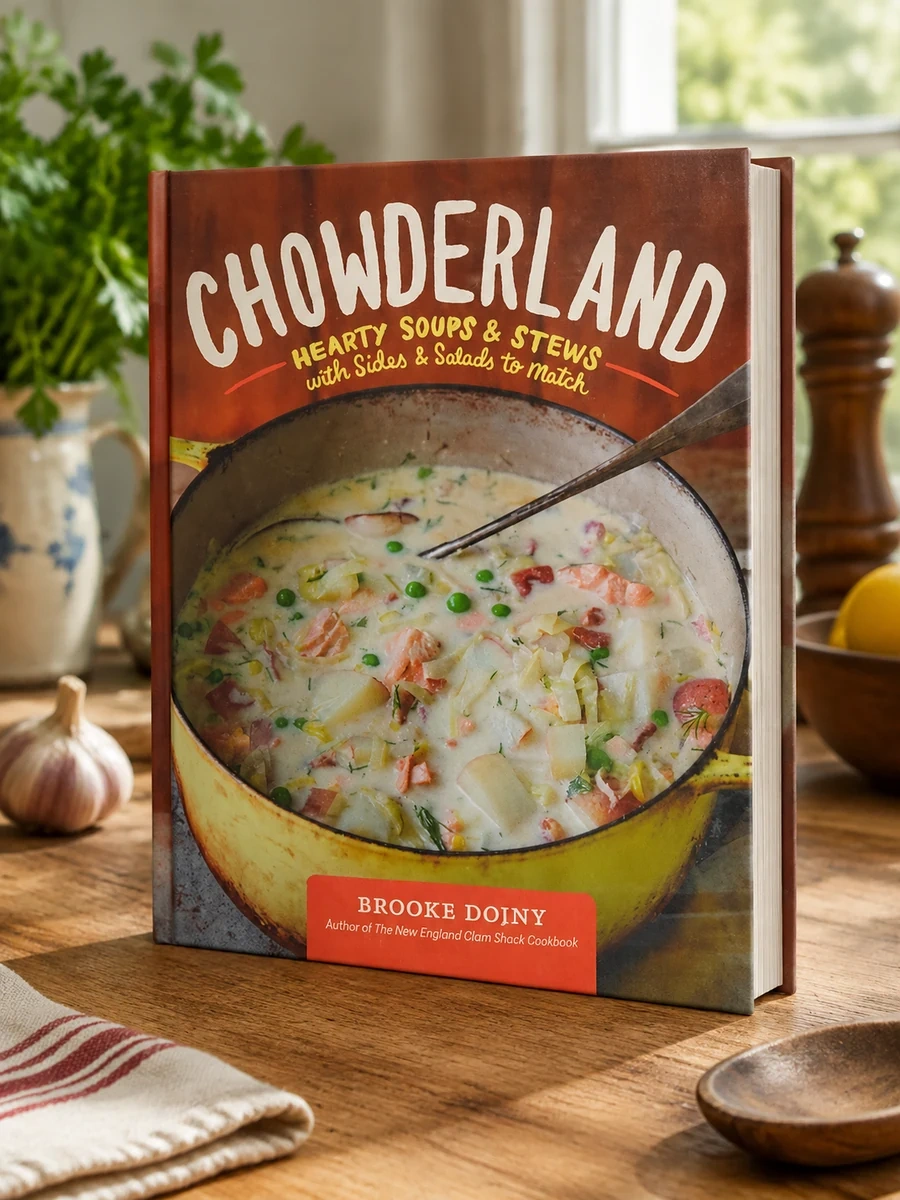
5. Chowderland: Hearty Soups & Stews with Sides & Salads to Match — Brooke Dojny
A soup cookbook can be more useful than its narrow category suggests, especially when it approaches the subject as part of a complete meal. Brooke Dojny's title connects hearty soups and stews with matching sides and salads. That makes it an appealing option for people who want to think about what accompanies a main dish as well as the dish itself.
The focus on substantial soups and stews also gives the book a clear place in a home-cooking collection. It is particularly relevant for anyone who enjoys comforting meals and wants inspiration beyond a basic bowl of soup. The accompanying side-dish concept is a useful reminder that a satisfying meal often comes from thoughtful combinations rather than one complicated recipe.
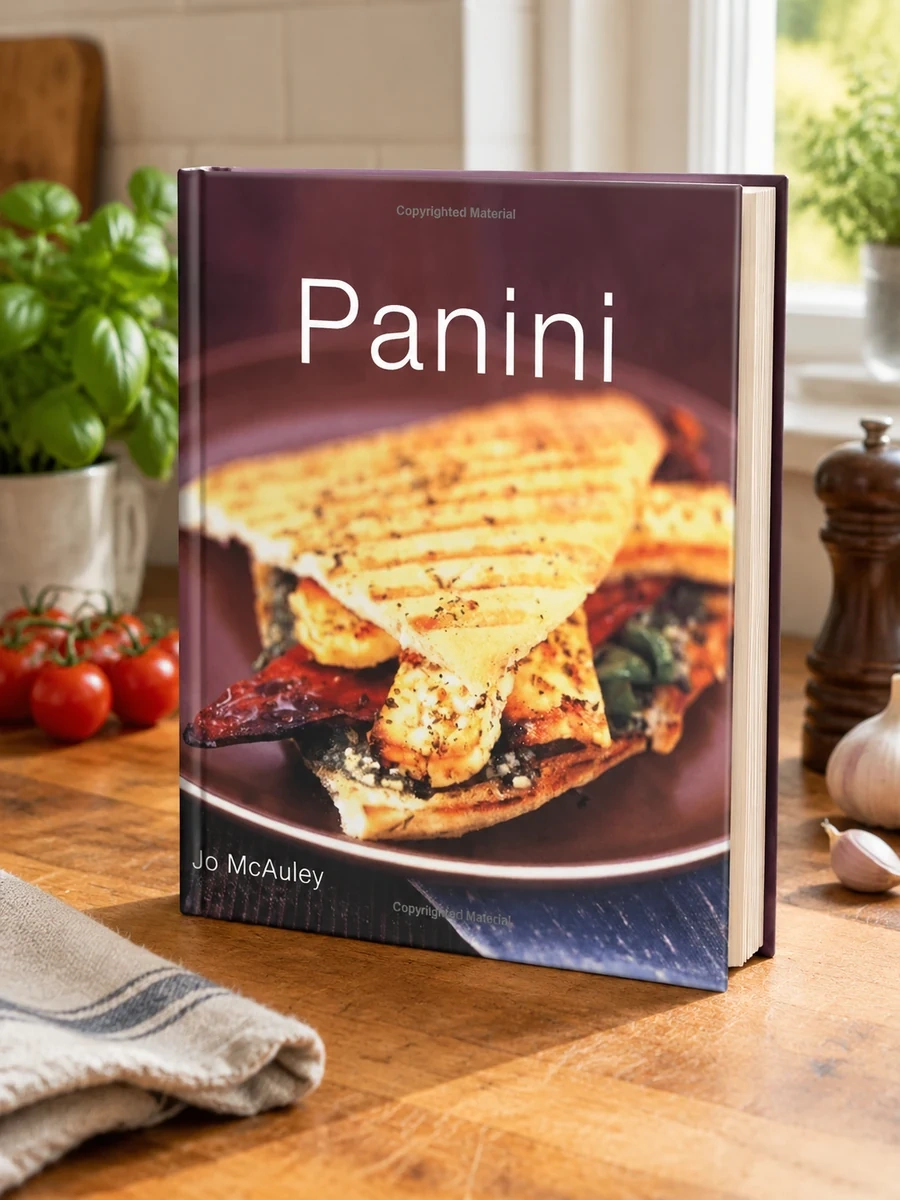
6. Panini — Jo McCauley
Sandwiches deserve a place in a serious cooking collection, particularly when convenience and flexibility matter. Jo McCauley's Panini offers a focused entry point into a familiar food category. Rather than trying to cover every kind of meal, it gives readers a dedicated subject to explore.
This is a practical choice for anyone who wants ideas for lunches, casual suppers, or meals that fit between more elaborate cooking projects. It also complements broader cookbooks: a general collection can help with full meals, while a focused sandwich book gives you another way to make everyday food interesting. If you regularly prepare lunch at home, this is a particularly straightforward category to investigate.
Explore bread, pastry, pies, and desserts
Baking is a large part of the Courses & Dishes shelf, and it is worth approaching it according to the result you want. Bread, pastry, and pies call for different kinds of attention from cupcakes and frozen desserts. A good first purchase is therefore one that matches the skill or finished dish you are most interested in learning.
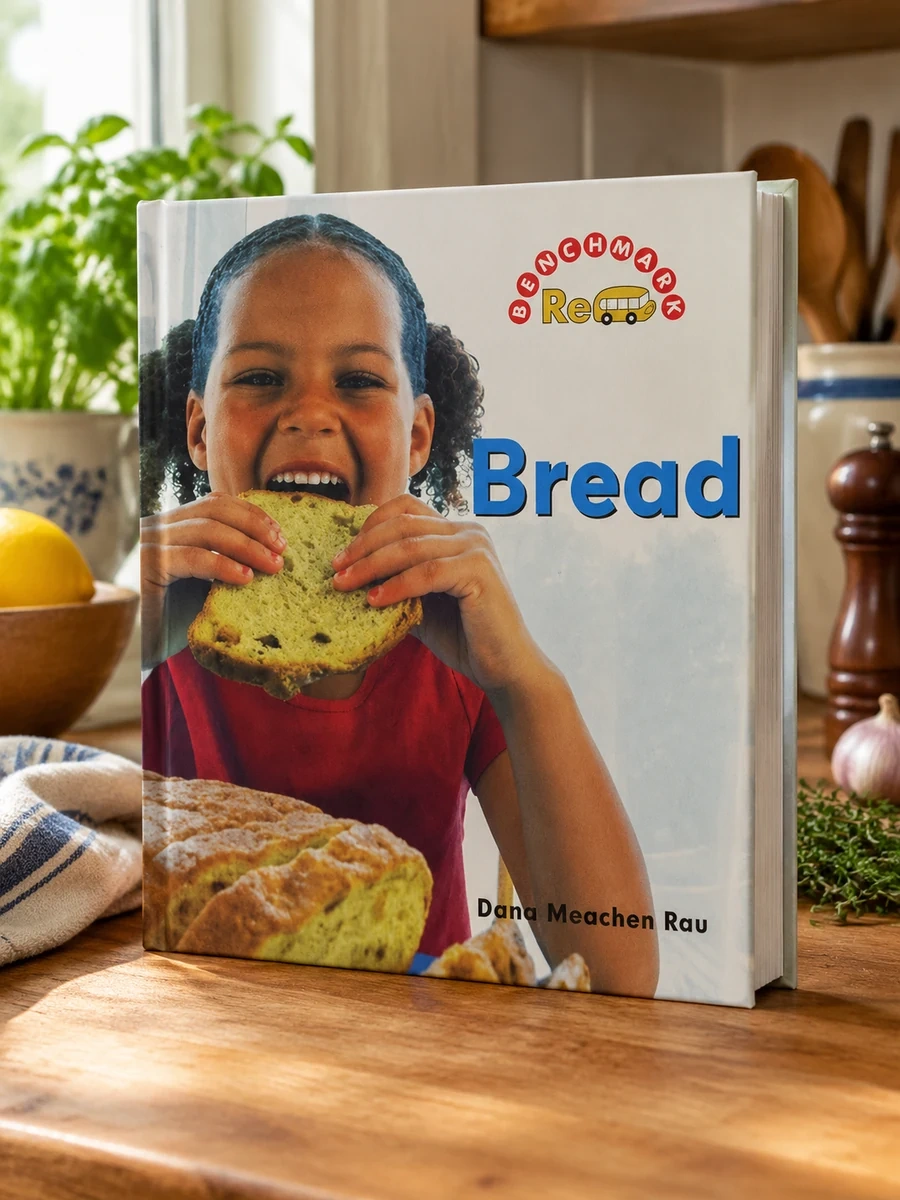
7. Bread — Dana Meachen Rau
Bread is an excellent subject for a focused cookbook because it offers a recognizable result while introducing a distinct area of food preparation. Dana Meachen Rau's Bread is a straightforward starting point for anyone who wants a book devoted to this staple rather than a few scattered bread recipes inside a general cookbook.
Its greatest appeal is the clarity of its subject. If your goal is to give bread-making more attention, a dedicated title makes more sense than beginning with a book about cakes, cookies, or general desserts. It is also a useful category to explore if you want to understand how one basic food can become a central part of everyday meals.
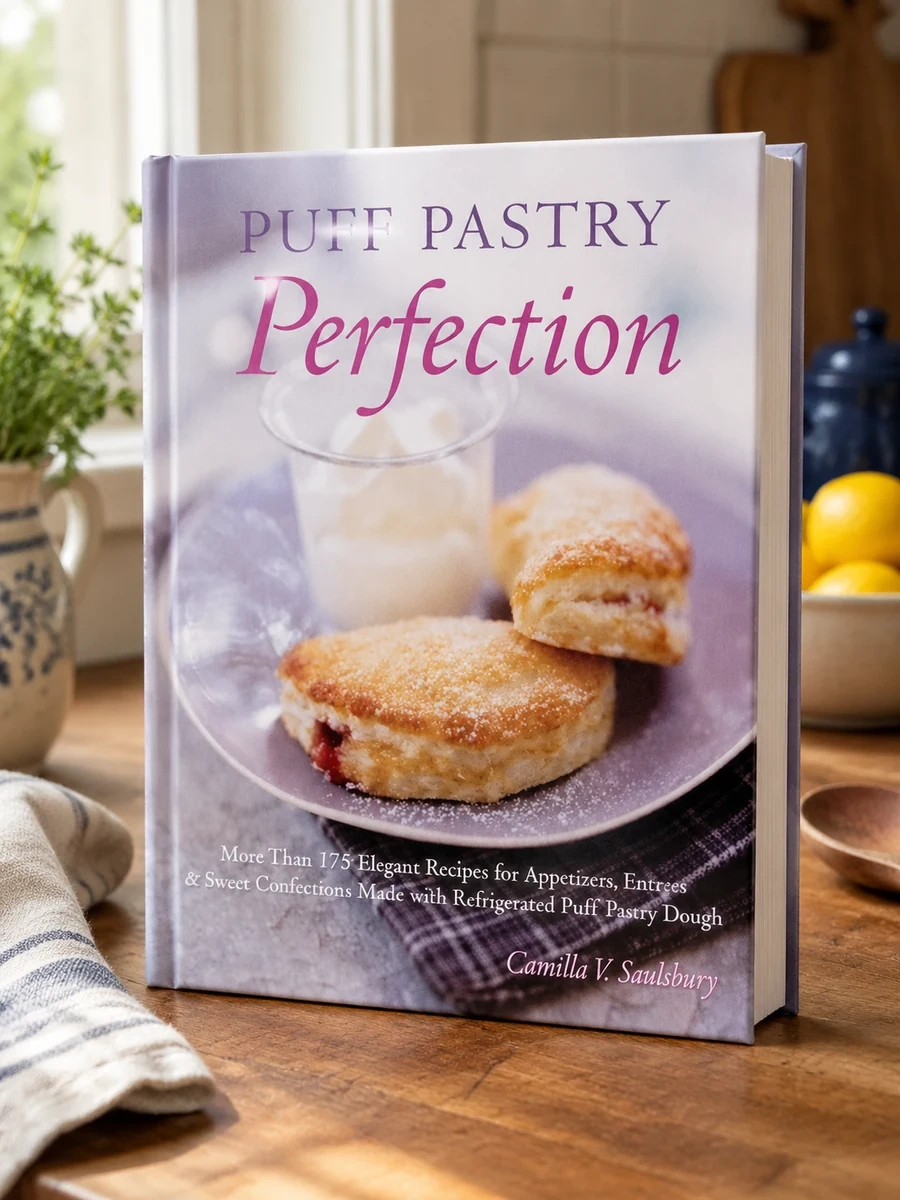
8. Puff Pastry Perfection: More Than 175 Recipes for Appetizers, Entrees, & Sweets Made with Frozen Puff Pastry Dough — Camilla Saulsbury
For cooks who want impressive-looking results without beginning with the most demanding version of pastry preparation, this is a particularly interesting option. Camilla Saulsbury's book focuses on frozen puff pastry dough and includes more than 175 recipes spanning appetizers, entrees, and sweets.
That combination is important because it shows how a single convenient ingredient can work across several parts of a meal. You are not limited to sweet pastries or desserts: the collection also points toward savory applications. It is a strong starting point for someone interested in pastry versatility and practical shortcuts. It may also appeal to experienced home cooks who want more ideas for using a familiar freezer staple.
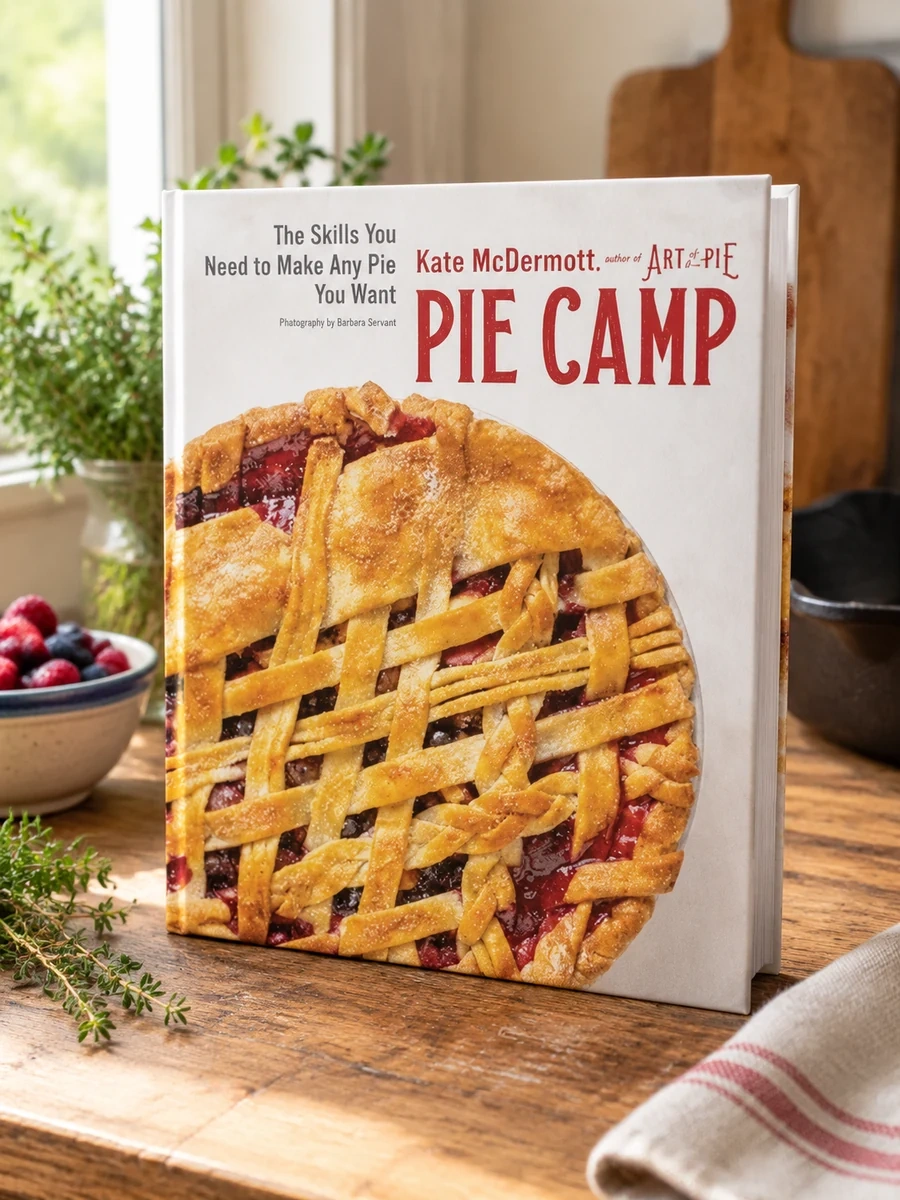
9. Pie Camp: The Skills You Need to Make Any Pie You Want — Kate McDermott
Pie-making rewards patience, practice, and an understanding of the techniques behind a successful finished pie. Kate McDermott's Pie Camp stands out because its title emphasizes skills rather than simply promising a collection of fillings. That distinction makes it an appealing choice for readers who want to develop their abilities instead of relying on a handful of familiar recipes.
It is especially worth considering if pie is the baking project you return to most often. A skills-oriented approach is useful when you want to become more independent in the kitchen and eventually feel comfortable choosing the kind of pie you want to make. For someone who wants to give one baking category serious attention, this is a more targeted starting point than a general dessert collection.
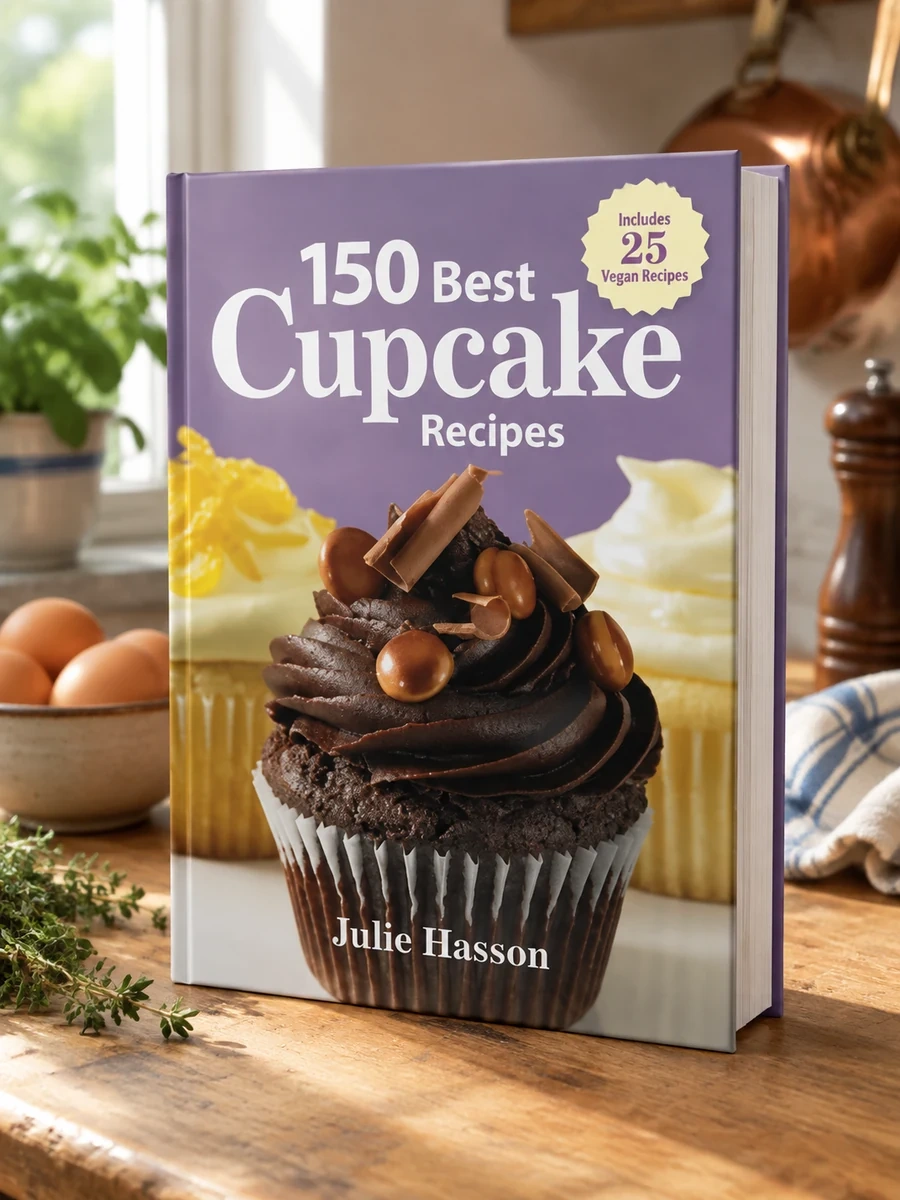
10. 150 Best Cupcake Recipes — Julie Hasson
Cupcakes are an approachable way to explore baking because they offer a clearly defined finished product and plenty of room for variety. Julie Hasson's collection puts 150 cupcake recipes under one cover, making it a useful option for readers who already know that small individual cakes are what they want to make.
This book is particularly suitable for home bakers interested in treats for celebrations, sharing, or ordinary weekends. Its focused subject also makes it easier to identify what you are getting from the collection. If you are more interested in individual cakes than bread or pastry, this is the logical place to begin. It offers a more concentrated direction than a general baking book and gives cupcake enthusiasts a dedicated subject to explore.
How to choose your first Courses & Dishes cookbook
The best starting point is not necessarily the book with the largest recipe count or the broadest subject. It is the one that addresses a real gap in your kitchen. Before choosing, consider what you currently cook, what you avoid making, and what you would genuinely like to prepare more often.
- If you want an all-purpose cooking reference: Start with Make Every Dish Delicious. Its combination of modern classics and kitchen tips makes it a natural choice for building general confidence.
- If you want more meal inspiration: Consider All the Best Recipes for a broad collection or Roasts and Sunday Lunches for traditional substantial meals.
- If you frequently entertain: The appetizer collection offers first courses, snacks, dips, and light meals, while Chowderland helps you think about soups, stews, and accompanying dishes.
- If convenience matters: Panini is a focused option for casual meals, and Puff Pastry Perfection explores the versatility of frozen pastry dough.
- If baking is your priority: Choose according to the result you want. Bread covers a staple, Pie Camp emphasizes pie-making skills, and 150 Best Cupcake Recipes concentrates on individual cakes.
Budget is another reasonable consideration. The selected titles span different price levels, including several options under $20 and more substantial investments for cooks who want to concentrate on a particular subject. You do not need to assemble a large collection immediately. One dependable general cookbook and one specialized title can provide a better foundation than several books covering subjects you rarely cook.
It is also worth thinking about how you use a cookbook. Some people want a source of new ideas to browse on a weekend. Others prefer a practical guide they can keep open on the counter while preparing dinner. A broad recipe collection, a visual step-by-step book, and a skills-focused baking title serve different purposes. Choose the format and subject that suit your habits, not simply the most impressive-looking title.
Ultimately, the Courses & Dishes shelf works best as a collection you build around your own kitchen. Start with the meals you already enjoy, add a book that addresses something you want to learn, and expand into specialized areas as your interests develop. Whether your first project is a better soup, a homemade loaf, a classic pie, or a batch of cupcakes, a well-chosen cookbook should give you a useful reason to return to the kitchen.