If you're wondering where to start with Kate Whiteman, the first thing to understand is that her cookbooks are not all trying to do the same job. Some are designed to get dinner onto the table, with recipes and step-by-step photographs. Others are closer to illustrated reference books, helping you understand ingredients, recognize varieties and learn more about the food you are preparing. Choosing between those approaches matters more than simply picking the book with the longest title.
Whiteman's catalog has a particularly useful concentration of Italian cooking and ingredient-focused books. There are resources for cooks who want to explore traditional Italian dishes, as well as books devoted to fish, shellfish, fruit, vegetables and cheese. That makes her work a good fit for curious home cooks who enjoy understanding ingredients rather than following recipes without context.
Our recommendation is to begin with Recipes from My Italian Grandmother. It offers the most appealing combination of culinary tradition, ingredient knowledge and practical cooking. From there, the right next book depends on whether you want to cook more Italian food, become more confident with seafood or build a broader understanding of the ingredients in your kitchen.
The best Kate Whiteman books to start with
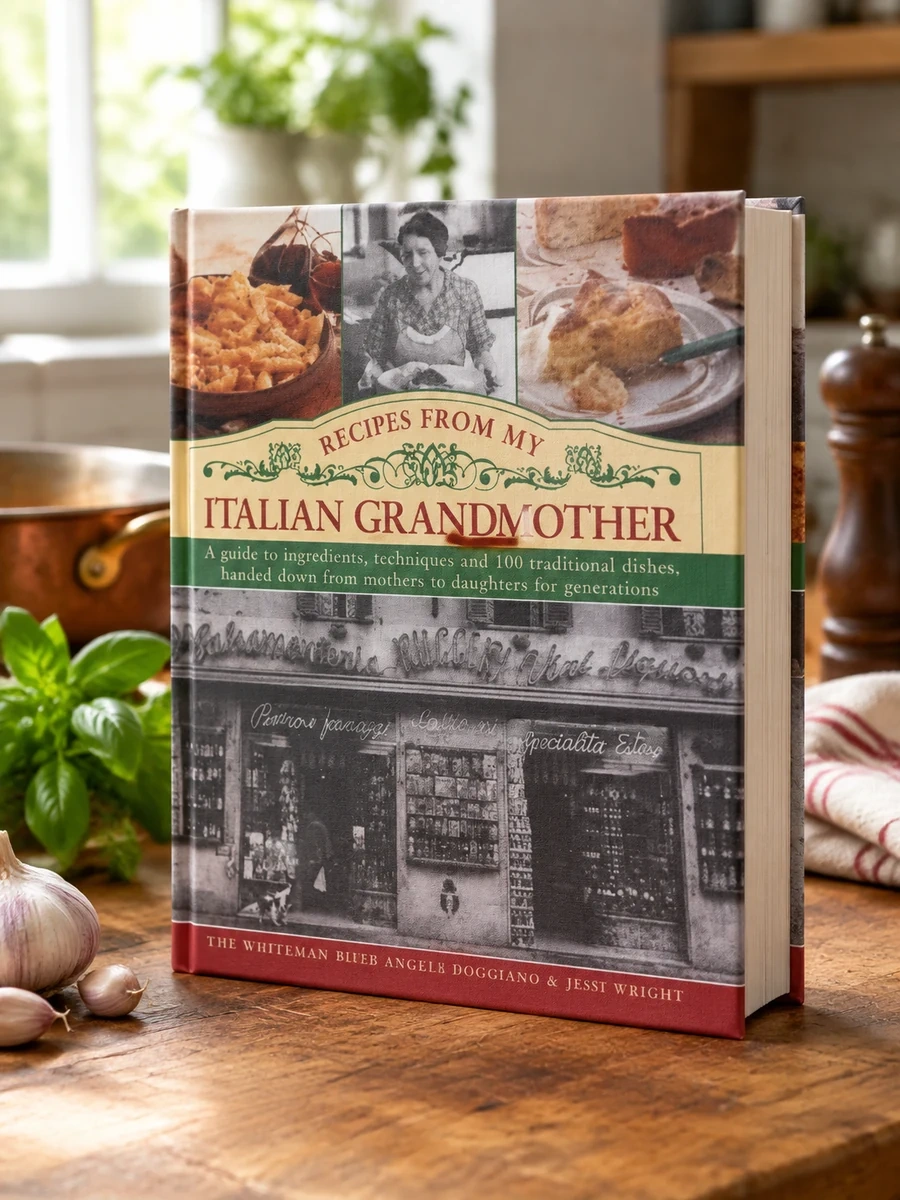
1. Recipes from My Italian Grandmother: A Guide to Ingredients, Techniques and 100 Traditional Dishes — Kate Whiteman
Best overall starting point. This is the most natural first purchase for someone interested in Whiteman's approach to food. Its combination of ingredients, techniques and 100 traditional dishes gives it a broader purpose than a collection of recipes alone, while its emphasis on dishes passed down through generations provides a clear cultural focus.
The traditional Italian home-cooking angle makes this a particularly attractive choice for cooks who want to understand the background of what they prepare. It is also a sensible introduction for someone who enjoys family recipes and regional food traditions but does not necessarily want an encyclopedic reference on their first encounter with the author. If you are buying just one Whiteman cookbook, start here.
2. 320 Italian Recipes: Delicious Dishes from All Over Italy — Kate Whiteman
Best for beginners who want plenty of practical cooking ideas. Where the first book emphasizes inherited culinary traditions, this collection offers a much larger selection of Italian dishes from across the country. Its full guide to ingredients and techniques adds useful context, and the step-by-step photographic presentation is especially appealing to cooks who prefer visual instruction.
The scale of the collection makes it a good kitchen companion for someone who expects to return to Italian cooking regularly. It is also a reasonable choice as a first book if your priority is recipe variety rather than the family-history perspective of the previous title. Newer cooks may appreciate having visual guidance alongside the instructions, while more experienced home cooks can use its breadth to find additional dishes to explore.
For cooks who want to understand ingredients
Whiteman's ingredient books are where her catalog becomes particularly interesting for cooks who like to learn before they start preparing a dish. These titles are less about following one particular cuisine and more about developing familiarity with the raw materials themselves. They are useful additions to a kitchen library, especially if you regularly encounter unfamiliar varieties at markets or want to expand your cooking beyond familiar ingredients.
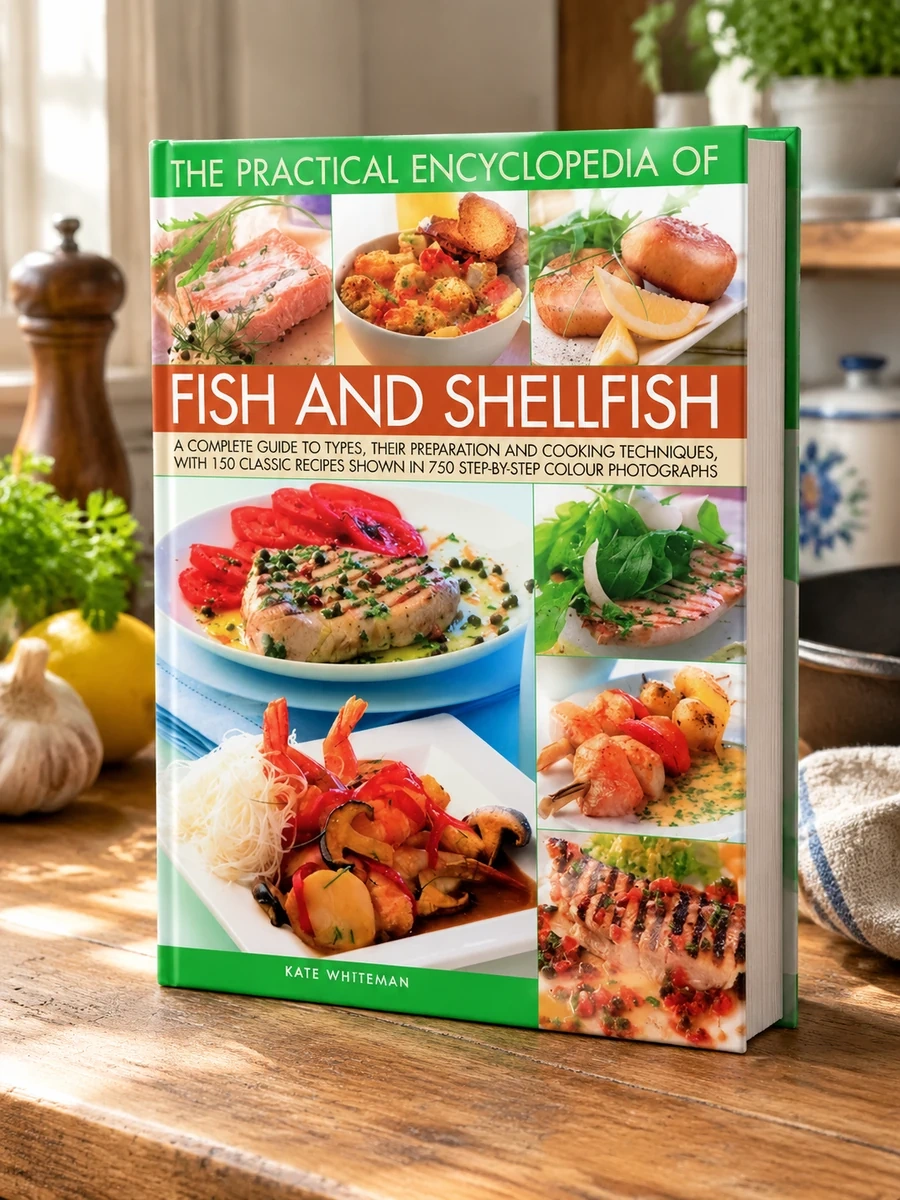
3. World Encyclopedia of Fish & Shellfish: The Definitive Guide to Cooking the Fish and Shellfish of the World — Kate Whiteman
Best specialist reference for seafood enthusiasts. This is the stronger choice for anyone who wants a broad introduction to the world's fish and shellfish, rather than a book focused exclusively on recipes. Its defining features are its comprehensive reference approach and more than 700 photographs, which make visual identification an important part of its appeal.
It is particularly suitable for adventurous home cooks who want to become more familiar with different seafood ingredients before deciding how to prepare them. If you buy fish regularly, enjoy visiting fish markets or want to understand a wider range of seafood beyond familiar supermarket choices, this is a strong candidate. It is also the most substantial specialist reference in this selection, so it makes sense as a second or third Whiteman book rather than an automatic first purchase for someone who only occasionally cooks fish.
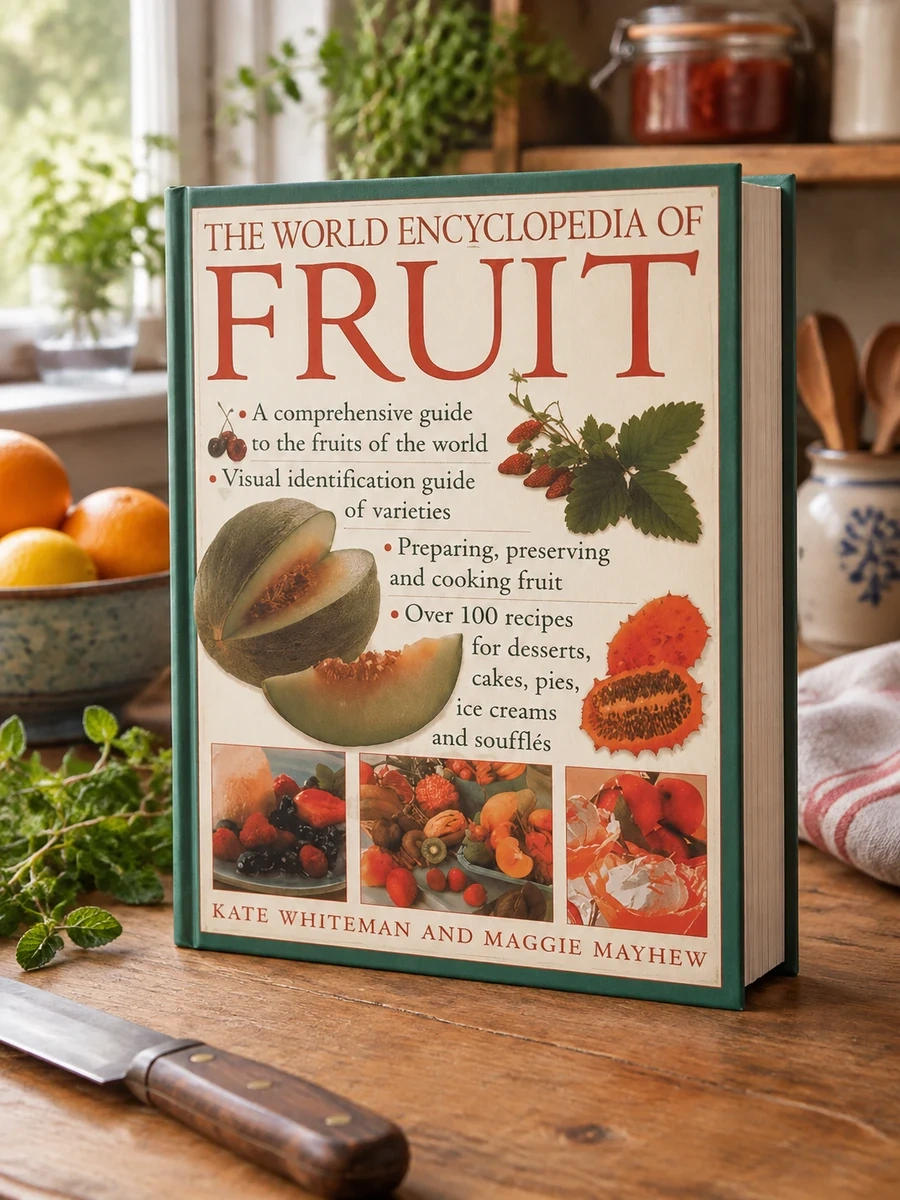
4. The World Encyclopedia of Fruit — Kate Whiteman
Best for fruit lovers and curious ingredient shoppers. This book takes an encyclopedic approach to fruit, covering varieties from around the world and addressing visual identification, preparation, preserving and cooking. That range gives it a broader role than a conventional fruit recipe collection.
It is a particularly appealing choice for cooks interested in discovering unfamiliar fruits or making better use of seasonal produce. The attention to preparation and preserving also gives the book potential beyond immediate meal planning. It can be useful to someone who likes making fruit-based desserts, experimenting with different ingredients or finding ways to keep seasonal produce for later. For a gift, its international scope makes it an interesting alternative to another standard recipe book.
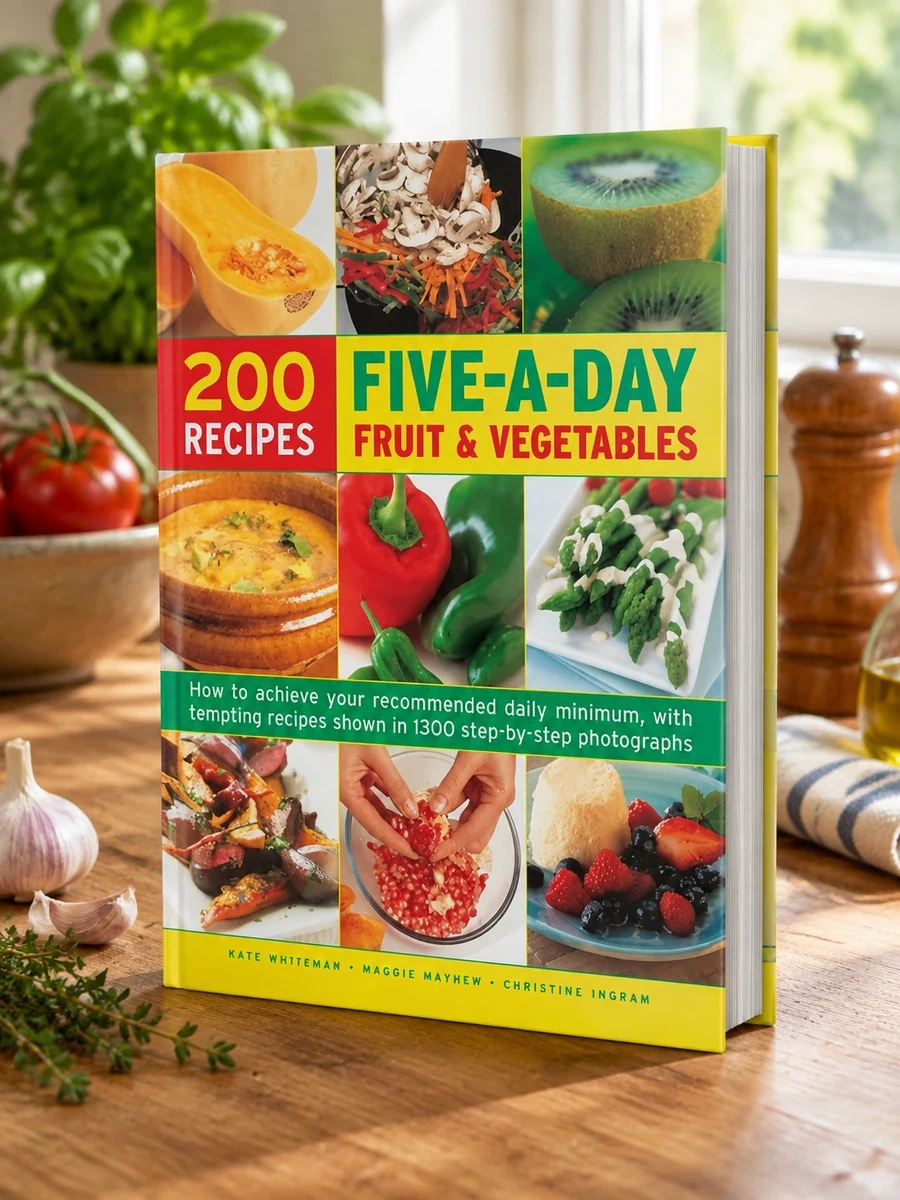
5. 200 Five-A-Day Fruit & Vegetable Recipes — Kate Whiteman
Best for everyday fruit and vegetable cooking. Unlike the fruit encyclopedia, this book puts recipes first. Its 200 recipes are organized around incorporating fruit and vegetables into everyday eating, with the practical aim of helping cooks work towards their recommended daily minimum. The extensive step-by-step photographic presentation is another distinguishing feature.
This is the better choice if you want ideas to put into practice rather than a reference volume to consult when encountering an unfamiliar ingredient. It suits households looking for more ways to prepare produce and cooks who sometimes struggle to make vegetable-focused meals interesting. It is also a useful alternative for someone who likes the idea of the encyclopedia but would rather have a recipe-led book that encourages regular kitchen use.
For seafood specialists and ingredient-focused gifts
Seafood is one of the strongest specialist subjects in Whiteman's catalog. There are two different ways to approach it: learn about the ingredients through an illustrated encyclopedia or start with a collection of recipes that concentrates on preparing and cooking seafood. The distinction is worth considering before choosing a title, particularly if you are shopping for someone who already knows their way around a kitchen.
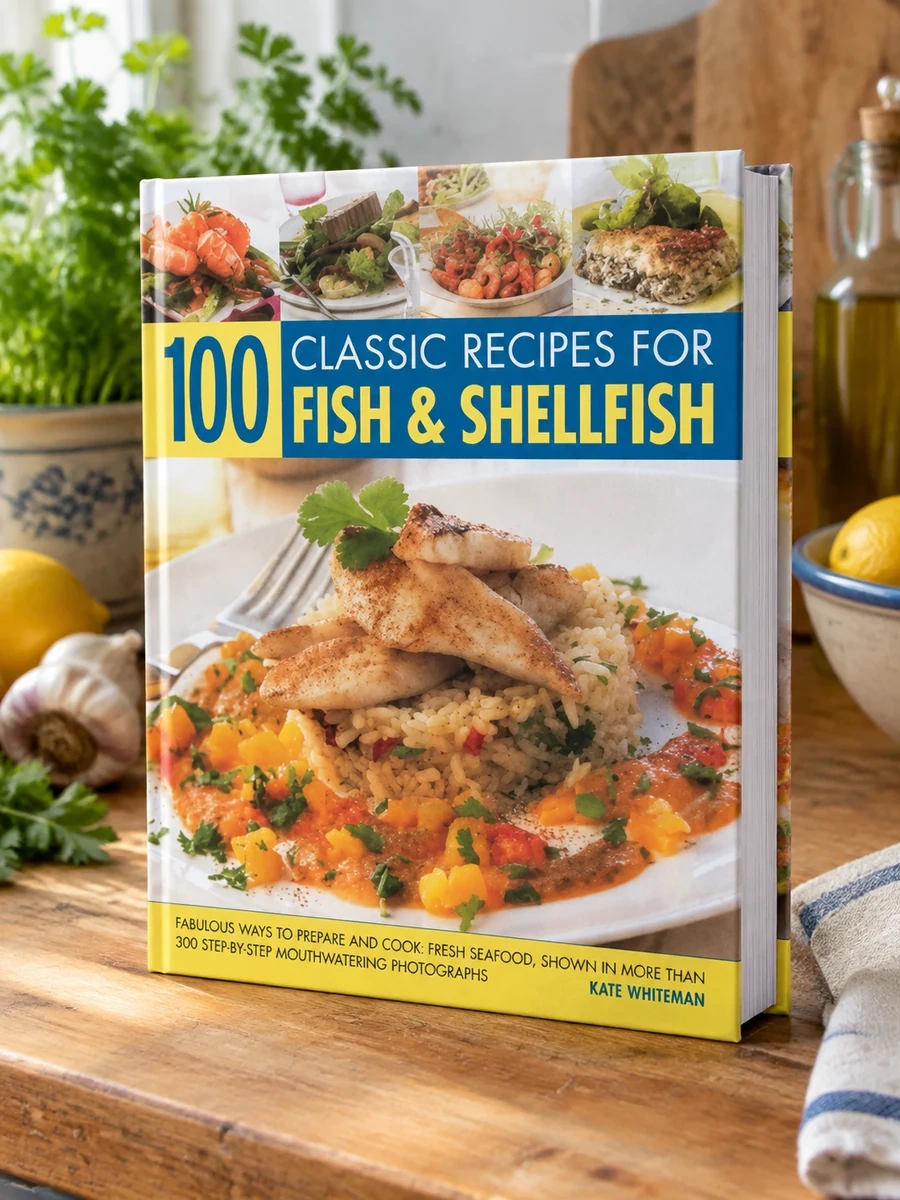
6. 100 Classic Recipes for Fish & Shellfish — Kate Whiteman
Best for cooks who want to prepare more seafood dishes. This is the more directly practical seafood choice in Whiteman's catalog. Rather than leading with an encyclopedic directory, it focuses on 100 ways to prepare and cook fresh fish and shellfish, supported by more than 300 step-by-step photographs.
That makes it a good option for home cooks who already enjoy seafood but would like more inspiration and visual guidance when preparing it. It is also a sensible recommendation for someone who finds a large reference encyclopedia interesting but perhaps too specialized for regular use. The emphasis on classic recipes gives the book a straightforward purpose: helping cooks turn fresh seafood into meals. For a seafood-loving home cook, this is one of the most practical gift choices in the collection.
7. The Illustrated Cook's Guide to Cheeses — Kate Whiteman
Best gift for someone who loves cheese. This illustrated guide covers more than 470 cheeses from around the world and includes information on how to cook with them. Its visual identification approach makes it especially suitable for readers who enjoy learning about ingredients, comparing varieties and discovering new possibilities beyond the cheeses they buy routinely.
It is not the same sort of purchase as a conventional cookbook filled with complete meals. Think of it as a specialist kitchen reference for someone who enjoys cheese boards, entertaining, ingredient shopping or experimenting with cheese in cooking. It would make a thoughtful gift for a food enthusiast who already has plenty of general cookbooks but might appreciate a more focused volume. Among Whiteman's ingredient titles, it is also one of the most distinctive choices for a gift recipient with a clearly defined interest.
8. The World Encyclopedia of Fish & Shellfish: Illustrated Directory — Kate Whiteman
Best budget-friendly seafood reference. This is another fish and shellfish encyclopedia in Whiteman's catalog, with an illustrated-directory approach to the subject. It covers the fruits of rivers, lakes and seas and is aimed at readers who want a visual introduction to seafood and its varieties.
There is considerable subject overlap with the larger World Encyclopedia of Fish & Shellfish listed earlier, so I would not recommend buying both automatically. The definitive guide is the stronger choice if you want the more extensive photographic reference, while this illustrated-directory edition is an alternative for someone who wants to explore the same general subject at a lower entry price. It is worth comparing the two listings before purchasing, particularly if you are building a specialist seafood library. For a reader who is simply curious about fish and shellfish, this can be an accessible way into the subject.
Which Kate Whiteman cookbook should you choose first?
The best starting point depends on what you actually want to do in the kitchen. Whiteman's books work best when chosen according to purpose, rather than treated as a series that everyone needs to read from beginning to end. Here is how I would narrow the selection for different kinds of cooks.
- For a complete beginner: Start with 320 Italian Recipes. Its ingredient and technique guidance, combined with step-by-step photographs, makes it a practical introduction to Italian cooking.
- For someone interested in food traditions: Choose Recipes from My Italian Grandmother. Its focus on traditional dishes passed down through generations gives it a distinctive cultural perspective.
- For an adventurous seafood cook: Choose World Encyclopedia of Fish & Shellfish. Its extensive photographic reference is the strongest option for exploring a wider range of seafood ingredients.
- For someone who wants to cook more vegetables: Pick 200 Five-A-Day Fruit & Vegetable Recipes. It is the more useful everyday recipe choice compared with a general fruit reference.
- For a fruit enthusiast: Go with The World Encyclopedia of Fruit, especially if identifying varieties and learning about preparation and preserving appeal to you.
- For a seafood lover who prefers recipes: Choose 100 Classic Recipes for Fish & Shellfish.
- For a cheese enthusiast: The Illustrated Cook's Guide to Cheeses is the most specialized and giftable choice.
- For a lower-cost seafood reference: Consider the illustrated fish and shellfish directory, but compare its scope with the definitive guide first.
Price can also help settle the decision. Several of these books are available for under $20, making them approachable additions to a personal cookbook collection. The larger seafood reference is better viewed as a specialist investment, while the fruit and illustrated-directory titles offer alternatives for readers who want a narrower subject focus. Prices can change, so compare the current listings rather than relying on an old price when planning a gift.
How to build a Kate Whiteman cookbook collection
If you are planning to collect more than one title, there is no need to acquire everything at once. A useful approach is to begin with a book that matches the food you cook most often, then add a reference volume that broadens your knowledge. For many home cooks, that means starting with the Italian titles before moving into seafood or produce. Someone who regularly buys fish, however, may find the seafood books more immediately useful.
For the most balanced small collection, I would pair Recipes from My Italian Grandmother with 200 Five-A-Day Fruit & Vegetable Recipes. The first brings traditional Italian cooking and culinary context, while the second provides a much broader set of produce-focused recipe ideas. If you want a more reference-oriented collection, substitute or add The World Encyclopedia of Fruit.
For gifts, think about the recipient's existing habits. A beginner who wants to cook Italian food will probably appreciate the visual guidance in 320 Italian Recipes. Someone who already cooks confidently and loves seafood may get more from the definitive fish encyclopedia. Cheese enthusiasts have a particularly clear choice in the illustrated cheese guide, while a cook who enjoys preparing fresh fish will probably use the 100-recipe collection more often.
The important distinction is between a book you will cook from and a book you will consult. Whiteman offers both, and the strongest choice is the one that fits the way you use your kitchen. Start with the Italian grandmother collection if you want one well-rounded introduction, choose the 320-recipe volume if practical visual instruction is your priority, and explore the encyclopedias when you are ready to broaden your ingredient knowledge. That is the most useful order for discovering her catalog without ending up with several books that serve exactly the same purpose.