If you are looking for a place to start with ingredient-focused cookbooks, the hardest part is not finding books. It is deciding which kind of ingredient knowledge will actually make you a better cook. A book devoted to vegetables can change how you approach a weeknight dinner; a meat or fish book can teach you how to shop and cook with confidence; a book about herbs, spices, sauces, or pantry ingredients can make the food you already cook more varied.
This shelf is designed as a starting point rather than an attempt to cover every ingredient in the kitchen. I have favored books that give an ingredient enough attention to be useful without making the subject feel impossibly narrow. The selection ranges from broad foundations to highly specific books, with prices ranging from under $20 to the higher end of the catalog.
The best first choice depends on what you cook now. If vegetables are the center of your meals, start there. If you want to understand proteins, choose meat or fish. If your cooking already feels competent but repetitive, a book on herbs, spices, sauces, or global pantry ingredients may give you more useful ideas.
Start with ingredients you will use constantly
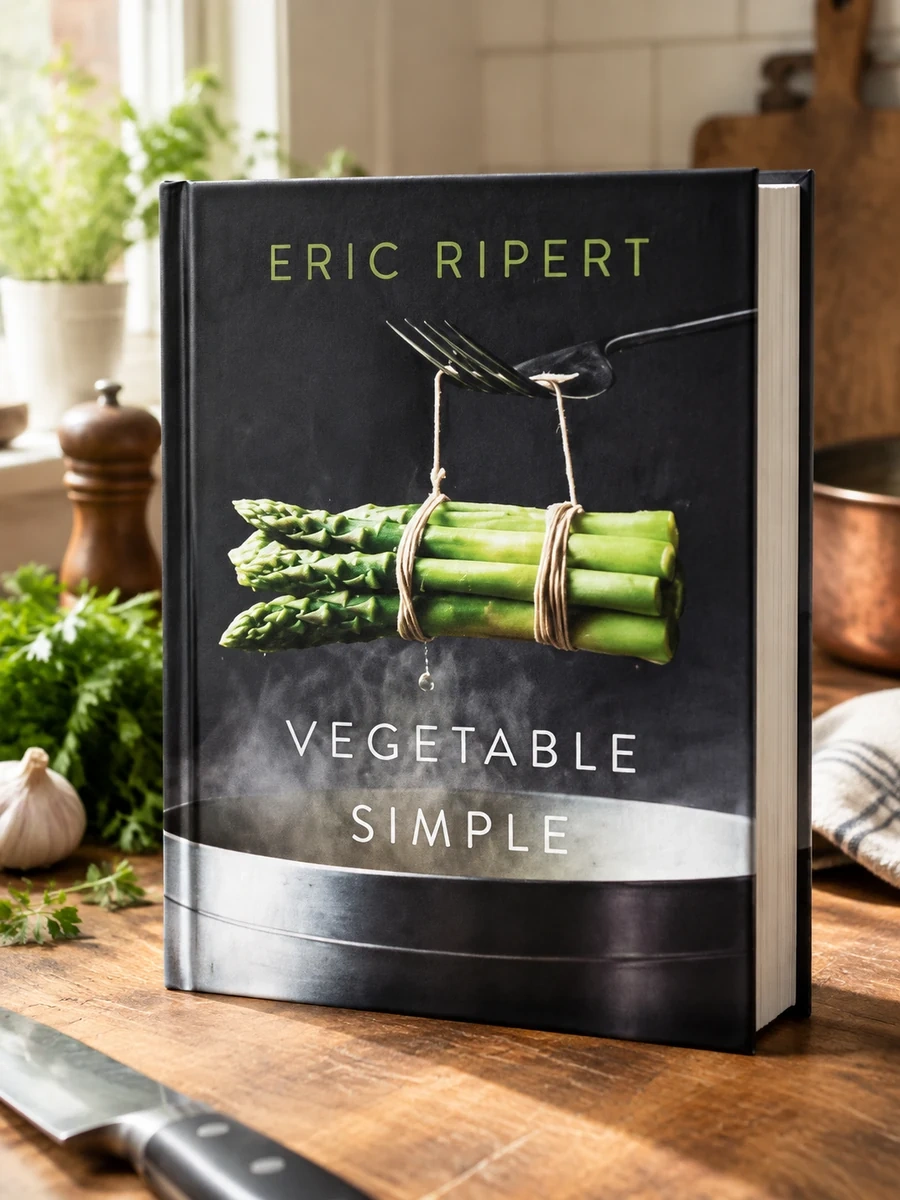
1. Vegetable Simple: A Cookbook — Eric Ripert
This is one of the strongest starting points if you want an ingredient book that stays close to everyday cooking. Its subject is vegetables, but the appeal is broader: it encourages you to give a single ingredient enough attention to become the center of a dish rather than treating vegetables as an afterthought. It suits cooks who want a focused, polished introduction without committing to an extremely specialized subject.
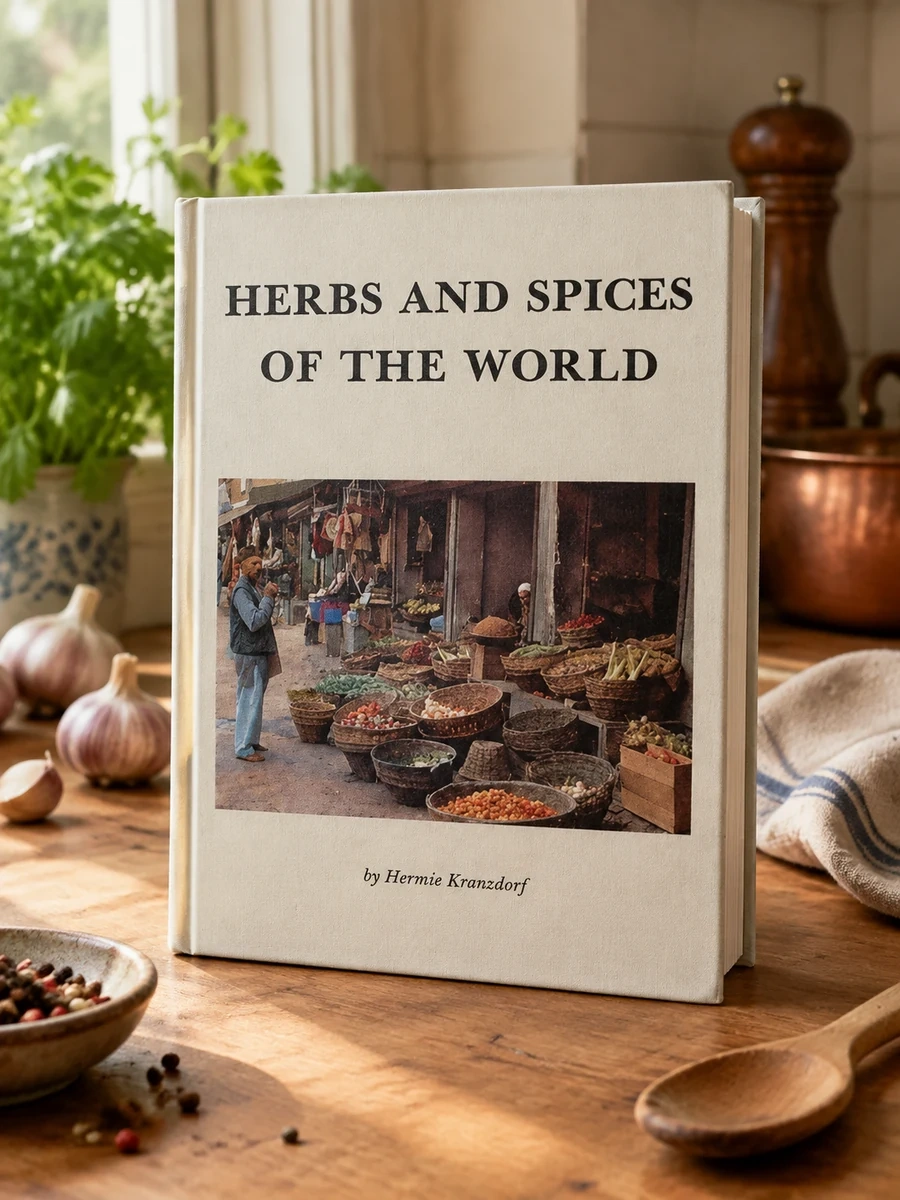
2. Herbs and Spices of the World — Hermie Kranzdorf
Herbs and spices are among the most useful ingredients to understand because they can change a dish without requiring an entirely new cooking routine. This book is a good choice if your meals tend to rely on the same familiar flavor combinations and you want a broader ingredient reference. It is especially useful for cooks who prefer learning about ingredients themselves rather than following a single cuisine.
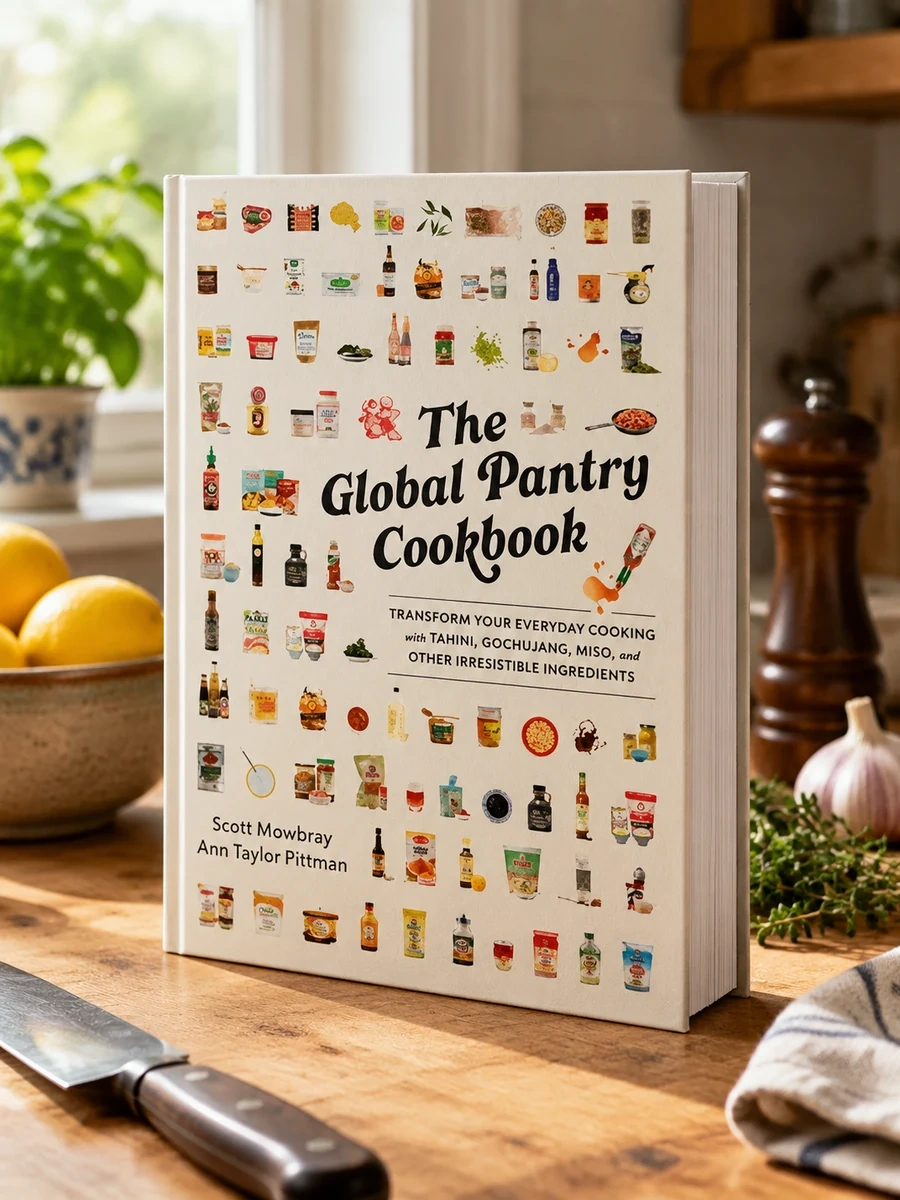
3. The Global Pantry Cookbook: Transform Your Everyday Cooking with Tahini, Gochujang, Miso, and Other Irresistible Ingredients — Scott Mowbray
For a modern pantry-focused starting point, this is the most direct choice on the shelf. Its emphasis on ingredients such as tahini, gochujang, and miso makes it useful when you want familiar home cooking to branch into different flavors without abandoning the practical structure of everyday meals. It is a particularly good fit for cooks who like the idea of building a pantry around versatile ingredients.
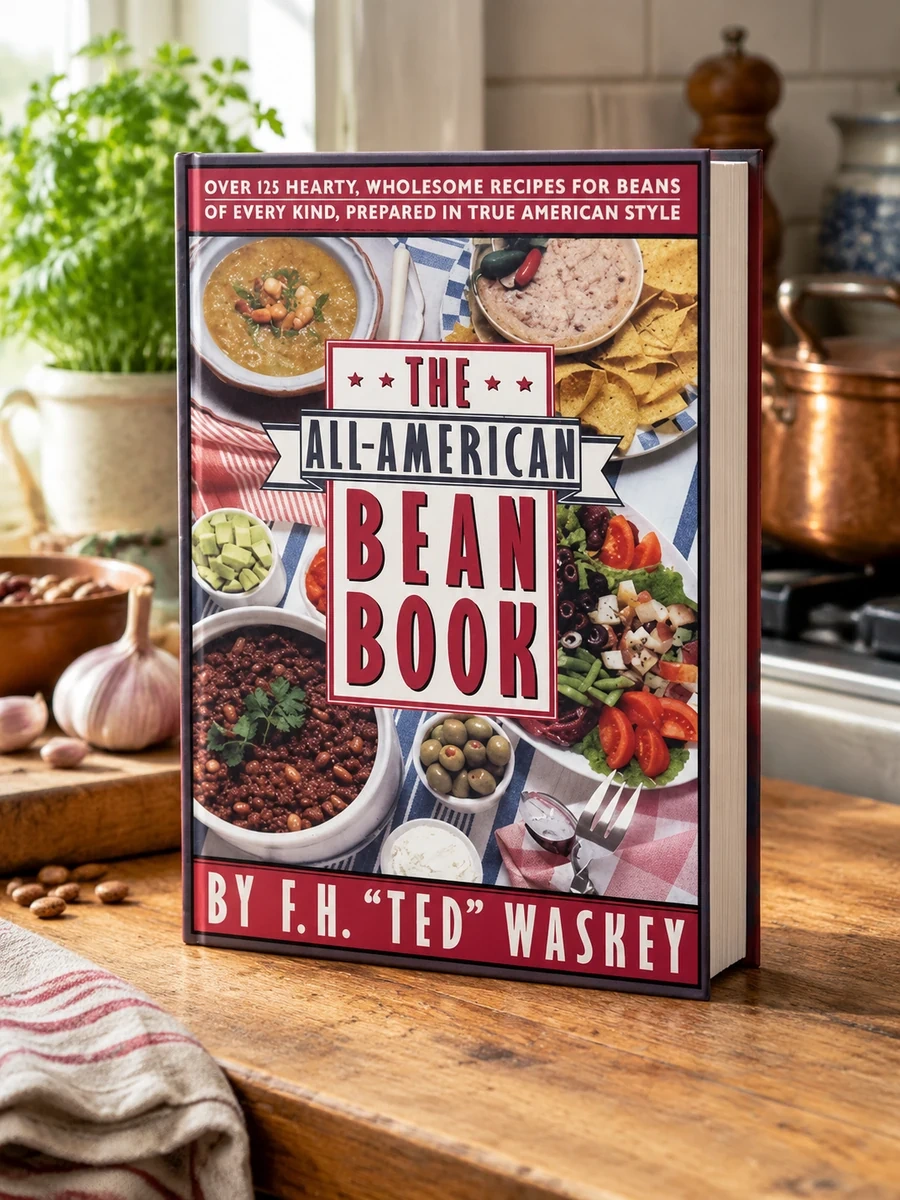
4. The All-American Bean Book — F. H. Waskey
Beans are inexpensive, adaptable, and substantial enough to anchor a meal, making this a sensible ingredient book for cooks who want more from pantry staples. The book's focus is deliberately narrow, so it works best when you want to make one ingredient much more familiar rather than collect another general cookbook. It is also one of the lower-cost starting points on this list, at under $20.
Build confidence with meat, fish, and seafood
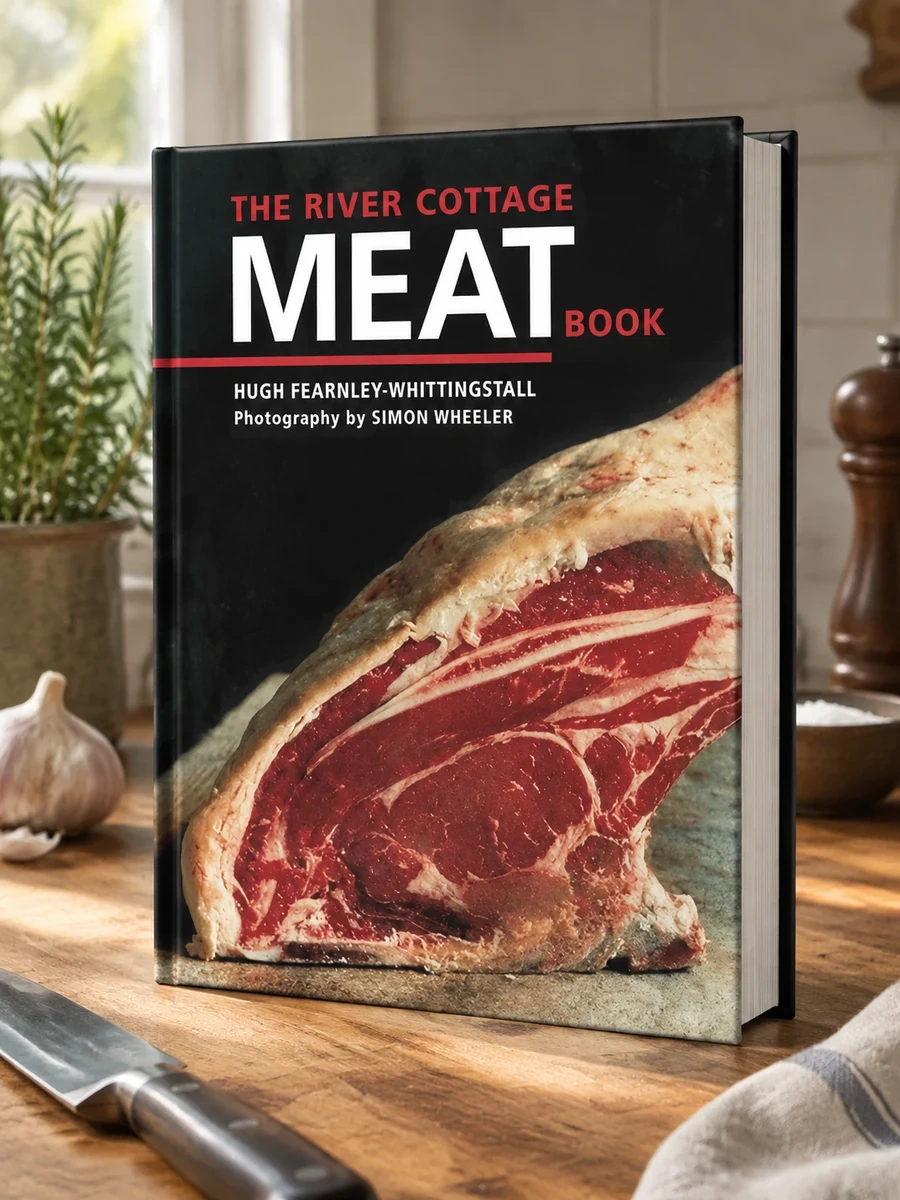
5. The River Cottage Meat Book: [A Cookbook] — Hugh Fearnley-Whittingstall
Choose this when your definition of ingredient cooking includes understanding meat as well as preparing it. The book gives the subject enough room to suit cooks who want a more serious meat reference, rather than a collection built around a handful of familiar weeknight recipes. At the higher end of this list, it makes the most sense for someone who expects meat to remain a significant part of their cooking.
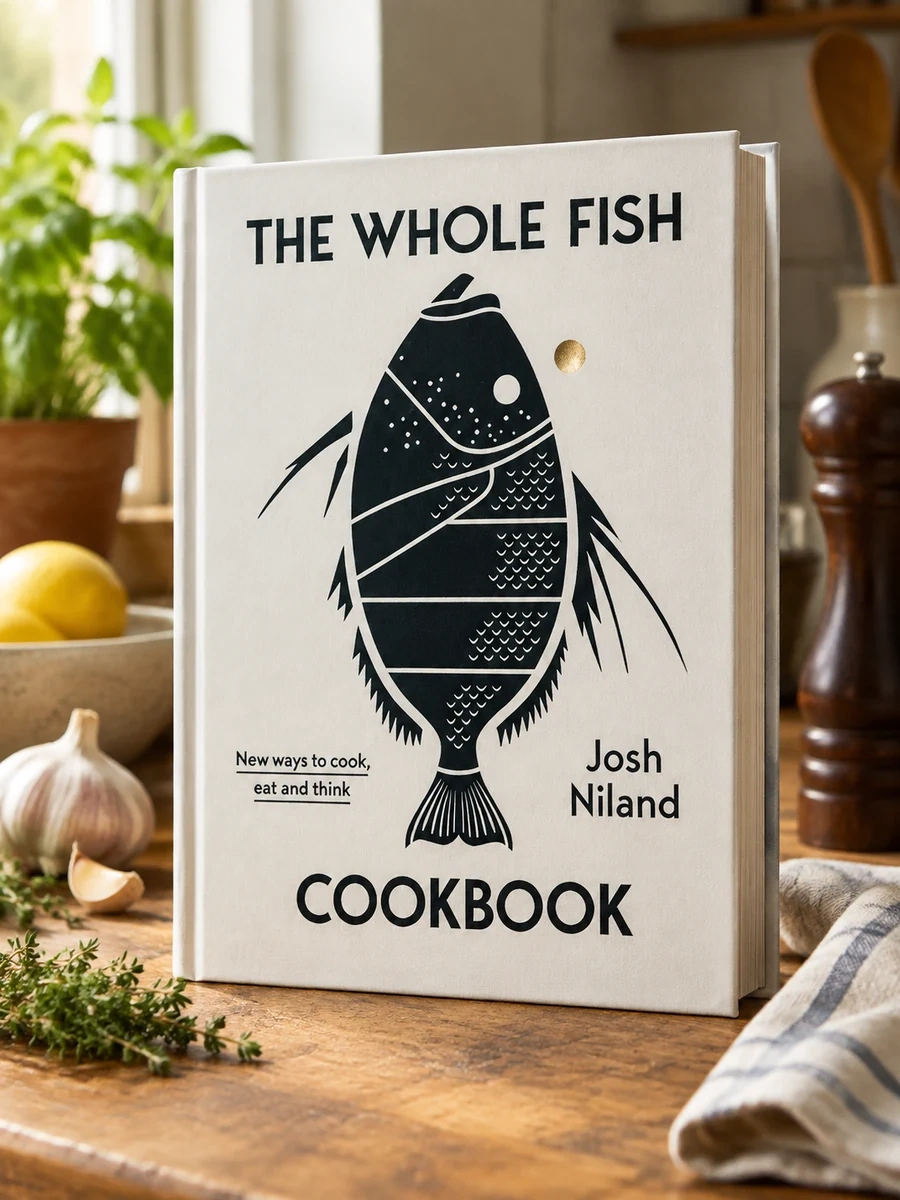
6. The Whole Fish Cookbook: New Ways to Cook, Eat and Think — Josh Niland
This is the seafood choice for a cook who wants to think beyond the standard fillet. The title signals a broader approach to fish, with attention to how the ingredient can be cooked and considered as a whole. It is a strong next step if buying or preparing fish feels less familiar than working with meat or vegetables, and its perspective makes it more ambitious than a basic seafood recipe collection.
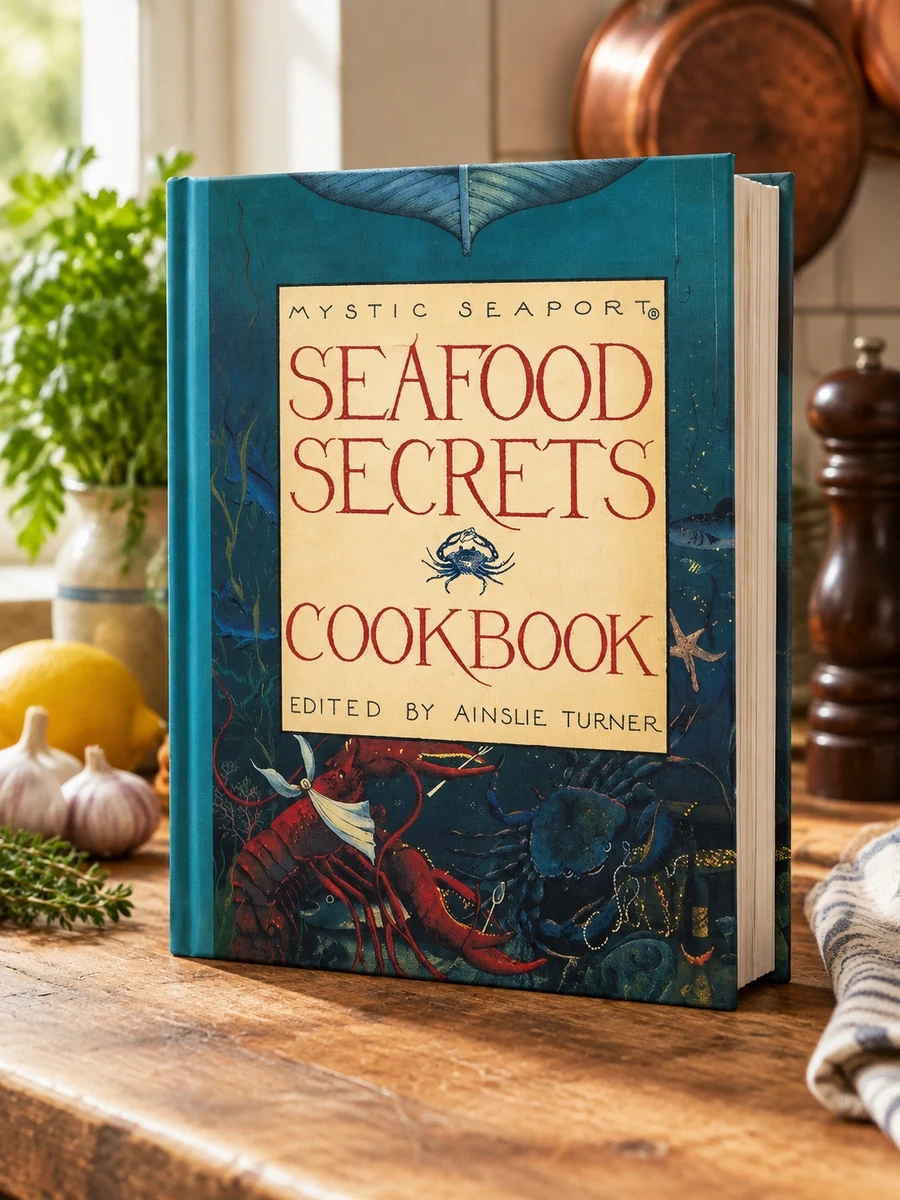
7. Seafood Secrets Cookbook — Ainslie Turner
If you want a more approachable seafood starting point, this is the alternative I would put beside the whole-fish book. The subject is seafood rather than one particular species, so it offers a wider entry into the category. It is also under $30, making it a practical choice for cooks who want to explore seafood without starting with the most specialized book on the shelf.
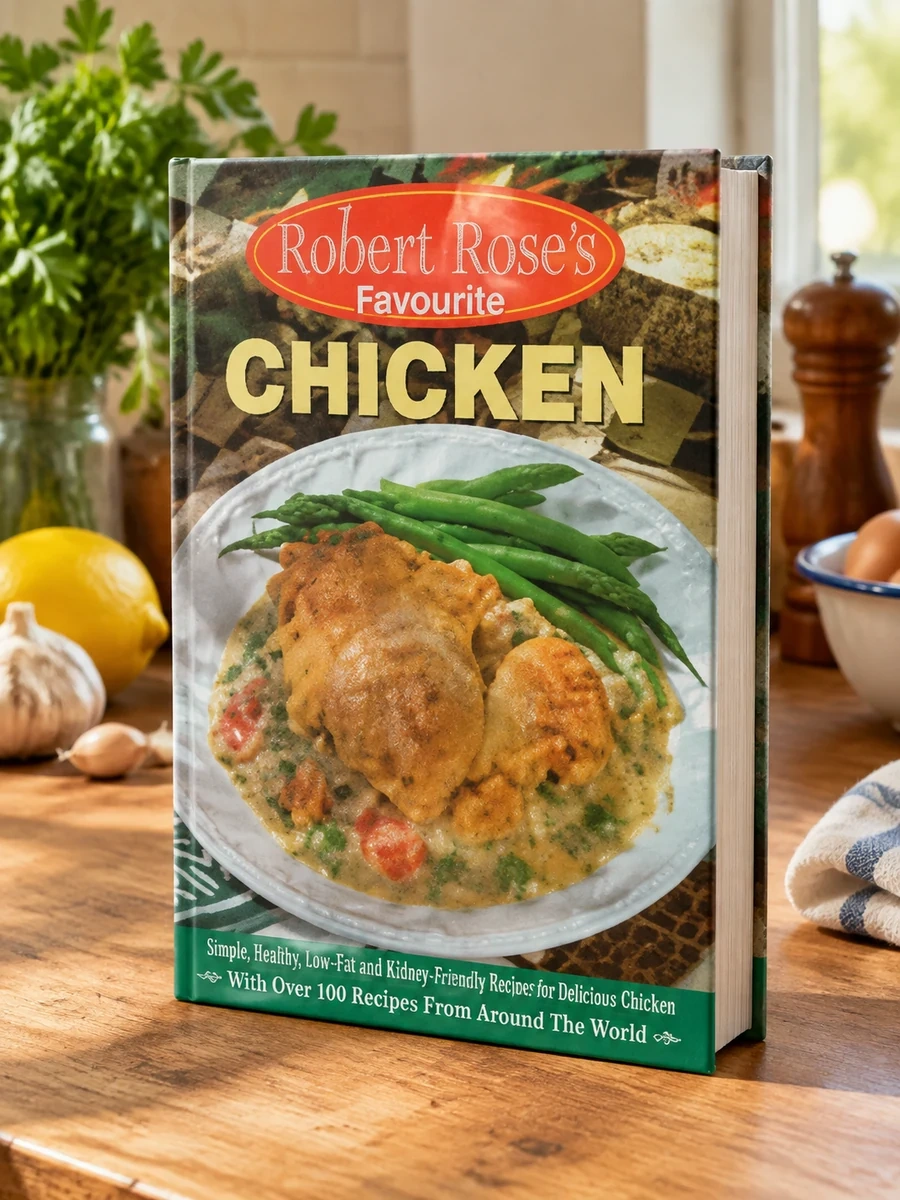
8. Chicken — Robert Rose Inc
There is a strong argument for starting with an ingredient you already buy regularly, and chicken is an obvious candidate. This inexpensive, tightly focused book is useful for cooks who want more ideas from a familiar protein instead of expanding into an unfamiliar ingredient. At under $20, it is also an easy low-commitment way to test whether ingredient-specific cookbooks fit the way you cook.
Learn the ingredients that change a whole meal
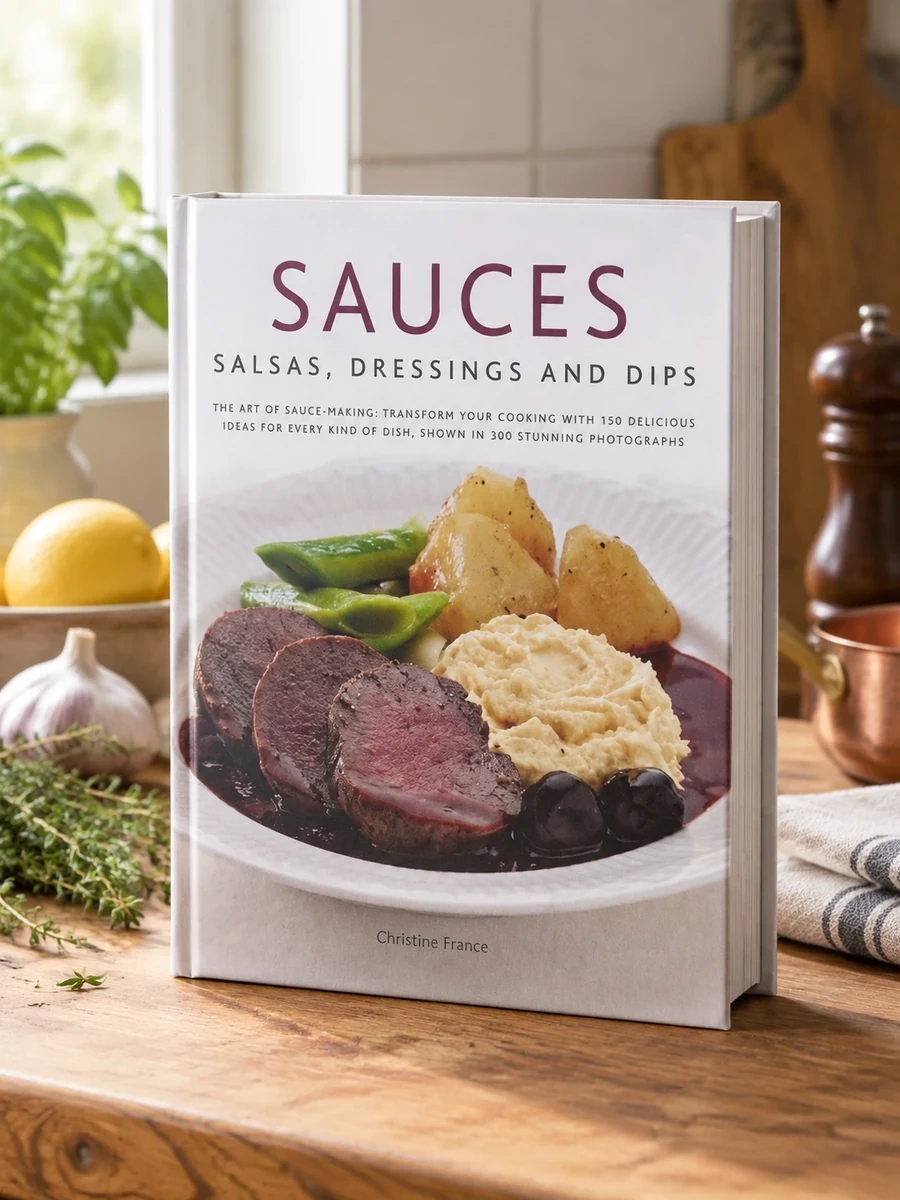
9. Sauces, Salsas, Dressings & Dips: The Art of Sauce Making — Christine France
A sauce book may seem like a different category from an ingredient book, but it belongs on this shelf because sauces teach you how individual flavor components work together. This book is particularly useful if you often cook a basic protein or vegetable and find yourself wishing the finished meal had more character. Its broad coverage makes it a better starting point than a book devoted to a single sauce.
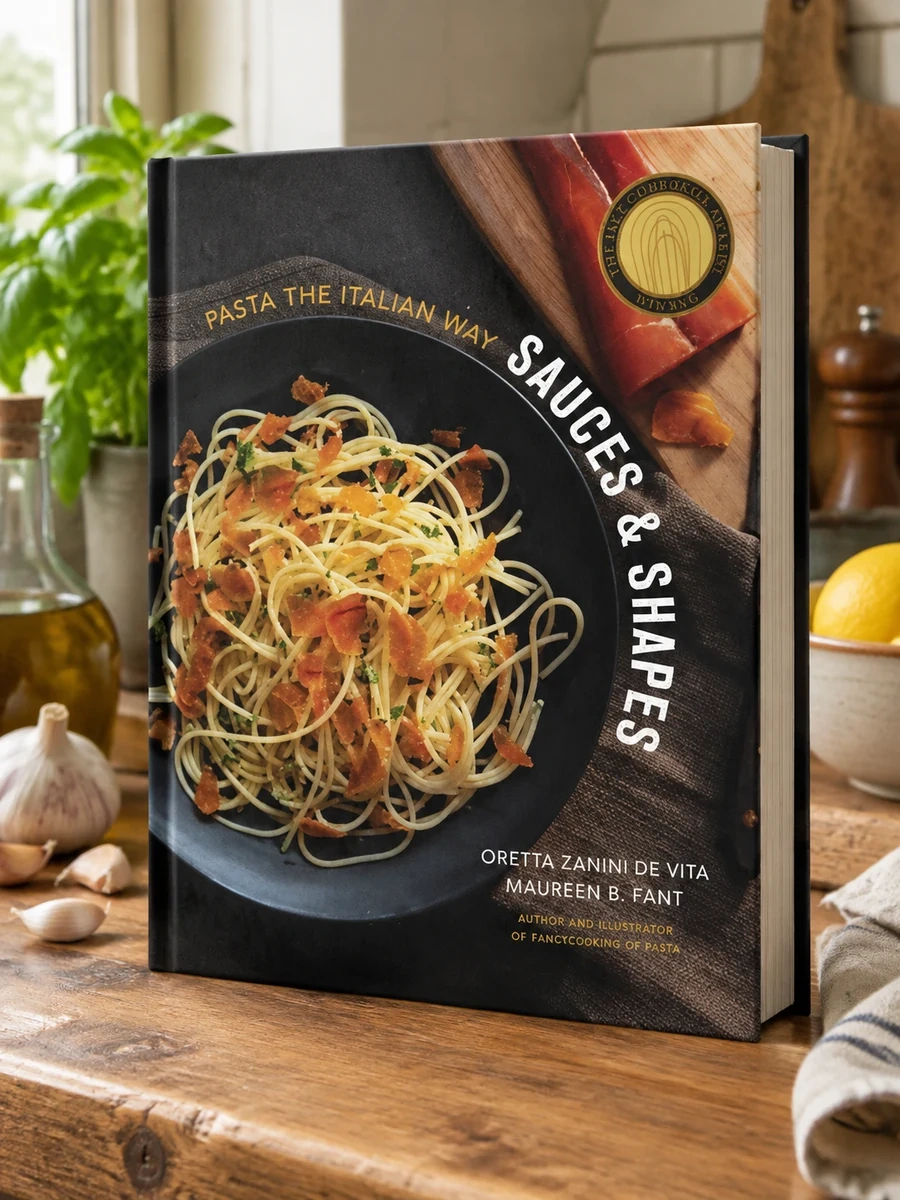
10. Sauces & Shapes: Pasta the Italian Way — Oretta Zanini De Vita
This is the choice for someone who wants to understand an ingredient category through a particular food tradition. Pasta becomes the subject, but the pairing of sauces and shapes makes the book useful for thinking about how ingredients and preparation belong together. It suits cooks who enjoy the cultural side of food as much as the practical side and want a more focused book than a general pasta collection.
How to choose your first ingredient book
Start with the ingredient that creates the biggest gap between what you buy and what you know how to do. If you routinely bring home vegetables and then make the same two preparations, Vegetable Simple: A Cookbook is the logical first move. If your pantry is full of jars and packets that you use only occasionally, The Global Pantry Cookbook is likely to have a more immediate effect.
For proteins, decide whether you want breadth or depth. Chicken is the practical choice for a familiar staple; The River Cottage Meat Book is the more substantial commitment to meat as a subject. Seafood offers the same distinction: Seafood Secrets Cookbook is the accessible starting point, while The Whole Fish Cookbook is better suited to someone who wants to rethink how fish is used.
Price can also help narrow the field. Several useful starting points here cost under $20, including The All-American Bean Book, Chicken, and Herbs and Spices of the World. If you know you want a long-term reference and are comfortable spending more, the meat, fish, and specialized pasta books make stronger commitments to their subjects.
Most of all, resist the temptation to choose the broadest book simply because it appears to cover more ground. Ingredient cookbooks are most useful when they solve a specific problem in your cooking. Pick the ingredient you buy often, the ingredient you do not yet understand, or the ingredient that makes you curious enough to cook something tonight. That is usually the book that earns its place on the shelf.