Andrea Nguyen is a particularly rewarding cookbook author to explore if you want to cook Vietnamese food at home without treating every meal as a special project. Her books cover different entry points into the cuisine: approachable everyday dishes, the traditions and flavors behind Vietnamese cooking, and focused subjects such as pho, banh mi, dumplings, and tofu. The trick is choosing a first book that matches what you actually want to cook.
For most newcomers, the best starting point is Vietnamese Food Any Day. It offers an accessible direction for cooks who want fresh Vietnamese-inspired meals in a practical home kitchen. From there, you can move toward the broader culinary perspective of Into the Vietnamese Kitchen, or skip straight to a specialist title if your real goal is a bowl of pho or a properly assembled banh mi.
This guide puts seven of Nguyen's cookbooks in a useful reading order rather than simply listing publication details. You do not have to read every book to benefit from her work. Think of the sequence as a set of routes: start with everyday cooking, expand your understanding, and then choose a focused guide that will help you practice a particular skill.
Start with Vietnamese food you can cook regularly
The strongest first book is one that encourages you to return to the stove. These opening choices suit cooks who want an approachable introduction before committing to a specialized project or a more comprehensive collection.
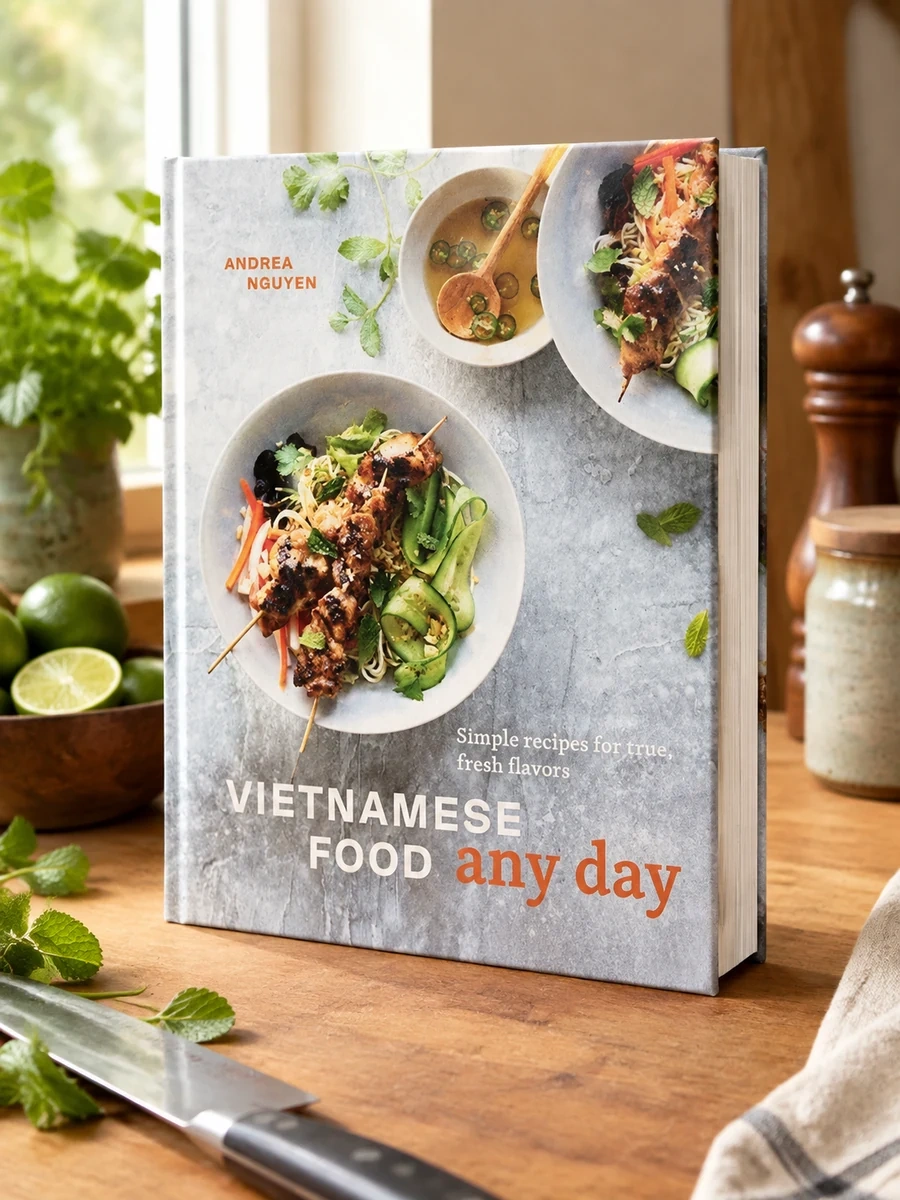
1. Vietnamese Food Any Day: Simple Recipes for True, Fresh Flavors — Andrea Nguyen
Best for: Beginners, busy home cooks, and anyone looking for a first Vietnamese cookbook. Nguyen frames this book around simple recipes and fresh flavors, making it the most natural starting point for readers who want to incorporate Vietnamese cooking into ordinary weeknight routines. Its everyday emphasis is a useful counterweight to the idea that every dish requires a long stock-making session or a pantry full of unfamiliar ingredients.
Start here if your priority is building confidence through repeatable meals rather than mastering one elaborate specialty. As you cook, pay attention to how freshness, seasoning, and contrasts in flavor shape a dish. Those observations will help you get more out of Nguyen's more focused books later.
Skill level: beginner to intermediate. This is the most practical first purchase for a reader who wants to cook now and learn the cuisine through regular meals.
2. Into the Vietnamese Kitchen: Treasured Foodways, Modern Flavors — Andrea Nguyen
Best for: Curious cooks who want a broader understanding of Vietnamese food. The subtitle signals the book's balance between treasured food traditions and modern flavors, giving it a wider scope than a cookbook built around a single dish. It is a strong next step when you want your cooking to develop beyond following individual recipes.
Where an everyday cookbook helps you decide what to make tonight, a more comprehensive work gives you room to consider the culinary context behind what reaches the table. This is the book to choose when you enjoy learning about food traditions alongside cooking, or when you want a more substantial reference to return to as your skills grow.
Skill level: beginner to experienced home cook, depending on how you use it. It is especially rewarding for readers who value breadth, culinary context, and a lasting reference rather than a narrowly defined collection.
Choose a specialist book for the food you love most
Once you have a general starting point, it makes sense to follow your appetite. Pho and banh mi are recognizable gateways into Vietnamese food, but they call for different kinds of attention. One centers on soup and noodles; the other brings bread, fillings, pickles, herbs, and condiments together in a sandwich. A dedicated book can help you focus on the details that make each dish satisfying.
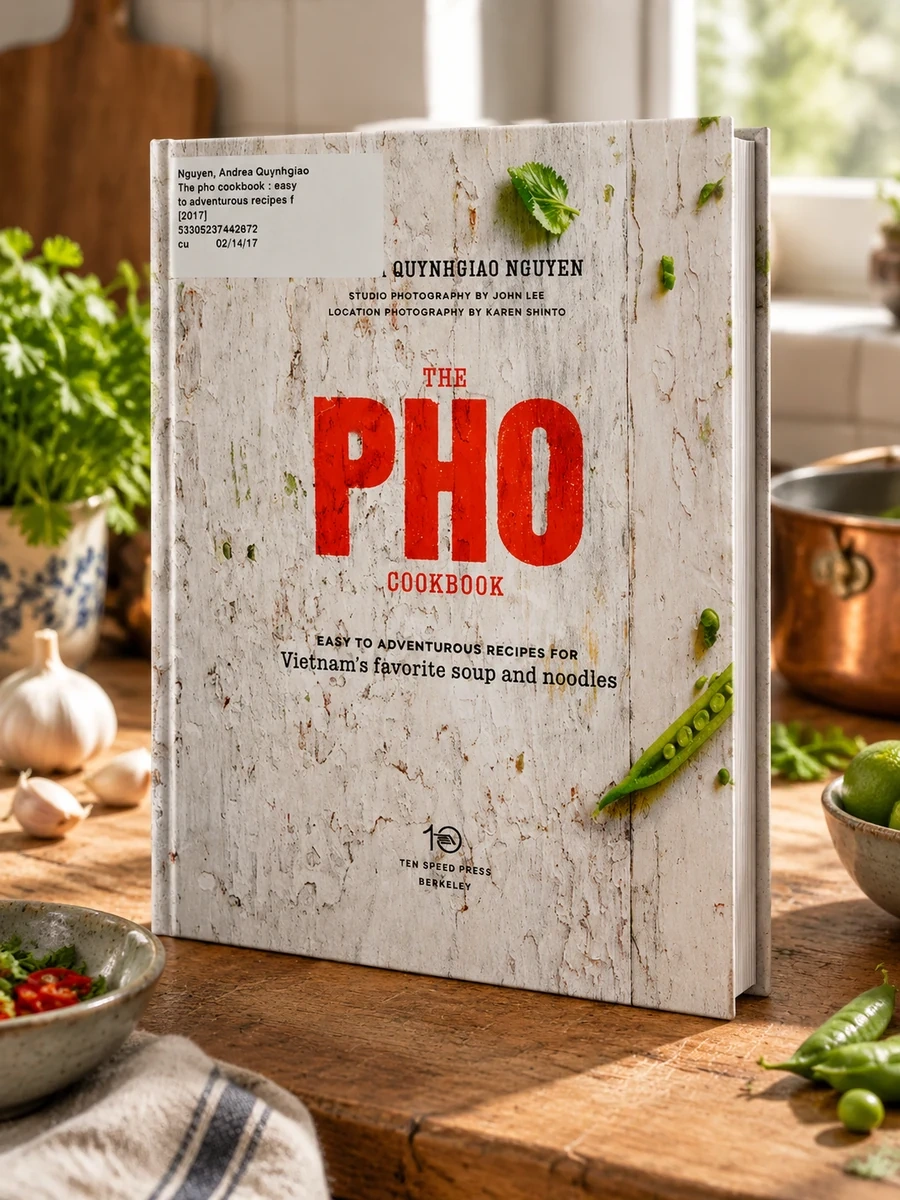
3. The PHO Cookbook: Easy to Adventurous Recipes for Vietnam's Favorite Soup and Noodles — Andrea Nguyen
Best for: Pho enthusiasts who want to explore beyond restaurant takeout. The book explicitly spans easy to adventurous recipes, making it a useful choice for cooks who want options for different amounts of time and effort. Its focused subject also gives readers a clear reason to open it: learning about Vietnam's celebrated soup-and-noodle tradition through a dedicated collection.
Pho is an especially good subject for a specialist cookbook because the finished bowl depends on how its elements work together. Broth, noodles, garnishes, and seasoning all contribute to the experience, and a focused guide gives you a framework for exploring those elements rather than relying on a single generic recipe. You can approach the book according to your available time and gradually try more ambitious preparations.
Skill level: beginner to advanced, depending on the recipe and the depth of the project. Choose it as your first Nguyen book if pho is the reason you are interested in Vietnamese cooking; there is no need to read a general introduction first.
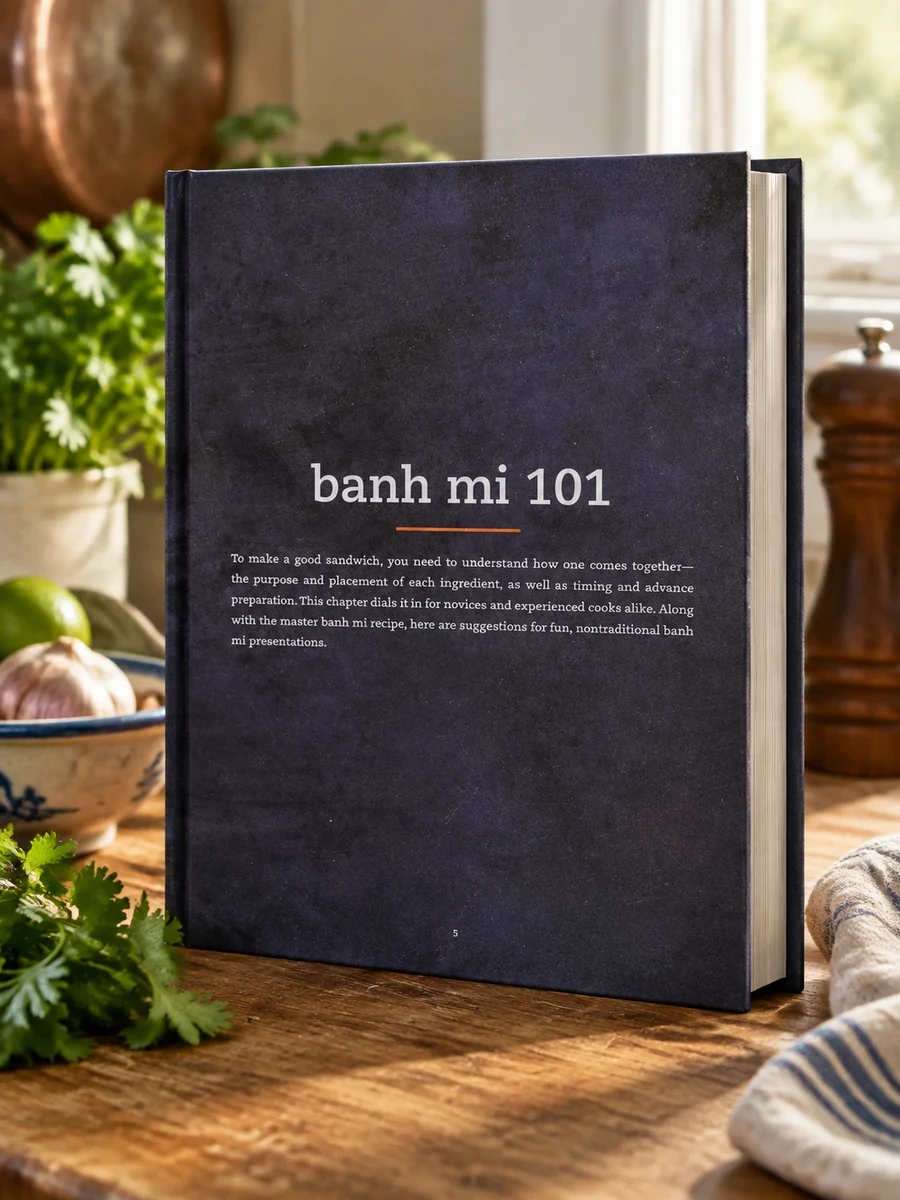
4. The Banh Mi Handbook: Recipes for Crazy-Delicious Vietnamese Sandwiches — Andrea Nguyen
Best for: Sandwich lovers, lunch planners, and cooks interested in Vietnamese street-food flavors. This book concentrates on banh mi, a format in which bread, fillings, pickled vegetables, herbs, and sauces need to complement one another. Its narrow focus makes it easy to justify even if you already own a general Vietnamese cookbook.
The appeal here is learning to think of a sandwich as a combination of textures and flavors rather than just a filling placed between two pieces of bread. Banh mi also provides a practical way to experiment with components: once you understand the balance you enjoy, you can pay closer attention to how crispness, freshness, richness, and tanginess interact.
Skill level: beginner to intermediate. It is a good choice for anyone who wants a focused project with an immediately recognizable result, particularly cooks who enjoy assembling lunches or recreating favorite sandwich-shop flavors at home.
Build confidence with hands-on Asian cooking techniques
Nguyen's work extends beyond Vietnamese everyday meals and the country's best-known specialties. Her books on dumplings and tofu offer two different kinds of practical learning: one explores filled and wrapped foods across Asian traditions, while the other centers on a versatile ingredient and the many ways to prepare it. These make sense after the opening books, or earlier if either subject already interests you.
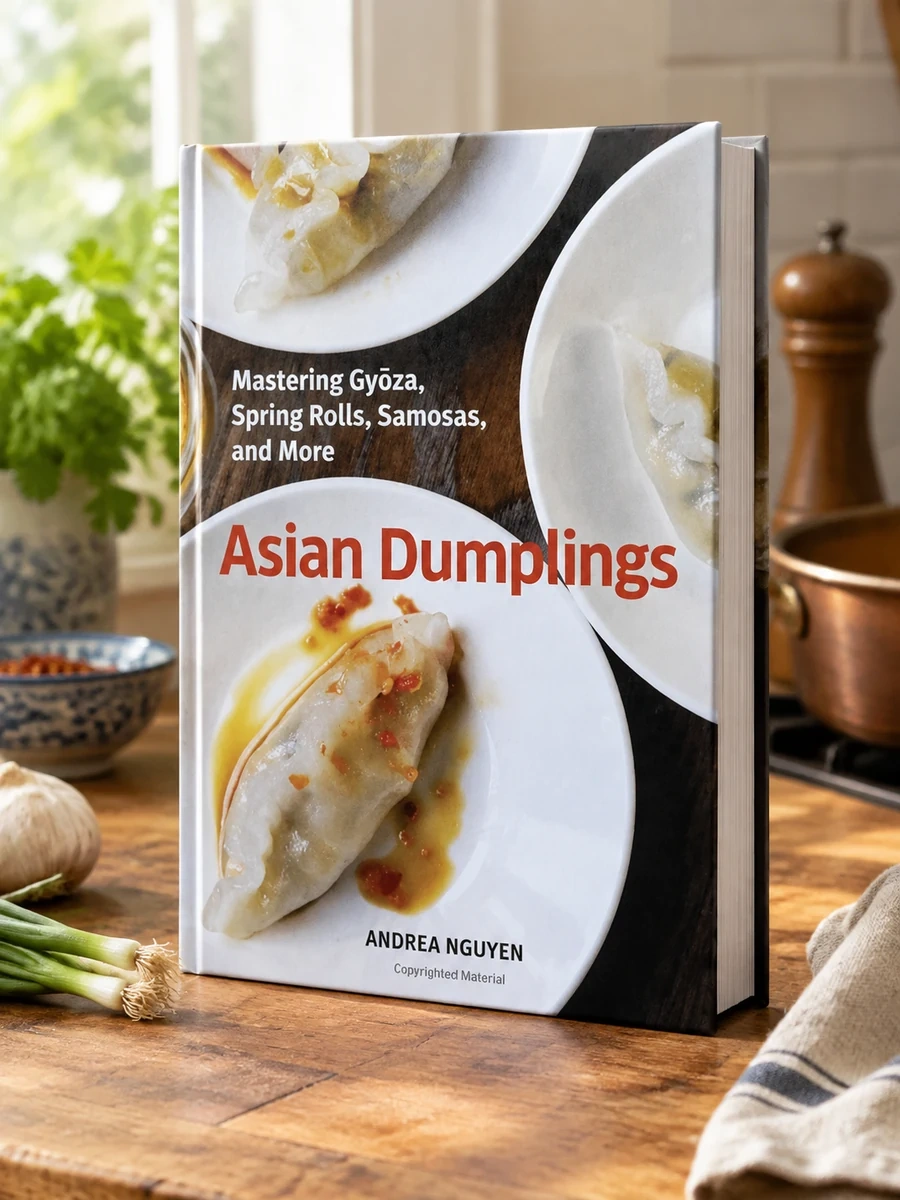
5. Asian Dumplings: Mastering Gyoza, Spring Rolls, Samosas, and More — Andrea Nguyen
Best for: Hands-on cooks who enjoy shaping, wrapping, filling, and sharing food. The book covers dumplings across Asian culinary traditions, with its title naming examples such as gyoza, spring rolls, and samosas. That breadth makes it different from a specifically Vietnamese cookbook: it is a chance to study a wider family of foods through a technique-oriented lens.
This is the natural choice if you like cooking projects that reward repetition. Wrapping and shaping are skills that improve with practice, so a focused cookbook can serve as a useful reference beyond a single meal. It also suits people who enjoy preparing food with family or friends, since dumpling-making can become a shared kitchen activity.
Skill level: beginner to intermediate, with the amount of practice depending on the preparation you choose. Start with it when the process of making dumplings appeals as much as eating them; there is no need to treat it as a required step in learning Vietnamese cooking.
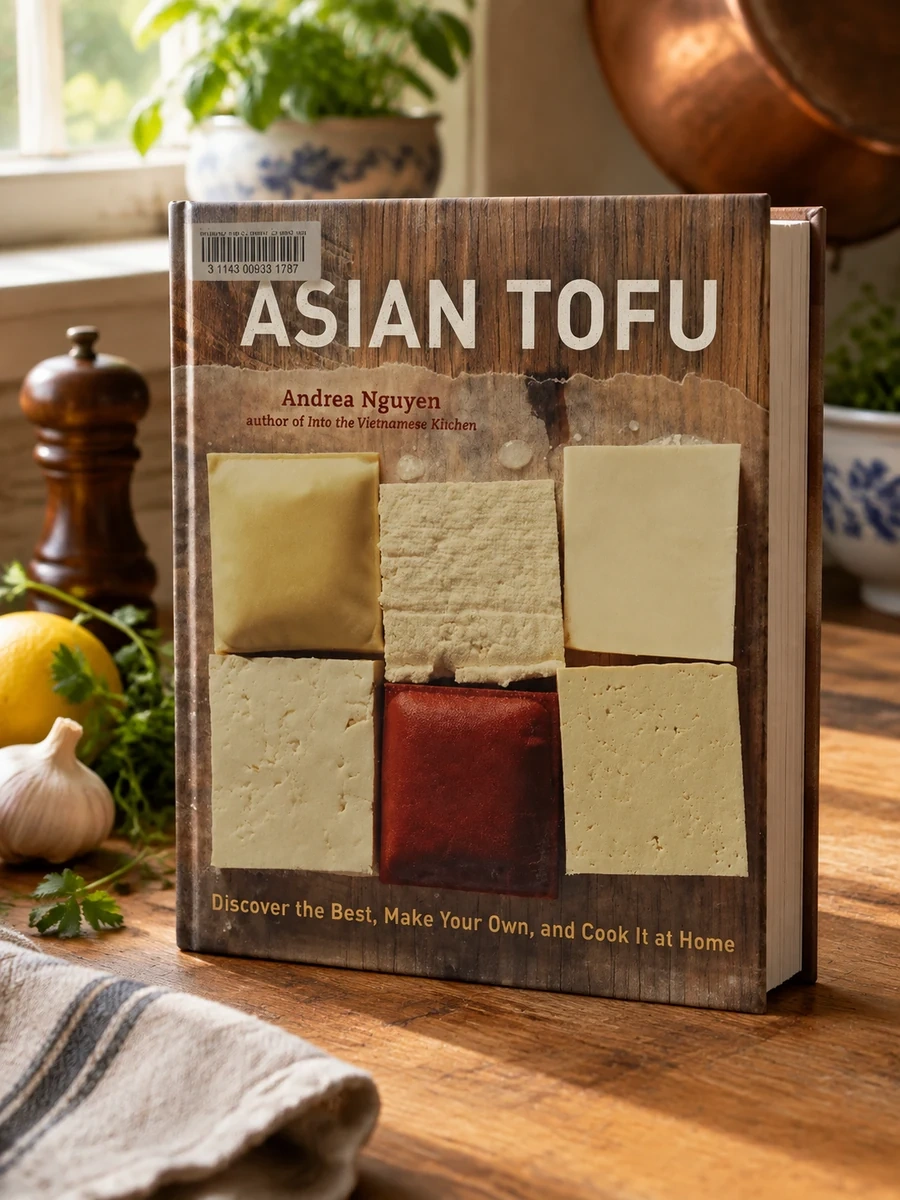
6. Asian Tofu: Discover the Best, Make Your Own, and Cook It at Home — Andrea Nguyen
Best for: Cooks who want to understand tofu as an ingredient rather than use it only as a substitute for meat. The title brings together discovering tofu, making it yourself, and cooking it at home, giving the book a broader focus than a simple collection of weeknight tofu dinners. It is particularly relevant if you want to expand your plant-forward repertoire or learn more about an ingredient used across Asian cuisines.
Tofu rewards attention to its role in a dish. Texture, preparation, and the way the ingredient is cooked all affect the result, so a dedicated guide can help you approach it with more confidence and curiosity. Readers who enjoy ingredient-focused books will find this a different kind of resource from the dish-specific pho and banh mi titles.
Skill level: beginner to experienced home cook. You can choose it for everyday tofu cooking or for the more involved interest in making tofu yourself; the latter is a different level of kitchen commitment from simply preparing a meal with a ready-made block.
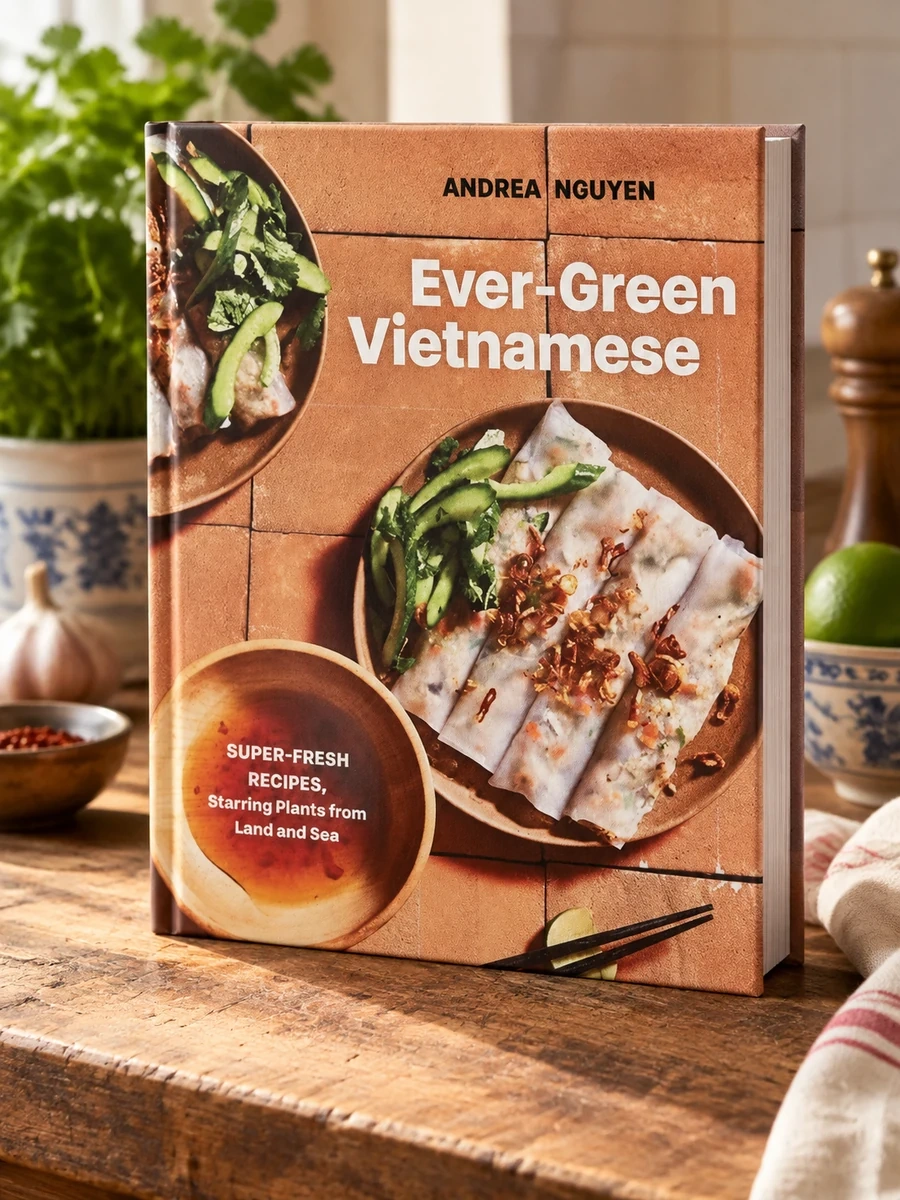
7. Ever-Green Vietnamese: Super-Fresh Recipes, Starring Plants from Land and Sea — Andrea Nguyen
Best for: Plant-forward cooks who want Vietnamese food to be a regular part of how they eat. The book puts super-fresh ingredients from land and sea at the center of its approach, offering a distinct direction from books focused primarily on a single dish or cooking technique. It is especially appealing if you want to explore the plant-led side of Vietnamese cooking rather than build your repertoire around pho and banh mi alone.
The book's stated focus makes it worth considering for anyone who wants more variety in vegetable-centered meals and fresh flavors. It is also a useful reminder that Vietnamese cooking cannot be reduced to a handful of famous restaurant dishes: there are many ways to build a meal around produce and other fresh ingredients.
Skill level: beginner to intermediate for cooks comfortable following recipes and working with fresh ingredients. Choose it when the ingredients and overall direction match the way you want to cook, rather than assuming it must come after the other six books.
How to choose the right Andrea Nguyen cookbook
You do not need all seven books to get started. The best choice depends on whether you want an everyday cooking habit, a deeper culinary reference, or one particular skill to practice. Use the following shortcuts to narrow the field.
- If you are new to Vietnamese cooking: Start with Vietnamese Food Any Day. Its emphasis on simple recipes and fresh flavors makes it the clearest introduction for everyday use.
- If you want a broader culinary reference: Choose Into the Vietnamese Kitchen. It is the stronger fit for readers interested in Vietnamese food traditions as well as modern cooking.
- If pho is your main goal: Go directly to The PHO Cookbook. A specialist book is a sensible first purchase when you already know the dish you want to master.
- If you want better homemade banh mi: Pick The Banh Mi Handbook. Its focused subject makes it useful for exploring the balance of sandwich components.
- If you enjoy shaping and wrapping food: Choose Asian Dumplings. It is the technique-led option for cooks who like to learn through practice.
- If you want to do more with tofu: Start with Asian Tofu. It addresses the ingredient directly, including the possibility of making tofu at home.
- If fresh, plant-forward meals are your priority: Pick Ever-Green Vietnamese. Its emphasis on plants from land and sea gives it a distinct place in the lineup.
For a two-book starting library, pair Vietnamese Food Any Day with whichever specialist title reflects your interests. Add Into the Vietnamese Kitchen if you want a more expansive reference, or choose a second focused book if you would rather practice a particular dish or ingredient.
The central advice is simple: let your cooking goals determine the order. Nguyen's everyday cookbook is the easiest place to begin for most readers, but pho lovers, sandwich enthusiasts, tofu cooks, and dumpling makers can start with the book that speaks to them. A useful cookbook is one you will open, cook from, and return to—and this list gives you a clear path toward finding yours.