Christopher Kimball is an interesting cookbook author to approach because his work covers more than one idea of what home cooking should be. His earlier books are closely associated with American cooking traditions and the careful examination of familiar recipes. His later Milk Street titles take a broader international perspective, emphasizing bold flavors, useful techniques, and ways to make everyday cooking more interesting.
That change in emphasis is exactly why choosing a first book can be confusing. A reader looking for dependable weeknight dinners needs something different from someone interested in the history of American home cooking or the techniques behind a particularly good bowl of noodles. Buying several books without understanding their differences can also leave you with overlapping collections of recipes.
The following nine-book reading order moves from Kimball's American cooking foundations into his Milk Street philosophy, then toward increasingly focused and practical applications. It is a recommended order for understanding his range, not a strict publication chronology. If you simply want something useful for tonight's dinner, you can skip directly to the weeknight recommendations.
Start with Christopher Kimball's cooking philosophy
Before choosing a specialized Milk Street cookbook, it helps to understand the two broad traditions represented in Kimball's catalog. His American home-cooking work provides a foundation in familiar dishes and established cooking practices, while the Milk Street books offer a different approach to flavor and inspiration. These first three titles establish that contrast.
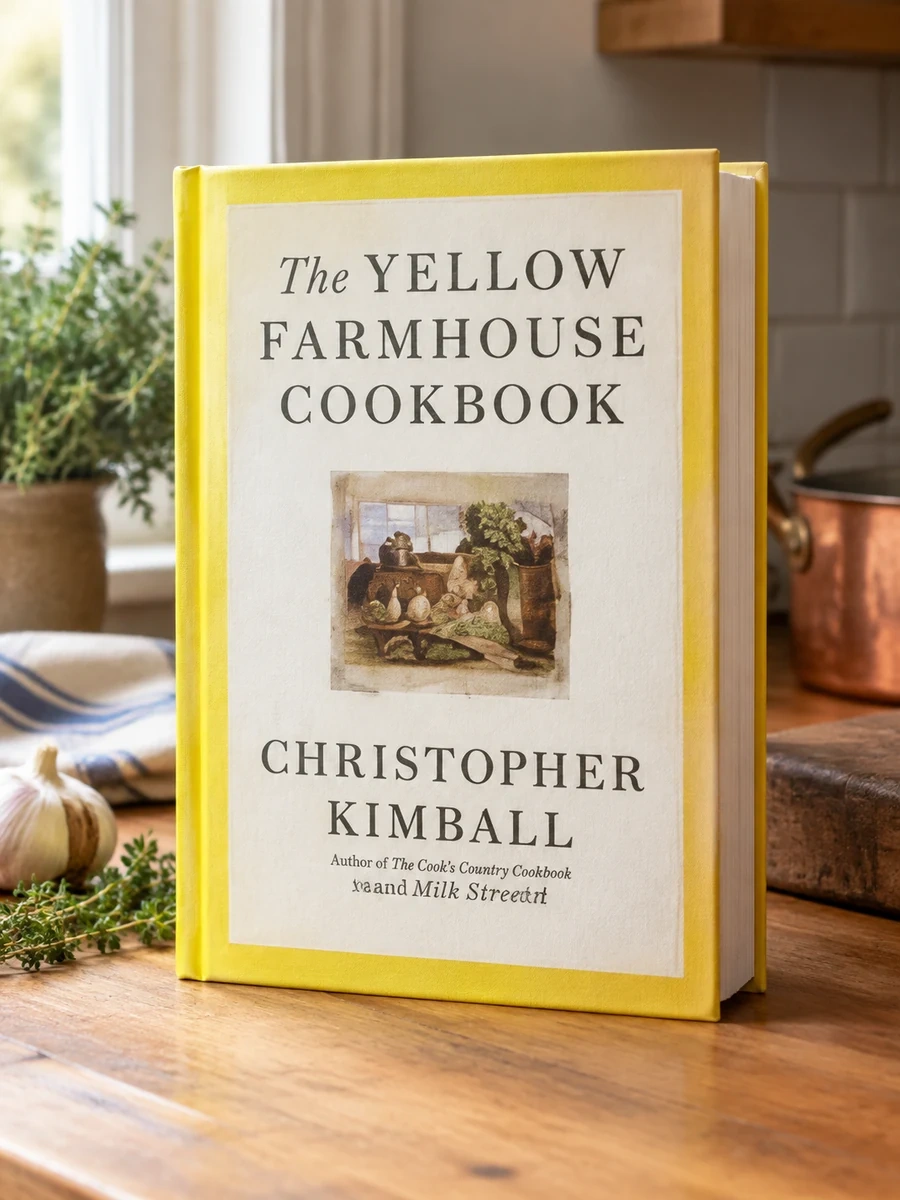
1. The Yellow Farmhouse Cookbook — Christopher Kimball
This is a particularly appealing starting point for someone interested in the American side of Kimball's cooking. The title evokes a traditional farmhouse approach, and its place in the Regional & Cultural category makes it a natural choice for readers who want to explore the character of American home cooking rather than begin with a narrowly specialized collection.
Choose this book if you enjoy cookbooks that connect everyday food with domestic traditions and a sense of place. It also provides a useful contrast with the international direction of the Milk Street titles later in this list. Readers whose main priority is fast contemporary dinners may prefer to begin elsewhere, but anyone interested in Kimball's broader culinary identity should consider this an important foundation.
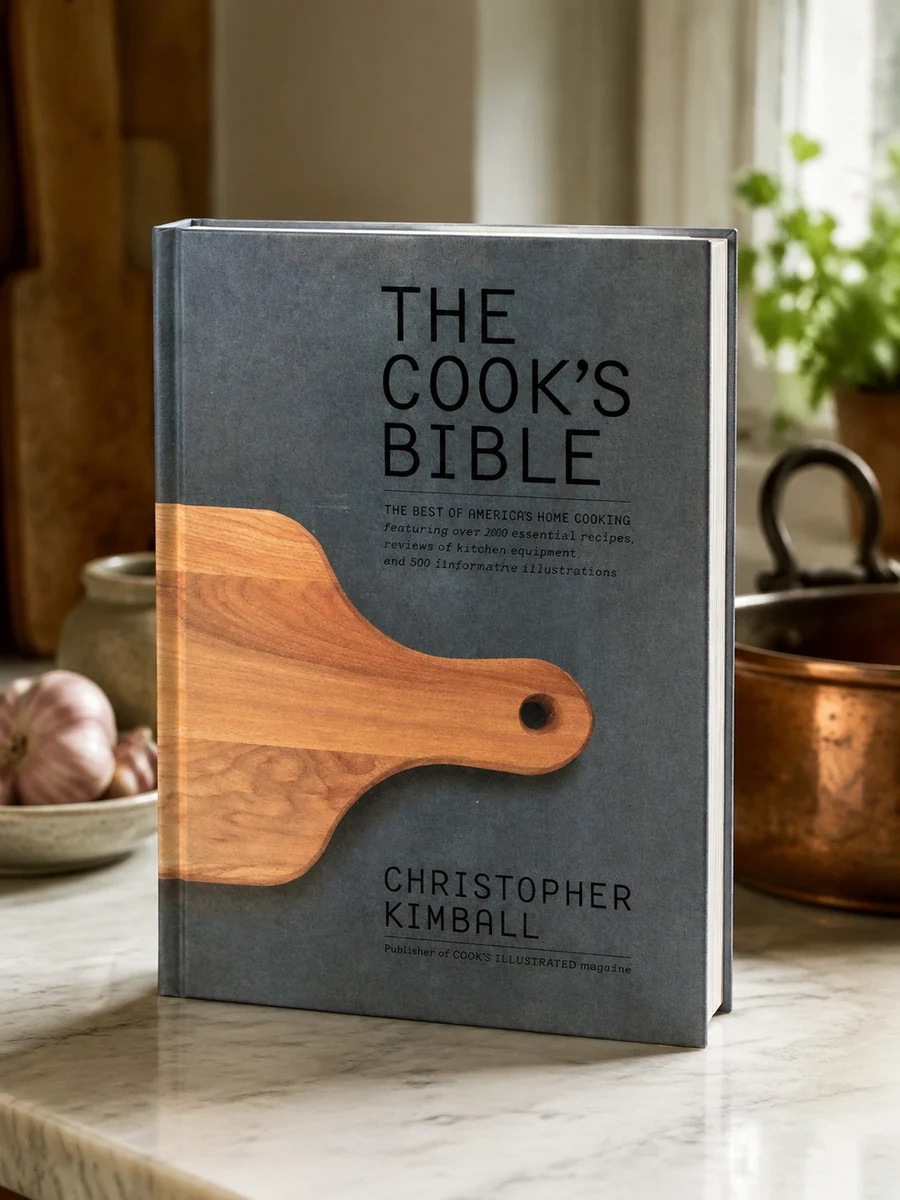
2. The Cook's Bible: The Best of American Home Cooking — Christopher Kimball
After exploring the farmhouse tradition, move to this broader statement on American home cooking. Its subtitle makes the emphasis clear: this is a book for readers interested in the familiar cooking repertoire and the food that forms the backbone of many American household kitchens.
The distinction between this title and The Yellow Farmhouse Cookbook matters. The latter offers a more particular traditional atmosphere, while The Cook's Bible presents itself as a broader home-cooking reference. If you want a cookbook collection grounded in American food rather than immediately moving into international recipes, this is the more natural second step. It is also a sensible choice for cooks who appreciate a traditional culinary vocabulary before experimenting with different flavor combinations.
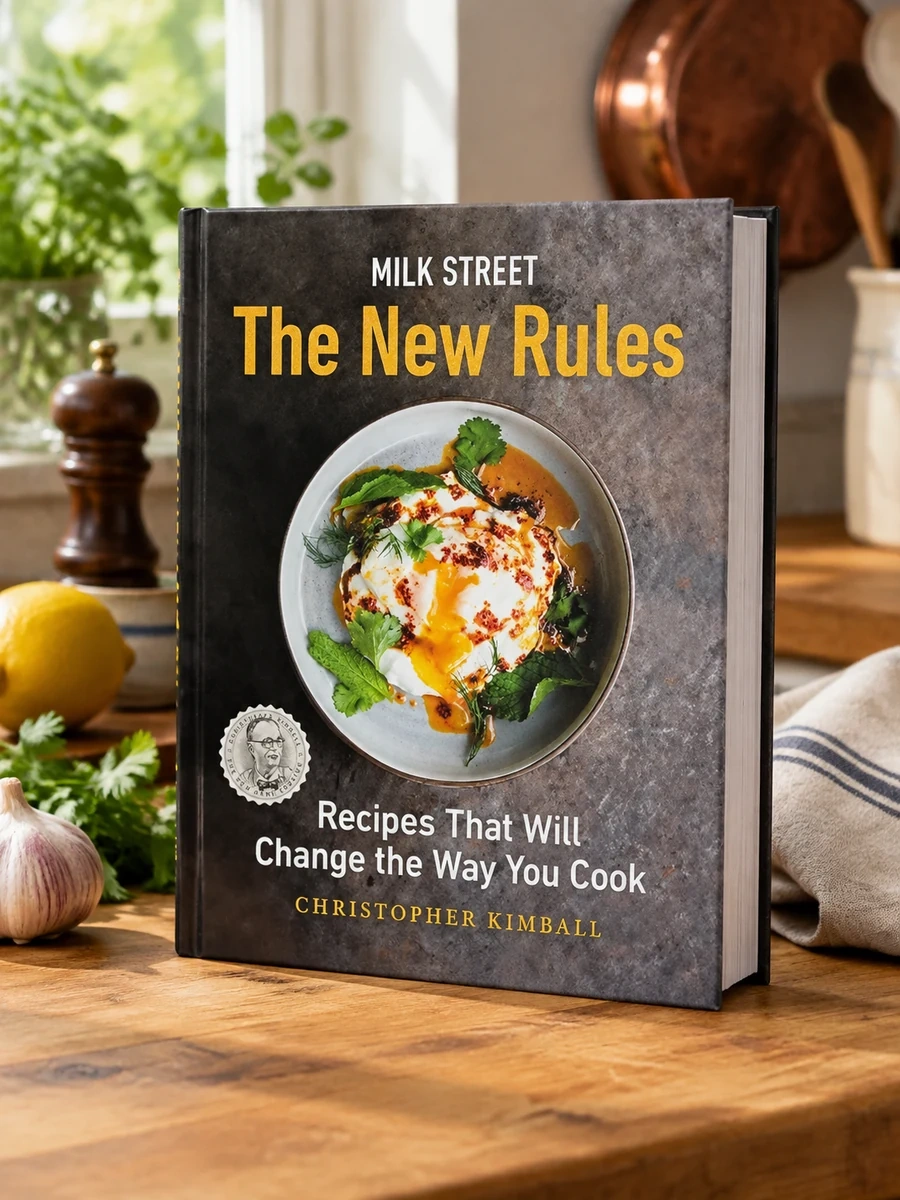
3. Milk Street: The New Rules: Recipes That Will Change the Way You Cook — Christopher Kimball
This is the turning point in the recommended reading order. The New Rules introduces the broader promise of the Milk Street approach: questioning familiar cooking habits and looking for ways to produce more interesting results through different recipes and techniques. Its title positions it as a statement about how cooking can change, rather than simply another collection organized around a single ingredient or meal.
For readers who know Kimball primarily through his American home-cooking books, this is the logical bridge into his later work. It is especially suitable for curious cooks who want to reconsider established routines and are willing to try approaches that draw on food traditions beyond the United States. Read it before the more specialized Milk Street collections if understanding the overall philosophy matters more to you than immediately finding a recipe for dinner.
Move into practical Milk Street cooking
Once you understand the shift in approach, the most useful next step is to choose books that translate that philosophy into everyday meals. This is where Kimball's catalog becomes particularly practical. The next three titles address different problems: finding time to cook, making something interesting with limited ingredients, and improvising without depending on a rigid recipe.
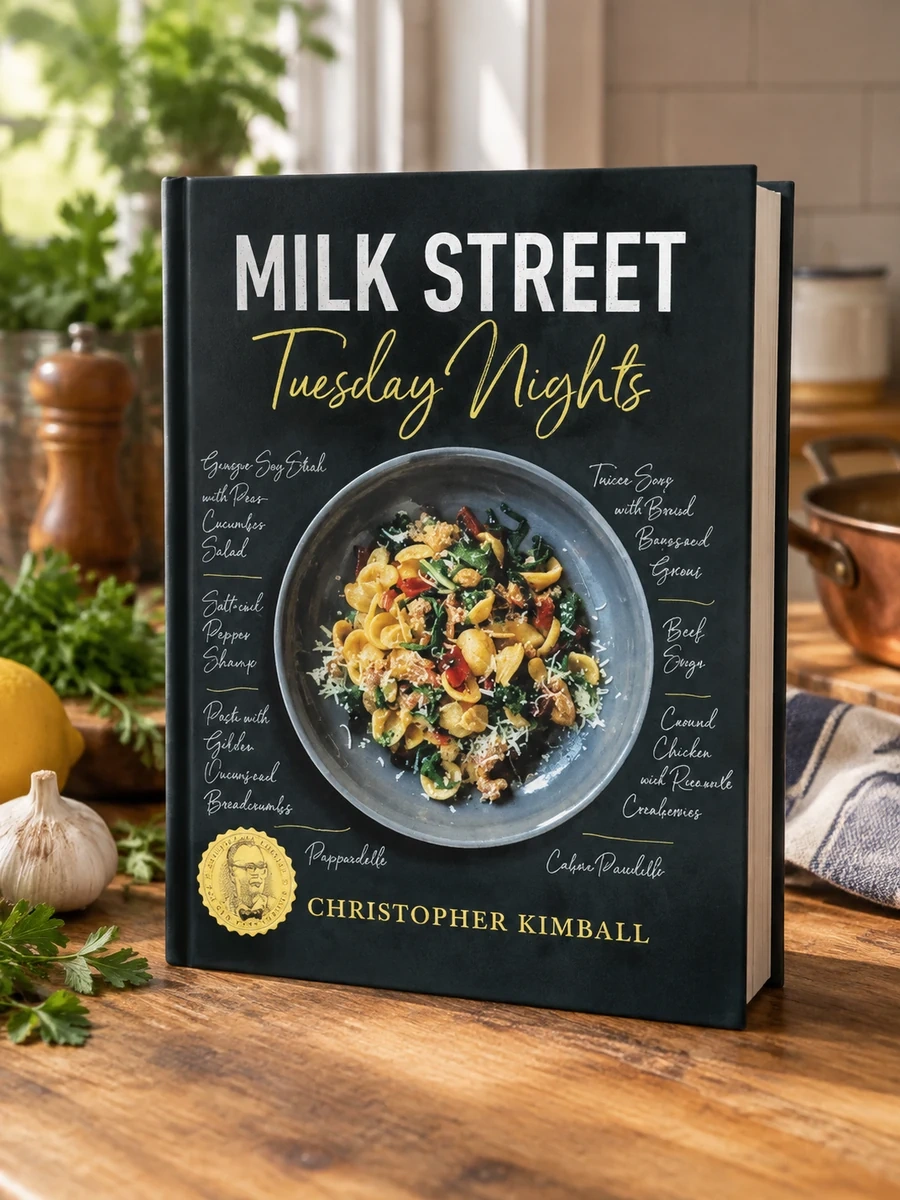
4. Milk Street: Tuesday Nights: More Than 200 Simple Weeknight Suppers That Deliver Bold Flavor, Fast — Christopher Kimball
For many people, this is the best first Milk Street cookbook to use regularly. Its focus is straightforward: more than 200 weeknight suppers designed to deliver bold flavor without making dinner unnecessarily complicated. The time-oriented premise makes it particularly useful for people who cook after work and need practical ideas rather than elaborate weekend projects.
There is a significant difference between a cookbook that inspires you and one that becomes part of your regular kitchen routine. Tuesday Nights is aimed at the latter. Its organization around efficient meals makes it a strong starting point for busy households, newer cooks who want structured dinner ideas, and experienced home cooks who are tired of repeating the same meals. If your principal reason for exploring Kimball is to improve everyday dinners, you can comfortably make this your number-one purchase instead of following the full sequence.
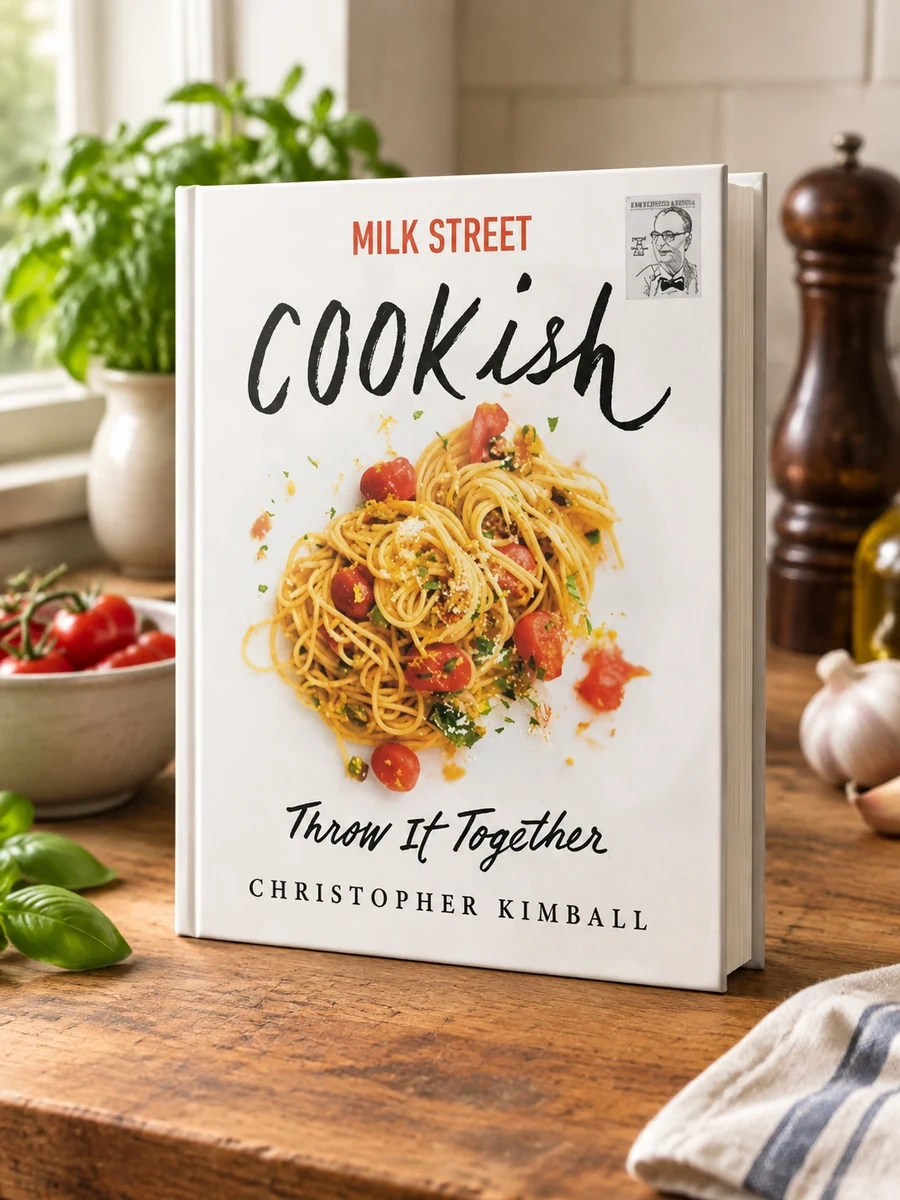
5. Milk Street: Cookish: Throw It Together: Big Flavors. Simple Techniques. 200 Ways to Reinvent Dinner. — Christopher Kimball
Cookish is a natural follow-up to Tuesday Nights, but the two titles answer slightly different cooking needs. Where the Tuesday Nights concept emphasizes convenient weeknight suppers, Cookish foregrounds throwing ingredients together, using simple techniques, and finding ways to reinvent dinner. Its 200-recipe premise makes it attractive to cooks who want variety without turning every meal into a complicated undertaking.
This is a good book for someone who has mastered a few reliable dinner routines and wants to become more flexible. It encourages an approach in which simple preparation and bold flavor can coexist. Consider it particularly useful if you frequently have the time and inclination to cook but struggle to think of something different. It is less of a traditional reference book and more of an everyday source of ideas.
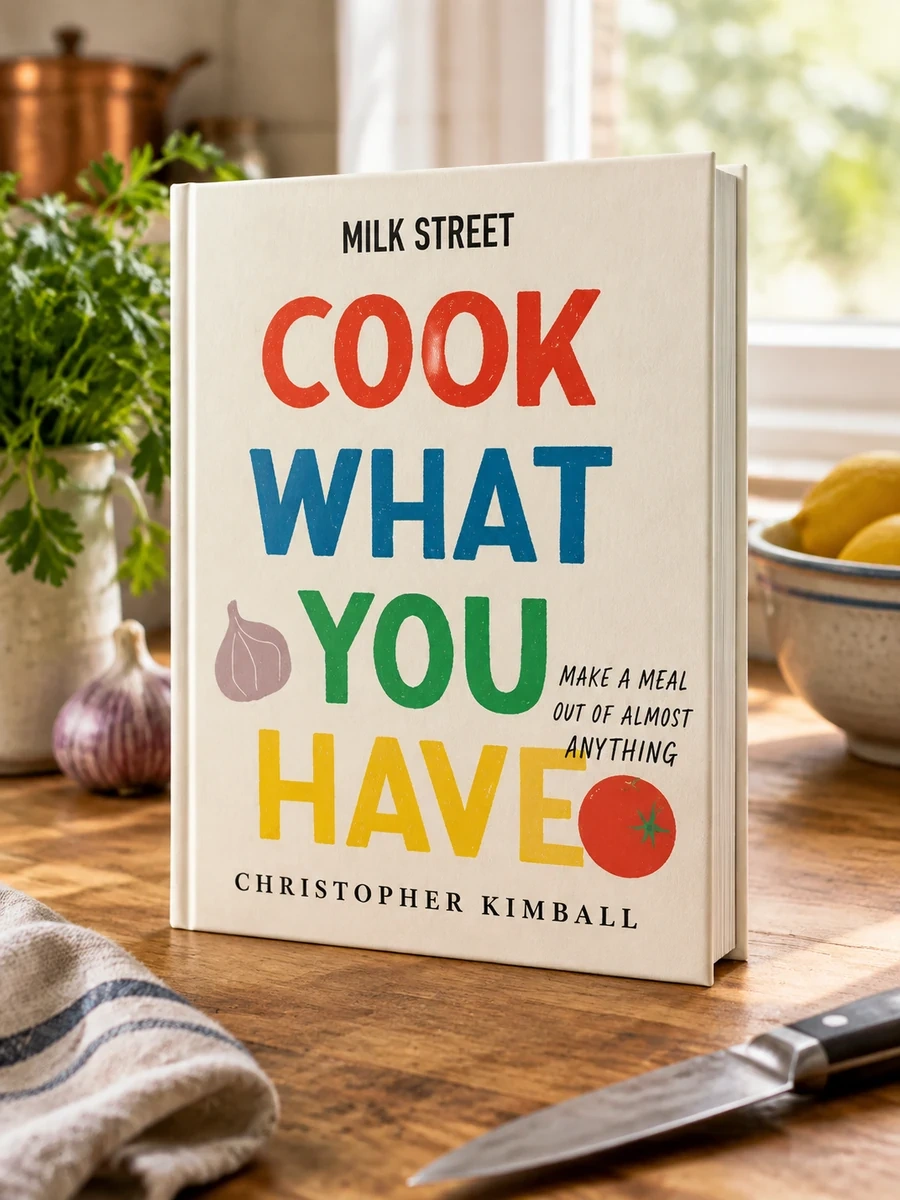
6. Milk Street: Cook What You Have: Make a Meal Out of Almost Anything (a Cookbook) — Christopher Kimball
This is arguably the most valuable next step for cooks who want to become less dependent on shopping for individual recipes. Cook What You Have centers on the idea of making a meal out of almost anything, putting the available ingredients at the center of the cooking process rather than treating a recipe's shopping list as an absolute requirement.
That makes it especially relevant to households trying to reduce food waste, use up ingredients already in the refrigerator, or make dinner when the pantry is not particularly well stocked. It also represents an important progression in cooking confidence. Tuesday Nights helps you find a manageable dinner, Cookish gives you ideas for reinventing meals, and Cook What You Have encourages you to work with what is already available. For someone building lasting kitchen skills, that progression is more useful than simply accumulating recipes.
Explore specialized flavors and a broader everyday repertoire
With the foundations and practical books covered, the final three recommendations take you into more specific areas of Milk Street cooking. One concentrates on noodles, another on Mediterranean food, and the last provides a broad all-purpose collection. These books are not necessarily harder than the earlier recommendations; they simply serve more particular interests.
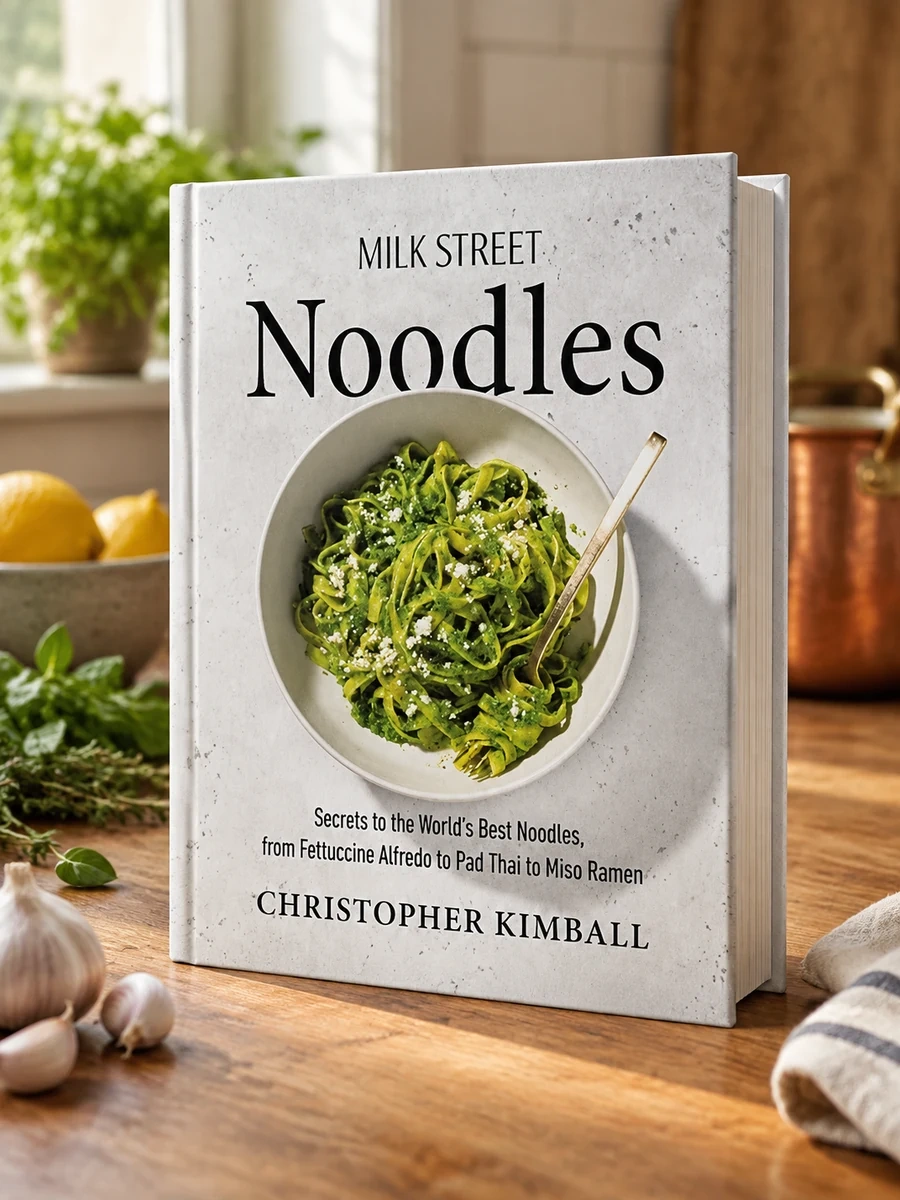
7. Milk Street Noodles: Secrets to the World's Best Noodles, from Fettuccine Alfredo to Pad Thai to Miso Ramen — Christopher Kimball
Noodles is the obvious choice for readers who want a more focused exploration of one of the world's most adaptable food categories. Its subtitle signals an unusually broad range, connecting familiar Italian preparations such as fettuccine Alfredo with dishes such as Pad Thai and miso ramen. That range makes the book relevant to cooks interested in different noodle traditions rather than a single national cuisine.
Its position here is deliberate: after becoming comfortable with Kimball's everyday cooking philosophy, you can appreciate a specialized collection without needing it to serve as your entire dinner reference. Choose this book if noodles are a regular part of your household's meals or if you enjoy exploring how different culinary traditions approach a familiar ingredient. It is also a strong option for someone who already owns a general Milk Street cookbook and wants a more focused subject.
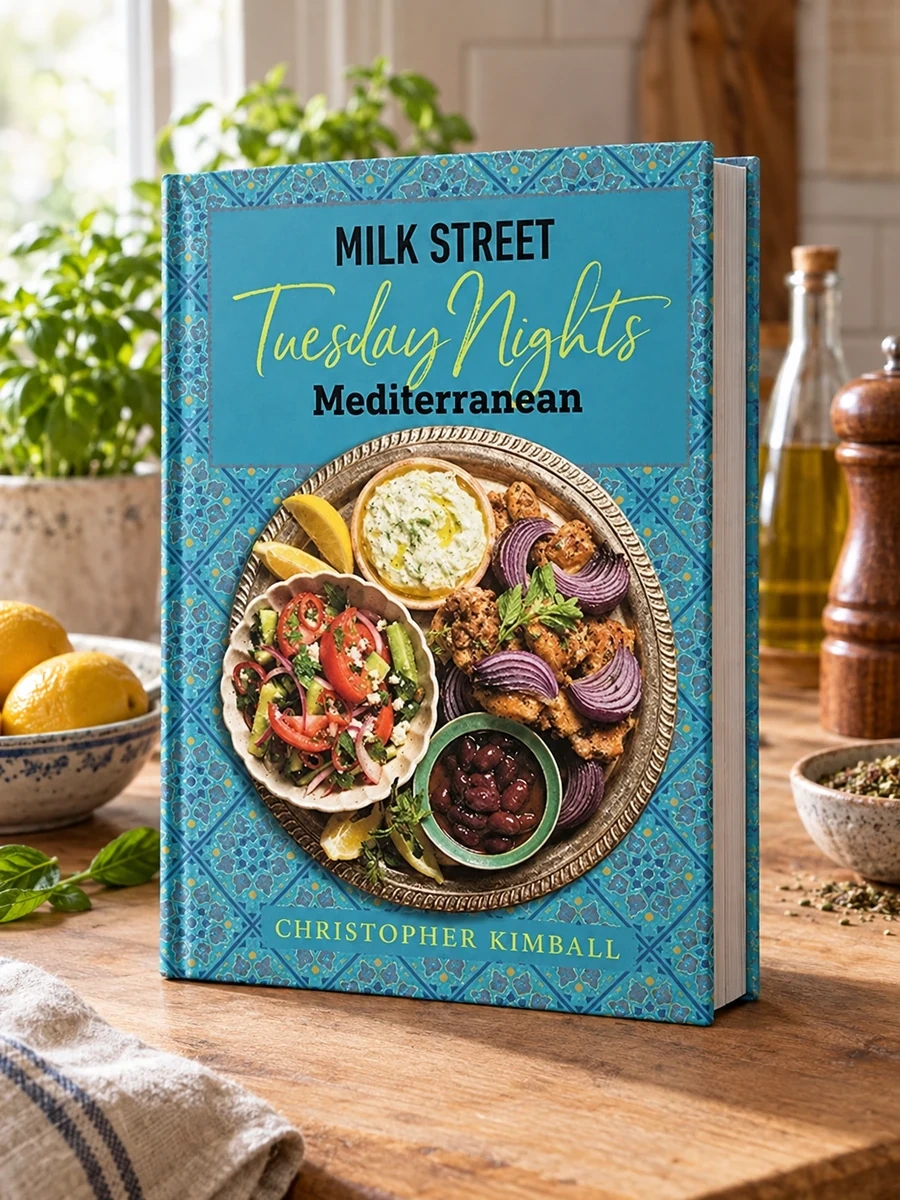
8. Milk Street: Tuesday Nights Mediterranean: 125 Simple Weeknight Recipes from the World's Healthiest Cuisine — Christopher Kimball
This title combines the practical Tuesday Nights format with a Mediterranean focus. Its 125 recipes are positioned around simple weeknight cooking, making it a logical extension for readers who like the original Tuesday Nights concept but want a more defined culinary direction.
The distinction is useful when deciding between the two books. The original Tuesday Nights is the more general choice for a broad collection of efficient suppers, while Tuesday Nights Mediterranean is more appealing when Mediterranean-inspired meals are specifically what you want to cook. It suits busy home cooks who want variety and flavor but do not have unlimited time for preparation. If you already own the original Tuesday Nights, consider this a focused addition rather than an essential duplicate.
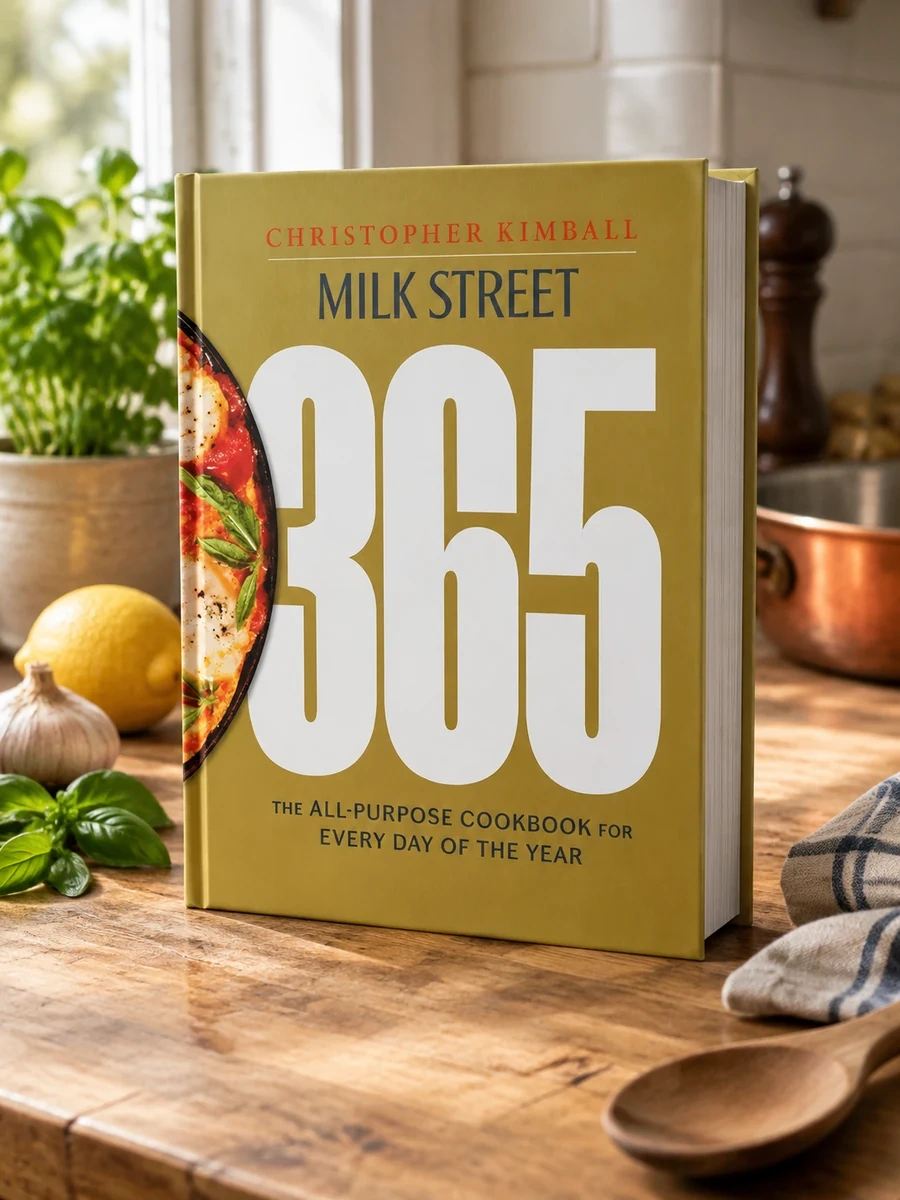
9. Milk Street 365: The All-Purpose Cookbook for Every Day of the Year — Christopher Kimball
Finish the sequence with the broadest everyday proposition in this selection. Milk Street 365 presents itself as an all-purpose cookbook for every day of the year, making it the natural choice for someone who wants a substantial general collection rather than a book devoted to one cooking situation or ingredient.
Its appeal is breadth. Noodles is specialized, Tuesday Nights Mediterranean has a defined regional emphasis, and Cook What You Have addresses a particular way of approaching ingredients. Milk Street 365 is intended to be more comprehensive in its everyday role. It makes sense as a final addition once you know which parts of Kimball's cooking interest you most, although readers who prefer one central cookbook can choose it much earlier. Its position at number nine reflects the reading sequence, not a claim that it is unsuitable as a first purchase.
How to choose your first Christopher Kimball cookbook
The nine-book sequence is useful for understanding the range of Kimball's work, but there is no reason to follow it mechanically. A good first cookbook should solve a real problem in your kitchen or connect with the kind of food you genuinely enjoy preparing. The most sensible starting point depends on your cooking habits.
- For a beginner or a busy household: Start with Milk Street: Tuesday Nights. Its emphasis on simple weeknight suppers gives it an immediately practical purpose.
- For someone interested in American cooking: Choose The Yellow Farmhouse Cookbook or The Cook's Bible. The first offers a traditional farmhouse-oriented entry point, while the second has the broader American home-cooking emphasis.
- For a cook who wants to become more independent: Choose Cook What You Have. It is especially relevant if you often need to make meals from ingredients already on hand.
- For adventurous everyday cooking: Begin with The New Rules and then move into Cookish. These titles suit readers interested in new approaches and simple techniques that bring more flavor to familiar meals.
- For a specific culinary interest: Pick Milk Street Noodles for noodle dishes or Tuesday Nights Mediterranean for Mediterranean-inspired weeknight meals.
- For one broad everyday collection: Consider Milk Street 365 rather than assembling a collection of narrower books immediately.
It is also worth thinking about how you use cookbooks. Some cooks read introductions and technique explanations before attempting recipes; others want a book they can open directly to a dinner idea. If you enjoy understanding why a method works, begin with The New Rules. If you prefer an immediate answer to the question of what to cook tonight, Tuesday Nights is the more practical starting point.
There is no need to collect all nine titles at once. The original Tuesday Nights and Tuesday Nights Mediterranean have related weeknight purposes, while Cookish and Cook What You Have both offer practical approaches to everyday meals. Choose the first book that addresses your current needs, cook from it for a while, and add a second title only when you can identify what is missing.
The most rewarding way to approach Christopher Kimball's work is to see it as a progression from traditional American home cooking toward a wider, more flexible understanding of everyday food. Start with the traditions if that is what interests you, move into Milk Street if you want bolder flavors, and choose the specialized books when a particular cuisine or cooking challenge catches your attention. The right first book is the one that makes you want to cook from it repeatedly.