If you know Paul Hollywood from The Great British Baking Show, it is easy to assume there is one obvious book to start with. There isn't. His catalog covers general baking, bread, pies and puddings, British classics, seasonal projects, and books connected directly to the television show. The best first choice depends on what you actually want to bake.
For most home bakers, though, there is a sensible progression. Start with a book that gives you a broad foundation, move into bread and classic British baking once you have some confidence, and then use the more specialized books according to your interests. The order below is not a publication chronology; it is a practical bookseller's reading order designed to help you get useful recipes and technique from the catalog without buying books that duplicate your purpose.
All ten books below are by Paul Hollywood, and each earns a place for a different reason. If you only want one, start with number 1. If bread is your priority, skip ahead. If what you really want is the feeling of baking along with the show, there are two especially natural entry points.
The best Paul Hollywood books to start with
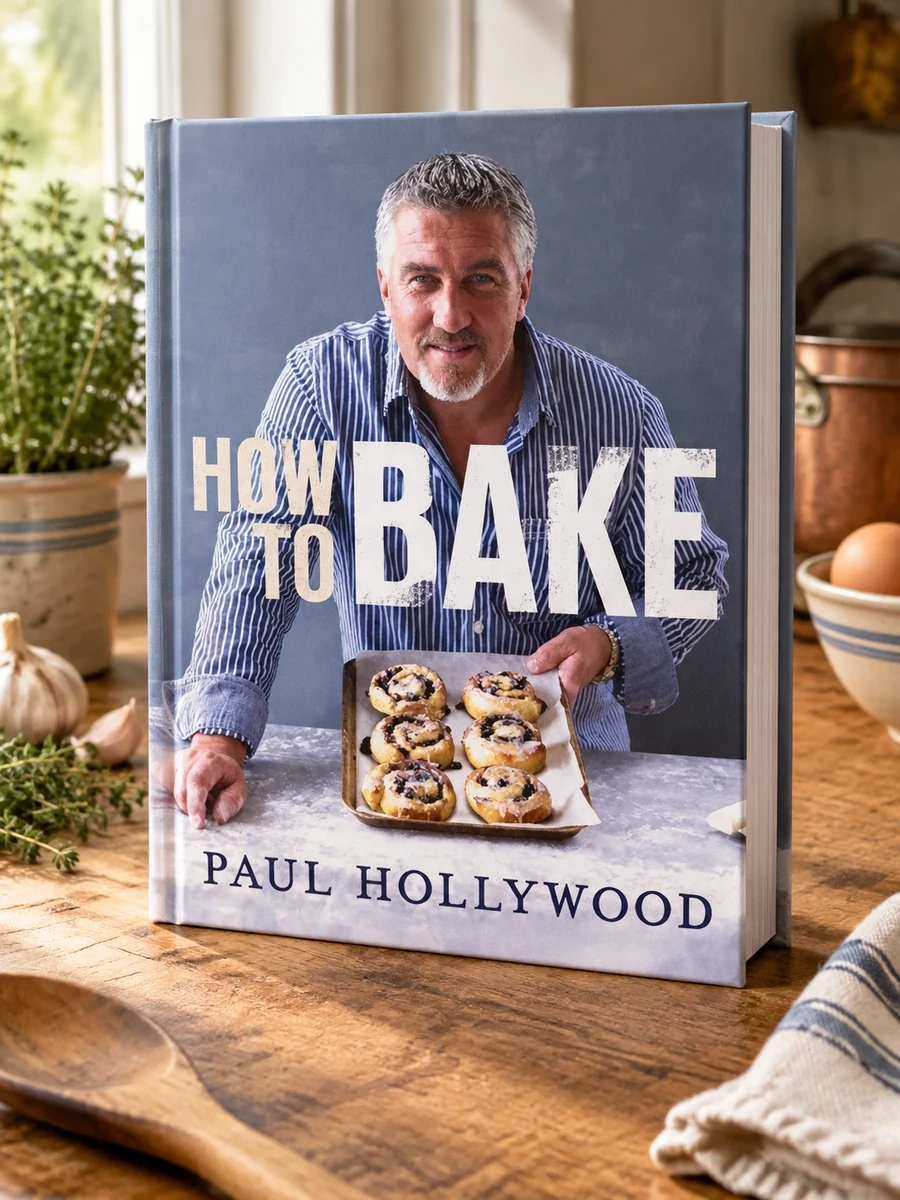
1. How to Bake — Paul Hollywood
This is the strongest starting point when you want Paul Hollywood's approach to baking rather than a book built around one narrow category. Its position here is simple: the title promises instruction, and that makes it the most natural first stop for someone who wants to understand how to bake before specializing.
Choose this first if you are building confidence and want a general-purpose reference on the shelf. It is also a good choice for someone who knows Hollywood from television but has not yet developed a particular baking obsession.
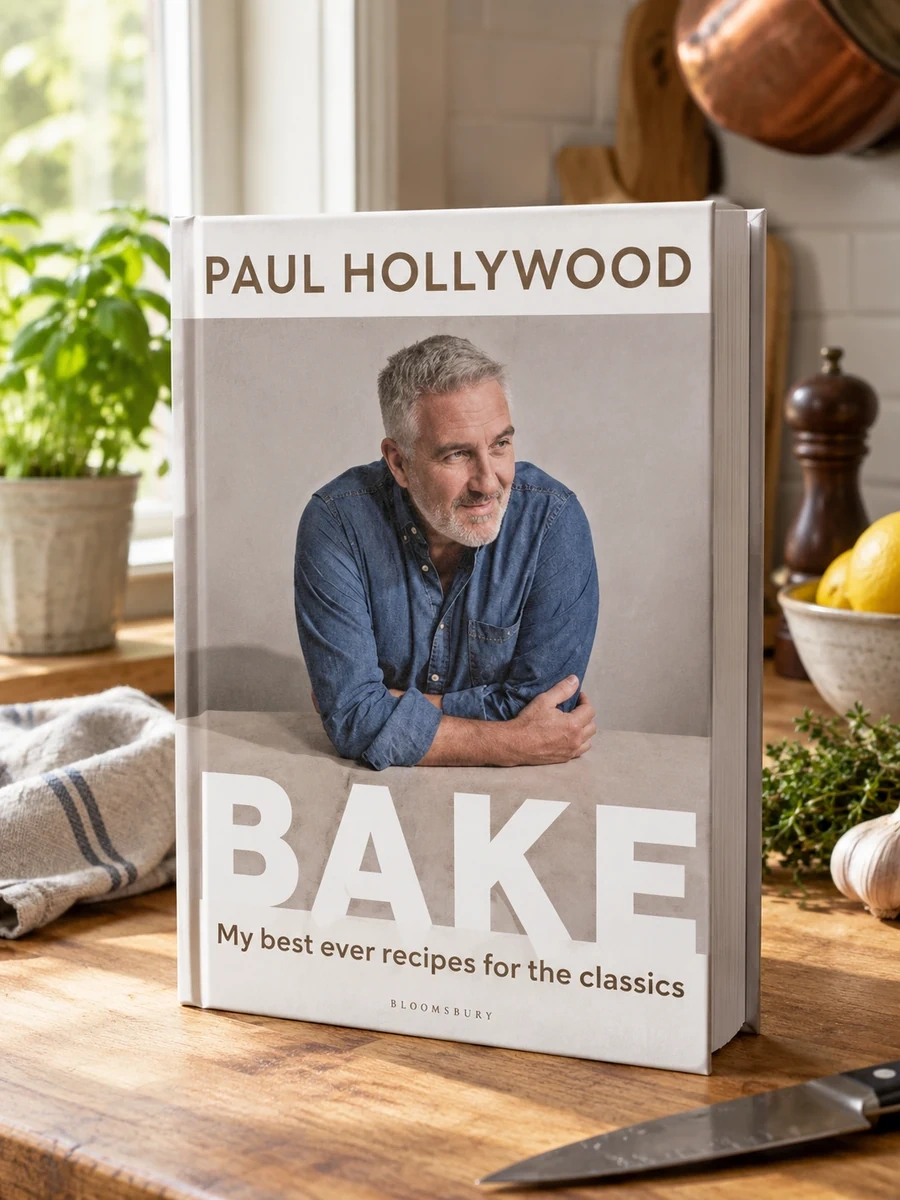
2. Bake: My Best Ever Recipes for the Classics — Paul Hollywood
Once you have the basics, Bake shifts the emphasis toward classic recipes. That makes it a useful second book: rather than treating baking as an abstract skill, it gives you a reason to put those skills to work on familiar territory.
This is particularly appealing if the phrase “classic baking” is what brought you to Hollywood in the first place. Its editorial score is lower than some of the later books in this list, but its role in a progression is clear: it is a bridge between learning the fundamentals and developing a repertoire.
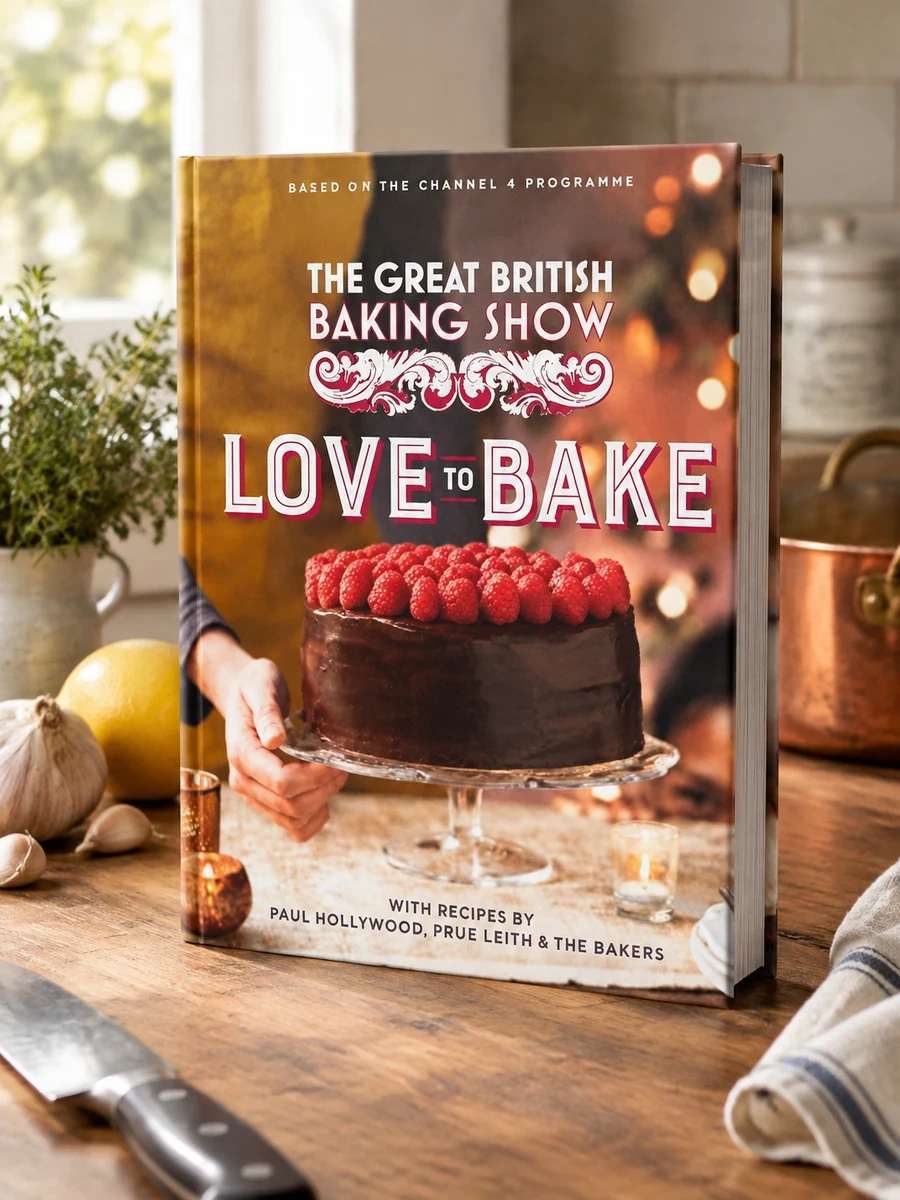
3. The Great British Baking Show: Love to Bake — Paul Hollywood
If your interest in Hollywood started with The Great British Baking Show, this is the point where the reading order becomes more closely tied to that experience. The television connection gives the book an immediate sense of familiarity, while the baking focus keeps it useful beyond simply being a souvenir of the show.
It is a particularly good third book because you can approach it after establishing some basic skills, then use the show's identity as motivation to try something outside your usual rotation. For fans who want a direct connection between Hollywood's television persona and his cookbook work, move this one earlier.
Build the bread and British-baking branch
4. Paul Hollywood's Bread — Paul Hollywood
Bread deserves its own branch in any Paul Hollywood reading list. Paul Hollywood's Bread is the obvious choice when your main goal is to spend more time with dough rather than treating bread as one item among many baked goods.
Start here instead of number 1 if bread is already the reason you are searching for Hollywood. For everyone else, placing it fourth gives you a useful progression: learn general baking first, then devote a whole book to one of the areas most closely associated with his name.
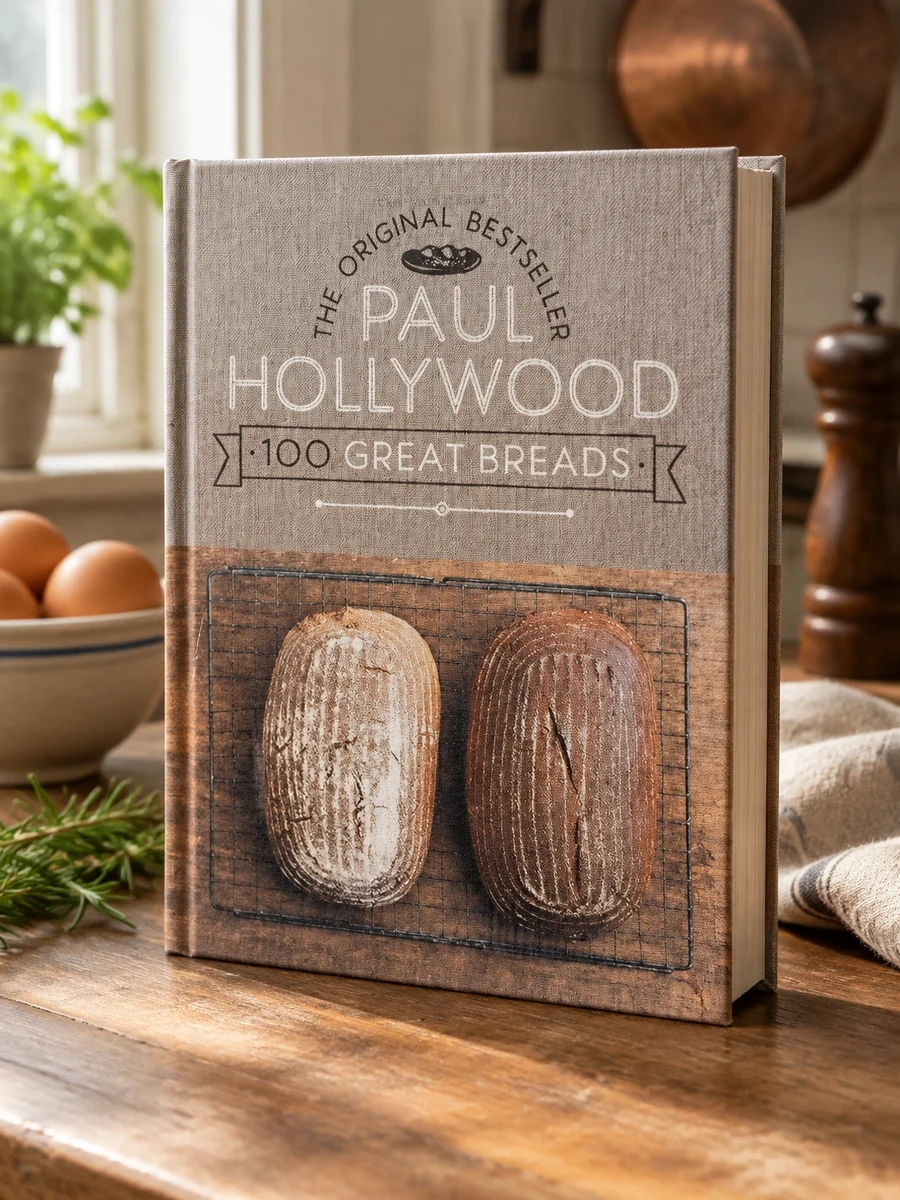
5. Paul Hollywood 100 Great Breads: The Original Bestseller — Paul Hollywood
This is the bread-focused follow-up for someone who wants breadth as well as a dedicated bread collection. The number in the title makes its purpose unusually clear: this is a substantial survey of breads rather than a general baking book with a handful of loaves.
It makes sense after Paul Hollywood's Bread if you discover that bread is your main interest and want a larger repertoire. If you are trying to choose between the two, use Paul Hollywood's Bread as the more straightforward first bread book and turn to 100 Great Breads when variety becomes the priority.
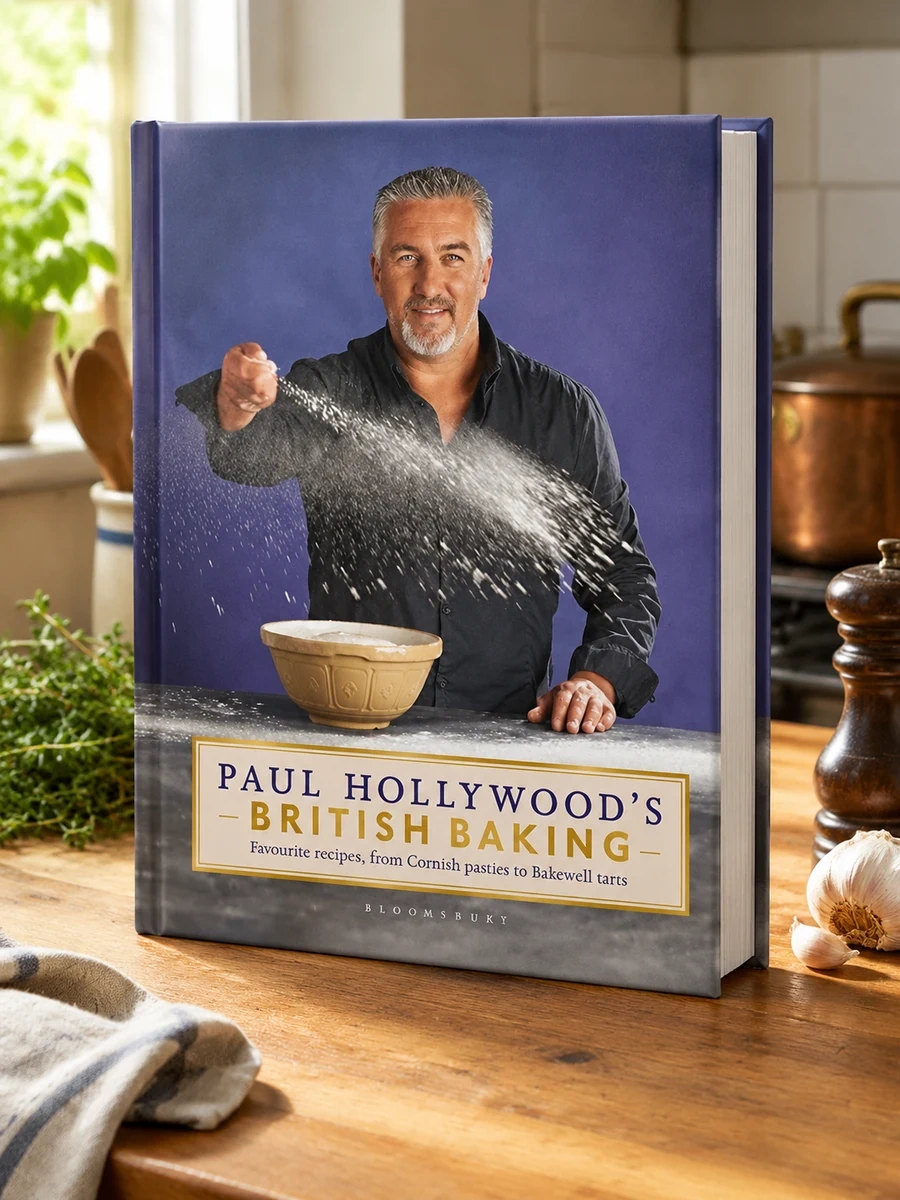
6. Paul Hollywood's British Baking — Paul Hollywood
With Paul Hollywood's British Baking, the focus broadens from the individual technique of bread to the wider tradition of British baking. That makes it a strong choice for cooks who want their baking to feel connected to a recognizable national repertoire.
This belongs later in the order because it is more rewarding once you have some basic baking experience and know which kinds of recipes you enjoy. It also makes a good alternative to the television-branded books if you want the British-baking subject without starting from the show itself.
Specialize in the areas that interest you most
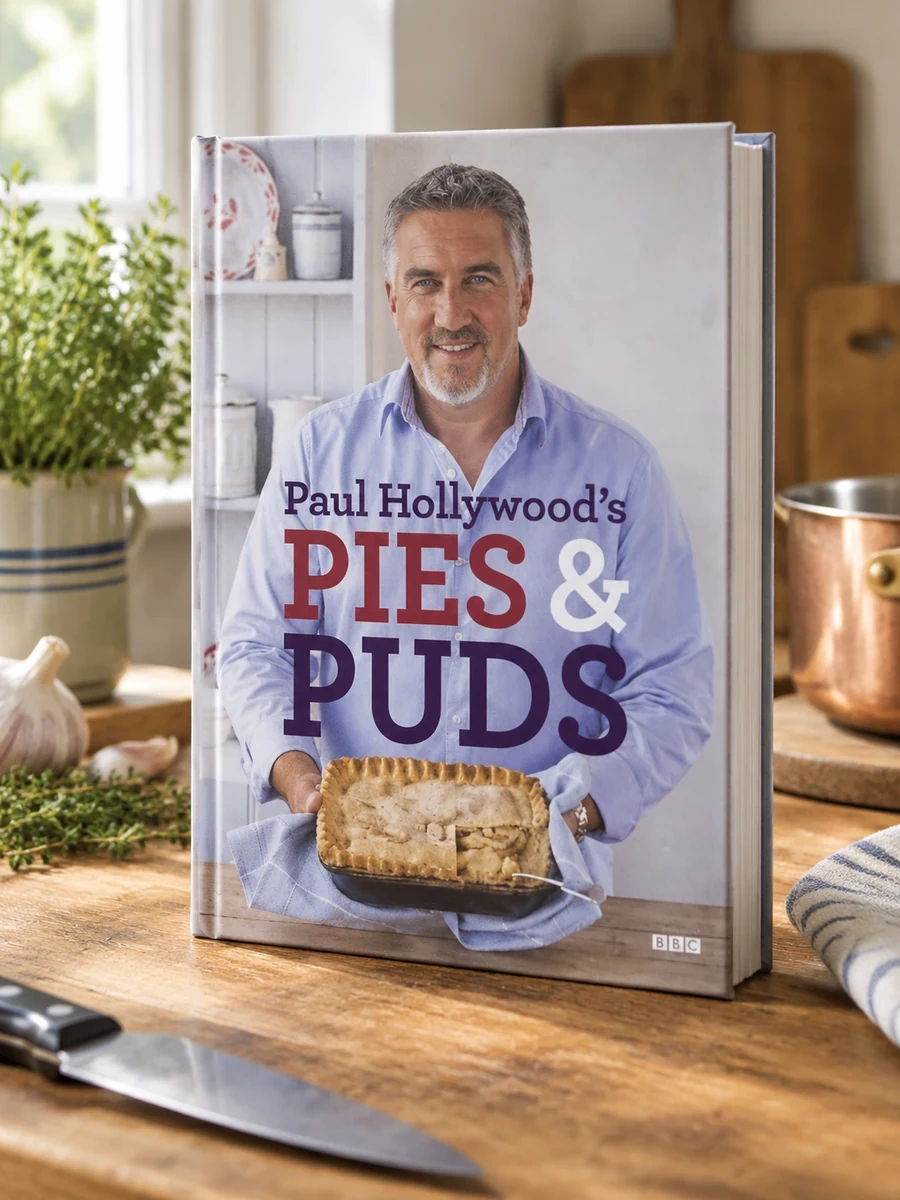
7. Paul Hollywood's Pies and Puds — Paul Hollywood
After the broad books and the bread-focused titles, pies and puddings are a natural specialization. Paul Hollywood's Pies and Puds is the pick for the baker whose interests have moved beyond loaves and general baking into a more specific corner of British comfort cooking.
Its place near the end of the sequence is deliberate. You do not need to read the earlier books first, but if you are building a Paul Hollywood library rather than choosing one isolated cookbook, this gives you a distinct subject instead of another general introduction.
8. A Baker's Life: 100 Fantastic Recipes, from Childhood Bakes to Five-Star Excellence — Paul Hollywood
A Baker's Life takes a different approach from a straightforward technique manual. Its title frames the recipes through Hollywood's life as a baker, moving from childhood bakes toward more ambitious territory. That makes it especially suitable for readers who want the person and the story behind the baking as well as recipes.
Place it here if you have already worked through the more instructional side of the catalog and want something with a stronger food-writing dimension. It can also be your first Hollywood book if the autobiographical angle matters more to you than a structured introduction to technique.
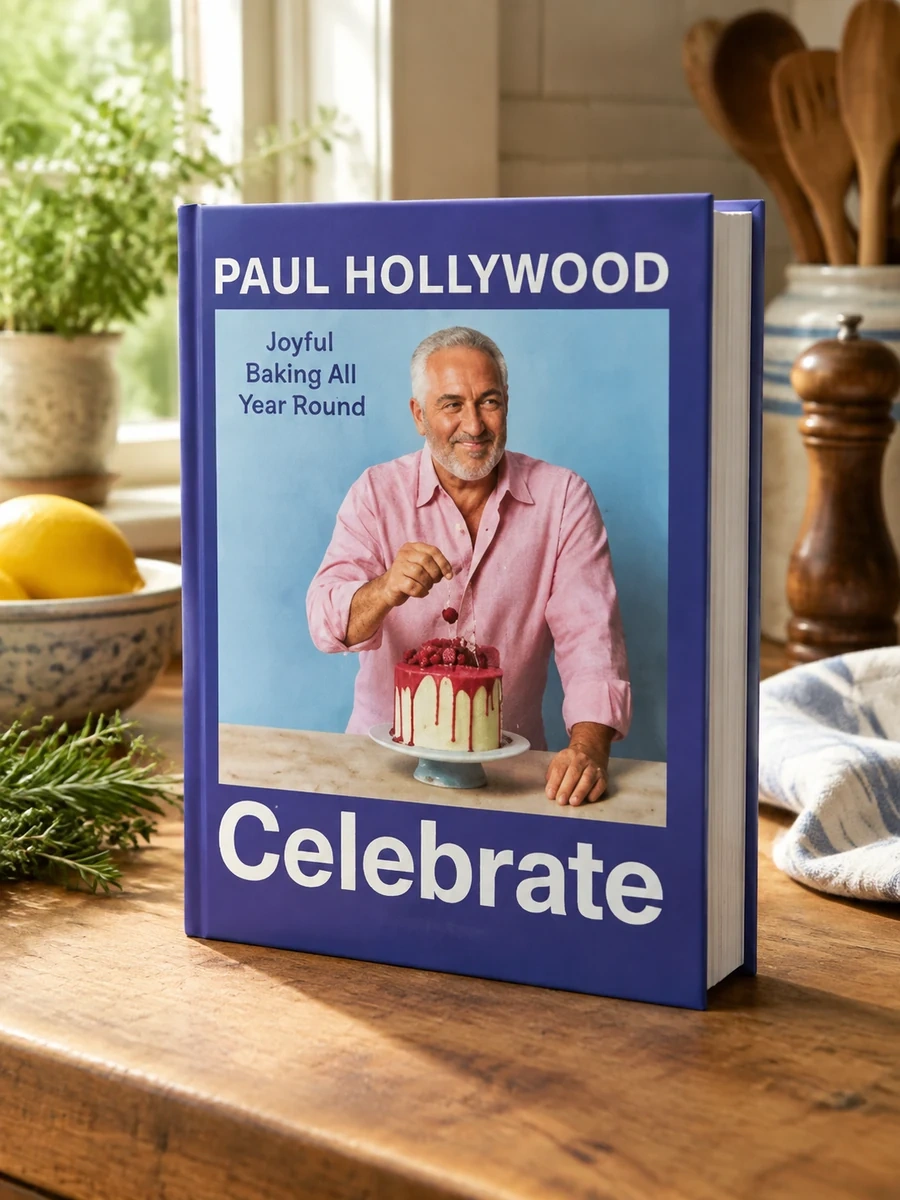
9. Celebrate: Joyful Baking All Year Round — Paul Hollywood
Celebrate organizes its appeal around baking throughout the year. That makes it less of a starting manual and more of a book to keep returning to when you want baking to fit a calendar, an occasion, or a particular time of year.
It is a particularly sensible addition once you already have a general baking book. Instead of replacing your foundation, it gives that foundation a seasonal rhythm. Among the books in this list, it is one of the better choices for someone who wants baking to become a recurring household habit rather than an occasional project.
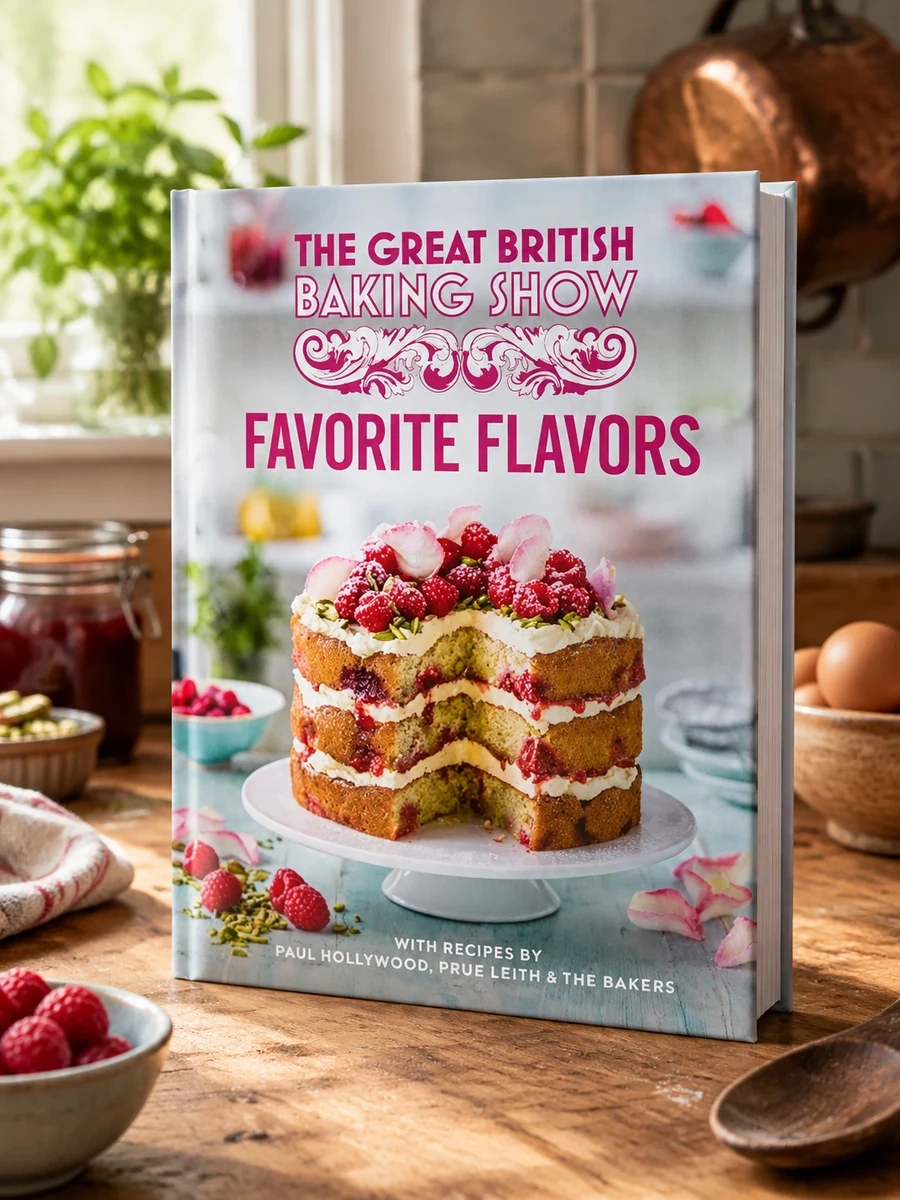
10. Great British Baking Show: Favorite Flavors — Paul Hollywood
This is the finishing choice for the reader who wants the strongest combination of Hollywood, the show, and flavor-driven baking in one title. Its position at number 10 does not mean it is a lesser book; it means it works especially well once you know what you like to bake and want another focused collection to explore.
It also has one of the highest editorial scores in this Paul Hollywood selection, which makes it a compelling standalone purchase if you are not interested in following the whole sequence. If the show is the main reason you are here, however, move this book much earlier—possibly to number 1.
How to choose your first Paul Hollywood book
The easiest way to choose is to ignore the numbers for a moment and identify your actual goal. If you want the broadest starting point, choose How to Bake. If you mainly want bread, start with Paul Hollywood's Bread. If you want a larger bread repertoire, go directly to Paul Hollywood 100 Great Breads: The Original Bestseller.
For The Great British Baking Show fans, the two television-linked titles are the clearest shortcuts. The Great British Baking Show: Love to Bake is the more natural early entry, while Great British Baking Show: Favorite Flavors is a strong choice once you know what kinds of bakes you want to pursue.
There is also a useful distinction between “learn” and “collect.” If you are learning, resist the temptation to start with a specialty book simply because its subject sounds appealing. A general foundation gives you more ways to use the books that follow. If you are collecting, there is no need to follow the order at all: choose the titles that fill gaps in the subjects you already bake.
Finally, price should not be the deciding factor by itself. The catalog ranges from books under $20 to substantially more expensive hardcover-style cookbook investments, but the more useful question is whether the book matches the kind of baking you will actually do. A focused bread book is better value for a bread obsessive than a broad general cookbook that spends little of its space on dough.
For most people, the shortest answer to “where should I start with Paul Hollywood?” is How to Bake. From there, move toward classics, the show, bread, British baking, pies and puddings, seasonal work, or the more personal A Baker's Life according to what keeps you in the kitchen. That gives you a useful Paul Hollywood shelf rather than ten books competing to do the same job.