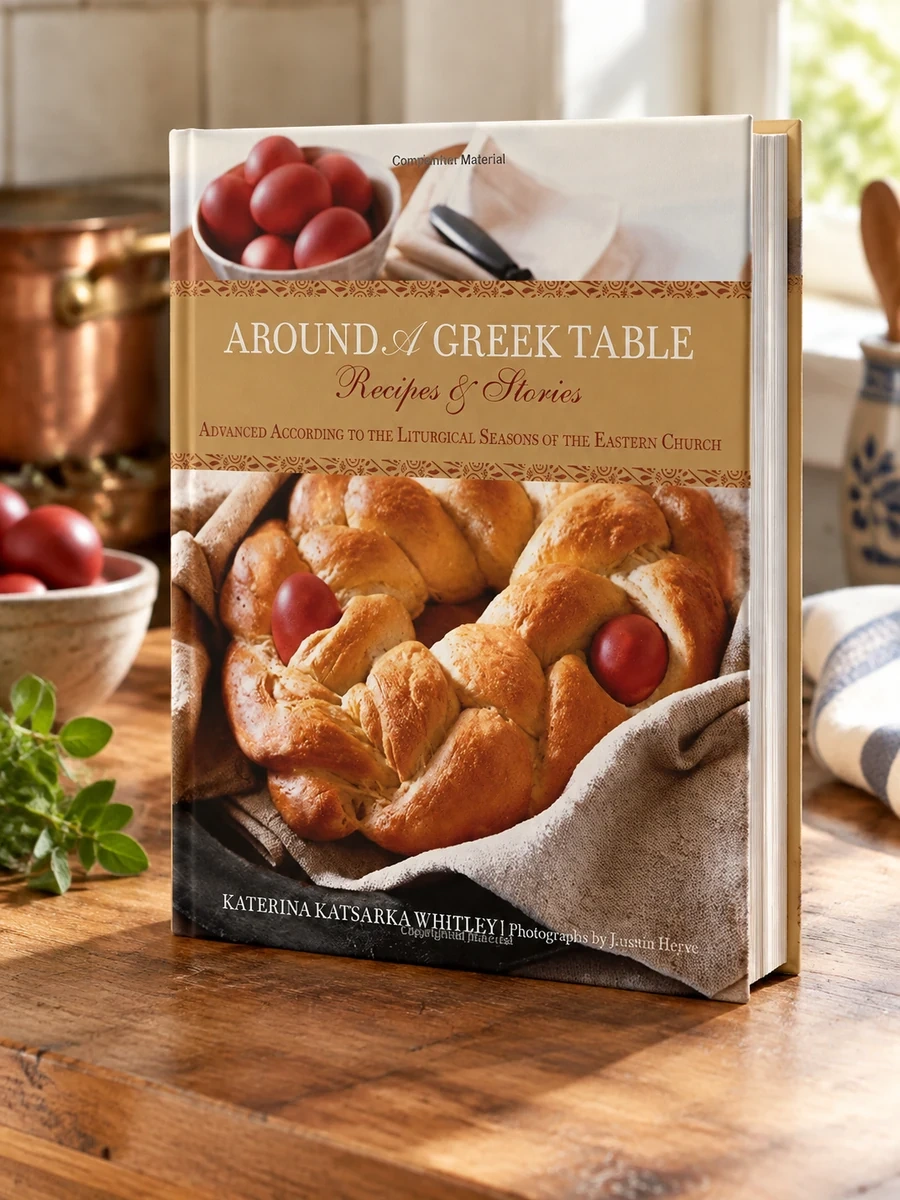
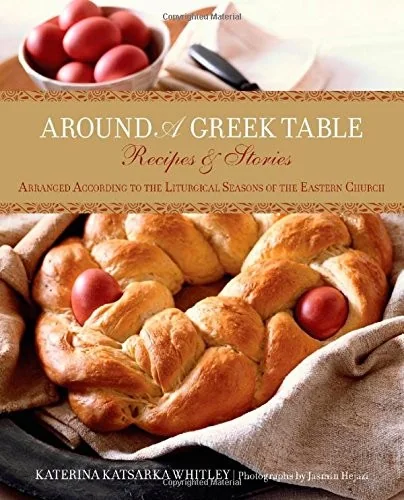
Around a Greek Table: Recipes & Stories Arranged According To The Liturgical Seasons Of The Eastern Church
✍️ Whitley, KaterinaA recipe collection organized by the Eastern Orthodox liturgical year.
Whitley structures her culinary guide around the eight chapters of the Eastern Church’s yearly seasons. This approach allows the author to weave together practical cooking instructions with deep dives into Greek history and daily life. The book emphasizes kefi, a sense of joy often present during large family gatherings. By framing recipes within this liturgical context, the text reveals how ancient stories are told around Greek tables. The essays provide background on the earthy nature of the cuisine, distinguishing it from neighboring culinary traditions. Readers find guidance on preparing dishes like meatballs and spinach pies while learning about the cultural significance behind them.
The book situates Greek cooking within the framework of the Eastern Orthodox Church’s liturgical calendar. It reflects the historic influences on Greek cuisine and the tradition of combining myths with food during family gatherings.


📝 Description: Around a Greek Table: Recipes & Stories Arranged According To The Liturgical Seasons Of The Eastern Church
💎 Expert review
📖 Why choose it
Why this book is worth reading
Readers seeking a deep dive into Greek culinary heritage will find value in this liturgically structured collection. Whitley moves beyond standard stereotypes to reveal an earthy, refined cuisine shaped by historic influences. Home cooks gain access to practical instructions for dishes like Spanakopita and Keftedes, framed by essays that explore kefi, or joy. This approach helps demystify complex techniques while providing essential cultural context. It is ideal for those who enjoy food writing that connects recipes to their historical roots and religious traditions, offering a window into the rhythms of Greek life.
⭐ Reader reviews
Reader rating
Whitley’s volume offers a distinctive perspective by organizing one hundred recipes around the Eastern Orthodox liturgical year. The text successfully blends practical cooking guidance with intimate essays on family gatherings and cultural identity. However, it is not for everyone. Shoppers seeking quick weeknight dinners or those uninterested in religious frameworks for meal planning will likely find the structure restrictive. The book requires patience for its historical narratives rather than immediate gratification. It stands as a thoughtful exploration of Greek life, distinguished by its less pretentious yet refined tone compared to neighboring southern Italian or French styles. It is a specialized choice for dedicated enthusiasts.
❓ Frequently asked questions
📖 Who should read this
Readers seeking a culinary exploration of Greek culture via the Orthodox calendar. Ideal for home cooks interested in traditional dishes like spinach pies who appreciate historical context and family gatherings centered on joy and shared meals.