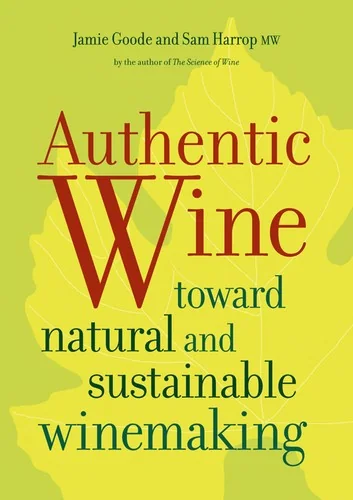
Authentic Wine: Toward Natural and Sustainable Winemaking
✍️ Goode, JamieA scientific defense of natural winemaking by trained scientist Jamie Goode.
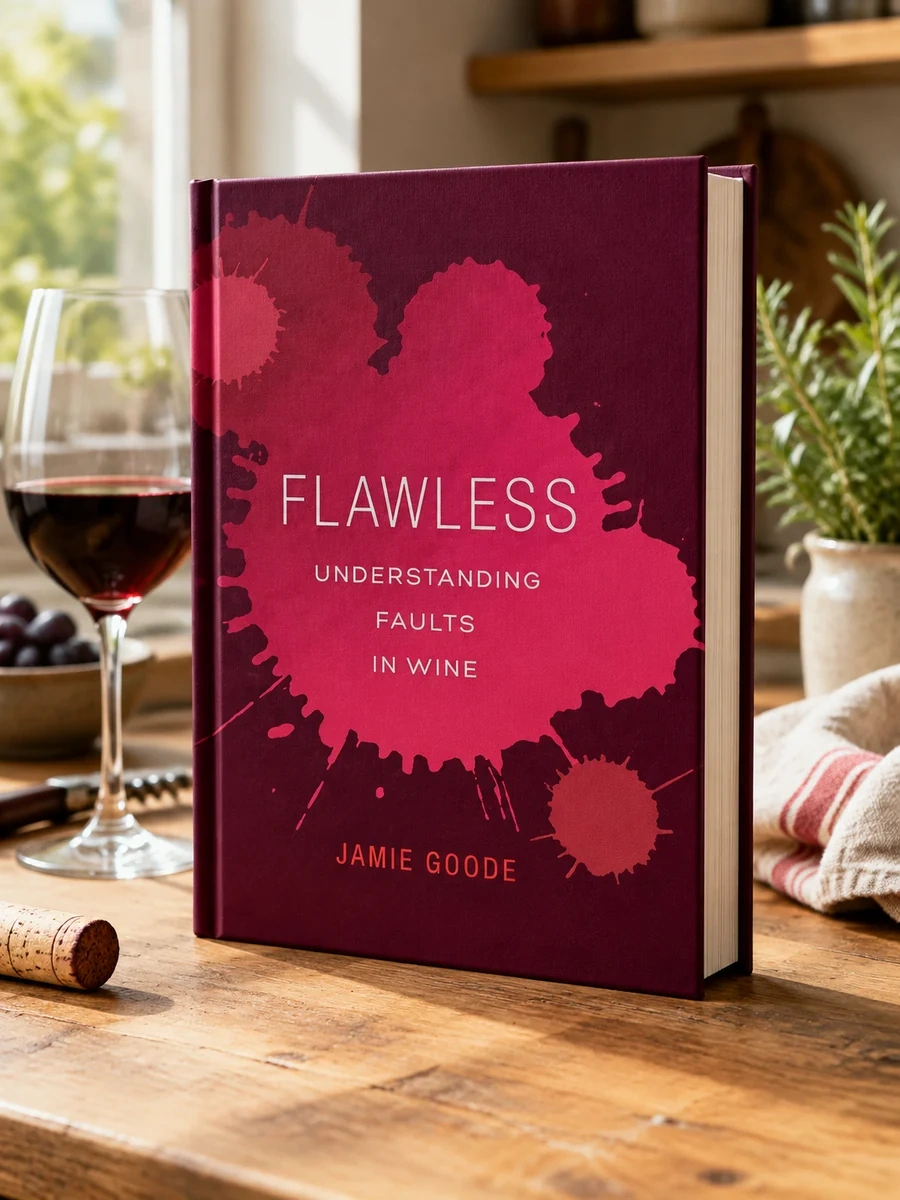
The book challenges the homogenization of modern wine production by advocating for sustainable practices rooted in terroir. Goode, known for his clear explanations in The Science of Wine, brings a scientific rigor to the debate. He avoids the pitfalls of being overly academic while maintaining intellectual depth. Harrop contributes to this reasoned approach, ensuring the guide remains practical. The authors cite Mike Veseth and Randall Grahm to support their stance on preserving individuality in winemaking. Eric Asimov notes the lively nature of the content, while Matt Kramer praises Goode’s clarity. Wine Enthusiast highlights the accessibility of even the most technical subjects within the text. This combination of scientific background and literary skill makes the book suitable for serious enthusiasts who want to understand the ideological shifts in the industry.
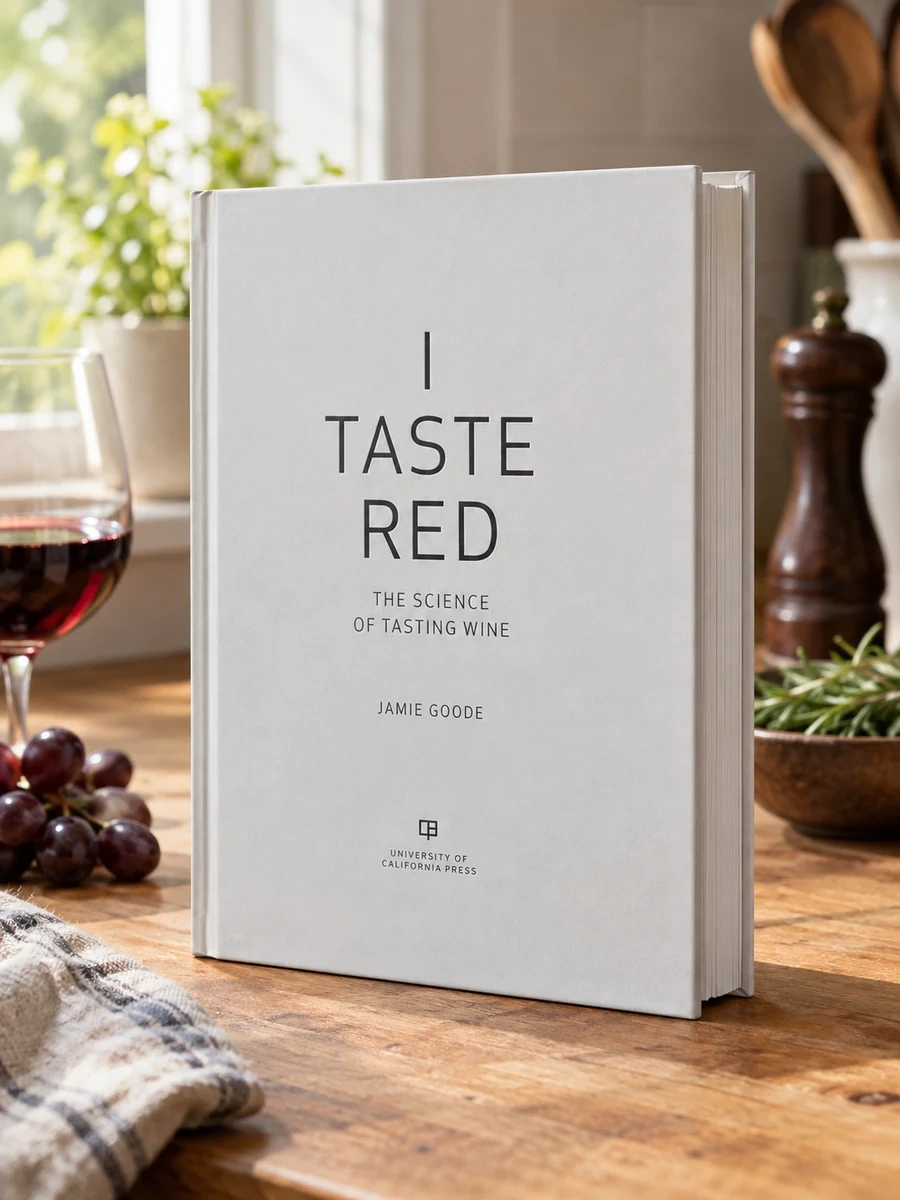
Published by University of California Press in 2011, this hardcover volume positions itself against the commercialization of wine. It responds to the ideological clashes described by critics like Mike Veseth regarding the curse and miracle of mass-market wines.


📝 Description: Authentic Wine: Toward Natural and Sustainable Winemaking
💎 Expert review
⭐ Reader reviews
Reader rating
Goode provides a rigorous yet accessible argument for sustainable winemaking, effectively balancing scientific depth with literary clarity. The text avoids being overly academic while maintaining intellectual substance, making complex technical subjects approachable. However, readers seeking simple recipes or casual reading may find the ideological focus and technical explanations less engaging than expected. It is best suited for those interested in the philosophy behind wine production rather than just consumption.
❓ Frequently asked questions
📖 Who should read this
Serious wine enthusiasts seeking a scientific defense of natural winemaking. Ideal for readers who value terroir and sustainable practices over industrial homogenization. Suitable for those wanting to understand ideological shifts in the industry without wading through overly academic texts or complex jargon.